Introduction to Italian Gluten-Free Cuisine
Italian cuisine is renowned for its rich flavors, diverse ingredients, and heartiness, making it a favorite among food lovers worldwide. However, with the increasing popularity of gluten-free diets, many may question how these traditional dishes can be adapted while preserving their authentic taste. The significance of gluten-free food in Italian culture is becoming more pronounced, as chefs and home cooks alike strive to create meals that cater to a growing number of individuals with gluten sensitivities or celiac disease.
Historically, Italian cuisine has heavily relied on wheat products, including pasta and bread. Nevertheless, the adaptability of Italian cooking has allowed for gluten-free alternatives to emerge. Today, many restaurants and households are producing gluten-free versions of classic dishes, substituting wheat-based ingredients with alternatives such as rice, corn, and various gluten-free flours. This shift not only reflects the dietary needs of many but also highlights the versatility of Italian culinary practices.
Despite some common misconceptions, gluten-free Italian food can be just as flavorful and satisfying as its traditional counterparts. The notion that gluten-free options lack taste is misleading; in fact, many gluten-free recipes emphasize the natural flavors of fresh ingredients, a hallmark of Italian cooking. Herbs, spices, seasonal vegetables, and high-quality oils play a crucial role in enhancing the taste of gluten-free dishes. As this cuisine continues to evolve, it embraces both heritage and innovation by integrating gluten-free alternatives that retain the essence of beloved Italian cooking.
As more people adopt gluten-free diets, the culinary landscape is expanding, allowing delicious Italian gluten-free foods and desserts to gain recognition. This perspective not only honors traditional recipes but also showcases the ability to create satisfying meals that cater to diverse dietary needs while still celebrating the spirit of Italian gastronomy.
Essential Ingredients for Gluten-Free Italian Cooking
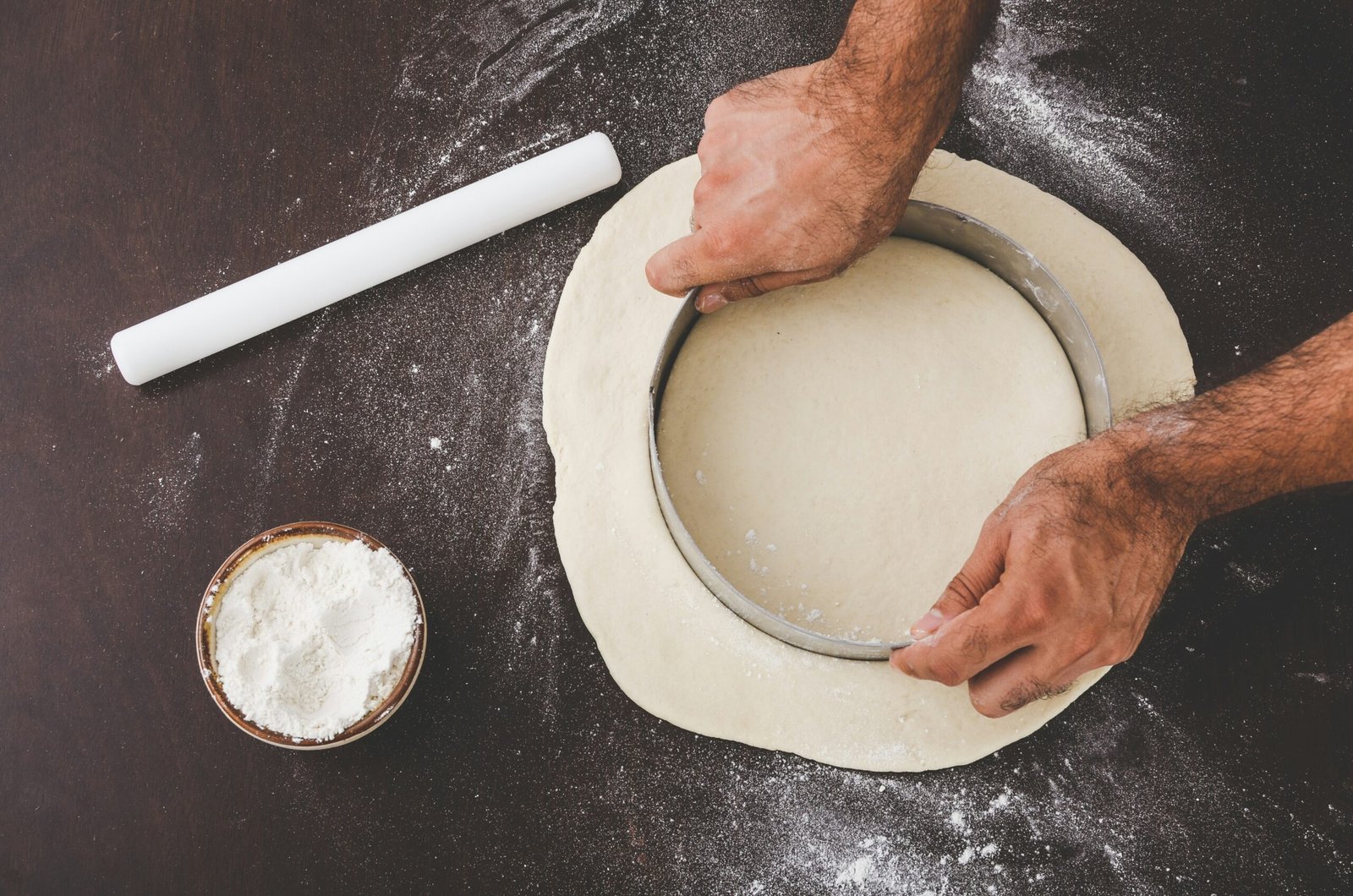
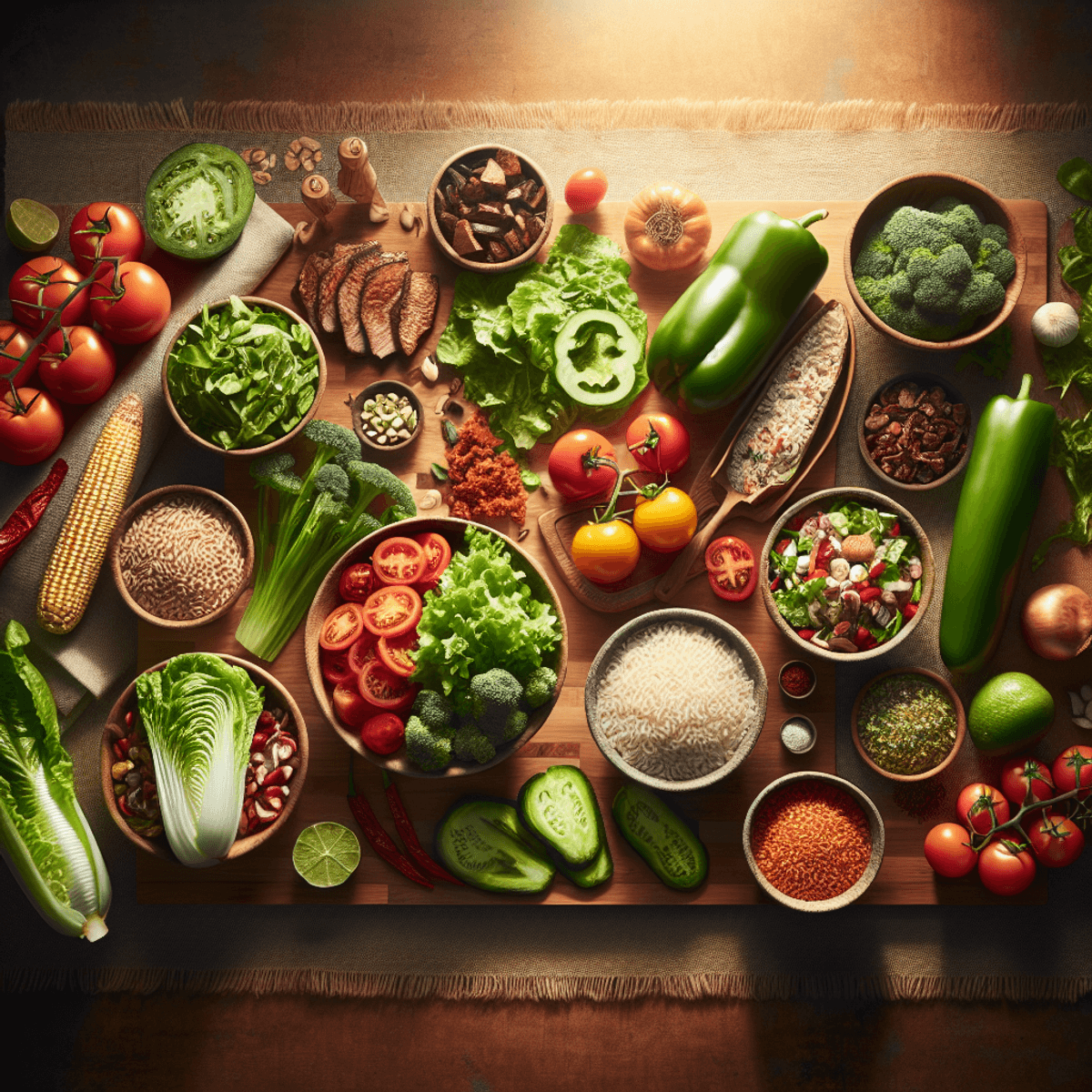
Creating delicious gluten-free Italian dishes involves a careful selection of ingredients that not only accommodate dietary restrictions but also enhance the culinary experience. One of the fundamental components is gluten-free flour, with various options available to suit different recipes. Rice flour is a popular choice, renowned for its versatility and ability to produce a light and delicate texture. It is particularly effective in creating traditional Italian dishes like polenta and gnocchi. Another excellent option is almond flour, which boasts a nutty flavor and can add richness to baked goods such as bread and pastries. Chickpea flour is also gaining traction; its high protein content and earthy taste make it suitable for recipes like farinata or chickpea pasta.
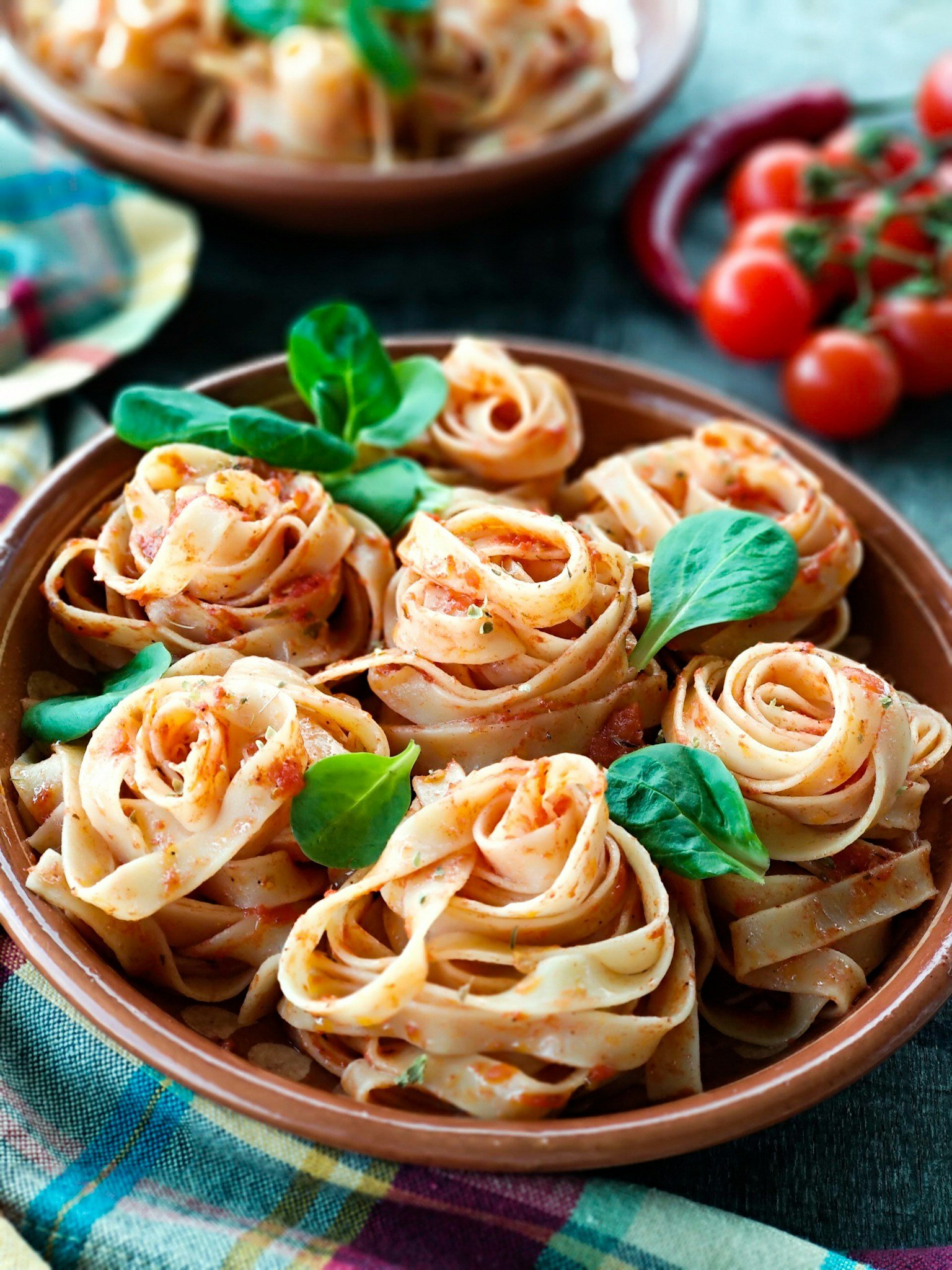
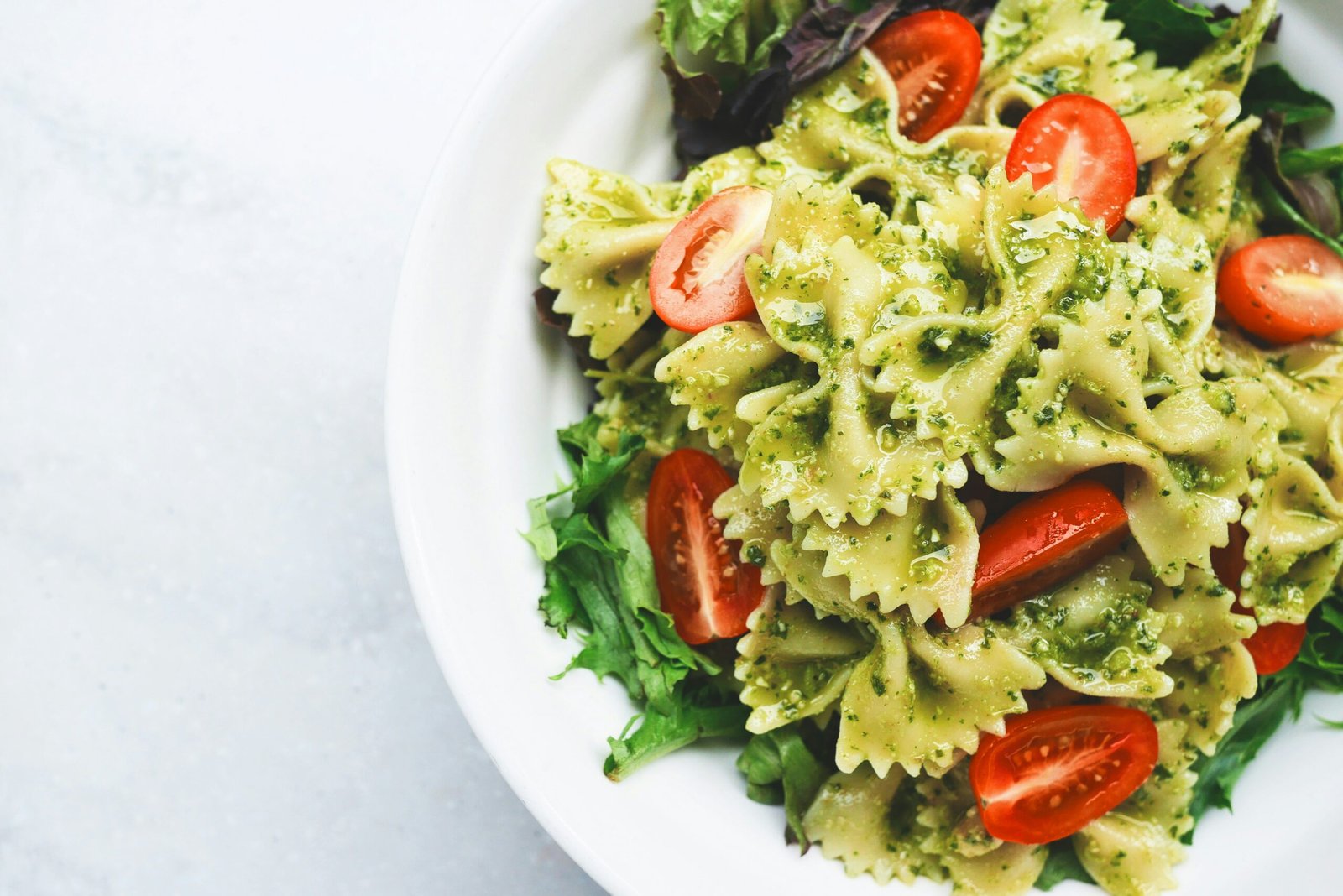
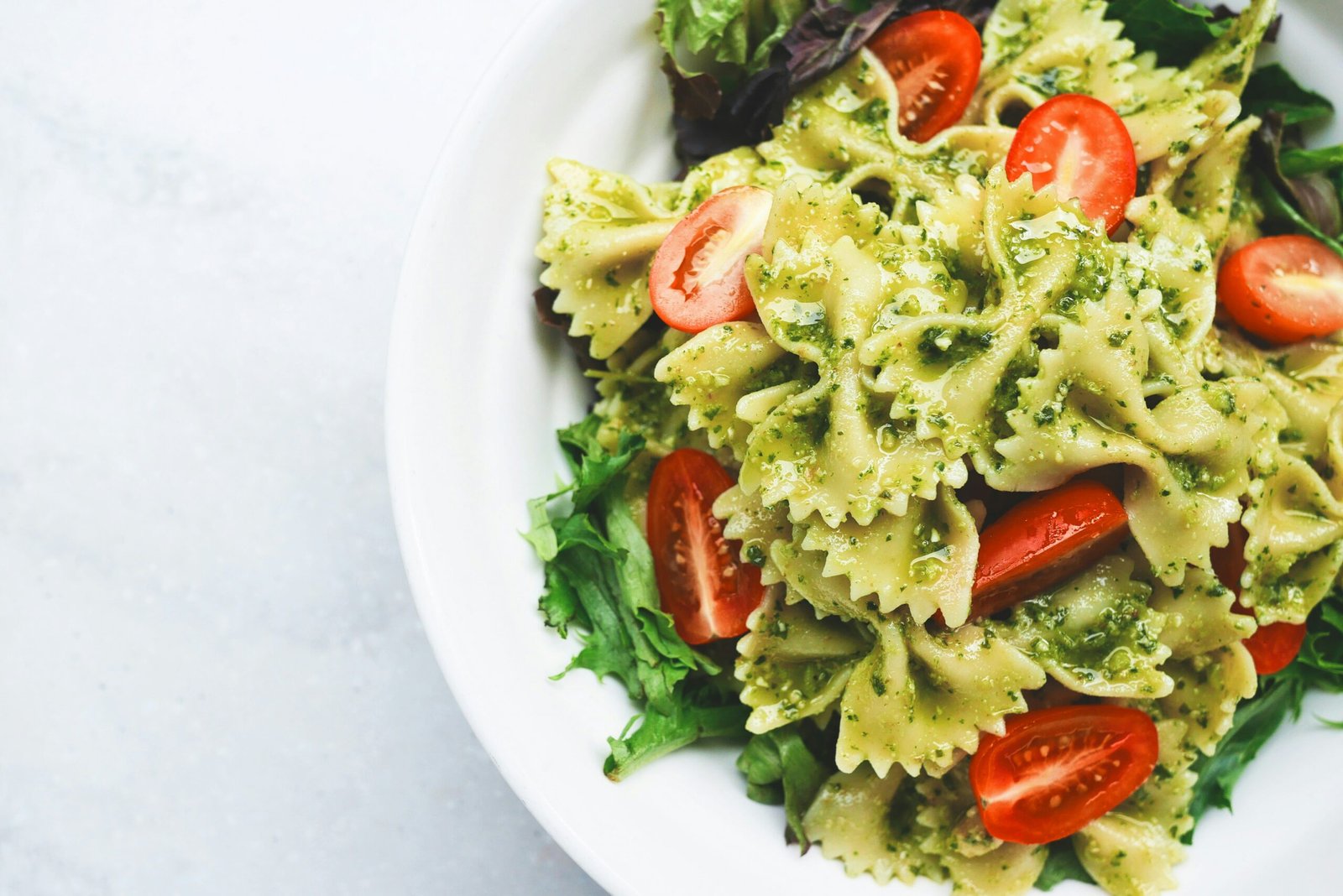
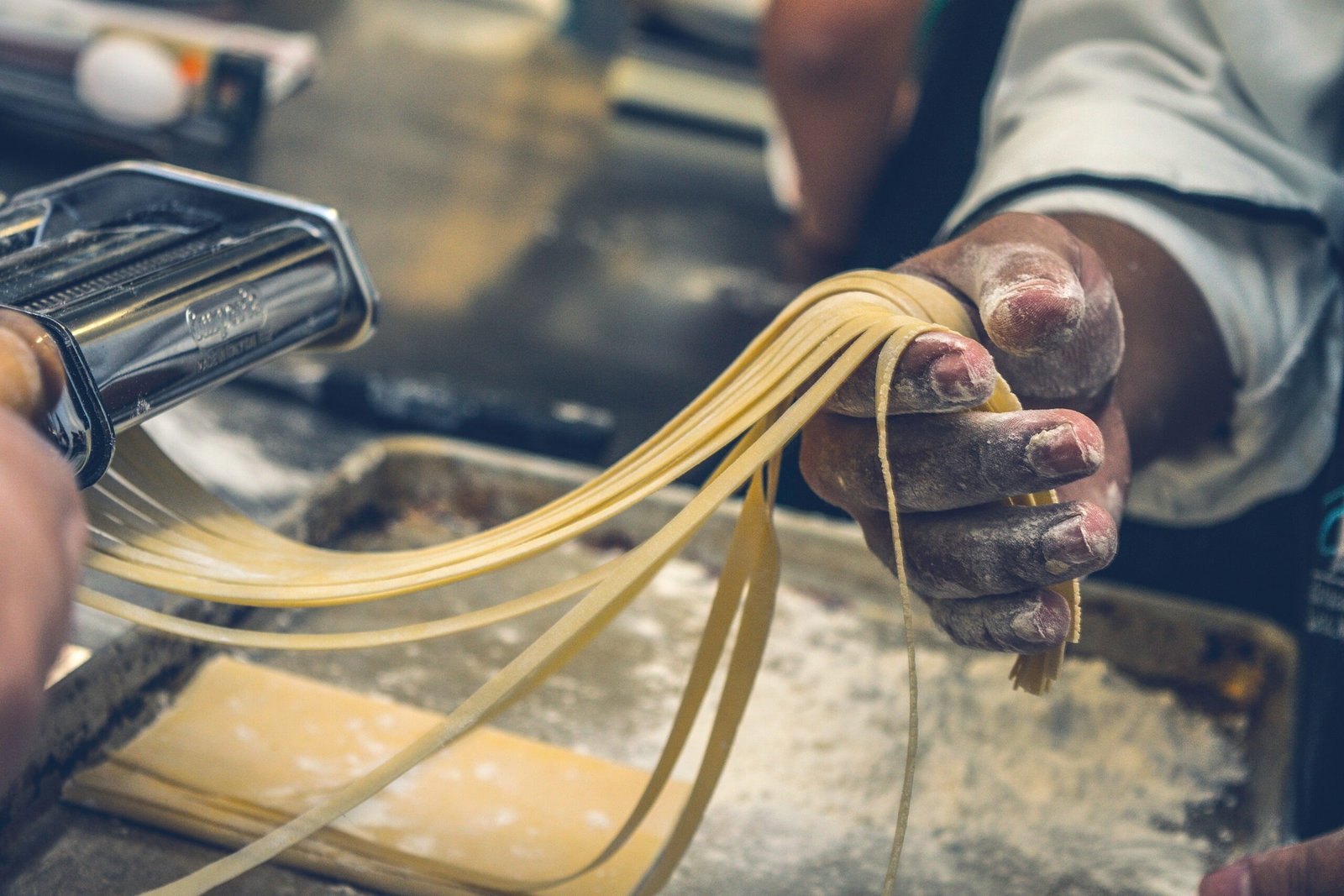
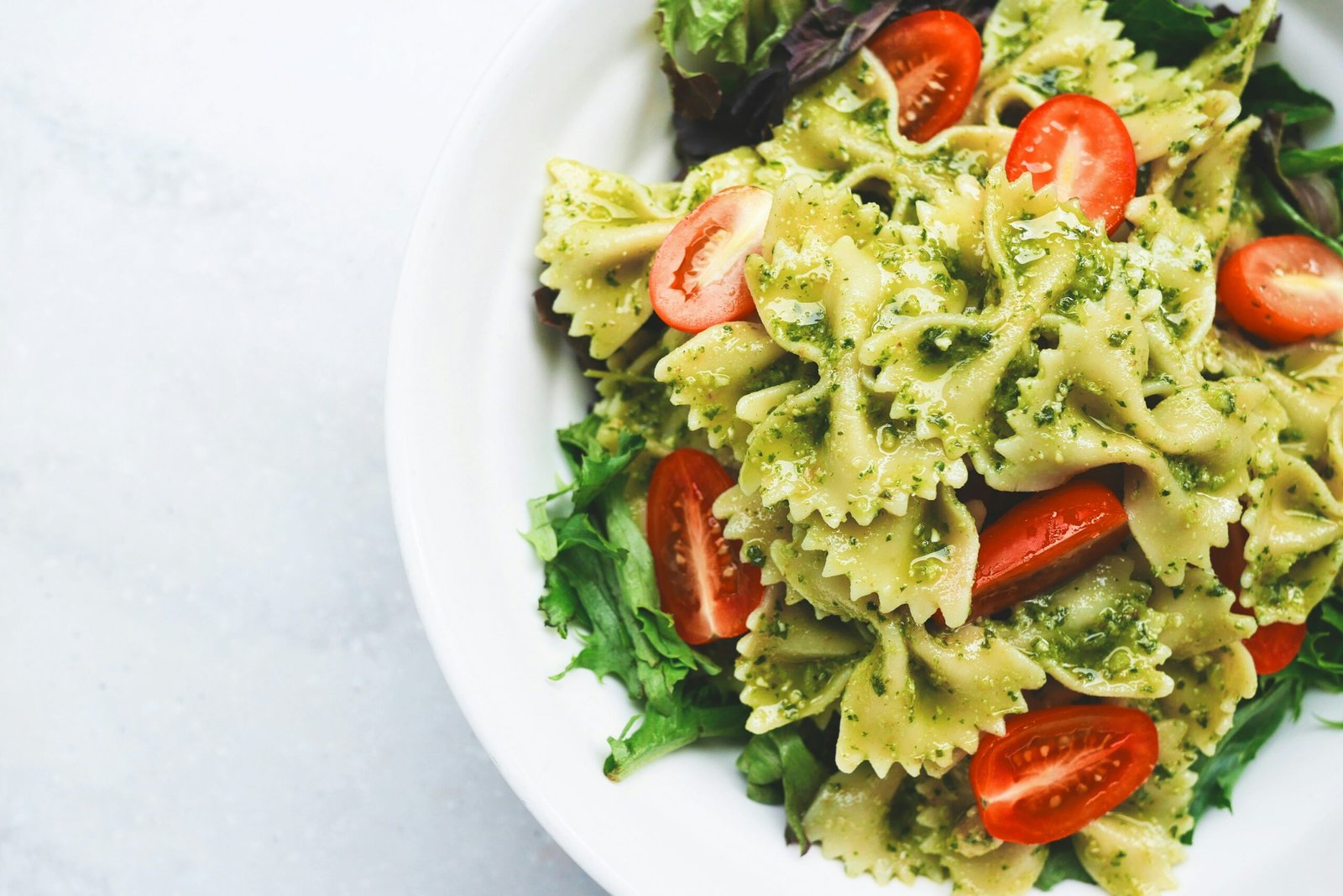
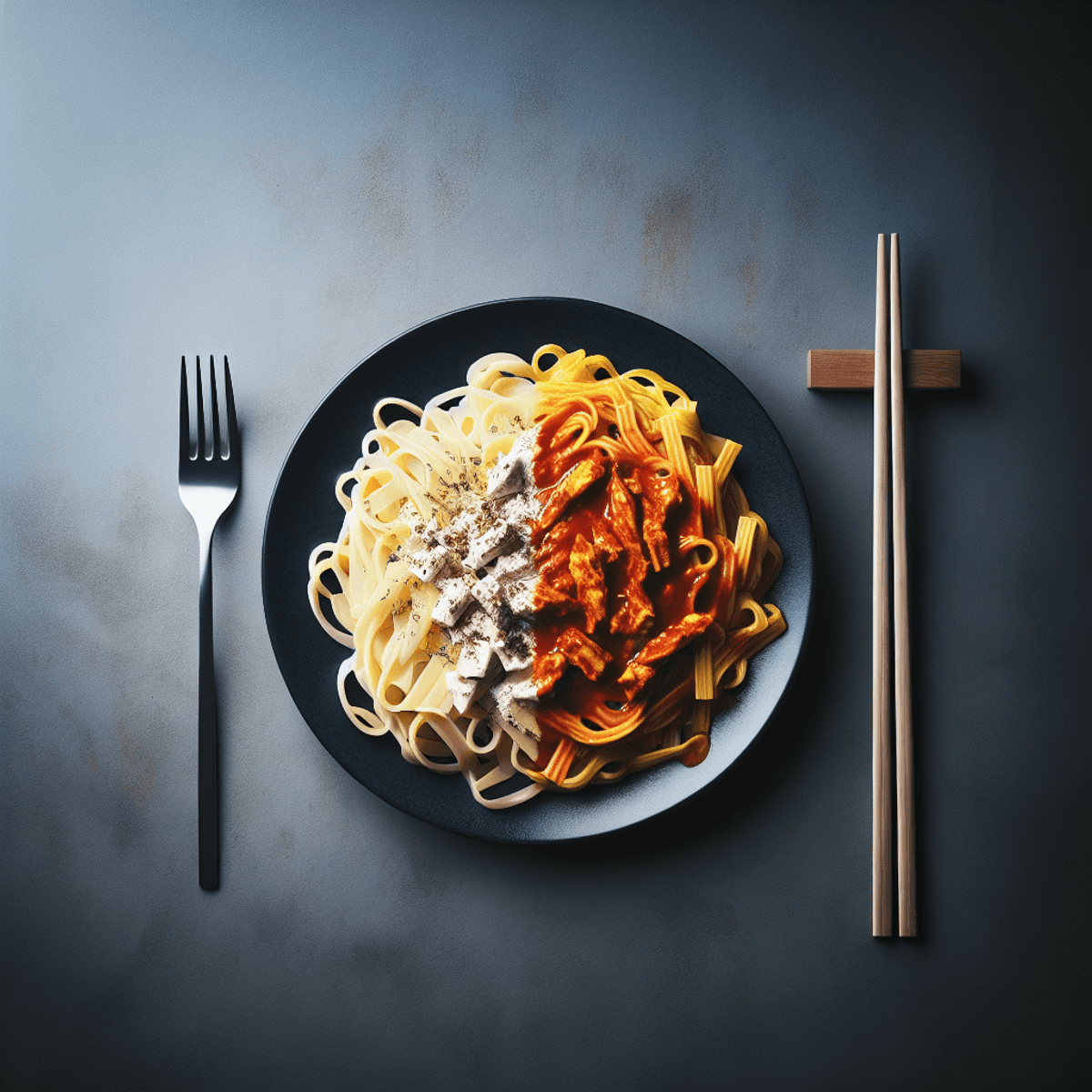
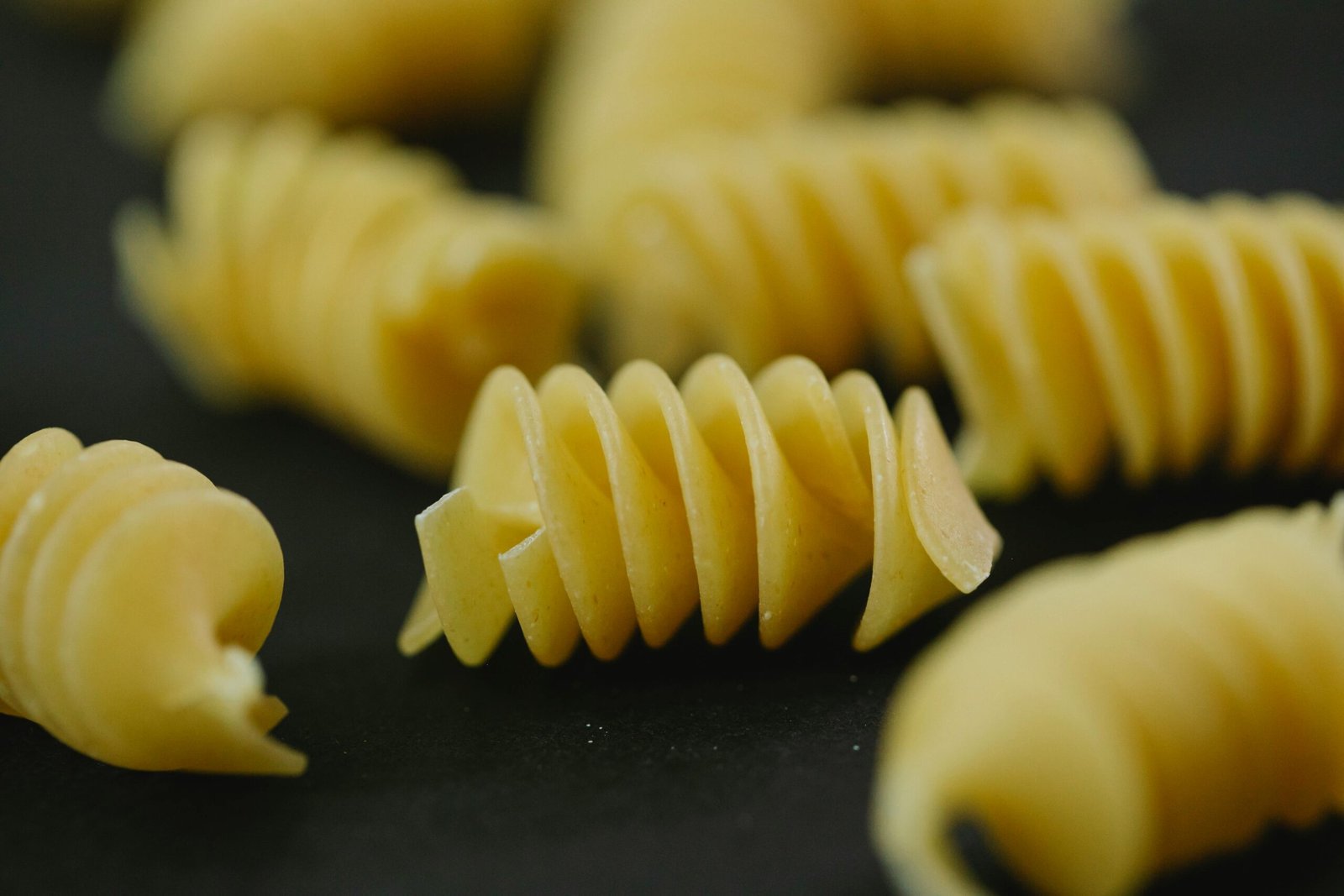
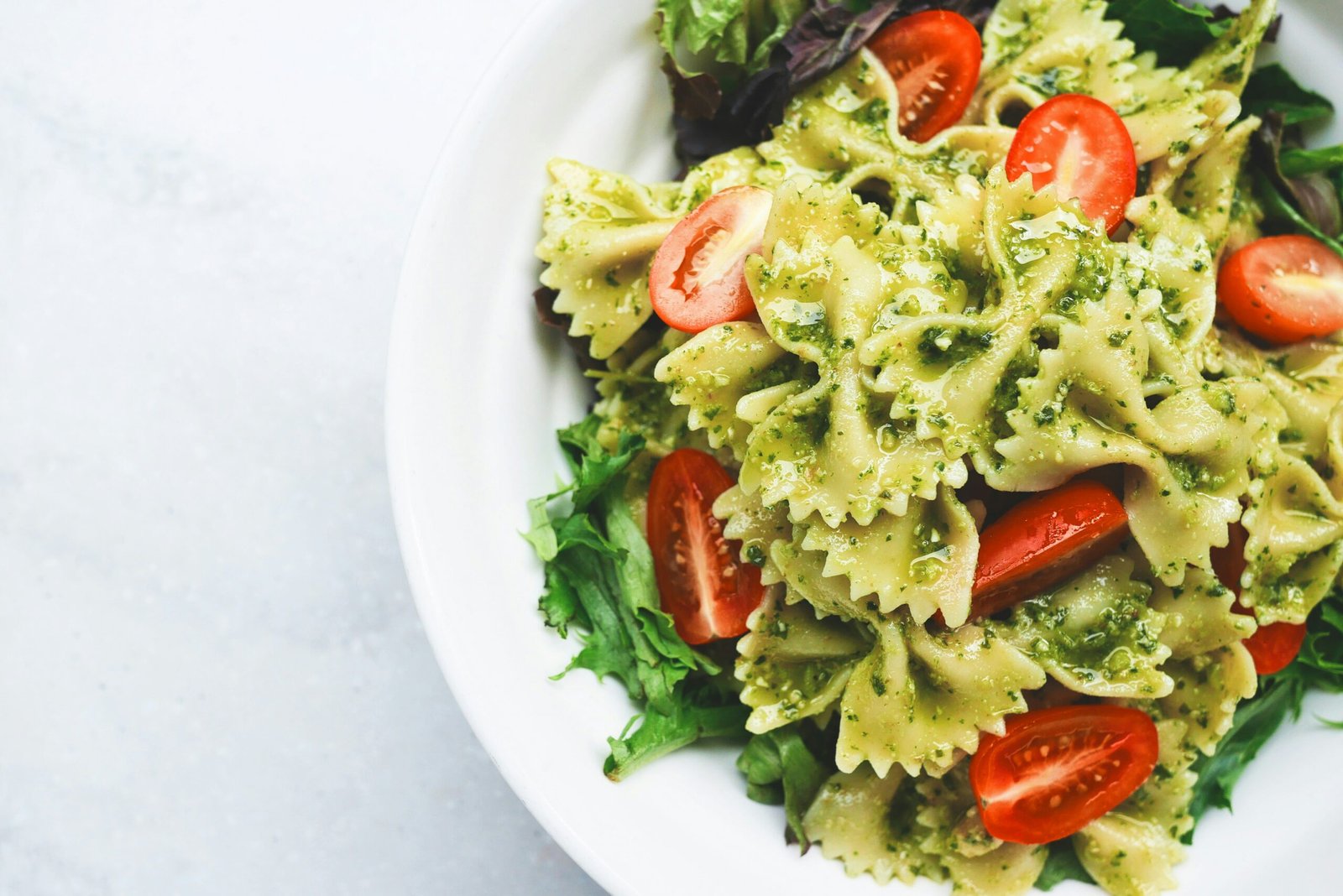
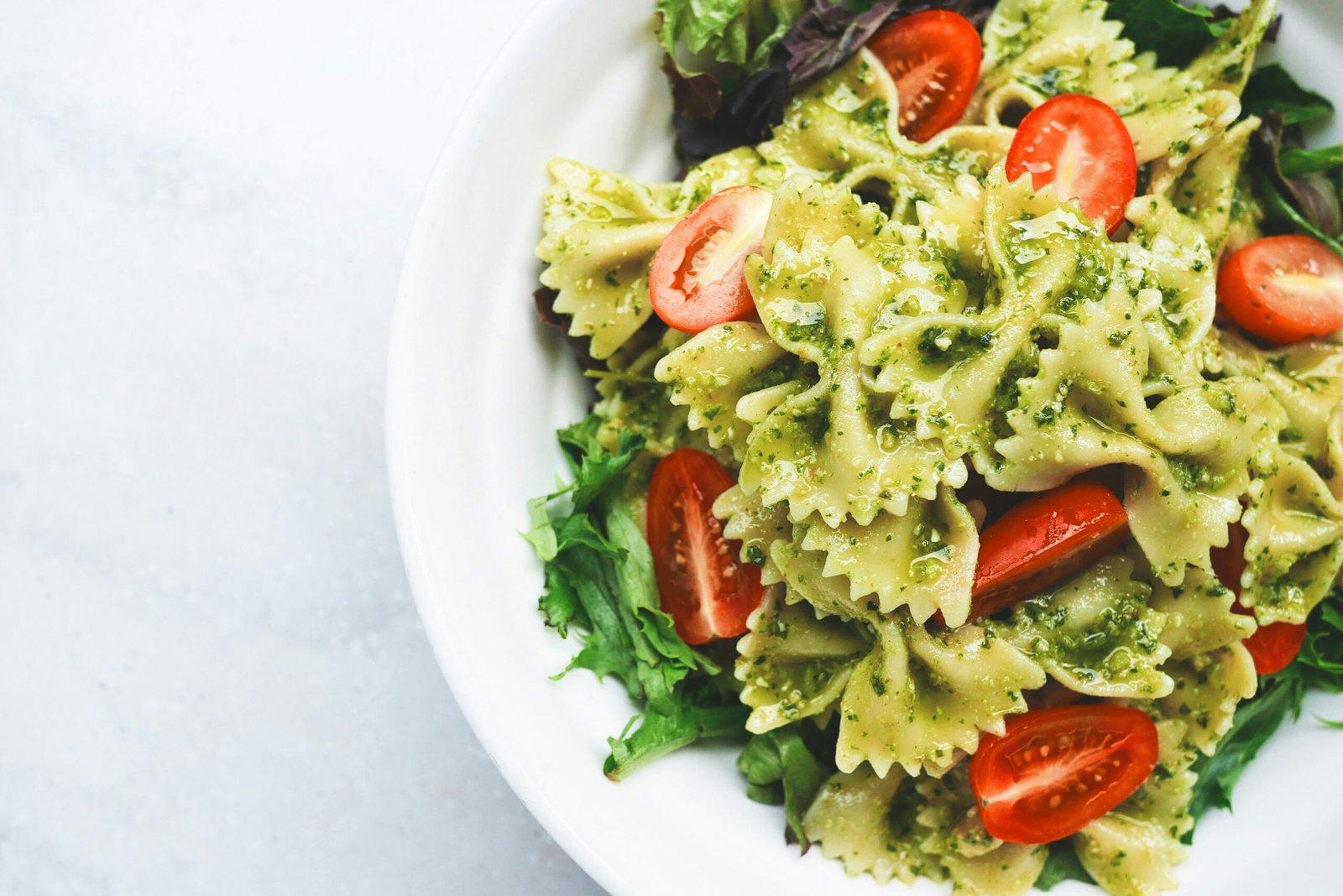
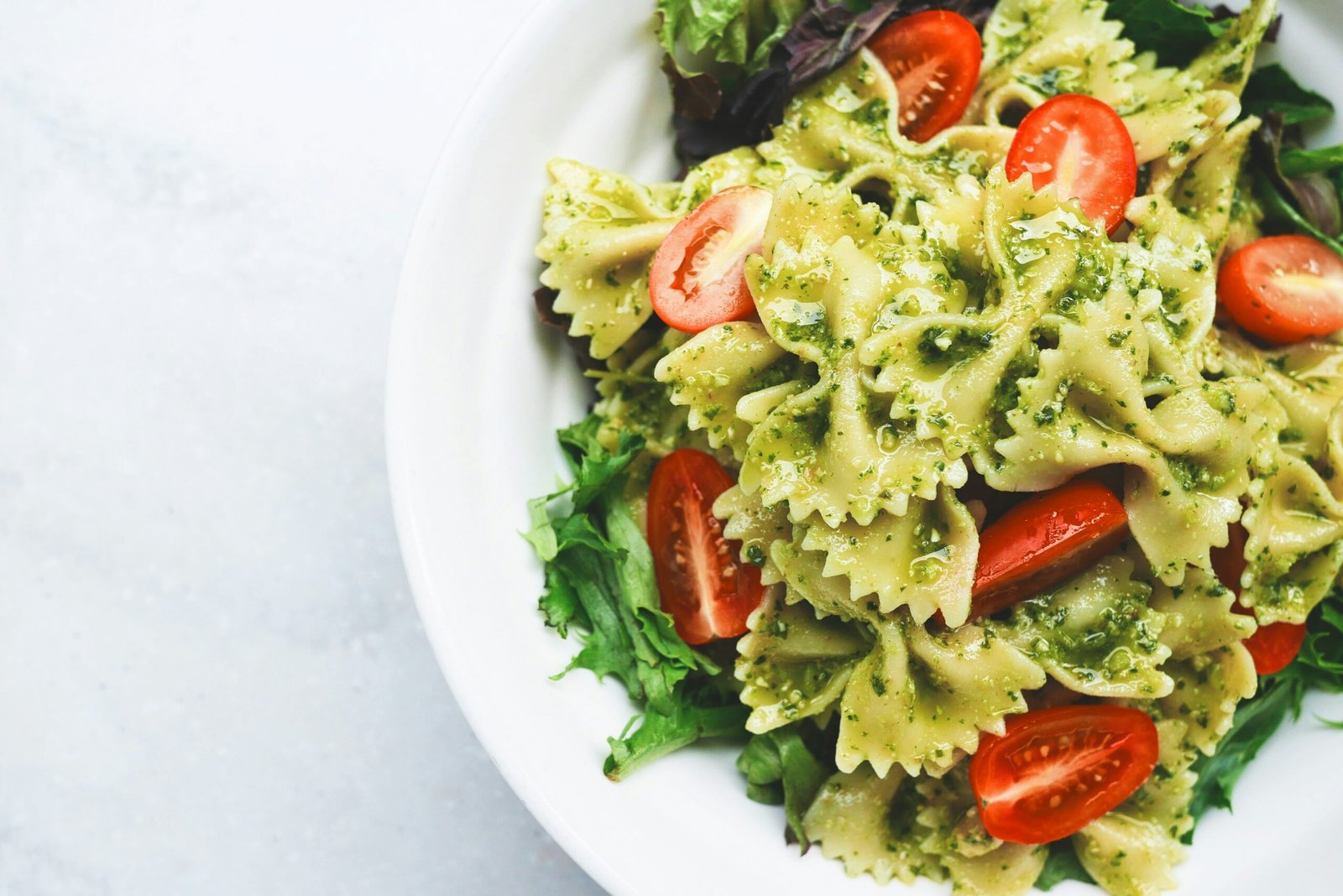
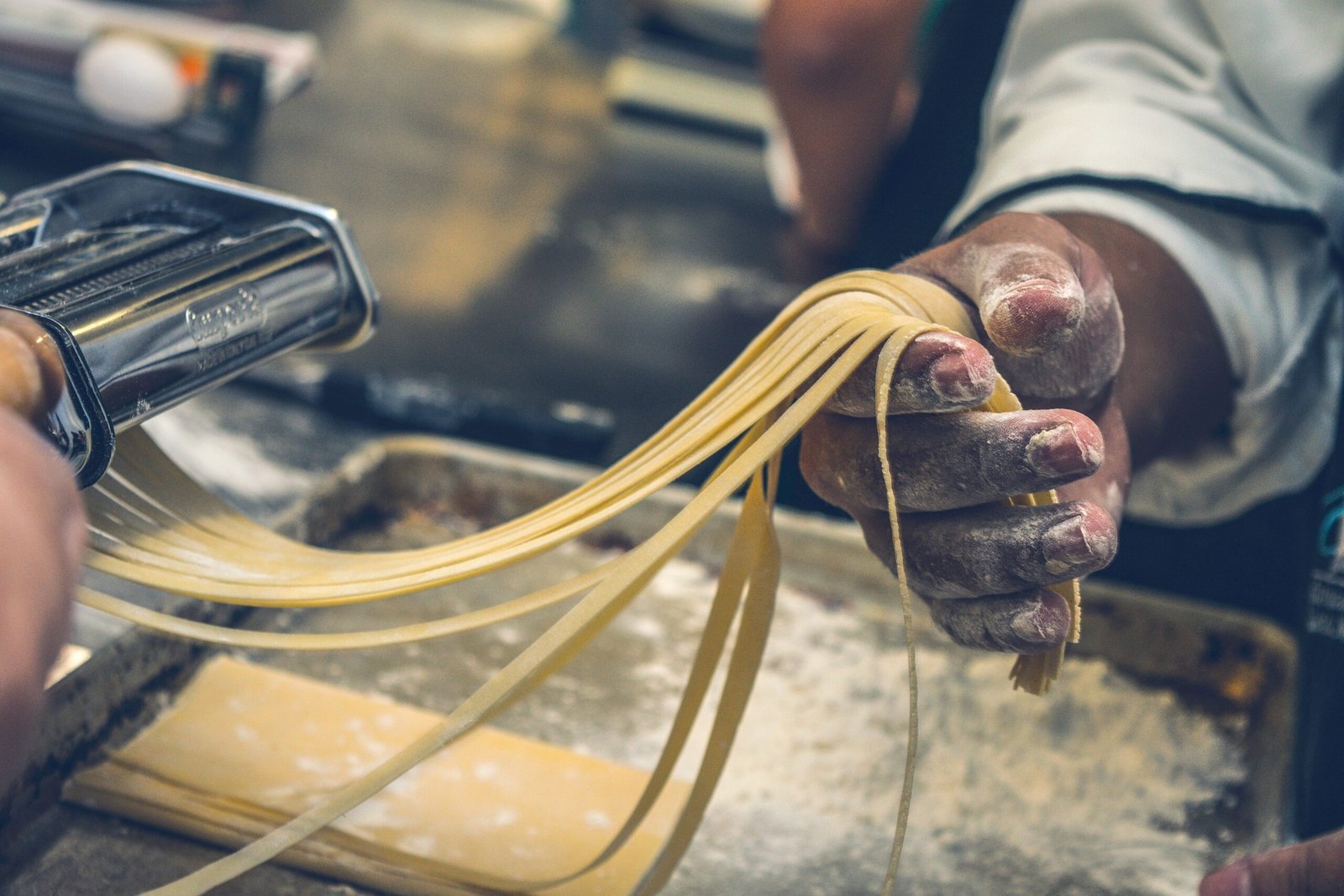
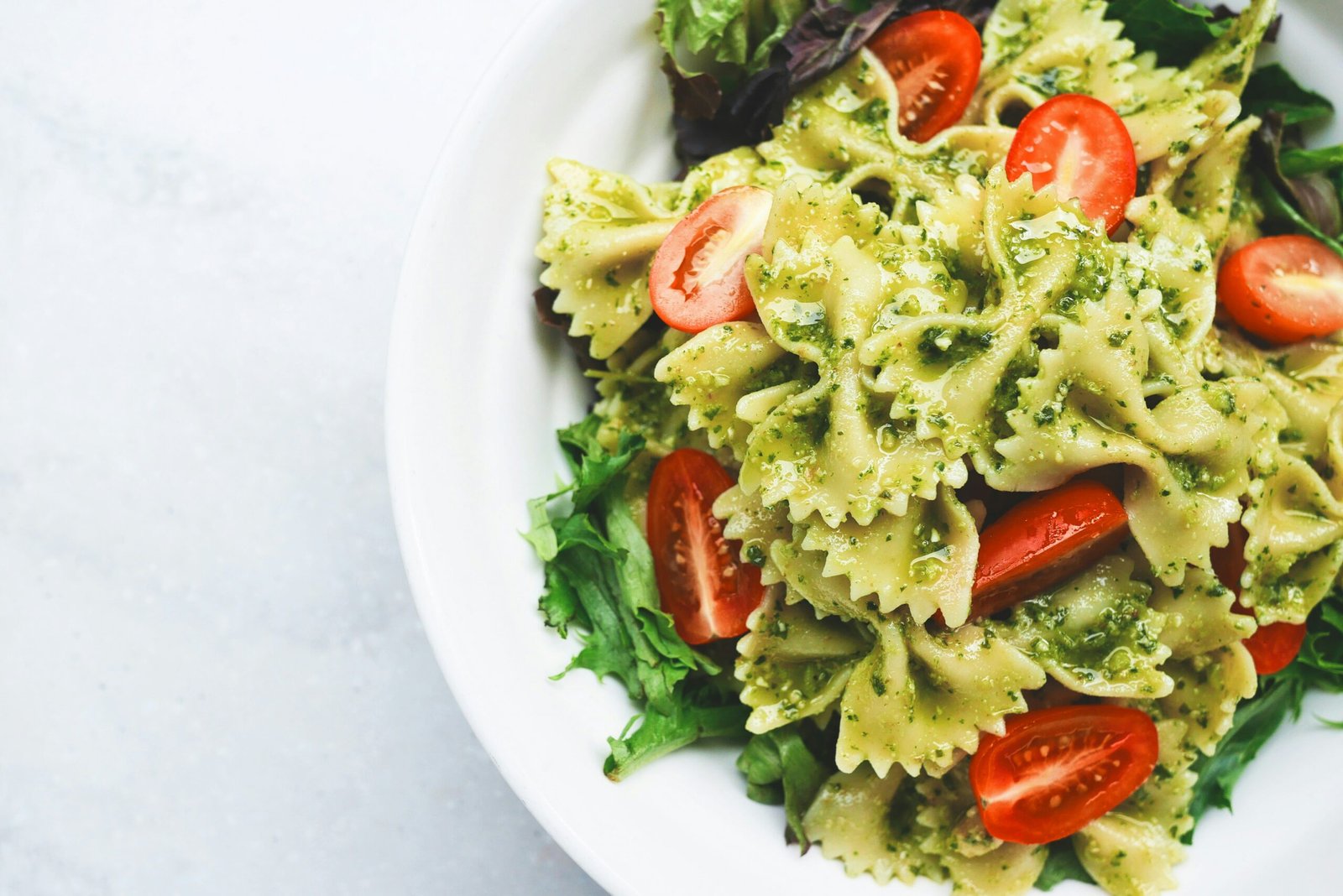
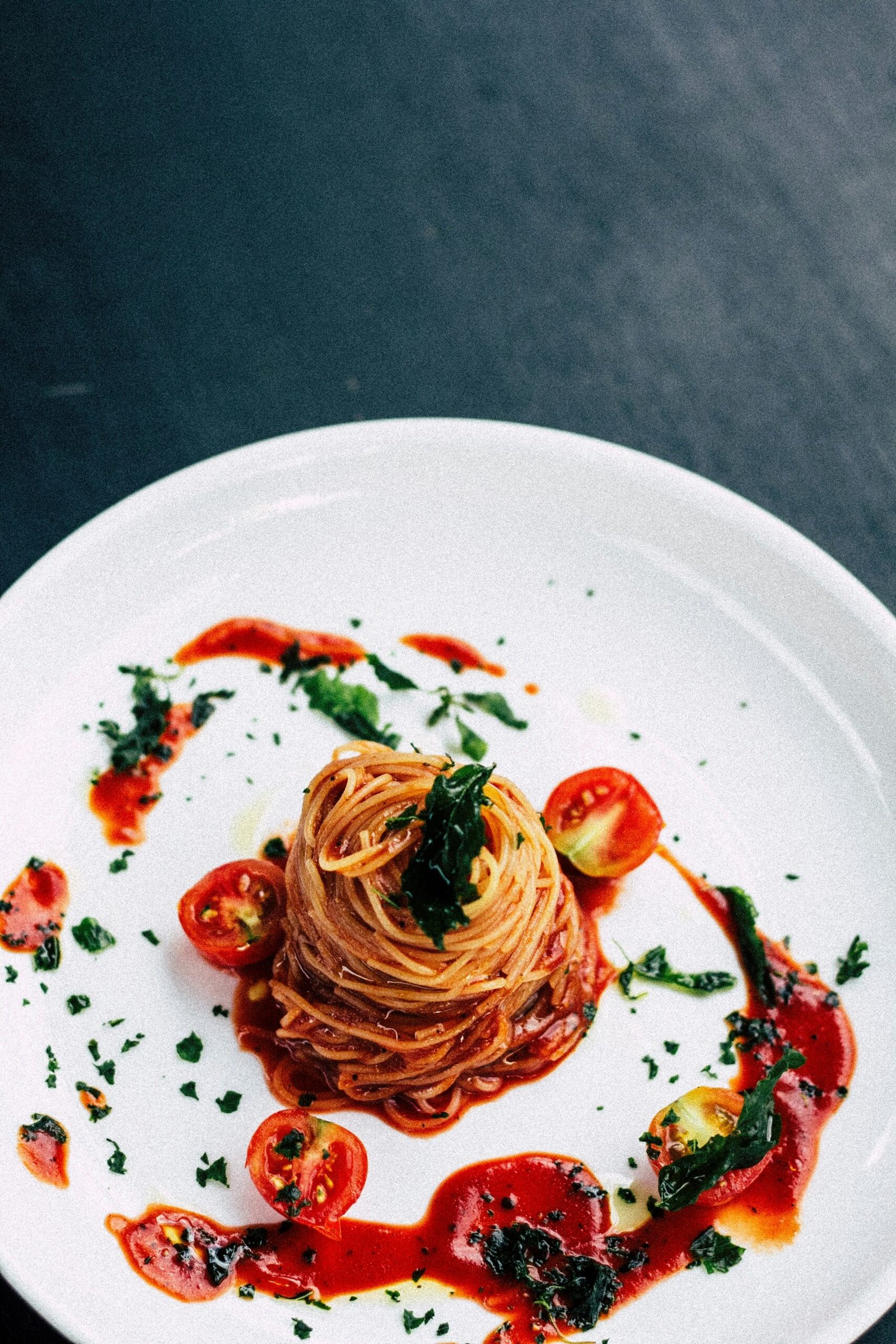
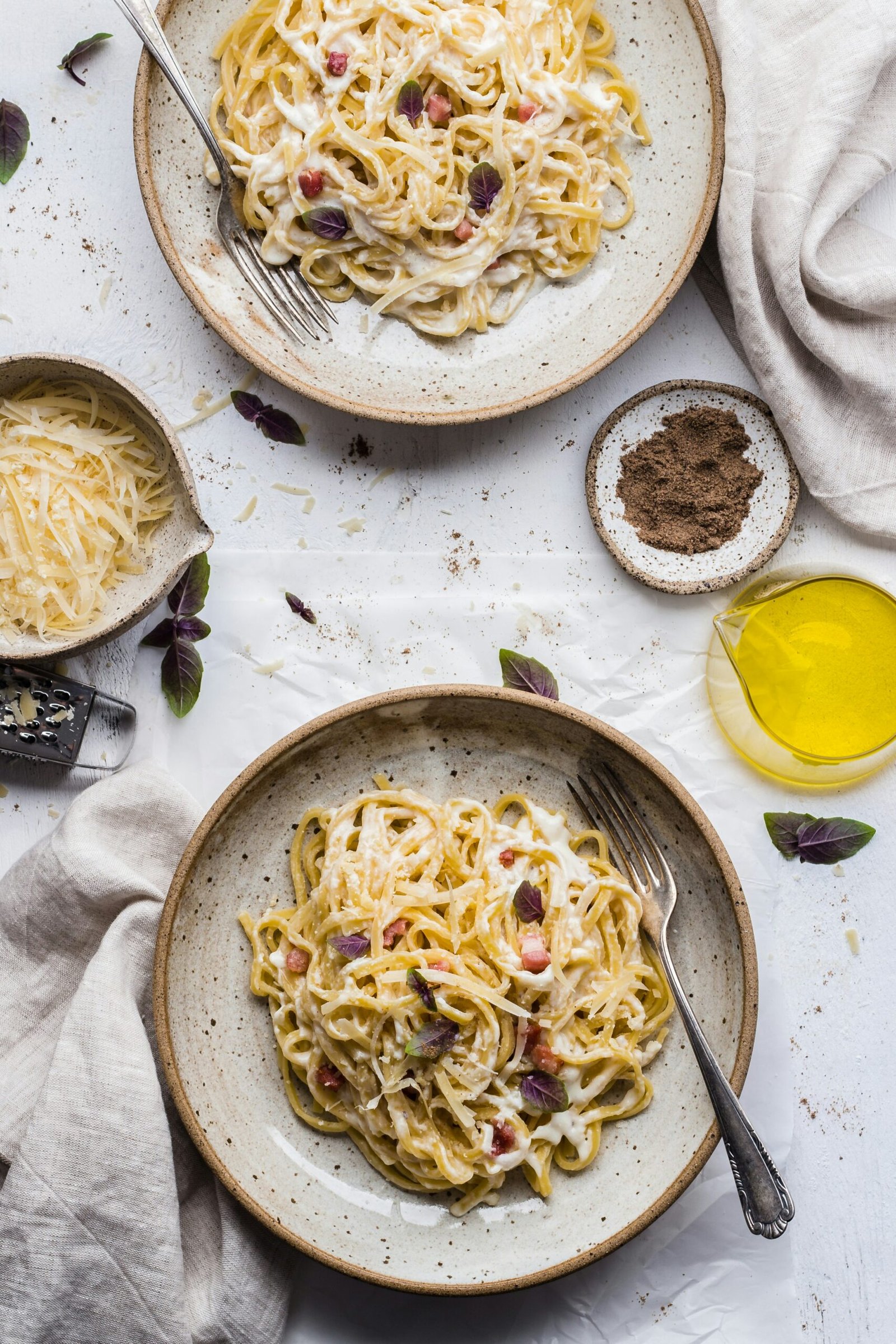
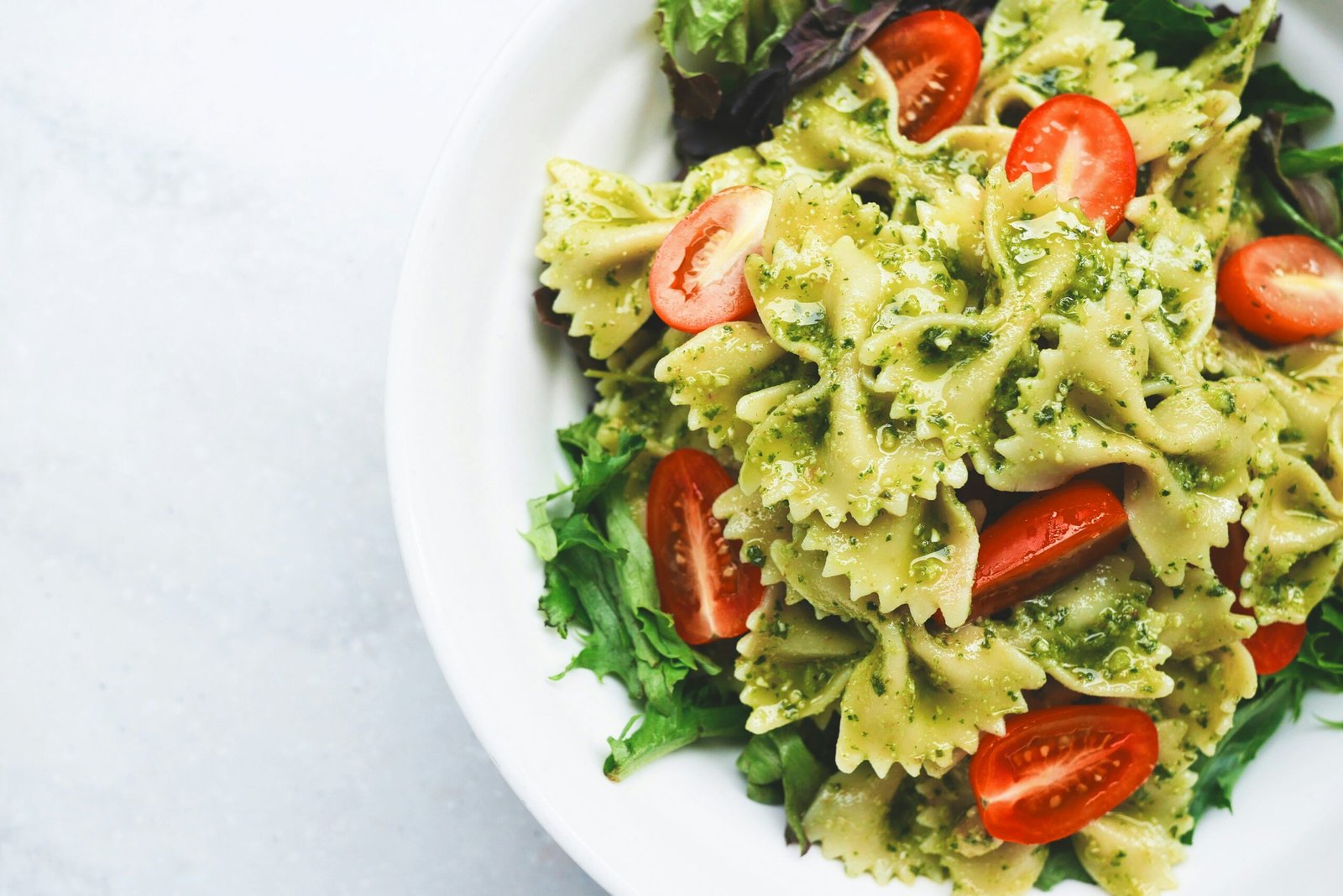
In addition to gluten-free flours, gluten-free pasta options are essential to any Italian cuisine enthusiast. These pastas are typically made from alternative grains such as rice, corn, or quinoa, providing the familiar texture of traditional pasta without the gluten. They can be found in various shapes and forms, making it easy to replicate classic Italian dishes such as spaghetti, fettuccine, or ravioli.
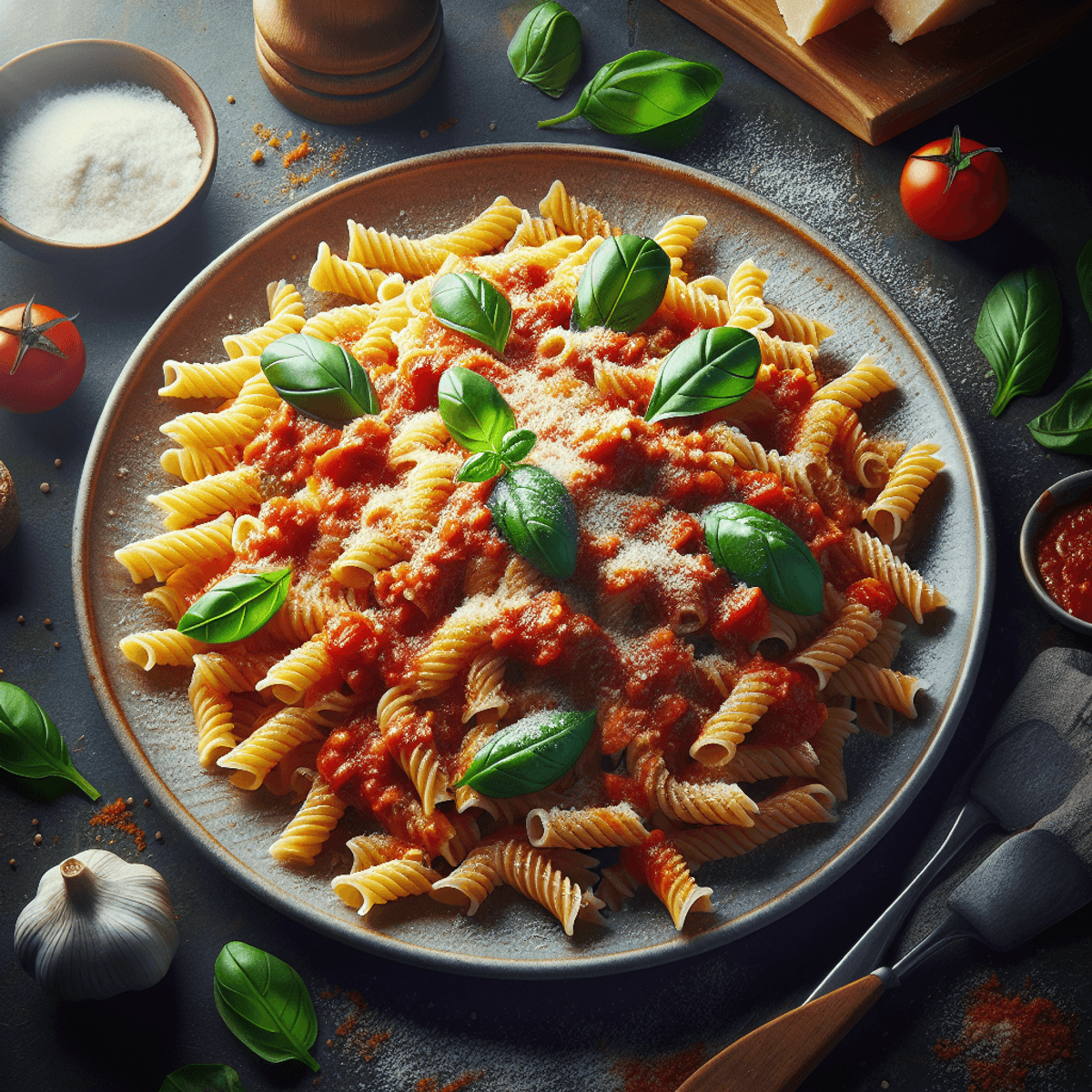
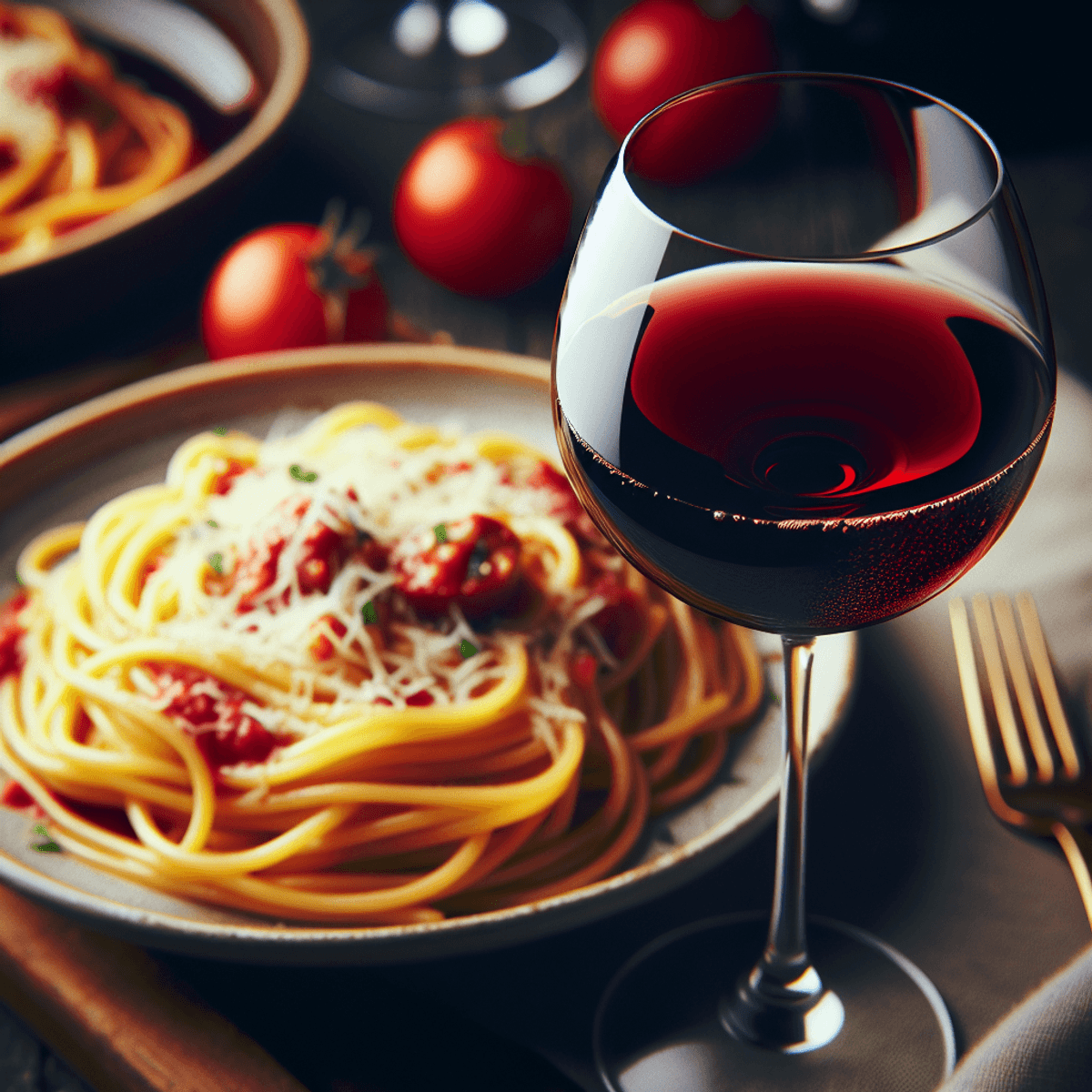
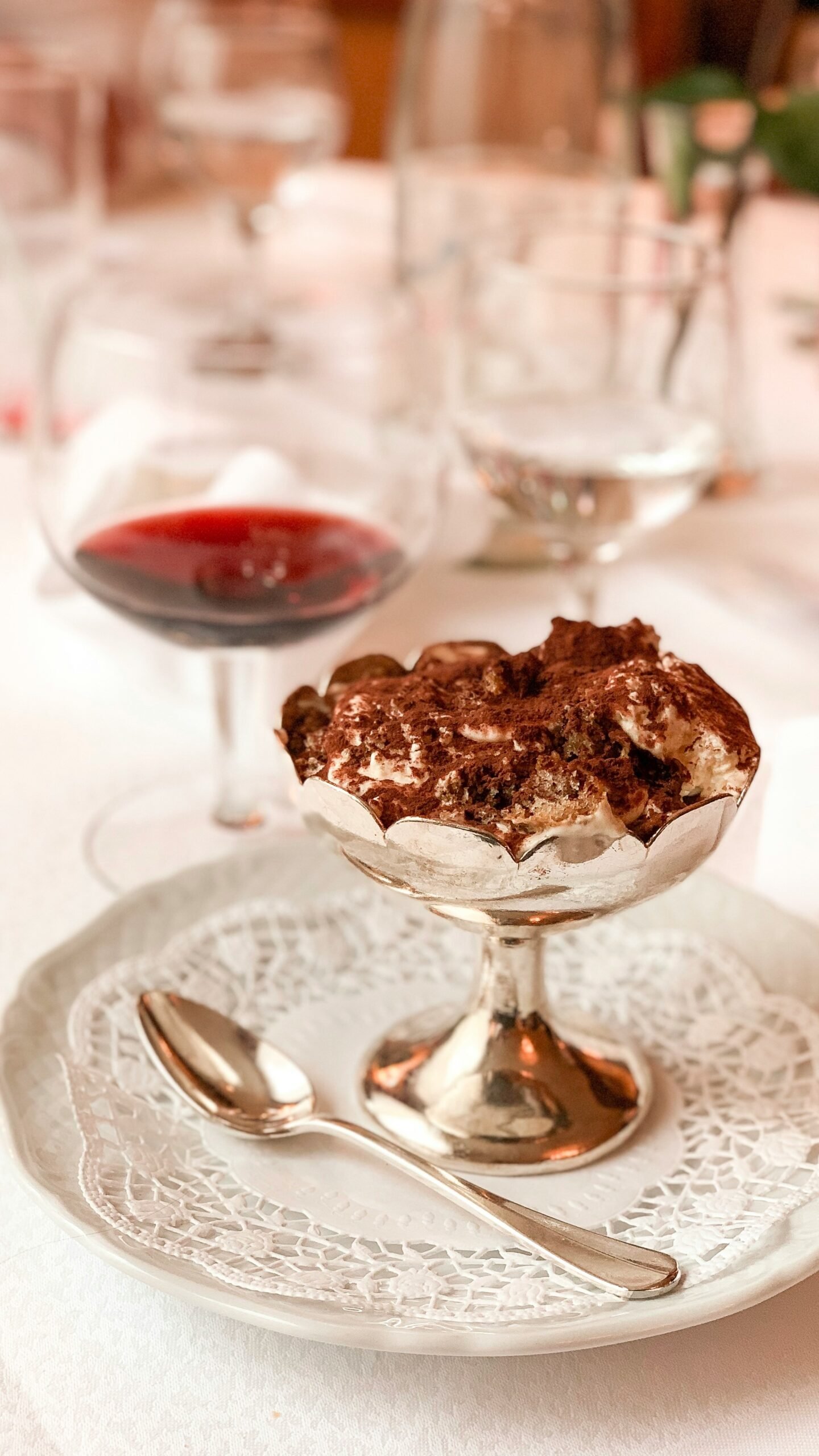
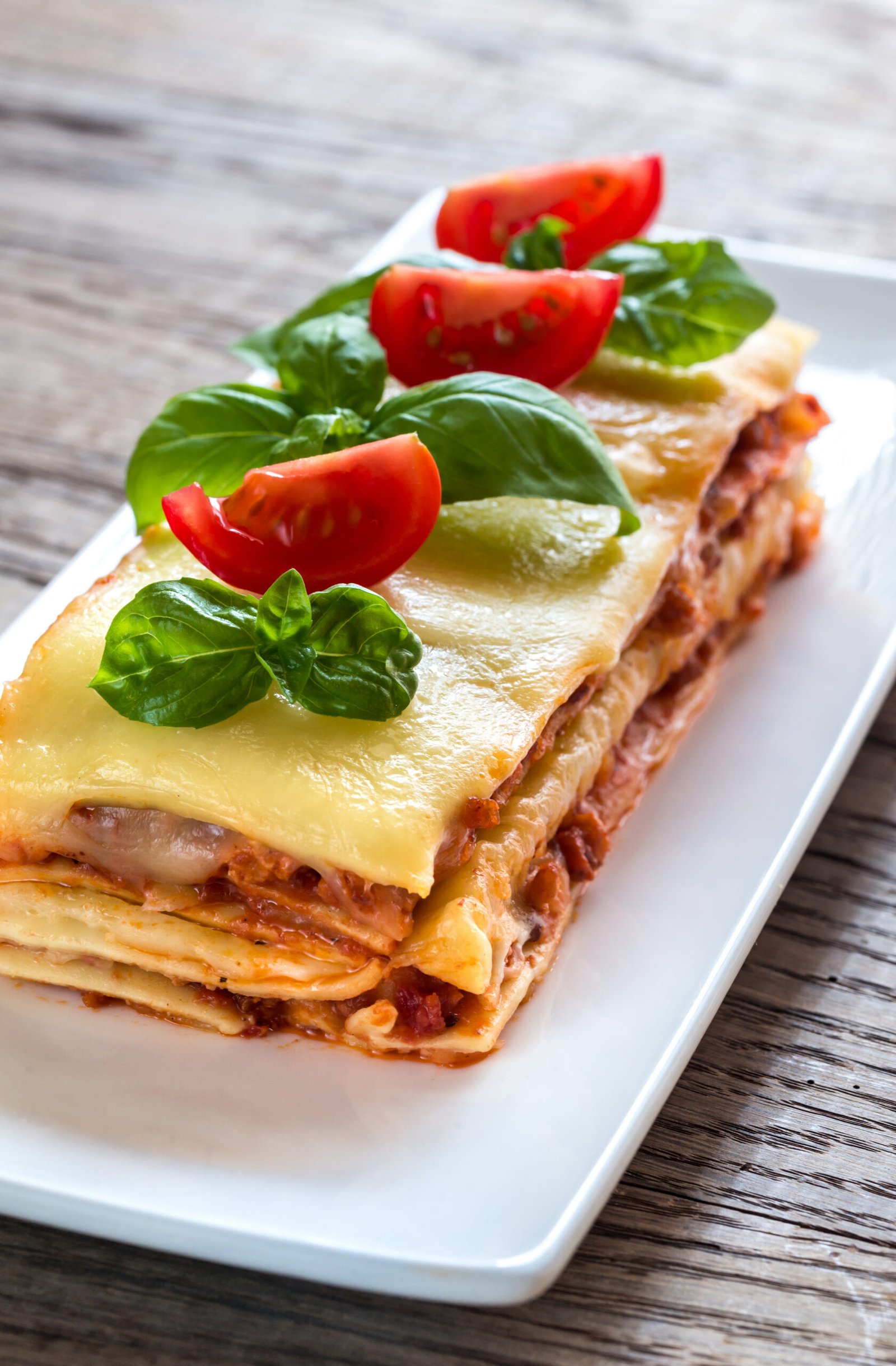
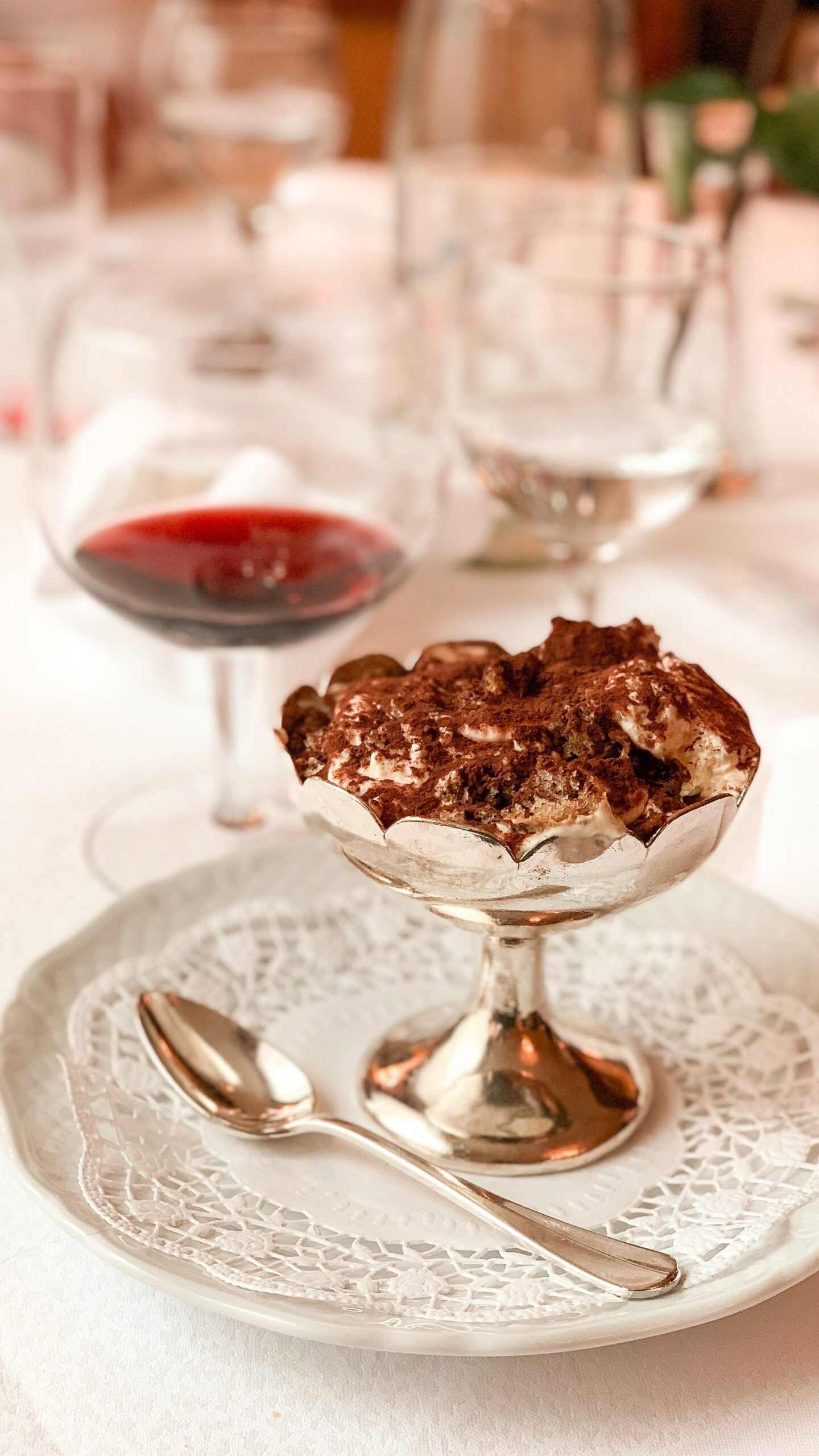
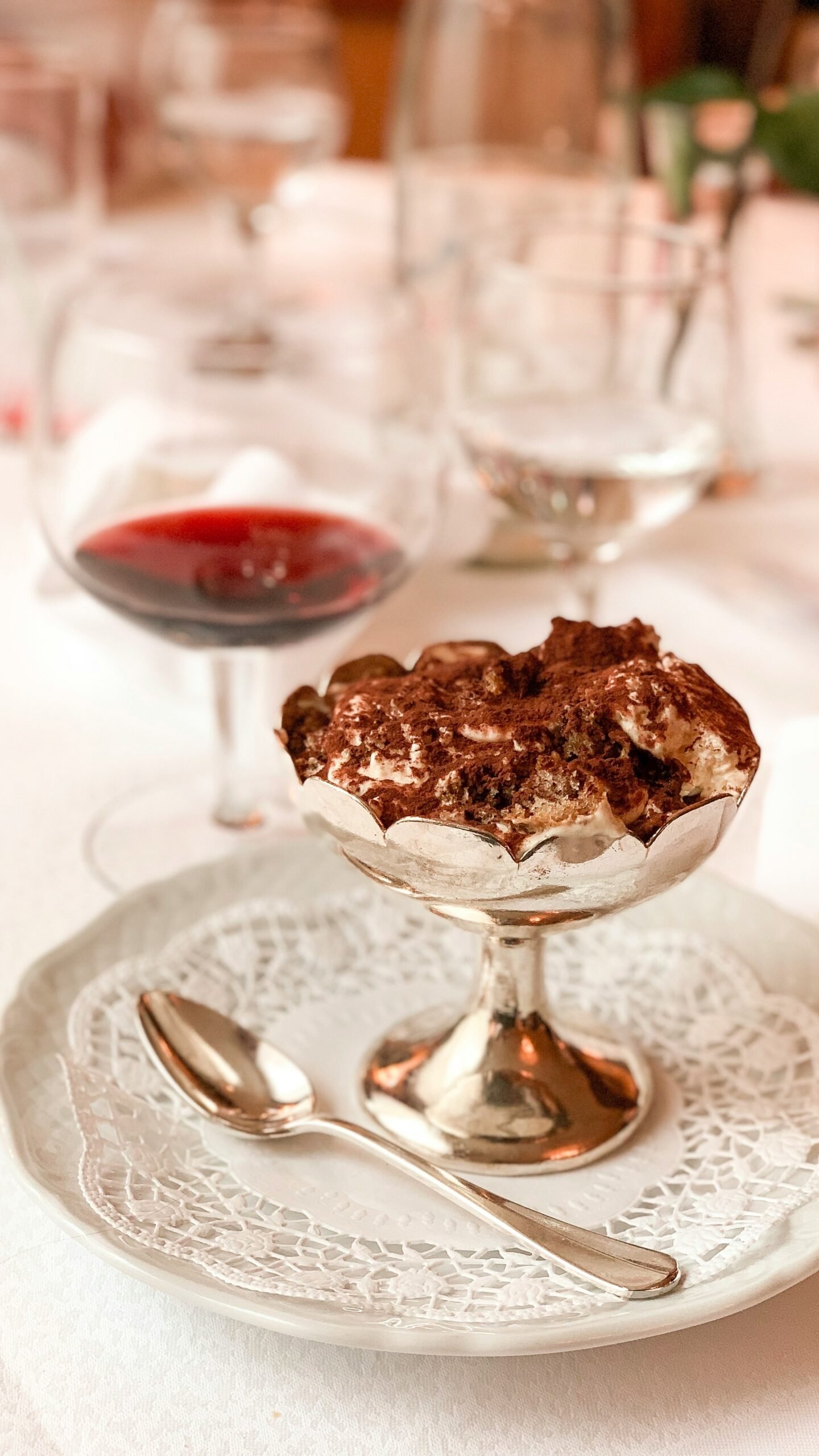
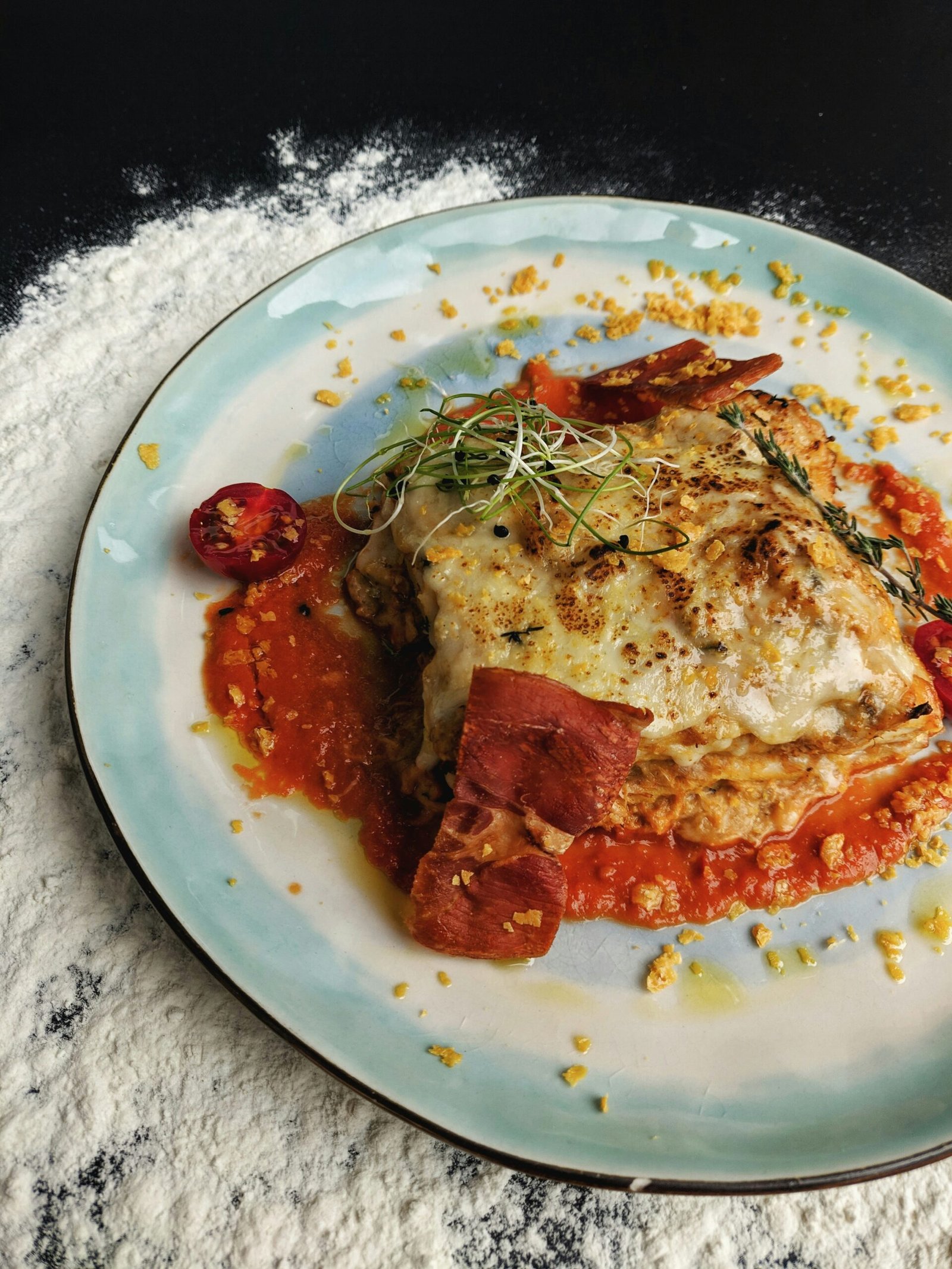
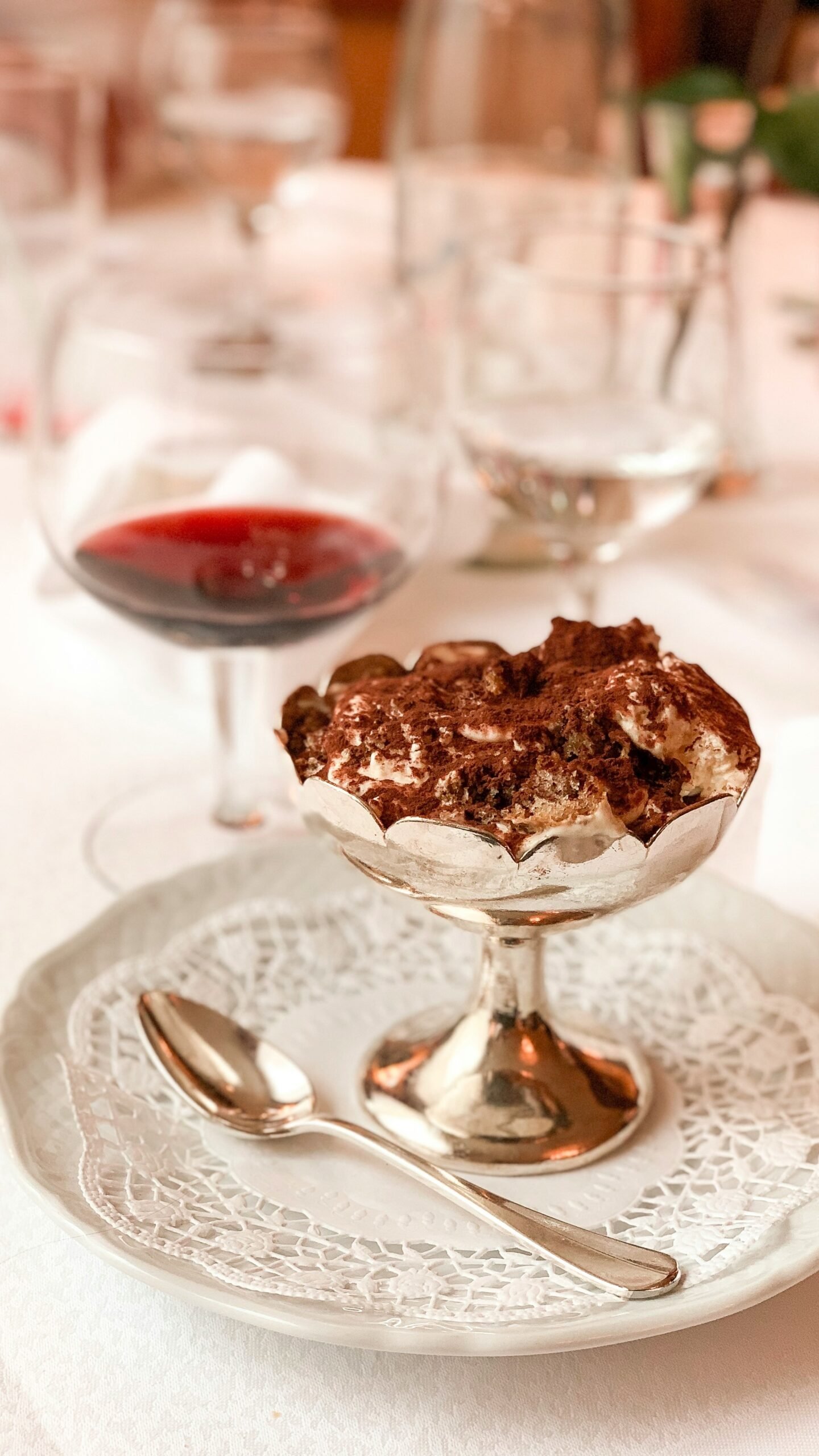
Furthermore, sauces play a significant role in gluten-free Italian cooking. Many classic sauces, such as marinara and pesto, do not inherently contain gluten, but it is crucial to verify ingredients, especially when store-bought options are used. Basic pantry staples, including olive oil, fresh herbs, and vegetables like tomatoes and spinach, can elevate the flavors of gluten-free dishes while maintaining their authenticity. Experimenting with these ingredients can lead to the creation of tantalizing meals, such as gluten-free lasagna or tiramisu. With the right ingredients, the world of Italian cooking can remain accessible to those who follow a gluten-free lifestyle.
Savory Gluten-Free Italian Dishes
Italian cuisine is celebrated for its depth of flavors and comforting dishes, many of which can be expertly prepared without gluten. For those adhering to a gluten-free diet, this culinary landscape still offers numerous possibilities that maintain the traditional essence of Italian cooking. One such dish is risotto, a creamy rice dish that serves as a versatile foundation. Traditional preparations utilize Arborio rice, which is naturally gluten-free and can be enhanced with various ingredients such as mushrooms, saffron, or seafood to elevate its flavors. Incorporating fresh herbs and a sprinkle of Parmesan cheese can add authenticity and richness to the final dish.
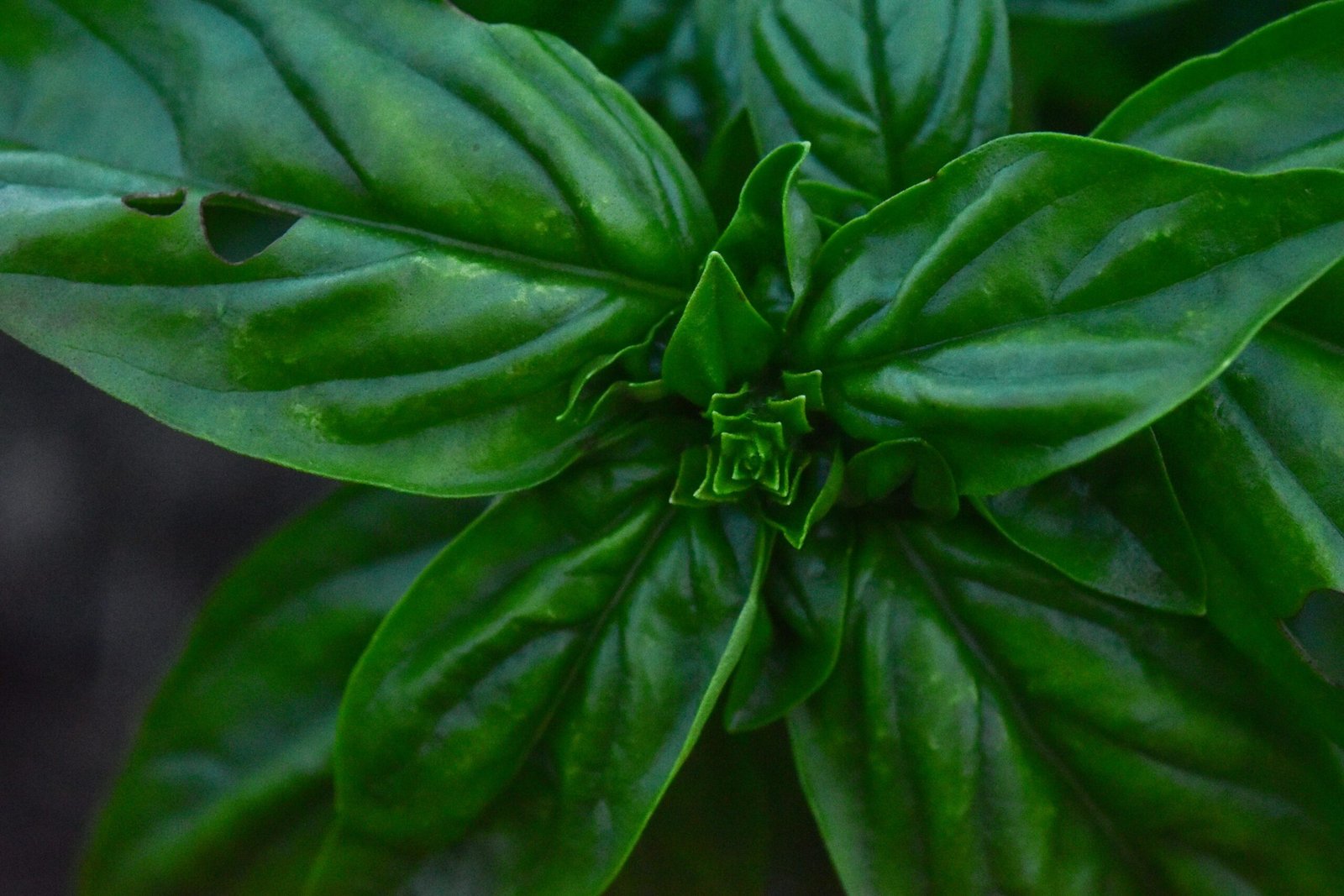
Another staple of gluten-free Italian cuisine is polenta, made from ground cornmeal. Polenta can be served creamy or allowed to set, then sliced and grilled or baked for a hearty side dish. It pairs well with robust tomato sauces, roasted vegetables, or sautéed greens, bringing a wholesome element to the meal. Additionally, incorporating homemade pestos made from fresh basil, garlic, olive oil, and nuts can provide a vibrant flavor profile to polenta.
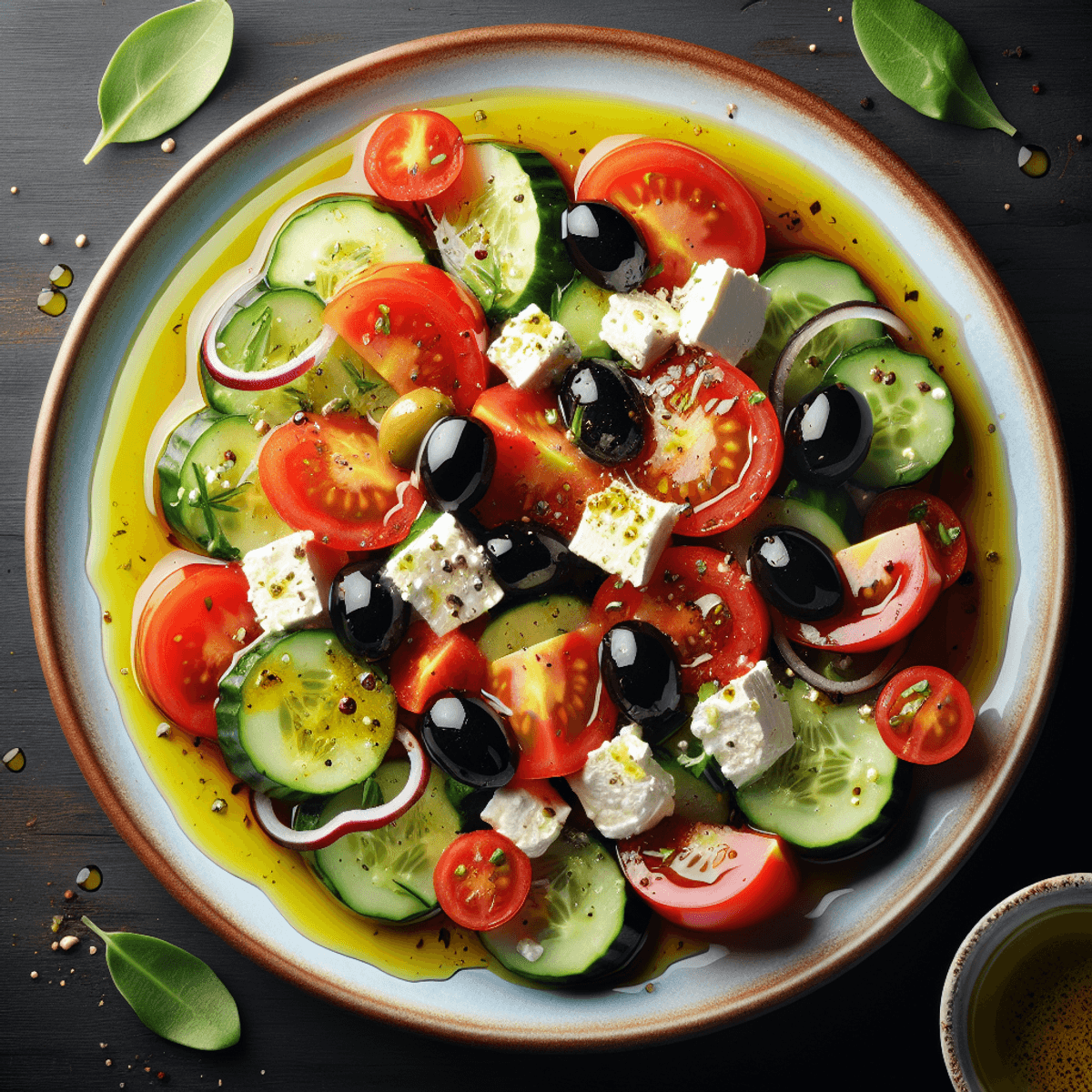
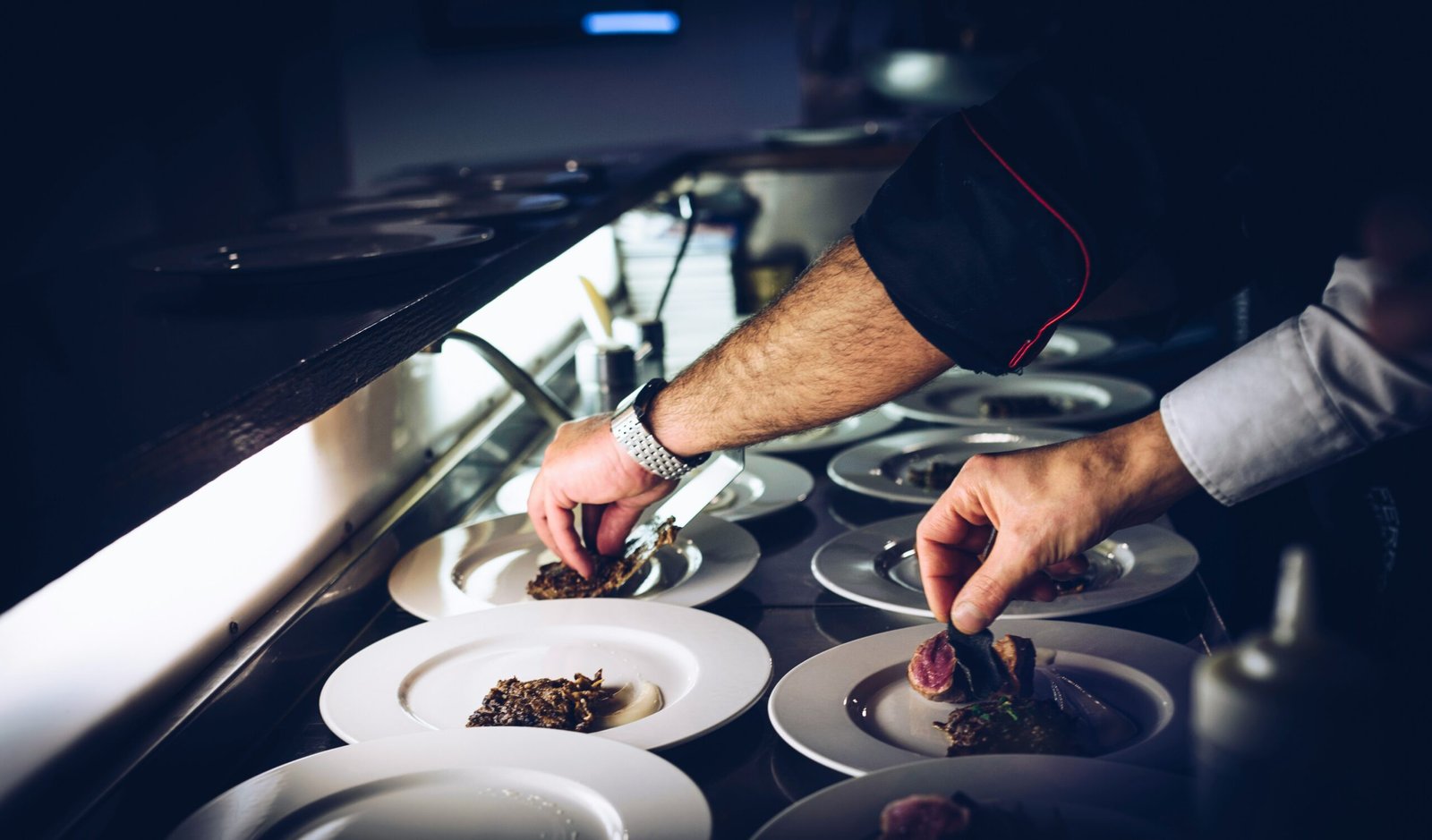
Vegetable-based dishes also shine in gluten-free Italian cooking. Ratatouille, for example, is a vibrant medley of seasonal vegetables such as zucchini, eggplant, and bell peppers, seasoned with herbs like oregano and thyme. This dish can be served as a main course or delightful side. Presentation plays a crucial role in enhancing the dining experience; employing colorful vegetables and neatly arranging them on the plate can invite guests to indulge in the meal visually. To maintain authentic Italian flavors while accommodating gluten sensitivities, sourcing fresh, high-quality ingredients and employing traditional cooking methods is essential.
Decadent Gluten-Free Italian Desserts
Italian cuisine is renowned for its delectable desserts, many of which can be easily adapted to gluten-free versions without sacrificing flavor. Among the most cherished Italian sweets, panna cotta stands out for its creamy texture and versatility. This simple dessert traditionally consists of cream, sugar, and gelatin, making it inherently gluten-free. By infusing it with vanilla or fruit purees, you can create a delightful variety of panna cotta flavors that cater to different palates.
Another beloved option is gelato, the iconic Italian ice cream known for its rich creaminess. To ensure it is gluten-free, simply use gluten-free ingredients when making gelato at home. A basic recipe requires cream, milk, sugar, and your choice of flavorings. You can experiment with chocolate, fruit, or nut-based flavors, ensuring each scoop is an indulgent treat without any gluten. The craftsmanship involved in preparing gelato beckons creativity, allowing for personal touches and elaborate presentations.
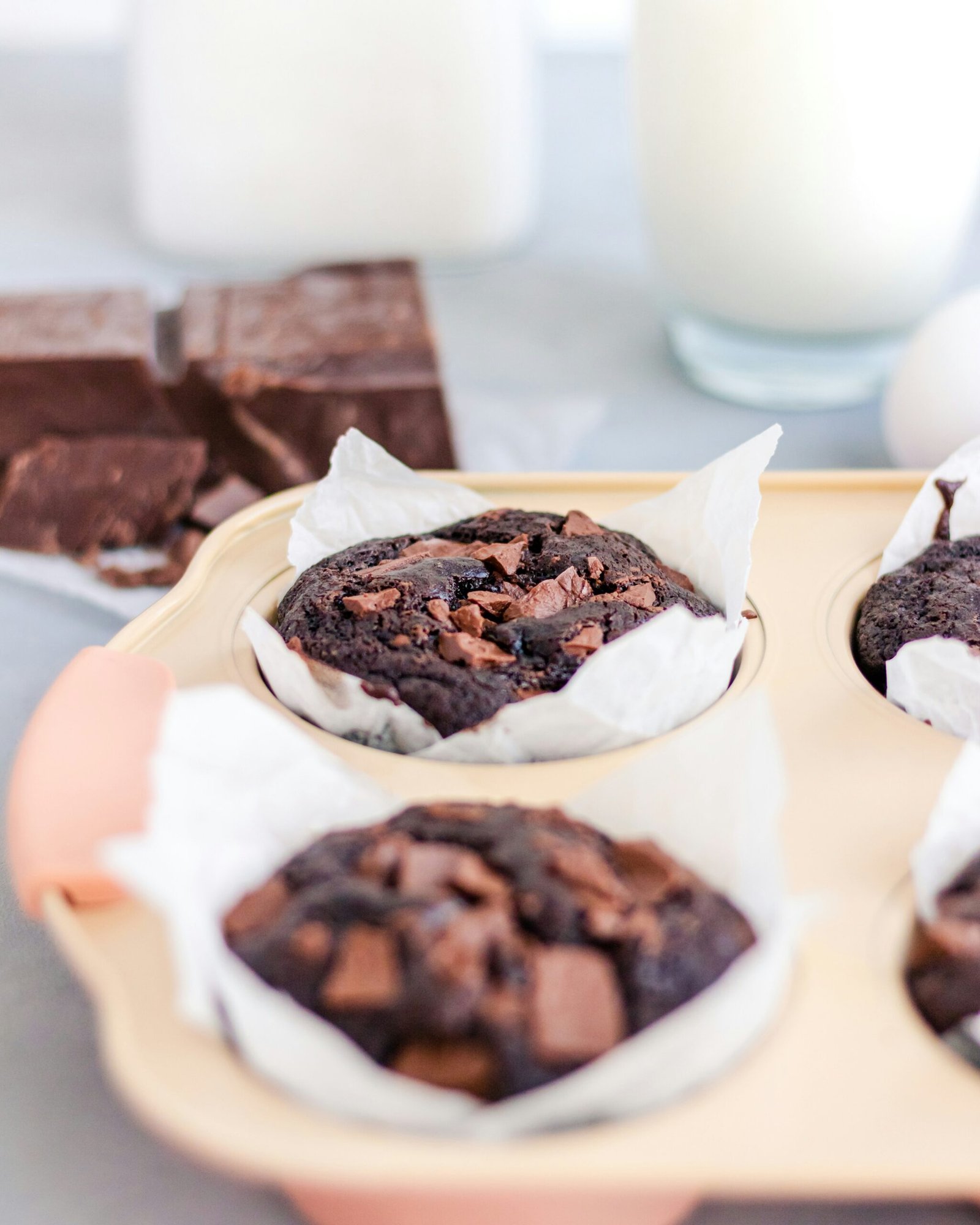
Flourless chocolate cake is yet another glorious gluten-free dessert. Made primarily with dark chocolate, eggs, and sugar, it boasts an intense chocolate flavor and a fudgy consistency that satisfies even the most discerning chocolate lovers. This recipe can be enriched with espresso or orange zest to elevate the dessert experience. To prepare, melt the chocolate and combine it with the other ingredients, baking it at a low temperature for optimal results. Serving it with fresh berries or a dusting of powdered sugar can elevate its visual appeal as well.
These gluten-free desserts reflect the beauty of Italian culinary tradition, showcasing how a few fundamental ingredients can be transformed into something magical. By embracing the spirit of experimentation, you can create your own variations of these classic treats, ensuring they are not only gluten-free but also aligned with personal tastes and preferences.