A Brief History of Pasta Making
The history of pasta making is a rich tapestry woven through centuries, originating from ancient civilizations that sought to create nourishing staples. Although its exact origins are still debated, it is generally accepted that the earliest known pasta-like dishes can be traced back to the Etruscans and ancient Romans, who utilized grains to form various dough mixtures. By the time of the Romans, pasta had become a significant part of their culinary landscape, often served in a variety of forms.
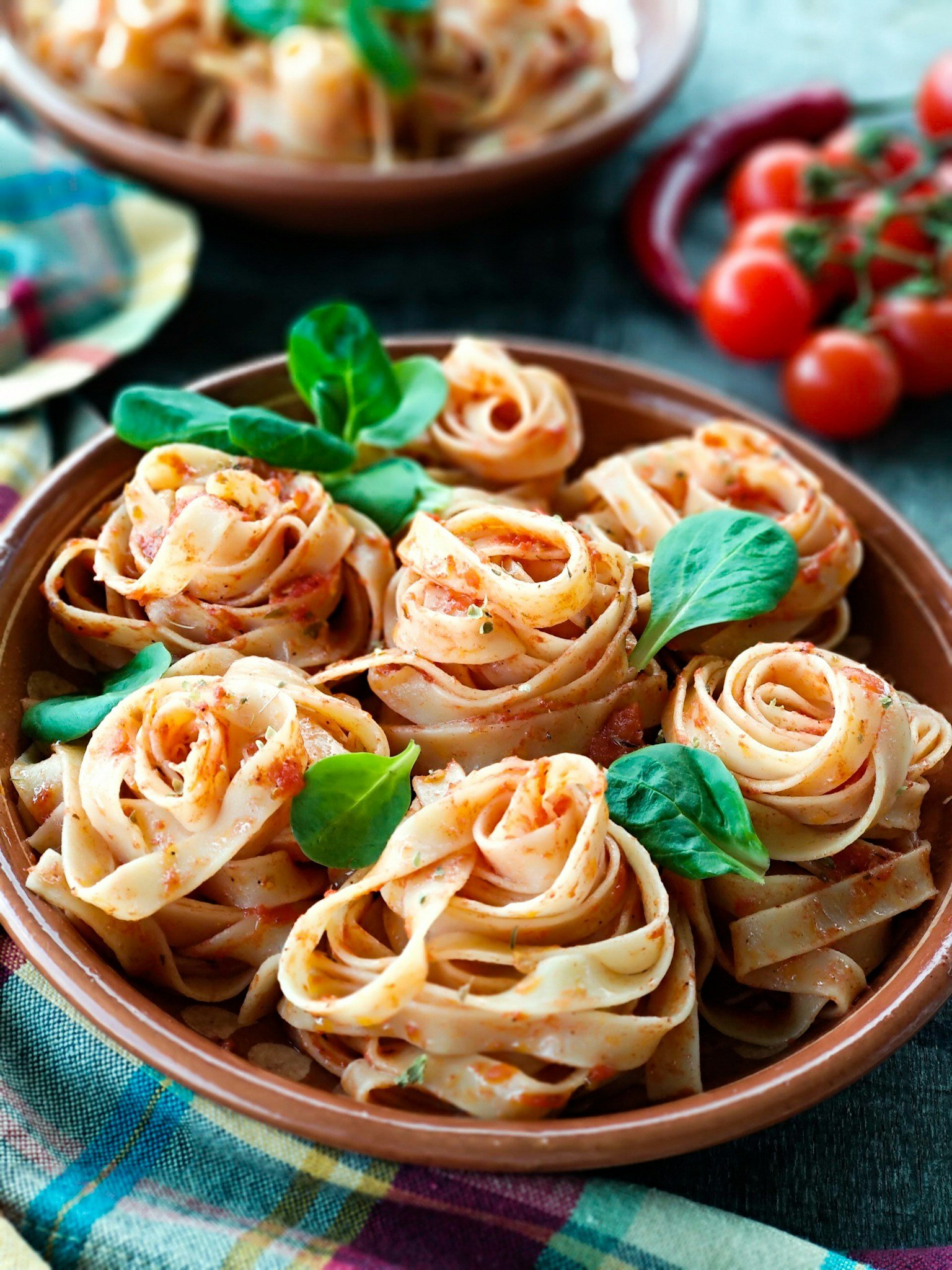
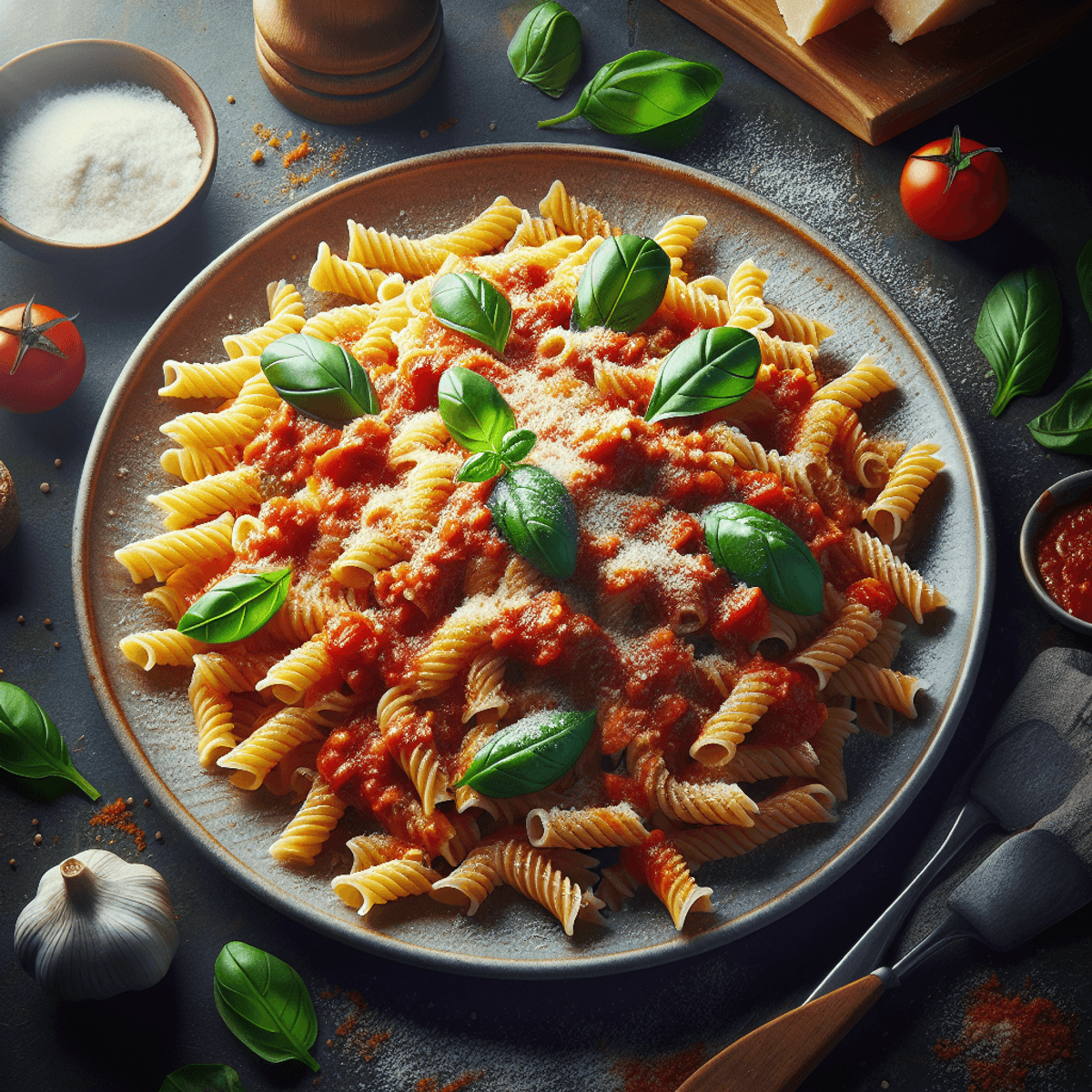
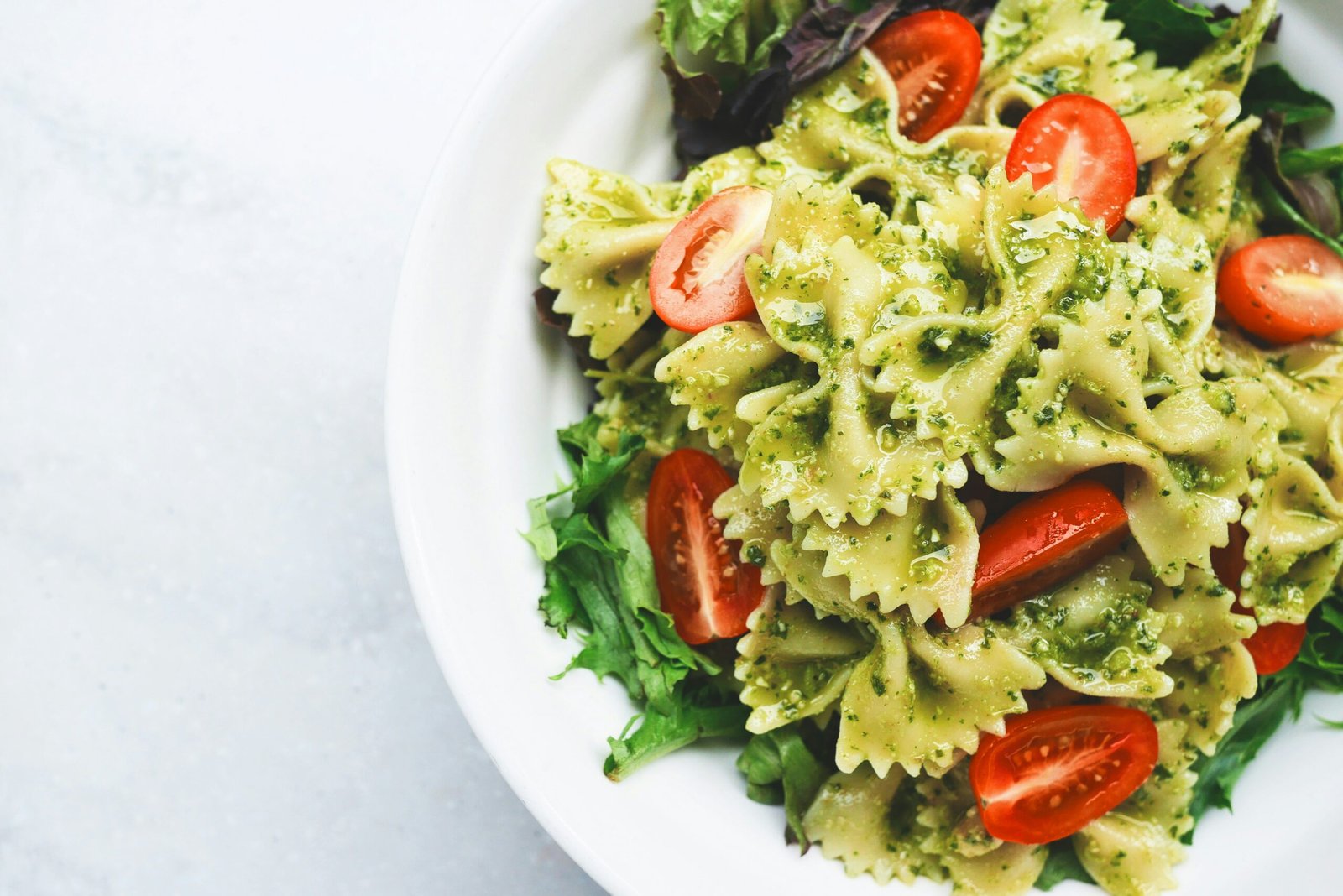
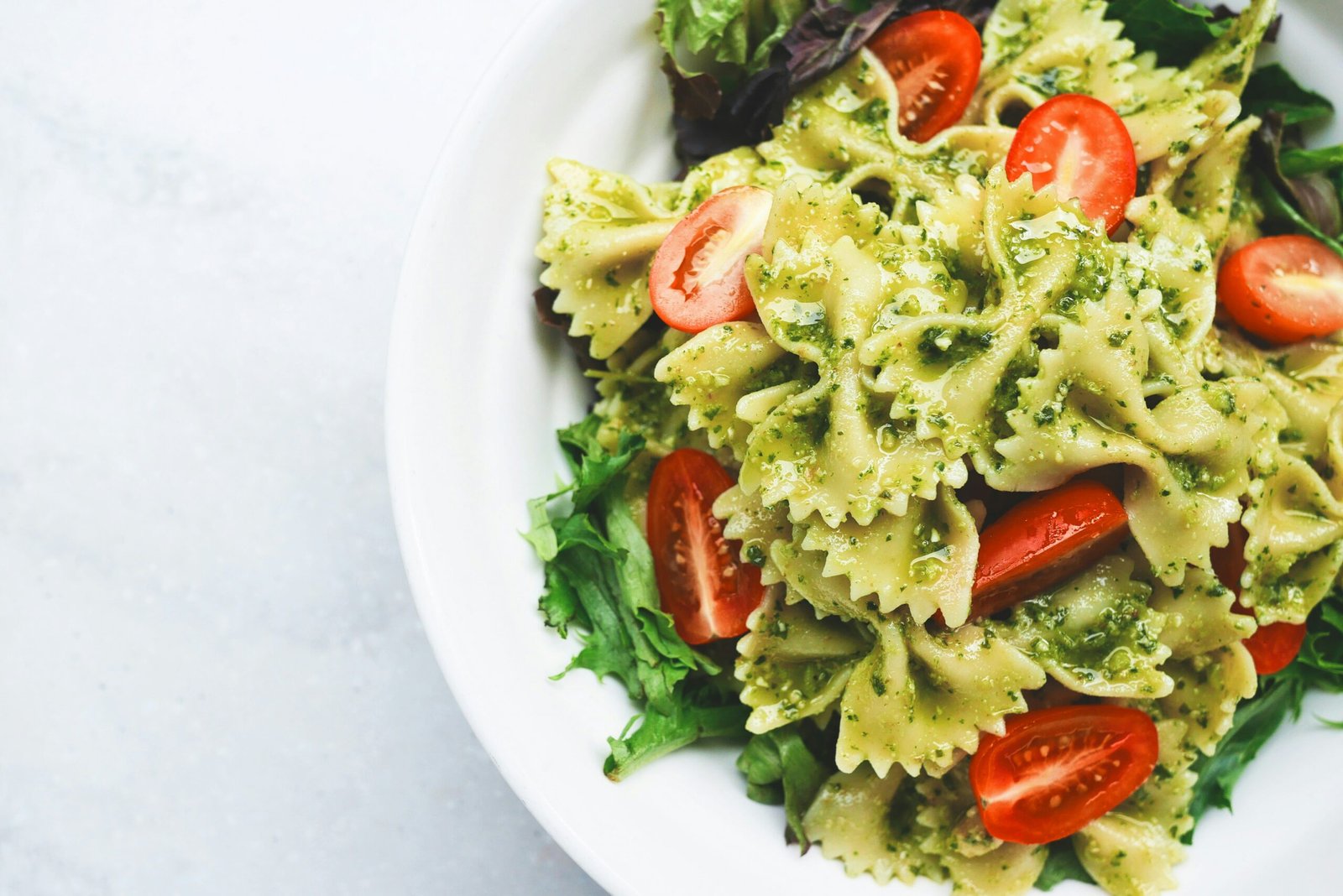
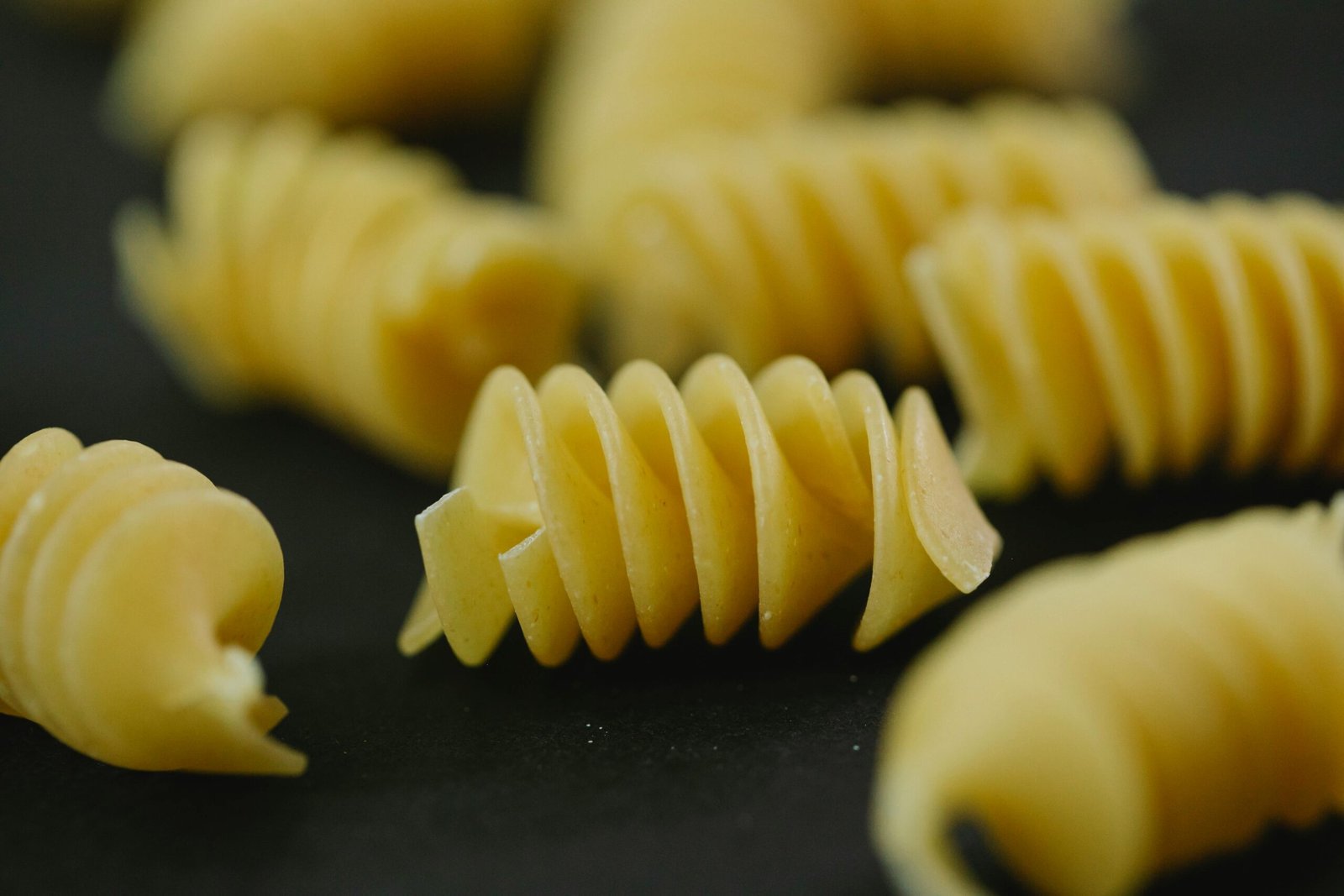
As trade routes expanded, the influence of pasta spread across the Mediterranean, leading to the development of different variants of this staple food. The arrival of wheat in Italy facilitated the refinement of pasta making techniques. Each region began to develop unique styles and recipes, showcasing local ingredients and culinary traditions. For instance, the northern regions of Italy favored egg-based pastas, such as tagliatelle and tortellini, while the southern regions specialized in dried semolina pastas like spaghetti and penne.
Pasta has not only served as sustenance but has also transcended its role to become a symbol of Italian culture. It embodies the values of family and tradition, with many Italian households passing down recipes and techniques from generation to generation. Community gatherings often revolve around the art of pasta making, reinforcing its significance in fostering relationships and preserving cultural heritage. Over time, pasta transitioned from being a basic staple to an esteemed gourmet item, appreciated for its versatility and intrinsic flavors. Today, gourmet pasta dishes are celebrated worldwide, reflecting the innovations of modern chefs while remaining rooted in traditional practices.
Essential Ingredients for Crafting Perfect Pasta
Creating perfect pasta begins with understanding the essential ingredients that contribute to its flavor and texture. The most commonly used flour types include ’00’ flour and semolina, each bringing unique characteristics to the final product. ’00’ flour, milled to a fine texture, is ideal for making supple and smooth dough, resulting in delicate pasta shapes like fettuccine and ravioli. Its lower protein content creates a tender bite, making it a favorite among traditional Italian chefs. In contrast, semolina flour, coarser compared to ’00’ flour, is obtained from durum wheat and lends a robust firmness to pasta. This makes it particularly suitable for shapes like pappardelle and orecchiette, where a firmer texture is desired.
Eggs are another vital ingredient in pasta dough, enhancing richness and flavor. They help bind the flour together, creating elasticity that allows the dough to be stretched without tearing. For those who prefer a vegan option, or when making certain types of pasta, water can be used instead of eggs. It is essential to choose high-quality ingredients, as they greatly influence the final dish. Fresh, free-range eggs bring a beautiful color and taste that can elevate homemade pasta.
Salt, although often overlooked, plays a critical role in enhancing flavors. It is best added to the water when cooking pasta, as it enhances taste without altering the dough’s structural integrity. For individuals with special dietary needs, such as gluten intolerances, gluten-free flours—like rice or chickpea flour—can be excellent alternatives. These options may require slight adjustments in liquid ratios, but they allow everyone to enjoy the art of pasta making without compromising their dietary requirements. Together, these ingredients form the foundation upon which delicious pasta is built.
Techniques and Tools for Homemade Pasta
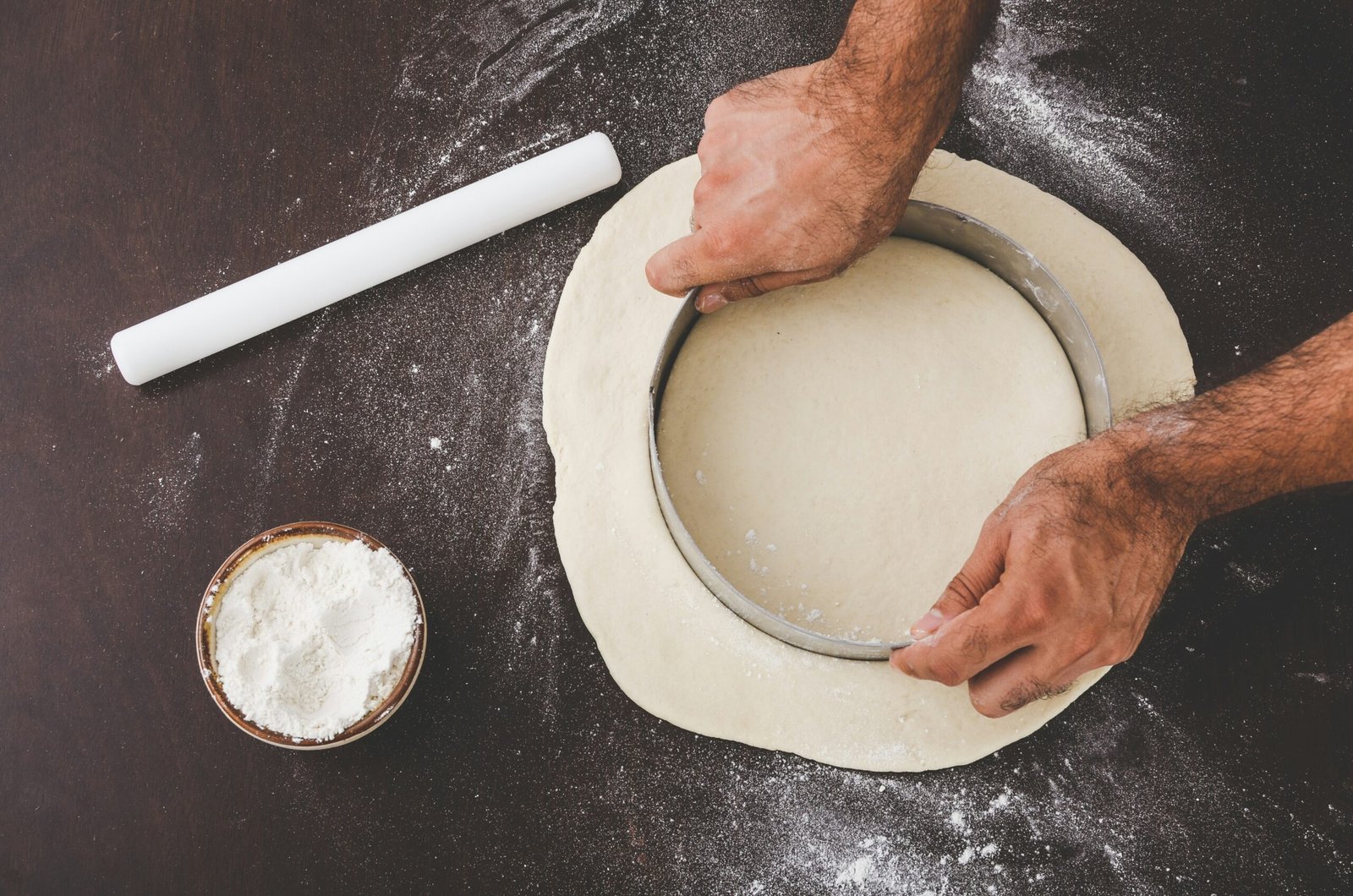
Homemade pasta is a delightful culinary endeavor that offers both a sense of accomplishment and delicious results. The foundation of great pasta lies in mastering fundamental techniques that include hand-kneading, rolling, and cutting. To begin, it is crucial to choose high-quality flour, typically “00” flour, which yields a smooth and elastic dough. Mix the flour with eggs to form a consistent mass, then knead the dough for approximately 10 minutes, until it becomes smooth and elastic. This ensures that the gluten develops properly, contributing to the pasta’s texture.
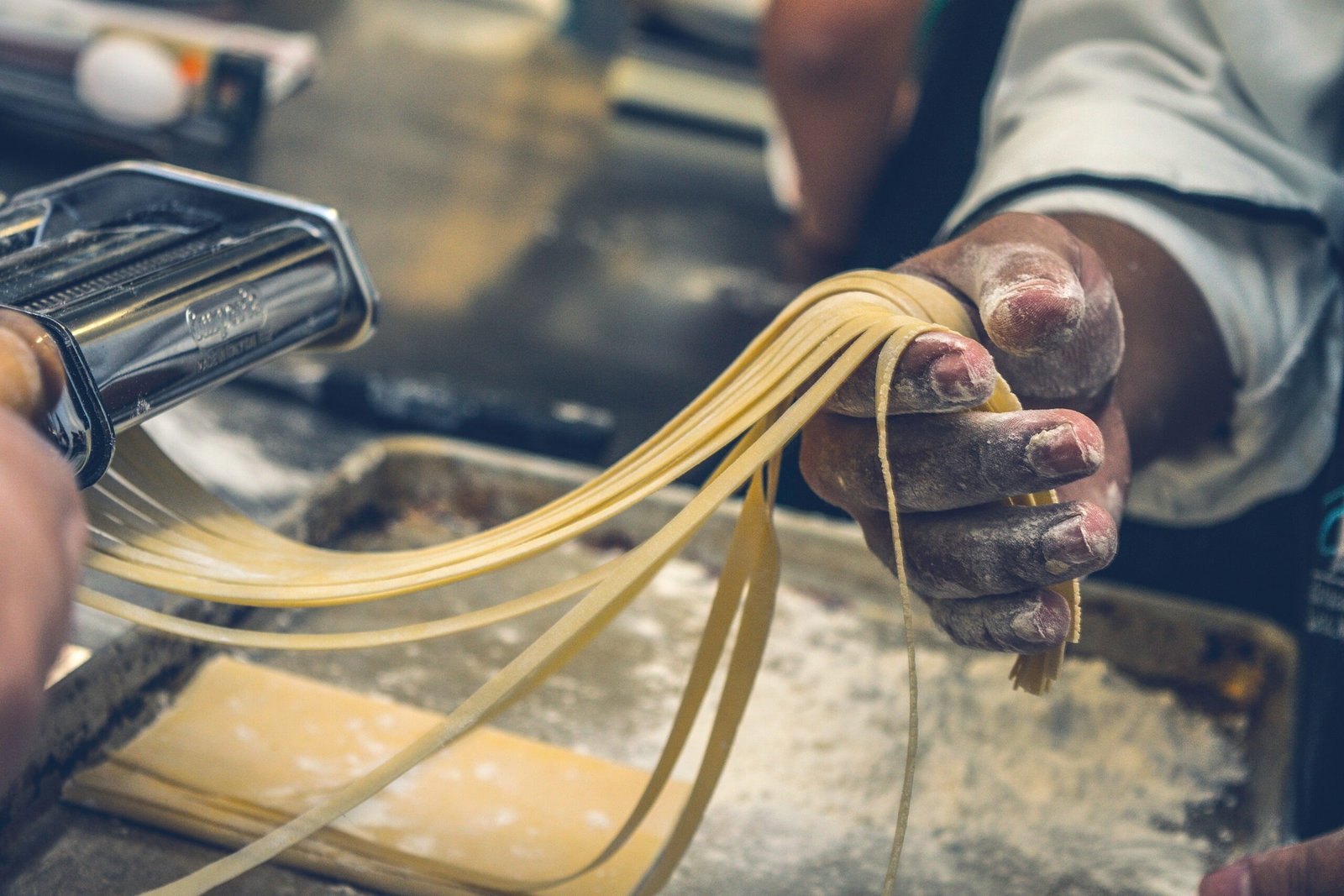
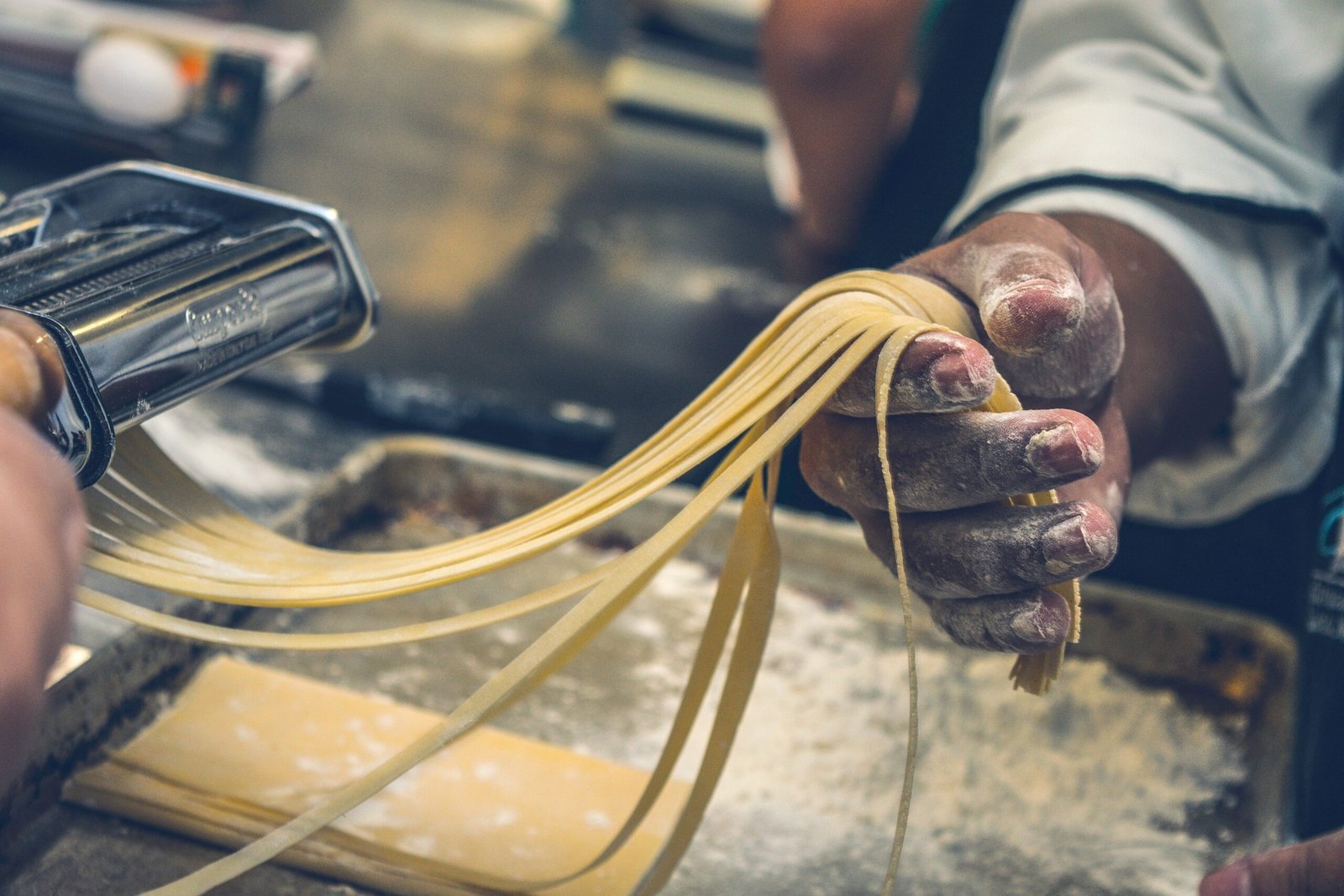
After kneading, let the dough rest for about 30 minutes, as this relaxation period allows for easier rolling. For rolling, a pasta machine is highly recommended; this essential tool provides uniform thickness and saves time. Begin by dividing the dough into manageable portions. Feed each piece through the rollers, gradually adjusting the thickness settings until you achieve your desired consistency. If a machine is not available, a rolling pin can suffice—though more manual effort will be required.
Once rolled, the next step is cutting the pasta into the desired shapes. A sharp knife or a specialized pasta cutter can be used to create fettuccine, tagliatelle, or other shapes. Arranging the cut pasta on a floured surface prevents sticking and enables better handling. Additionally, practical tips include dusting the dough intermittently with flour to prevent it from becoming too moist and adhering to the roller or cutting tool.
While making pasta, it is not uncommon to encounter challenges. Common issues such as overly dry or sticky dough can be resolved by adjusting the flour-to-egg ratio. Should you face difficulties, experimentation is key to discovering what works best for your flour type and environment. Ultimately, the tools and techniques outlined in this section lay the groundwork for producing exceptional homemade pasta, enabling cooks to explore their creativity in the kitchen.
Pasta Traditions From Around the World
Pasta is not merely a food item; it is a cultural symbol that reflects the diverse traditions of various regions around the globe. Each culture offers its unique interpretation of pasta, showcasing a variety of shapes, flavors, and cooking methods. For instance, in Asia, noodles play a fundamental role in cuisines such as Chinese, Japanese, and Thai. The elasticity of ramen, the smoothness of udon, or the delicate rice noodles in pho exemplify the versatility of Asian variations. These noodles can be stir-fried, boiled, or served in broth, often accompanied by rich sauces and local spices that enhance their flavor profile.
In the United States, macaroni holds a special place, particularly in comfort food classics like macaroni and cheese. This simpler form of pasta, typically made from durum wheat, is often paired with creamy cheese sauces, baked to perfection, and served as a hearty dish that resonates with many Americans. The integration of macaroni into various recipes highlights its adaptability, illustrating how traditional pasta can be reimagined without losing its essence.
South America offers its take on pasta in the form of ravioli, often stuffed with an assortment of fillings such as cheese, spinach, or meats. The method of serving includes a variety of sauces, from rich tomato-based to creamy options that showcase local ingredients. The tradition of making ravioli is often a communal activity that binds families together, emphasizing the social aspect of pasta preparation.
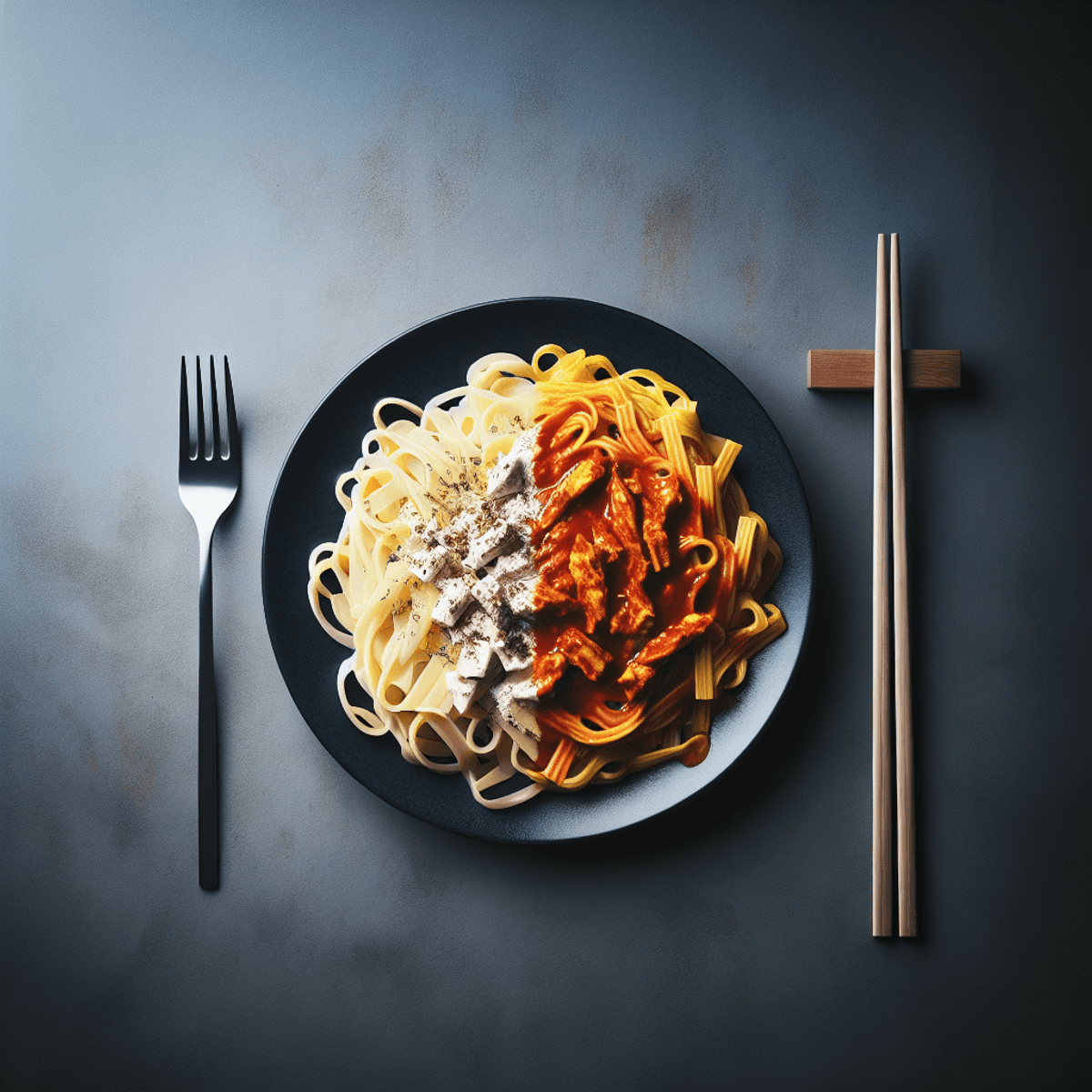
The blending of these diverse traditions also paves the way for exciting cross-cultural fusion dishes. From Korean-style spaghetti topped with gochujang to Italian-inspired pho, these combinations exemplify how traditional pasta-making techniques can intertwine with local flavors, celebrating both unity and diversity in global noodle dishes. This journey through pasta traditions serves to illuminate the commonalities and distinctions that define our culinary experiences.