The Rich History of Italian Cheese
Italian cheese has a storied history, deeply intertwined with the country’s agricultural practices and cultural traditions. The origins of cheese-making in Italy trace back to ancient civilizations, where it began as a practical method of preserving milk. Over time, cheese evolved into a cherished culinary art, reflecting the diverse landscape and climate of the Italian regions. Documents from the Roman Empire indicate that cheese was a vital component of the diet, showcasing its longstanding significance in Italian cuisine.
Different regions have contributed to the vast array of Italian cheeses, each with unique characteristics shaped by local ingredients and traditional methods. For instance, Tuscany is well-known for its pecorino, a sheep’s milk cheese that showcases the rich pastures of the region. Lombardy, on the other hand, boasts the creamy Gorgonzola and the firm Grana Padano, each echoing the flavors of its specific territory. Meanwhile, Piedmont is celebrated for its quirkier cheeses, such as Castelmagno, often influenced by the area’s mountainous landscape and distinct microclimates.
This regional diversity of Italian cheeses is not just a testament to geographical influences, but also speaks to Italy’s cultural heritage. Cheese plays a significant role in culinary practices, serving both as an ingredient and a standalone delicacy. It is often featured prominently in local festivals and celebrations, where age-old recipes and artisanal cheese-making techniques are proudly showcased. Beyond its culinary applications, cheese is also woven into the social fabric of Italian life, symbolizing community, warmth, and shared experiences. As a staple in Italian households and a highlight in festive gatherings, cheese continues to enhance the rich tapestry of Italian culture.
Popular Italian Cheeses to Include on Your Cheese Board
When creating an exquisite cheese board, Italian cheeses are an essential component, offering a variety of flavors and textures that appeal to many palates. One of the cornerstone selections is Parmigiano-Reggiano. Known as the “King of Cheeses,” this hard cheese has a rich, nutty flavor with crystalline texture that makes it perfect for grating or savoring in chunks. It pairs beautifully with dried fruits, walnuts, and a robust Chianti wine.
Another excellent choice is Gorgonzola, which is an exceptional blue cheese with a creamy texture and sharp, tangy flavors. This cheese plays well with sweet accompaniments such as figs and honey, as well as bold red wines like Barolo. Including Gorgonzola adds an intricate flavor profile that stands out amongst milder cheeses.
Pecorino Romano is a sheep’s milk cheese that brings a salty and savory essence to the board, making it a fantastic counterpart to fruity elements like grapes and apples. It can be enjoyed with a variety of crusty breads and also pairs nicely with medium-bodied wines such as Sangiovese. The distinct sharpness of Pecorino complements the other selections while adding its unique character.
For a creamy and fresh option, Burrata is an exquisite choice. This cheese, which has a soft exterior and a rich, creamy interior, elevates the cheese board with its luxurious texture and mild flavor. It pairs wonderfully with ripe tomatoes, basil, and a drizzle of balsamic vinegar, as well as light and crisp white wines such as Pinot Grigio.
When arranging your cheese board, consider balancing flavors and textures. Positioning hard cheeses alongside soft varieties creates a harmonious visual appeal. Incorporating nuts, fruits, and a selection of breads can enhance not only the taste experience but also the overall aesthetic of the board, inviting guests to indulge in the rich heritage of Italian cheese.
Pairing Italian Cheeses with Wines and Other Delicacies
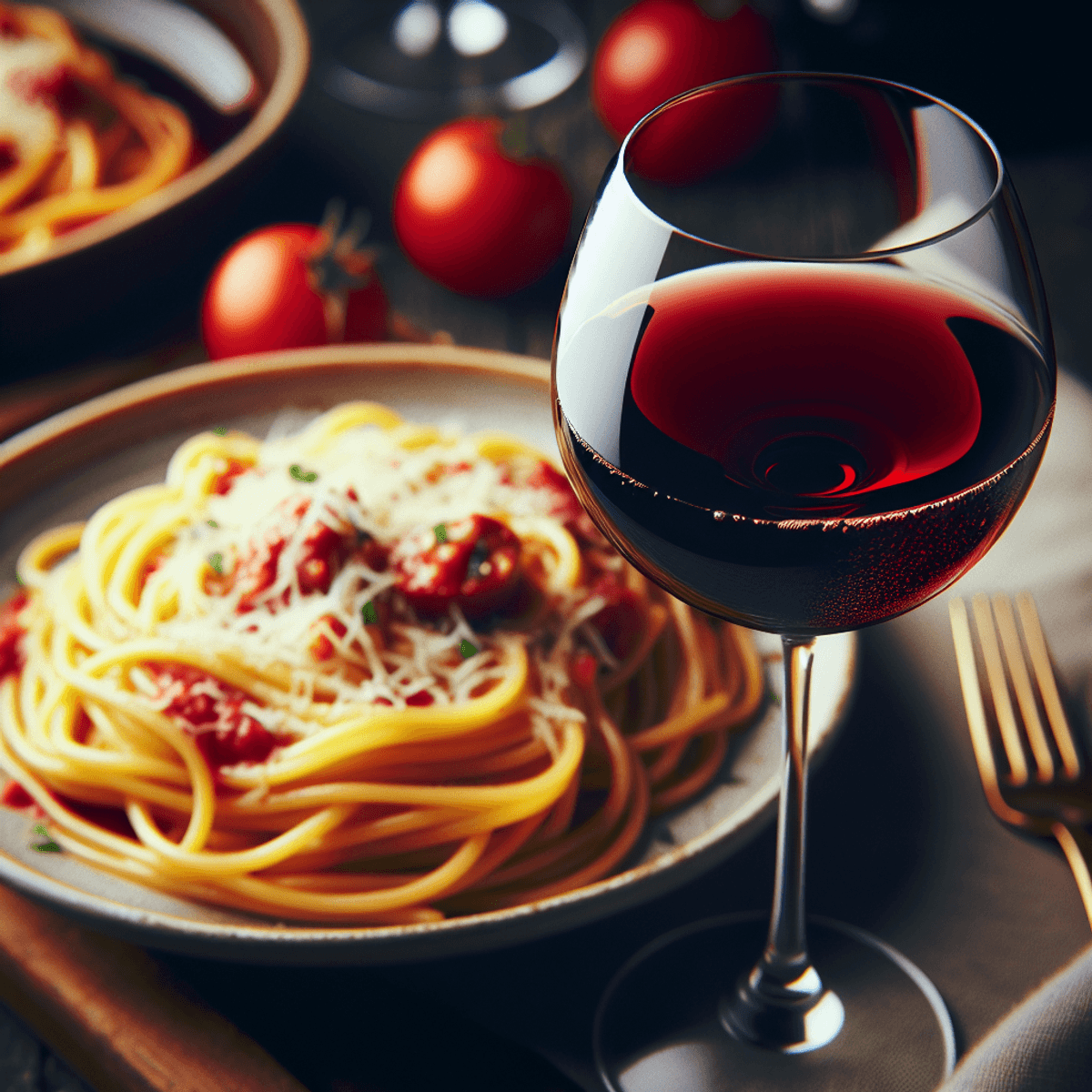
The art of pairing Italian cheeses with wines and complementary foods is a delightful journey that enhances the overall tasting experience. Each Italian cheese possesses unique flavor profiles that can be beautifully accentuated by specific wines. For instance, the robust and tangy notes of Pecorino are magnificently paired with a glass of Chianti, which offers a harmonious balance due to its acidity and berry notes. Similarly, the rich and creamy texture of Gorgonzola finds a refreshing counterpart in Prosecco, where the sparkling wine cuts through the cheese’s intensity while adding a fruity zest.
When building a well-rounded cheese board, incorporating other delicacies can elevate the tasting experience significantly. Cured meats, such as prosciutto or salami, complement the saltiness of several cheeses, creating a balanced palate. Olives, with their briny essence, can introduce an additional layer of complexity to the cheese and wine pairings. Artisan breads serve as an excellent foundation, allowing guests to explore different textures and flavors while enjoying the cheeses and wines. A crusty baguette, for example, pairs wonderfully with sharp cheeses like Parmigiano-Reggiano, as the bread’s neutral flavor does not overpower the cheese.
For those looking to host a successful cheese and wine night, preparation is key. Begin by selecting a range of Italian cheeses that vary in texture, flavor, and aroma. Next, choose a carefully curated selection of wines that complement each cheese. Make sure to provide plenty of palate cleansers, such as water or light crackers, to ensure that the distinct flavors of each pairing can be fully appreciated. Finally, encourage your guests to explore individual combinations, making the experience interactive and educational. By considering these pairings and tips, one can create a memorable culinary experience rooted in the rich tradition of Italian flavor.
Crafting Your Own Italian Cheese Board at Home
Creating an Italian cheese board at home can be a delightful experience that allows you to explore the rich flavors and textures of various cheeses. The first step in curating your cheese board is to select a variety of cheeses. Aim for a combination of soft, semi-soft, hard, and blue cheeses to offer a diverse tasting experience. Popular choices include creamy Brie, tangy Gorgonzola, and aged Parmigiano-Reggiano. Generally, a good rule of thumb is to include three to five different types of cheese, depending on the number of guests.
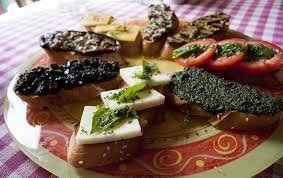
Next, consider the quantity of cheese required. A typical serving size is about 1 to 2 ounces of cheese per person. If you are hosting a gathering, multiplying this by the number of guests will help ensure there’s enough for everyone. Additionally, offering accompaniments is essential for enhancing the overall cheese tasting experience. Pair your cheese selections with a variety of spreads, such as honey or fig jam, and an assortment of crackers, breadsticks, or bruschetta. Fresh fruits, like grapes or figs, and nuts can also be added to complement the rich flavors of the cheese.
Presentation is key to elevating your cheese board. Arrange the cheeses on a wooden board or platter, spacing them apart and labeling each for easy identification. Incorporating garnishes such as fresh herbs or edible flowers can add visual appeal. Utilize small bowls for dips and spreads, ensuring there is adequate space for guests to serve themselves. Lastly, if you have any leftover cheese, store it properly to maintain freshness. Wrap the cheese securely in wax paper before placing it in an airtight container. This approach helps prevent moisture loss while allowing the cheese to breathe, preserving its quality for future enjoyment.