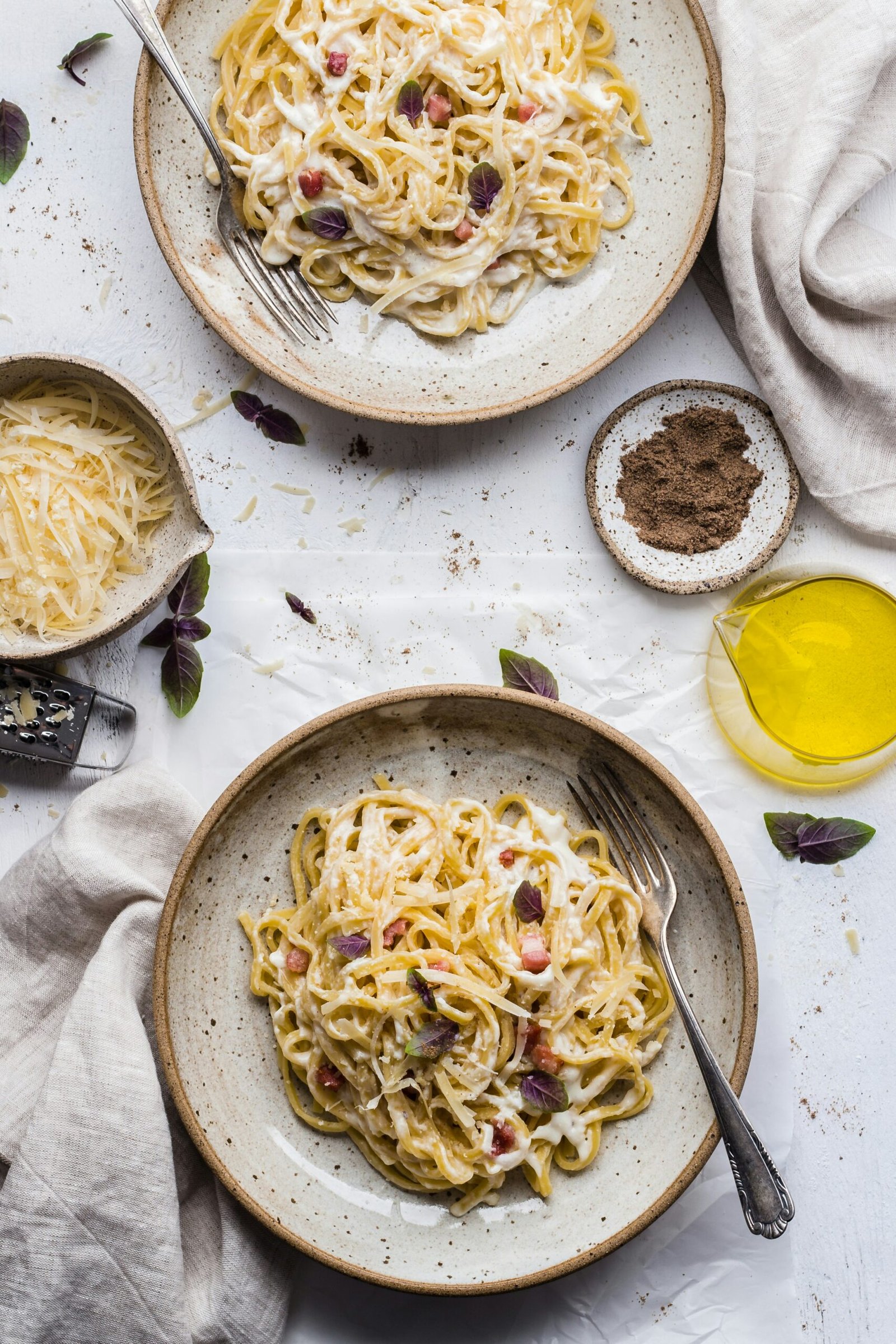
Introduction to Vegetarian Italian Cuisine
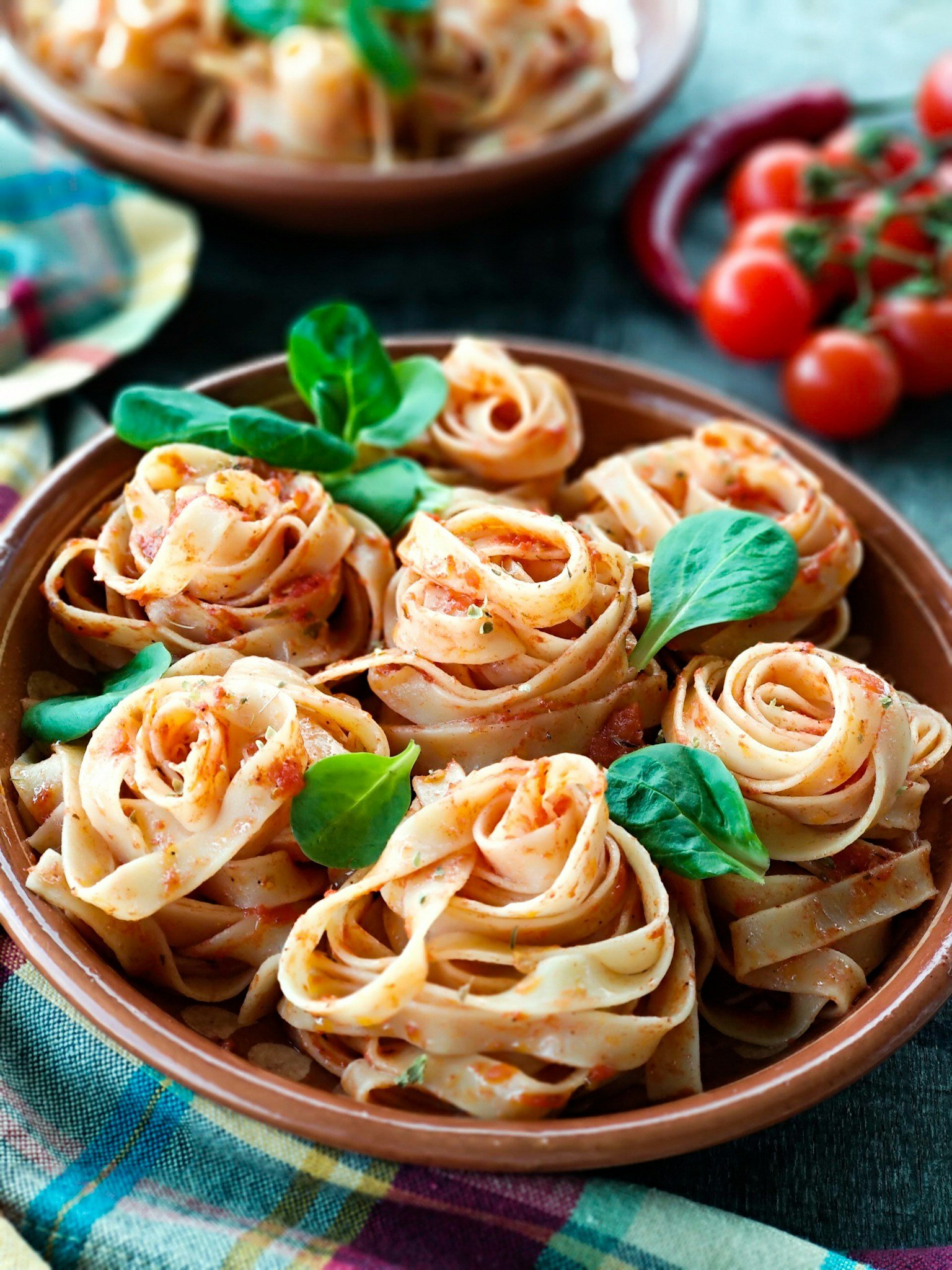
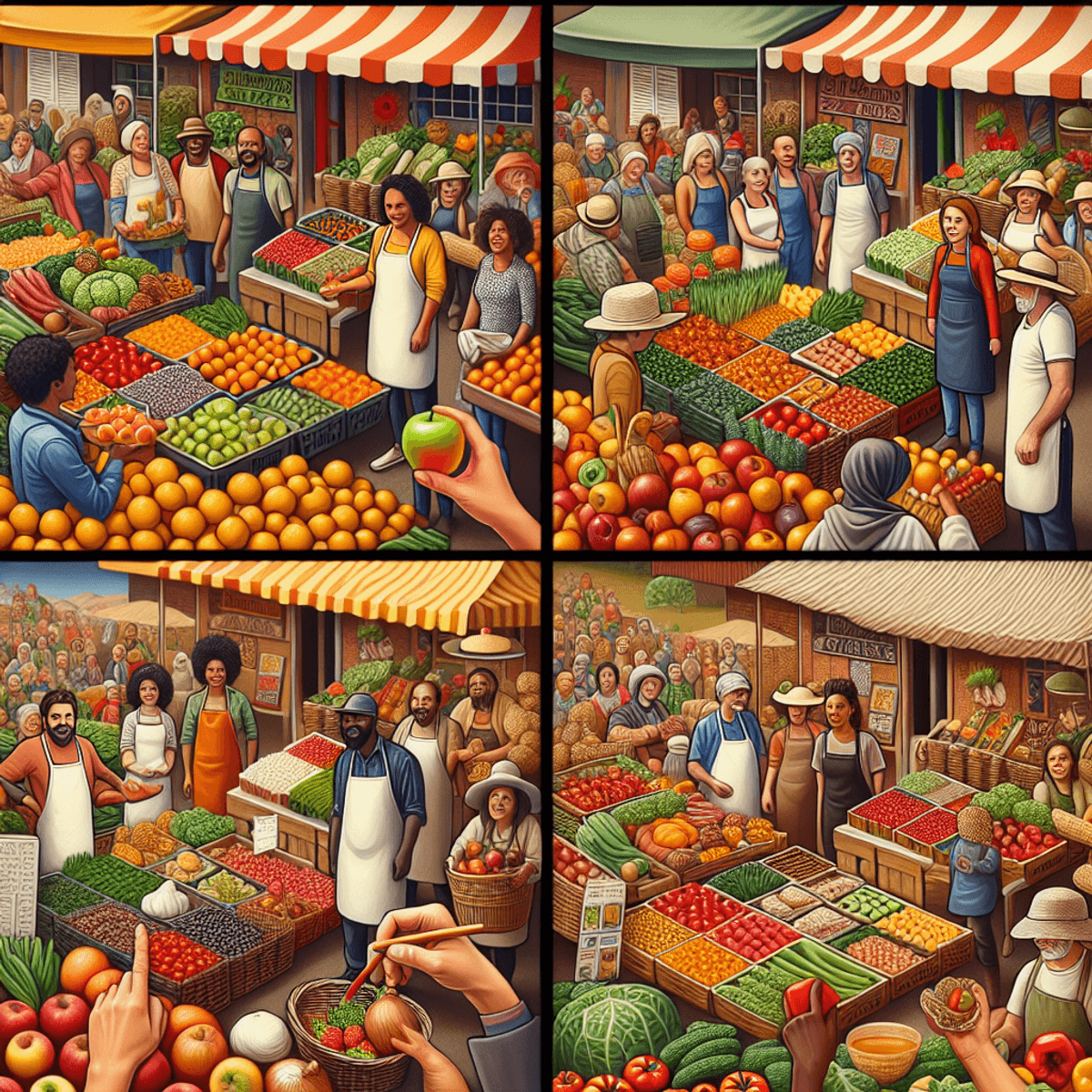
Vegetarian Italian cuisine represents a delicious and innovative approach to traditional cooking that has evolved over centuries. Rooted in Italy’s rich cultural heritage, this style of cuisine emphasizes the use of fresh, high-quality ingredients, and showcases a variety of flavors that do not rely on meat. From the sun-kissed fields of Tuscany to the coastal shores of Amalfi, each region boasts its own unique culinary traditions, lending themselves perfectly to the adaptation of meat-free dishes.
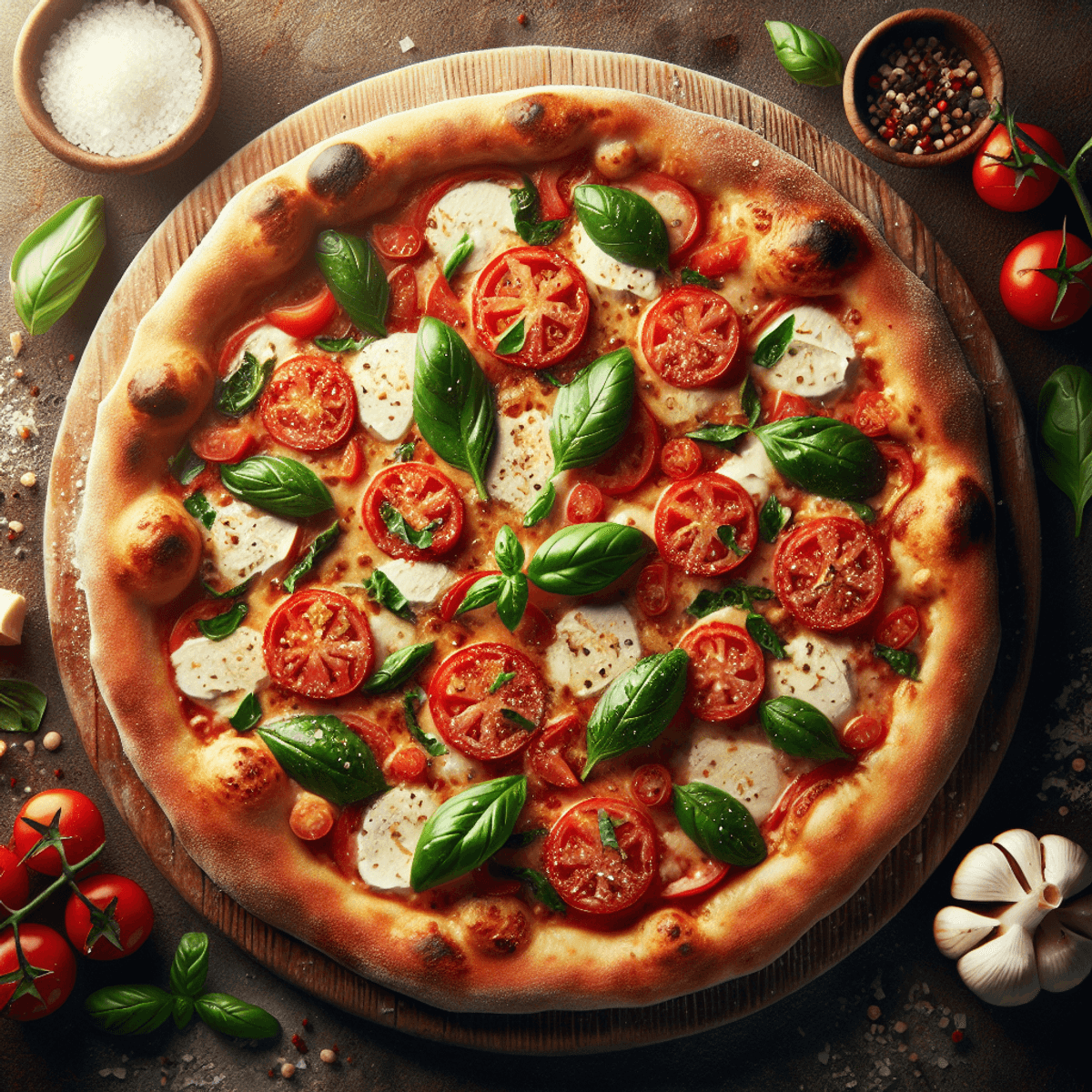
Historically, Italian cooking has been characterized by the celebration of seasonal produce, grains, legumes, and dairy products. Nearly every part of Italy offers regional specialties that highlight these ingredients, allowing for an abundance of vegetarian options. Dishes such as Caprese salad, comprised of ripe tomatoes, fresh mozzarella, and fragrant basil, or risotto alle verdure, flavored with seasonal vegetables, demonstrate how effectively traditional recipes can maintain their authenticity and delight in the absence of meat.
As societal preferences shift, the demand for vegetarian options has intensified. Contemporary chefs are reinvigorating old recipes while exploring new flavors to accommodate those who seek to limit their meat consumption. The use of plant-based ingredients such as eggplant, zucchini, and chickpeas not only enriches the dishes but also provides a deep sense of satisfaction and nourishment. Moreover, the growing popularity of vegetarian cuisine is further supported by an increasing awareness of health benefits associated with a meat-free diet.
In conclusion, vegetarian Italian cuisine offers an exciting array of meat-free options that allows individuals to enjoy authentic flavors while embracing a more sustainable and health-conscious lifestyle. As we delve deeper into the delectable world of vegetarianism within the context of Italian cooking, we will discover innovative ways to enjoy these traditional recipes without compromising on taste or quality.
Must-Try Vegetarian Italian Dishes
Italian cuisine is renowned for its rich flavors and diverse ingredients, and vegetarian options are no exception. Among the must-try vegetarian Italian dishes, Eggplant Parmesan stands out as a hearty and flavorful choice. This dish consists of layers of breaded, fried eggplant slices, marinara sauce, and melted mozzarella and Parmesan cheese. The combination of textures, from the crispiness of the eggplant to the creaminess of the cheese, creates a delightful culinary experience. Traditionally, Eggplant Parmesan is baked until bubbly and golden, making it a comforting addition to any meal.
Another classic that has secured a firm place in vegetarian Italian cooking is Mushroom Risotto. This dish is characterized by its creamy texture, achieved through the slow cooking of Arborio rice and the gradual addition of broth. The star ingredient, fresh mushrooms, contributes to a deep umami flavor that elevates the risotto. Incorporating ingredients like garlic, onions, and white wine enhances its fragrance and taste, making it not only a filling dish but also one that captures the essence of Italian fare.
Caprese Salad is a bright and refreshing option that showcases the simplicity of Italian ingredients, particularly during the summer months. Comprising fresh mozzarella, ripe tomatoes, and fragrant basil, this salad is dressed with a drizzle of olive oil and balsamic vinegar. The balance of flavors is remarkable, with the creaminess of the cheese complementing the acidity of the tomatoes. Caprese Salad highlights the importance of quality ingredients in Italian cooking, proving that simplicity can often lead to exceptional dishes.
These vegetarian Italian dishes exemplify the tradition of Italian cuisine while providing delicious and satisfying options for those seeking meat-free meals. Each dish offers a unique taste and preparation method that reflects the diverse culinary heritage of Italy.
Tips for Cooking Vegetarian Italian Meals at Home
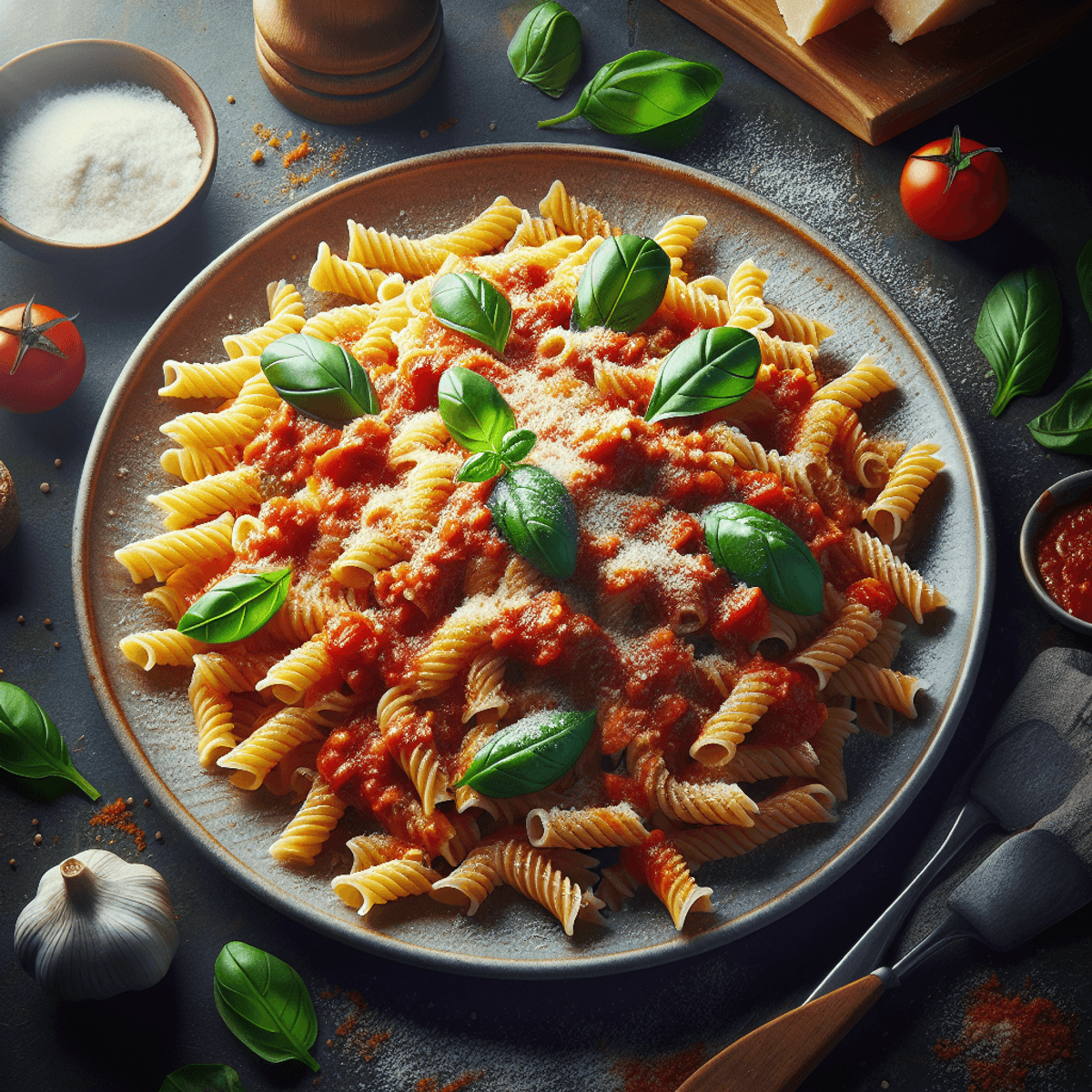
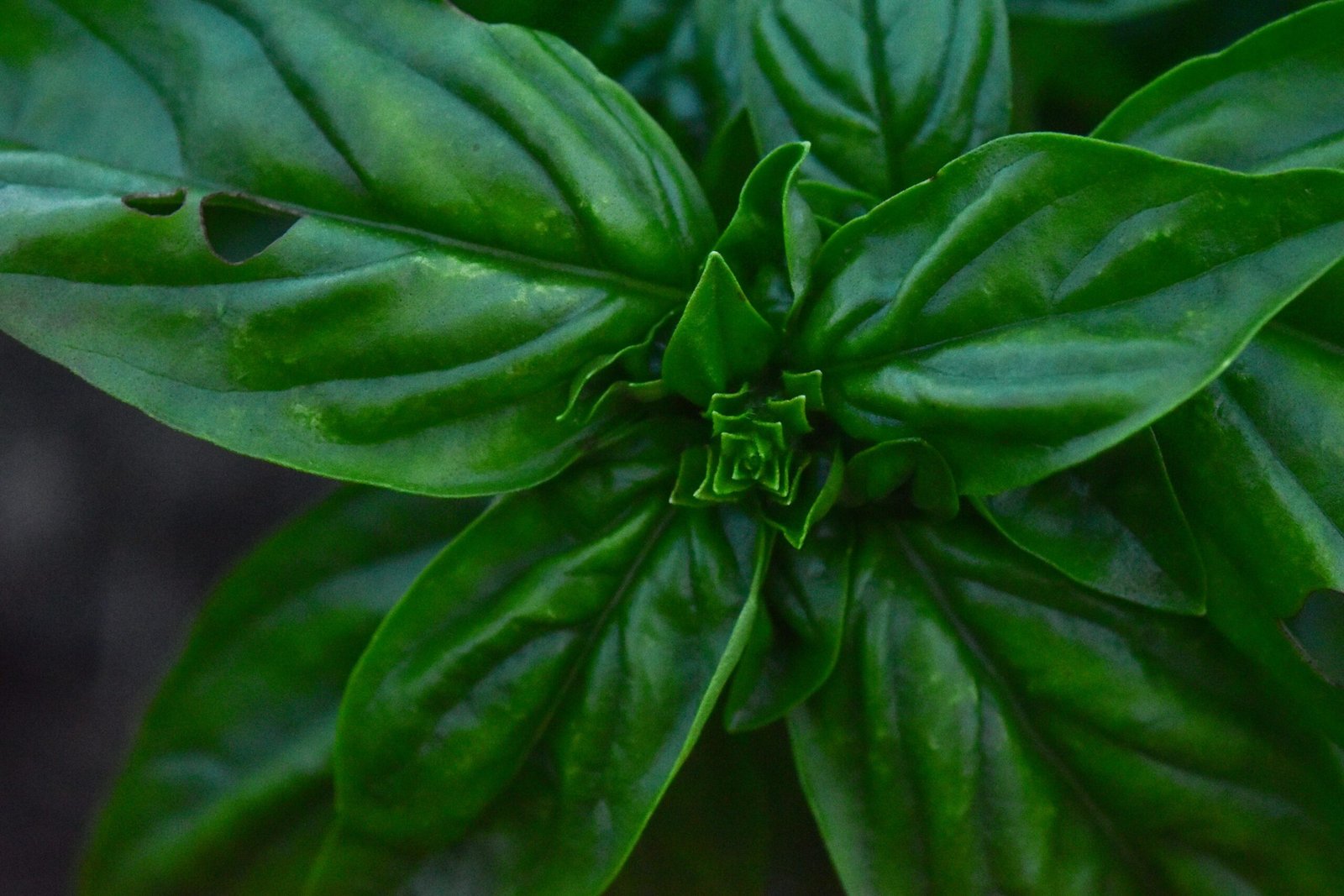
Cooking vegetarian Italian meals at home can be both rewarding and enjoyable, although it requires understanding some essential ingredients and techniques. First and foremost, stocking up on high-quality staples is crucial. Items like extra virgin olive oil, fresh herbs (such as basil, oregano, and rosemary), and a variety of cheeses (like mozzarella, parmesan, and ricotta) are indispensable. Additionally, canned tomatoes, legumes, and whole grains provide excellent bases for various dishes. These ingredients not only contribute authentic flavors but also allow for versatility in meal preparation.
When it comes to cooking techniques, mastering a few fundamental methods can elevate your vegetarian dishes significantly. Sautéing vegetables until caramelized enhances their natural sweetness, while roasting brings out a depth of flavor that can transform simple ingredients into standout components of your meal. Techniques such as blanching greens not only maintain their vibrant color but also preserve nutritional value. Experimenting with these methods can bring a layer of complexity to vegetarian Italian cooking, making it just as delectable as its meat-based counterparts.
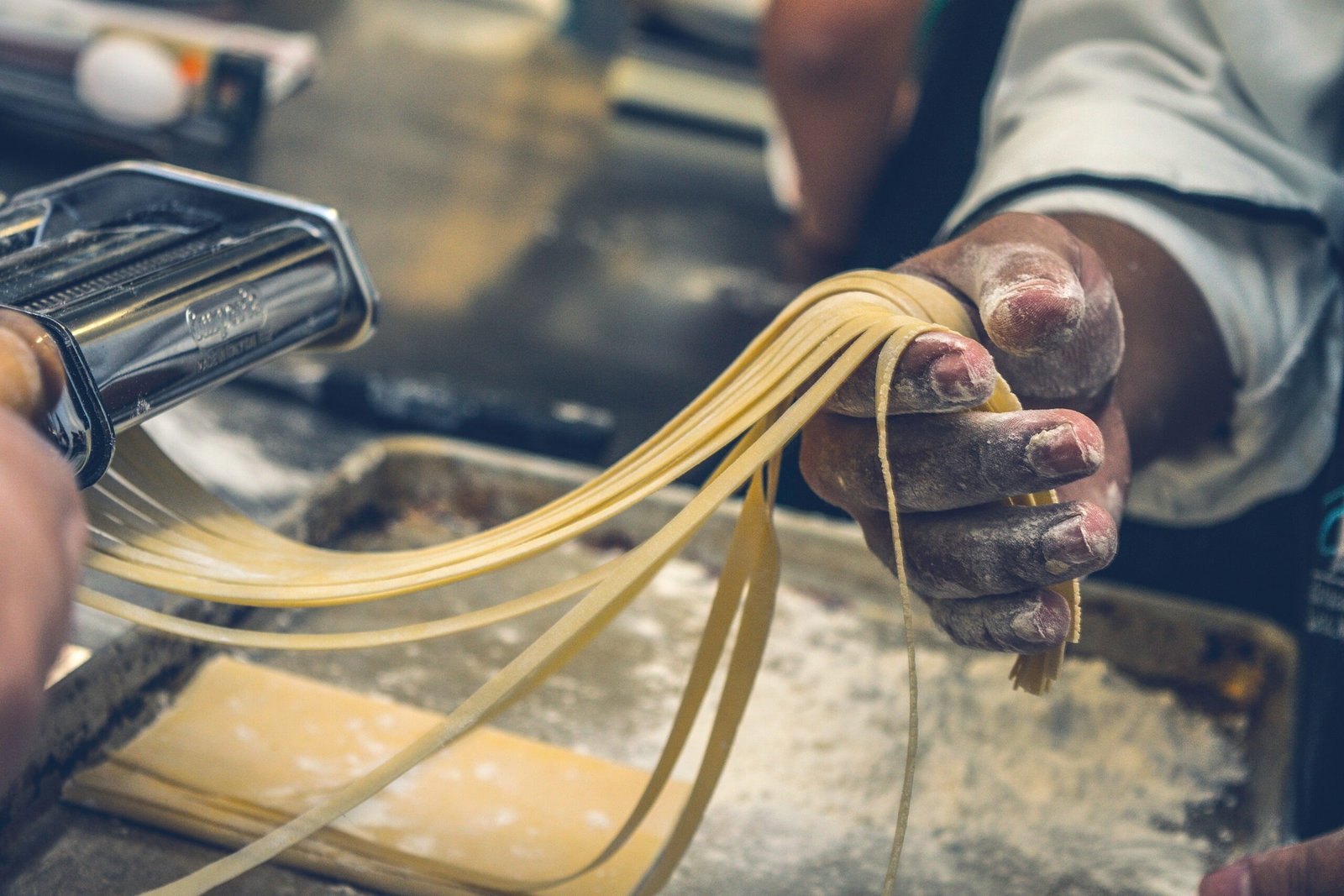
Time-saving hacks are also valuable when crafting vegetarian Italian meals, especially for busy cooks. Preparing sauces and marinades in advance can streamline meal prep on busy weeknights. Another helpful tip is to batch-cook staple items like pasta, legumes, or vegetable broths, allowing you to incorporate them into various recipes throughout the week. Furthermore, investing in a few kitchen tools and equipment can enhance your cooking experience. A good-quality chef’s knife, a sturdy cutting board, and a cast-iron skillet can facilitate different cooking methods, promoting both efficiency and authenticity in your dishes.
By understanding these essential ingredients, techniques, and saving tips, you will empower yourself to confidently explore vegetarian Italian cuisine at home.
Exploring Regional Vegetarian Delights in Italy
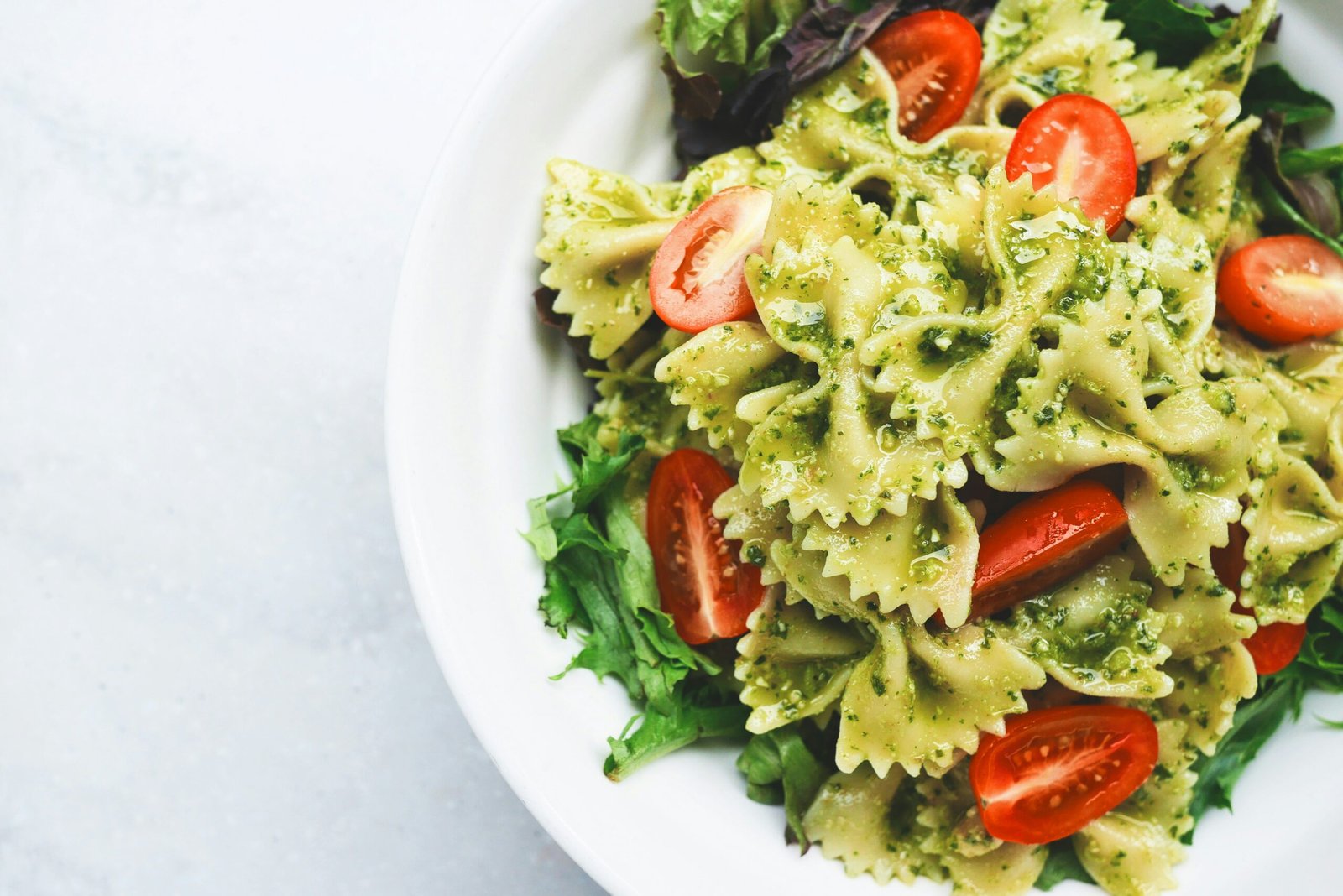
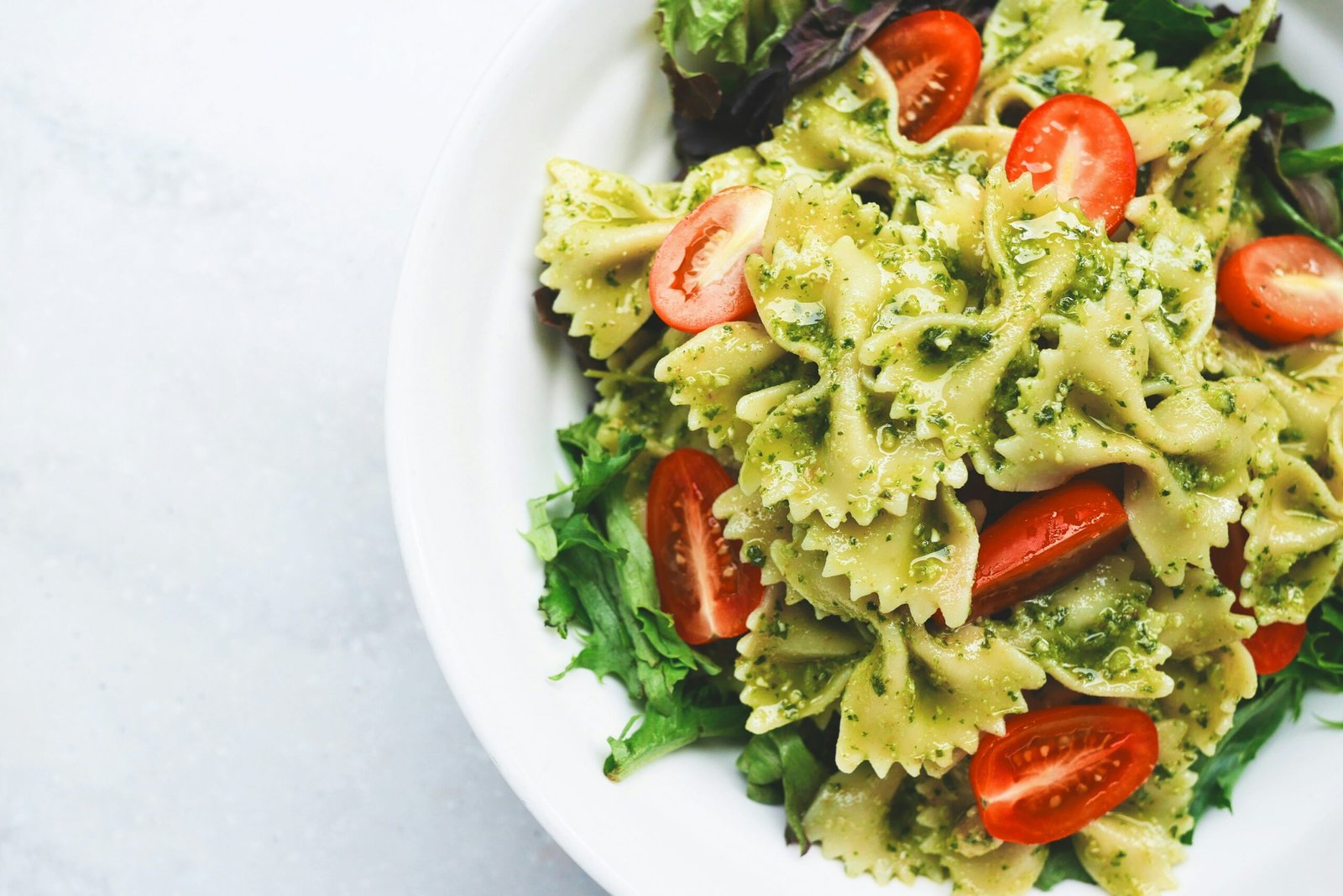
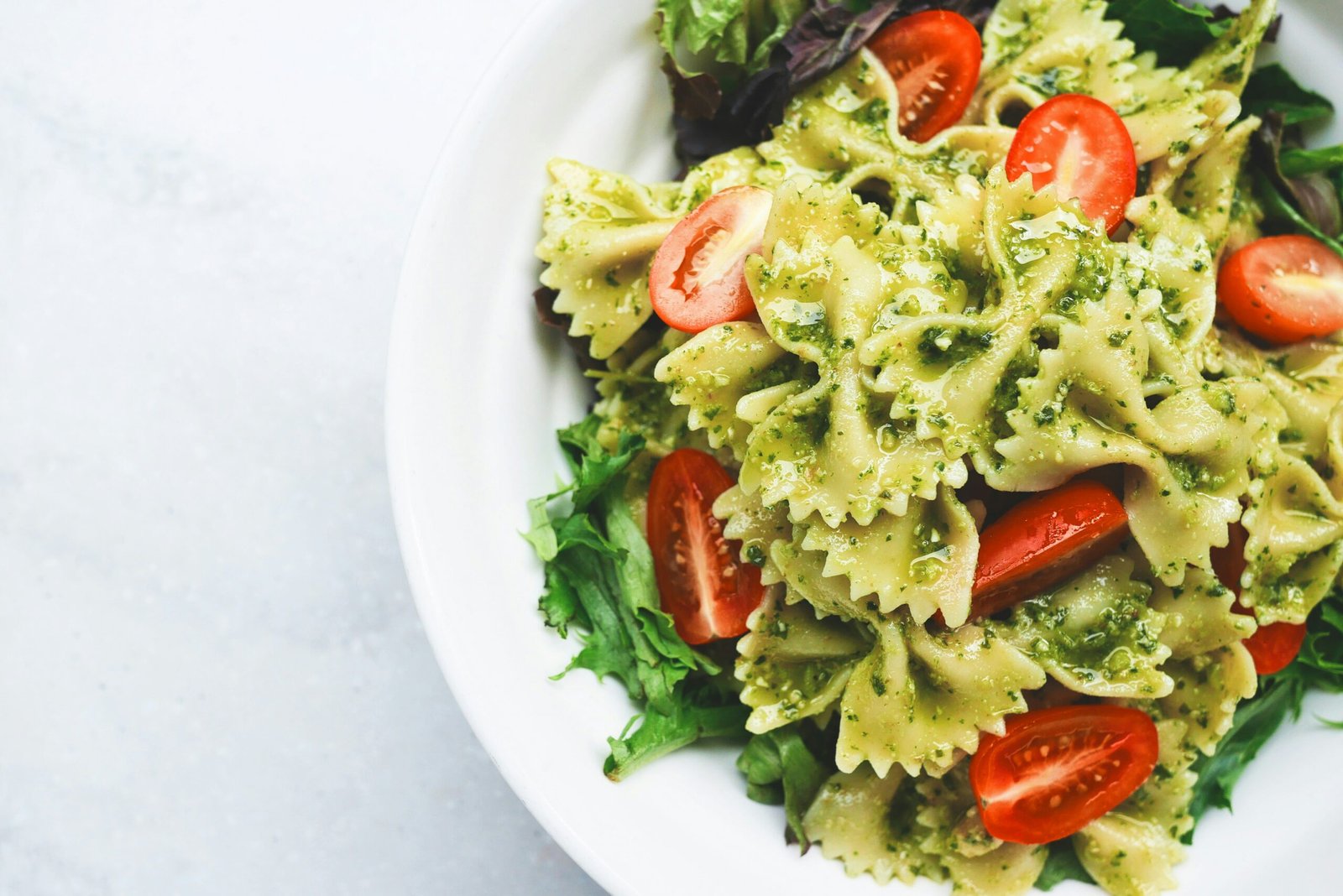
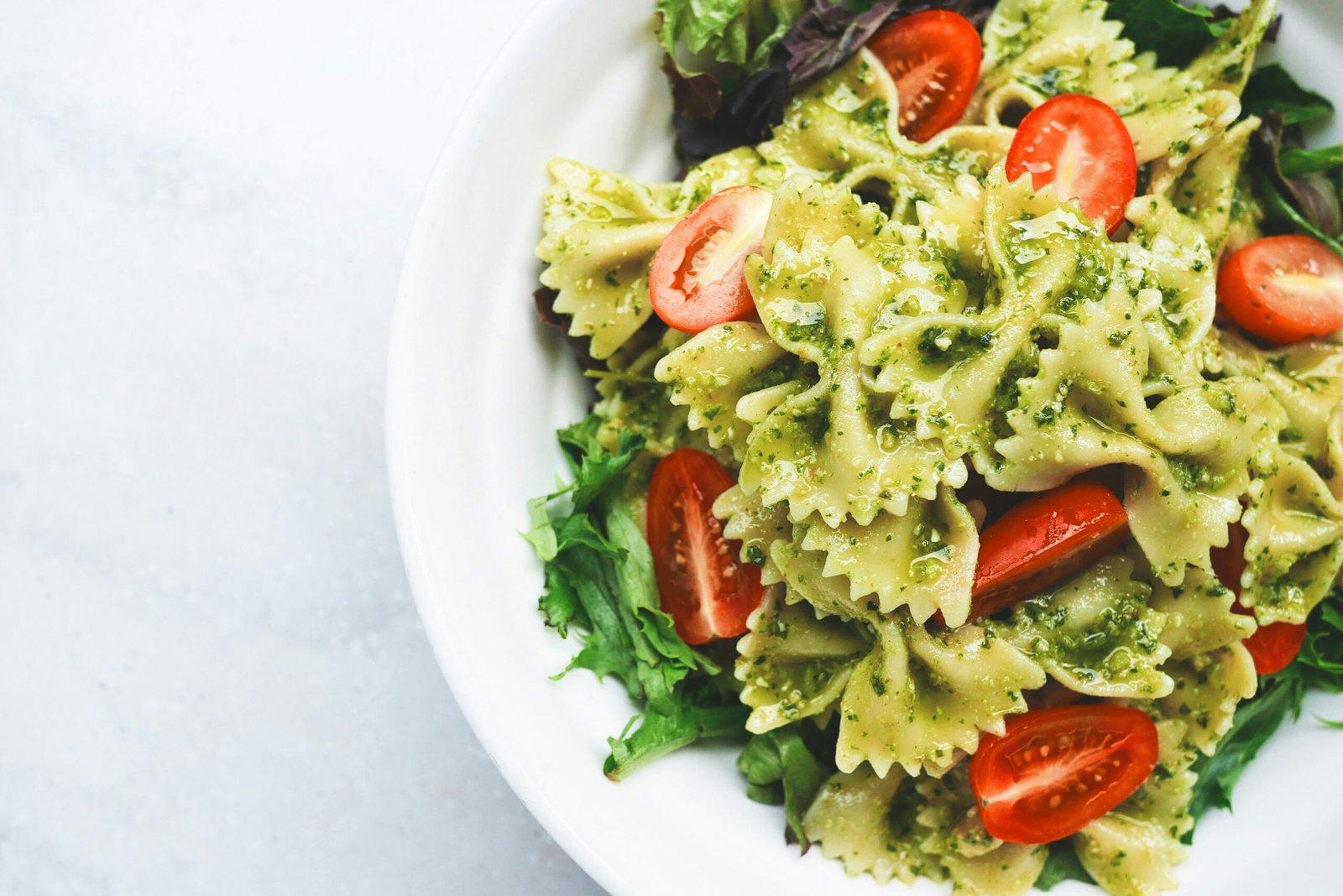
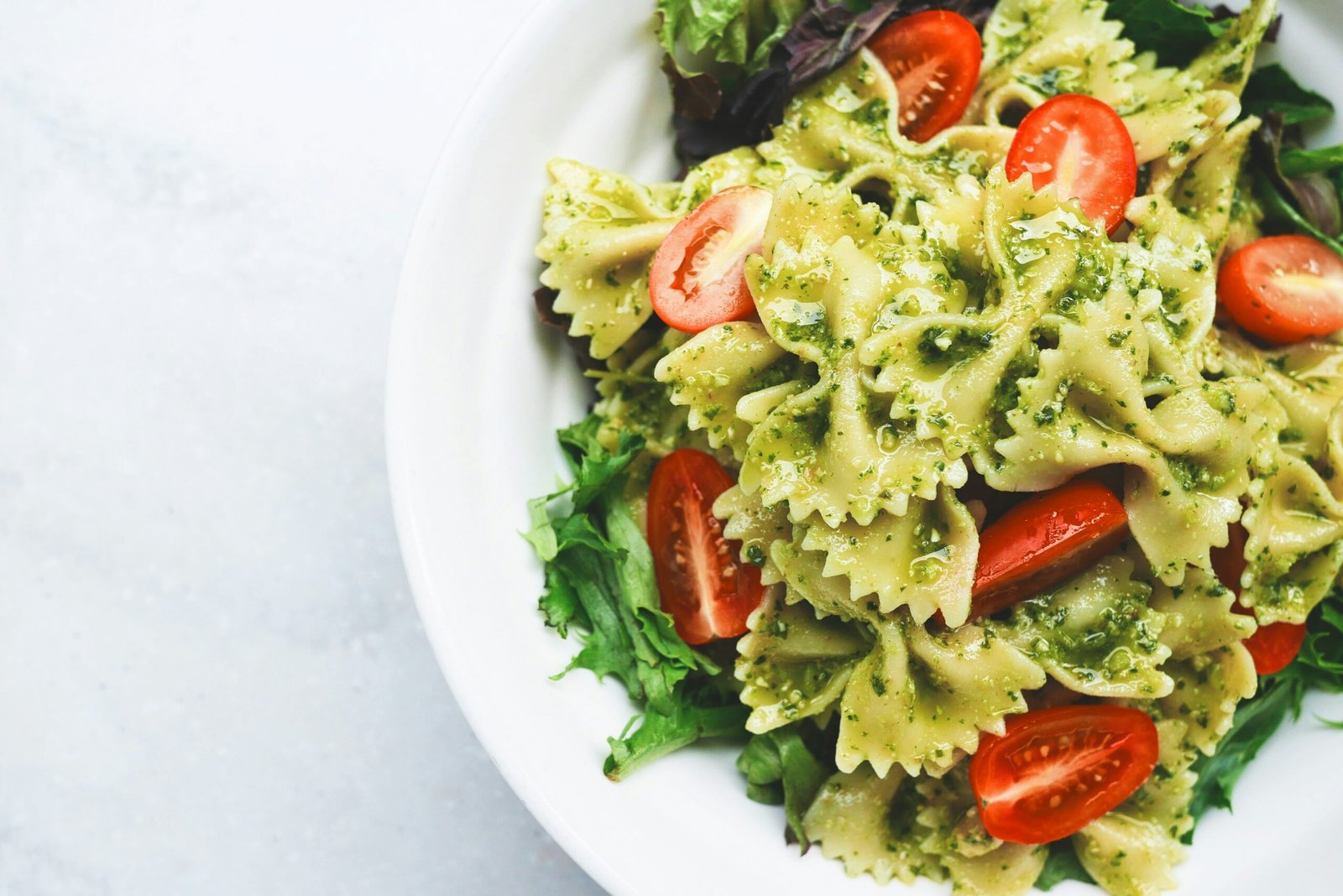
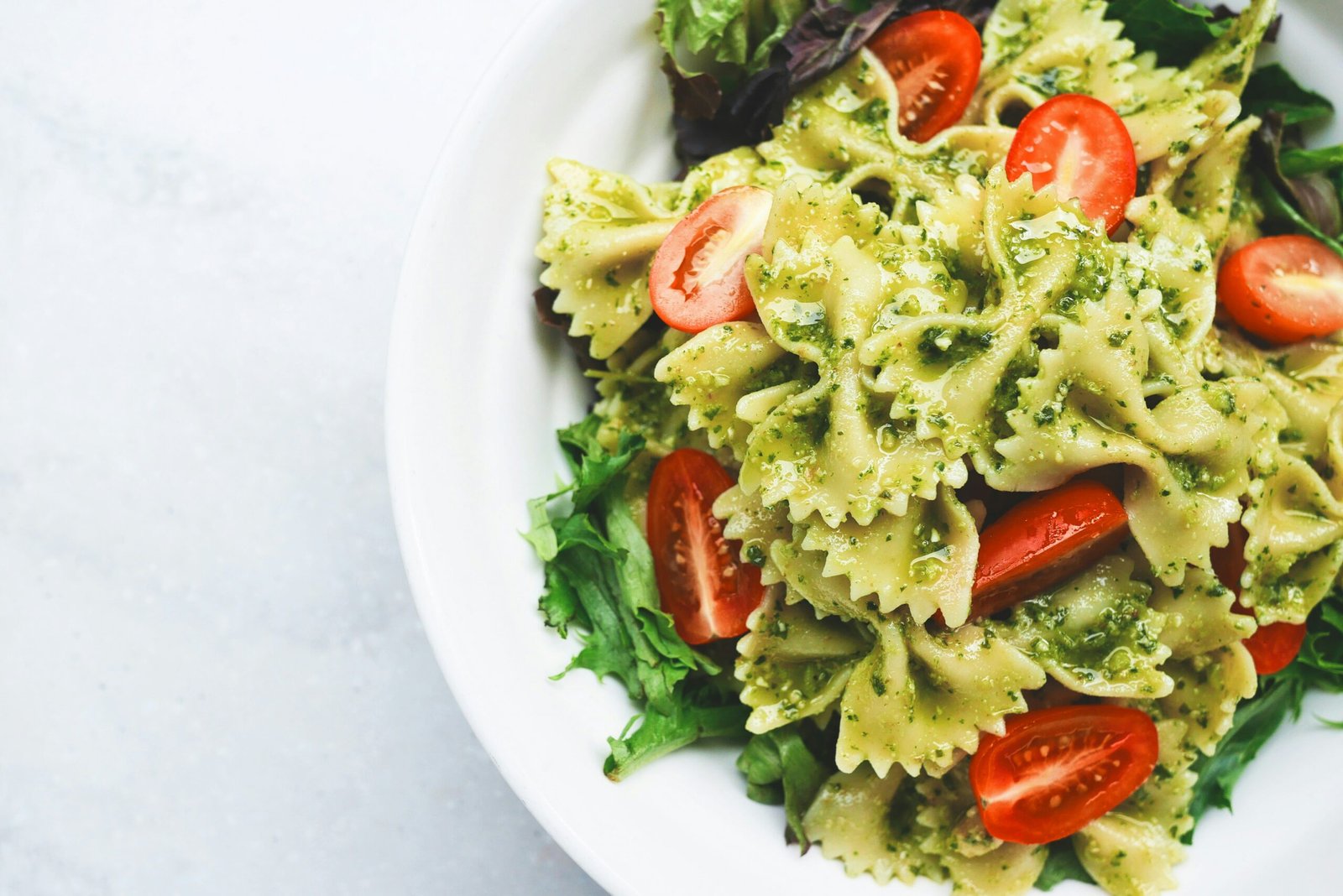
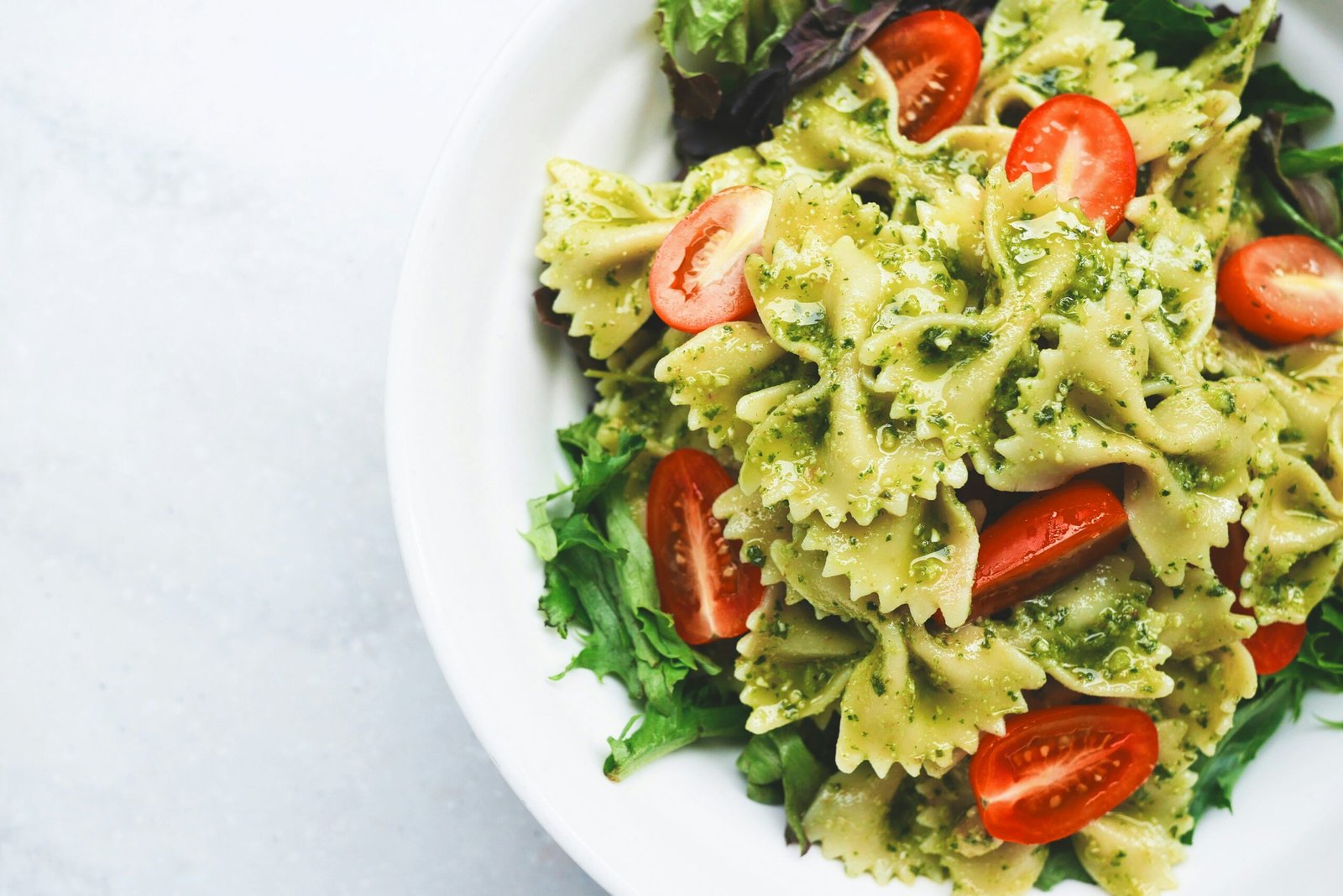
Italy is celebrated for its remarkable culinary diversity, with each region offering unique vegetarian delights that embody the local culture and ingredients. This rich tapestry of flavors is shaped by the climate, geography, and historical influences that define each area. One of the quintessential vegetarian staples hailing from Liguria is Pesto alla Genovese. Made from fresh basil, pine nuts, garlic, Parmesan cheese, and extra virgin olive oil, this vibrant green sauce epitomizes the region’s aromatic herbs and quality produce. It can be enjoyed tossed with pasta or served as a spread on crusty bread.
Moving to Tuscany, we encounter an array of traditional vegetarian dishes. Tuscan cuisine is renowned for its reliance on high-quality olive oil, which is often the cornerstone of many meals. Dishes such as Ribollita, a hearty vegetable and bread soup, showcase the region’s rustic ingredients, including cabbage, beans, and stale bread. This nutritive dish reflects the historical practice of using simple ingredients to create robust flavors. Additionally, Fagioli all’Uccelletto, a savory bean dish cooked with tomatoes and sage, highlights how Tuscany elevates humble ingredients into satisfying vegetarian fare.
As we venture further south to Sicily, we discover iconic vegetarian specialties such as Arancini, which are fried rice balls stuffed with various fillings. These delicious treats frequently feature combinations of saffron, peas, and cheese, encapsulating the vibrant Sicilian palette. With their crisp exterior and flavorful interior, arancini exemplify the innovative ways in which Sicilian cooks transform simple ingredients into memorable culinary experiences. Each region in Italy is replete with its own vegetarian treasures, reflecting a rich heritage that beckons food lovers to explore and appreciate the distinct flavors of Italian vegetarian cuisine.