The Historical Roots of Olive Oil in Italian Cuisine
The journey of olive oil in Italian cuisine dates back to ancient civilizations, primarily the Greeks and Romans, who recognized its significant culinary, nutritional, and medicinal properties. The cultivation of olive trees, particularly in the Mediterranean region, flourished as these societies began to establish agricultural practices that would endure through the ages. The olive tree was celebrated not only for its fruit but also for the oil extracted from it, which soon became a cornerstone of both gastronomy and health.
Olive oil was a vital ingredient in the diet of the ancient Italians, used for cooking, flavoring, and preserving food. The Greeks considered olive oil a gift from the gods, often using it in various rituals and ceremonies, establishing a symbolic connection to their culture. The Romans expanded upon this reverence, integrating olive oil into their daily lives and even developing extensive trade networks to distribute it throughout the empire. As a result, the importance of olive oil transcended mere sustenance, influencing social structures and economic dynamics across territories.
Over the centuries, the production techniques of olive oil evolved significantly. Initially, pressing methods were rudimentary, but with the advent of technological advancements and refinement during the Renaissance, olive oil production became more systematic and artisanal. Artisans began to focus on quality, introducing different varieties of olives, which led to a rich tapestry of regional flavors across Italy. Each region developed its unique style and traditions, informed by local climate and soil conditions, creating a diverse landscape of olive oil that remains a hallmark of Italian cuisine today.
In summary, the historical significance of olive oil in Italy is a fascinating blend of cultural heritage and culinary evolution, shaped by ancient practices, regional diversity, and ongoing innovations that persist in modern Italian cooking. The essence of this liquid gold continues to encompass both tradition and contemporary culinary art, solidifying its indispensable role in Italian kitchens worldwide.
Types of Olive Oil: A Culinary Guide
Olive oil is a cornerstone of Italian cooking, celebrated not only for its health benefits but also for its versatility and richness in flavor. Understanding the different types of olive oil is essential for selecting the appropriate oil for various culinary applications. The primary types of olive oil include extra virgin olive oil, virgin olive oil, and refined olive oil. Each type possesses distinct characteristics that influence its flavor profile and suitability for specific dishes.
Extra virgin olive oil (EVOO) is regarded as the highest quality of olive oil. It is produced from the first pressing of olives, extracted without the use of heat or chemicals. This cold-pressing method preserves the natural flavors and antioxidants, resulting in a robust and fruity oil with a peppery finish. EVOO is ideal for drizzling over salads, vegetables, pasta, or as a dipping sauce for bread. When selecting EVOO, look for labels indicating its origin and certifications, which can assure authenticity and quality.
Virgin olive oil, while also produced through mechanical means, has a slightly higher acidity level than extra virgin. It retains some of the fruitiness and is often more cost-effective. Virgin olive oil works well in cooking applications where the oil’s flavor is not the predominant component, such as in marinades or when sautéing vegetables.
Refined olive oil undergoes a more rigorous processing procedure, which removes impurities and often results in a milder flavor. This type of oil is generally less expensive and can withstand higher cooking temperatures, making it suitable for frying and baking. However, it lacks many of the health benefits attributed to its unrefined counterparts.
In conclusion, the selection of olive oil in Italian cooking is crucial to achieving the desired flavor and health benefits. By understanding the nuances between extra virgin, virgin, and refined olive oil, one can enhance their culinary experience and appreciate the authenticity of Italian cuisine.
Health Benefits of Olive Oil: Beyond the Kitchen
Olive oil, particularly extra virgin olive oil, is celebrated not only for its culinary versatility but also for its impressive health benefits. Rich in monounsaturated fats, this oil serves as a cornerstone of the Mediterranean diet, known for promoting heart health. Nutritionists highlight that the regular consumption of olive oil can significantly reduce the risk of cardiovascular diseases. This is primarily due to its favorable lipid profile, which helps decrease LDL cholesterol levels while increasing HDL cholesterol, responsible for transporting cholesterol away from arteries.
In addition to its heart-healthy characteristics, olive oil is also packed with antioxidants, including vitamin E and various polyphenols. These compounds play a crucial role in combating oxidative stress, thereby potentially lowering the risk of chronic diseases. Studies have shown that the anti-inflammatory properties of olive oil can help mitigate conditions such as arthritis and other inflammatory disorders. Moreover, the presence of antioxidants contributes to healthy aging by preserving skin health and overall vitality.
Weight management is another area where olive oil shines. Unlike many fats that contribute to weight gain, the healthy fats in olive oil can help increase satiety, leading to reduced overall caloric intake. By incorporating olive oil into one’s diet—whether drizzled on salads, used in cooking, or as part of dips—one can enjoy its flavor while reaping its nutritional rewards. Additionally, research indicates that people who include olive oil in their meals are less likely to gain weight compared to those who use less healthy fats.
To maximize the benefits of olive oil, it is recommended to choose high-quality extra virgin olive oil, which is less processed and retains more of its health-promoting properties. By making olive oil a staple in daily cooking, individuals can enhance their diets and contribute to their long-term well-being.
Olive Oil in Traditional Italian Recipes: Tips and Techniques
Olive oil holds a paramount position in Italian culinary traditions, serving as a fundamental ingredient in countless recipes. Understanding how to incorporate olive oil effectively can significantly elevate the flavors and textures of traditional Italian dishes. Here are some practical tips and techniques to utilize this versatile oil in various recipes.
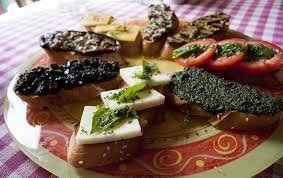
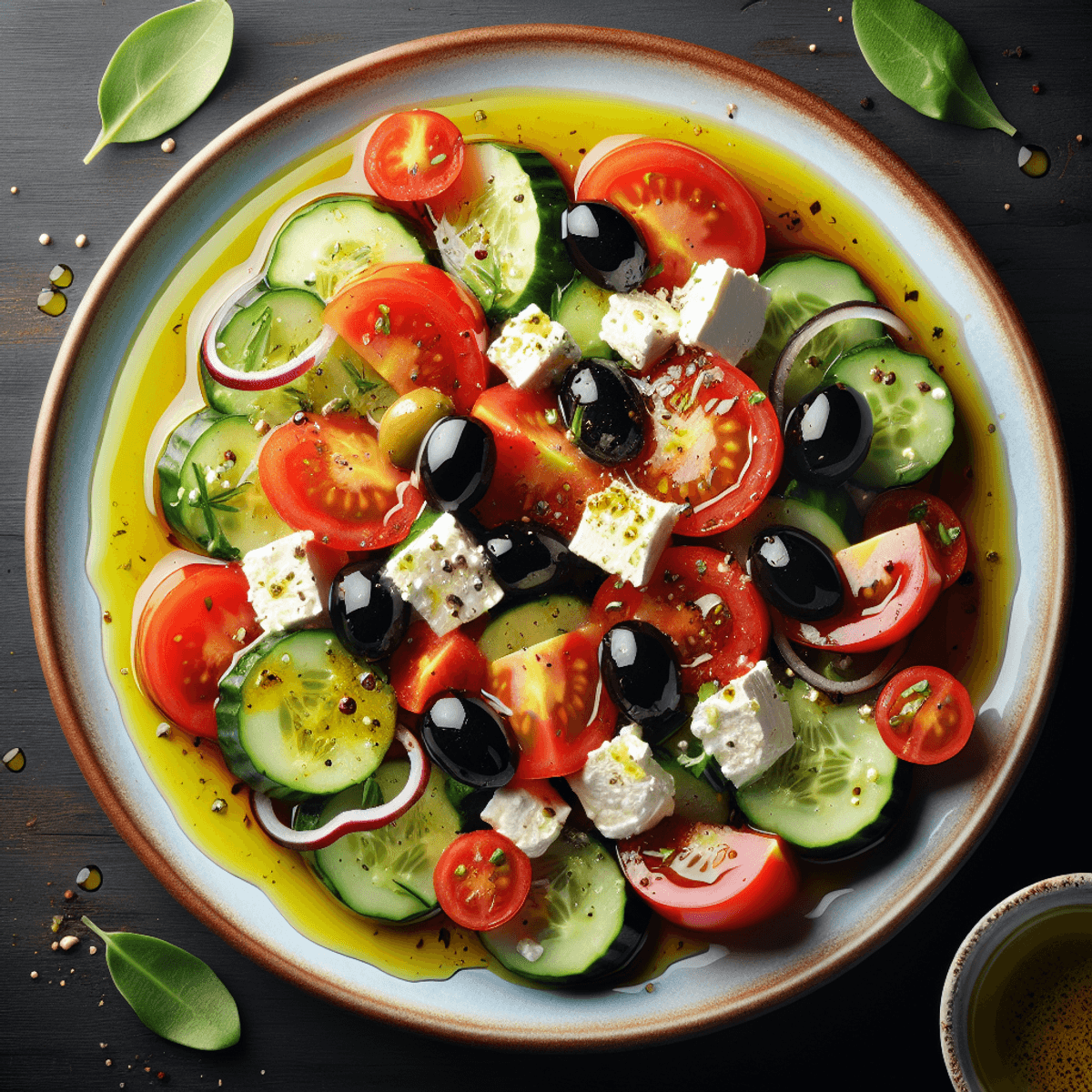
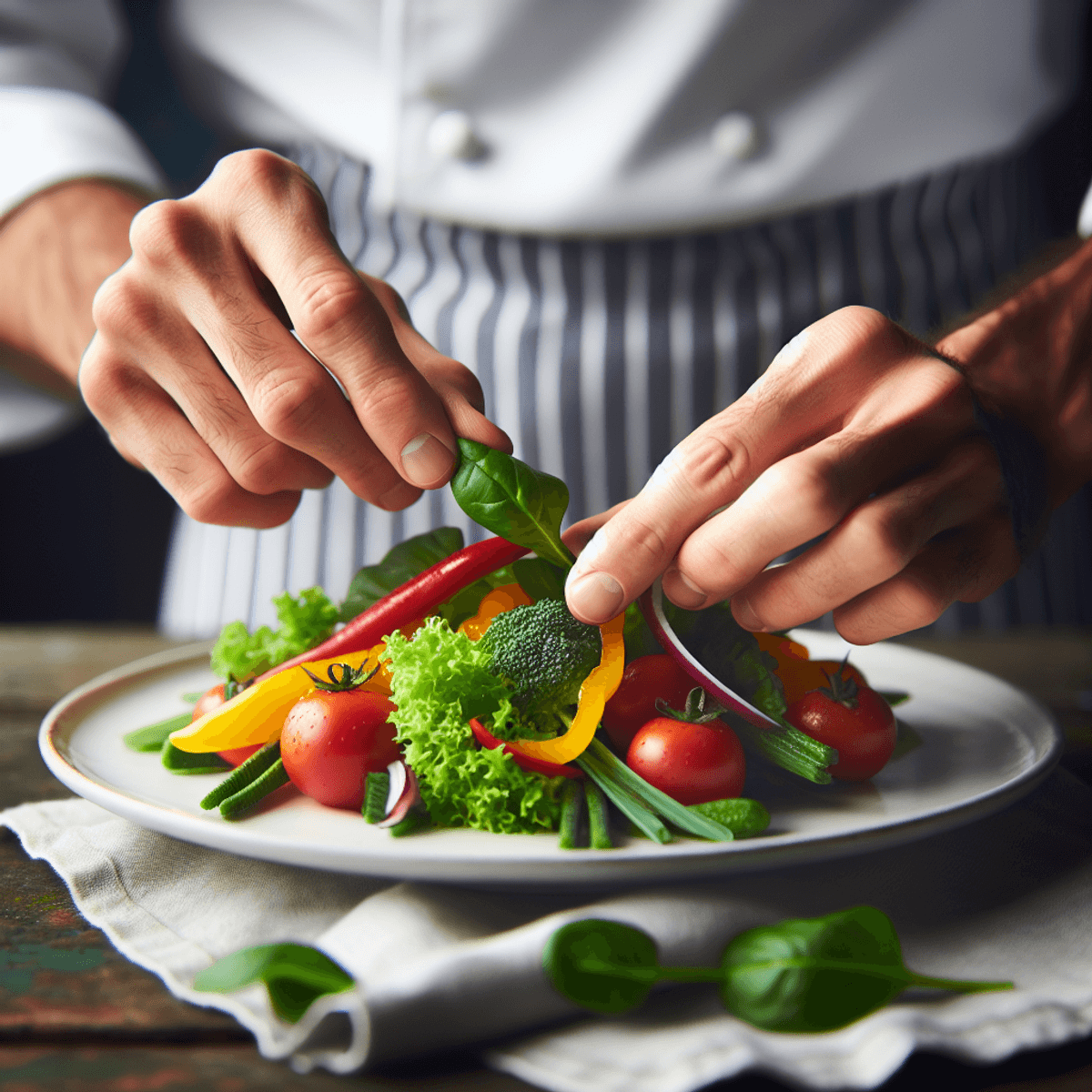
One of the most straightforward ways to use olive oil is as a dressing for salads, vegetables, or bruschetta. When preparing a salad, consider using high-quality extra virgin olive oil and combining it with balsamic vinegar, fresh herbs, and a pinch of sea salt. This not only enhances the dish’s flavor but also provides a rich mouthfeel that complements fresh greens. For bruschetta, drizzle olive oil over toasted bread slices and top them with chopped tomatoes, basil, and garlic. The oil’s fruity notes add depth to this classic appetizer.
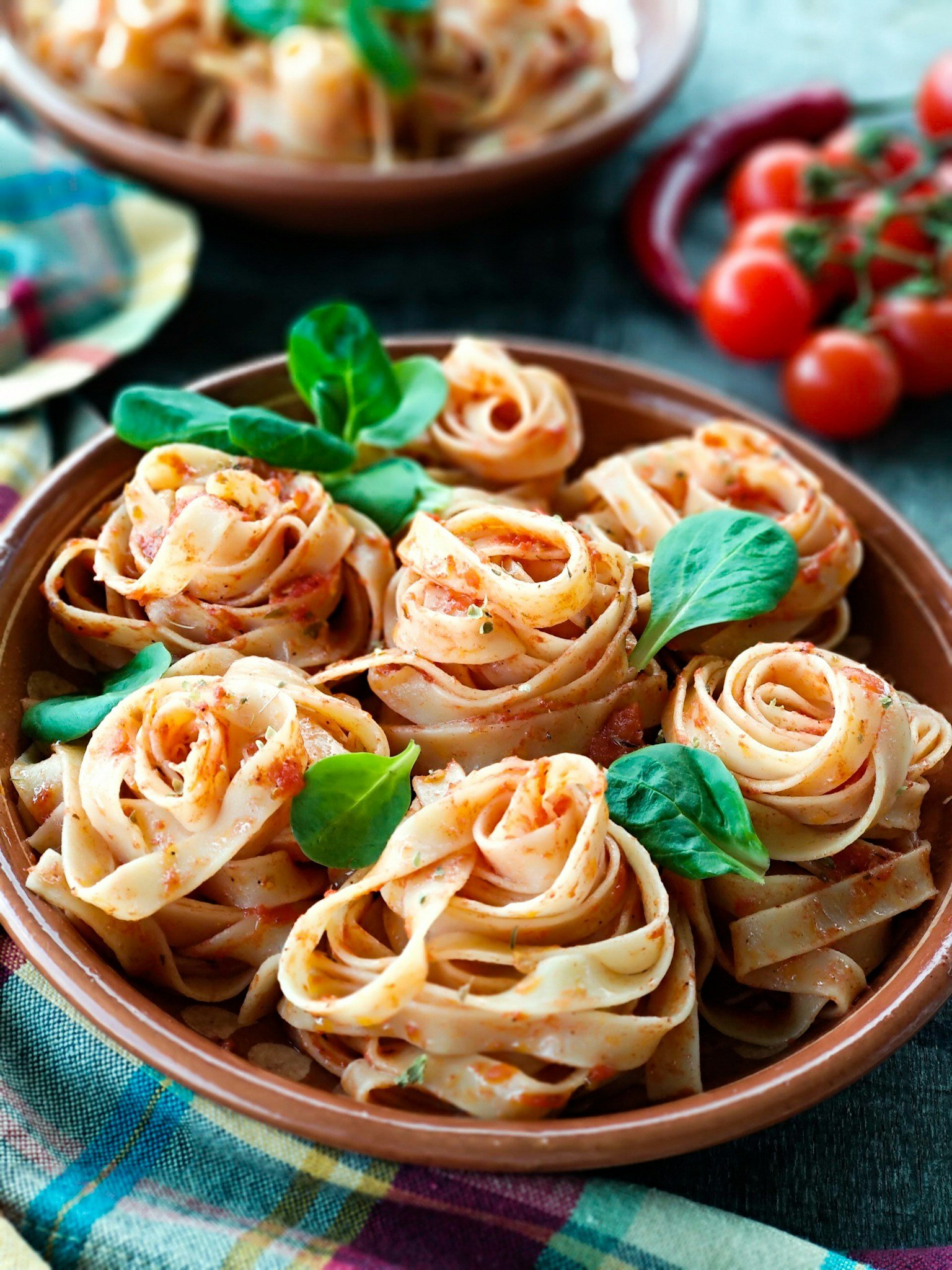
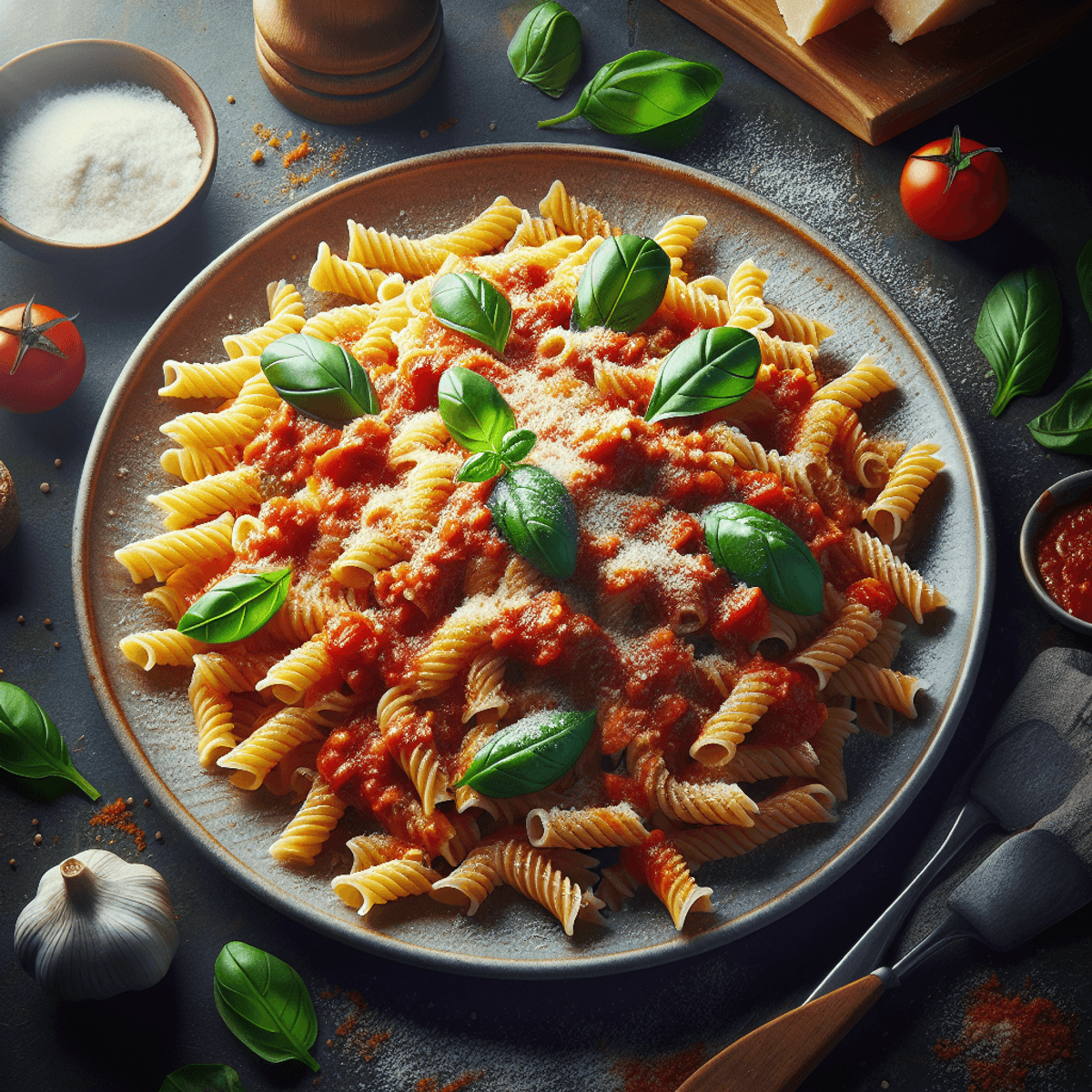
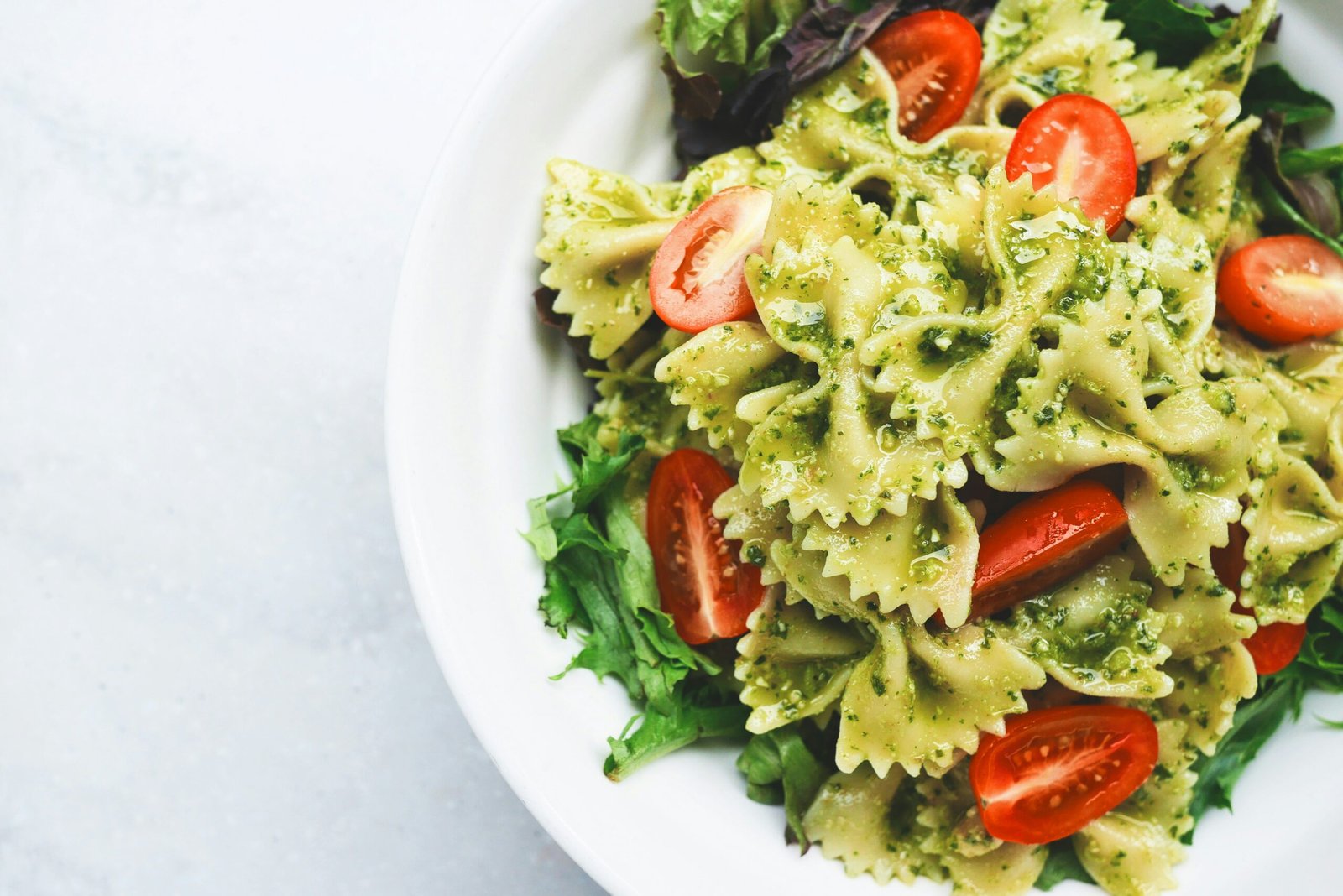
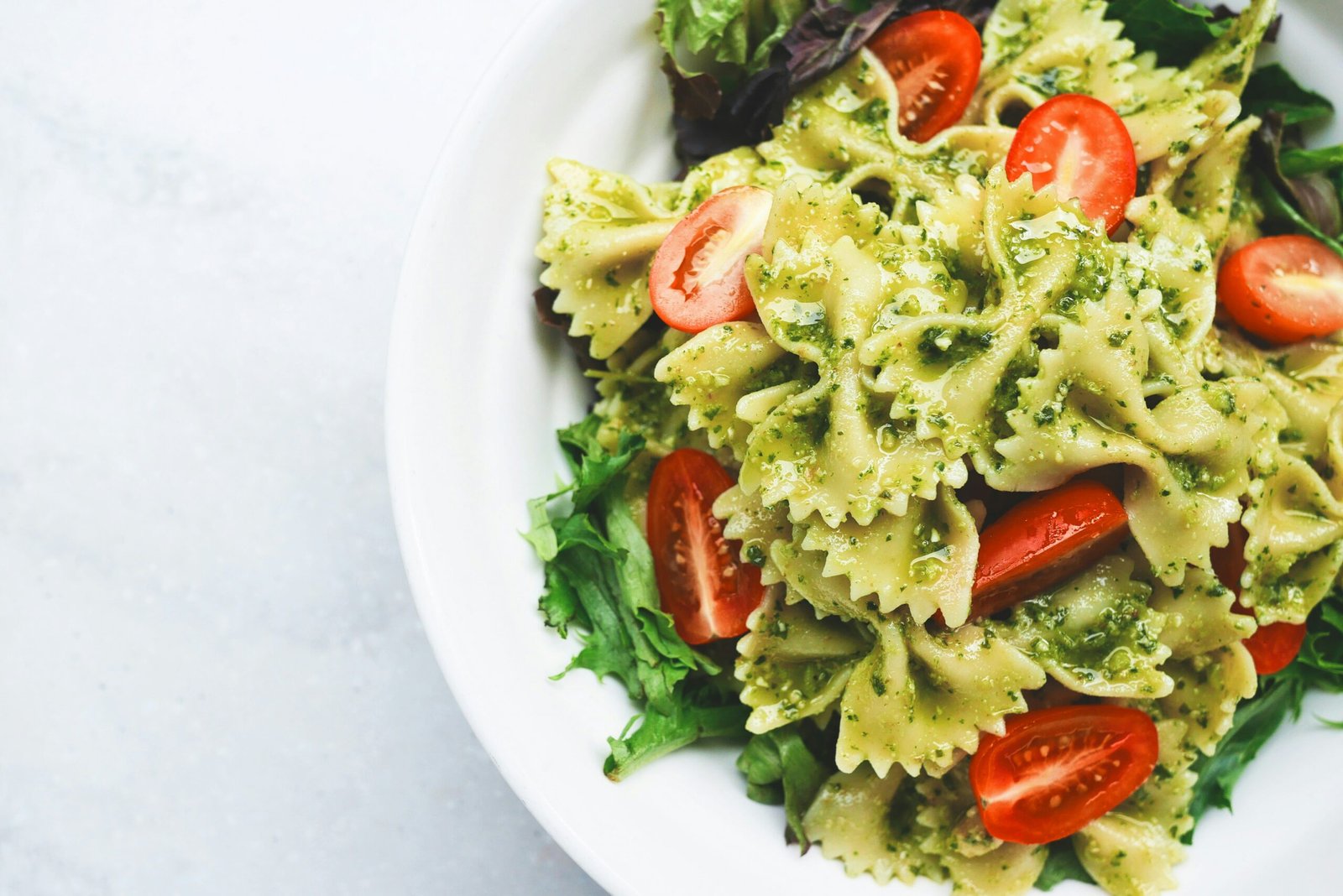
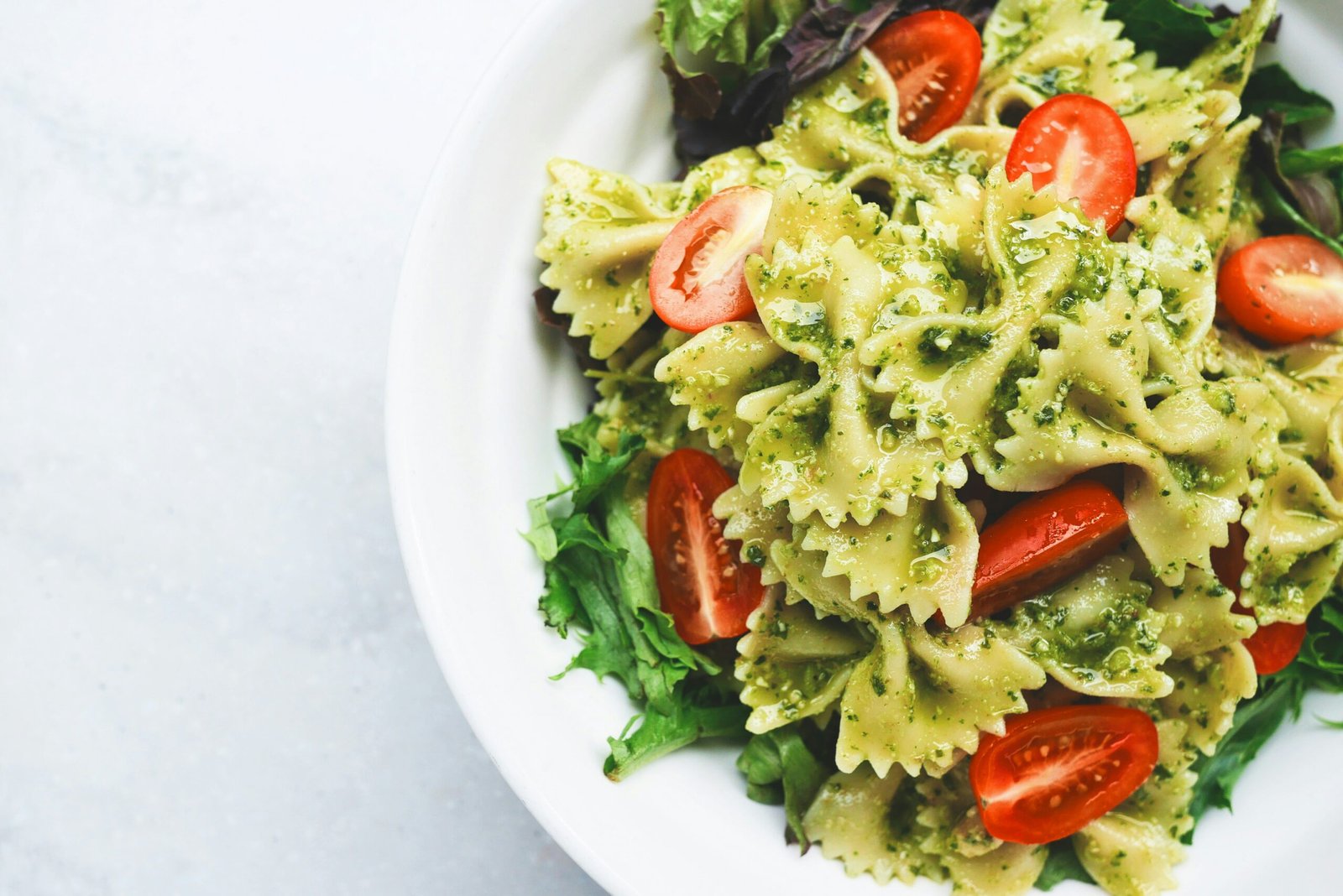
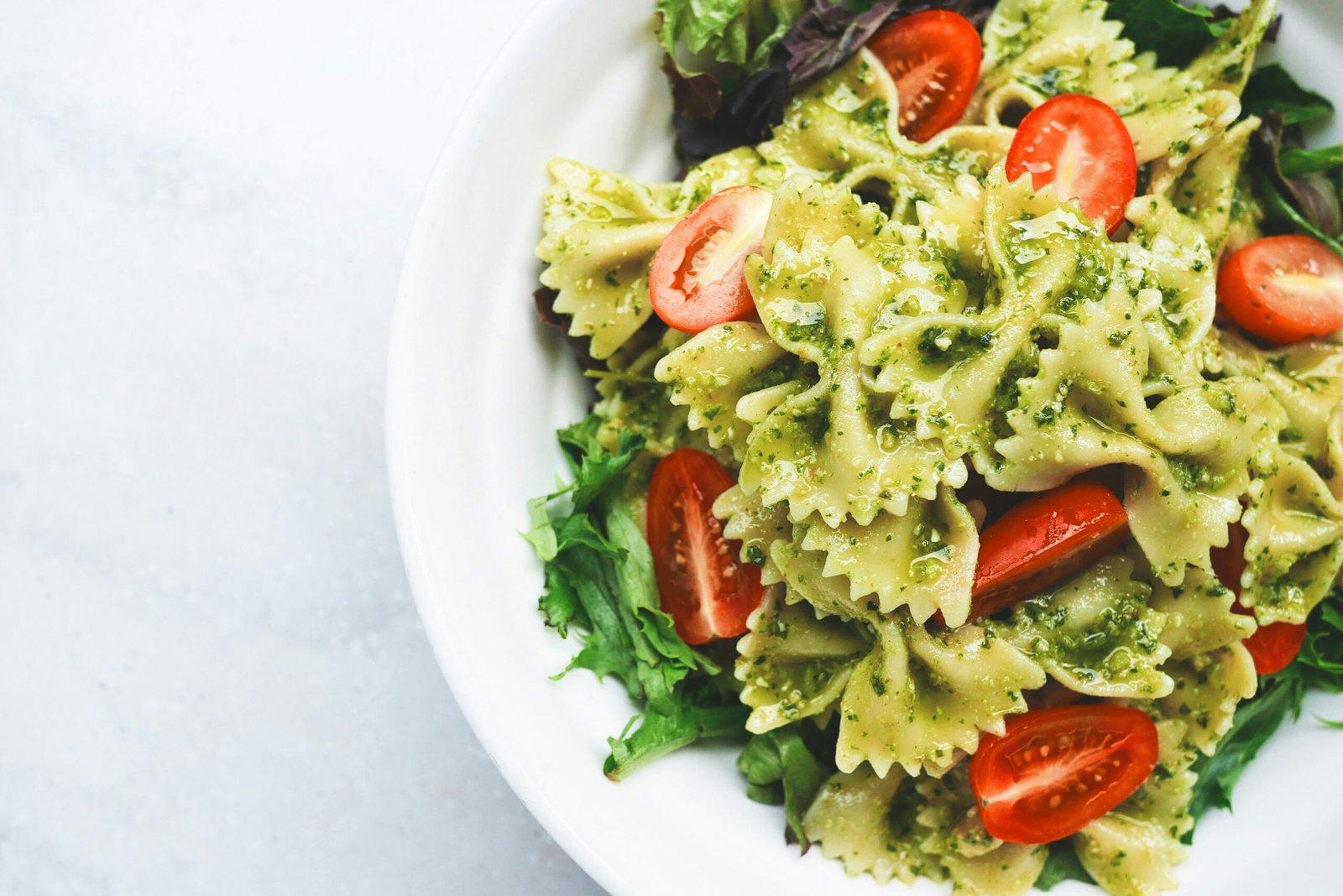
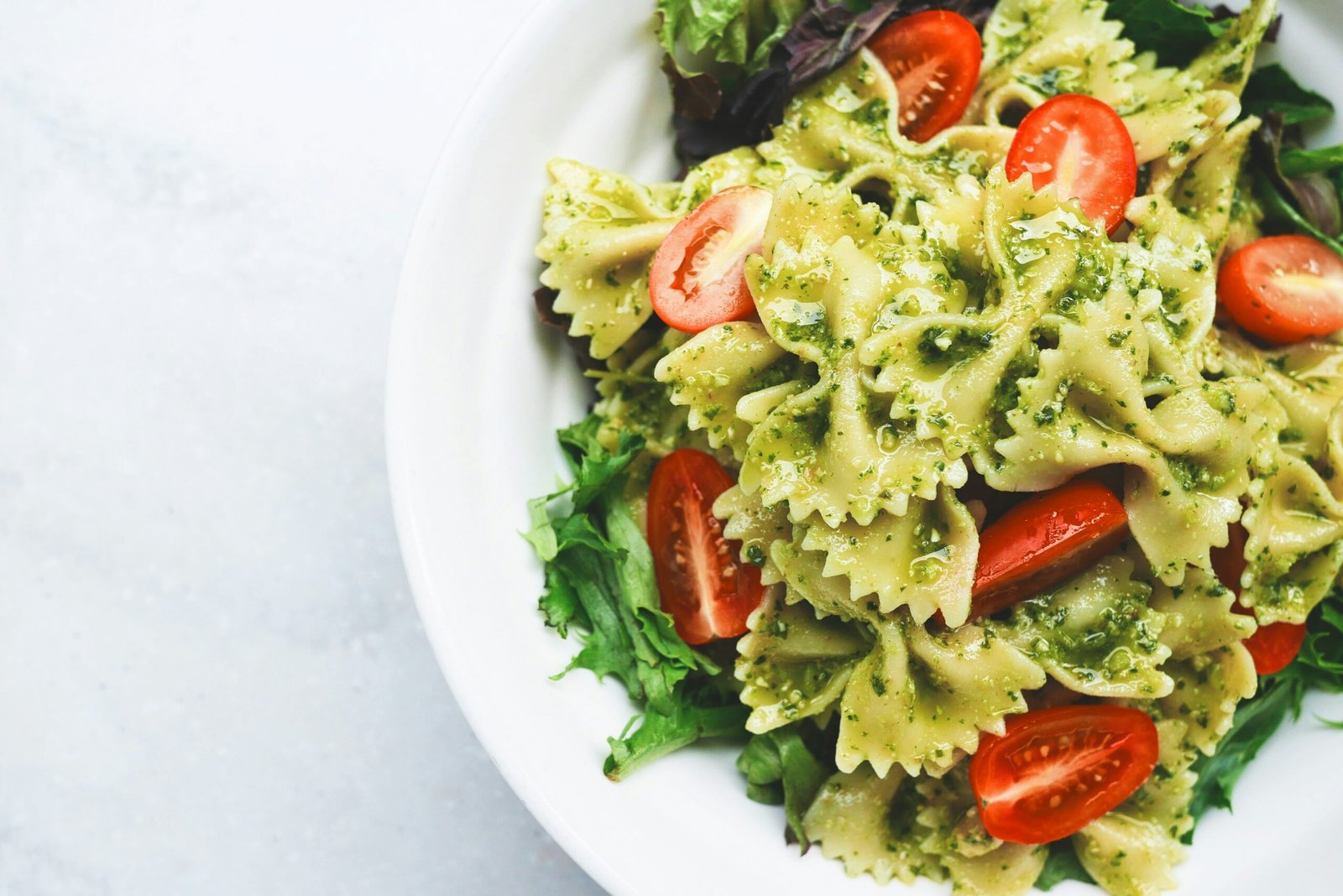
In cooking mediums, olive oil serves as an excellent base for sautéing and roasting. When making risotto, for instance, begin by sautéing onions or shallots in a good amount of olive oil before adding the Arborio rice. This method infuses the rice with flavor while preserving the oil’s aromatic qualities. Additionally, for pasta dishes, olive oil can be used for lightly tossing freshly cooked pasta with sautéed vegetables or seafood, bringing all ingredients together harmoniously.
To ensure that the intrinsic qualities of olive oil are preserved, it is essential to avoid overheating it. Excessive heat can lead to a loss of flavor and nutrients. Instead, aim for medium heat when sautéing, and use olive oil primarily for finishing dishes. A final drizzle over pasta, risotto, or grilled vegetables can enhance flavor profiles and impart a silky texture. By mastering these techniques and incorporating olive oil thoughtfully into your cooking, you can transform traditional Italian recipes into remarkable culinary experiences.