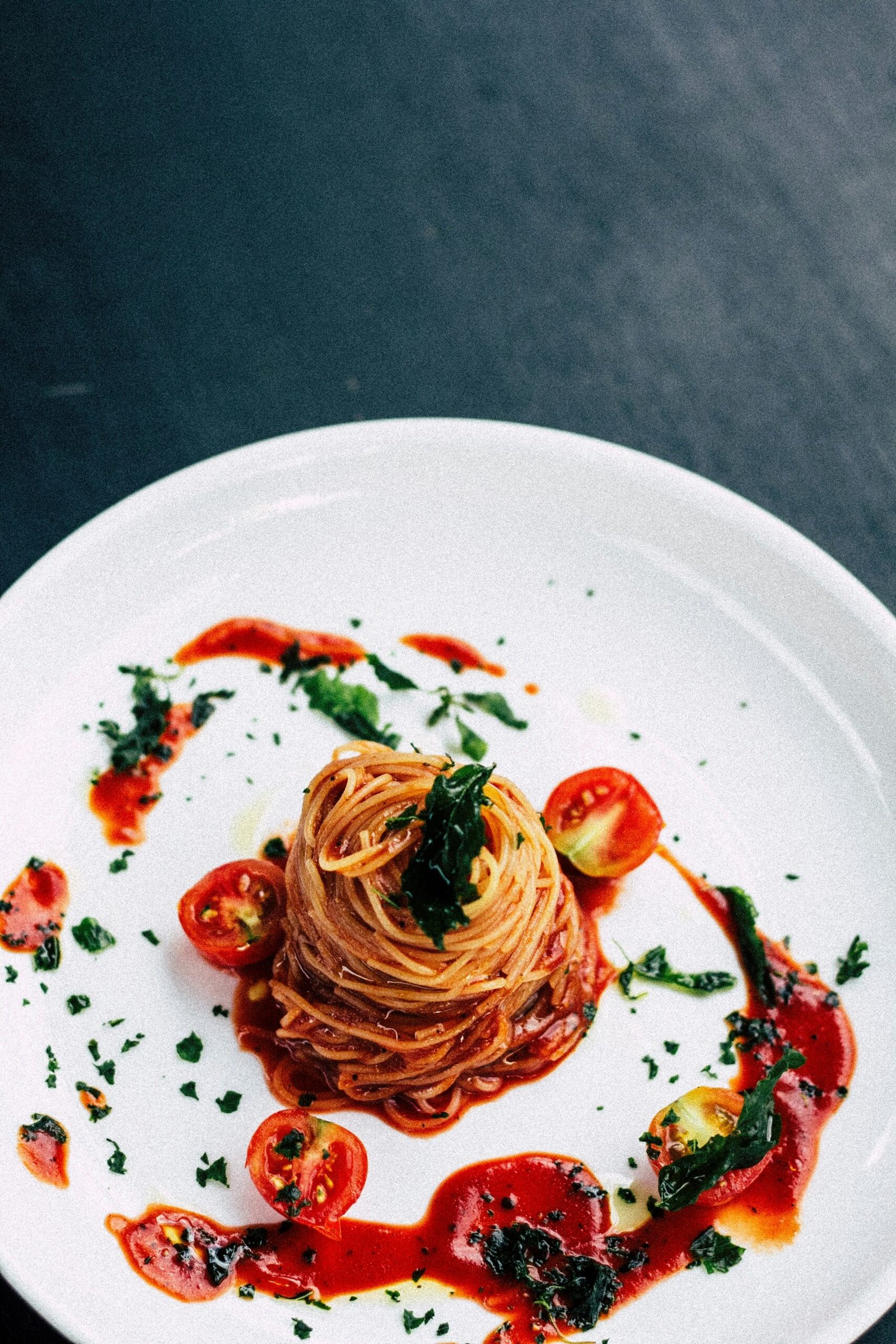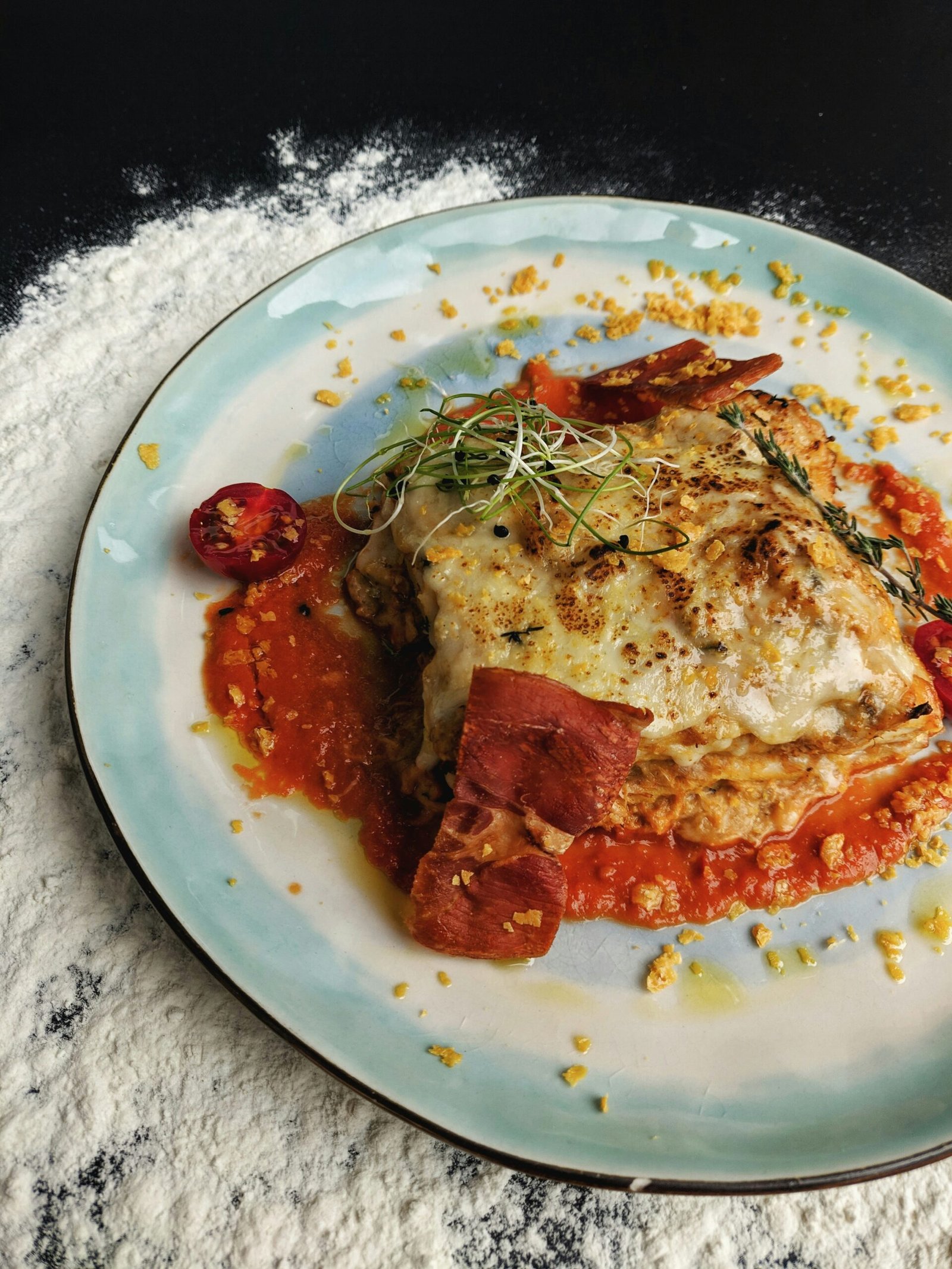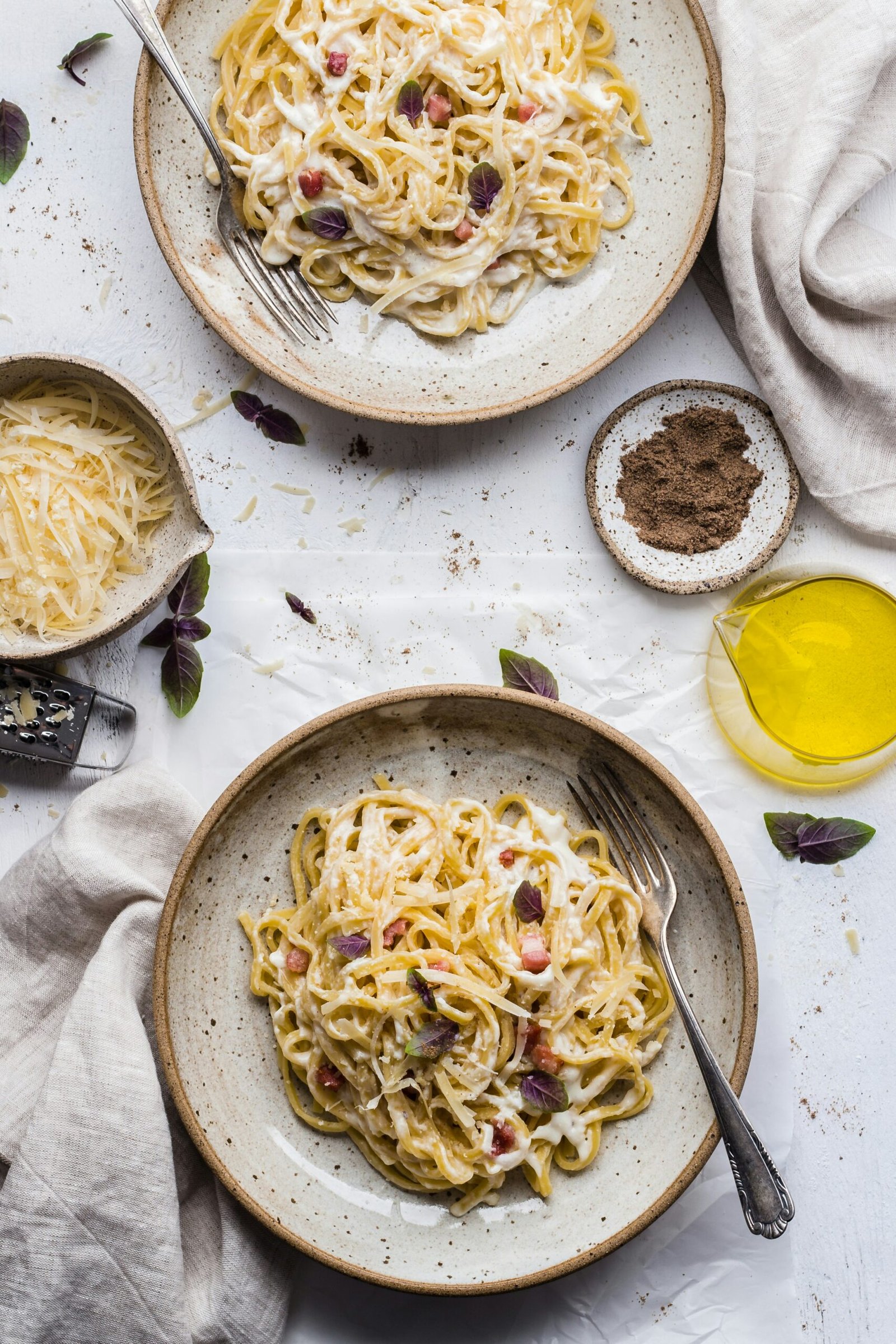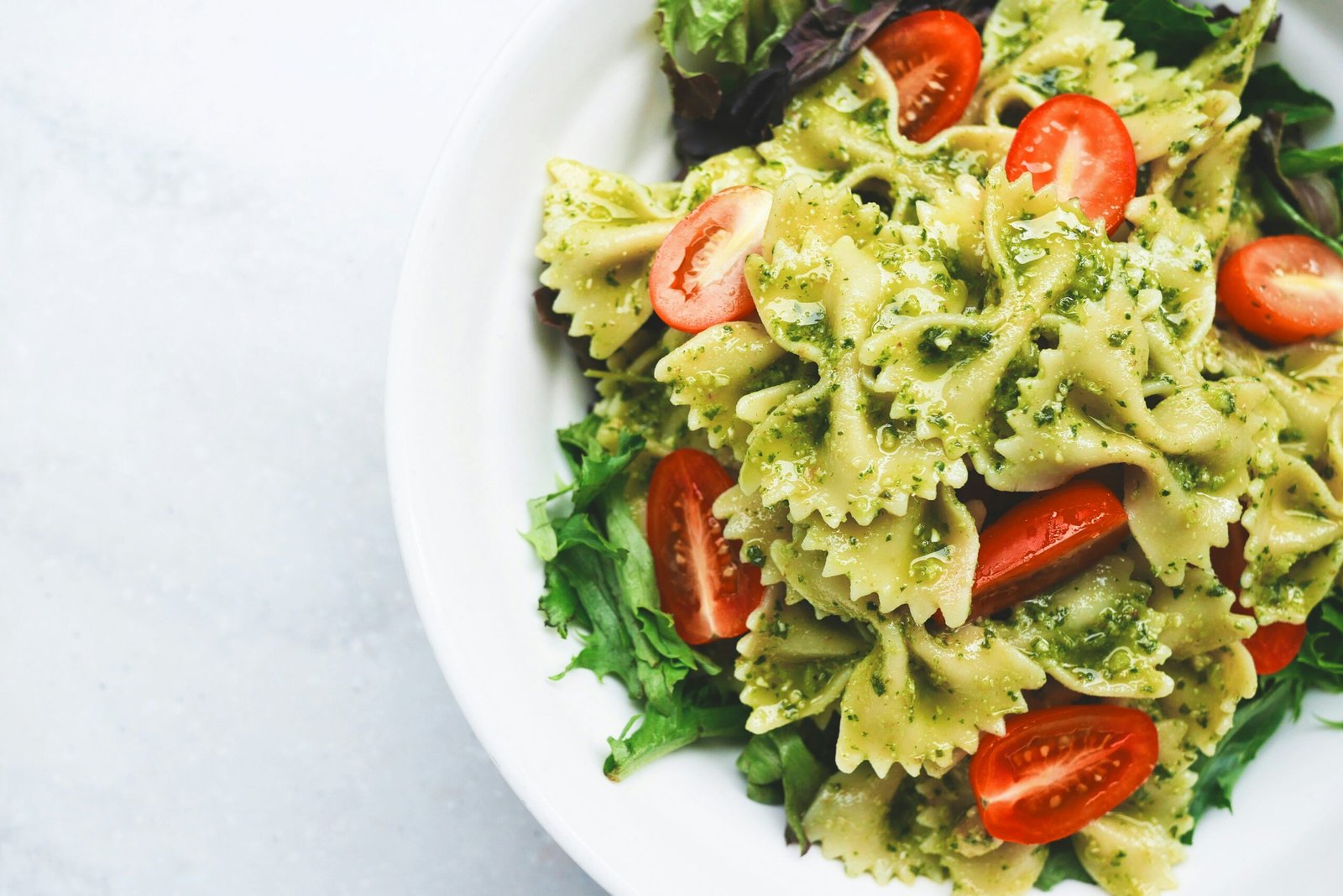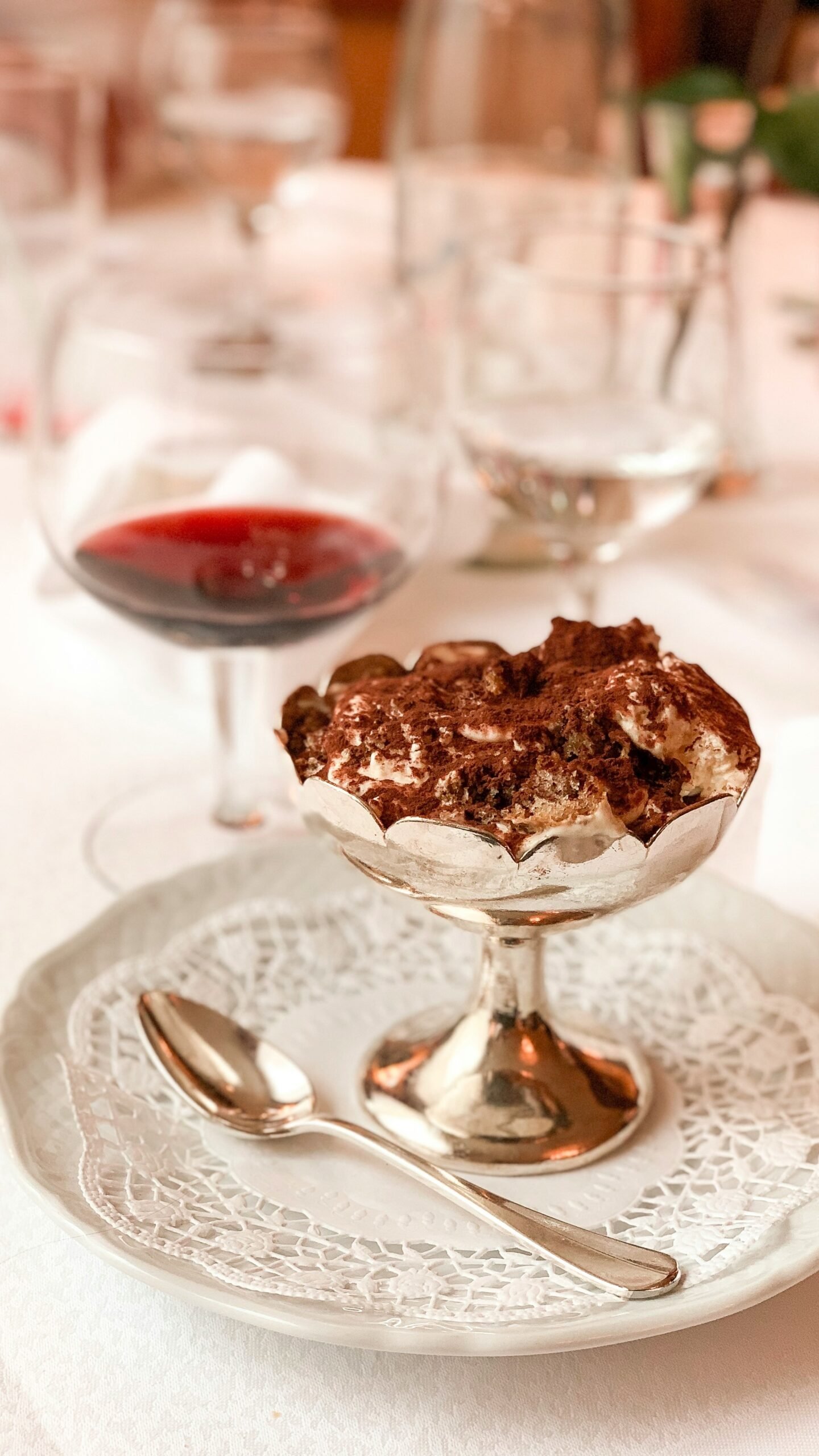
Introduction to Italian Regional Cuisine
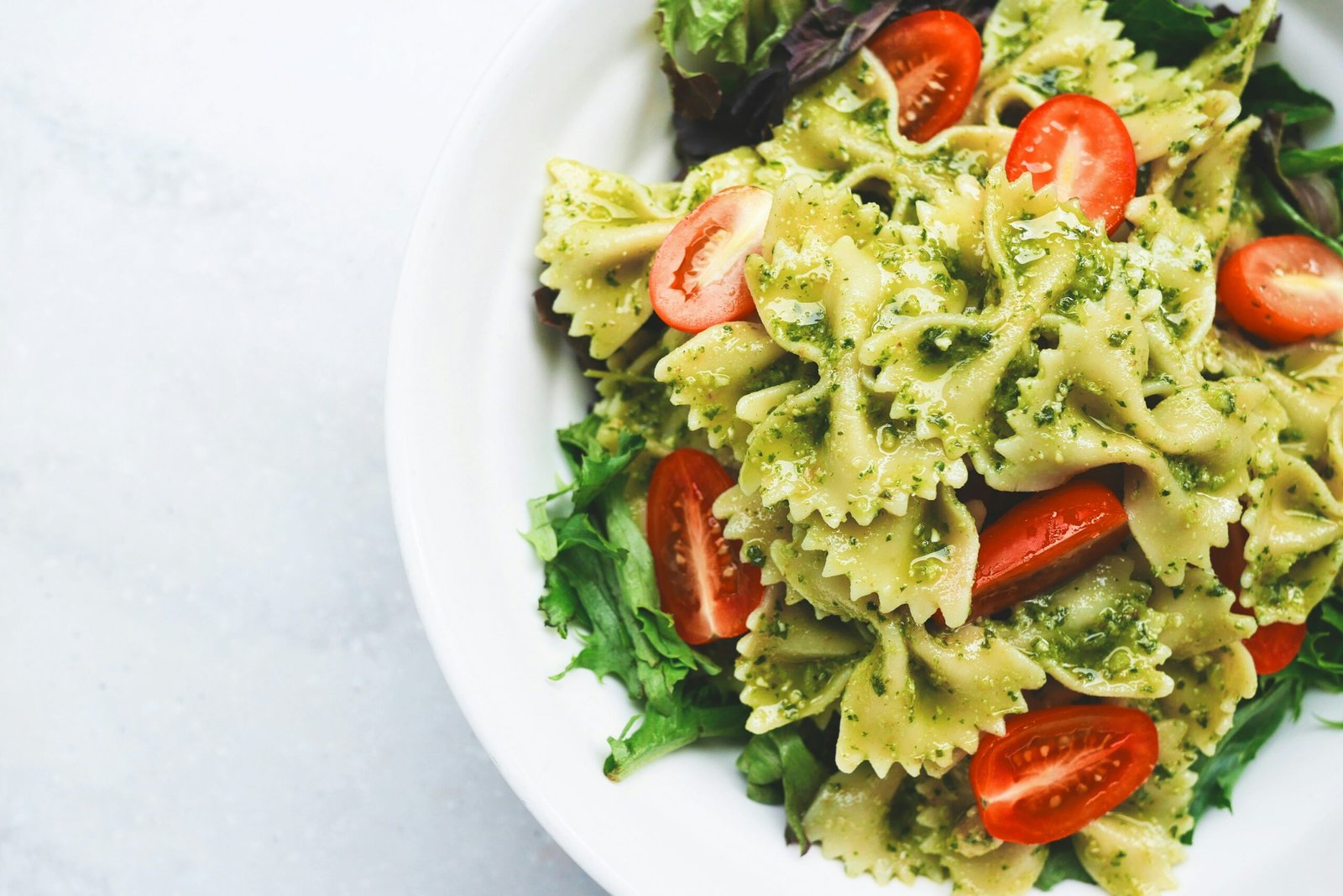
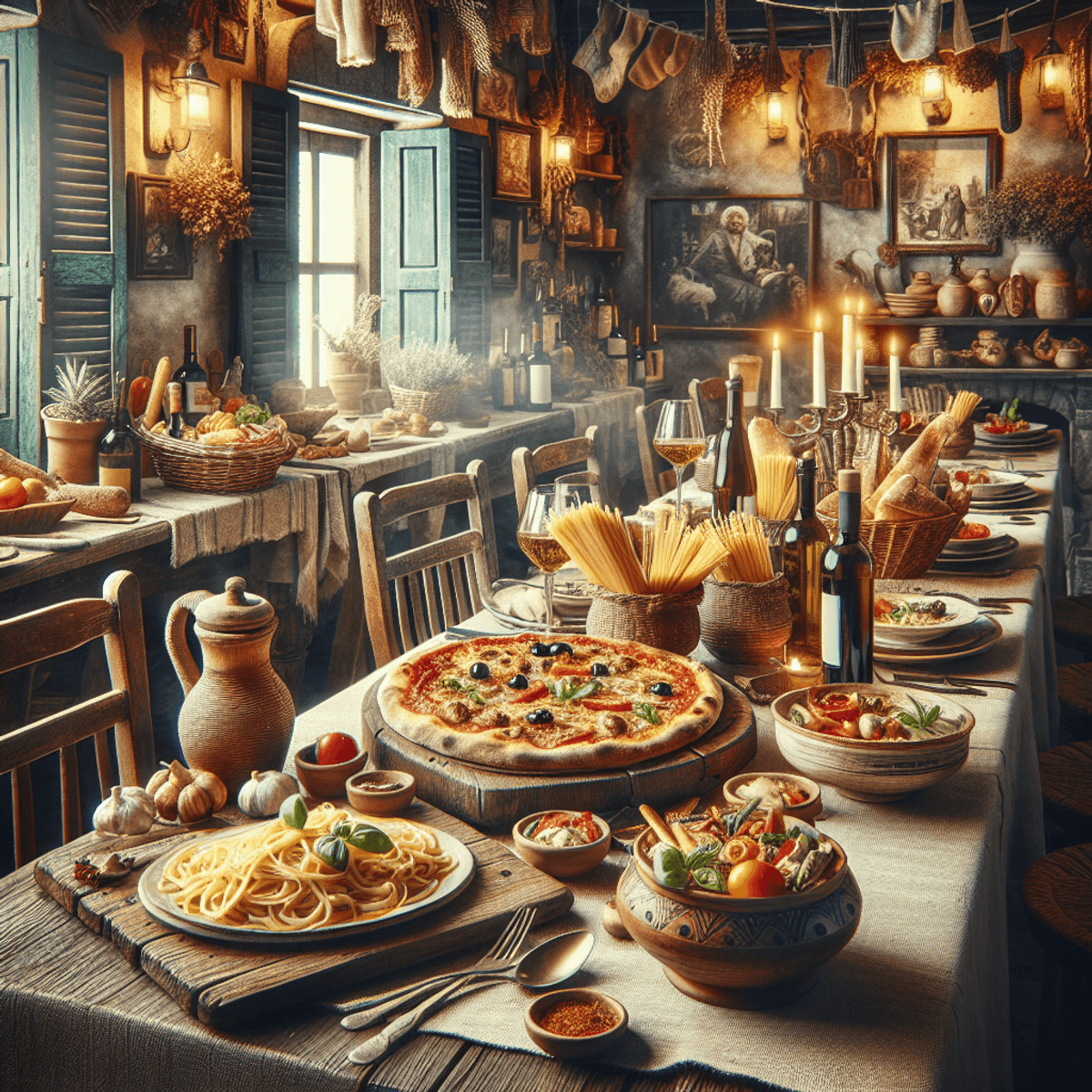
Italy is renowned for its diverse and rich culinary culture, which is intricately tied to regional identity. Each of the country’s twenty regions boasts unique culinary traditions that reflect its geography, climate, and historical influences. Italian regional cuisine serves as a testament to the local ingredients, cooking methods, and cultural values that have evolved over centuries. This diversity not only enhances the dining experience but also offers a glimpse into the stories and traditions associated with each dish.
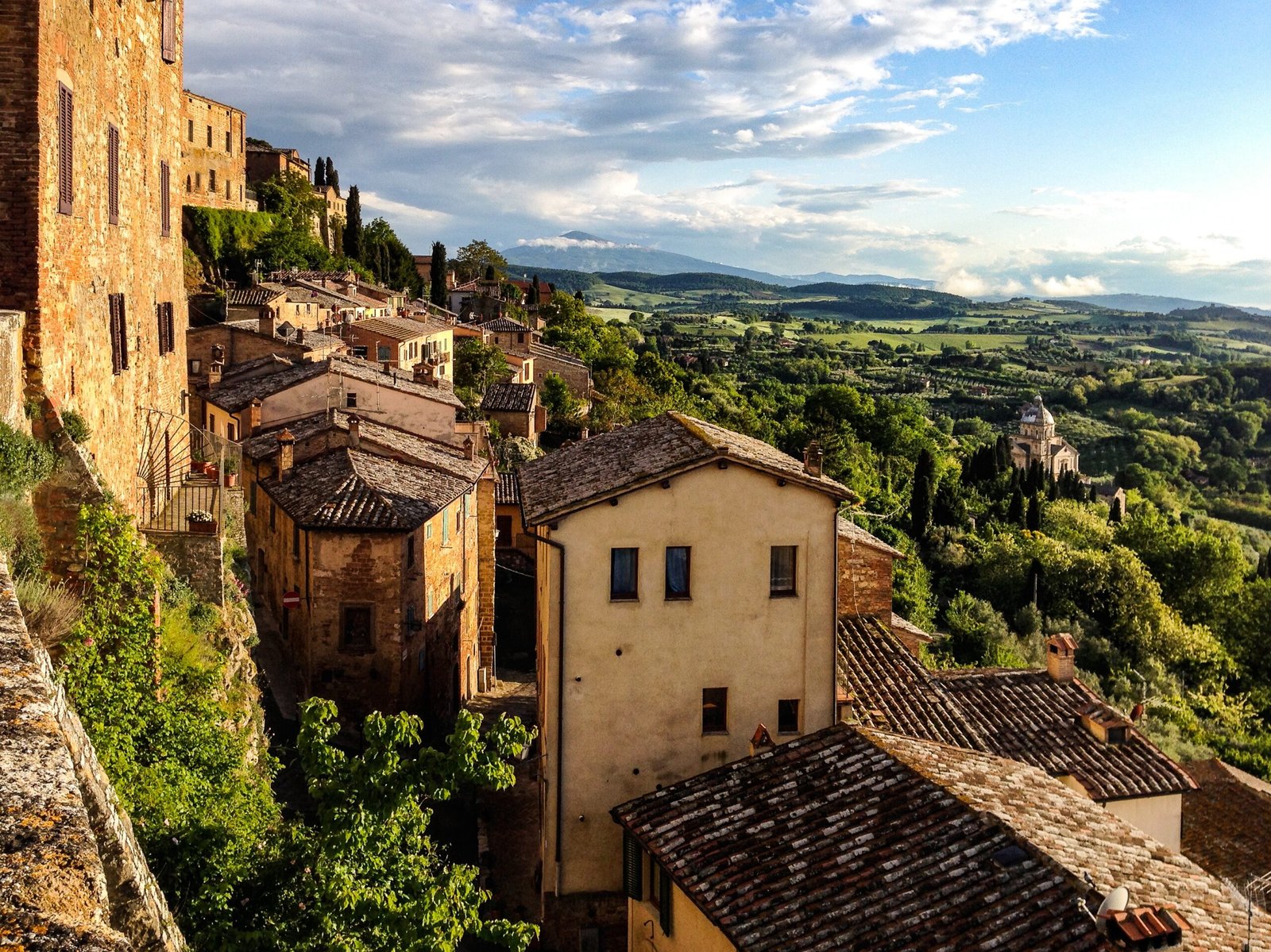
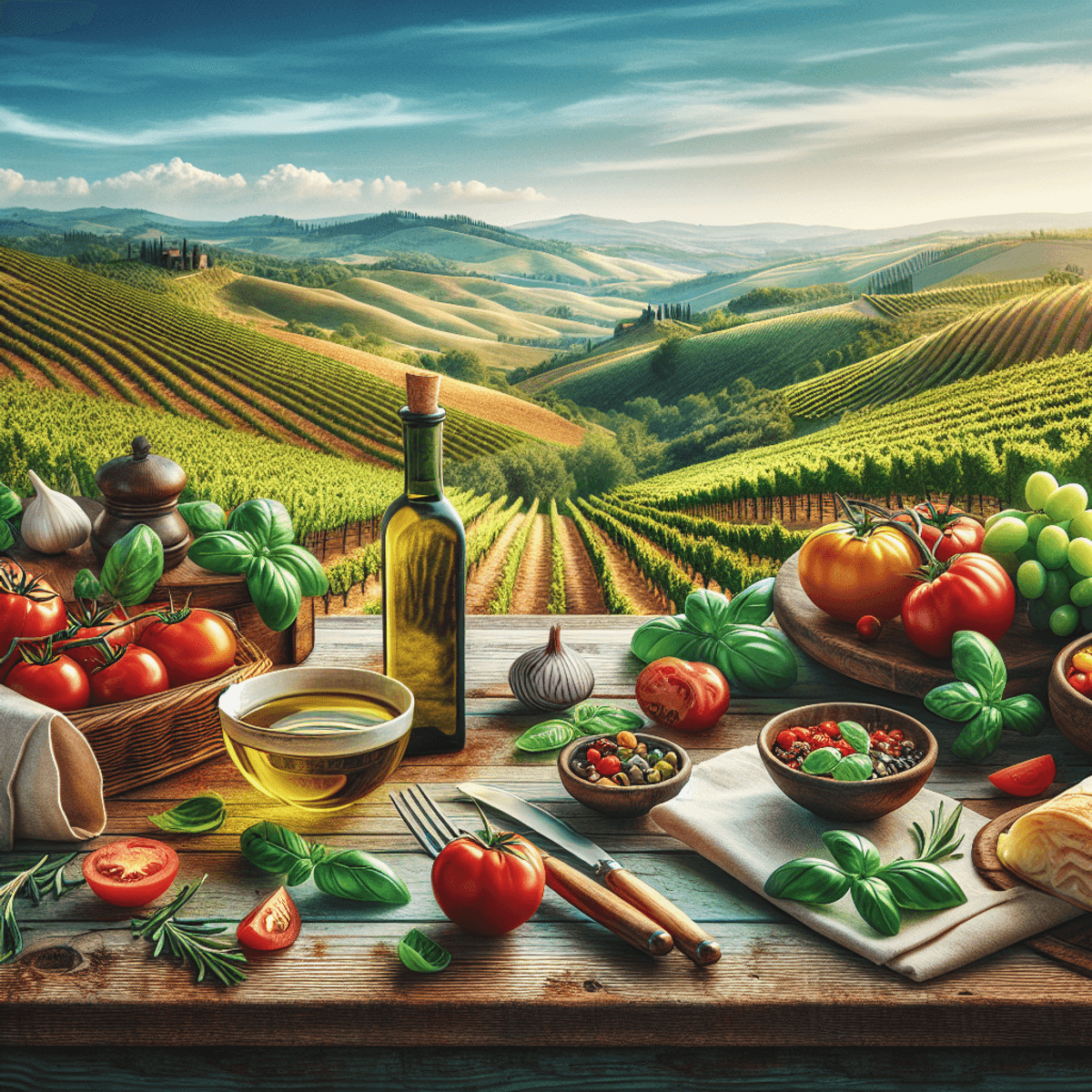
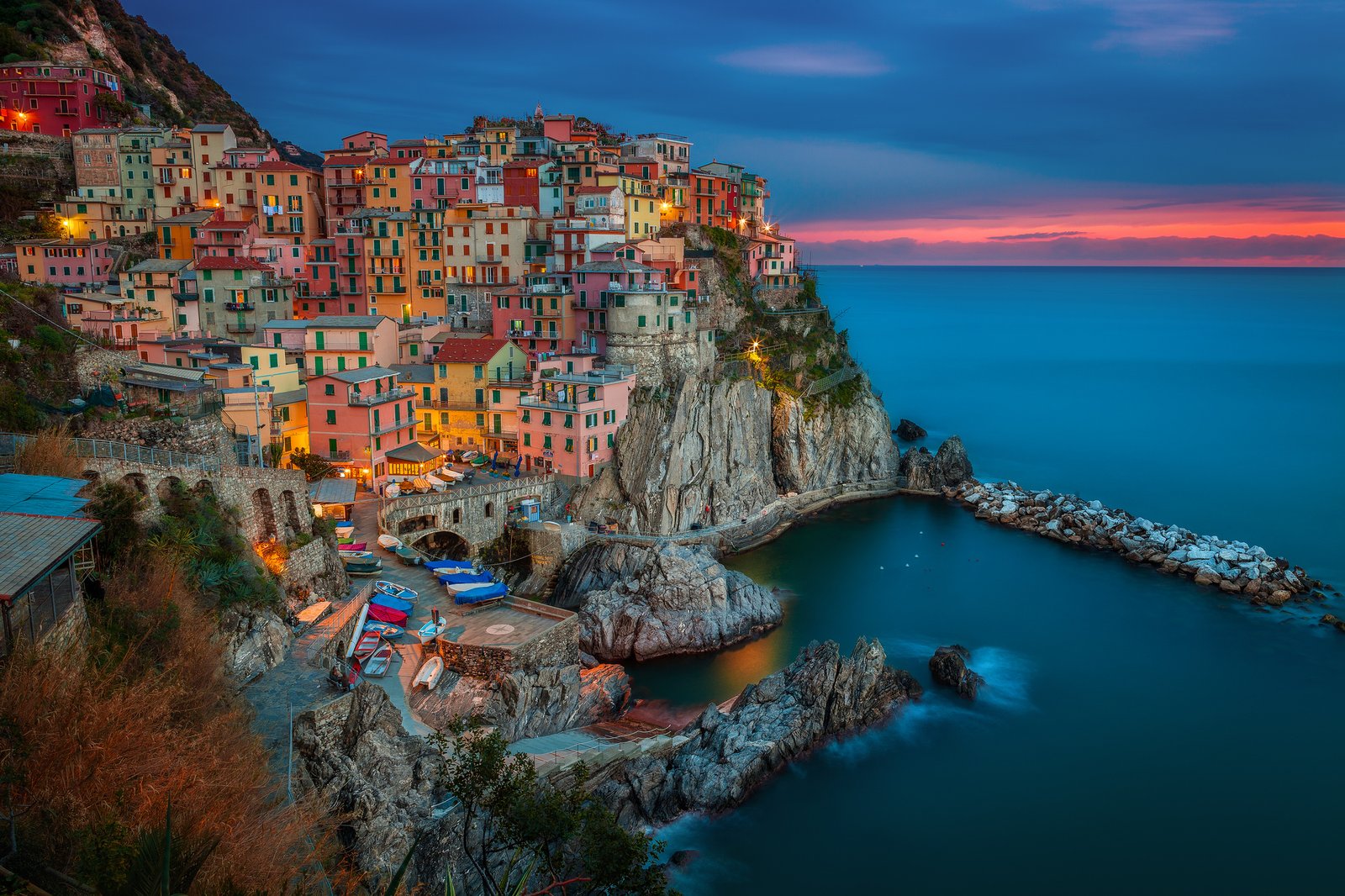
Geographically, Italy’s varying landscapes—from the alpine regions in the north to the sun-soaked coasts of the south—play a crucial role in shaping the local cuisine. For example, northern regions emphasize ingredients such as rice, polenta, and rich meats, while coastal areas are celebrated for their emphasis on seafood and fresh vegetables. Additionally, the Mediterranean climate found in central and southern Italy contributes to the abundance of fruits, olives, and herbs that are staples in traditional recipes.
Climate is not the sole influencer; historical events—including trade, migration, and conquests—have left an indelible mark on Italian culinary practices. Each region has absorbed influences from neighboring countries and cultures, which has resulted in a fusion of flavors and techniques. For instance, the southern regions, with their proximity to North Africa, often incorporate spices and preparation styles that reflect this rich historical tapestry. As such, Italian food transcends simple nourishment, embodying the heart and soul of the people who create it.
As we delve deeper into the specifics of Italian regional dishes in subsequent sections, it is essential to recognize that every meal tells a story, shaped by the land, traditions, and the passage of time. This exploration of Italian regional cuisine will unveil the complexity and variety that make Italy’s culinary landscape truly exceptional.
Northern Italian Delicacies
Northern Italy is a gastronomic paradise characterized by its rich flavors and diversity. The culinary landscape of this region, especially in areas such as Lombardy, Veneto, and Emilia-Romagna, is defined by its emphasis on creamy textures and hearty ingredients. One of the most iconic dishes from Lombardy is Risotto alla Milanese, which showcases the use of Arborio rice cooked slowly to achieve a creamy consistency, enriched with saffron. This dish exemplifies the meticulous cooking techniques and layering of flavors typical of Northern Italian cuisine.
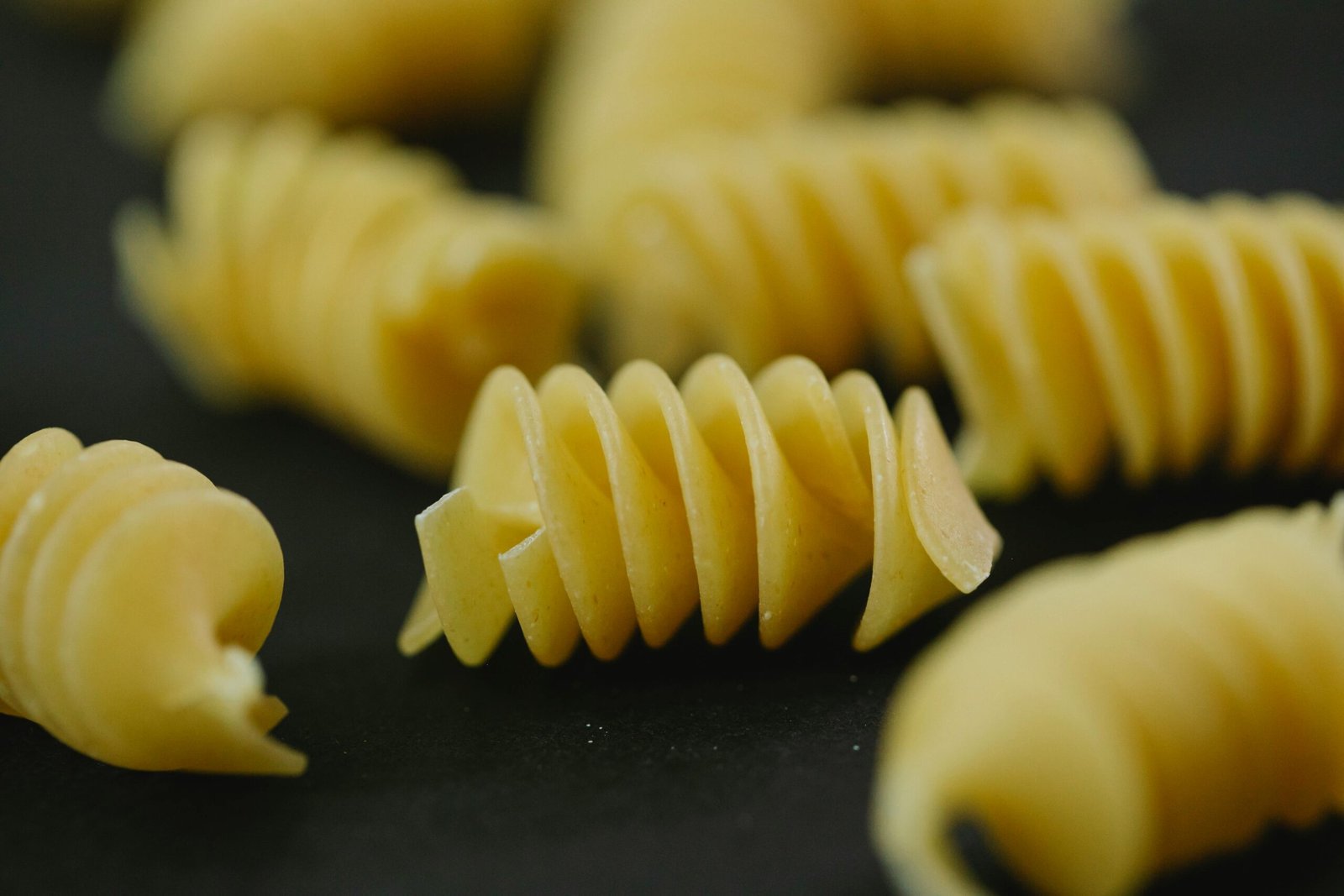
Another hallmark of this region is the famous Tortellini, a beloved pasta shape originating from Emilia-Romagna. These delightful stuffed pasta pockets, traditionally filled with a mixture of meats and cheeses, represent the area’s dedication to artisanal food practices. The use of local ingredients such as Parmigiano-Reggiano and prosciutto adds a unique depth to the flavors found in these signature dishes.
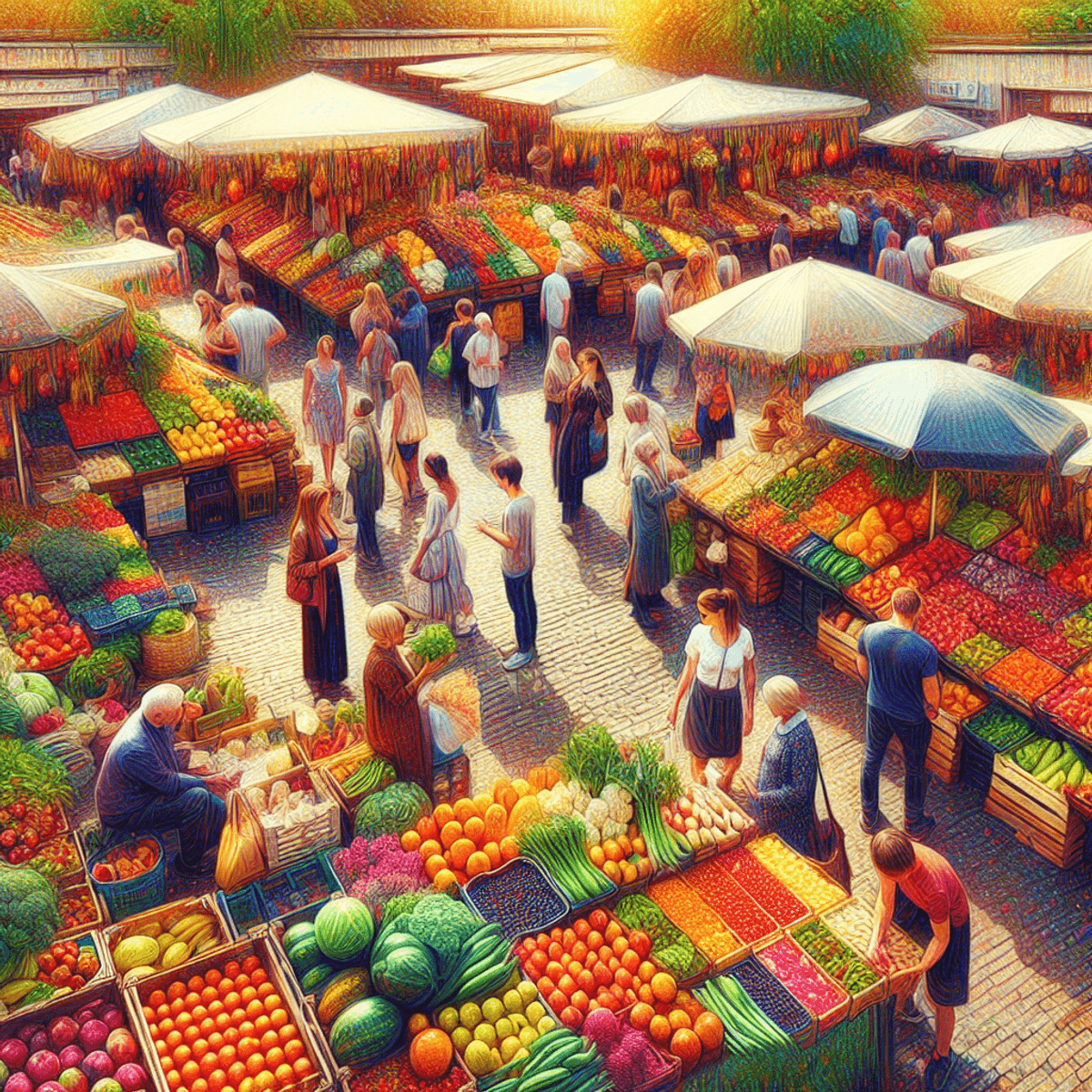
Moreover, Northern Italian cuisine is often influenced by its neighboring countries. The proximity to Switzerland and Austria has resulted in the incorporation of ingredients like polenta and various types of sausages into local dishes. Polenta, made from ground corn, is a staple that complements rich meat sauces and is a common feature on many Northern Italian menus. The use of seasonal ingredients, such as truffles in autumn or asparagus in spring, also plays a vital role in maintaining the freshness and authenticity of traditional recipes.
Overall, the culinary offerings of Northern Italy are a testament to the region’s ability to harmonize flavors and showcase its rich agricultural heritage. By blending local produce with time-honored techniques, Northern Italian delicacies present an exquisite glimpse into the diversity of Italy’s culinary landscape.
Central Italian Flavors
Central Italy, encompassing the regions of Tuscany, Lazio, and Umbria, is renowned for its robust and diverse culinary traditions. The heart of this cuisine lies in the use of high-quality, simple ingredients that create dishes rich in flavor and history. Olive oil, locally sourced vegetables, beans, and fresh herbs are staples that embody the essence of Central Italian dishes. These components not only signify the agricultural bounty of the region but also reflect the lifestyle and culture of its communities.
One of the most celebrated dishes from this area is Ribollita, a hearty Tuscan soup that epitomizes the ‘cucina povera’ philosophy. This concept, translating to “poor kitchen,” emphasizes the use of leftover ingredients and highlights the importance of resourcefulness in Italian cooking. Ribollita is traditionally made with stale bread, cannellini beans, seasonal vegetables, and a drizzle of quality olive oil. The soup is slowly simmered, allowing the flavors to meld beautifully, producing a comforting meal that resonates with both locals and visitors alike.
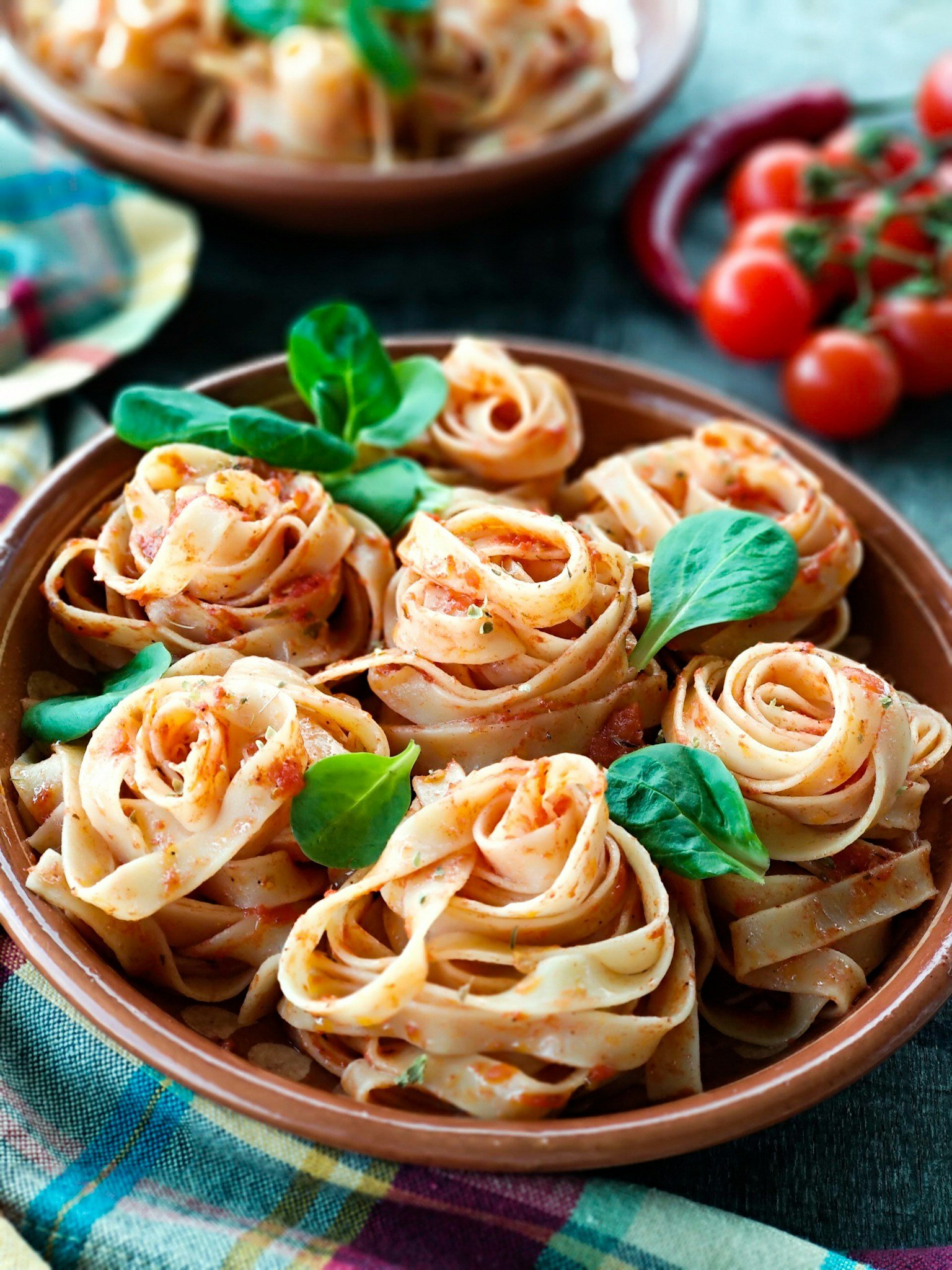
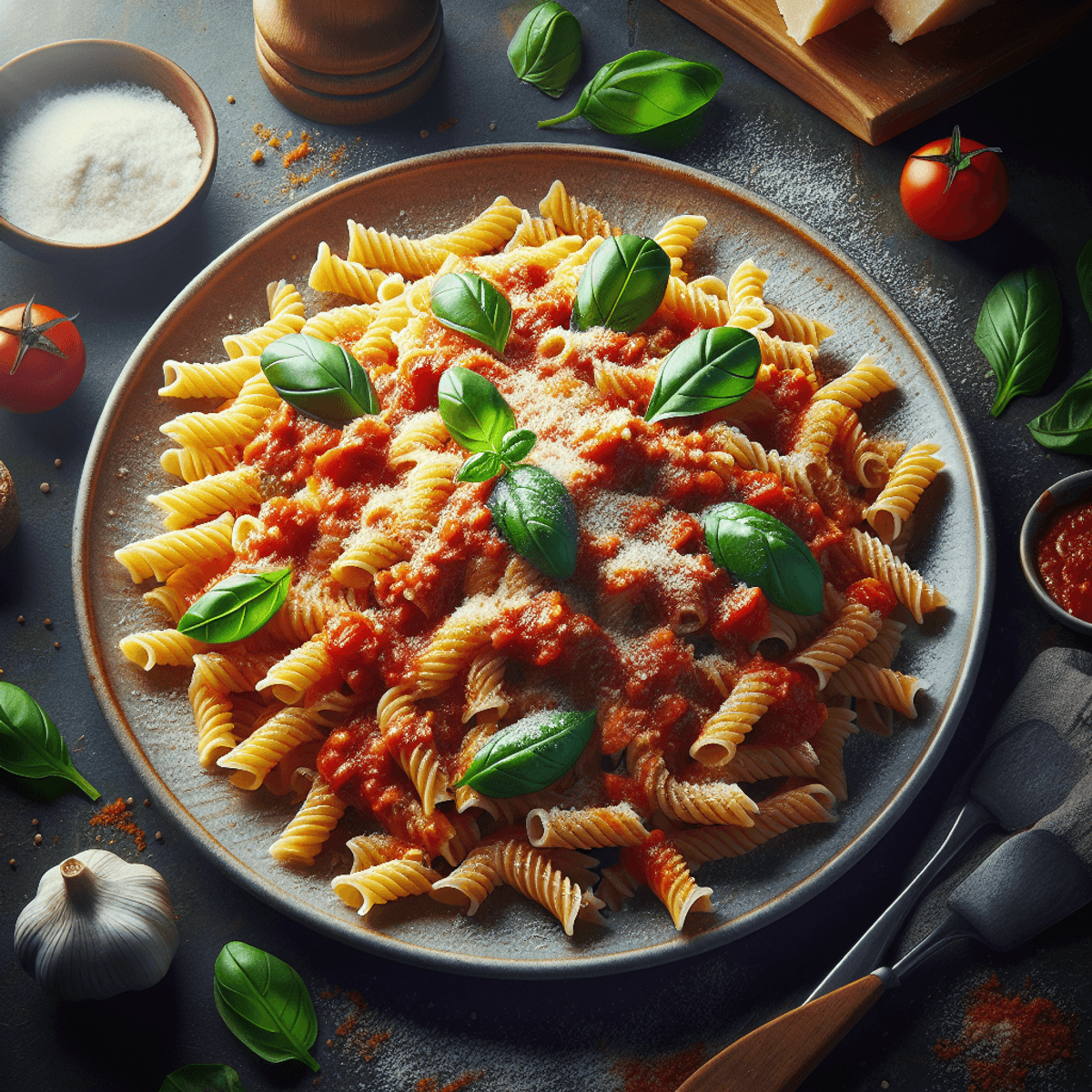
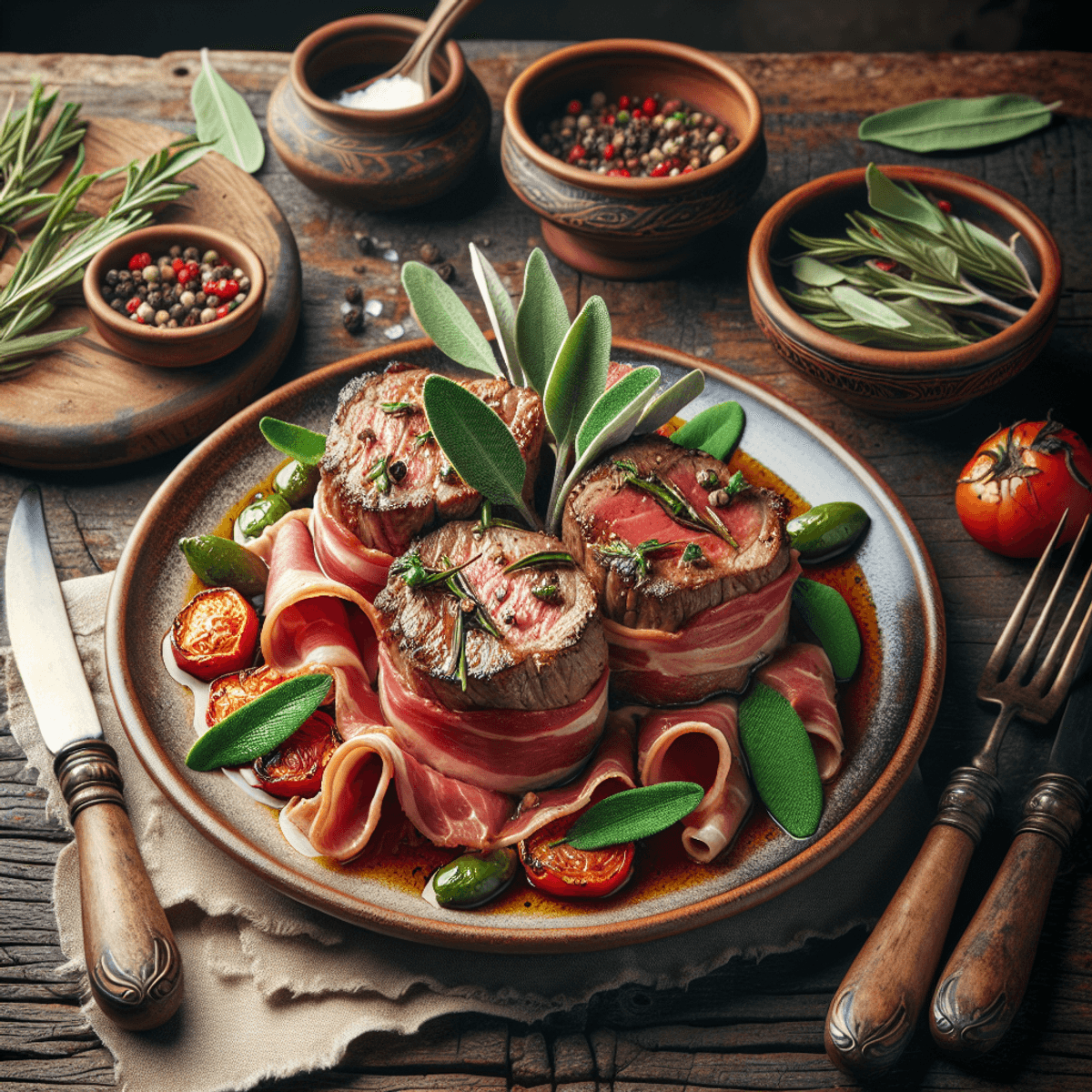
Another iconic dish from Central Italy is Pasta all’Amatriciana, originating from the small town of Amatrice in Lazio. This pasta dish combines guanciale (cured pork cheek), Pecorino Romano cheese, and a tomato-based sauce, exemplifying the balance of flavors that characterize the cuisine of the region. The meticulous attention to ingredient quality and preparation methods showcases the culinary heritage that has been passed down through generations.
Overall, Central Italian flavors are a celebration of simplicity and quality, where each dish tells a story of tradition, locality, and love for food. As one indulges in these dishes, they are not only tasting the rich culinary landscape of Italy but also experiencing the cultural identity that binds its people to their gastronomic roots.
Southern Italian Tastes and Influences
Southern Italy is renowned for its vibrant and diverse culinary landscape, showcasing the unique flavors and ingredients that characterize its regions, namely Campania, Puglia, and Calabria. These areas have produced some of the most iconic Italian dishes, reflecting a rich history of agricultural bounty, Mediterranean cultures, and geographical influences. The prominence of ingredients such as tomatoes, seafood, and citrus fruits plays a fundamental role in the region’s cuisine, offering dishes that are both bold and satisfying.
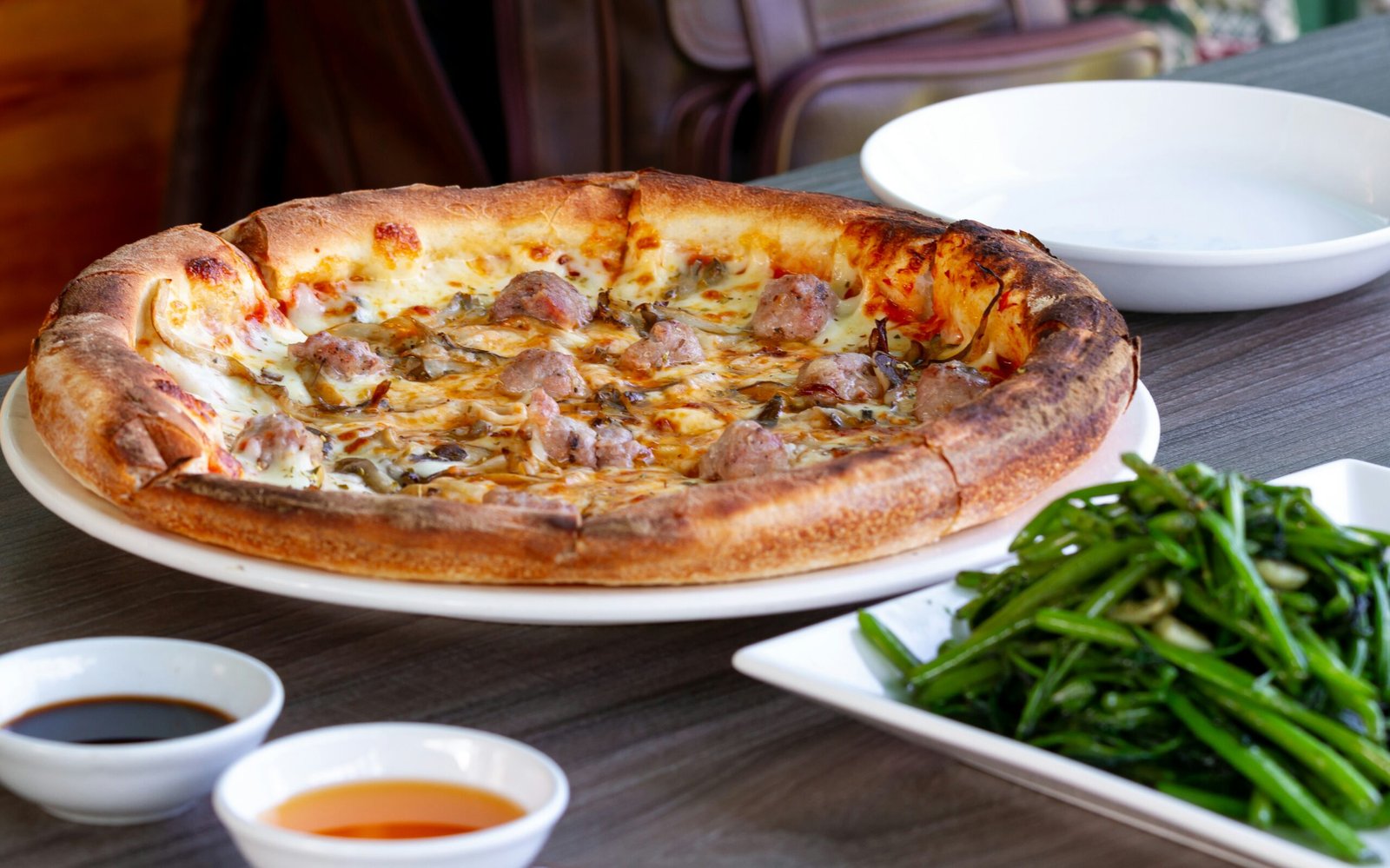
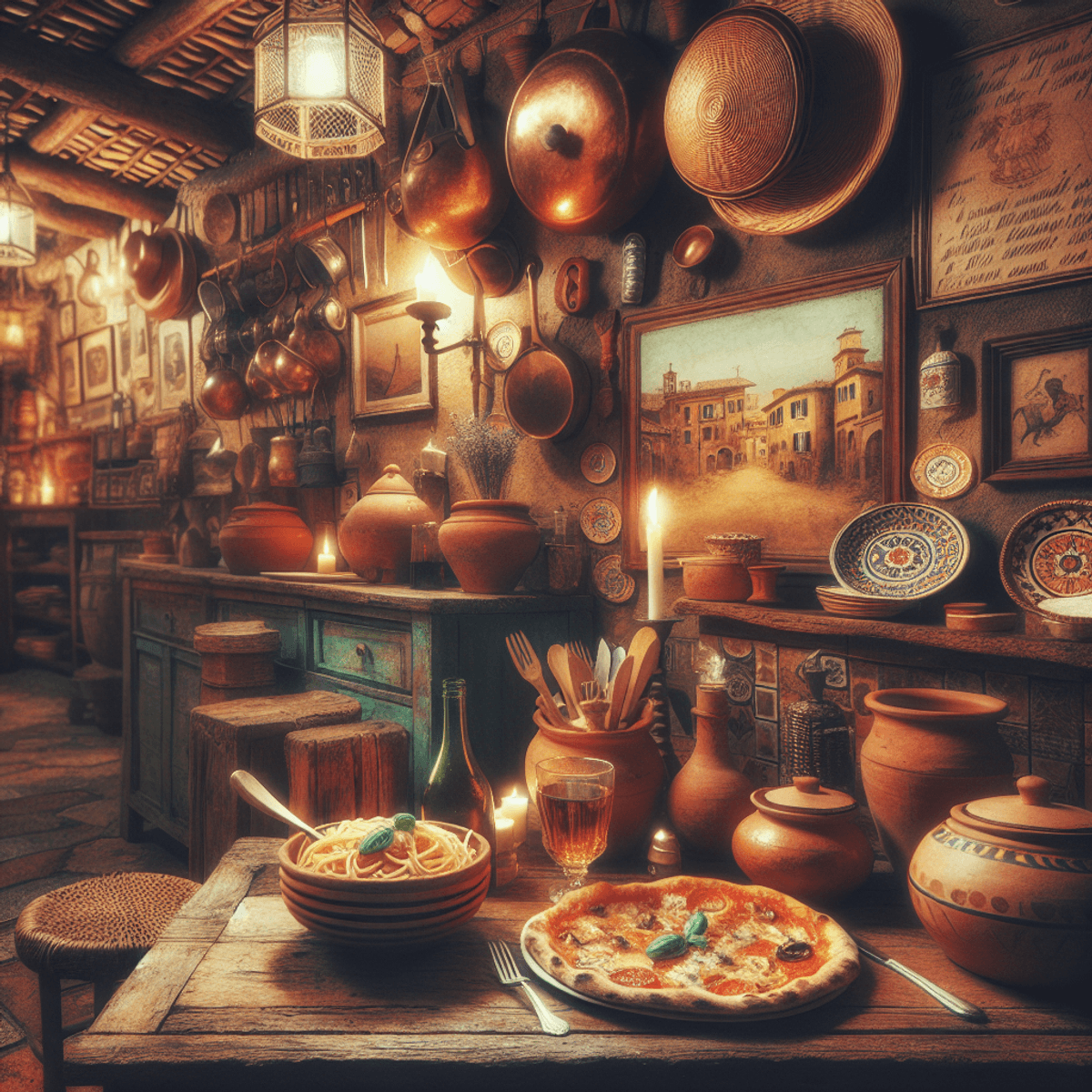
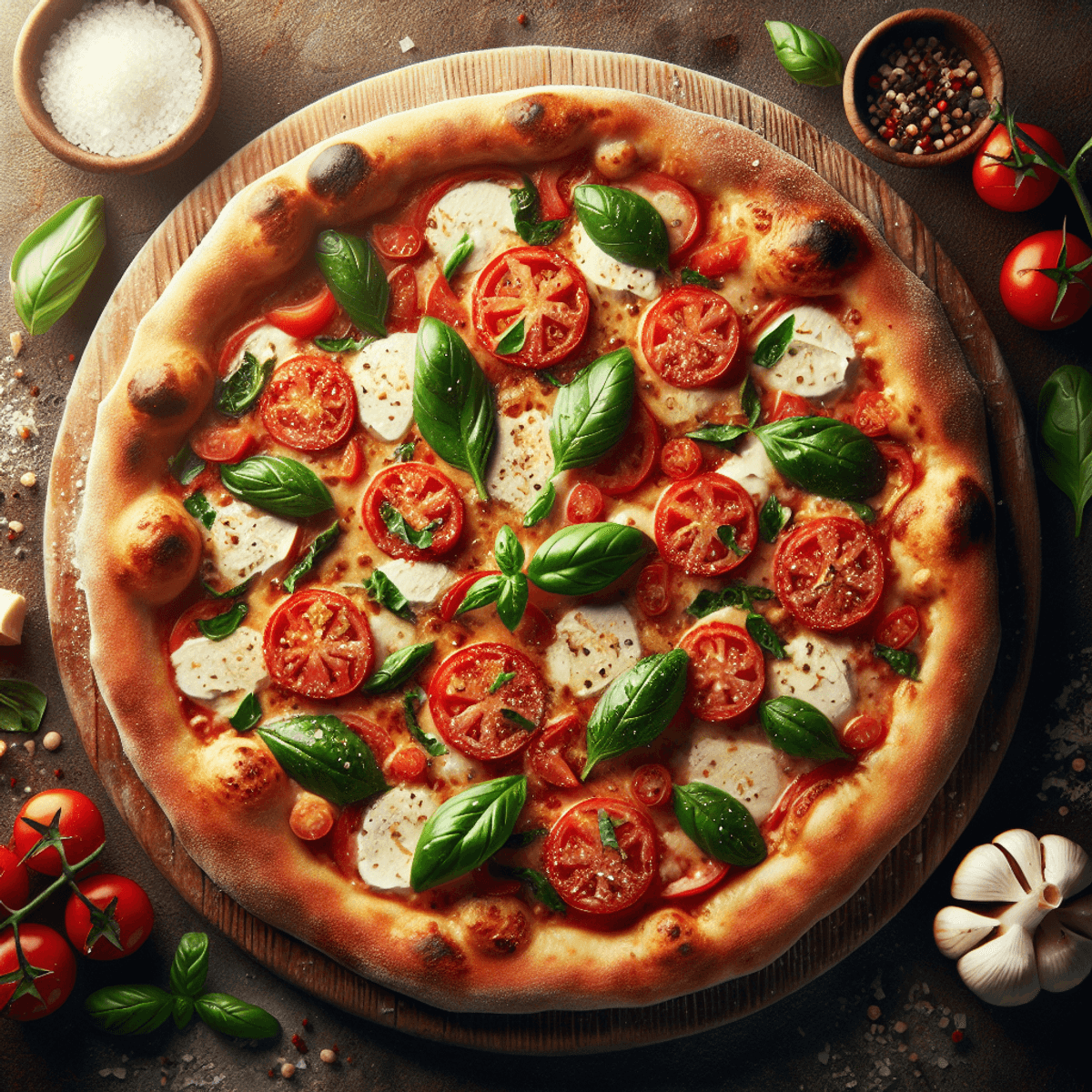
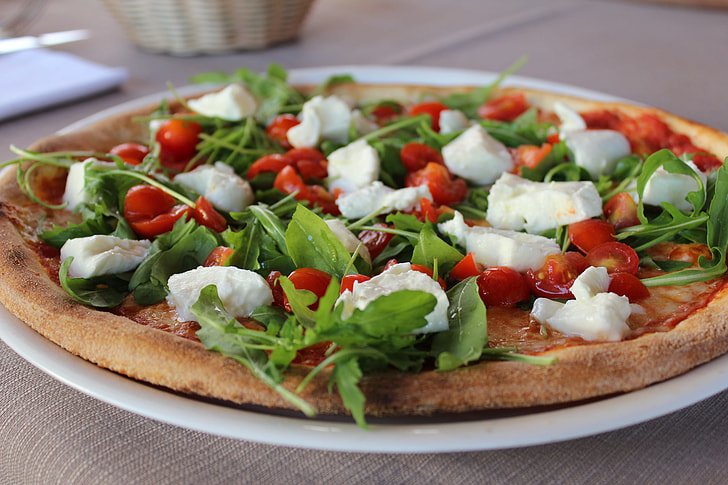
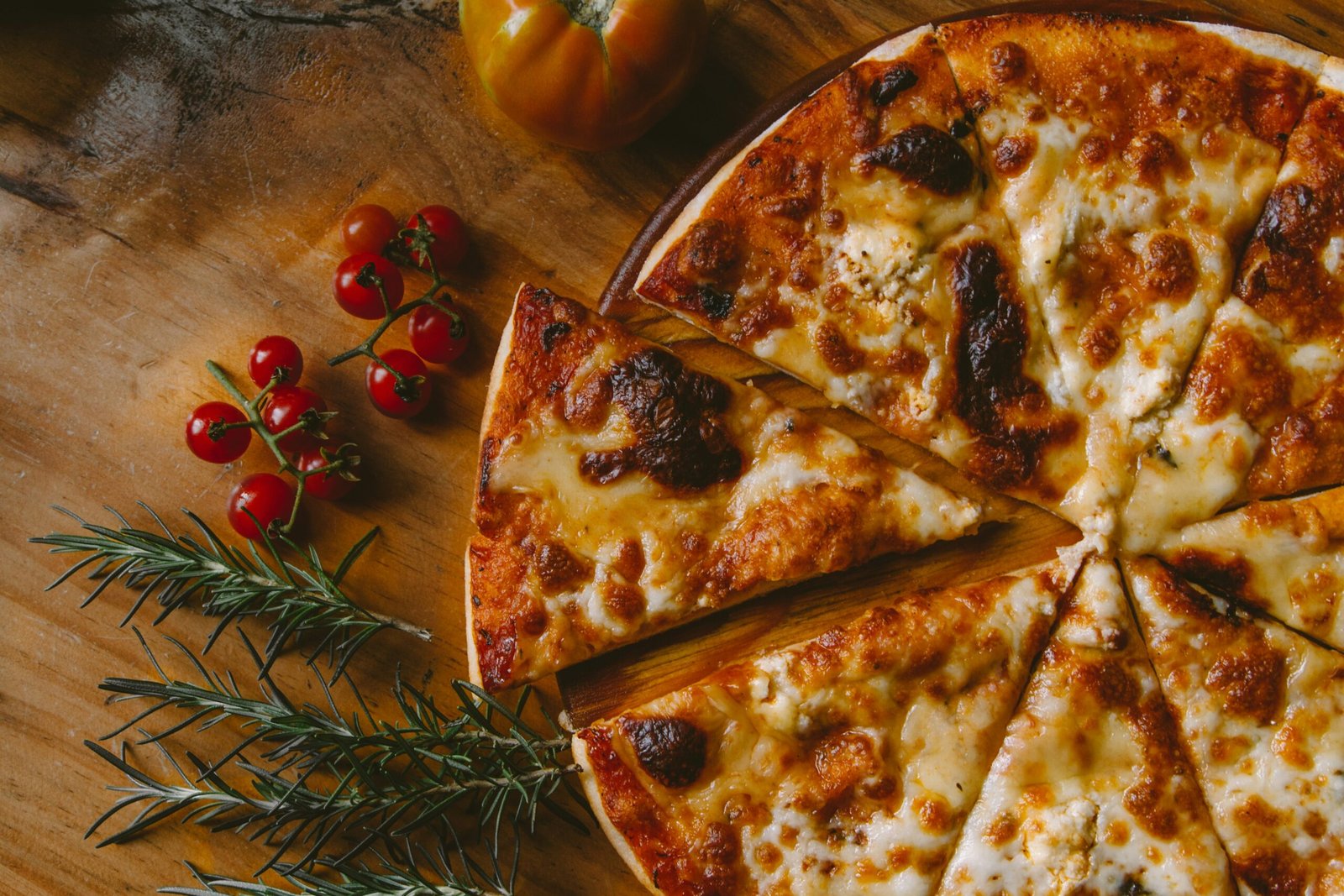
In Campania, for instance, tomatoes are not just ingredients; they represent the essence of local cooking. The famous Pizza Napoletana, originating from Naples, epitomizes the region’s love for fresh, quality produce. Traditionally topped with San Marzano tomatoes, mozzarella di bufala, and a drizzle of extra virgin olive oil, this pizza highlights the perfect balance of flavors that Southern Italian cuisine is known for. Additionally, seafood plays a crucial role due to the region’s extensive coastline, with dishes like Spaghetti alle Vongole featuring fresh clams and parsley reflecting the freshness of the sea.
Puglia, often referred to as the “breadbasket” of Italy, is famed for its robust flavors derived from its fertile lands. The use of orecchiette, a handmade pasta, paired with local vegetables such as cime di rapa, showcases the region’s emphasis on simplicity and freshness. Citrus fruits, especially lemons and oranges, are also prevalent, adding brightness to seafood and meat dishes alike. Meanwhile, Calabria’s cuisine introduces a notable spiciness owing to its abundant use of chili peppers, further enriching the tapestry of Southern Italian cooking.
The cooking styles and food traditions in these regions are undoubtedly shaped by their geography, local climate, and historical interactions with other Mediterranean cultures. This distinct blend of influences contributes to the diverse and dynamic nature of Southern Italian cuisine, ensuring that it continues to delight palates worldwide.