Introduction to 2025 Food Trends
The culinary landscape is constantly evolving, reflecting changes in consumer preferences, technological advancements, and global influences. As we look towards 2025, we anticipate several exciting food trends that are poised to redefine the dining experience, particularly within the realm of Italian cuisine. One of the most significant aspects of this evolution is the increasing emphasis on innovation, driving chefs and restaurateurs to experiment with new ingredients, techniques, and presentation styles. This evolution not only caters to the palate but also engages diners on a sensory level, making for a memorable culinary experience.
In the context of Italian gastronomy, this innovation will manifest in unique combinations of traditional and modern elements. Chefs may incorporate local, seasonal ingredients, weaving narratives around each dish that tell stories of authenticity and tradition while embracing the novel. This harmonious blend of old and new will likely create an enticing culinary dialogue that captivates the interest of a varied clientele. Furthermore, the focus on sustainability is expected to rise in prominence, with a commitment to sourcing ingredients responsibly and minimizing environmental impact.
This year, we will also see increased attention paid to the overall dining ambiance and experiential elements that complement meals. Restaurants are likely to curate environments that enhance the enjoyment of Italian dishes, through strategic use of lighting, décor, and even waitstaff engagement. As food trends evolve, the integration of technology in the dining experience will also take center stage, offering immersive experiences that allow diners to connect more deeply with their meals. These anticipated trends set the groundwork for significant shifts, suggesting that 2025 will be a landmark year in redefining how we experience Italian cuisine.
Sustainable Sourcing: A Fresh Start
As the culinary landscape continues to evolve, the emphasis on sustainable sourcing has become paramount in the Italian restaurant sector, where the quality and flavor of dishes are significantly influenced by the ingredients used. Sustainable sourcing involves procuring food ingredients in a manner that is environmentally responsible and considers the welfare of local communities. Embracing this philosophy allows restaurants not only to serve delectable Italian cuisine but also to contribute positively to the ecosystem.
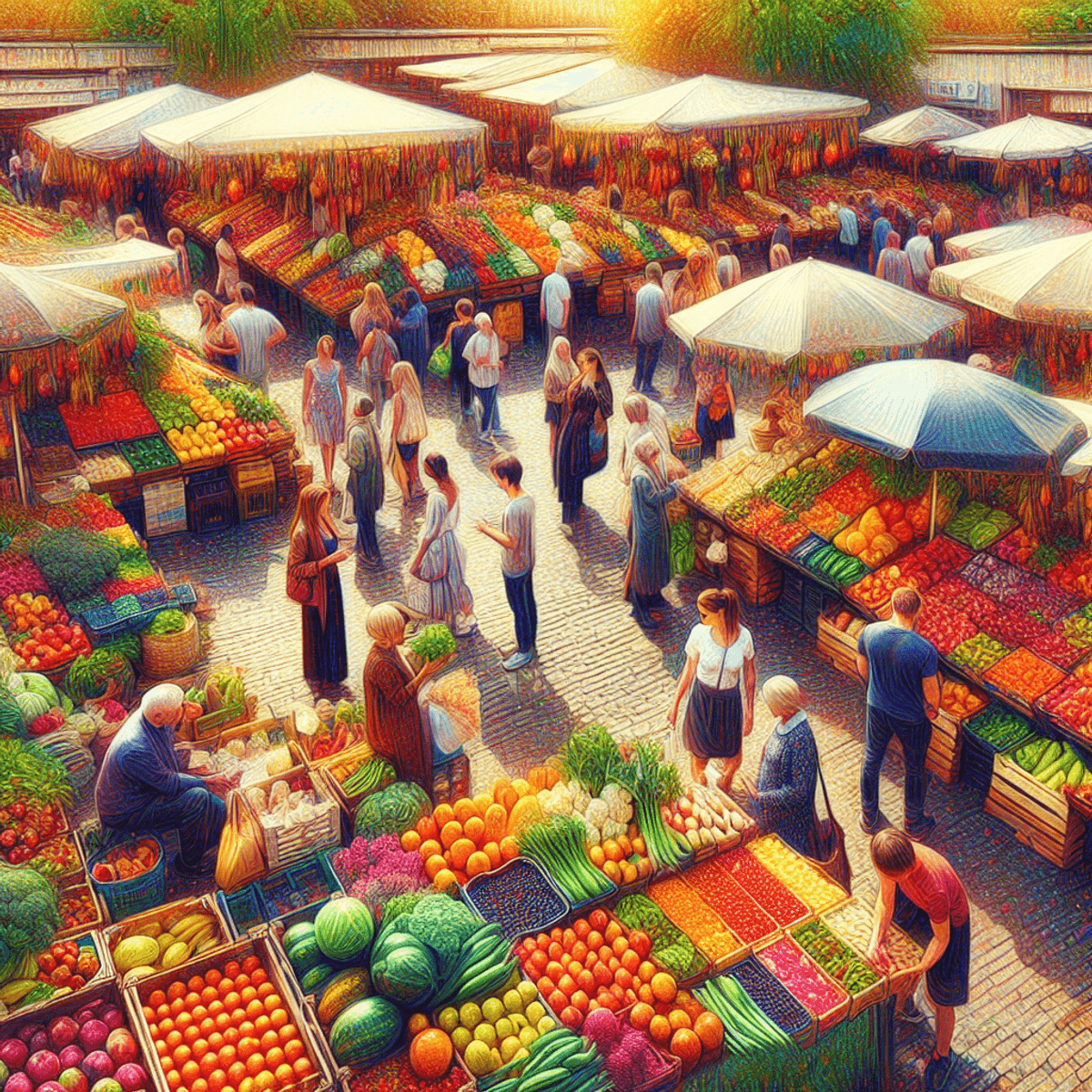
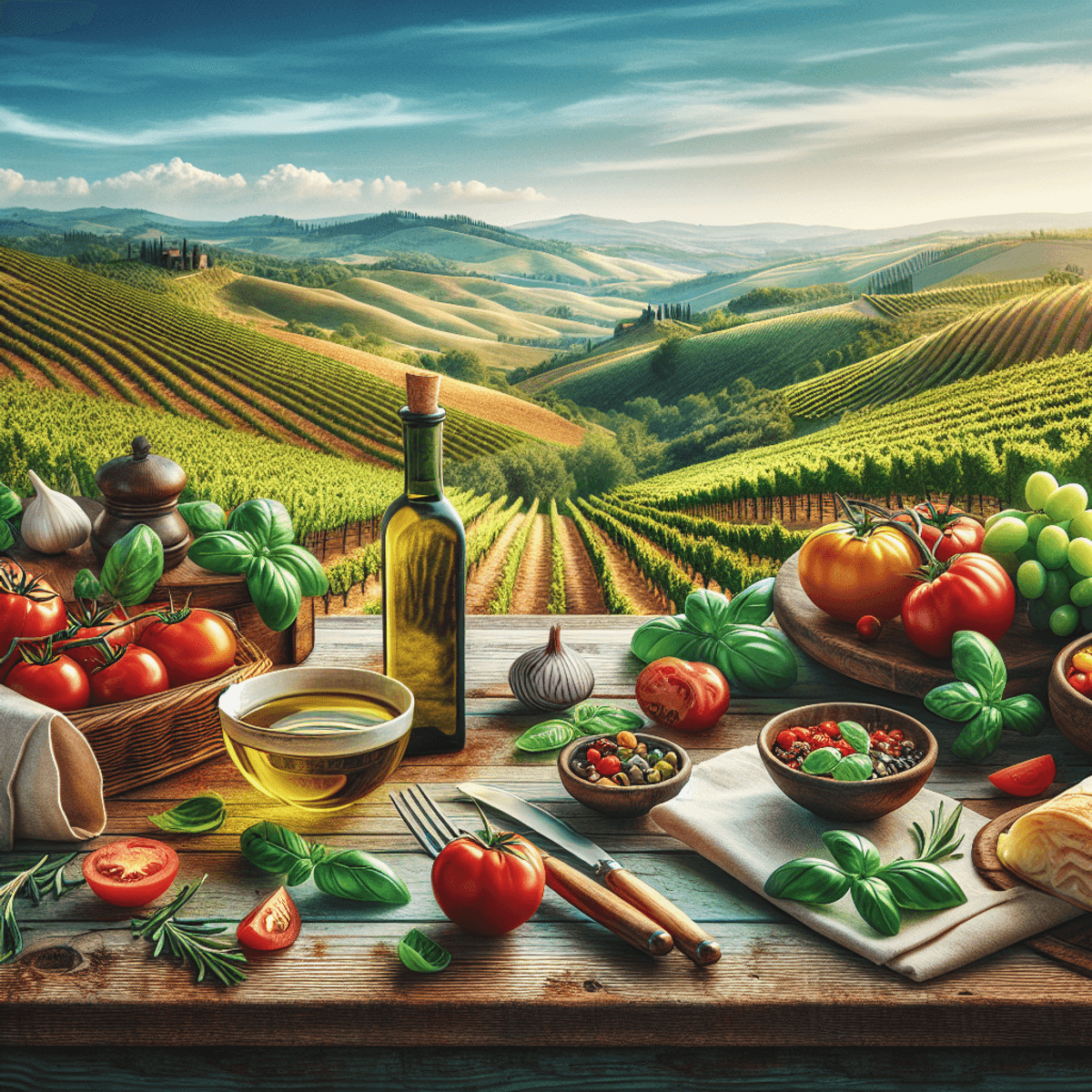
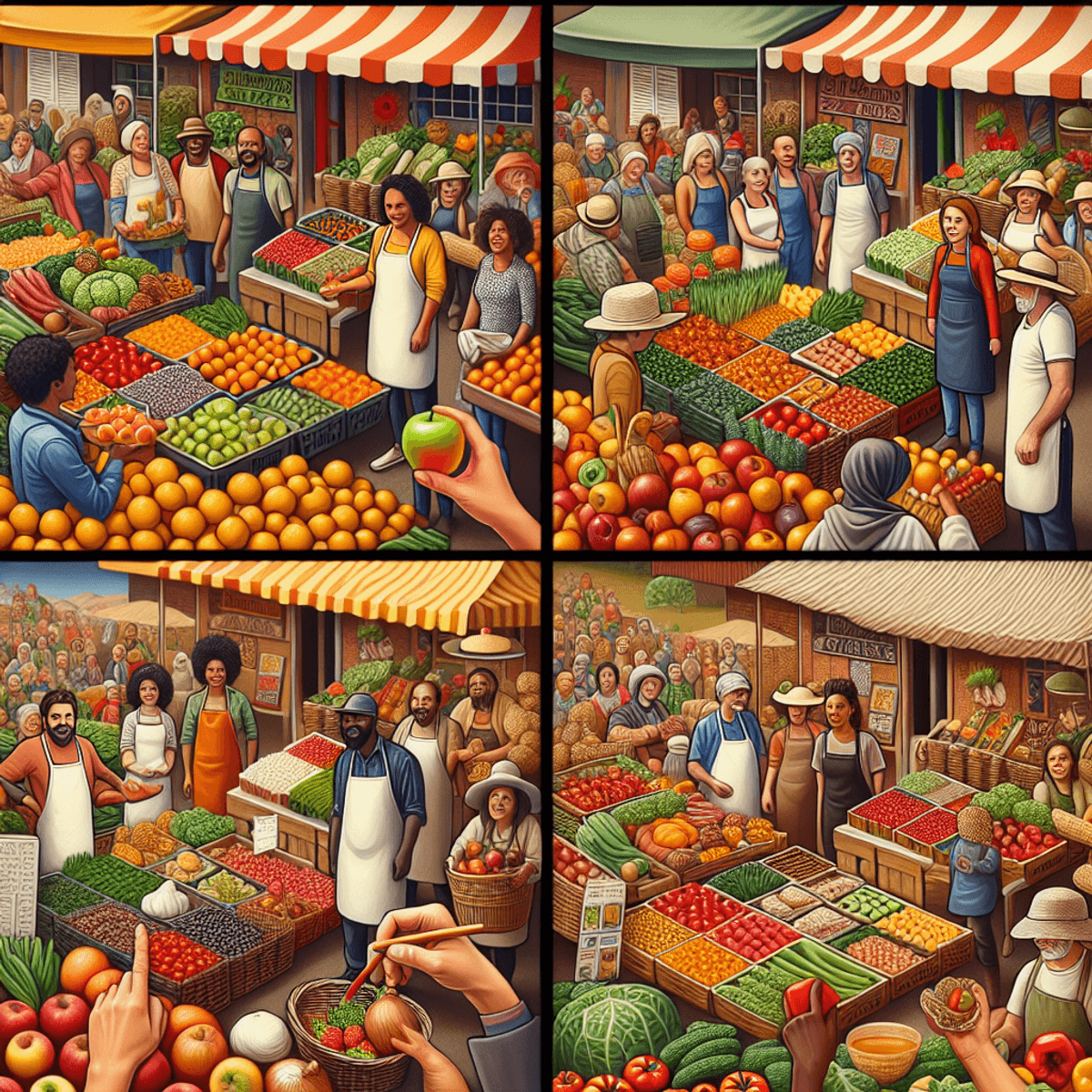
One of the core principles of sustainable sourcing is the use of local and seasonal produce. By partnering with neighboring farmers and suppliers, restaurants can ensure that their ingredients are fresh, vibrant, and at their peak flavor. Seasonal produce often carries a superior taste profile, making it a fundamental aspect of authentic Italian cuisine. Utilizing these ingredients also minimizes the carbon footprint associated with transportation, aligning with eco-friendly practices the industry is increasingly valuing.
In addition to fresh produce, responsible seafood sourcing plays a crucial role in achieving sustainability. This involves selecting fish and seafood from well-managed fisheries or aquaculture that avoid overfishing and preserve marine ecosystems. By prioritizing sustainable seafood, Italian restaurants can offer traditional dishes, such as risotto di pesce or spaghetti alle vongole, without compromising ecological integrity. These practices not only enhance the taste and quality of meals but also promote a commitment to environmental stewardship.
Building and maintaining partnerships with local farmers and suppliers is essential for a successful sustainable sourcing strategy. Through these collaborations, restaurants gain access to unique ingredients that reflect the region’s agricultural heritage while supporting the local economy. This reciprocal relationship strengthens community ties and helps sustain traditional farming practices, ultimately enriching the entire culinary experience.
Menu Innovations: Seasonal Specials for 2025
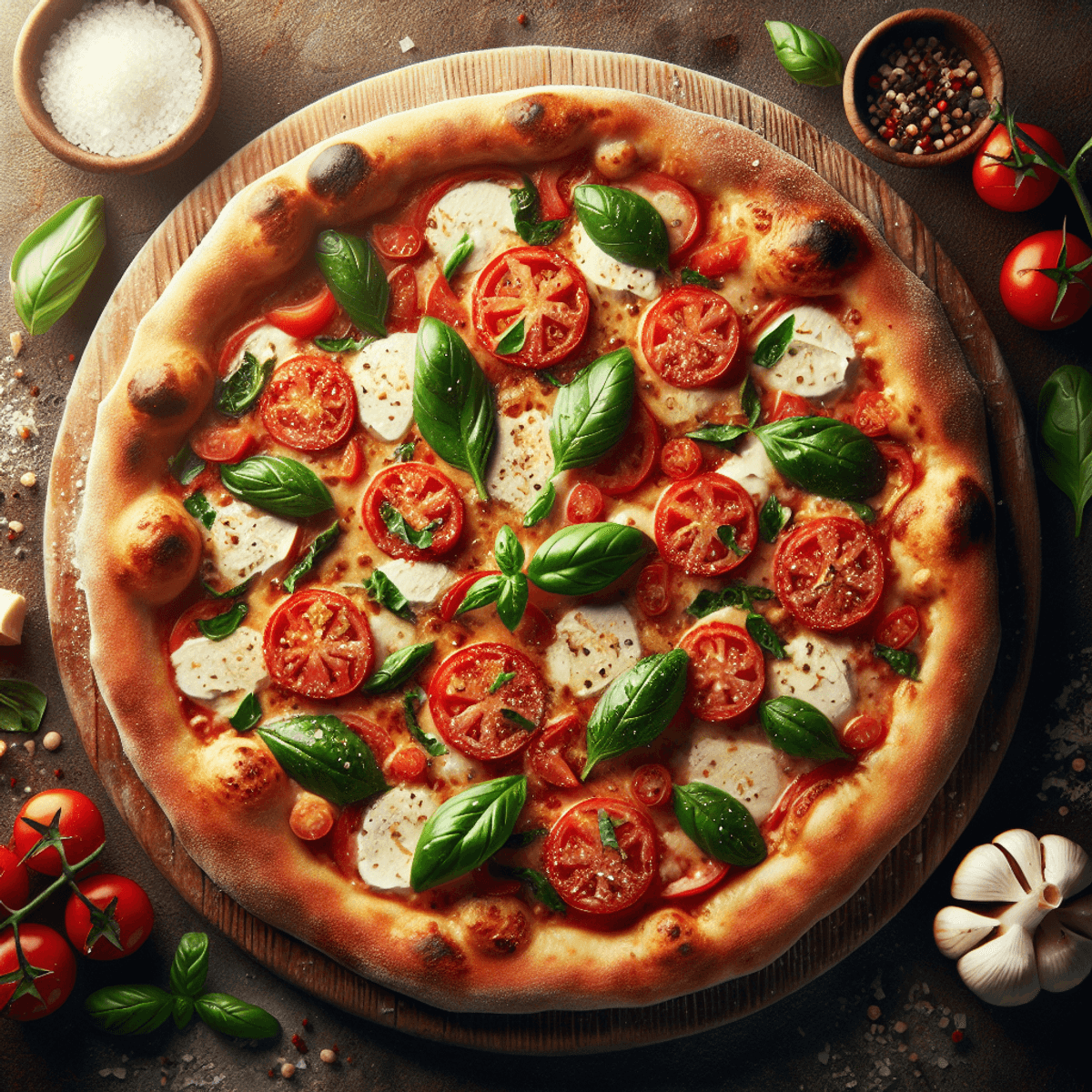
As we look towards 2025, the culinary landscape is set to be enriched by a variety of seasonal specials that draw deeply from Italy’s rich regional fare, spanning from the sun-kissed hills of Tuscany to the vibrant shores of Sicily. Each dish that graces the menu will not only celebrate the heritage of Italian cooking but will also embrace modern interpretations that cater to evolving palates. The focus will be on seasonal ingredients, ensuring that dishes reflect the flavors and availability of produce at any given time of the year.
One innovative concept emerging in 2025 is the integration of ancient grains and heirloom vegetables into traditional recipes. For instance, a contemporary twist on the classic Tuscan ribollita might include farro and an array of seasonal greens, offering a dish that showcases both nutrition and the authentic taste of Tuscany. Chefs are also likely to lean into the growing farm-to-table movement, sourcing ingredients locally and thus paying homage to the regionality that characterizes Italian cuisine.
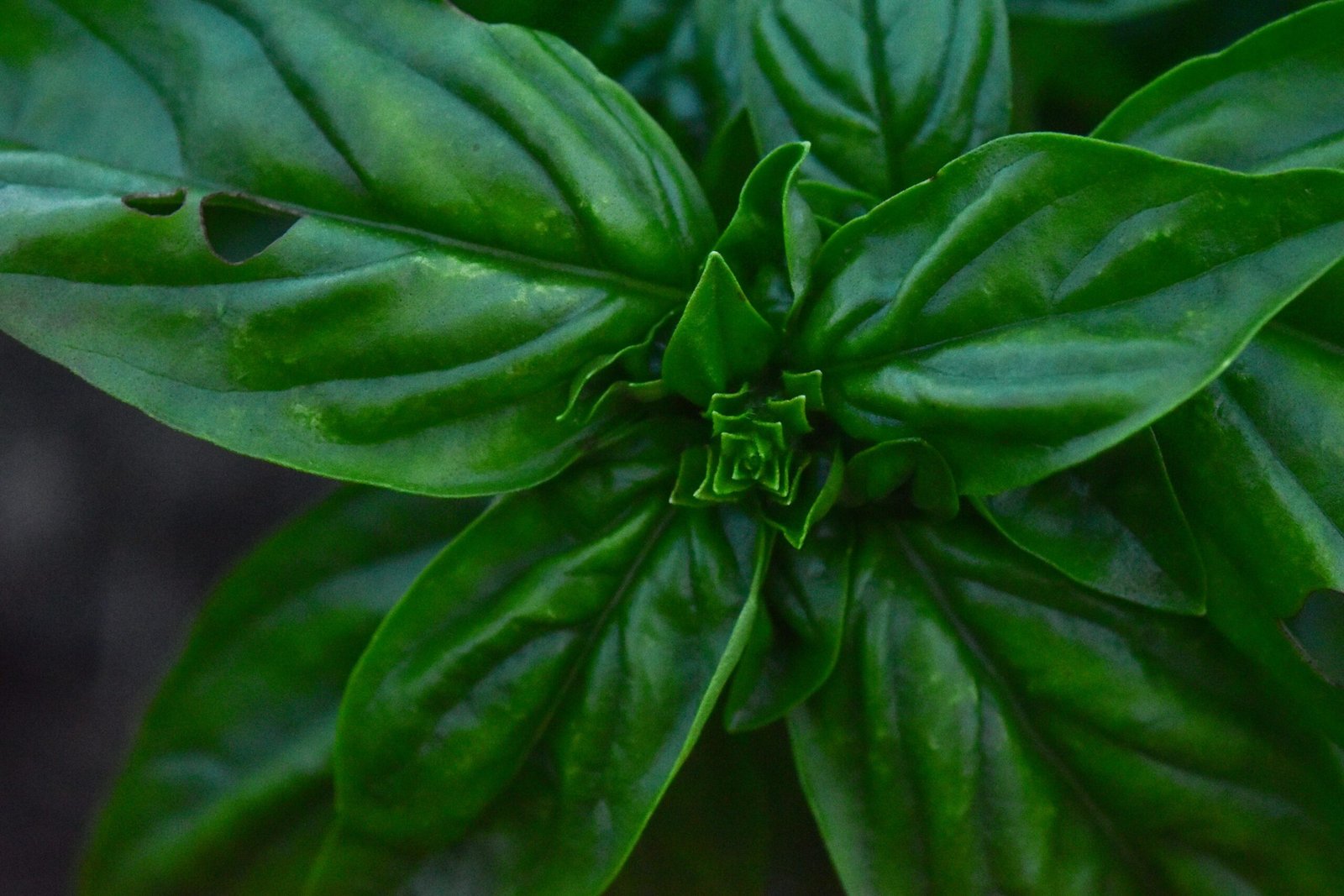
Meanwhile, Sicilian influences will manifest in lighter fare that incorporates seafood and citrus, celebrating the island’s abundant natural resources. A seasonal special could feature grilled swordfish layered with a refreshing lemon-basil salsa, accompanied by caponata, which adds depth and complexity to the dish. Furthermore, the infusion of Mediterranean herbs in numerous offerings will not only enhance flavors but will align with the growing focus on healthier dining choices.
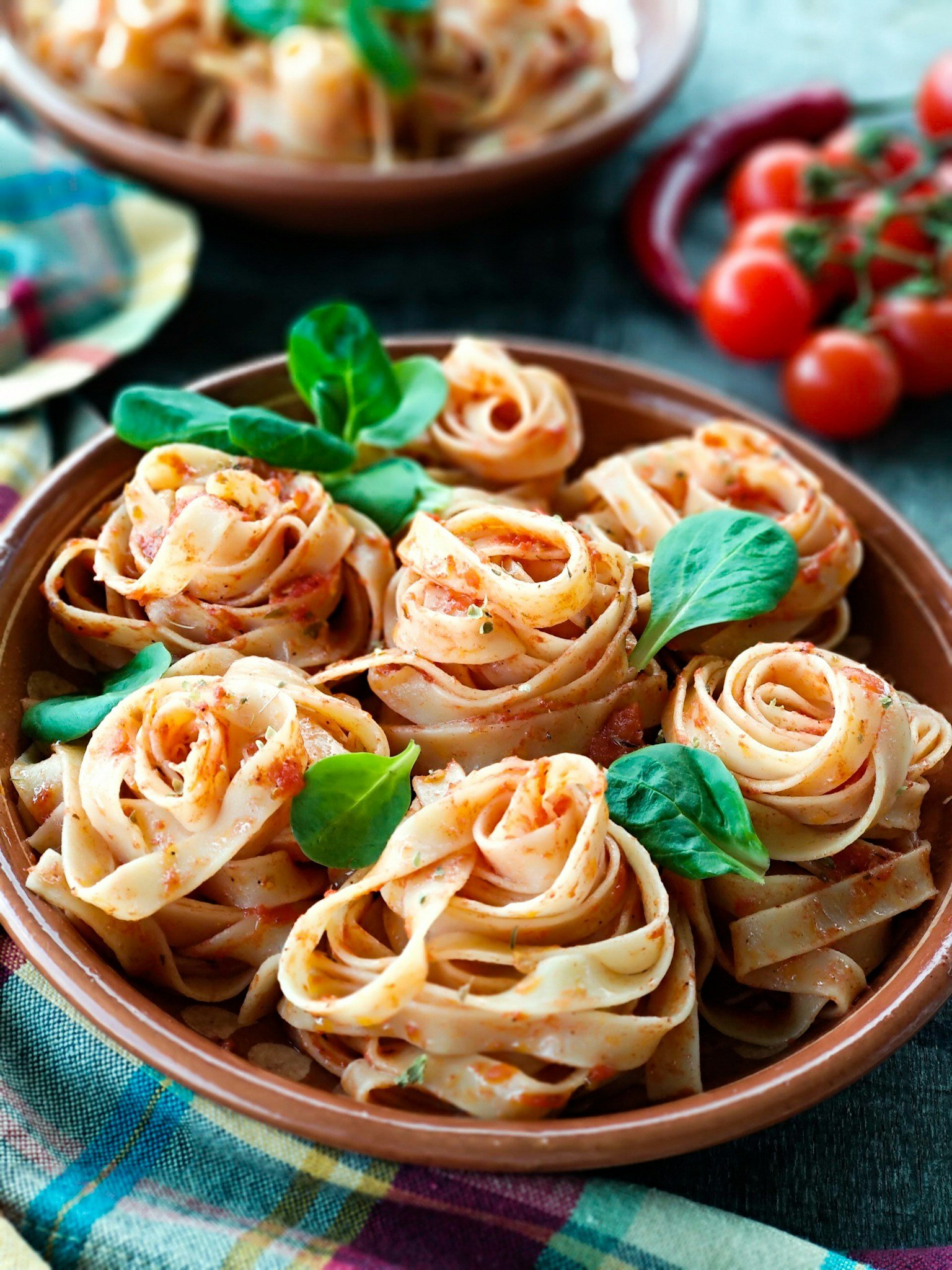
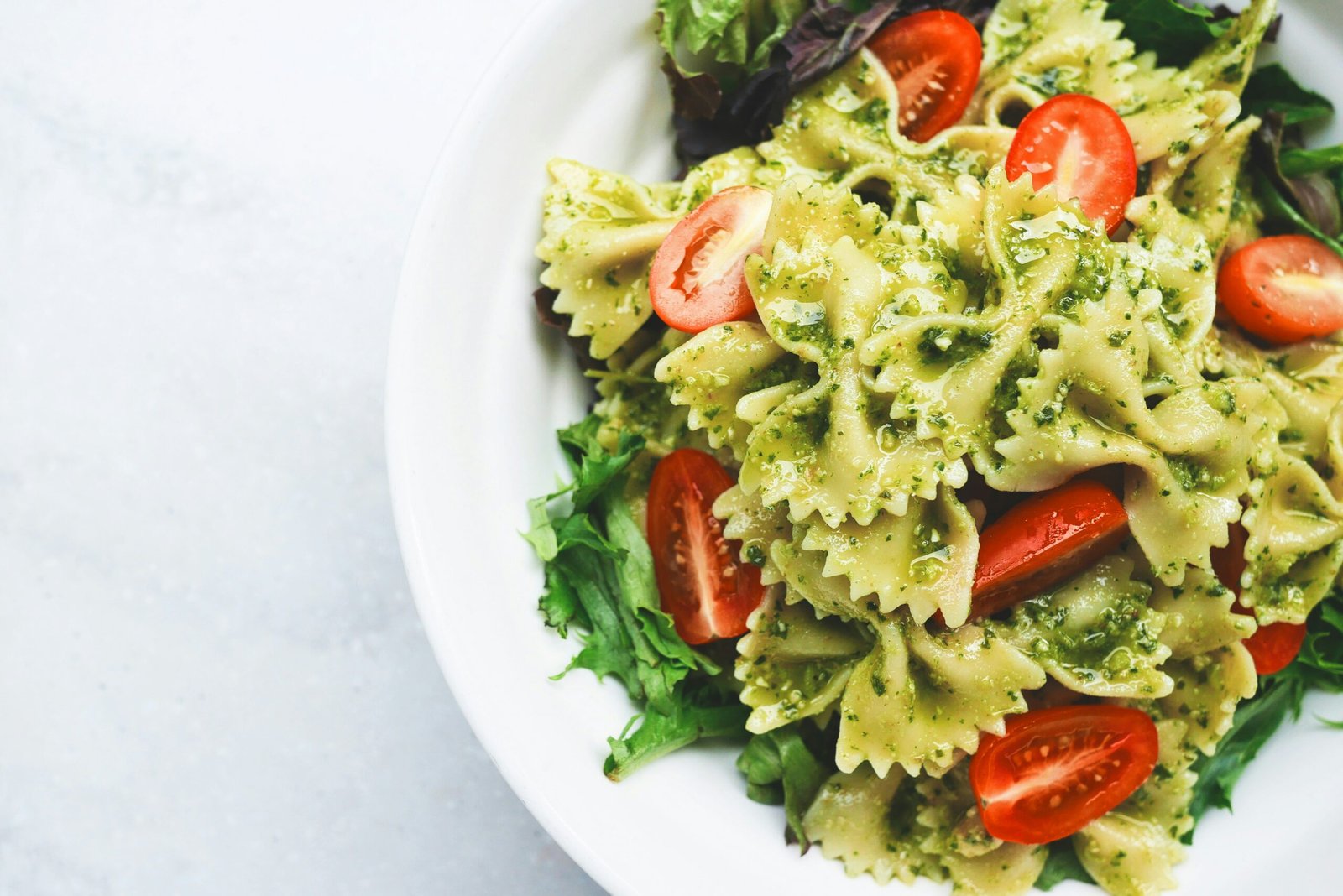
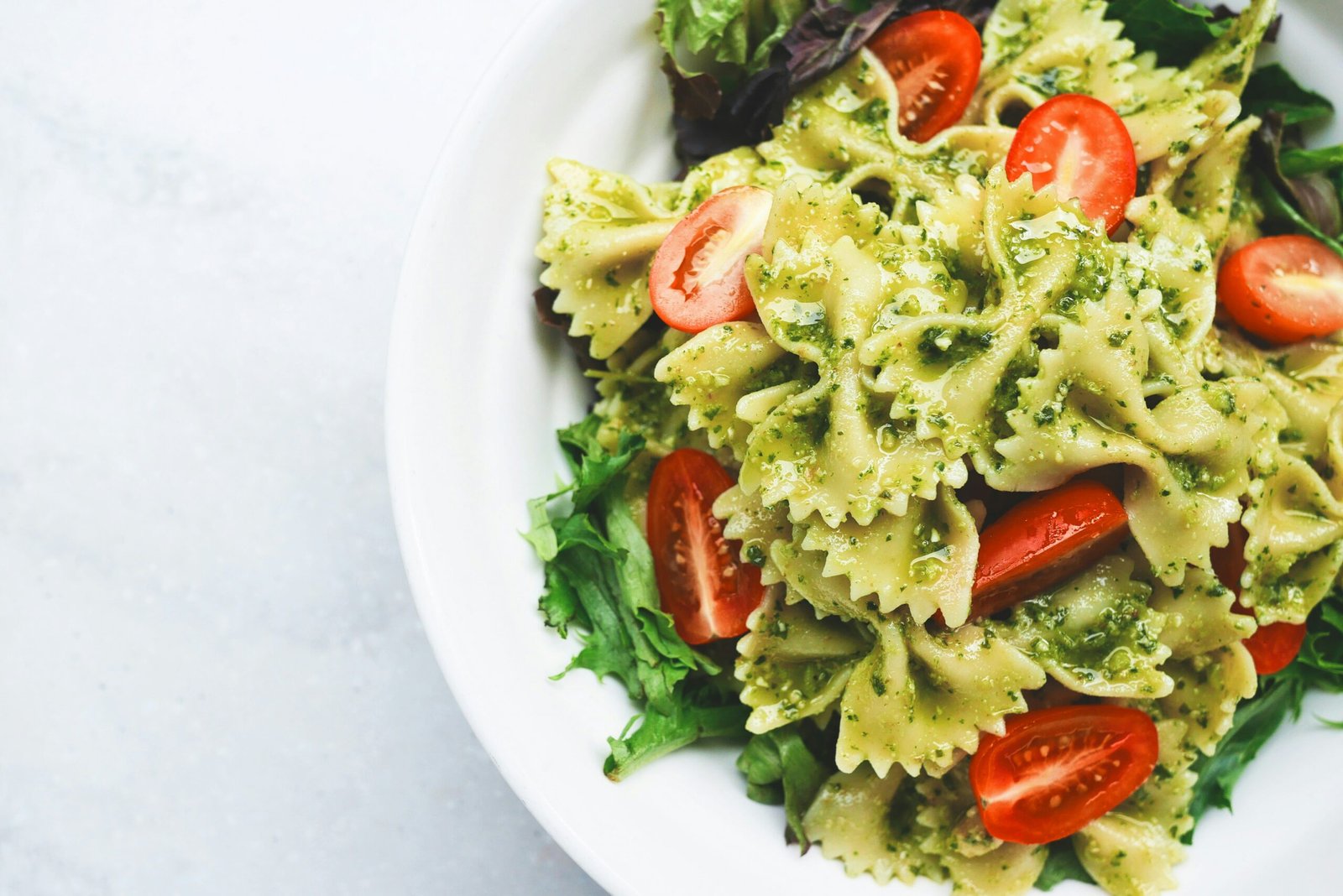
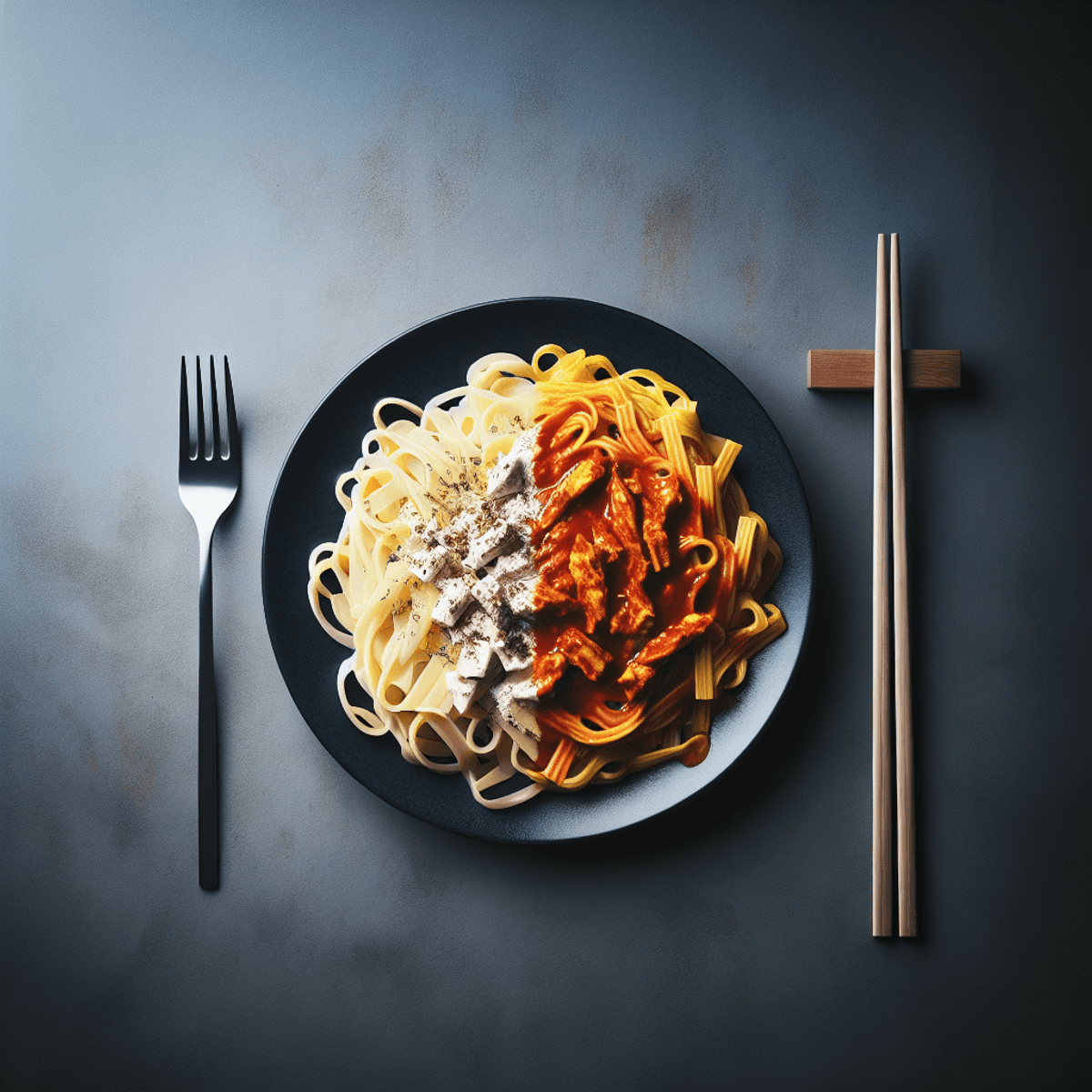
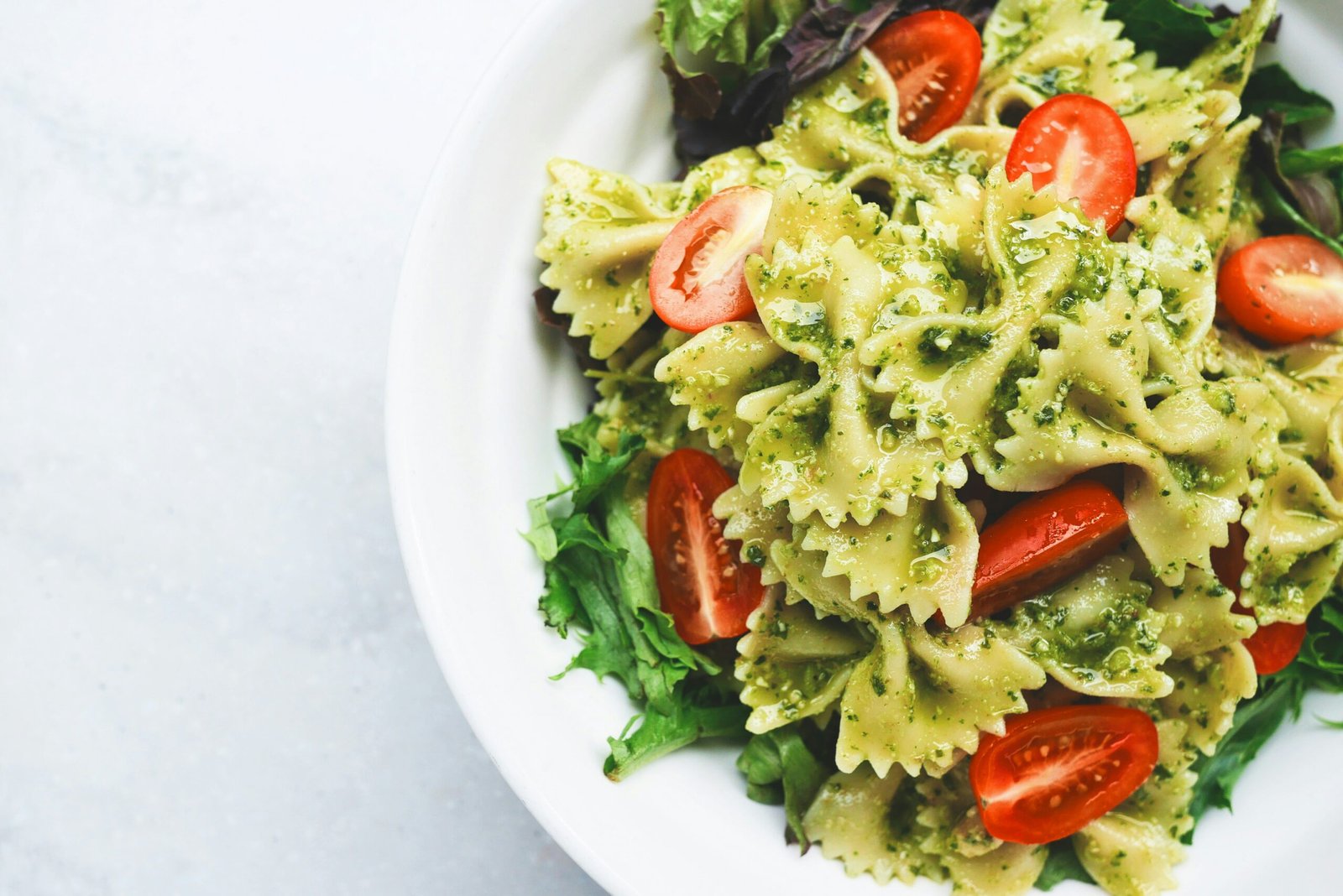
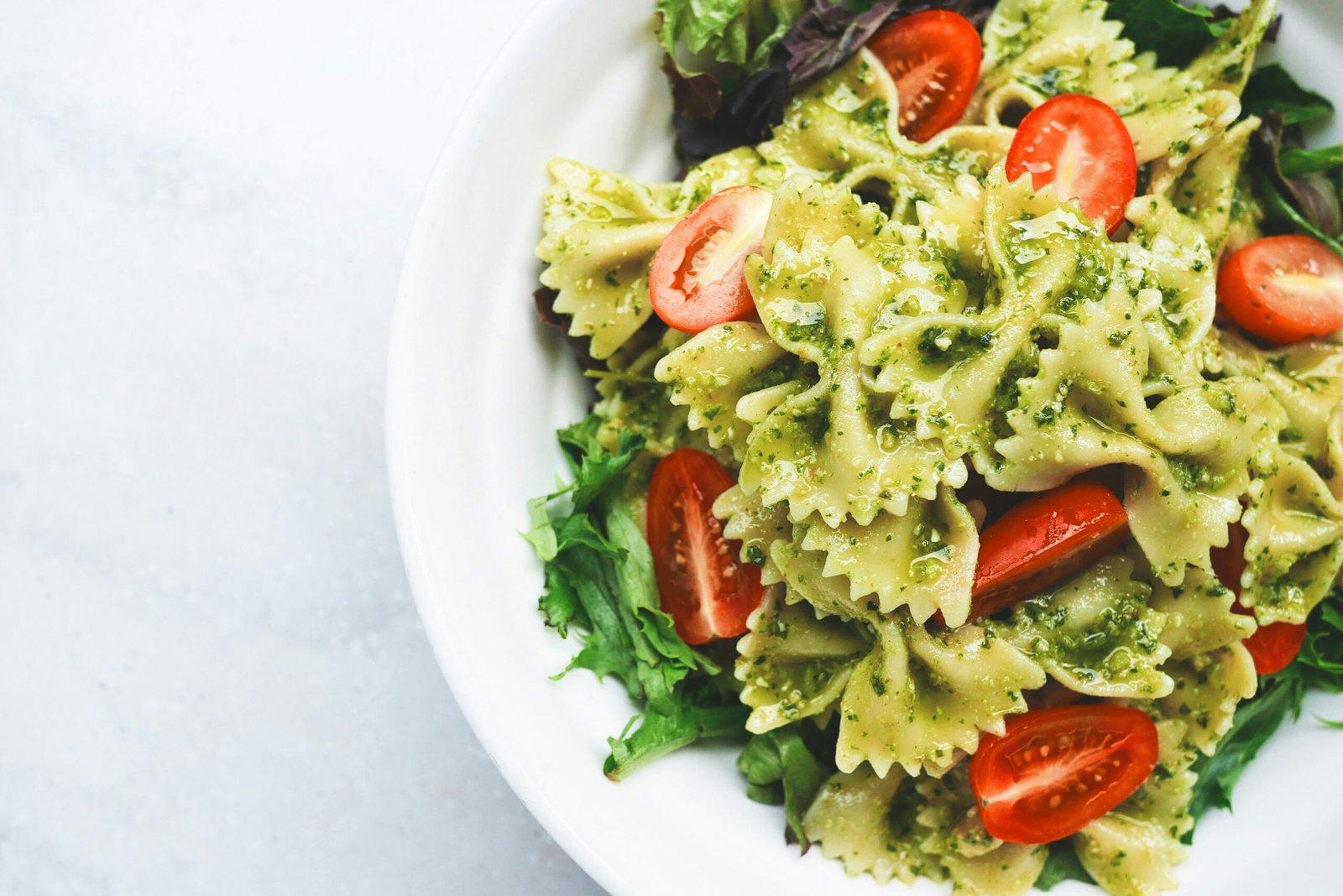
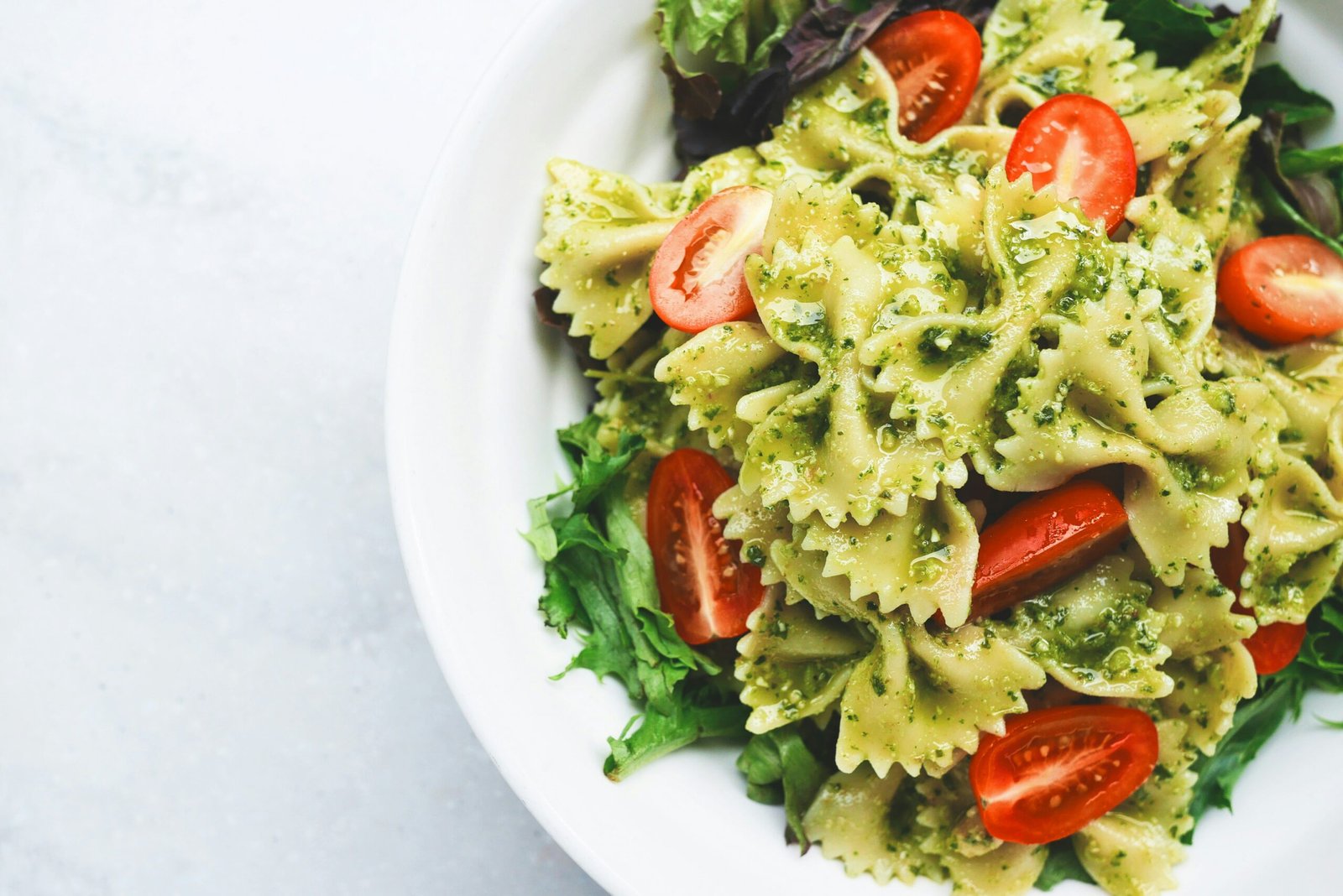
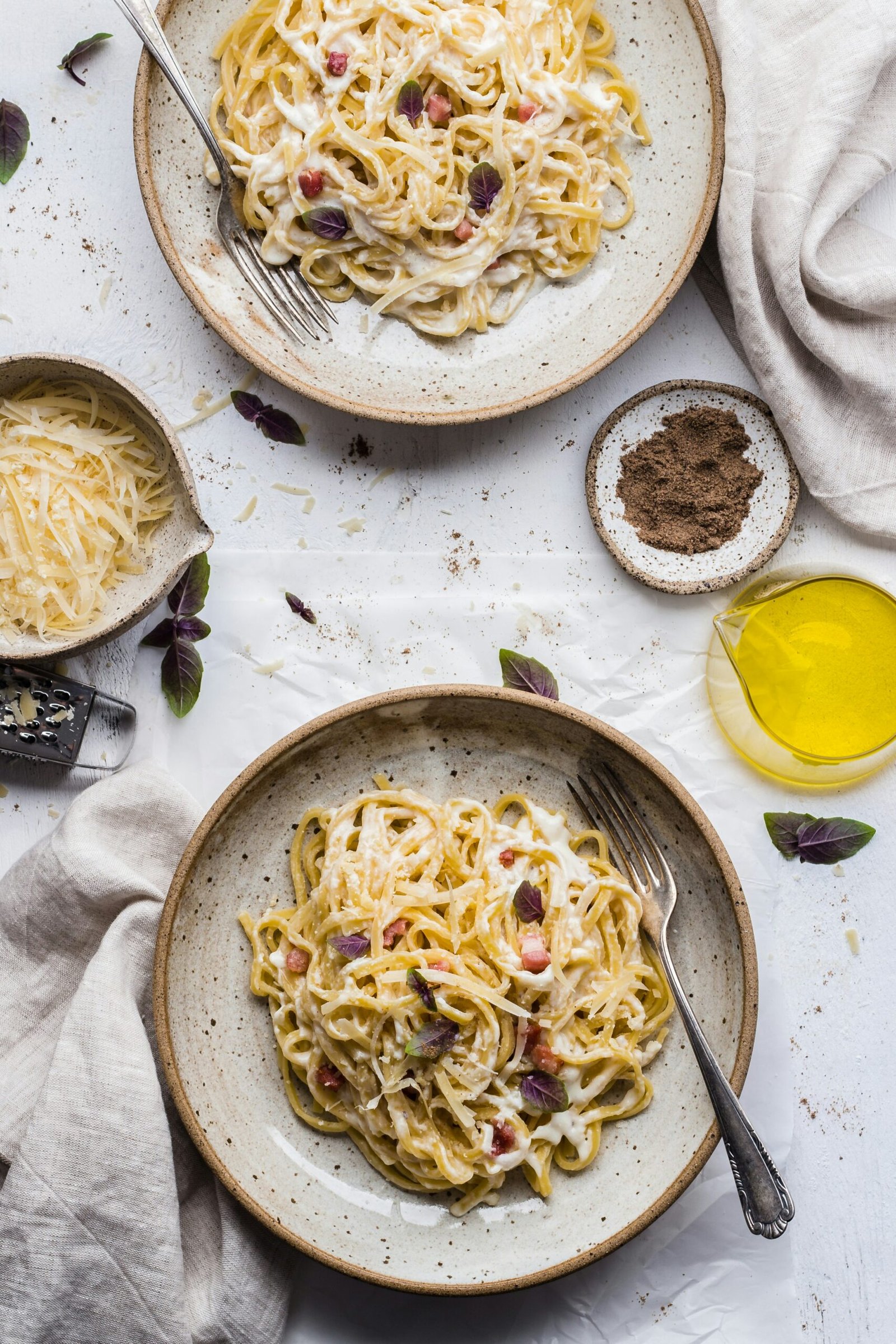
The art of reimagining traditional pasta dishes will also play a significant role. Expect to see variations of beloved classics, such as carbonara, prepared with a modern touch by utilizing plant-based alternatives, without sacrificing authenticity. This balance of innovation with tradition highlights the culinary team’s dedication to crafting memorable dining experiences that pay respect to the rich history of Italian gastronomy while appealing to contemporary preferences.
Culinary Techniques: Blending Old-World and Modern Flavors
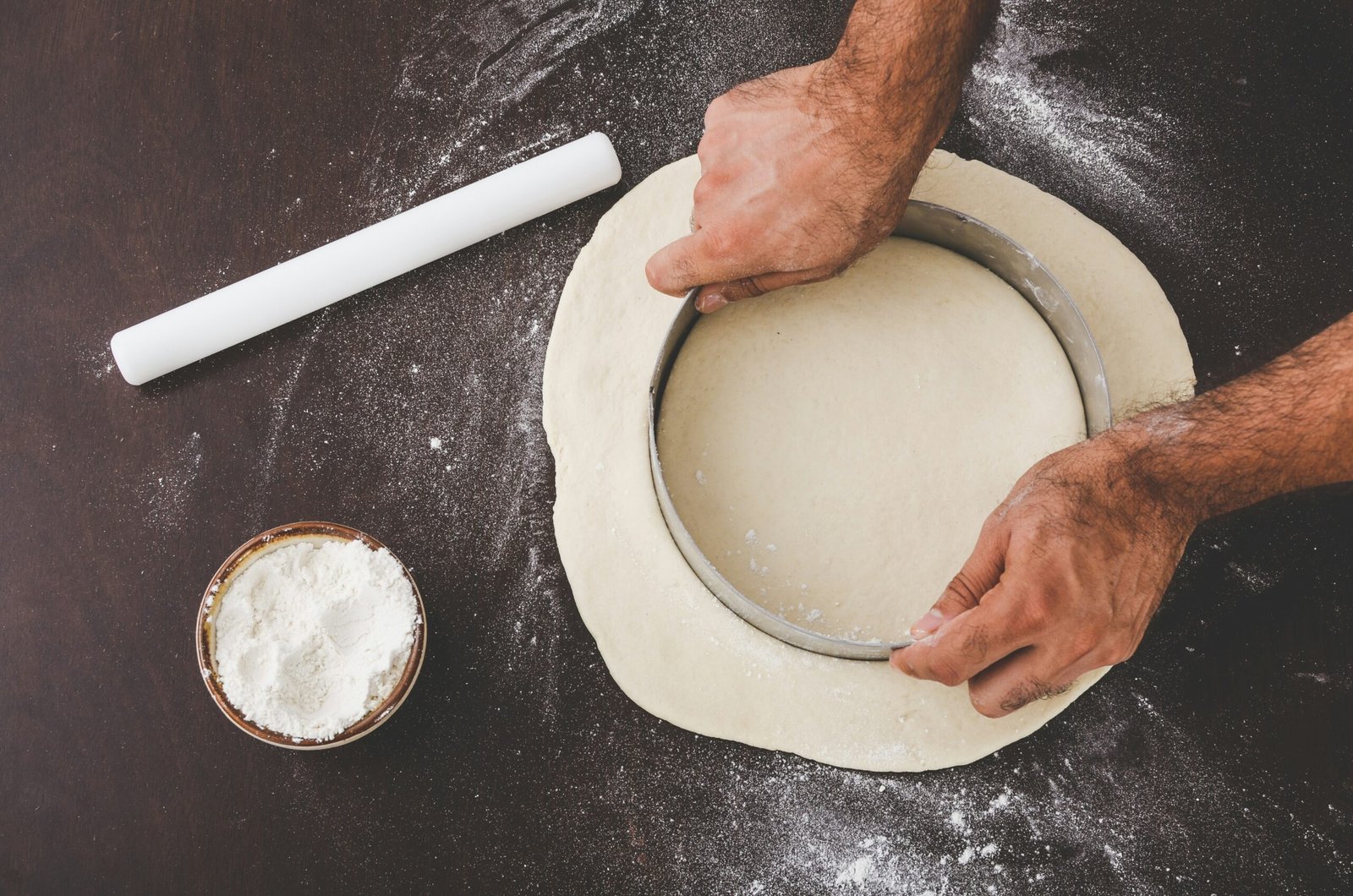
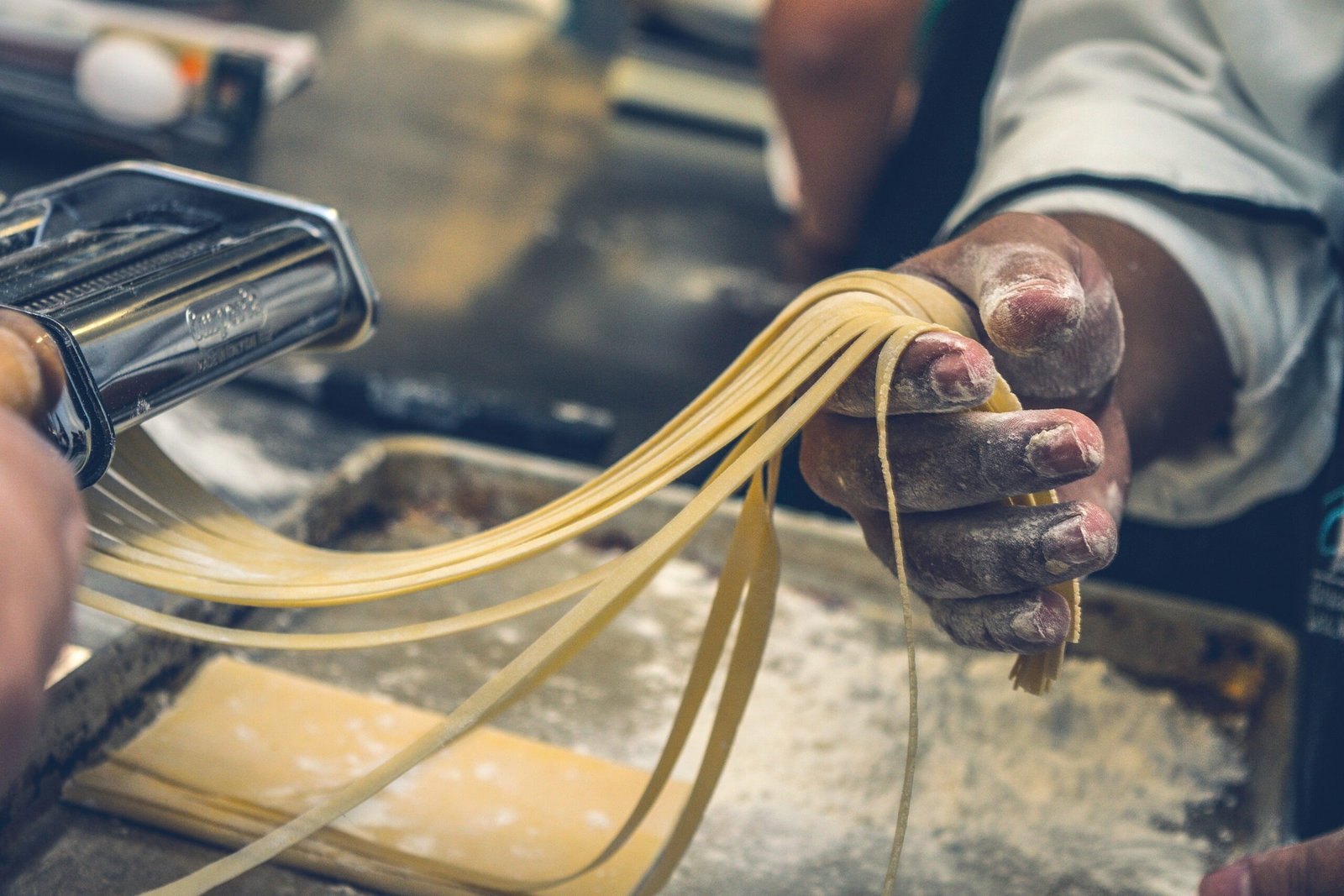
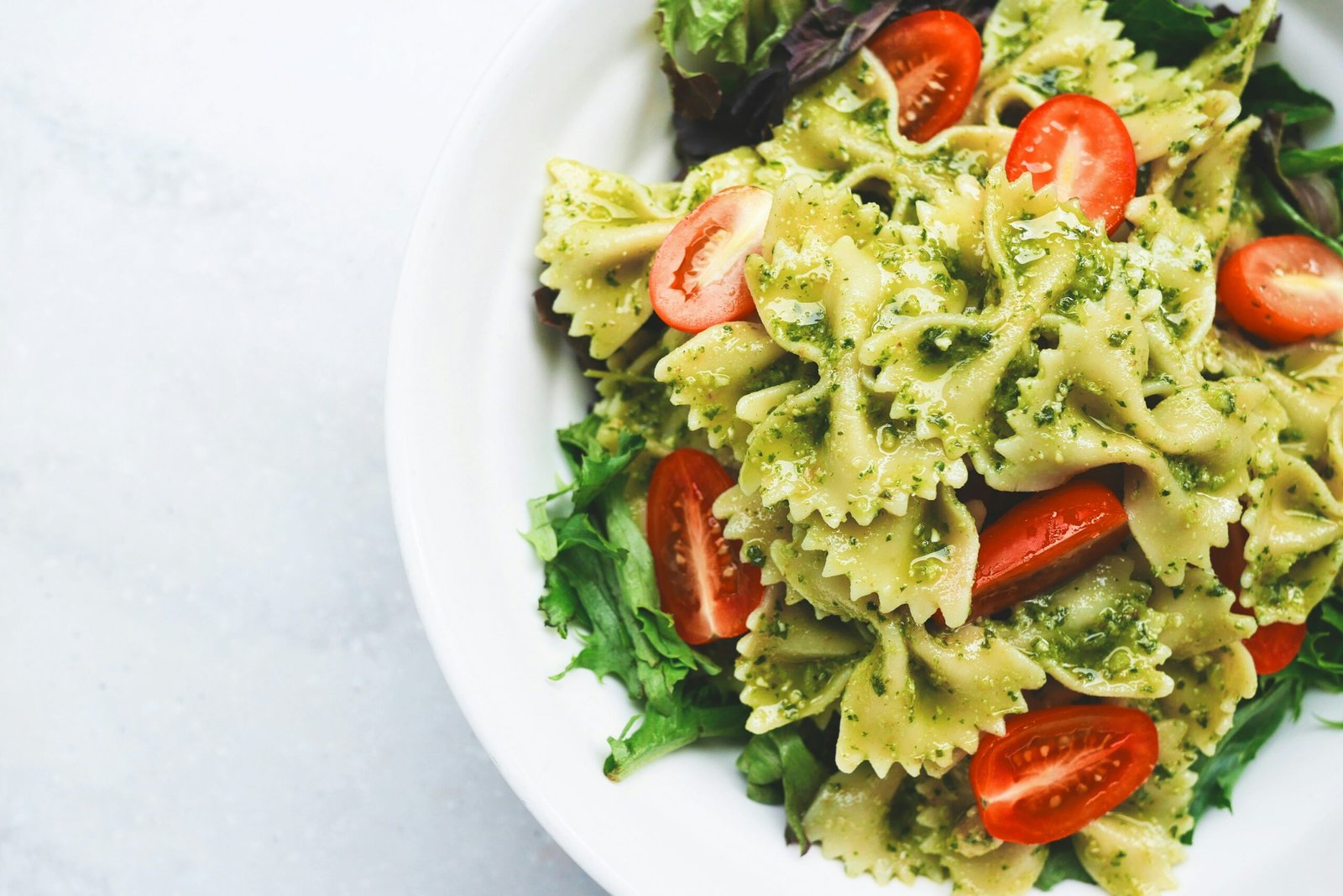
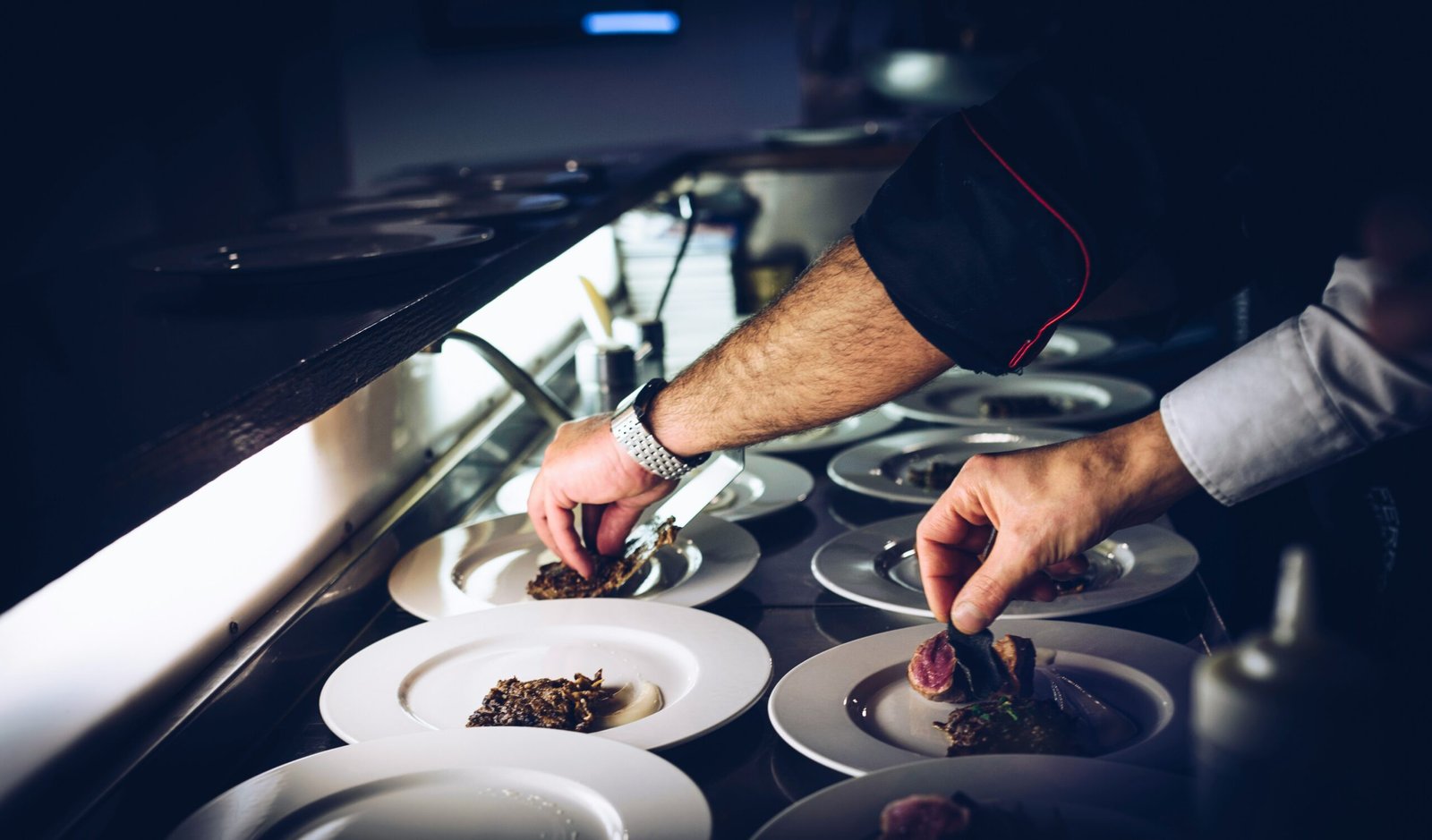
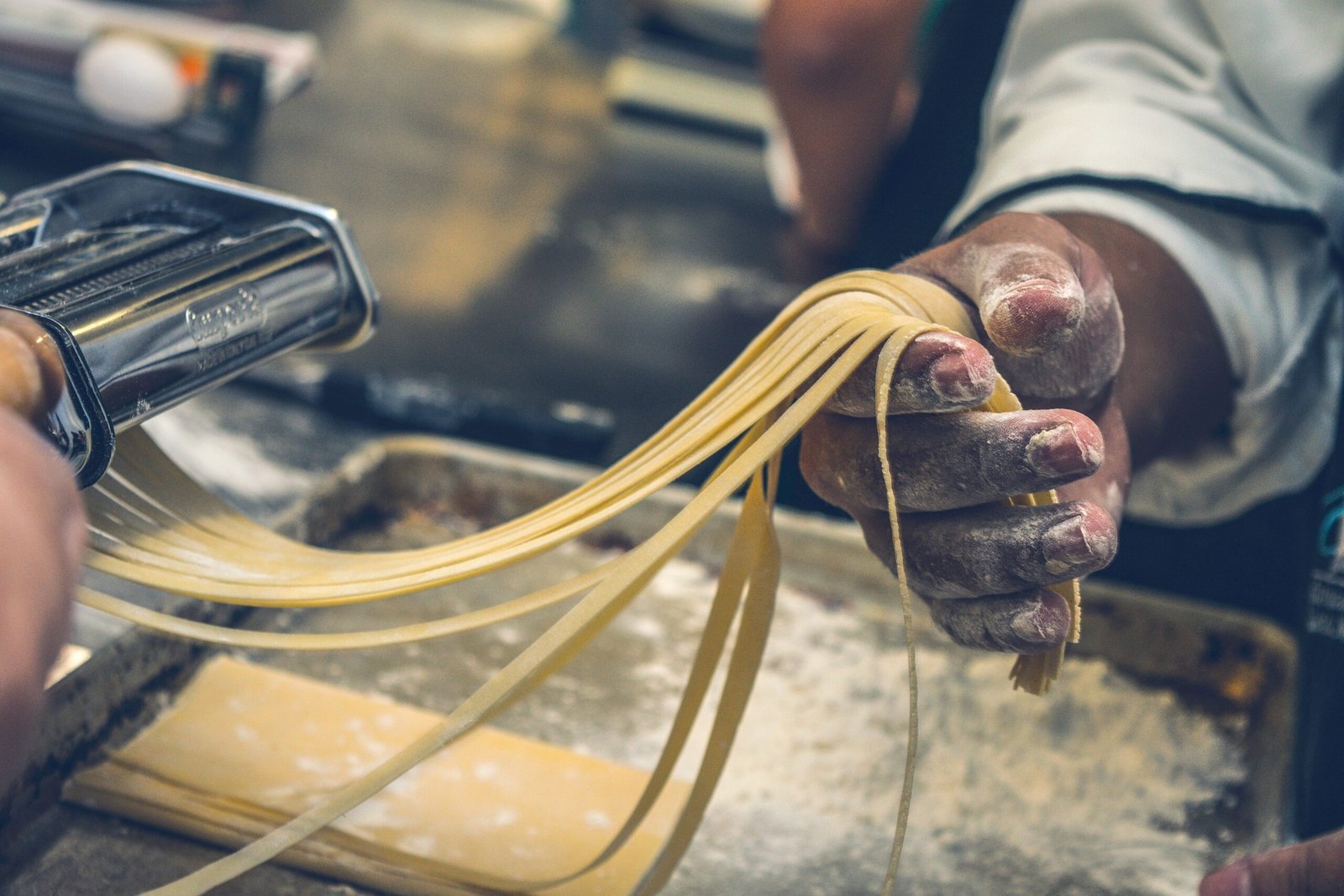
In the realm of Italian cuisine, a fascinating evolution has emerged as chefs meld traditional culinary techniques with contemporary flavor profiles. This innovative approach not only honors the rich heritage of Italian cooking but also embraces the advancements in technology that enhance the dining experience. The essence of old-world methods, such as slow-cooking and hand-rolled pasta, remains crucial to the preparation of authentic dishes, while modern techniques, including sous-vide and molecular gastronomy, allow chefs to explore new textures and presentations.
The integration of technology in food preparation plays a pivotal role in achieving culinary excellence. Sous-vide cooking, for instance, enables chefs to precisely control temperatures, resulting in superior tenderness and retention of flavors in ingredients such as meats and vegetables. This method complements traditional Italian preparations, allowing for the exploration of flavor profiles that were previously unattainable without compromising the integrity of the dish. Additionally, the use of modern kitchen tools, such as high-performance blenders and precision cookers, empowers chefs to craft intricate sauces and emulsions that elevate the dining experience.
Creativity is at the forefront of this culinary renaissance, as chefs experiment with unexpected pairings and contemporary presentations. For instance, traditional risottos may incorporate innovative elements such as truffle oil-infused bubbles or edible flowers, providing a modern twist that intrigues the palate. As restaurants look to captivate diners, the emphasis lies in creating memorable experiences that honor Italian culinary traditions while showcasing the limitless possibilities of modern gastronomy.
This fusion of old-world techniques with contemporary innovations not only reflects the artistic vision of chefs but also signifies a vibrant culinary landscape that continues to evolve. Through careful balancing of tradition and innovation, Italian cuisine in 2025 stands poised to impress and inspire food lovers around the world.
The Modern Ambiance: Redefining Italian Dining
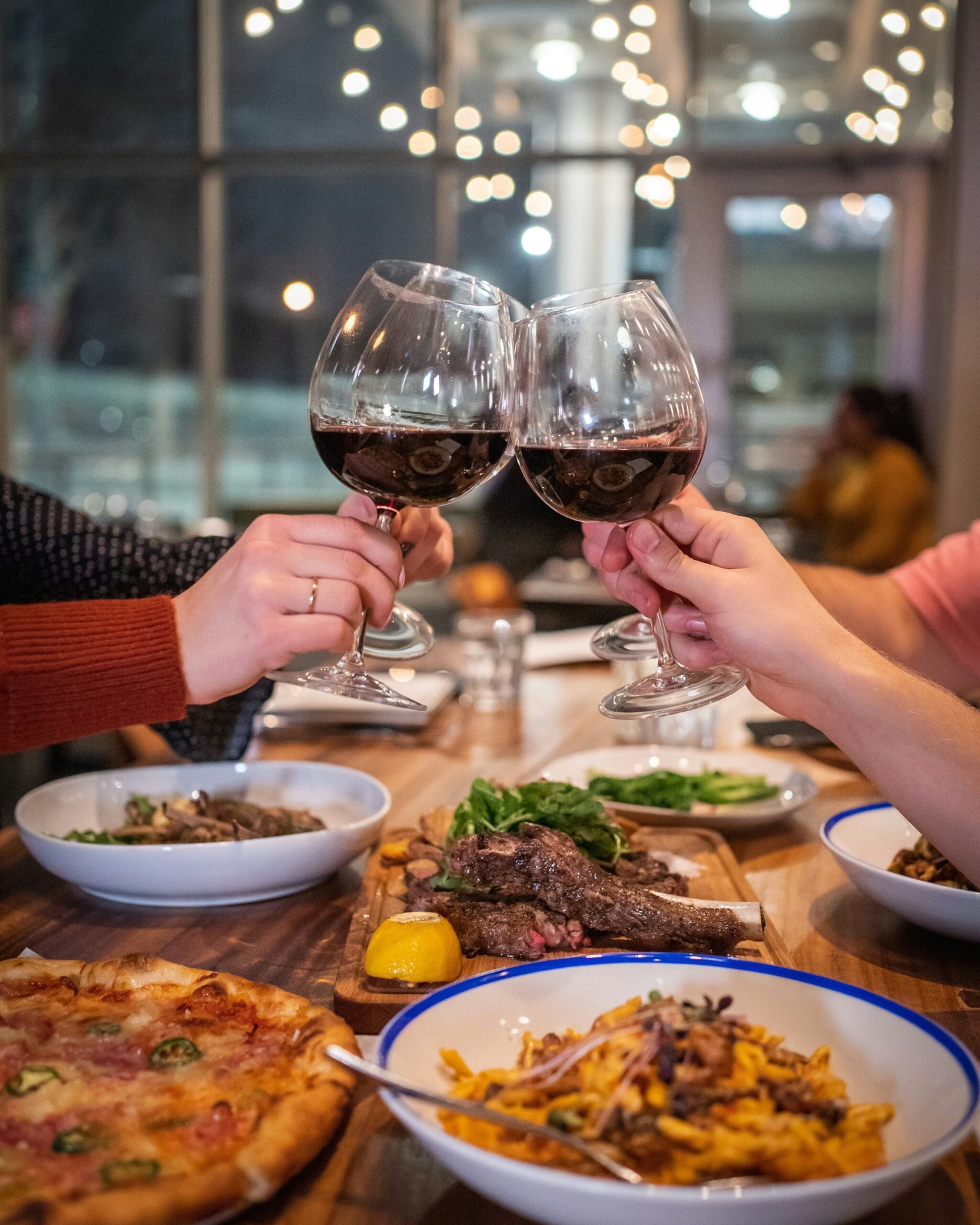
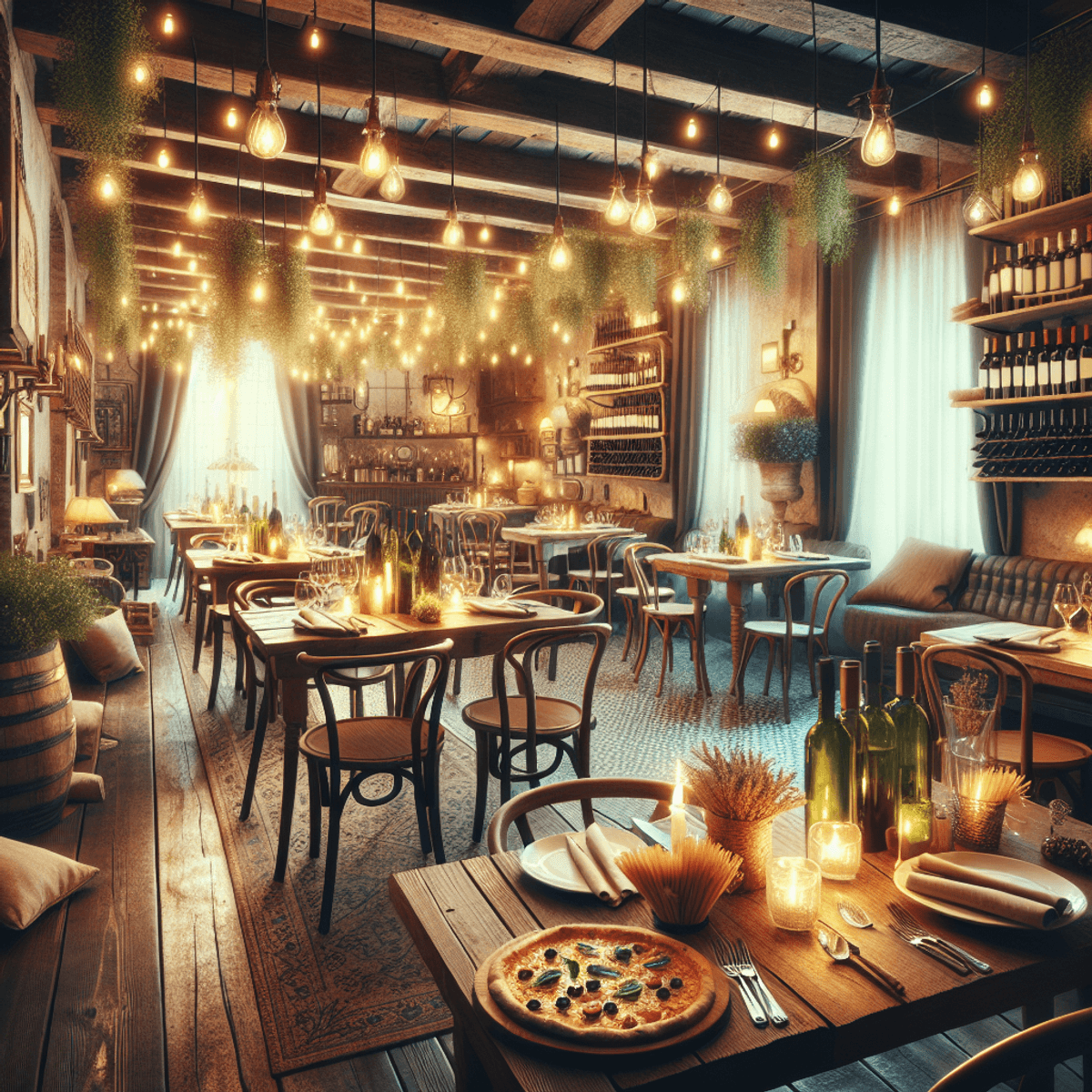
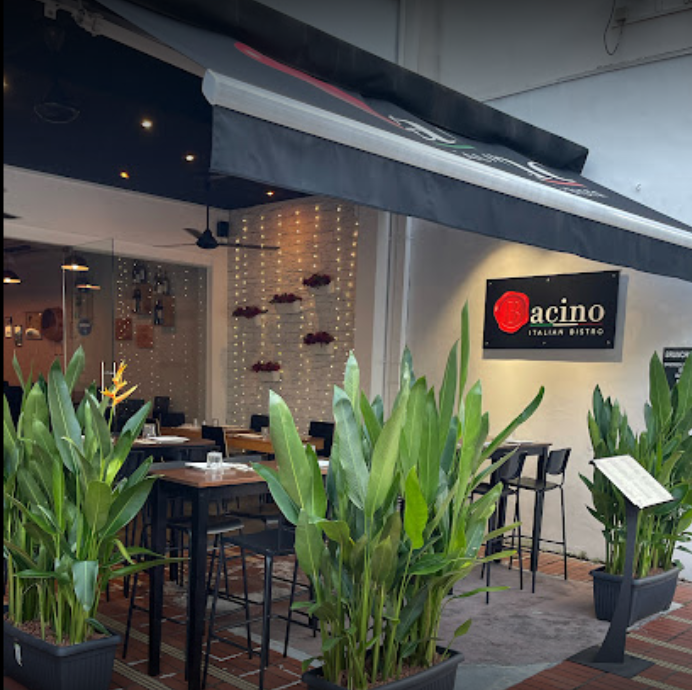
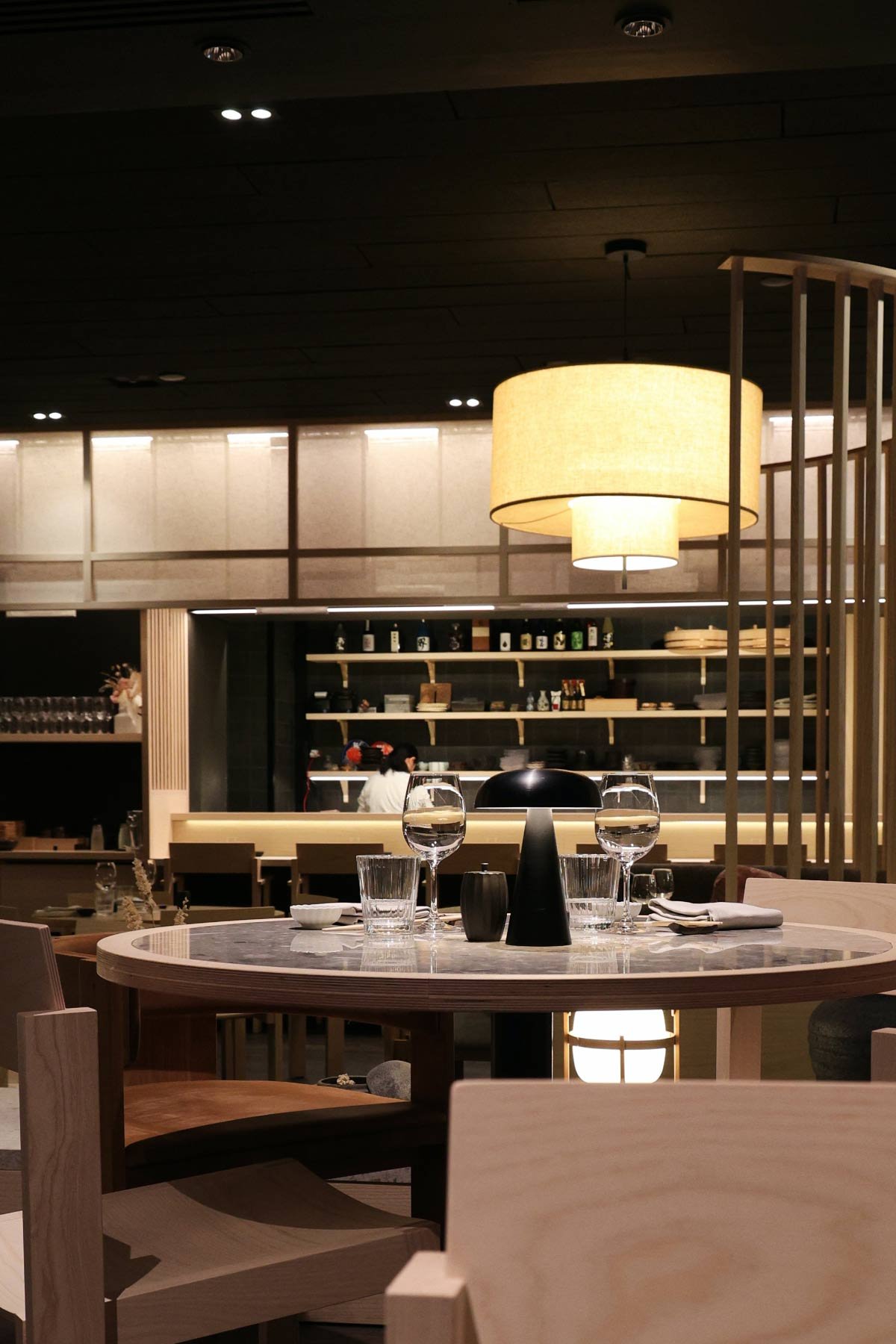
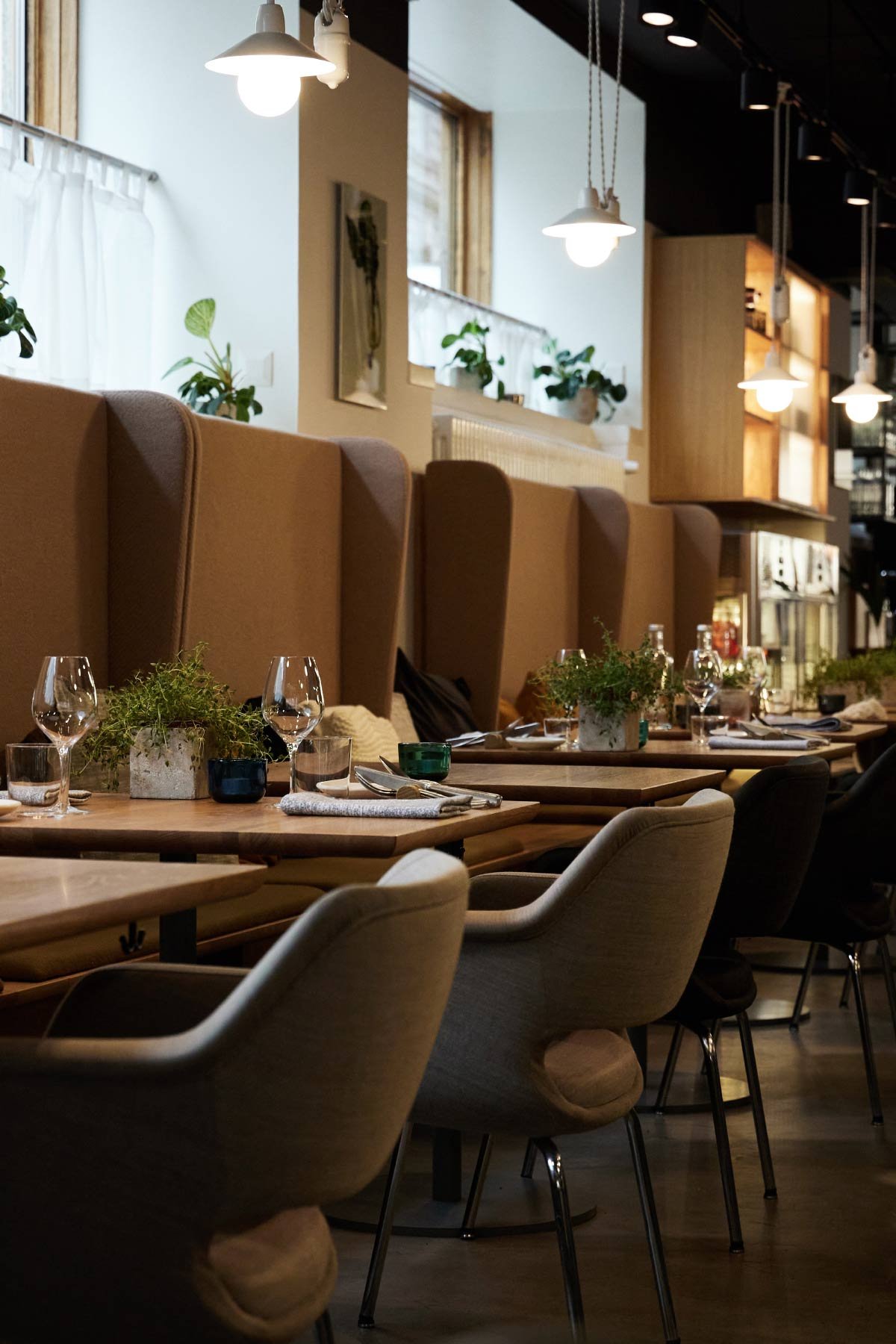
The ambiance of a restaurant plays a critical role in shaping the perception of the dining experience. In 2025, Italian dining establishments are undergoing a remarkable transformation, integrating modern design elements with traditional Italian charm. Recently refurbished interiors are now designed to foster a warm and inviting atmosphere, ideal for a variety of occasions—from romantic dinners to casual business lunches.
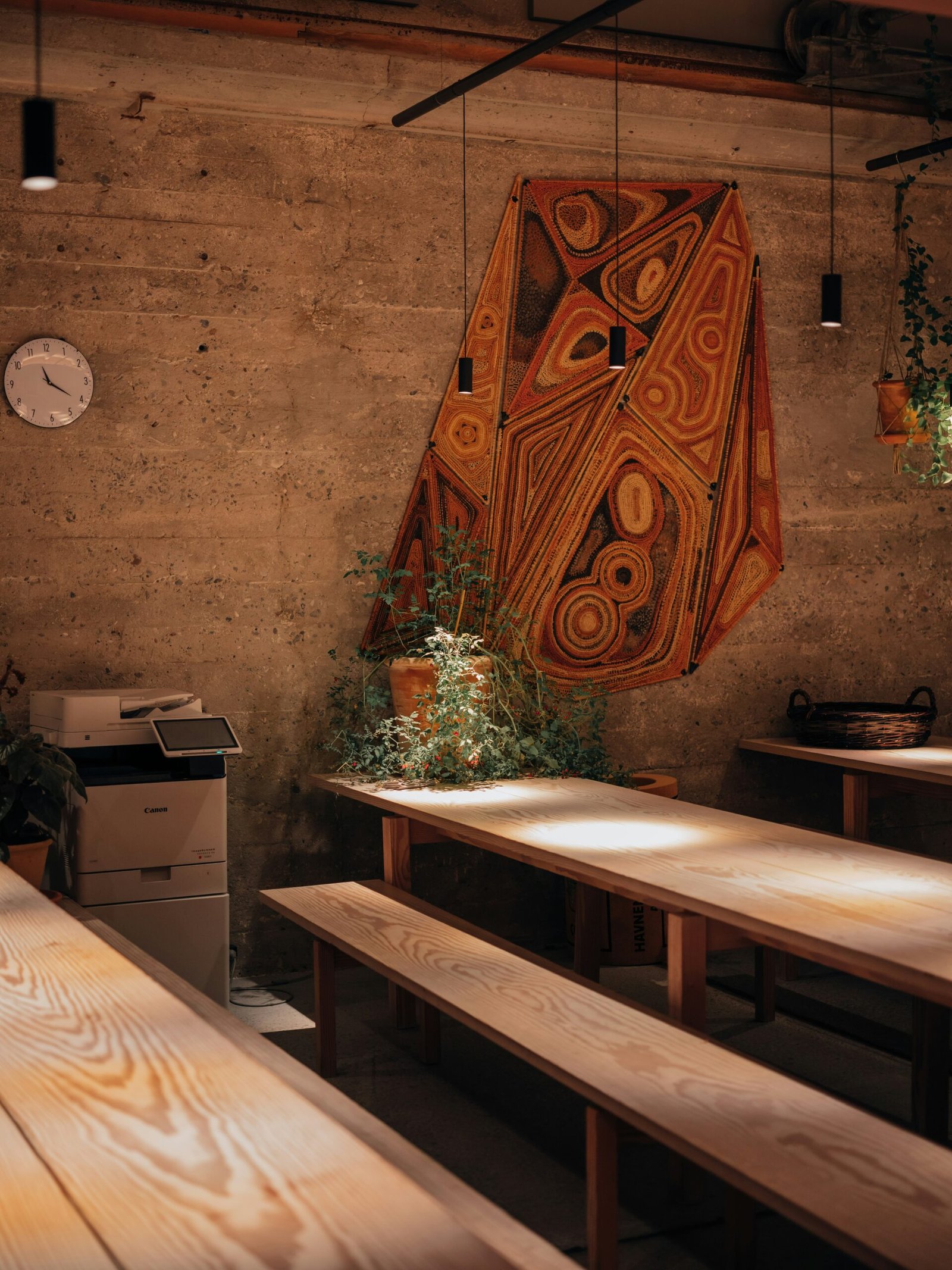
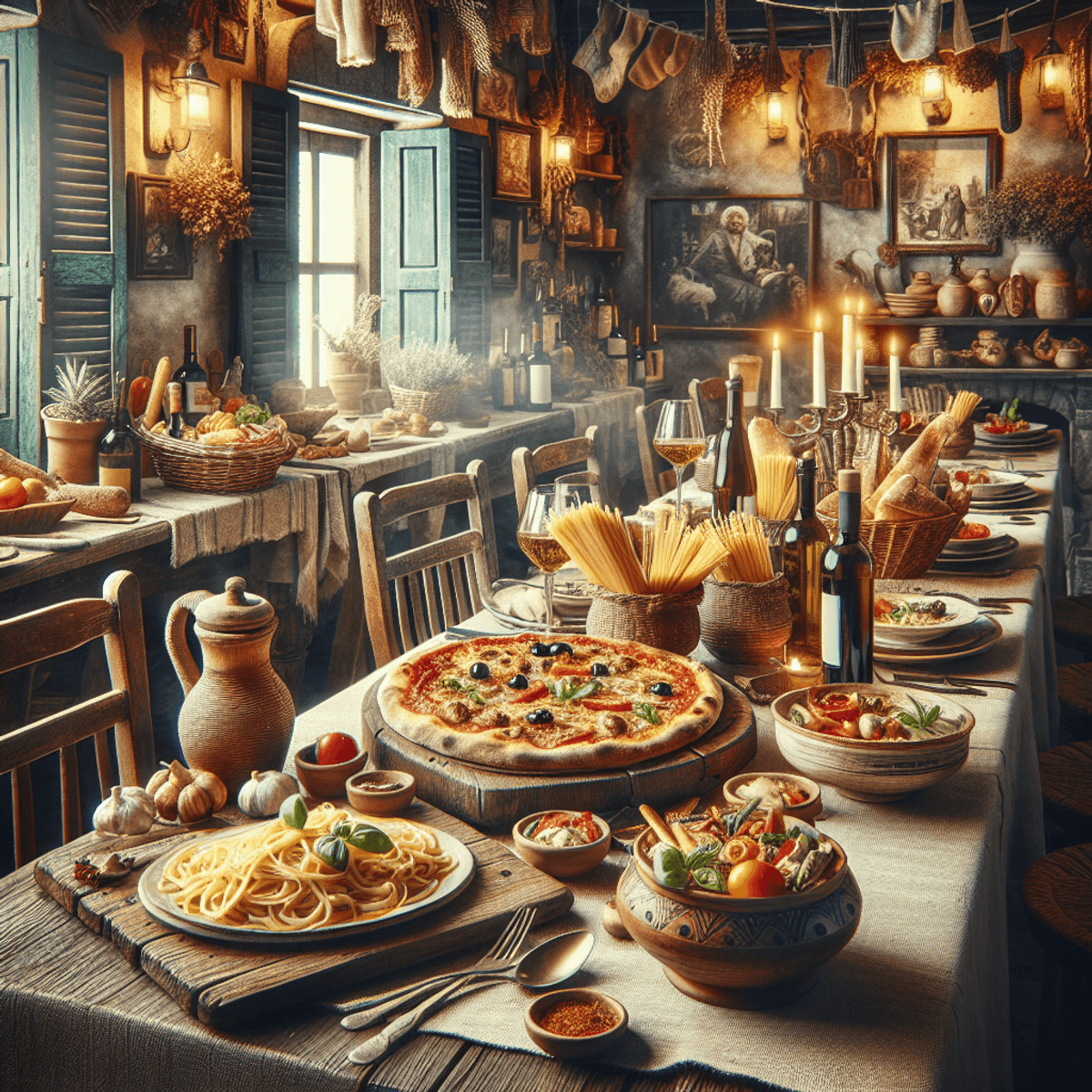
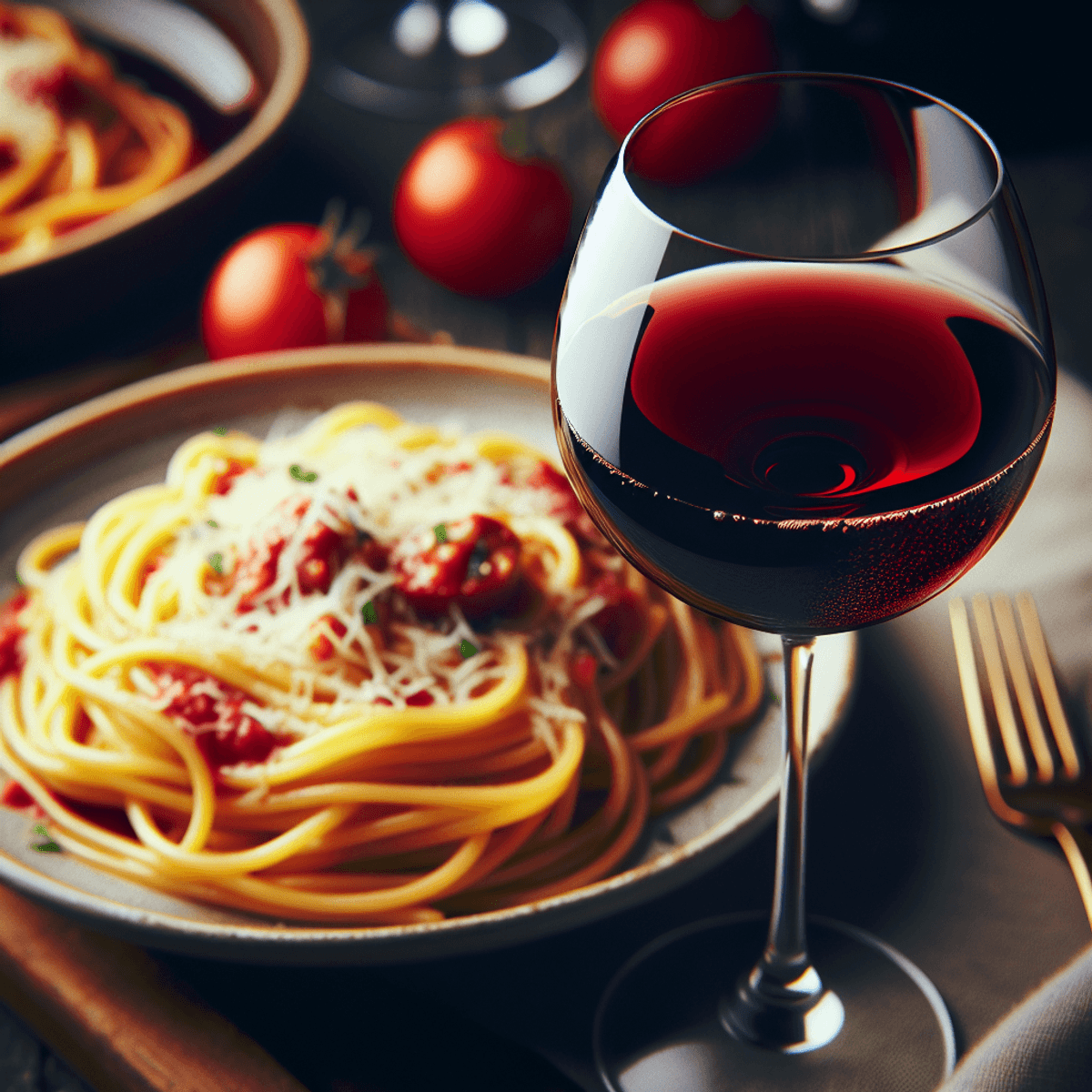
The blend of contemporary aesthetics with classic Italian features includes the use of natural materials such as wood, stone, and rich textiles, reflecting the country’s diverse cultural heritage. Soft lighting fixtures create an intimate environment, while contemporary art pieces pay homage to Italy’s storied artistic legacy. This harmonious fusion enhances the dining experience, facilitating a connection between the food and its origins. The arrangement of dining spaces is also thoughtfully considered; open layouts provide a sense of community, while cozy alcoves offer private settings for more intimate gatherings.
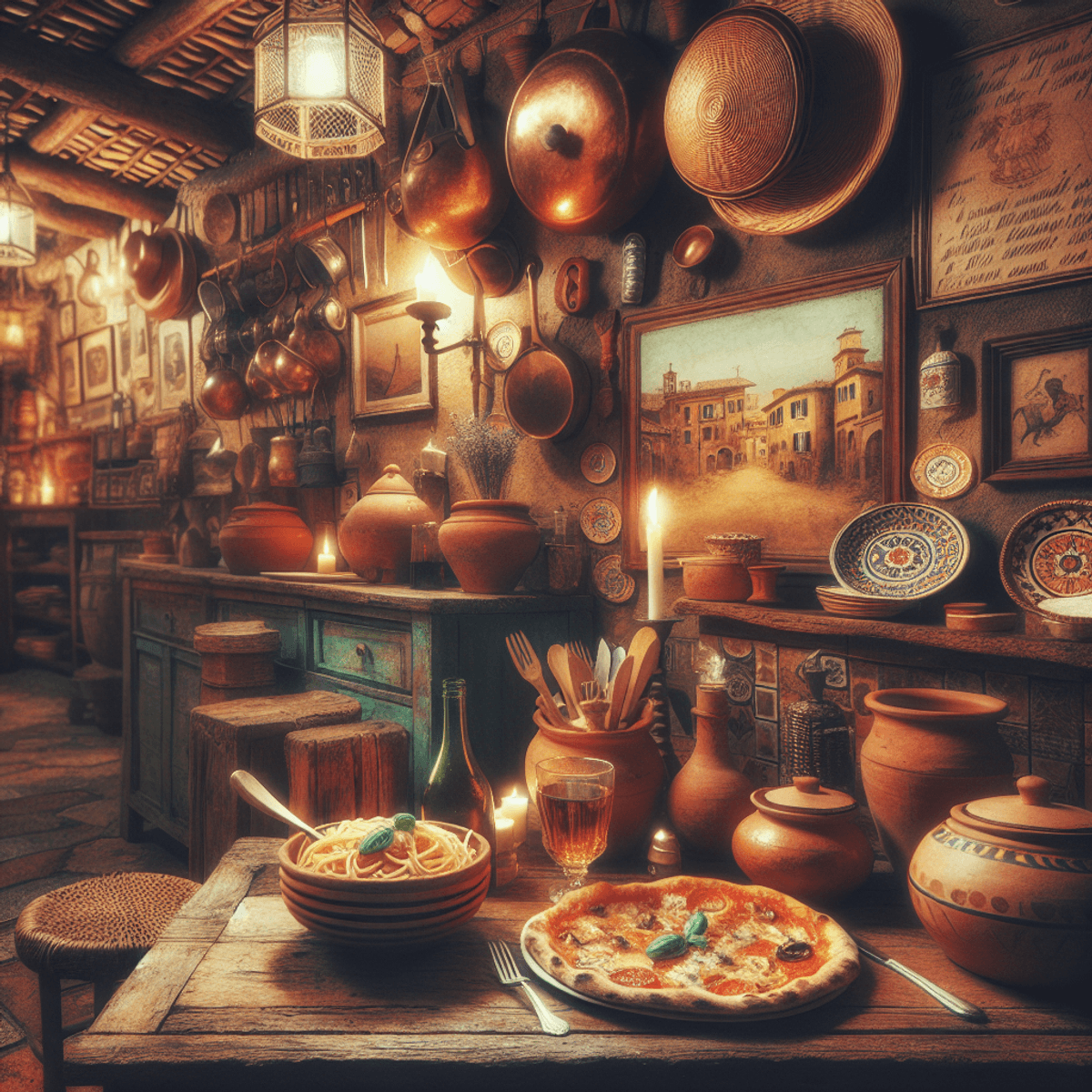
The choice of color schemes is equally important in redefining Italian dining aesthetic. Warm, earthy tones evoke the rustic charm of Italy’s countryside, encouraging patrons to relax and savor their meals. Additionally, vibrant bursts of color are strategically incorporated, reminiscent of Italy’s vibrant markets and culinary delights, further immersing guests in the Italian culinary experience.
Moreover, technology plays a pivotal role in modern ambiance. Smart lighting and sound systems are utilized to adjust the mood as the day progresses, ensuring that the atmosphere aligns with the dining occasion. This innovative approach not only elevates the dining experience but also aligns with the sustainable practices gaining traction within the culinary sector.
As Italian dining continues to evolve, the emphasis on creating a modern ambiance—one that reflects both tradition and innovation—remains pivotal in enhancing the overall experience for diners in 2025 and beyond.
Signature Dishes: Highlights of the 2025 Menu
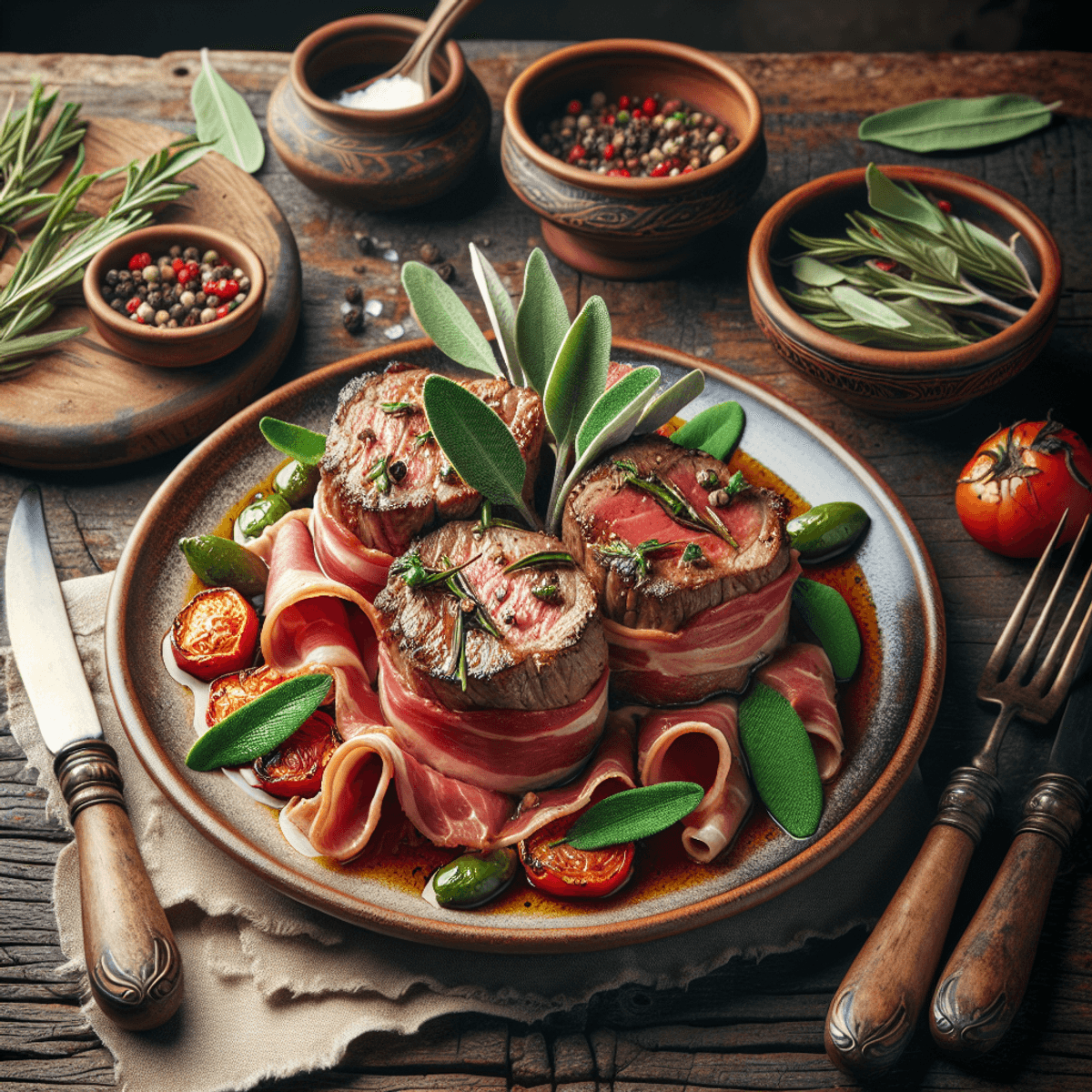
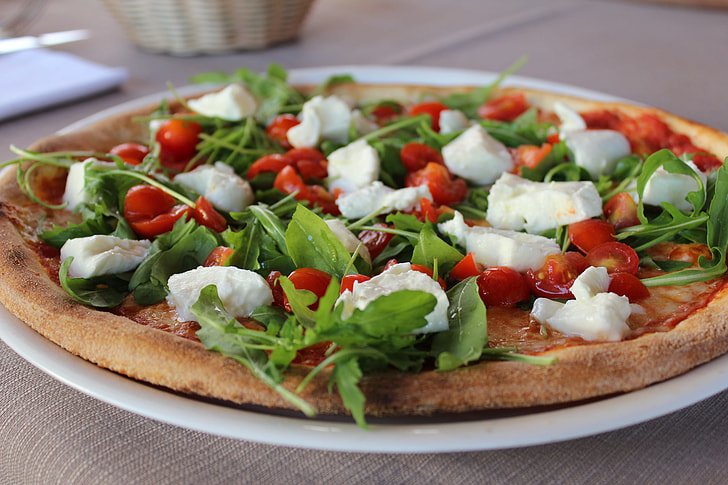
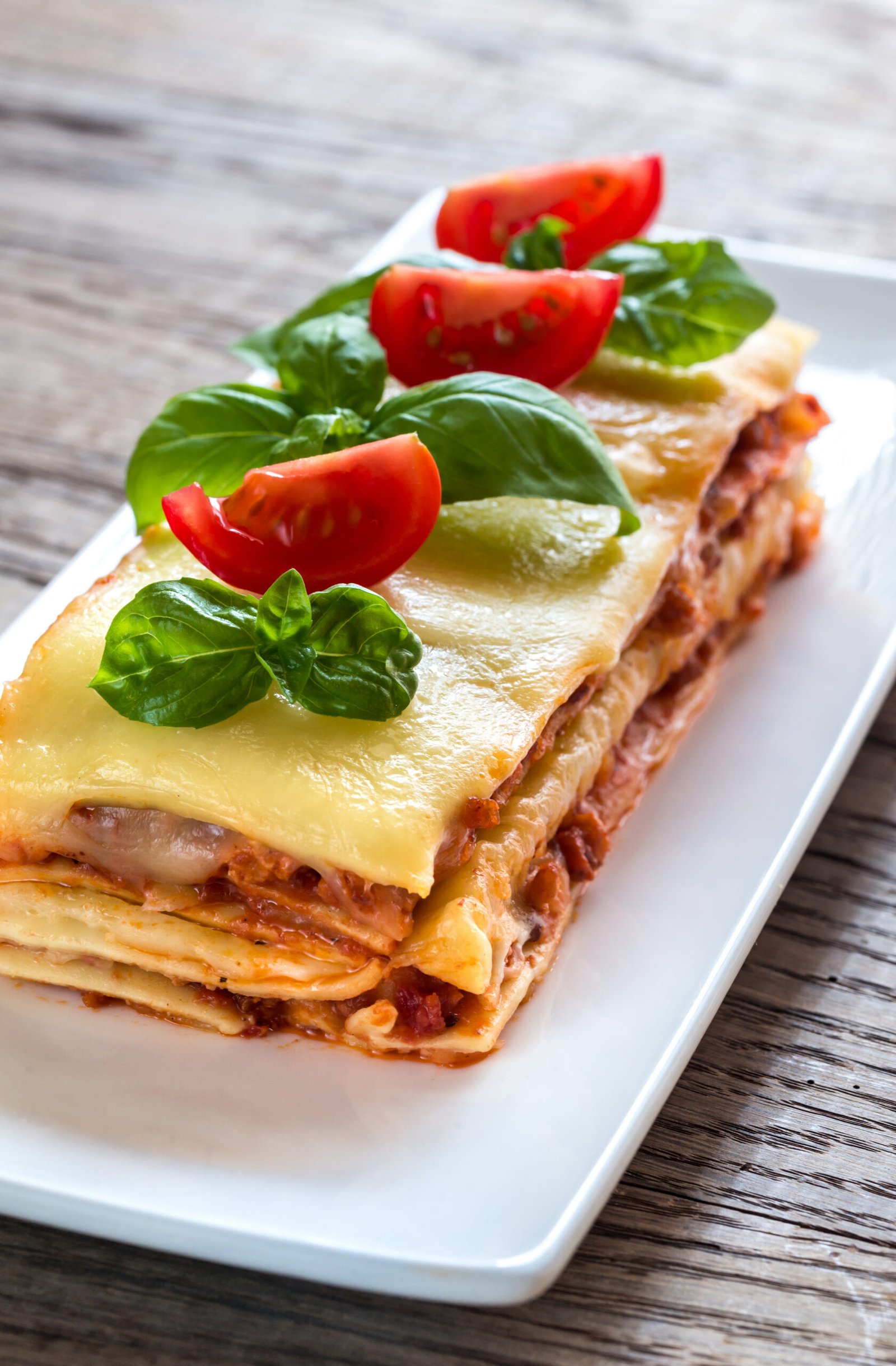
As we delve into the culinary landscape of 2025, a plethora of innovative dishes are set to make waves in Italian cuisine. These signature dishes not only elevate the dining experience but also reflect a commitment to sustainability and local sourcing that is becoming increasingly prevalent in modern gastronomy.
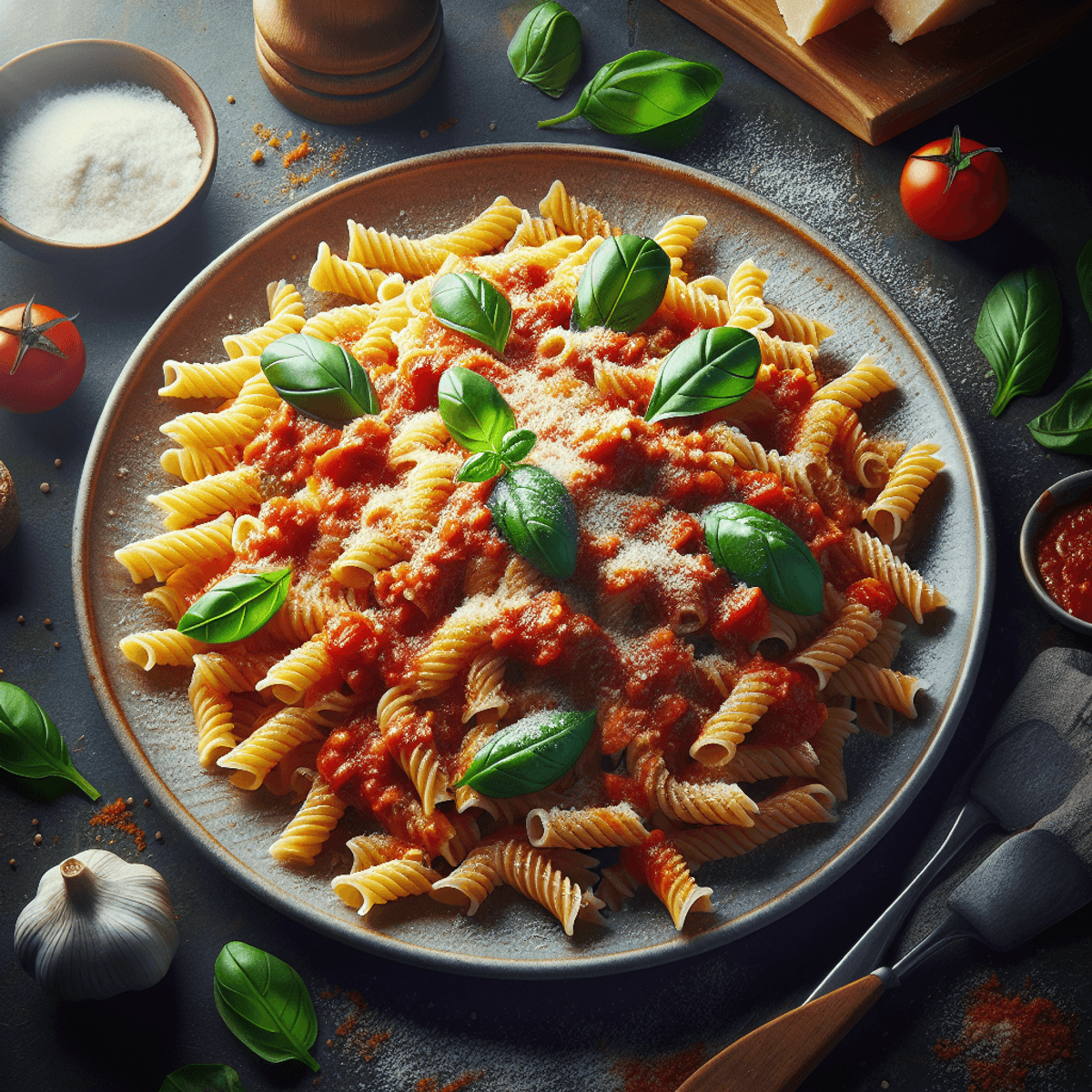
One of the standout dishes anticipated for 2025 is the Truffle-infused Risotto. This dish marries the classic flavors of creamy risotto with the earthy essence of truffles, creating an aromatic delight. A blend of Arborio rice, freshly grated Parmigiano-Reggiano, and locally sourced basil are enriched with truffle oil, resulting in a luxurious yet comforting meal. The presentation, enhanced with delicate edible flowers, promises to captivate diners not only with its taste but also its visual appeal.
Another anticipated highlight is the Osso Buco, where the traditional veal shank is reimagined with a bright, zesty sauce. Cooked slowly to perfection, this dish features a reduction of orange, lemon, and grapefruit juices, offering a refreshing contrast to the rich, tender meat.
With such exciting signature dishes on the horizon, the 2025 Italian menu promises to engage diners in a remarkable culinary journey, highlighting the balance between tradition and innovation.
Culinary Events: Engaging Diner Experiences
In 2025, the Italian culinary scene is poised to embrace a variety of engaging and immersive culinary events designed to create memorable dining experiences. These events will not only focus on the dishes served but also on fostering community interaction and cultural appreciation, allowing diners to connect with the essence of Italian cuisine.
Themed nights will become increasingly popular, offering patrons a chance to explore various regional dishes and culinary techniques. Each themed event may showcase a particular region of Italy, highlighting the unique flavors and ingredients that define its cuisine. For instance, an evening dedicated to Sicilian cuisine could feature traditional street food, local wines, and discussions led by chefs with expertise in the region’s culinary heritage. This approach not only enriches the dining experience but also educates guests about the diverse cultural tapestry that Italian food represents.
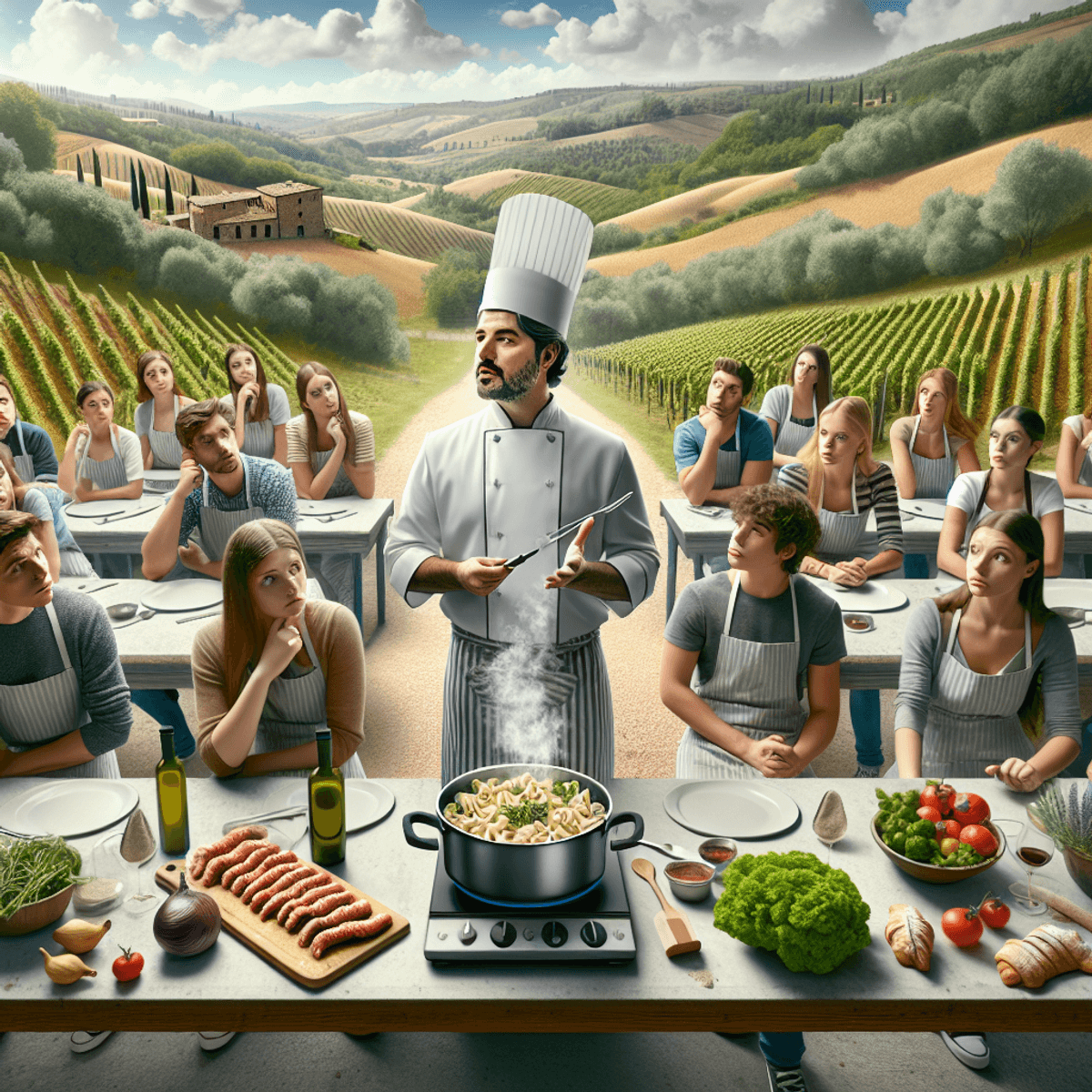
Chef’s table experiences are expected to gain traction as they provide a personal touch. Diners will have the opportunity to enjoy an exclusive meal prepared by renowned chefs, with a focus on storytelling and interaction. These intimate settings allow guests to ask questions, learn about the inspiration behind the dishes, and appreciate the craftsmanship involved in creating each course. This one-on-one experience fosters a deeper connection between diners and the culinary art, allowing for a greater appreciation of the techniques and traditions involved.
Moreover, regional food showcases will play an essential role in 2025’s culinary calendar. Restaurants and food festivals will provide platforms for local artisans, farmers, and chefs to collaborate, emphasizing the importance of seasonal and locally sourced ingredients. These events aim to highlight the richness of Italian culture while promoting sustainability and community involvement, ultimately transforming the dining experience into a shared celebration of food and tradition.
Commitment to Excellence: Ongoing Innovation
The Italian culinary landscape is known for its rich traditions and flavors, yet forward-thinking establishments are constantly evolving to ensure they remain at the forefront of dining excellence. A commitment to ongoing innovation is critical in this regard. Leading restaurants continually adapt their menus and services by staying attuned to global food trends, which enables them to deliver not only authentic but also contemporary flavors to their guests. By integrating international culinary practices with traditional Italian techniques, chefs are able to create a unique dining experience that resonates with both local patrons and international visitors.
The culinary teams play a pivotal role in this process, often participating in workshops and training sessions that focus on new cooking methods, ingredient sourcing, and sustainable practices. These educational opportunities empower chefs to enhance their craft, encouraging creativity and ingenuity in their dishes. For instance, incorporating plant-based ingredients and alternative proteins in traditional Italian recipes is a trend gaining traction, reflecting a growing consumer awareness of health and environmental concerns.
Feedback from guests is also an invaluable component of this commitment to excellence. Restaurants actively seek constructive feedback to refine their offerings, keeping in mind that each dish must not only be appealing in presentation but also engaging in flavor. This iterative process fosters an environment where continuous improvement is sought after. For example, tasting menus may evolve with insights gained from diners, ensuring that every culinary experience is not only memorable but consistently outstanding.
In summary, the commitment to ongoing innovation within Italian restaurants is paramount. By embracing global trends, investing in team development, and valuing guest feedback, these establishments ensure they provide exceptional dining experiences while honoring the essence of Italian cuisine.
Conclusion: Join Us for an Unforgettable Experience in 2025
The culinary landscape in 2025 promises to be a thrilling experience for food enthusiasts, particularly those with a passion for Italian cuisine. Recent innovations within the gastronomic scene showcase how traditional Italian recipes are skillfully reimagined to resonate with contemporary tastes and dietary preferences. This evolution highlights not only our dedication to preserving culinary heritage but also our commitment to adapting to modern dining expectations.
For both locals and visitors, the opportunity to explore an innovative Italian restaurant in Singapore is one not to be missed. As chefs incorporate cutting-edge techniques alongside seasonal, locally sourced ingredients, diners can look forward to an exquisite fusion of flavors that characterize the future of dining. Engaging with gastronomy in this manner extends beyond mere taste; it becomes an immersive journey where the atmosphere and presentation play equally significant roles.
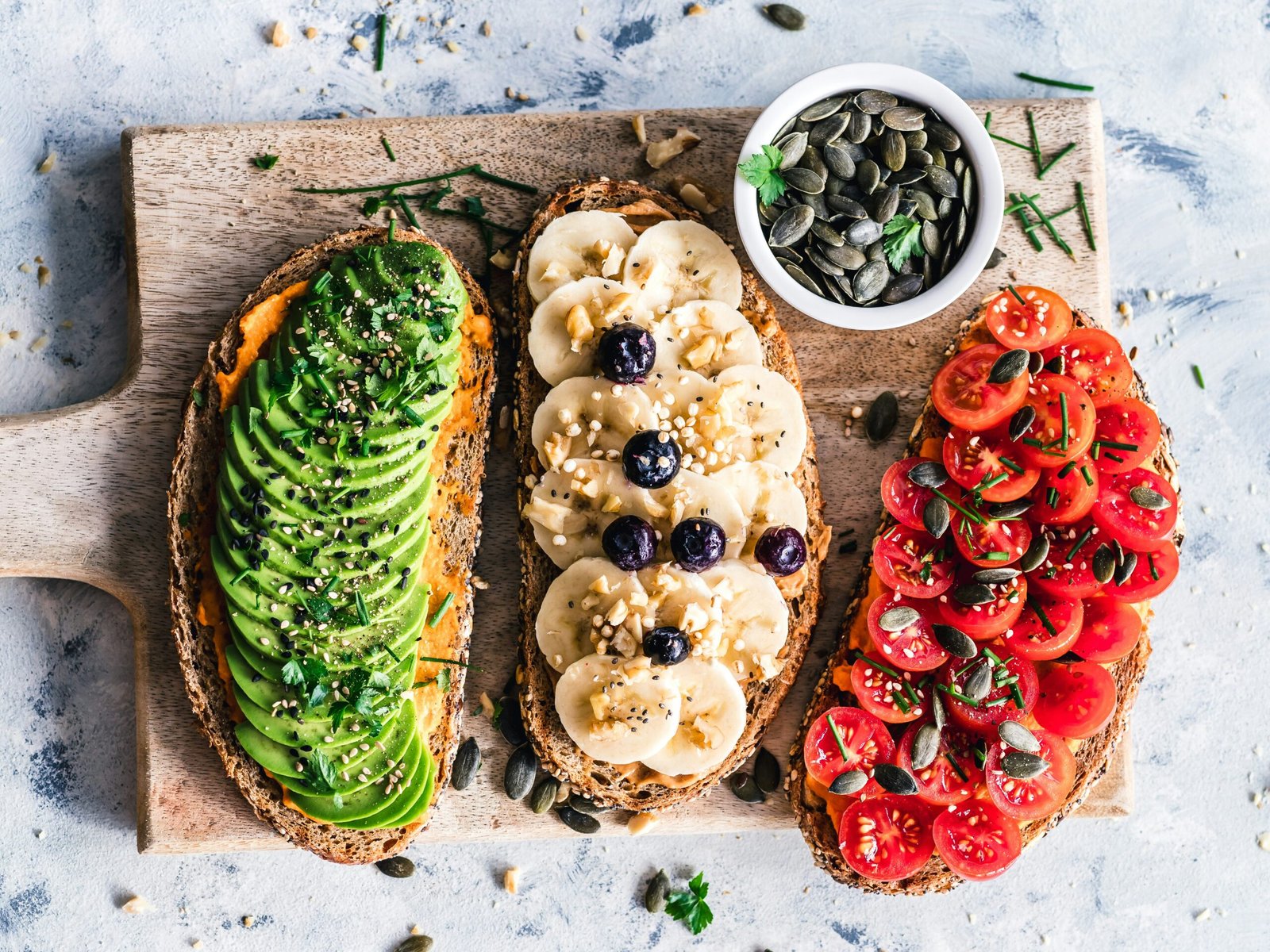
Furthermore, the ongoing dialogue surrounding sustainability and health-conscious eating is taking center stage in 2025, with Italian cuisine paving the way for responsible culinary choices. Our restaurant will focus on plant-based alternatives, thoughtfully crafted to retain the authenticity of beloved Italian dishes. This commitment reflects the restaurant’s vision of fostering a more conscientious approach to dining, ensuring that patrons enjoy meals that are both delicious and aligned with modern values.
We invite you to reserve a table and experience firsthand the remarkable transformations within Italian cuisine. The culinary trends of 2025 offer a vibrant tapestry of tastes and textures your palate will surely appreciate. Join us as we embark on this exciting culinary journey, where every dish tells a story, and each visit promises to be memorable.