The Importance of Bread in Italian Culture
Bread holds a place of profound significance within Italian culture, serving not only as a staple food but also as a symbol of hospitality and community. In Italy, bread is ubiquitous, accompanying nearly every meal and acting as the foundation upon which various culinary traditions are built. The phrase “pane e companatico” best reflects this relationship, as it signifies the pairing of bread with other foods, underscoring its role as an essential component of the Italian dining experience.
With a rich variety of traditional breads reflecting the regional diversity across the country, each type carries its unique story and identity. From the crispy and rustic “ciabatta” of Tuscan origin to the soft and fluffy “focaccia” from Liguria, these breads are not only enjoyed for their flavors but also evoke a sense of place and tradition. In the southern regions, one might find “pane di Altamura,” made from durum wheat and famous for its distinct taste, while in the north, “panettone,” typically enjoyed during festivities, illustrates the adaptability and creativity of Italian baking practices.
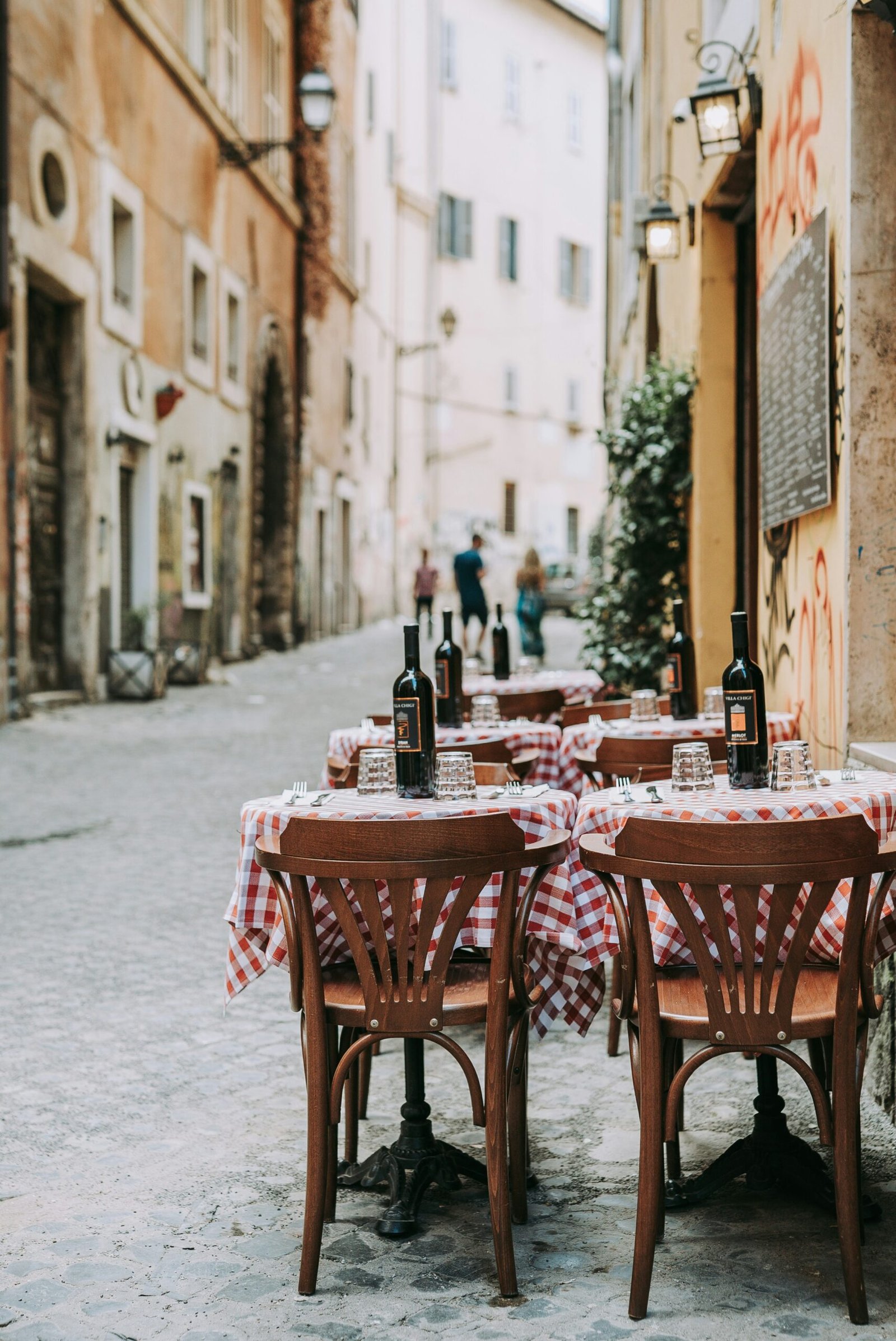
Bread in Italian culture also embodies a sense of sharing and togetherness. It is customarily served at the dining table, encouraging communal eating and allowing diners to partake in each other’s dishes, symbolizing the bonds of family and friendship. This practice highlights the importance of bread beyond mere sustenance; it represents love, warmth, and an invitation to gather around a table. Overall, the centrality of bread in Italian dining reflects its integral role in shaping the country’s culinary landscape and cultural identity, making it far more than just food—bread is the very essence of Italian life and tradition.
Selecting the Ingredients: The Foundation of Italian Bread
In the realm of Italian bread making, the selection of ingredients is paramount, as they form the backbone of quality and authenticity. The traditional Italian bread relies on four essential components: flour, water, yeast, and salt. Each of these ingredients plays a crucial role in the overall flavor, texture, and durability of the bread.
Starting with flour, the type used significantly influences the final product. One of the most commonly utilized flours in Italian baking is ’00’ flour, characterized by its fine ground texture and high protein content. This flour is central to creating the desired elasticity and structure in the bread, making it a preferred choice for artisan bakers. Moreover, ’00’ flour is known for achieving a soft crumb and a crisp crust, which is often associated with authentic Italian bread. In addition to ’00’ flour, semolina flour is also utilized, particularly in regional breads, imparting a distinct flavor and color.
Water is another vital ingredient in bread making. The quality of water can greatly affect the fermentation process and ultimately the taste of the bread. Natural spring water is often preferred for its purity, as it can enhance the bread’s overall flavor profile. Furthermore, using water at the right temperature is crucial to activating yeast effectively, ensuring a proper rise.
Yeast, whether natural or commercial, is essential for fermentation. The trend of using natural yeast, often referred to as sourdough starter, is gaining traction among bakers who value the complex flavors it can impart. Similarly, artisanal methods foster a better interaction between yeast and other ingredients, resulting in bread that not only tastes authentic but also boasts a delightful texture.
Lastly, salt is indispensable, not only for seasoning but also for regulating yeast activity during fermentation. The caliber of salt can impact flavor nuances and the overall quality of the bread. By thoughtfully selecting these key ingredients, bakers can create Italian bread that reflects the tradition and culinary heritage of Italy.
The Baking Process: Steps to Perfect Italian Bread
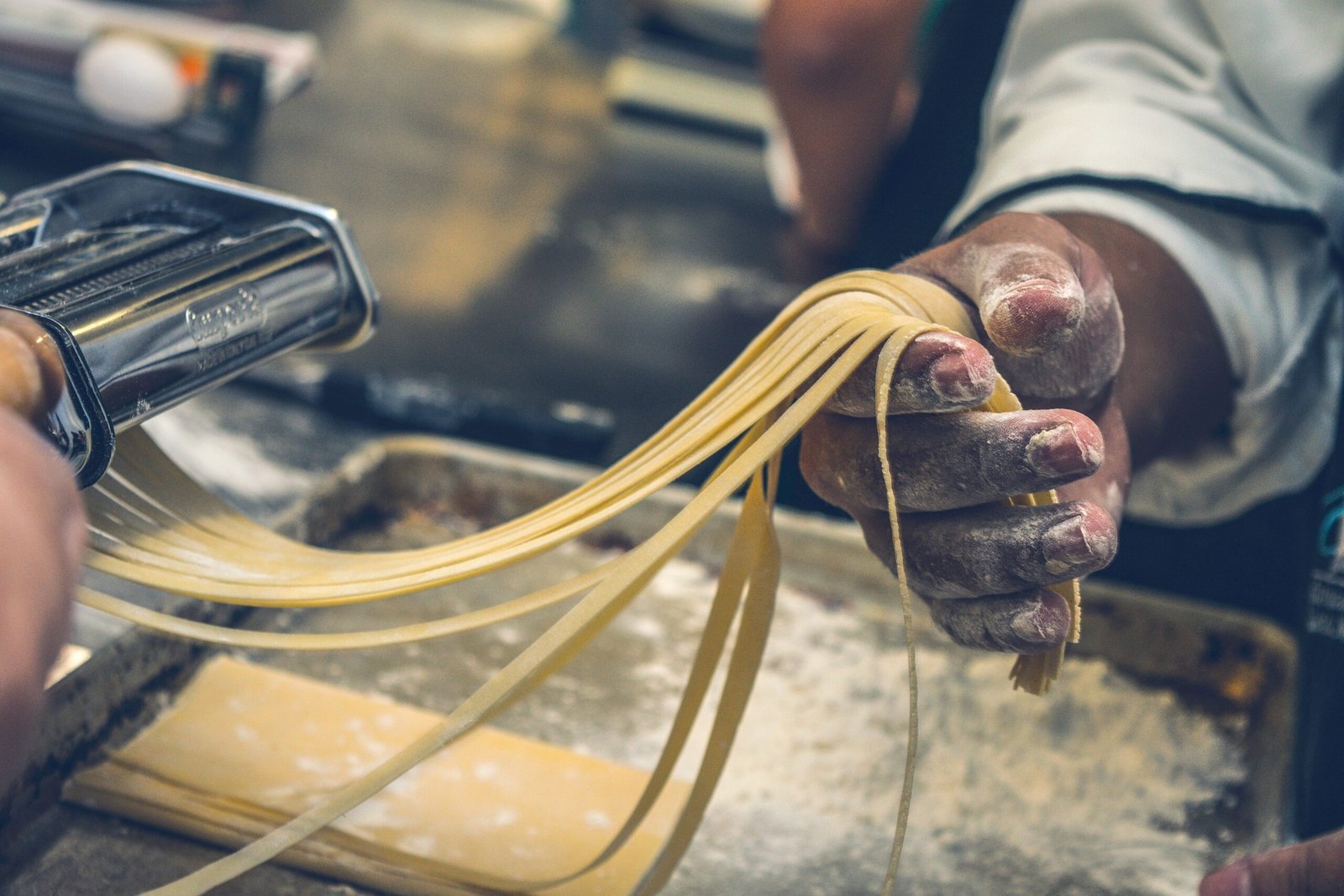
Baking traditional Italian bread is an intricate process that emphasizes technique, time, and the right ingredients. It begins with the selection of quality flour, typically a high-protein type such as bread flour, which aids in the formation of gluten. The first step is to mix the flour with water, salt, and yeast. The water should be at room temperature to facilitate yeast activation, ensuring optimal fermentation. The yeast is crucial as it acts as a leavening agent, introducing air and creating bubbles in the dough, which will aid in its rise.
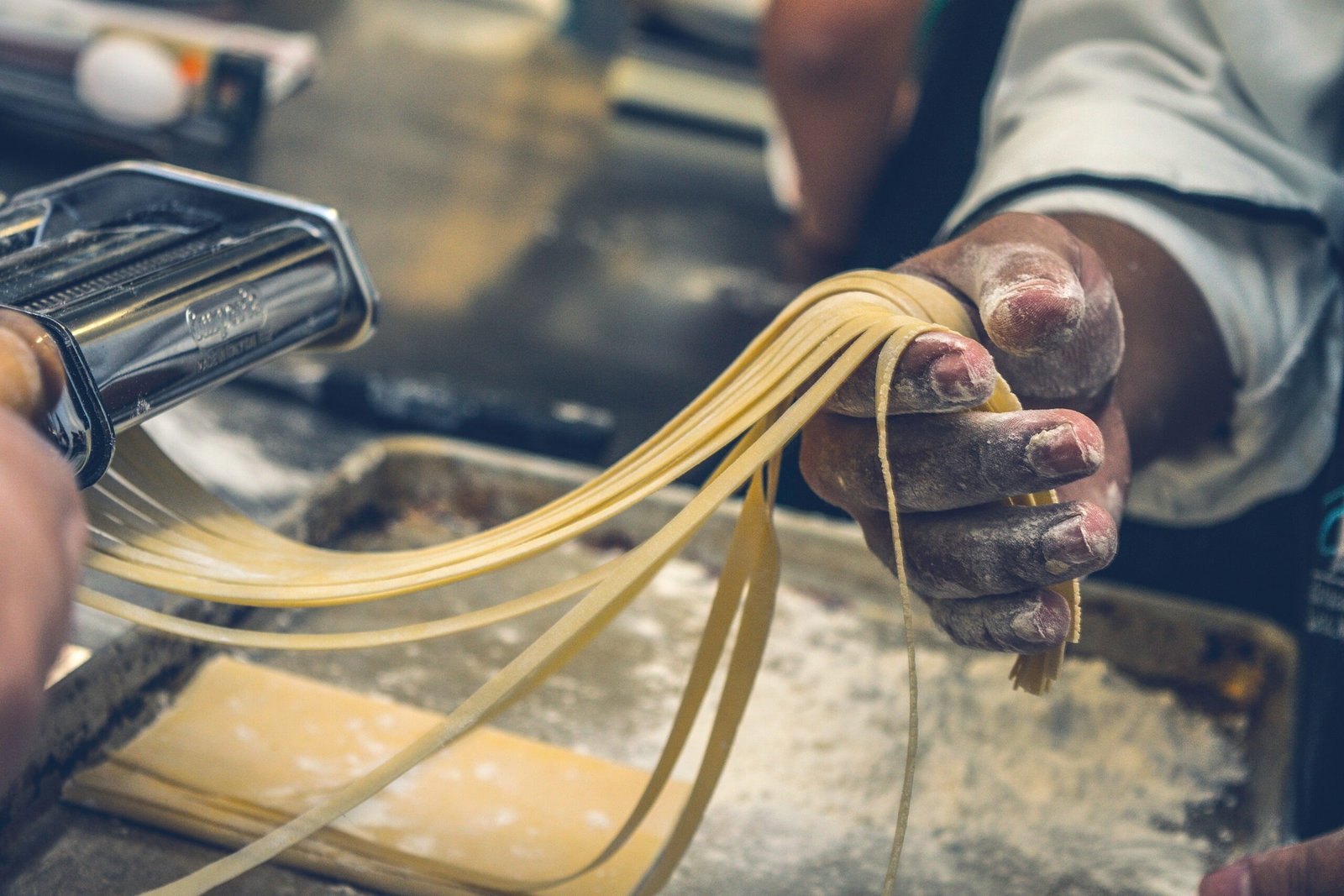
Following mixing, the dough undergoes kneading. This step is vital for developing gluten, which provides structure and elasticity. Kneading can be performed by hand or with a mixer. The dough is worked until smooth and elastic, usually taking around 10 to 15 minutes. This process encourages the formation of gluten strands that trap gas released during fermentation, giving the bread its characteristic texture.
Once kneading is complete, the dough needs to rest. This resting period, or bulk fermentation, allows the yeast to work its magic, developing flavor and increasing dough volume. The ideal temperature for this stage is about 24 to 28 degrees Celsius, as warmer temperatures accelerate fermentation. During this time, the dough should be gently folded to enhance its strength and redistribute the yeast.
After bulk fermentation, the dough is shaped into loaves. Traditional Italian bread often takes on distinctive shapes, whether it be a round ball or long baguette forms. The shaping process is not merely aesthetic; it affects how the bread will bake and its final texture. After shaping, the loaves require a second proofing period to allow further yeast action.
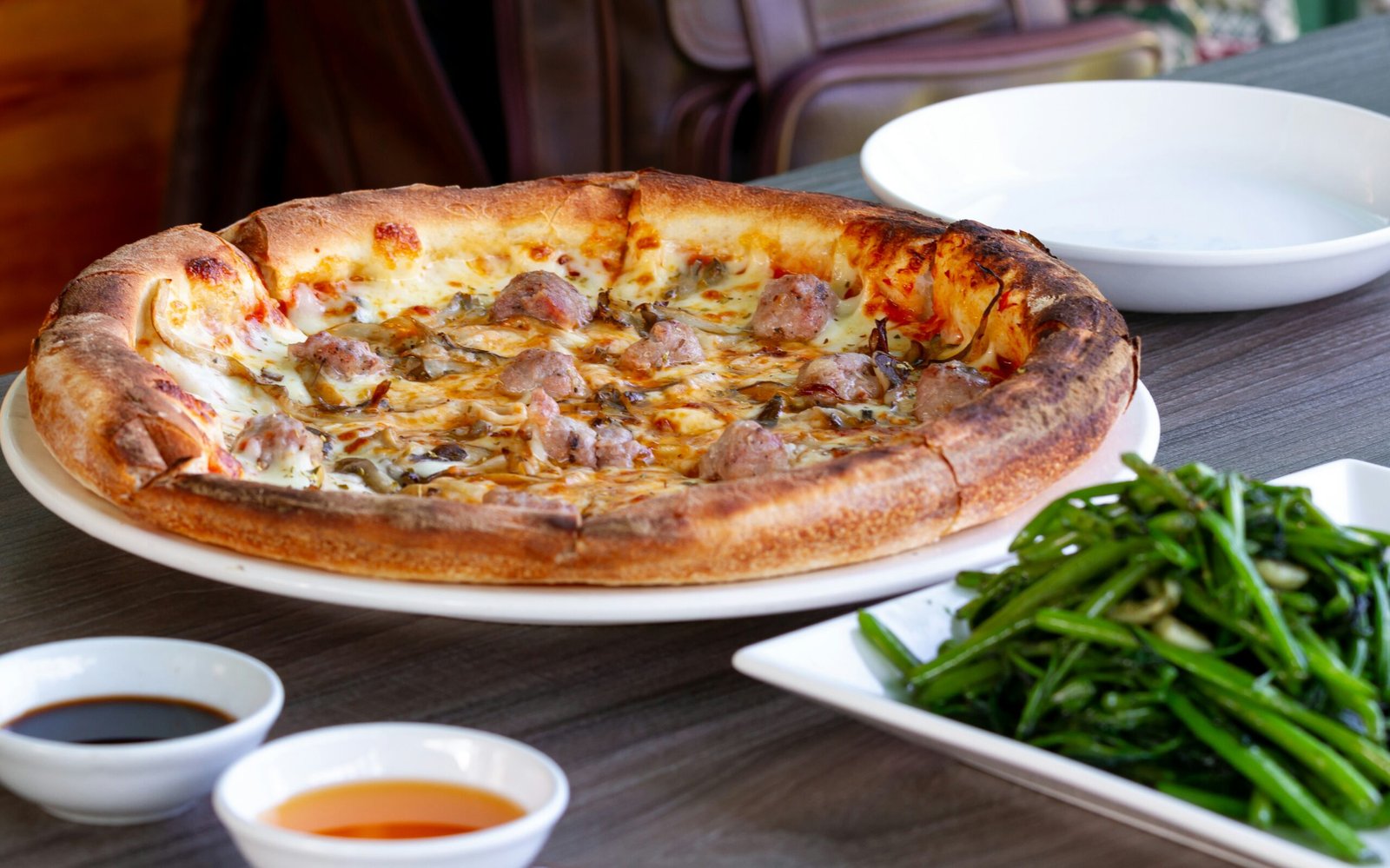
Finally, the bread is ready for baking, often in a wood-fired oven, which imparts a unique flavor and crisp crust. The high temperatures create a crust that is hard, while the inside remains soft and airy. The baking process concludes when the bread reaches a golden-brown color and gives a hollow sound when tapped on the bottom, indicating readiness. With attention to each step, one can achieve the rich flavors and textures that define authentic Italian bread.
From Oven to Table: Serving and Pairing Italian Bread
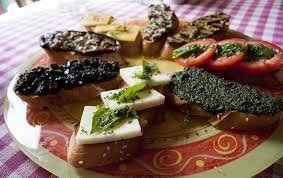
Italian bread holds a central place in Italian dining, serving not only as a staple but as an integral part of the culinary experience. When it comes to serving and pairing, the versatility of Italian bread is evident across various traditional meals. Commonly enjoyed alongside antipasti, slices of crusty bread complement a variety of cured meats, cheeses, and marinated vegetables, enhancing the flavors and textures present in these appetizers.
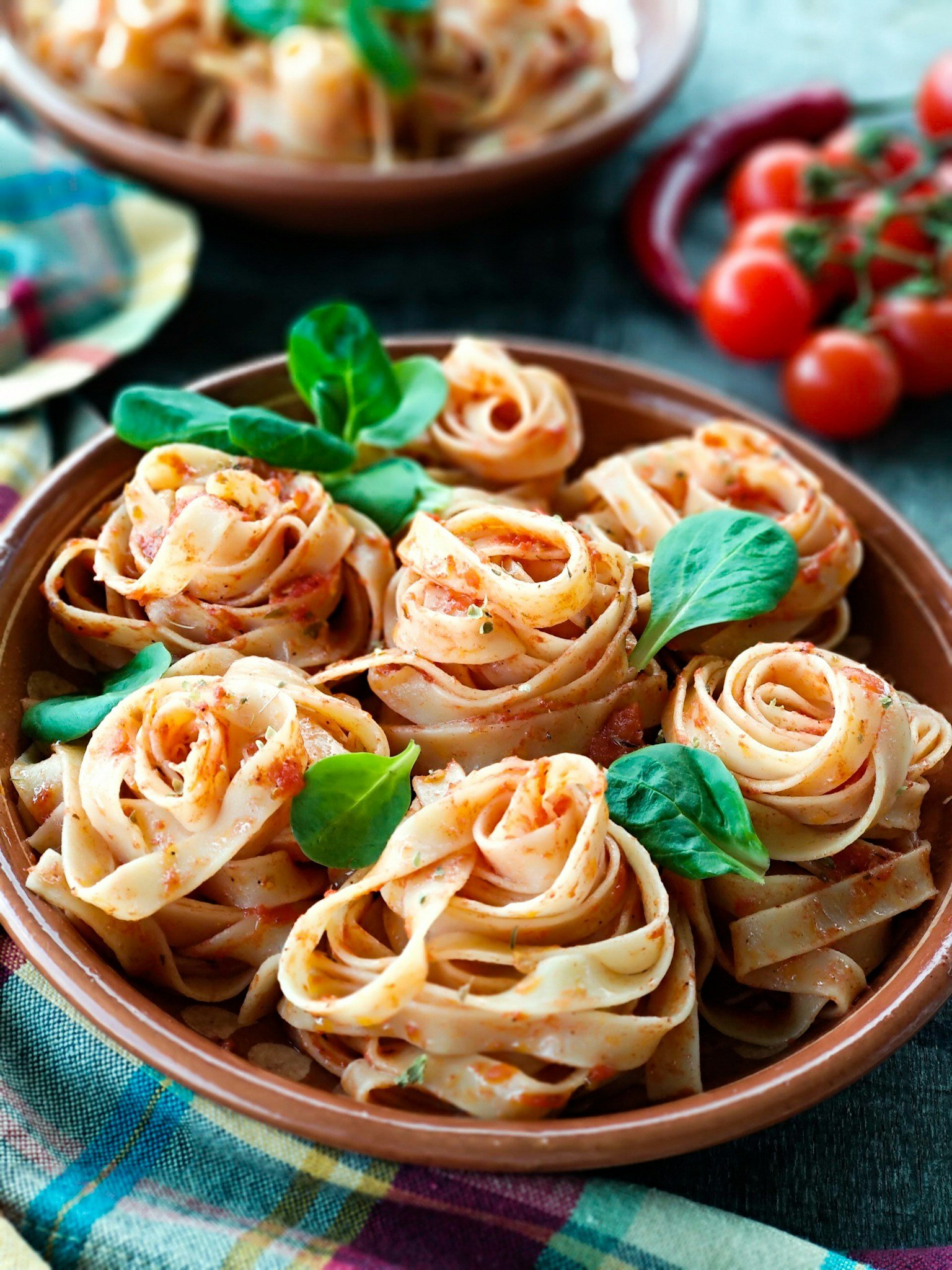
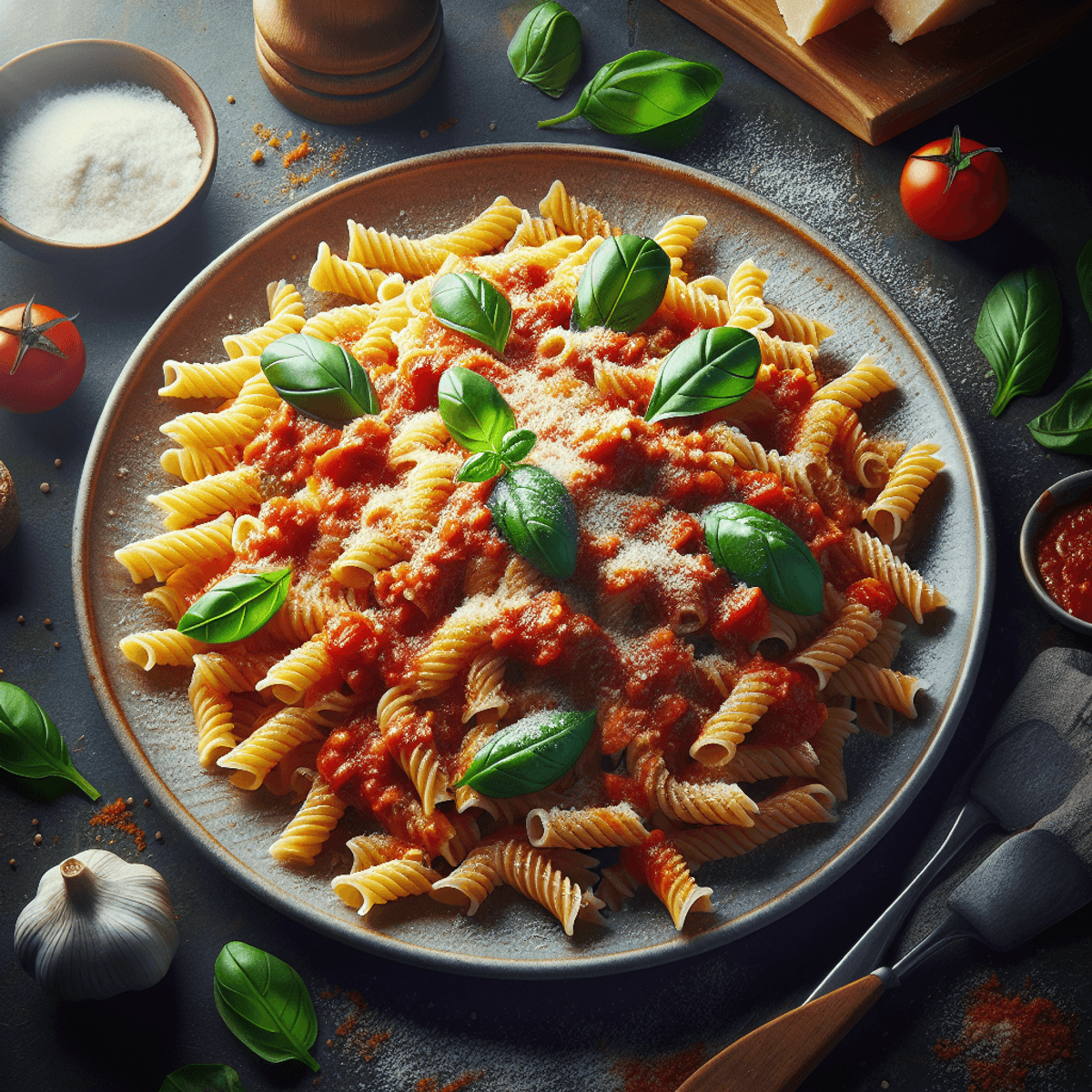
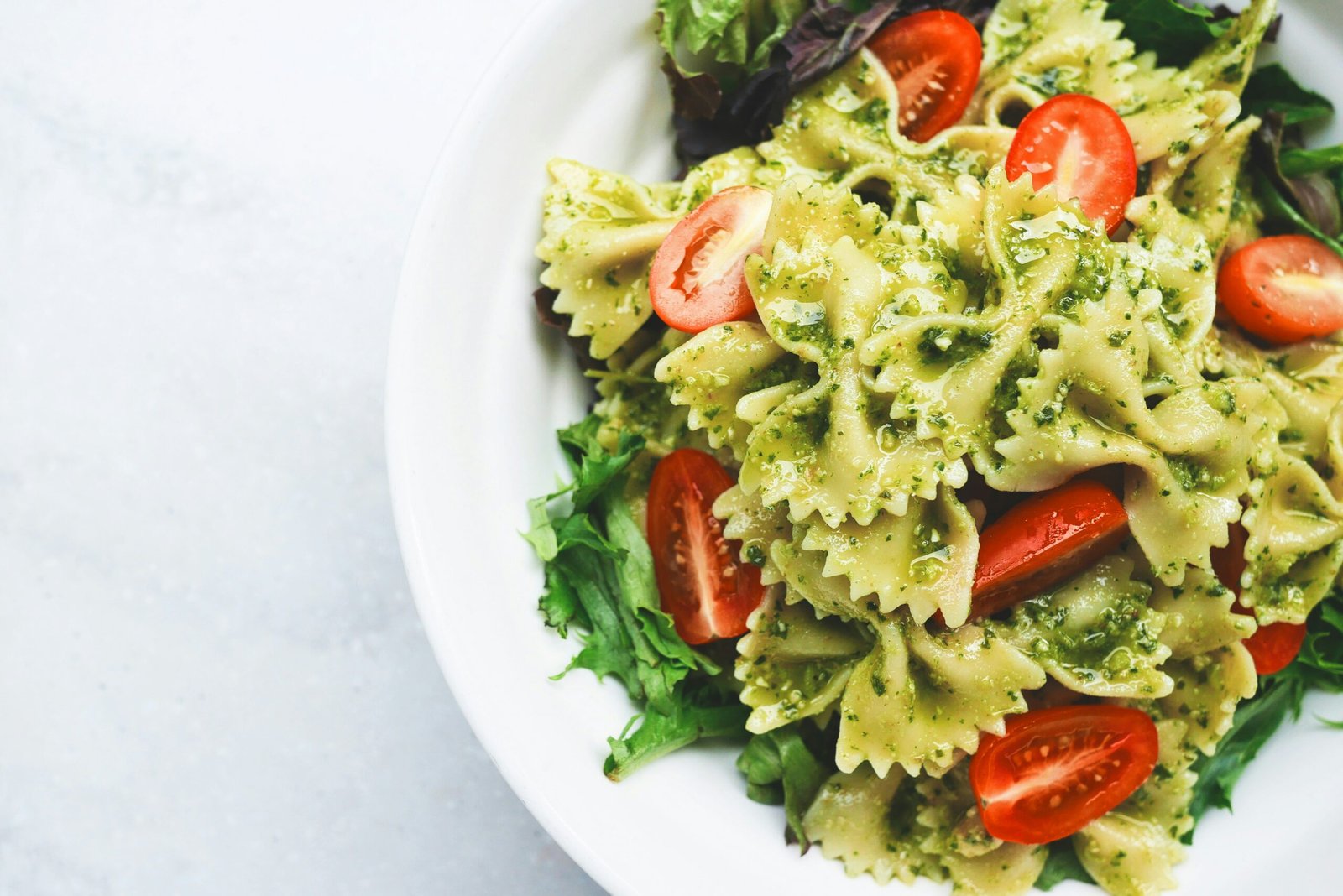
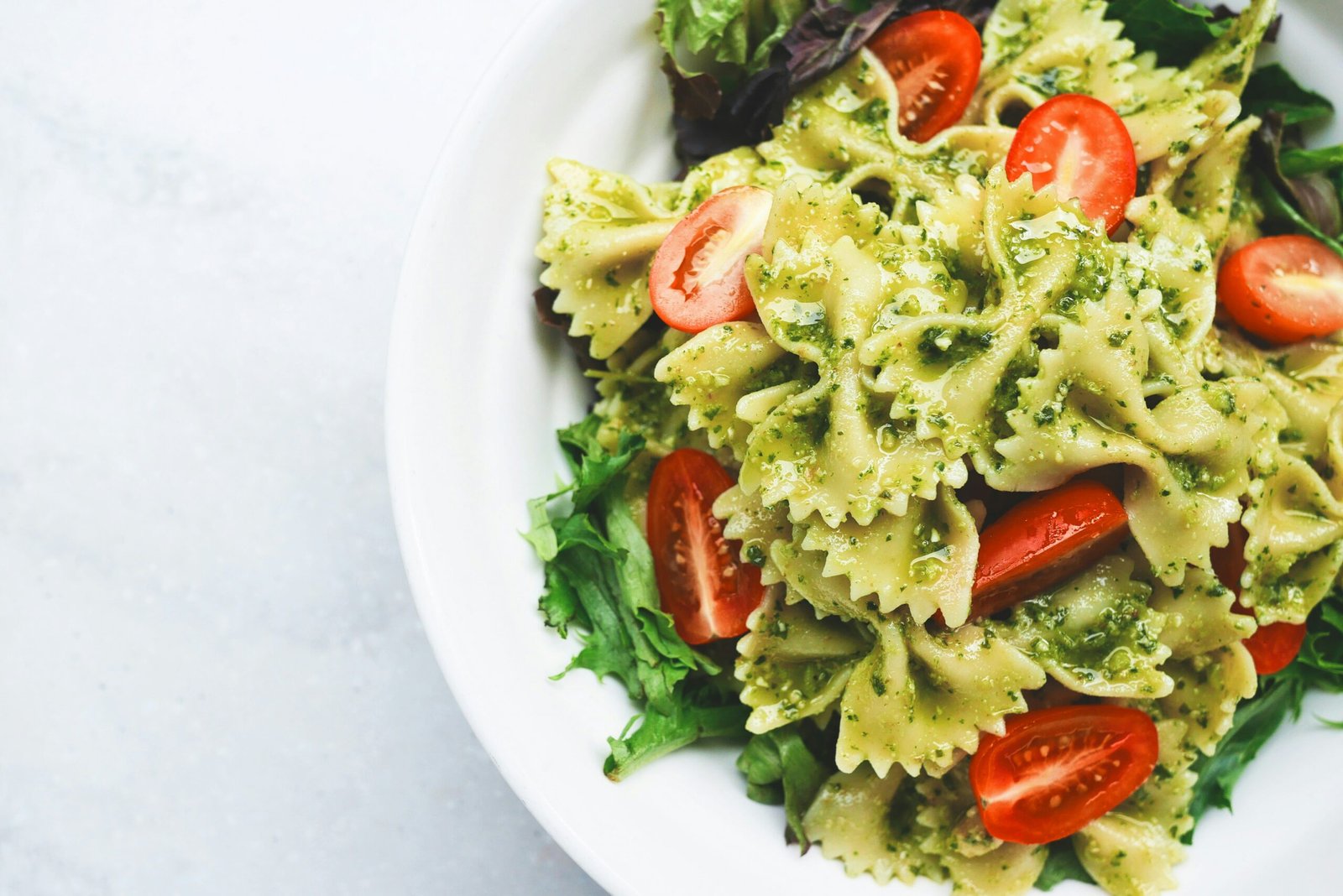
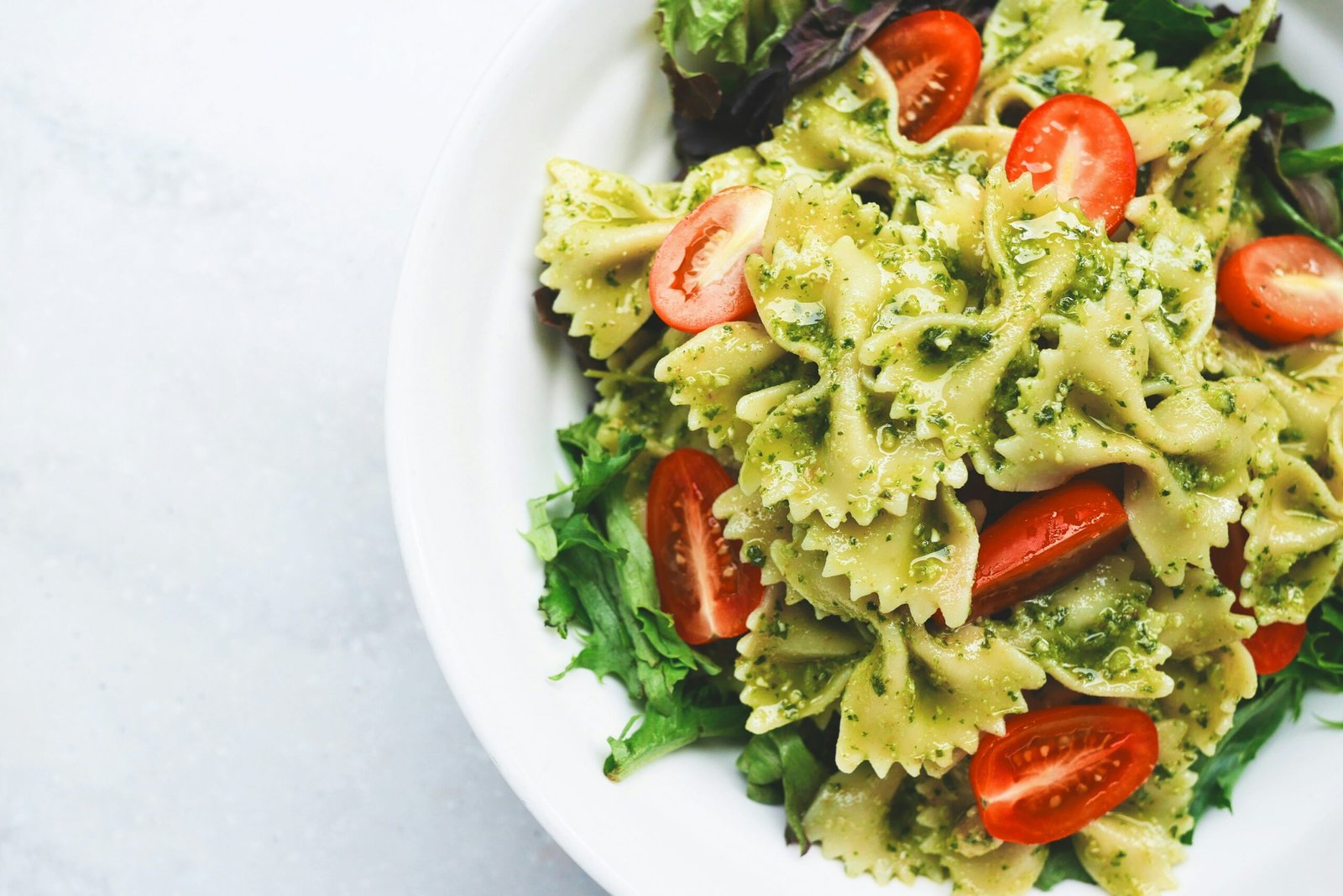
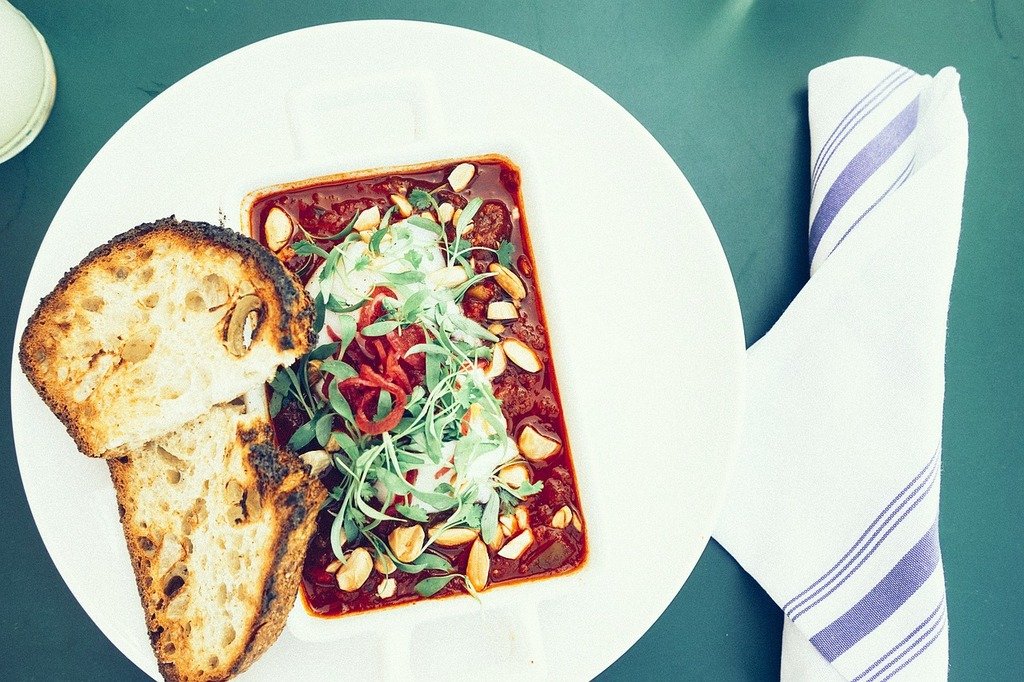
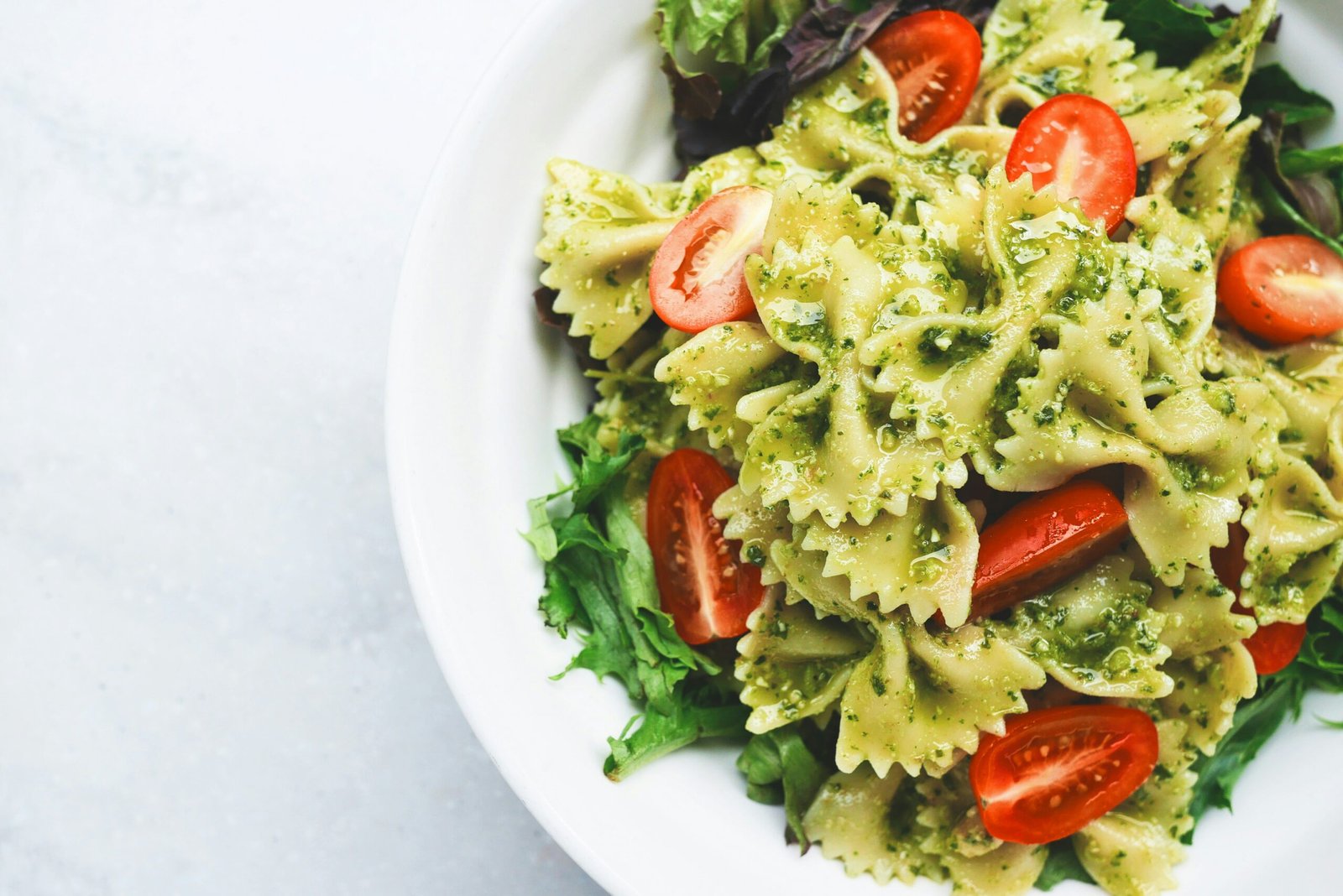
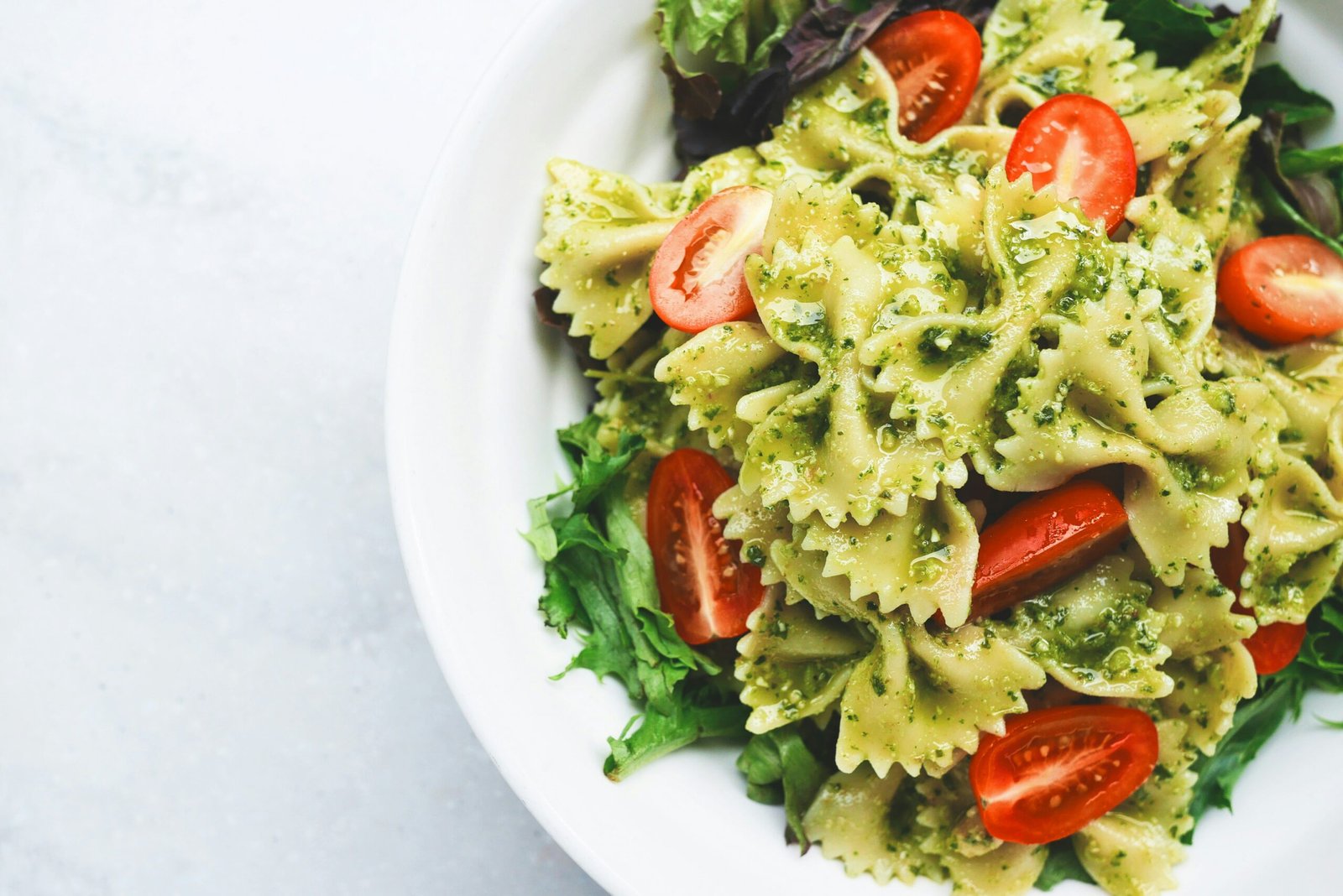
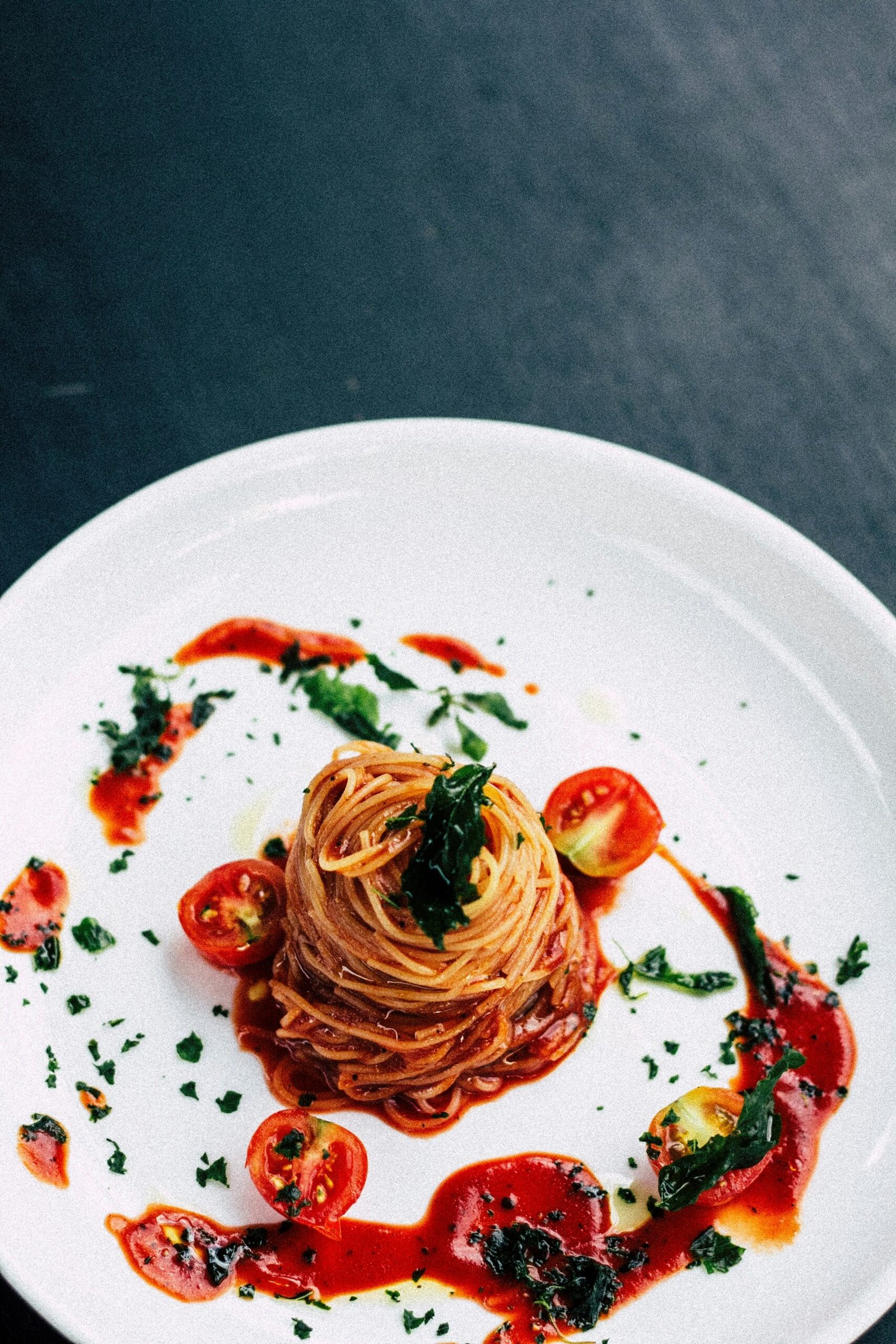
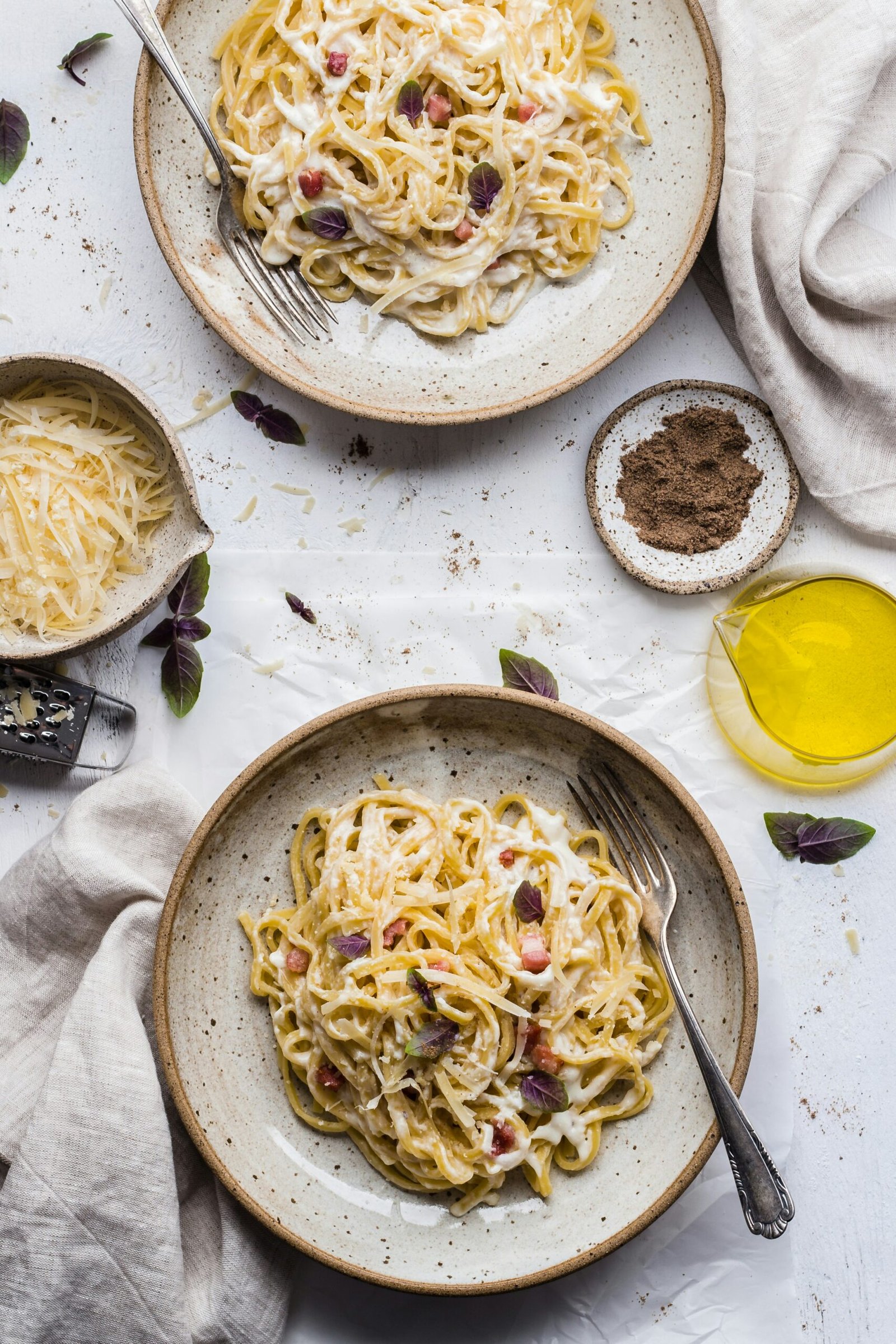
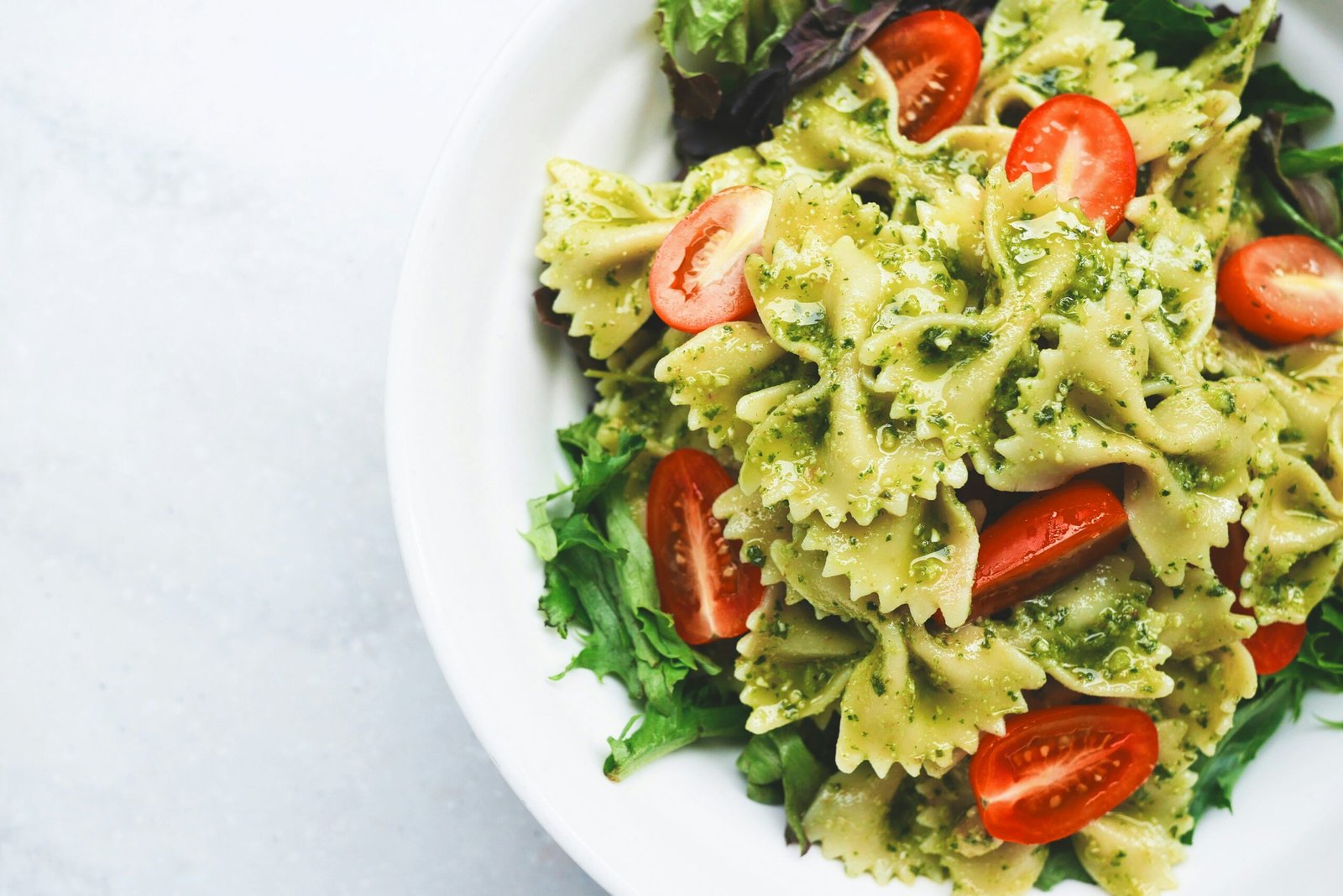
During the main course, Italian bread plays a crucial role, particularly with pasta dishes and soups. For example, a rich bowl of minestrone or ribollita is often accompanied by a generous hunk of rustic bread, which diners use to soak up the hearty broth. Similarly, lighter pasta dishes, such as spaghetti aglio e olio, are frequently served with a side of bread to balance the meal. The marriage of flavors and textures that occurs through these pairings is a dalliance of simplicity and tradition.
Regionally, the method of serving bread can vary significantly. In coastal areas, light, artisan breads may accompany seafood dishes, while in the countryside, denser varieties, like pane toscano, might find their place beside robust meat preparations. This regional distinction highlights how local ingredients and culinary customs shape the dining experience.
In recent times, a resurgence of artisanal practices has influenced contemporary dining trends. Today, it is common to encounter stylish artisanal bread boards in restaurants, featuring a selection of homemade breads alongside dips and spreads. This modern approach not only celebrates traditional baking methods but also encourages diners to explore the breadth of flavors that Italian bread can offer. In essence, the art of serving and pairing Italian bread continues to evolve, maintaining its significance within both historic and innovative Italian cuisine.