Understanding Italian Cuisine
Italian cuisine is celebrated worldwide for its rich flavors, diverse ingredients, and regional distinctions. The essence of this gastronomic tradition can be traced back centuries, deeply rooted in the unique cultural influences found across Italy’s various regions. From the northern Alpine areas to the southern Mediterranean coast, each region boasts its own specialties, reflecting local agricultural practices and historical influences.
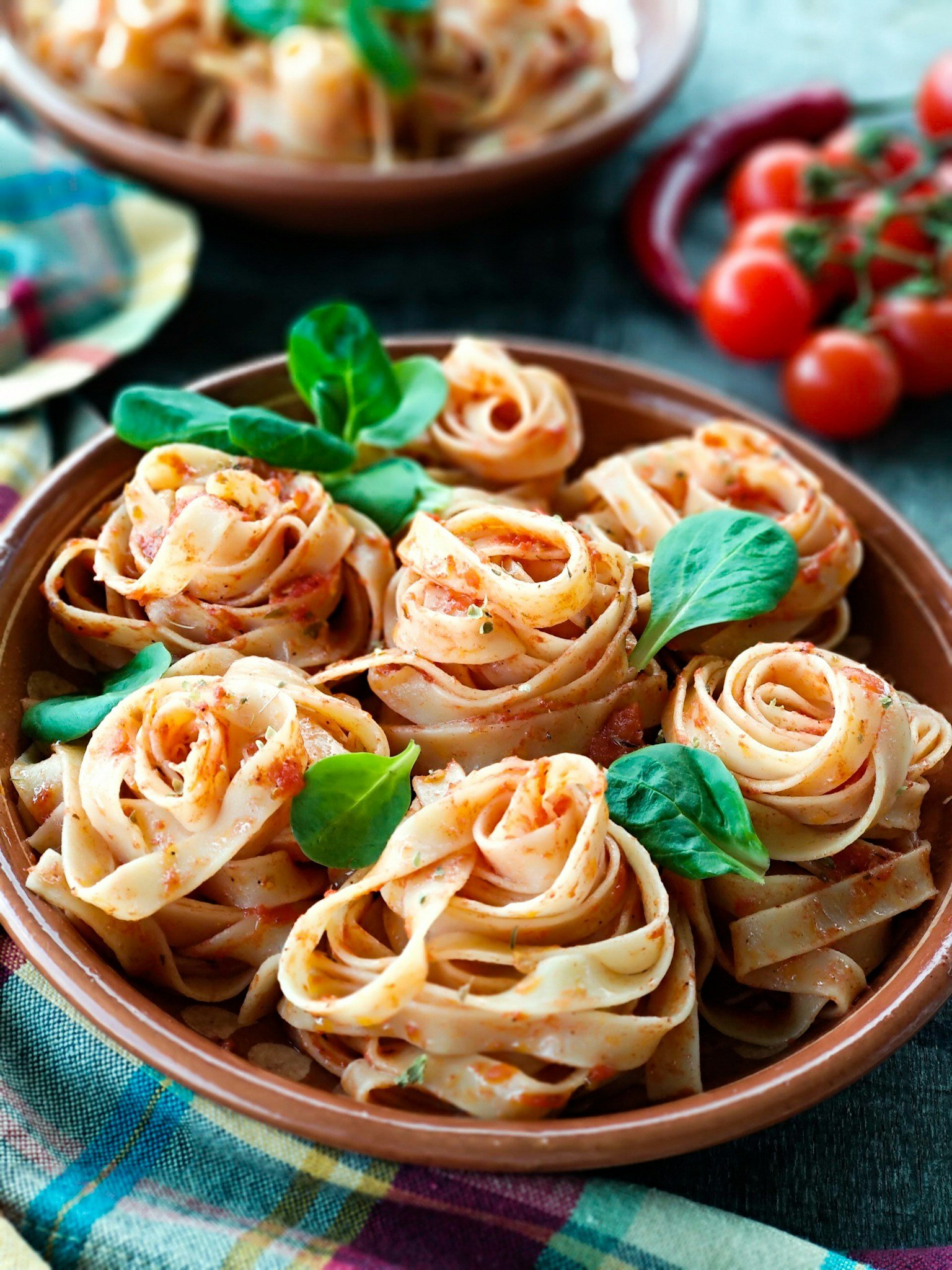
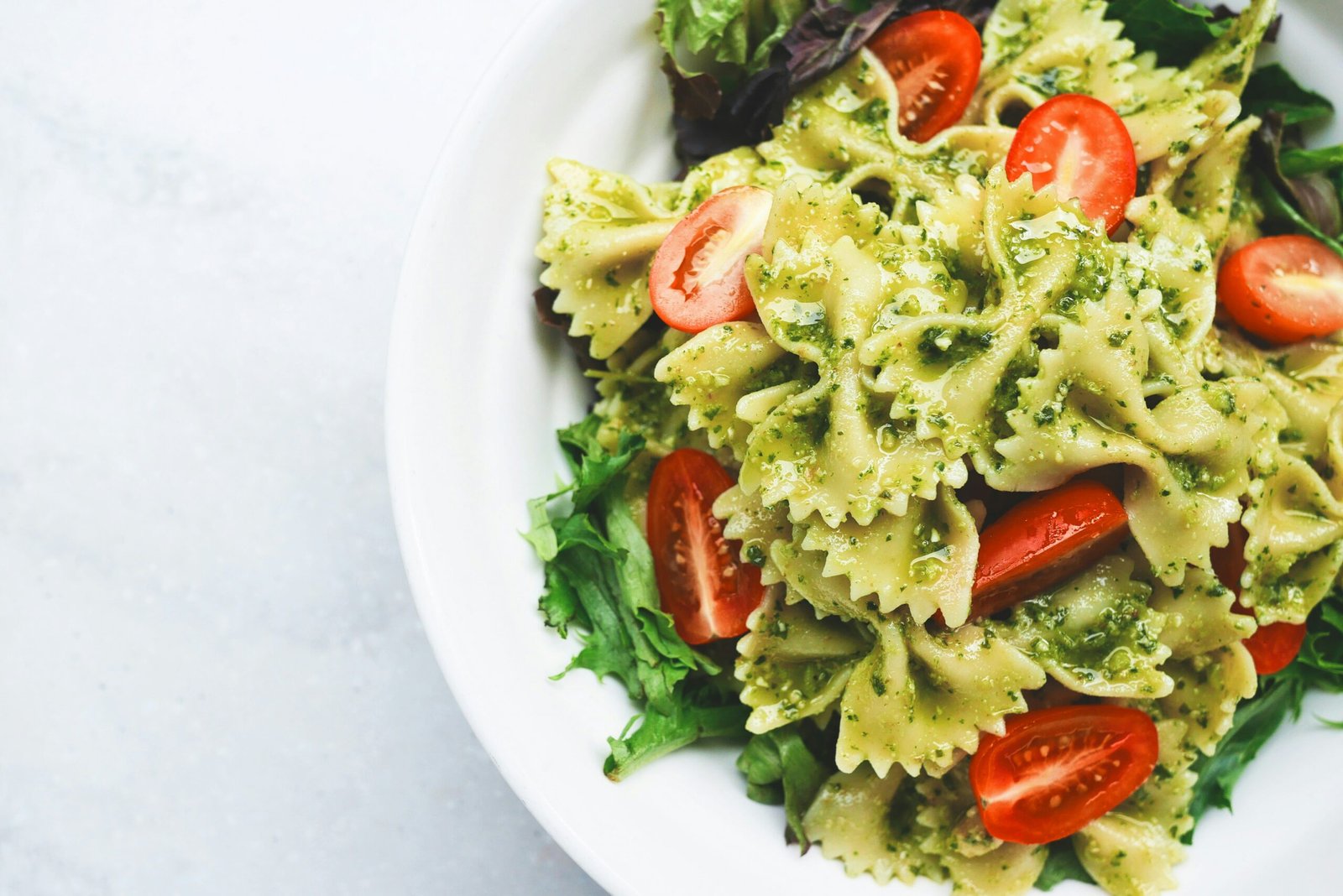
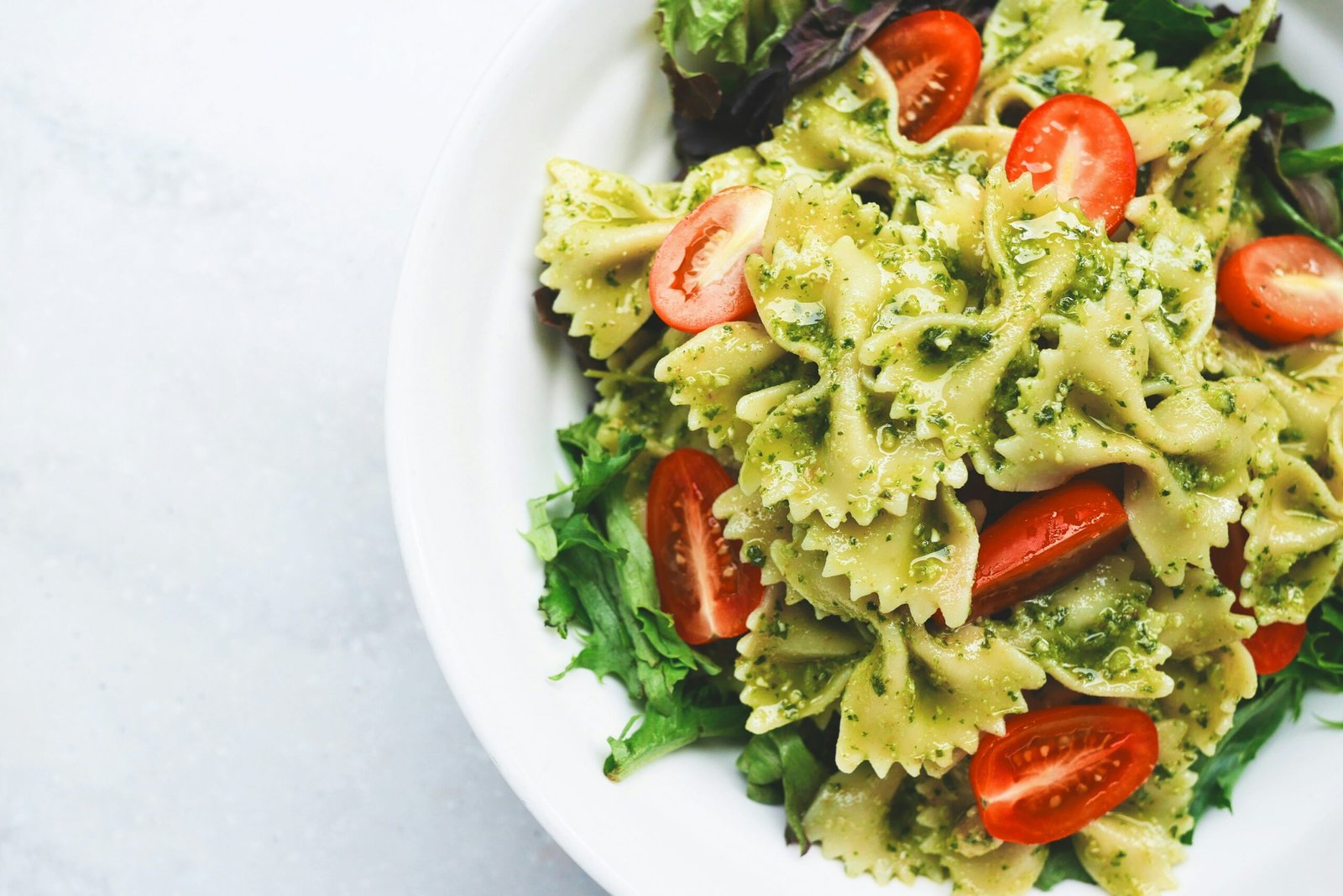
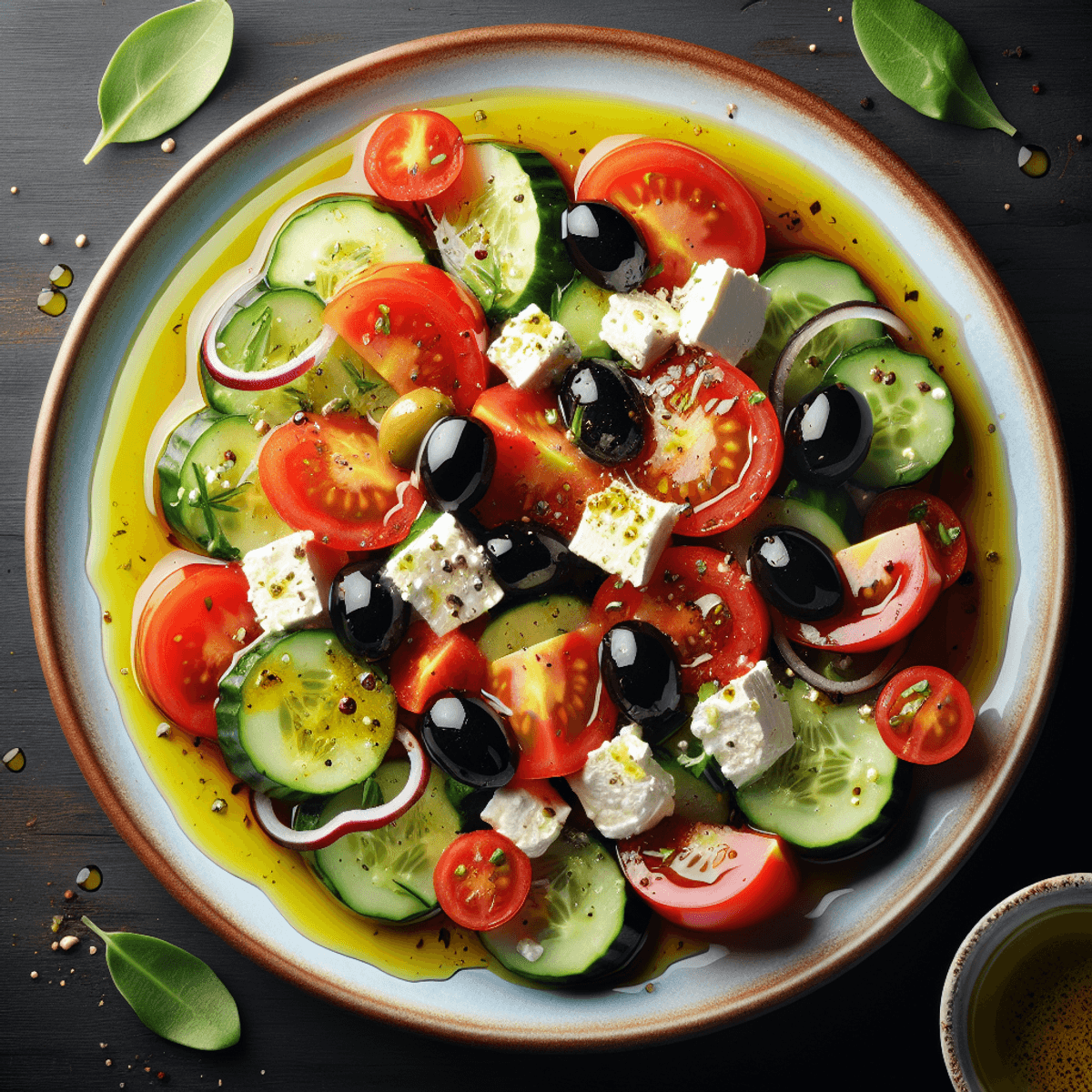
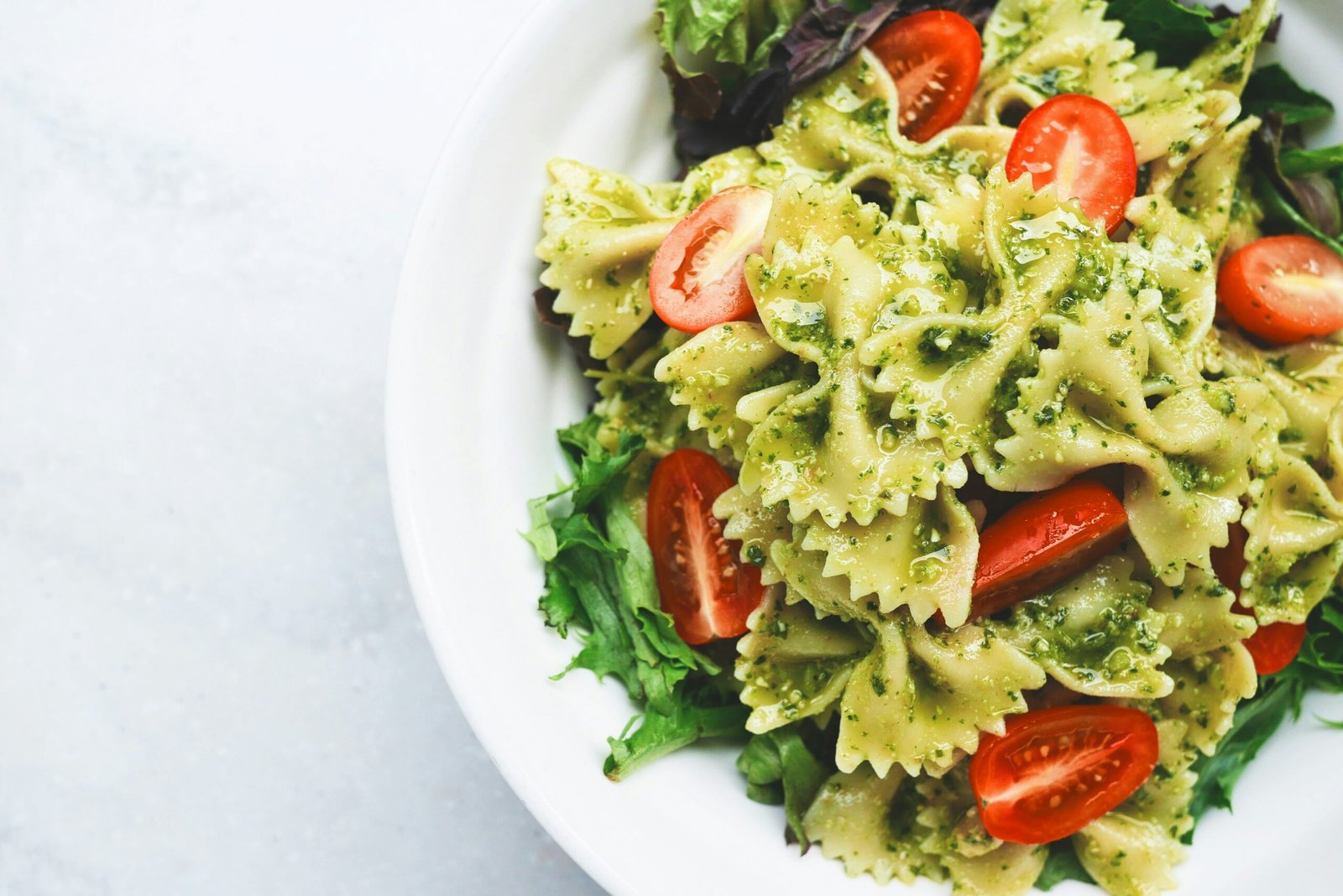
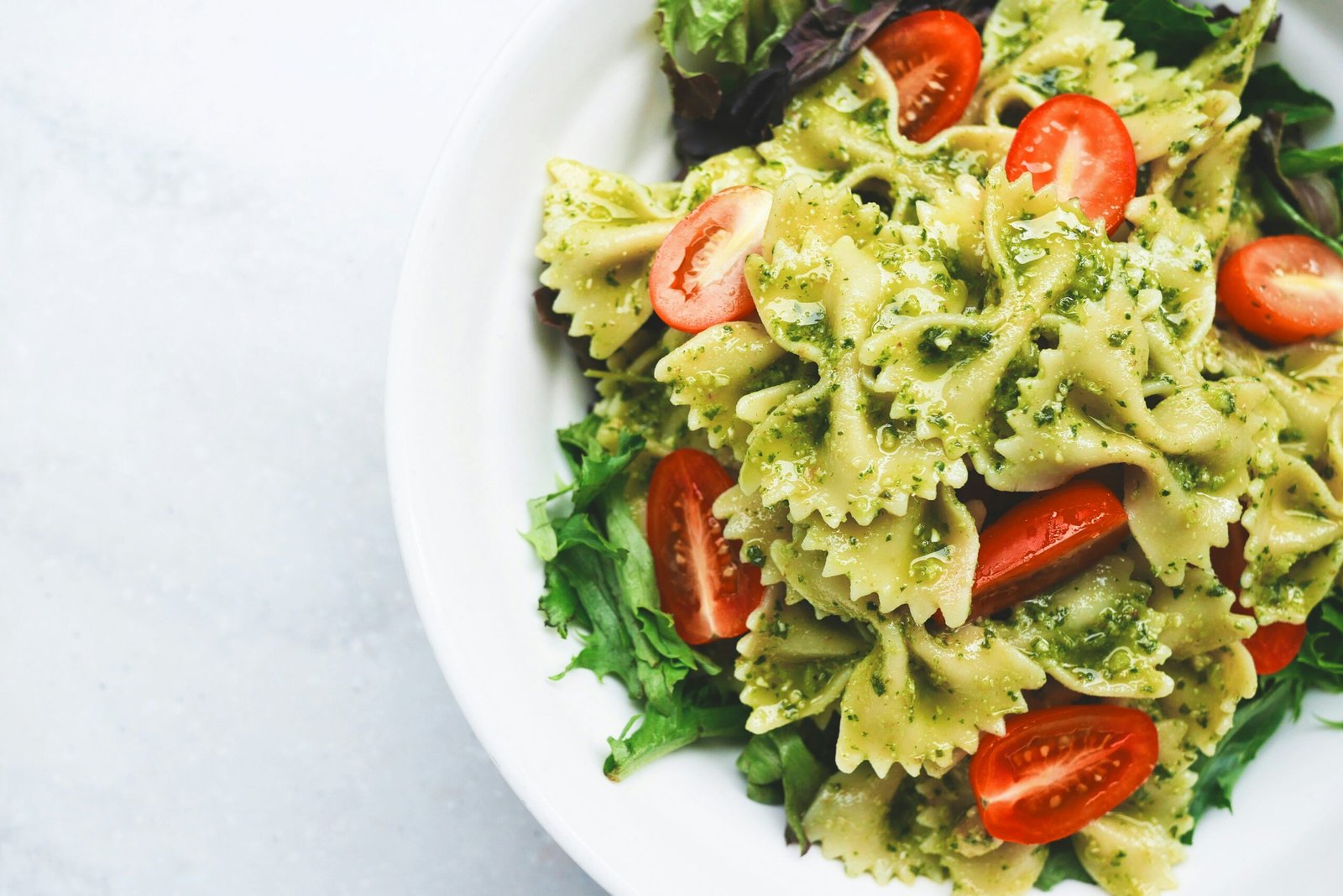
At the heart of Italian cooking are fundamental ingredients that not only add flavor but also embody the culinary philosophy of simplicity and quality. Olive oil, a staple in Italian kitchens, serves as the primary fat for cooking and dressing dishes. Its variations range from robust to delicate, providing chefs with a versatile ingredient that enhances flavors seamlessly. Tomatoes, whether fresh, canned, or dried, function as the base for numerous sauces and dishes, showcasing the tomato’s prominence in Italian cuisine.
Fresh herbs such as basil, oregano, and parsley further elevate Italian dishes, adding aromatic freshness that complements the core ingredients. Additionally, seasonal ingredients play a crucial role in authentic Italian cooking, as chefs focus on using produce that is at its peak for optimal flavor. This commitment to seasonality not only ensures better taste but also supports local farmers and sustainable practices.
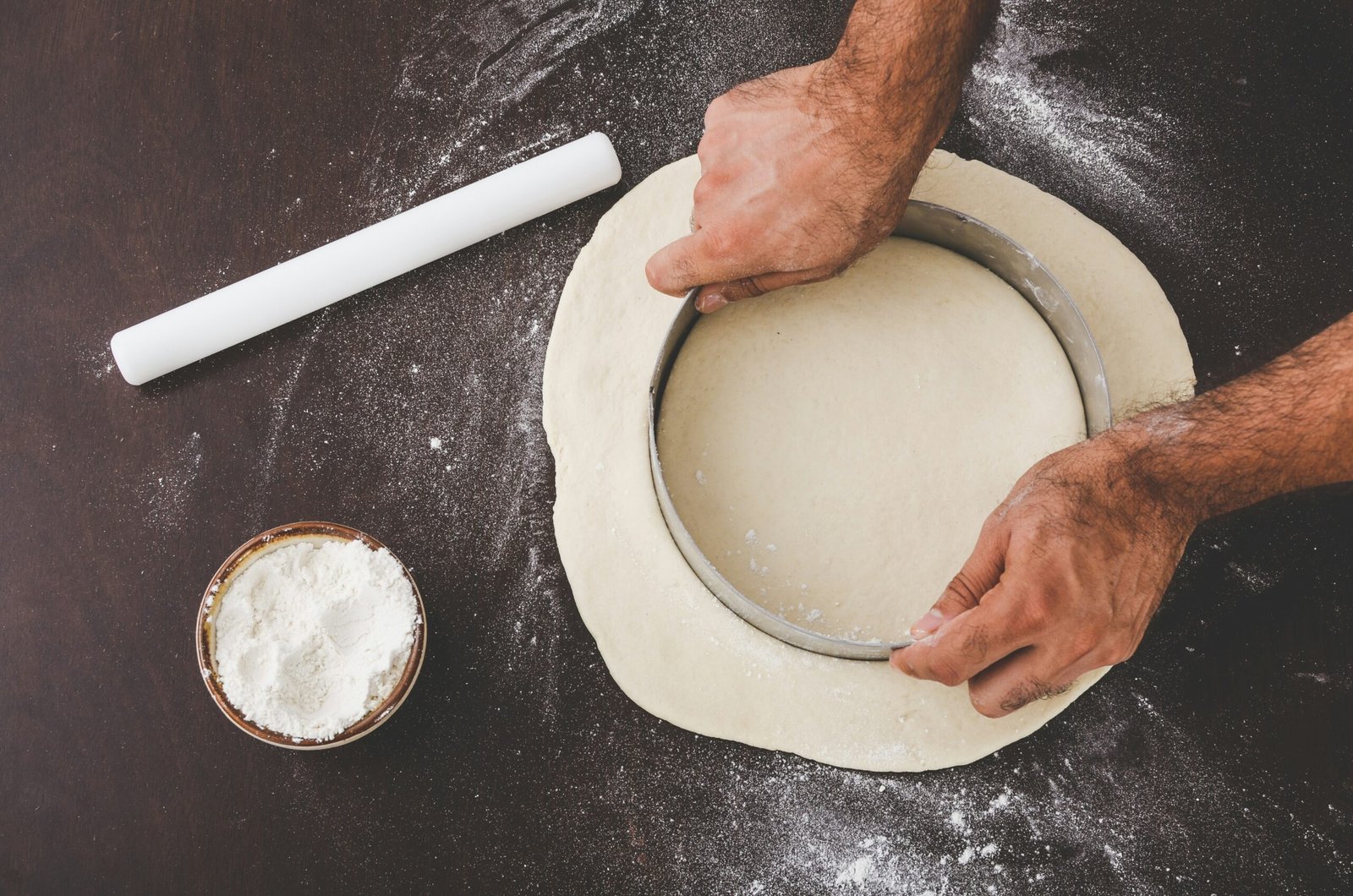
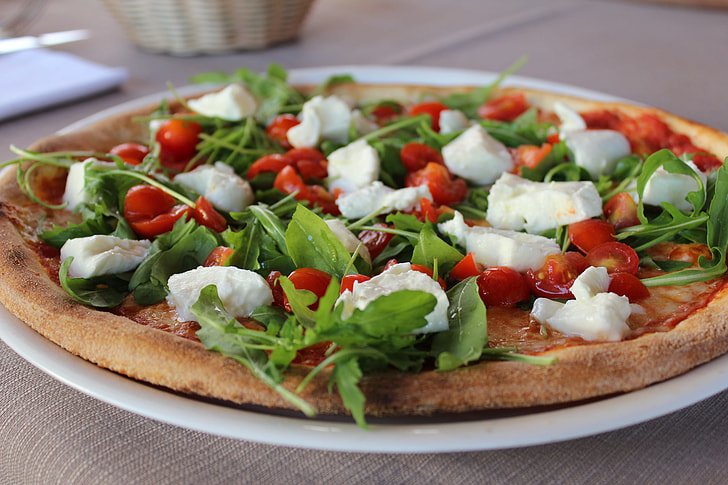
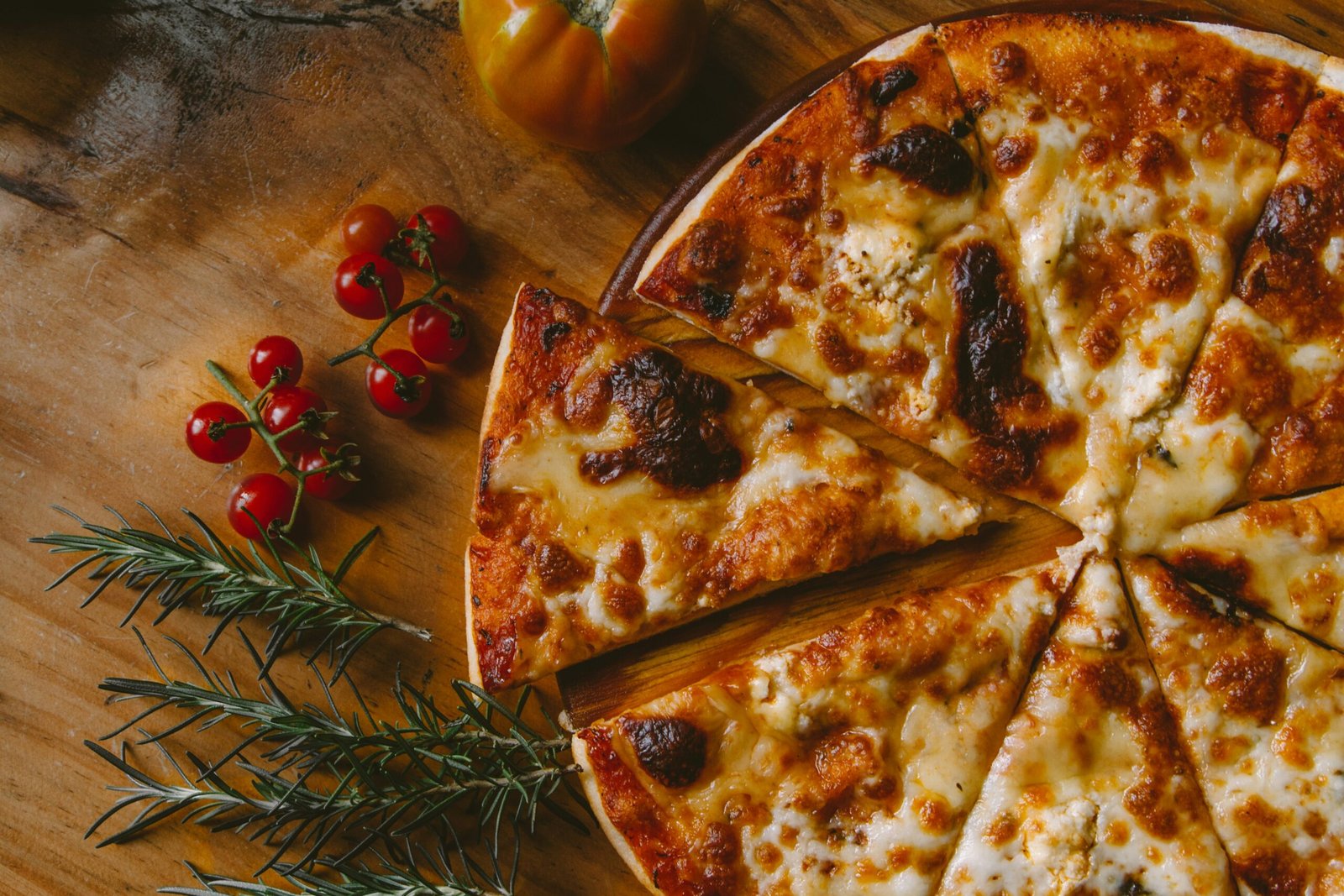
Traditional dishes provide insight into the regional diversity of Italian cuisine. For instance, Risotto from the north highlights the use of Arborio rice and is often enriched with ingredients like saffron or wild mushrooms, while Neapolitan pizza, famous for its thin, charred crust, showcases the southern preference for simple toppings that emphasize quality. Understanding these fundamental elements allows first-time diners in Singapore to appreciate the depth and variety of Italian cuisine, paving the way for an enjoyable dining experience.
Key Italian Dishes to Consider
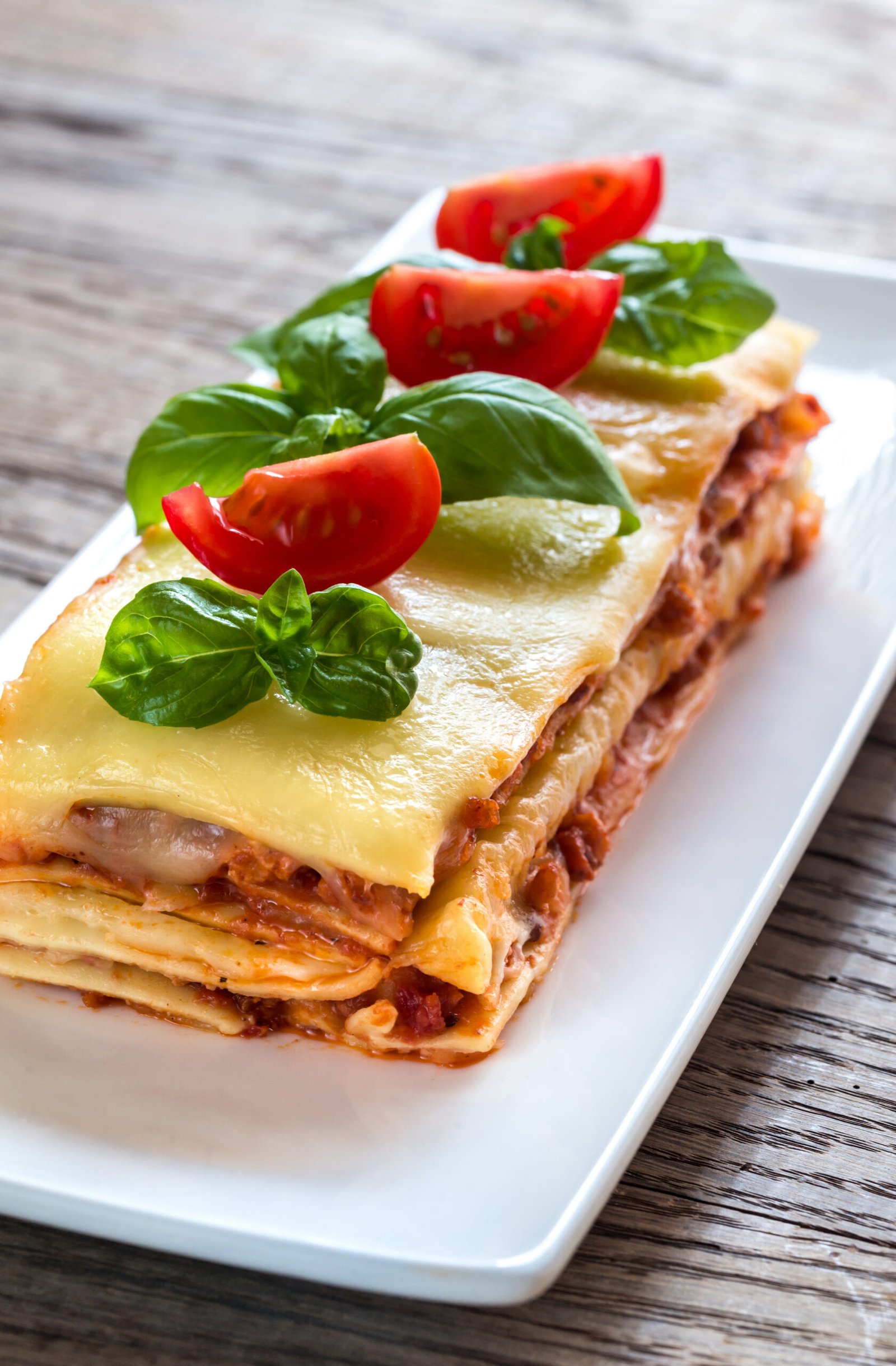
When venturing into the world of Italian cuisine, first-time diners can be overwhelmed by the array of delectable options available. To make the selection process more manageable, we present a curated list of quintessential Italian dishes, categorized into appetizers, main courses, and desserts. Each dish exemplifies the rich flavors and culinary traditions of Italy, making it easier to choose a meal that aligns with individual preferences.
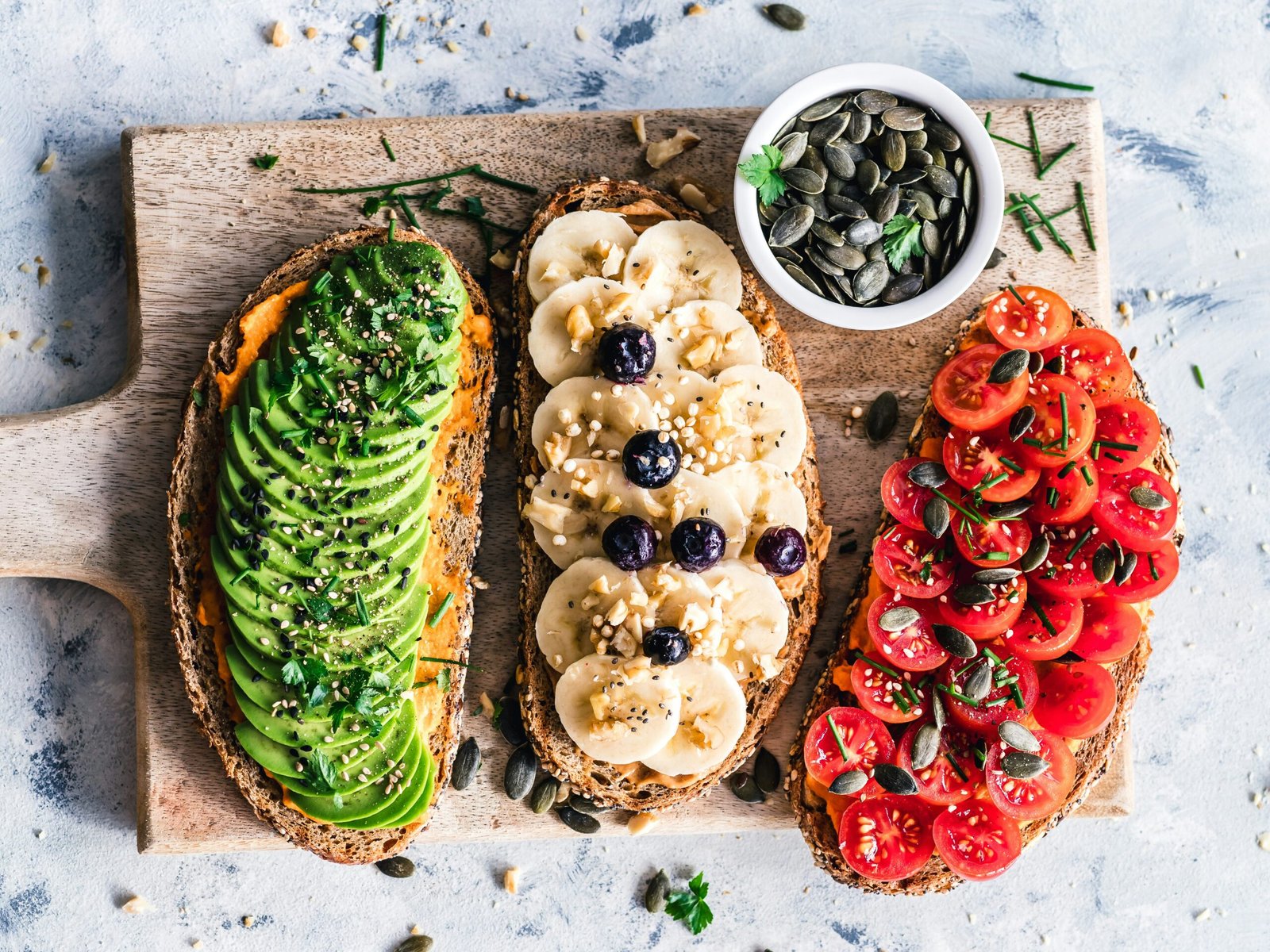
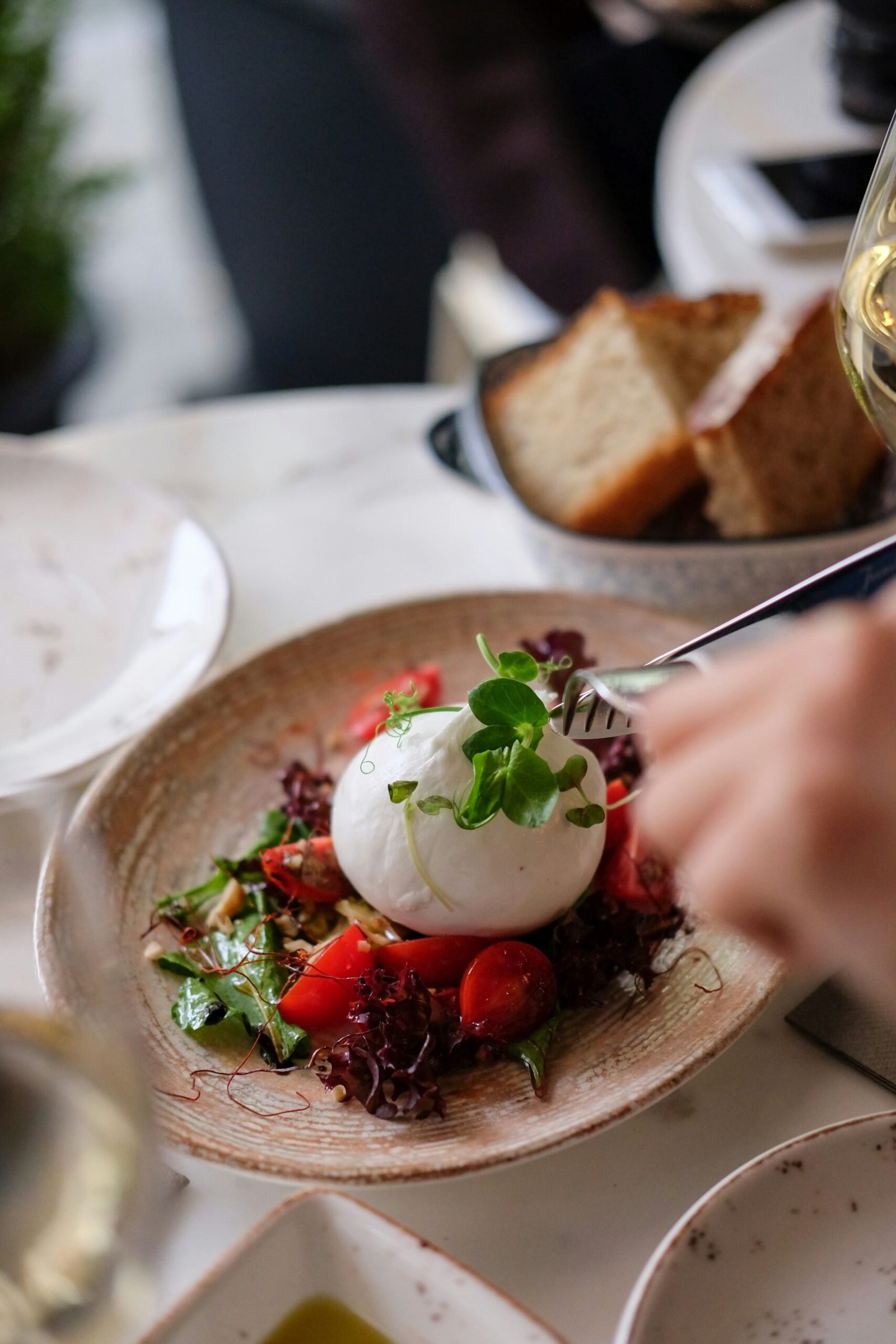
Starting with appetizers, bruschetta is a must-try. This dish features toasted bread topped with a mixture of fresh tomatoes, basil, garlic, and olive oil. The perfect balance of crunchy and aromatic flavors makes bruschetta an excellent opening to any meal. For those who prefer a heartier start, consider arancini. These are risotto balls, typically filled with cheese or meat and fried to golden perfection. They are creamy inside with a satisfying crunch on the outside.
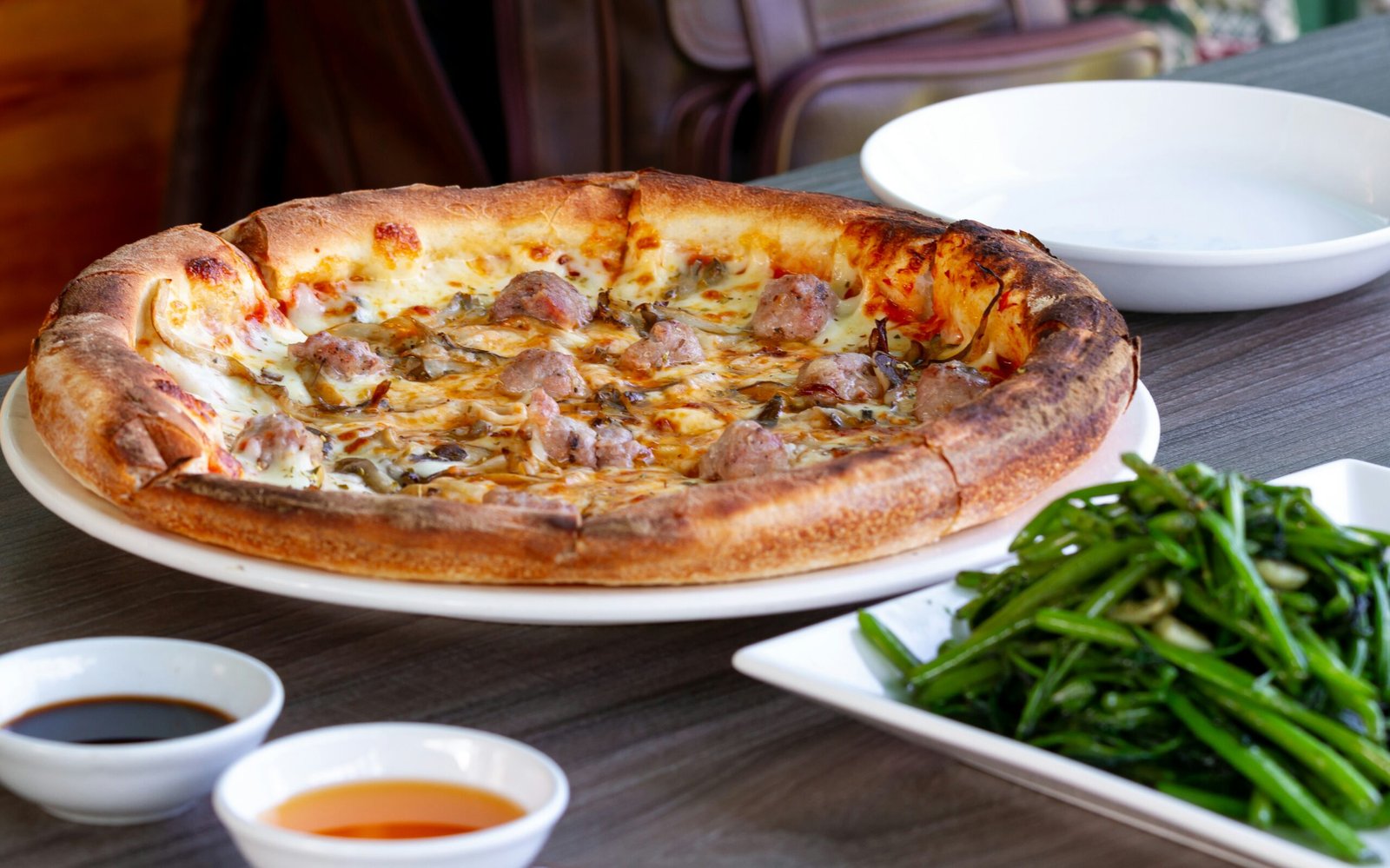
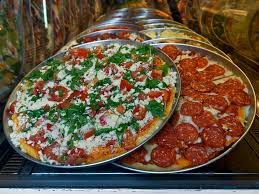
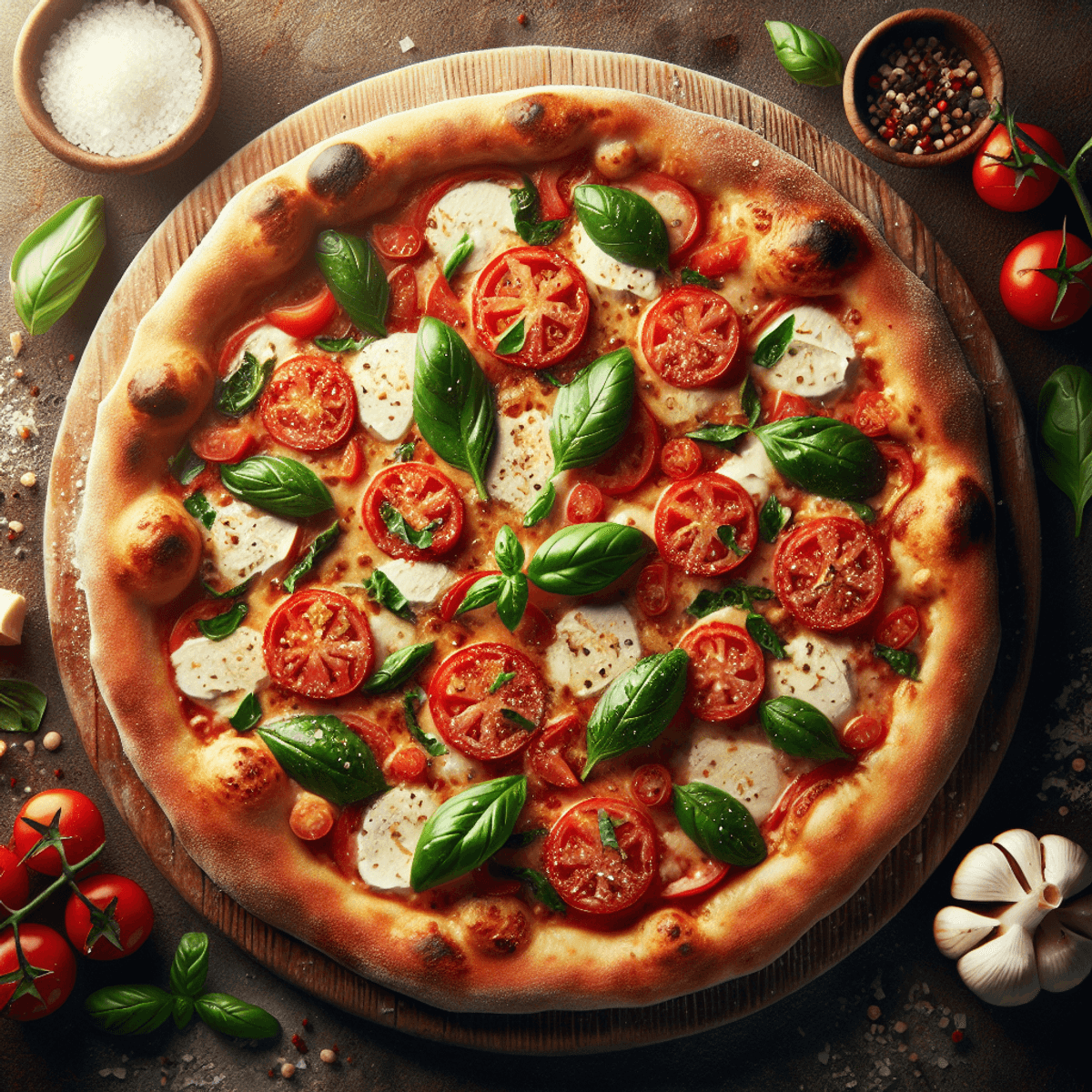
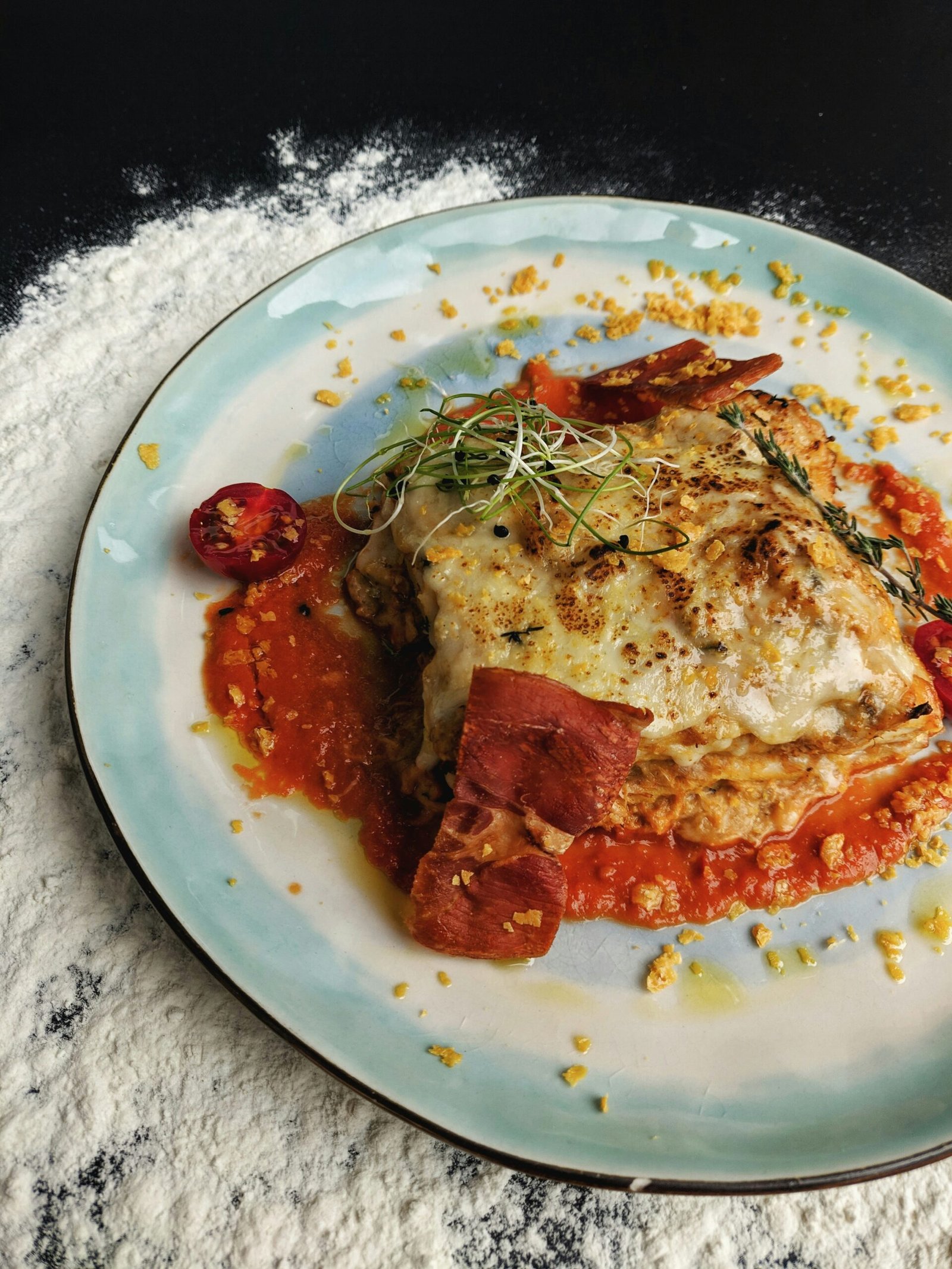
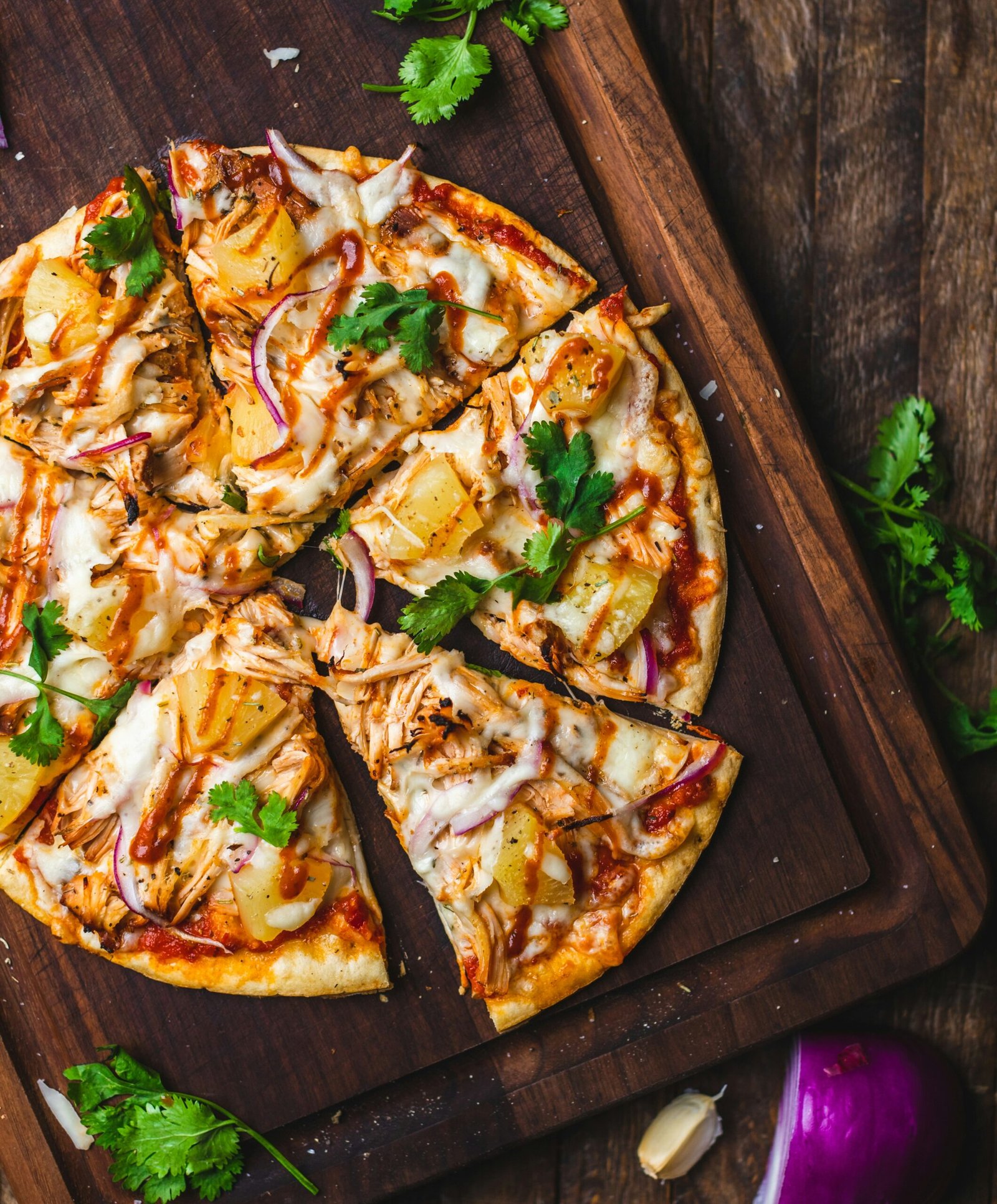
Moving to main courses, risotto stands out for its creamy texture and rich flavors. It is cooked slowly with broth until it reaches a perfect velvety consistency. Variants such as mushroom or seafood risotto offer unique taste experiences that can cater to different preferences. Pizza is another iconic dish that comes in various forms, ranging from the simple Margherita with tomatoes, mozzarella, and basil to more elaborate gourmet toppings. Diners should look for authentic Neapolitan-style pizza with a thin and crispy crust.
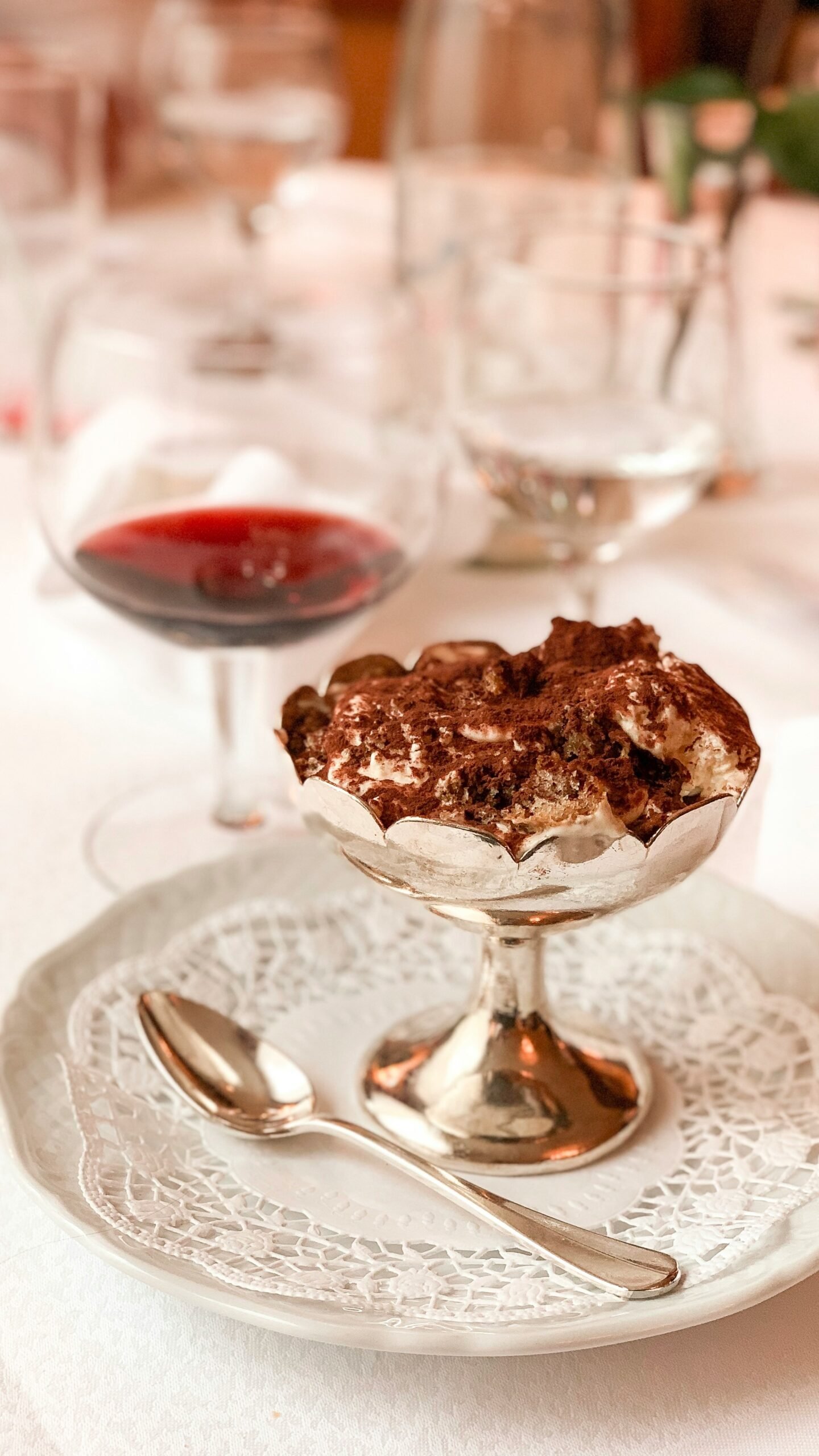
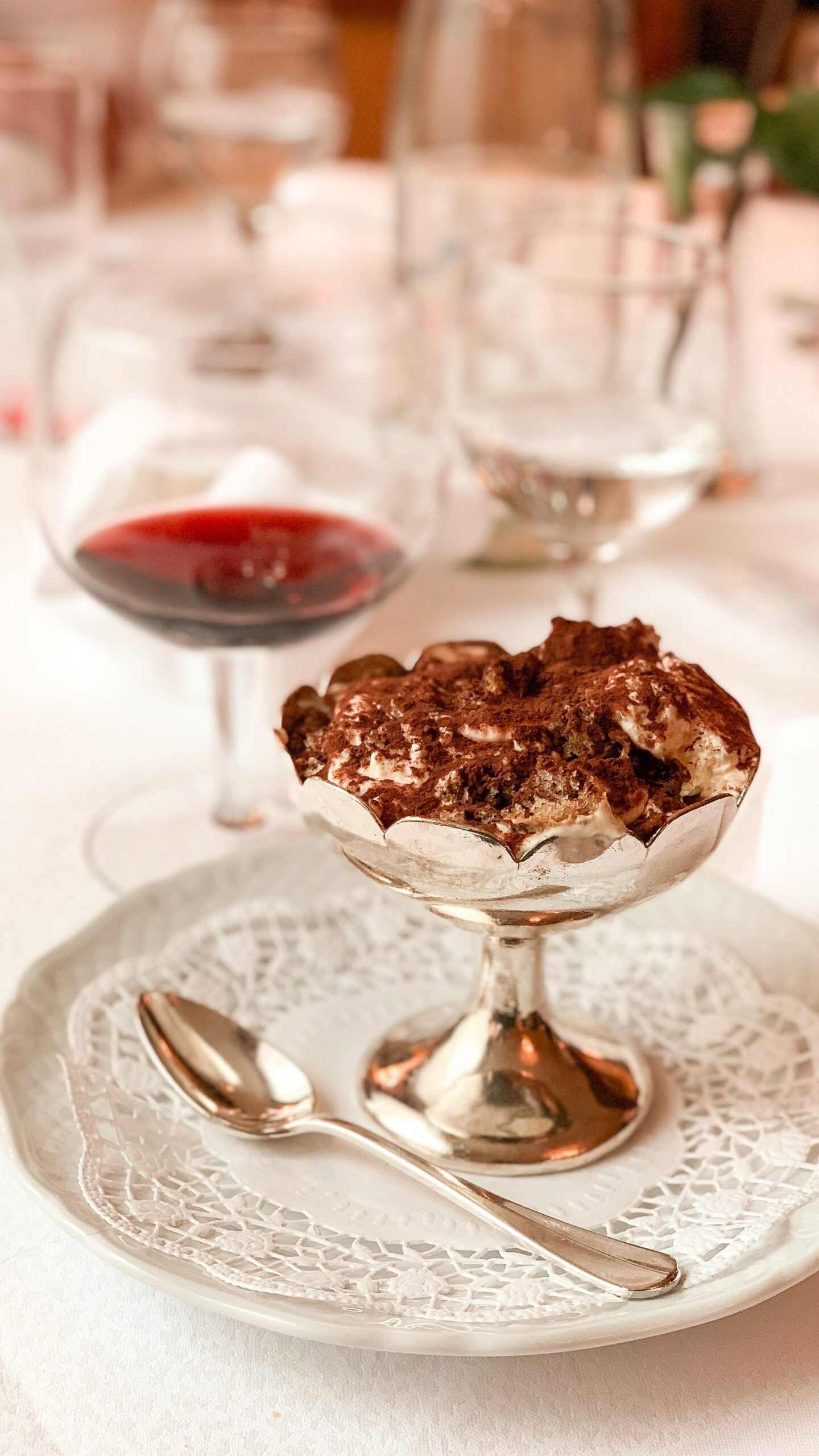
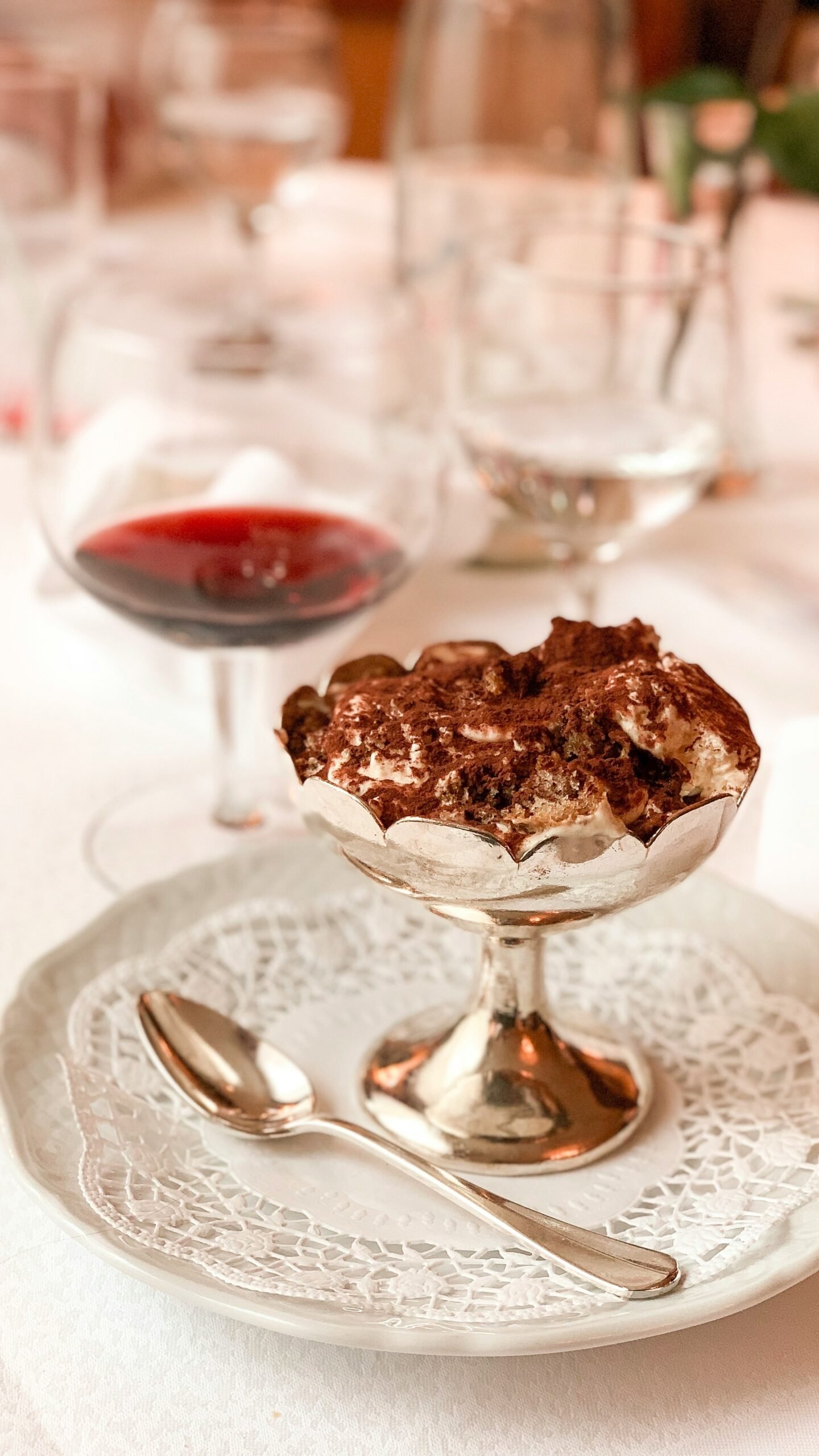
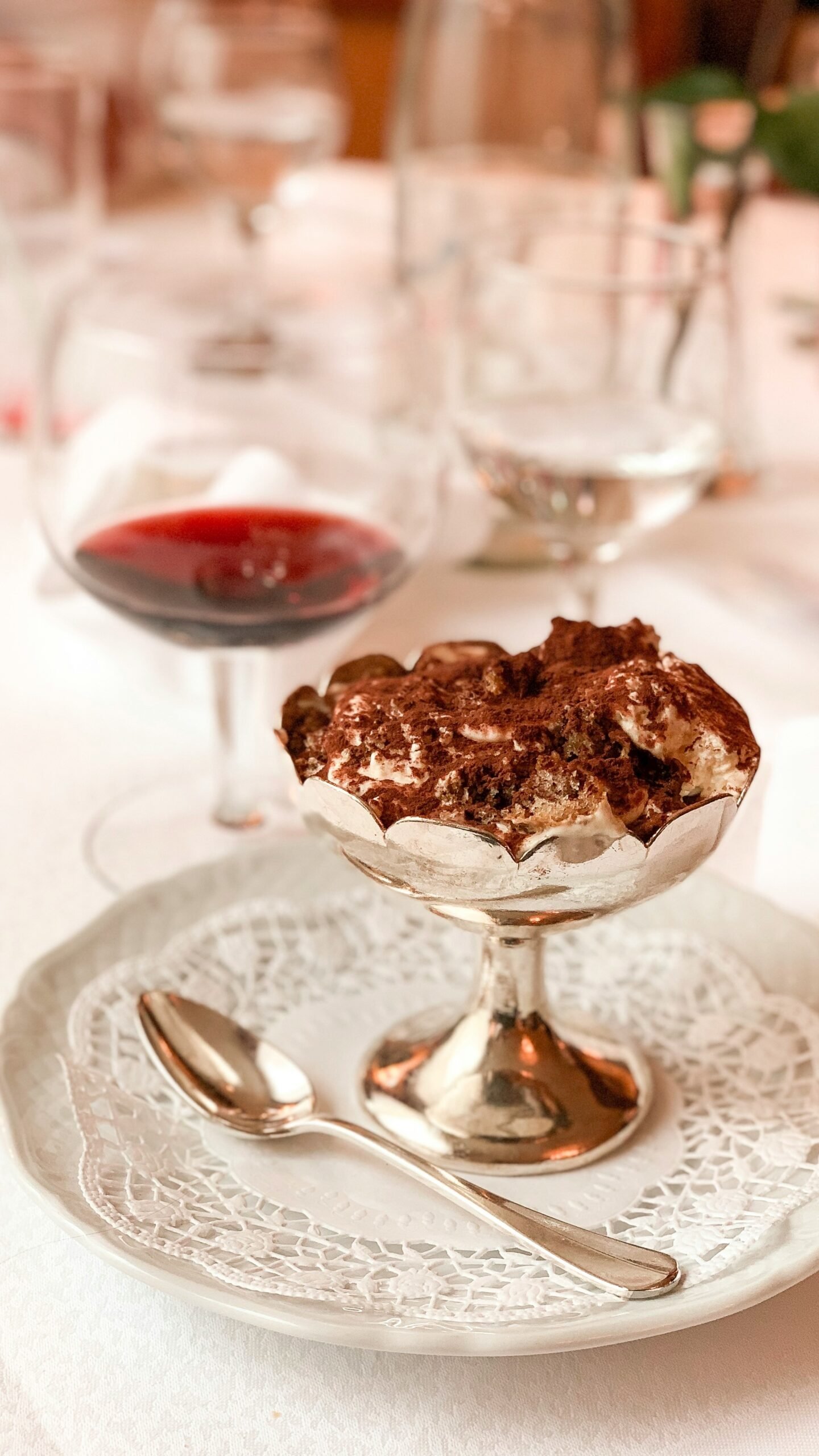
Ending the meal on a sweet note, tiramisu is a classic Italian dessert that features layers of coffee-soaked ladyfingers and mascarpone cheese, finished with a dusting of cocoa powder. This indulgent treat is ideal for those who enjoy a combination of coffee and creaminess. For a lighter option, panna cotta, a silky smooth cream dessert, can be found on many menus. It is often served with fresh fruits or coulis, providing a refreshing finish.
When choosing a dish, consider individual taste preferences, be it vegetarian, seafood, or meat-based options. Exploring the menu with confidence while keeping these suggestions in mind can greatly enhance the dining experience.
Navigating the Menu: Tips and Tricks
Navigating an Italian restaurant menu can initially appear daunting, especially for first-time diners in Singapore who may not be familiar with authentic Italian terminology. To enhance your dining experience, it is important to understand some fundamental aspects of Italian cuisine that will aid in making informed choices.
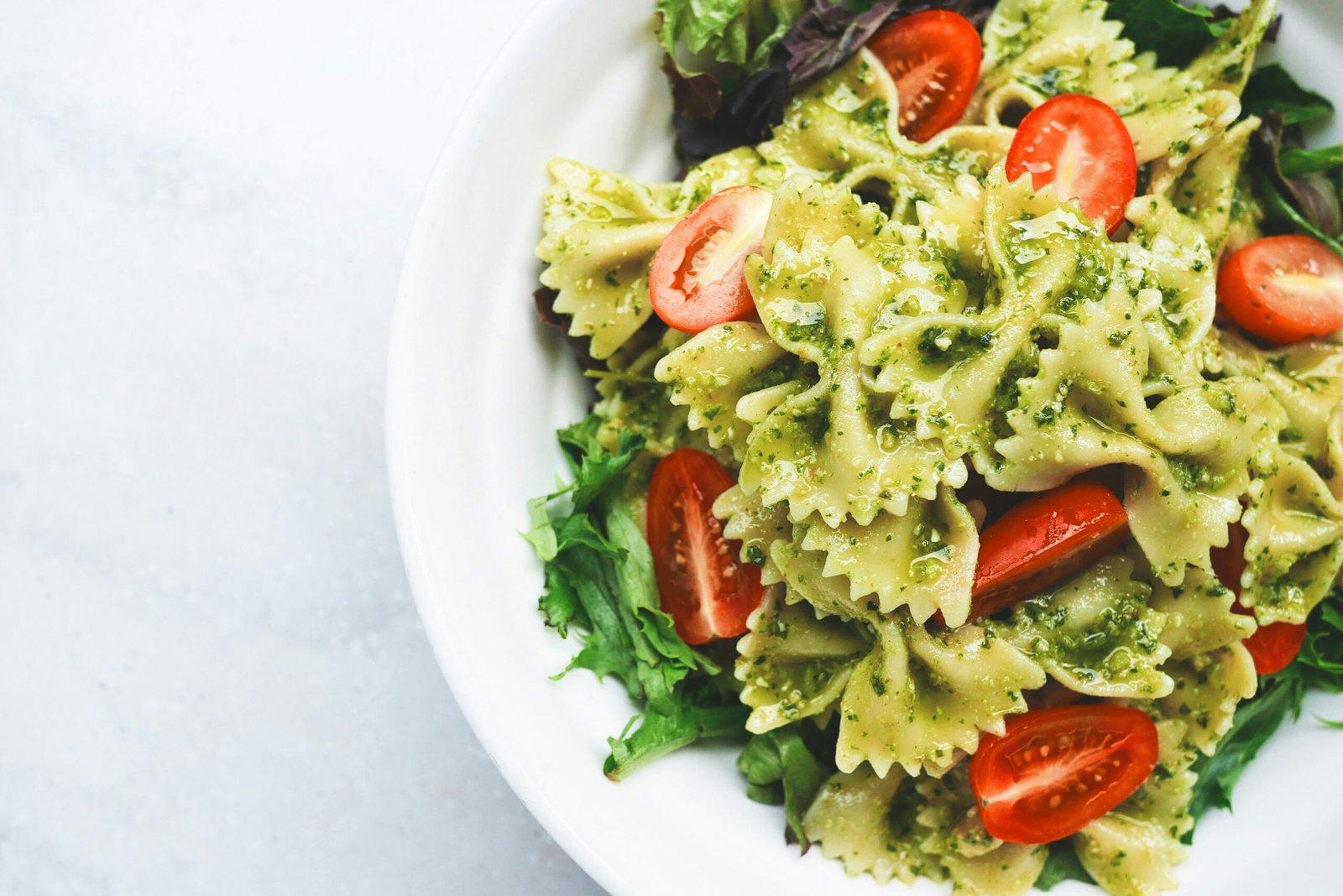
Begin by familiarizing yourself with common Italian terms. For instance, “antipasti” refers to appetizers, while “primi” signifies the first course, often comprising pasta or rice dishes. “Secondi” denotes main courses, primarily consisting of meat or fish, followed by “dolci,” which translates to desserts. Recognizing these distinctions allows for a more organized approach to the menu.
Additionally, pay close attention to menu descriptions. Authentic Italian dishes often highlight regional ingredients and cooking techniques, which can provide insights into the flavor profiles. Look for words like “fresco” (fresh), “cascabel” (young), and “affumicato” (smoked) to assess the freshness and quality of the ingredients being utilized. Understanding these descriptions will aid in selecting a dish that not only looks appealing but also aligns with your taste preferences.
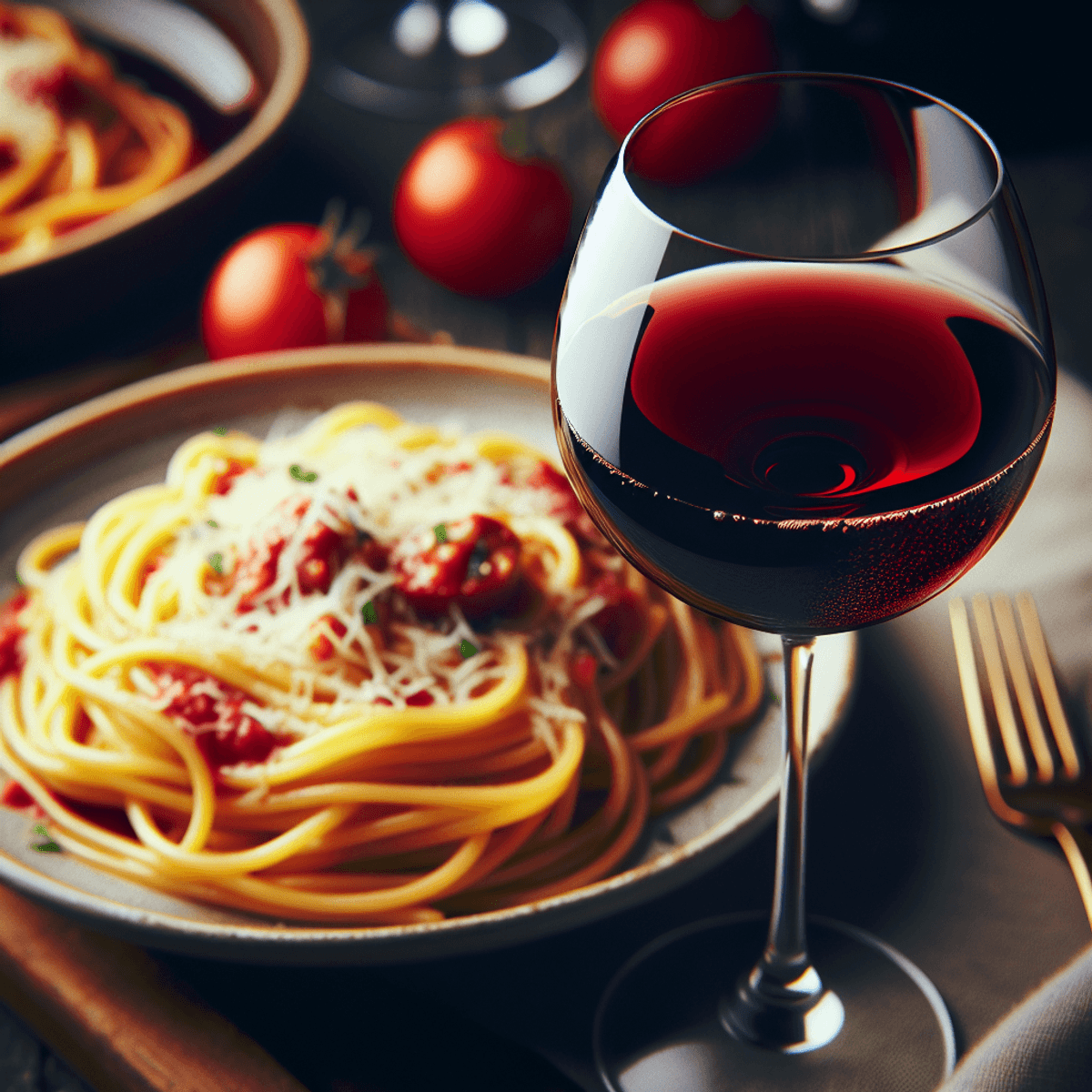
When in doubt, do not hesitate to ask the waitstaff for recommendations. They possess valuable knowledge about the restaurant’s specialties and can suggest dishes that resonate with your palate. Further, inquire about wine pairings that would complement your meal, as Italian dining often emphasizes the harmonious balance between food and wine.
Lastly, addressing dietary preferences is crucial. If you have specific dietary restrictions such as vegetarian, gluten-free, or dairy-free, communicate these preferences clearly to the staff. Most Italian restaurants are accommodating and can offer alternatives to ensure an enjoyable dining experience.
Creating an Authentic Dining Experience
When embarking on the journey to enjoy Italian cuisine, it is vital to consider the overall dining experience, which encompasses several elements such as setting, ambiance, and pacing. Italian culture places great importance on meal enjoyment, transforming dining into a cherished social event rather than a mere routine. A well-crafted dining experience can significantly enhance the appreciation of the flavors and traditions inherent in Italian dishes.
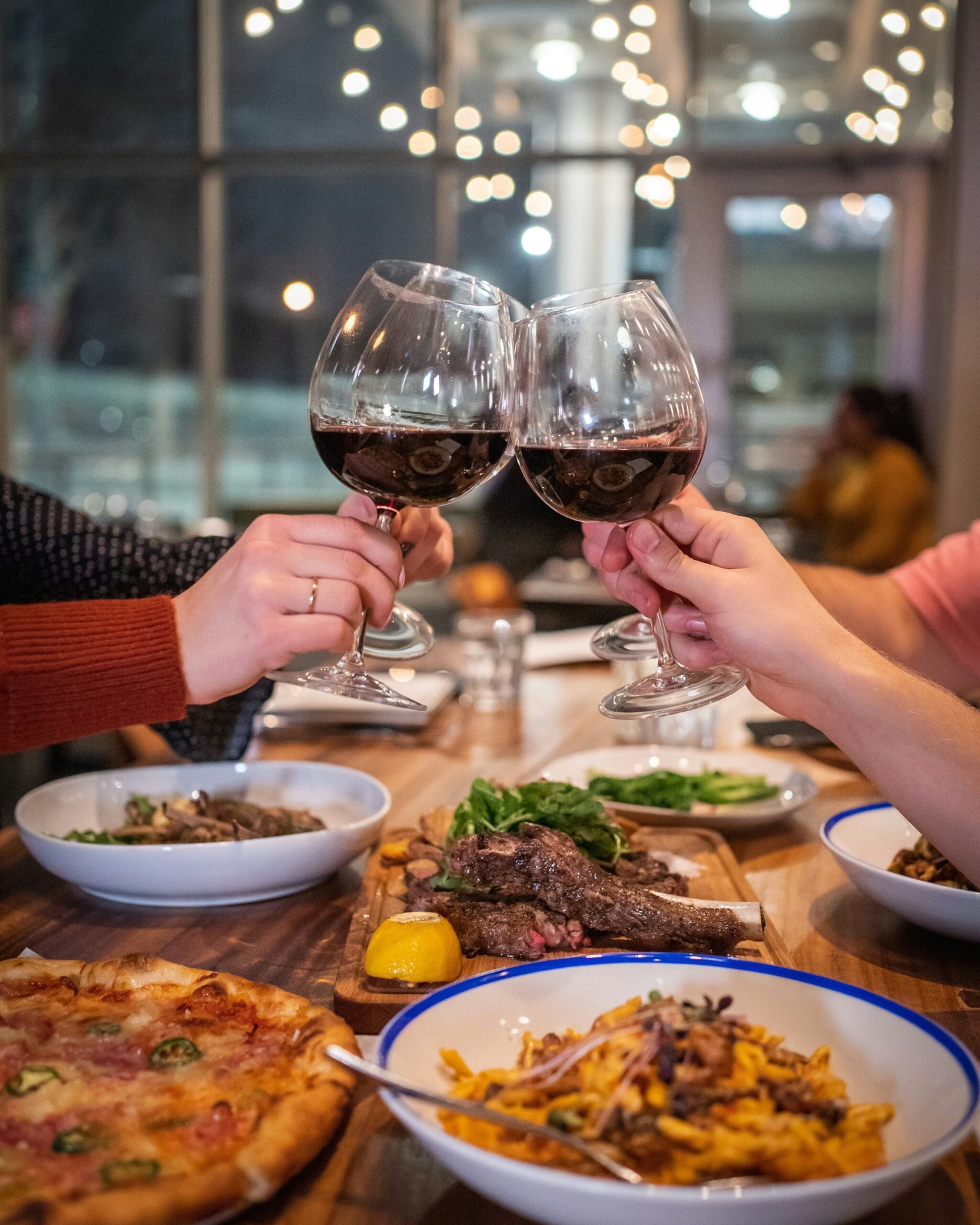
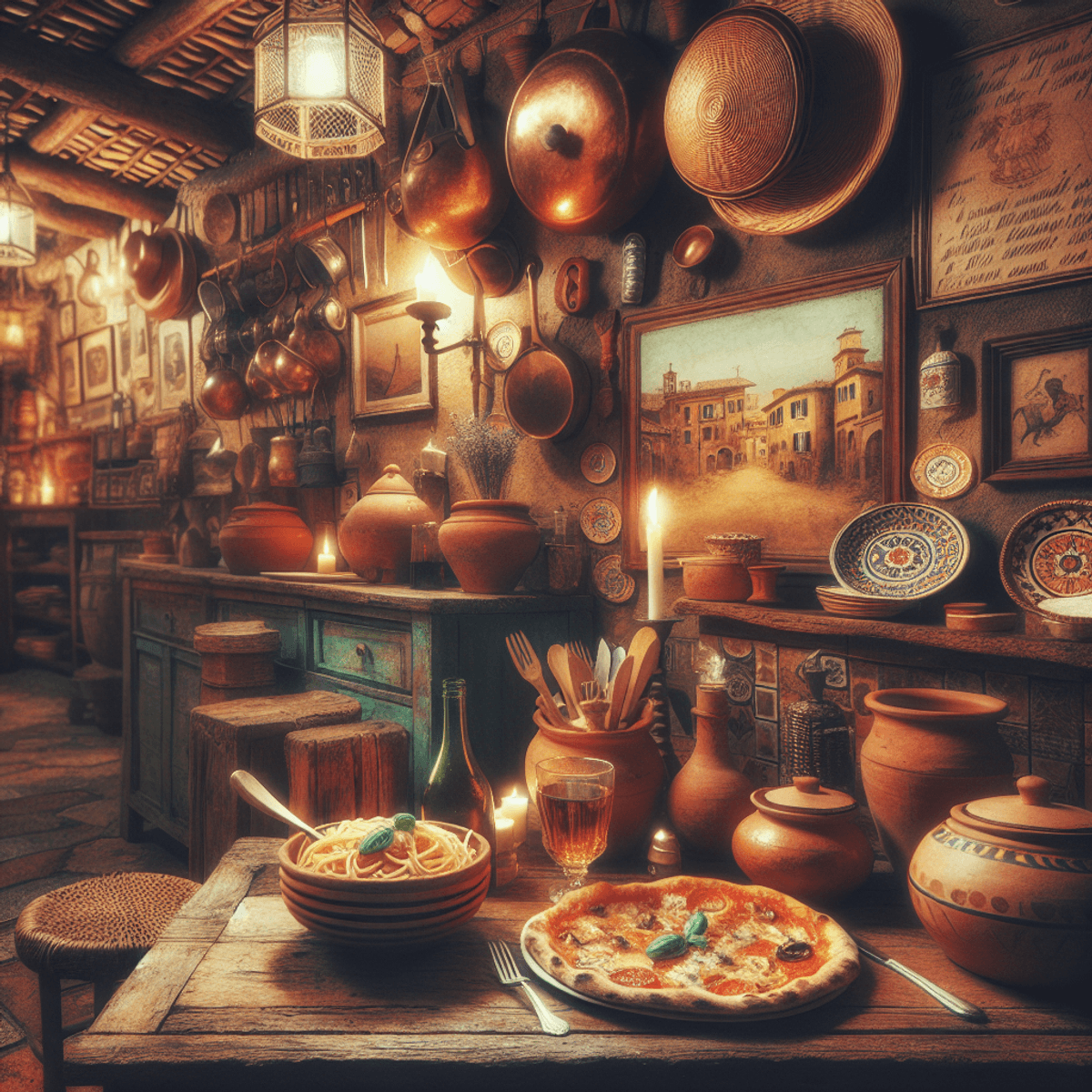
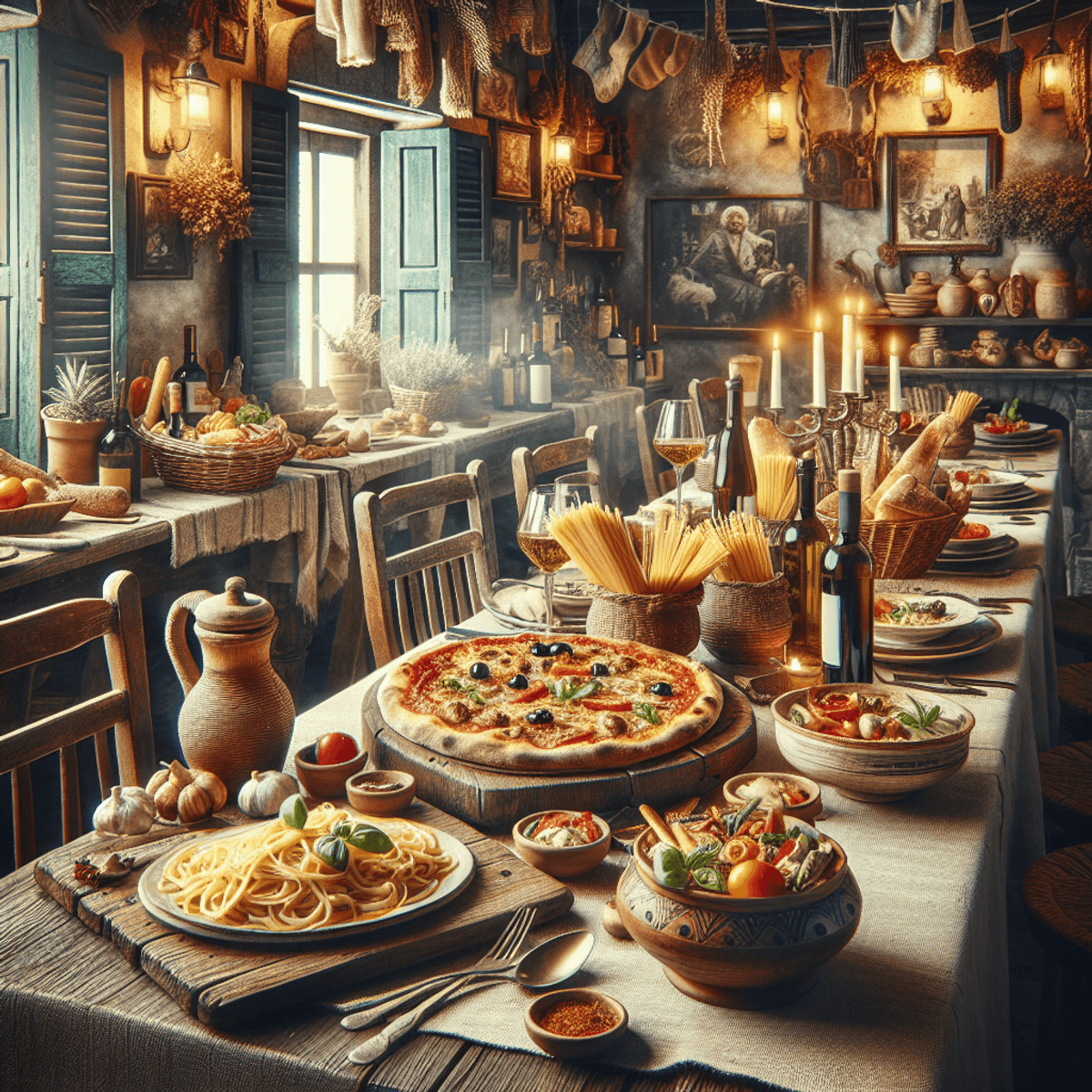
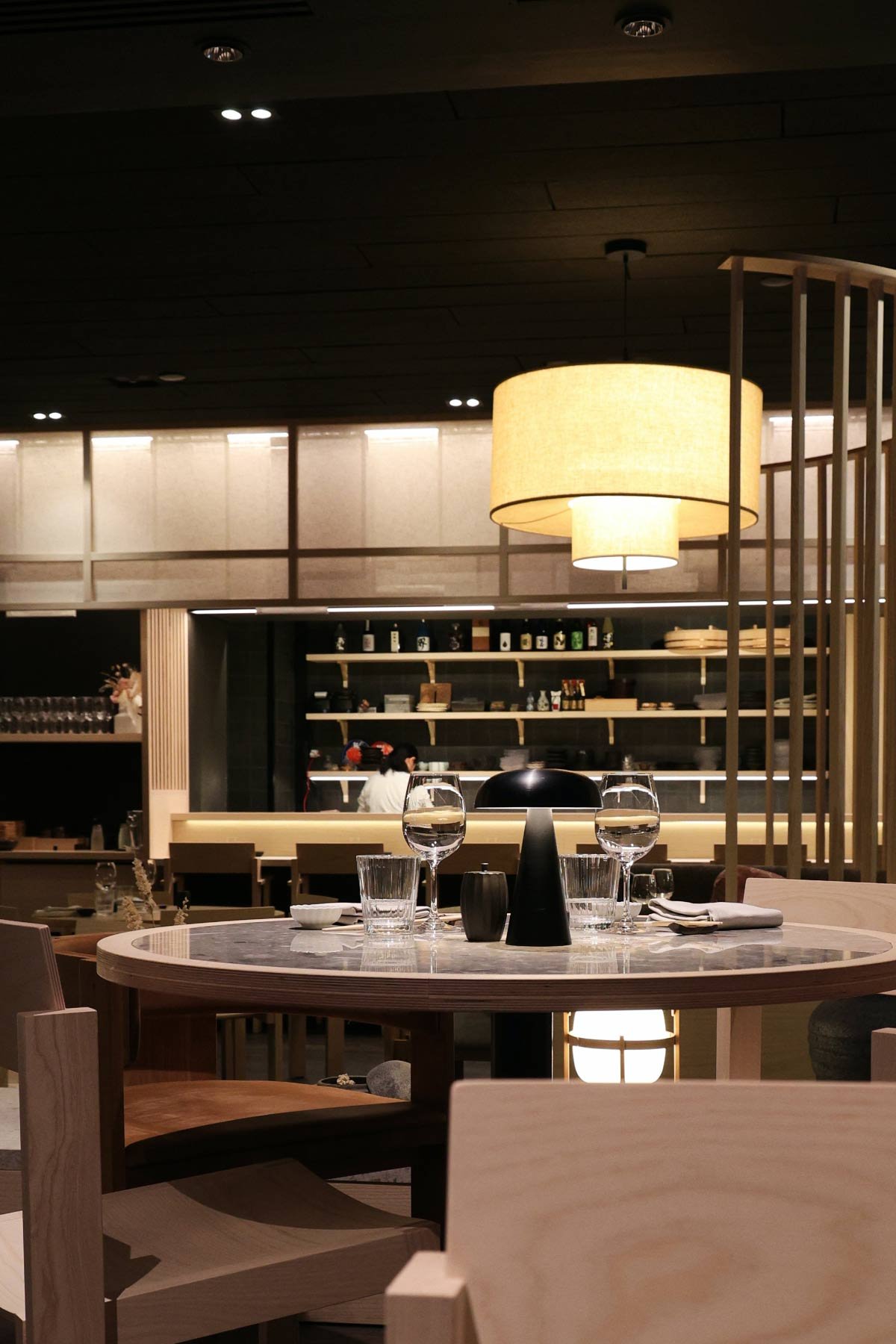
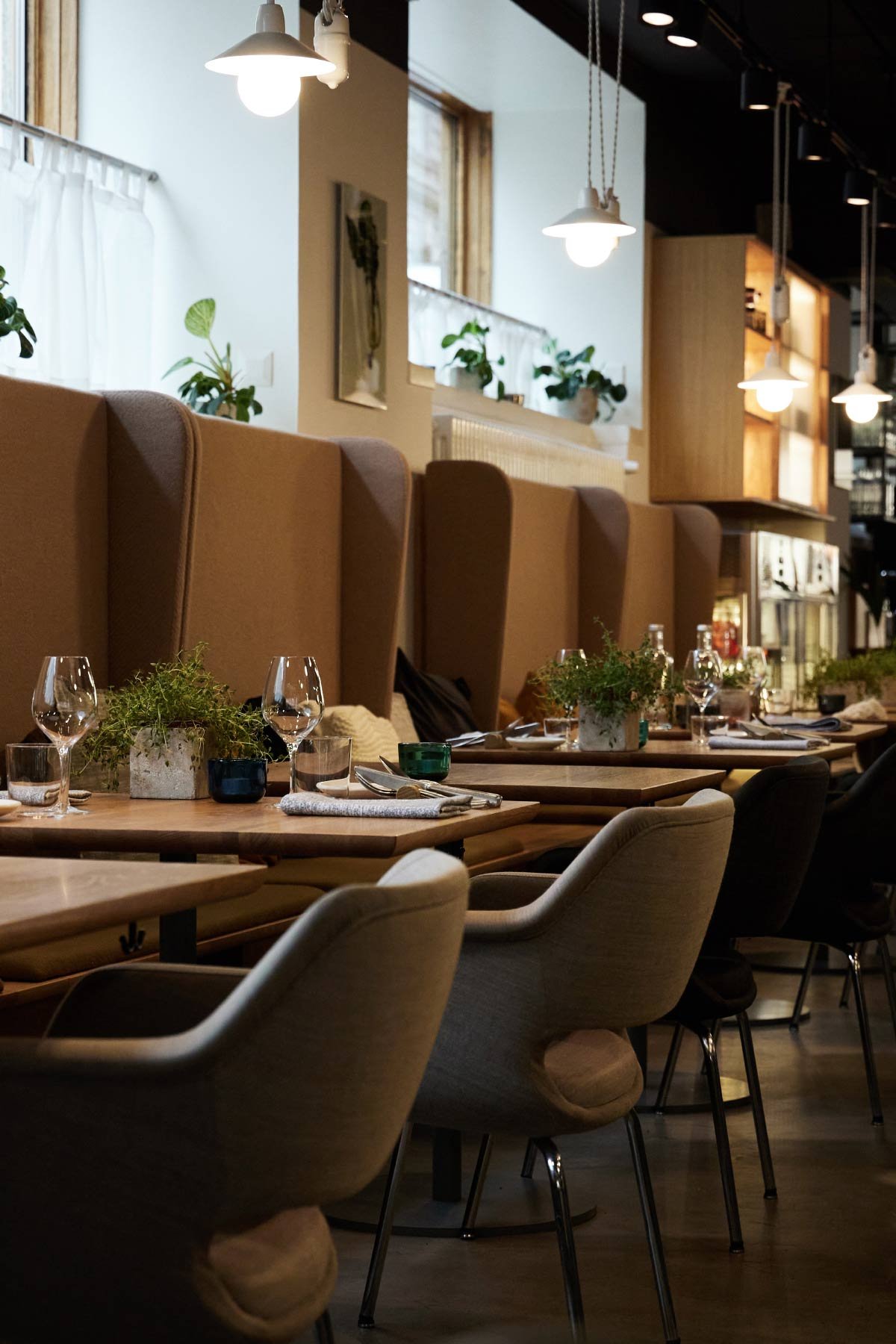
The setting plays a crucial role in establishing authenticity. Choosing a restaurant that reflects traditional Italian decor, with warm colors and inviting furnishings, can transport diners to Italy. The ambiance should be relaxed yet vibrant, often marked by the sounds of laughter and conversation, which are integral to Italian meals. Additionally, lighting should be soft and welcoming, further contributing to a conducive environment for savoring the food.
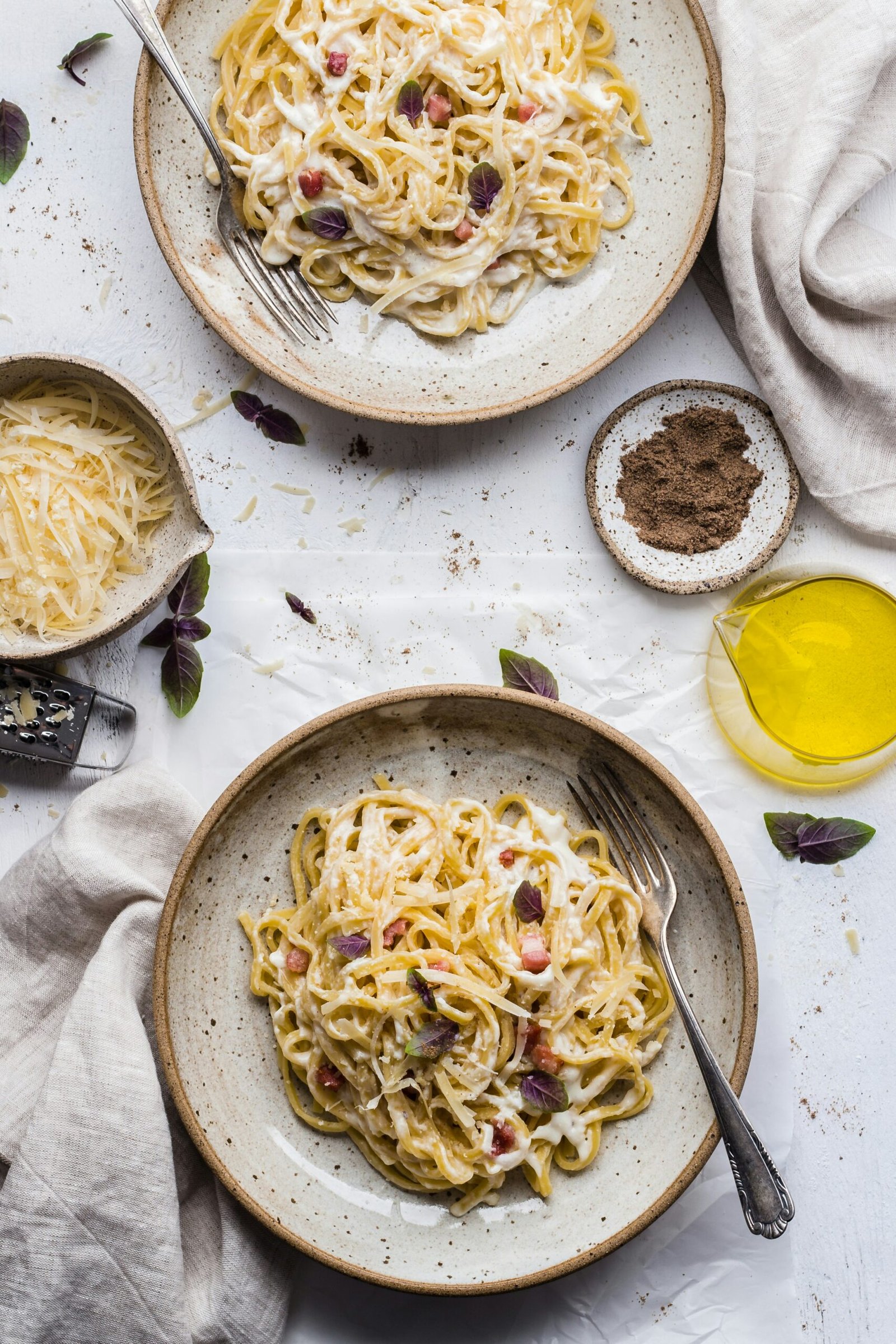
Pacing is another essential aspect of Italian dining. Meals are typically served in courses, allowing diners to fully appreciate each dish. It is customary to begin with antipasti, followed by primi (first course), secondi (main course), and dolci (dessert). Taking time between courses not only enhances taste but also allows for lively discussions—a hallmark of Italian gatherings. Understanding this structured progression adds depth to the dining experience.
Familiarizing oneself with traditional Italian dining etiquette can also enrich the meal. For instance, it is considered respectful to wait for everyone to be served before starting to eat and to enjoy wine in moderation, with specialized pairing to enhance the meal.
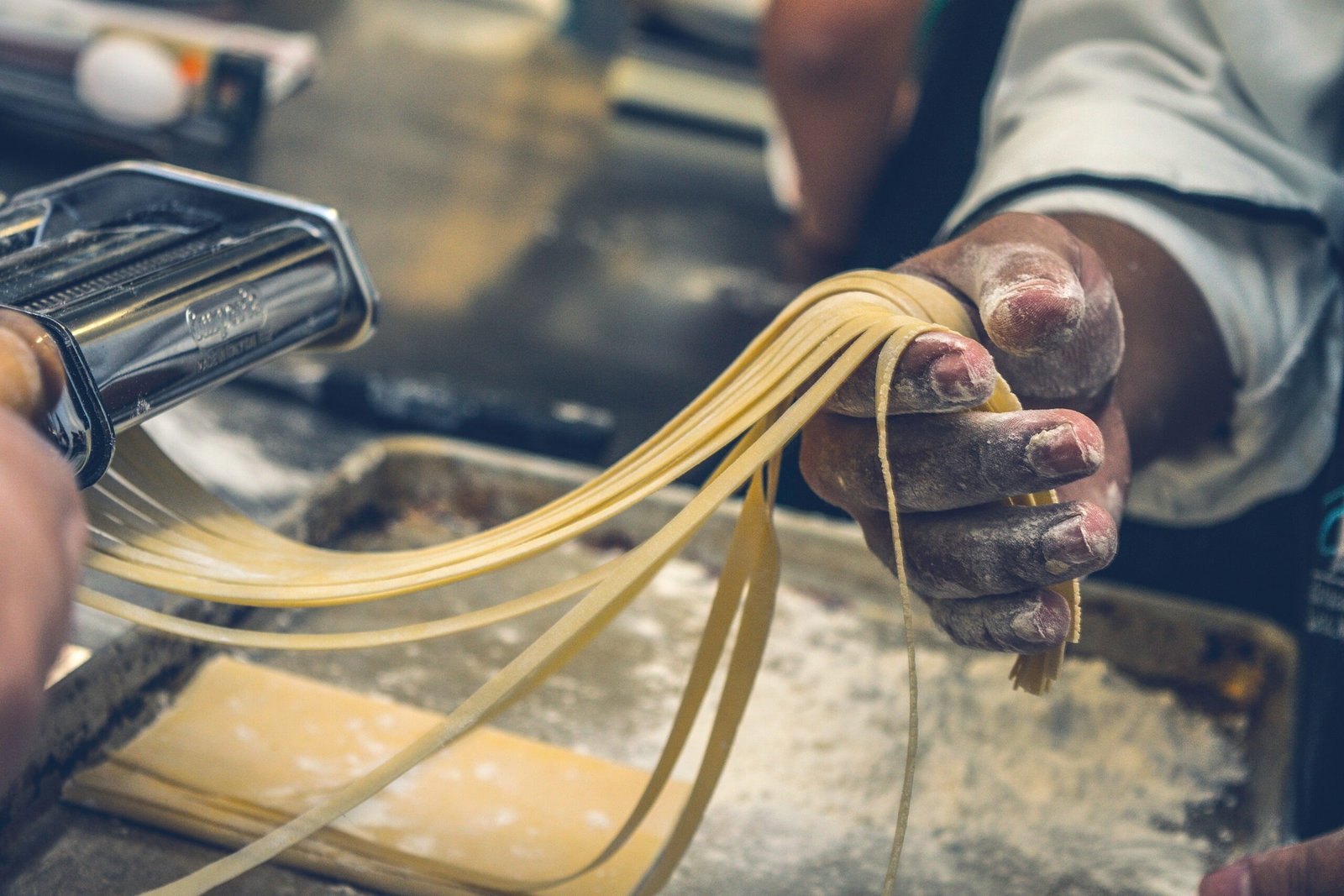
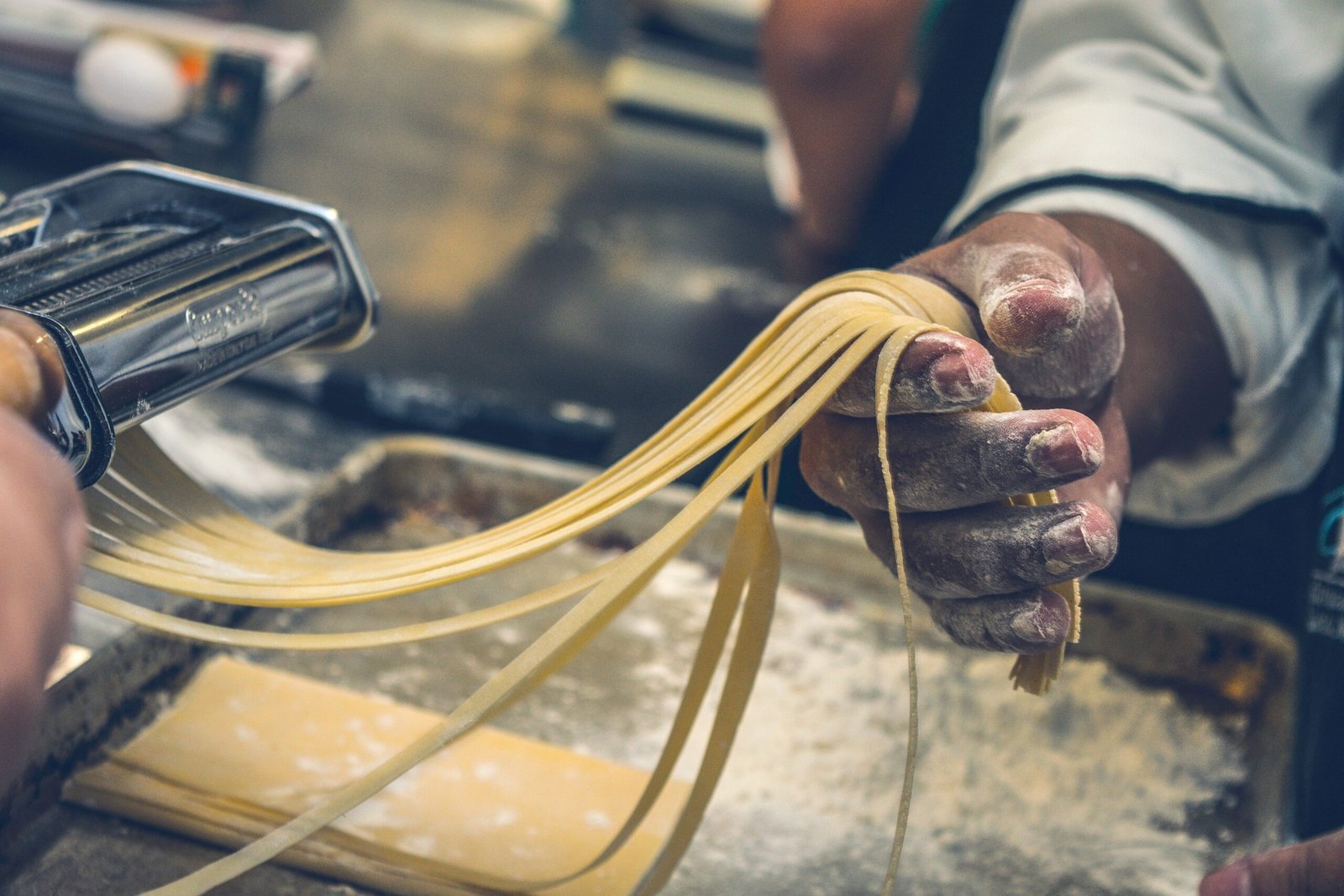
In Singapore, several Italian restaurants provide authentically immersive dining experiences. Establishments such as “Osteria Mozza” and “Trattoria Nonna Tina” offer a delightful selection of regional dishes. First-time diners are encouraged to try specialties like handmade pasta and authentic tiramisu, which firmly establish the essence of Italian gastronomy. By attending to these elements, diners can truly appreciate the rich tapestry of Italian culture through its cuisine.