Introduction to Italian Herbs
Italian cuisine is renowned for its vibrant flavors, and a significant component of this culinary tradition is the use of herbs. The herbs commonly featured in Italian cooking include basil, oregano, rosemary, and parsley. Each of these herbs thrives in specific geographical regions of Italy, benefitting from the country’s diverse climate and soil conditions. For instance, basil flourishes in the warm, sun-kissed areas of Campania, particularly around Naples, while oregano is prevalent in the hilly regions of Italy, often found in dishes hailing from the south.
Historically, herbs have played a pivotal role in Italian gastronomy. In fact, many of these herbs were utilized in ancient Roman recipes and have persisted through the centuries, evolving within various local cuisines. Basil, for example, is not only a flavor enhancer but also steeped in cultural symbolism, often associated with love and good fortune. Similarly, rosemary holds significance in Italian traditions, believed to signify remembrance and loyalty, commonly used in dishes celebrating family gatherings and festivities.
The incorporation of herbs into Italian cuisine goes beyond mere flavor enhancement. They also impart numerous nutritional benefits. Rich in antioxidants, these herbs contribute to overall health and well-being. For instance, basil is known for its anti-inflammatory properties, while oregano is famed for its antimicrobial abilities. Rosemary is often praised for its cognitive benefits. As such, herbs in Italian cuisine not only elevate the taste experience but also serve as functional ingredients that promote health.
In conclusion, the role of herbs in Italian cuisine is multifaceted. They not only provide fresh flavors that define traditional dishes but also contribute to the nutritional value of the meal. Understanding the historical significance and geographic origins of these herbs deepens appreciation for Italian cooking and its rich culinary heritage.
Basil: The Heart of Italian Cooking
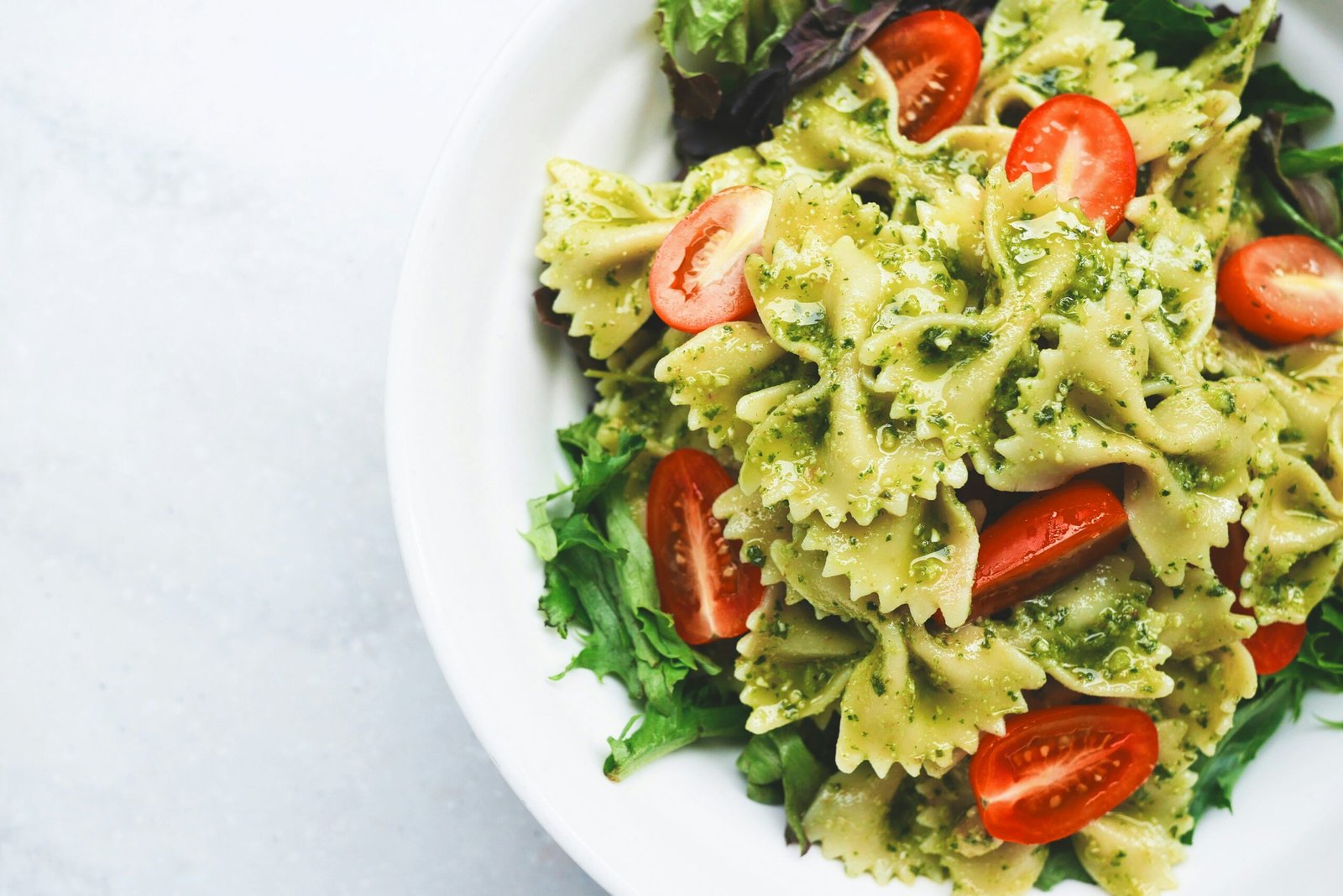
Basil, an herb that epitomizes Italian cuisine, is renowned for its fragrant aroma and distinctive flavor. This versatile herb is integral to many classic Italian dishes, most notably pesto and Caprese salad, serving as a key ingredient that elevates the overall taste experience. In Italy, basil is often associated with summer, reflecting the joy of fresh ingredients that characterize Mediterranean cooking.
There are various types of basil utilized in Italian cooking, with sweet basil being the most common. Its lush green leaves have a slightly peppery taste that complements tomatoes and other garden vegetables perfectly. Another variety, Thai basil, offers a spicier, anise-like flavor and is occasionally incorporated into Italian fusion dishes. When selecting fresh basil, look for vibrant green leaves without any brown or wilted spots. Storing fresh basil requires care; ideally, it should be kept in a cool, moist place, and can last longer when stored upright in a glass of water, like fresh flowers.
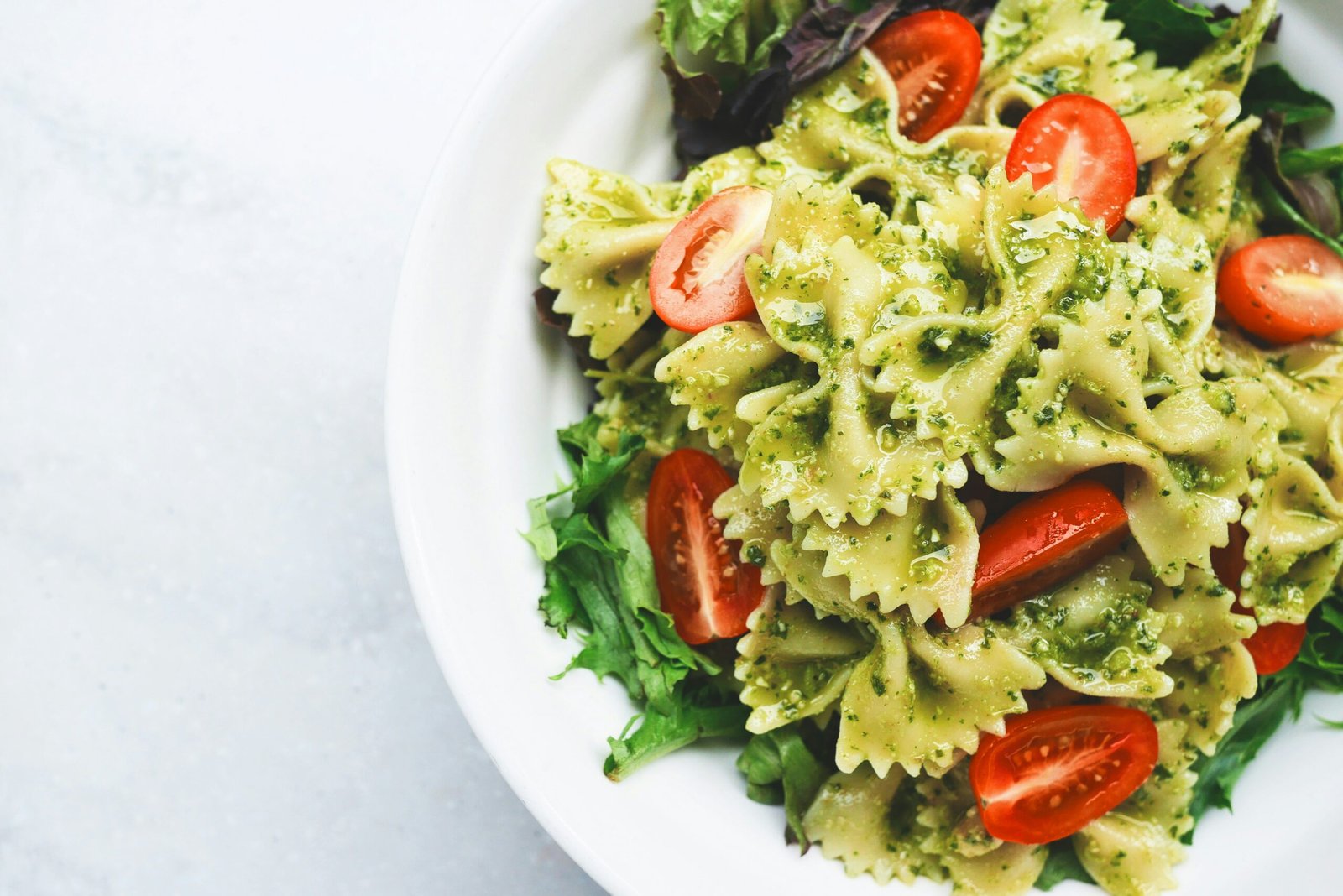
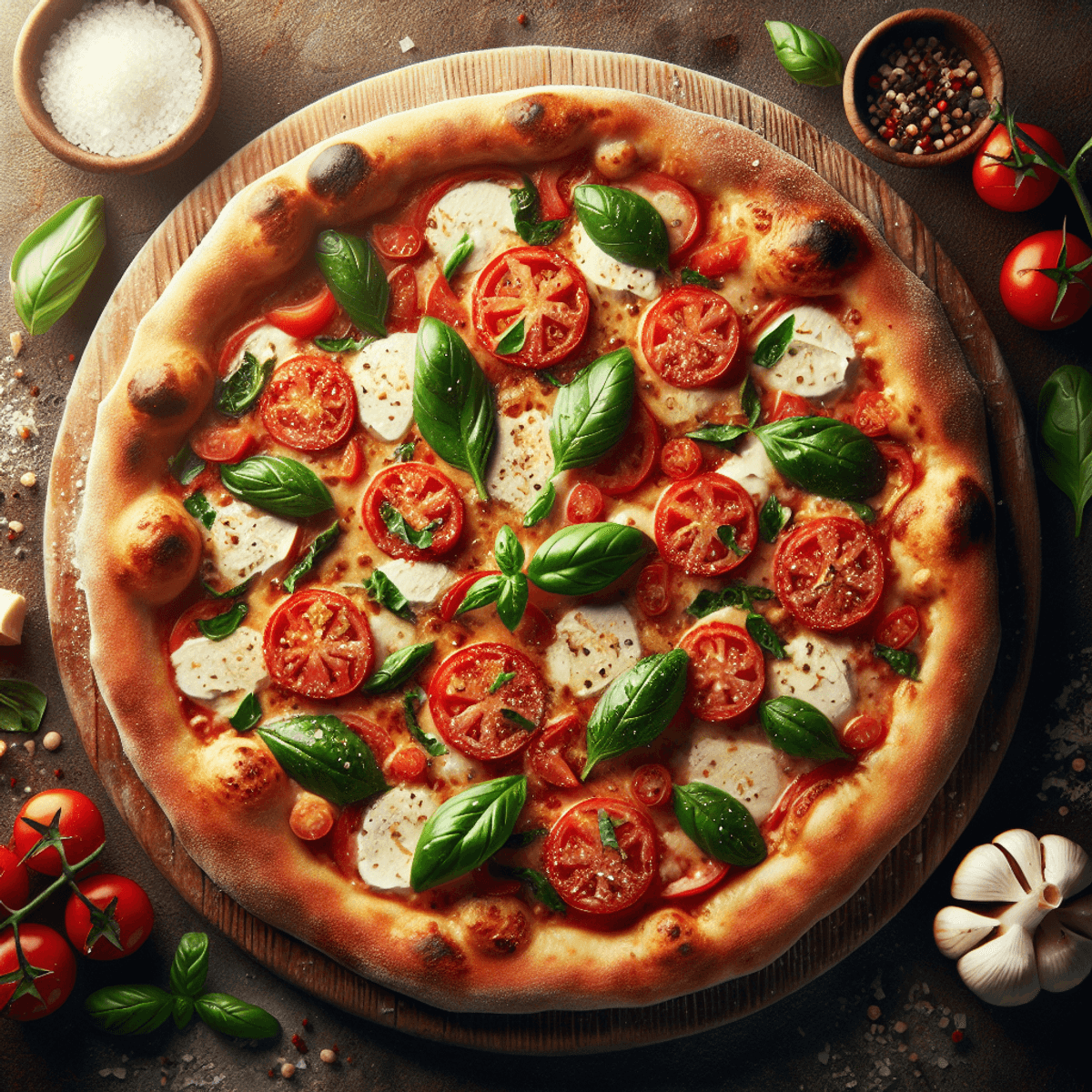
Incorporating basil into both traditional and modern Italian recipes is simple yet rewarding. A classic Caprese salad, consisting of fresh tomatoes, mozzarella, and basil, exemplifies its ability to enhance flavors. Pesto, made from fresh basil, pine nuts, garlic, and olive oil, is another quintessential representation of how this herb can transform dishes ranging from pasta to sandwiches. Additionally, modern chefs are now experimenting with basil-infused oils and marinades, showcasing its adaptability in various culinary contexts.
Indeed, the flavor profile of basil plays a crucial role in Italian cuisine. It adds depth and complexity, harmonizing with other ingredients while introducing a fresh, aromatic dimension. Through careful selection and thoughtful incorporation, basil becomes not just an herb but the heart of Italian-inspired dishes that resonate with flavor and tradition.
Oregano and Rosemary: Robust Flavors for Hearty Meals
Oregano and rosemary are two quintessential herbs in Italian cuisine, celebrated for their bold flavors and versatility. Oregano, a staple ingredient, is primarily known for its robust presence in sauces and the revered Italian pizza. Its strong, aromatic profile elevates the taste of tomato-based dishes and provides a warm, slightly bitter note that harmonizes beautifully with other ingredients. Whether used fresh or dried, oregano’s character remains unyielding; however, culinary experts often prefer to use fresh oregano for a more vibrant flavor, particularly in salads and as a finishing touch on cooked dishes.
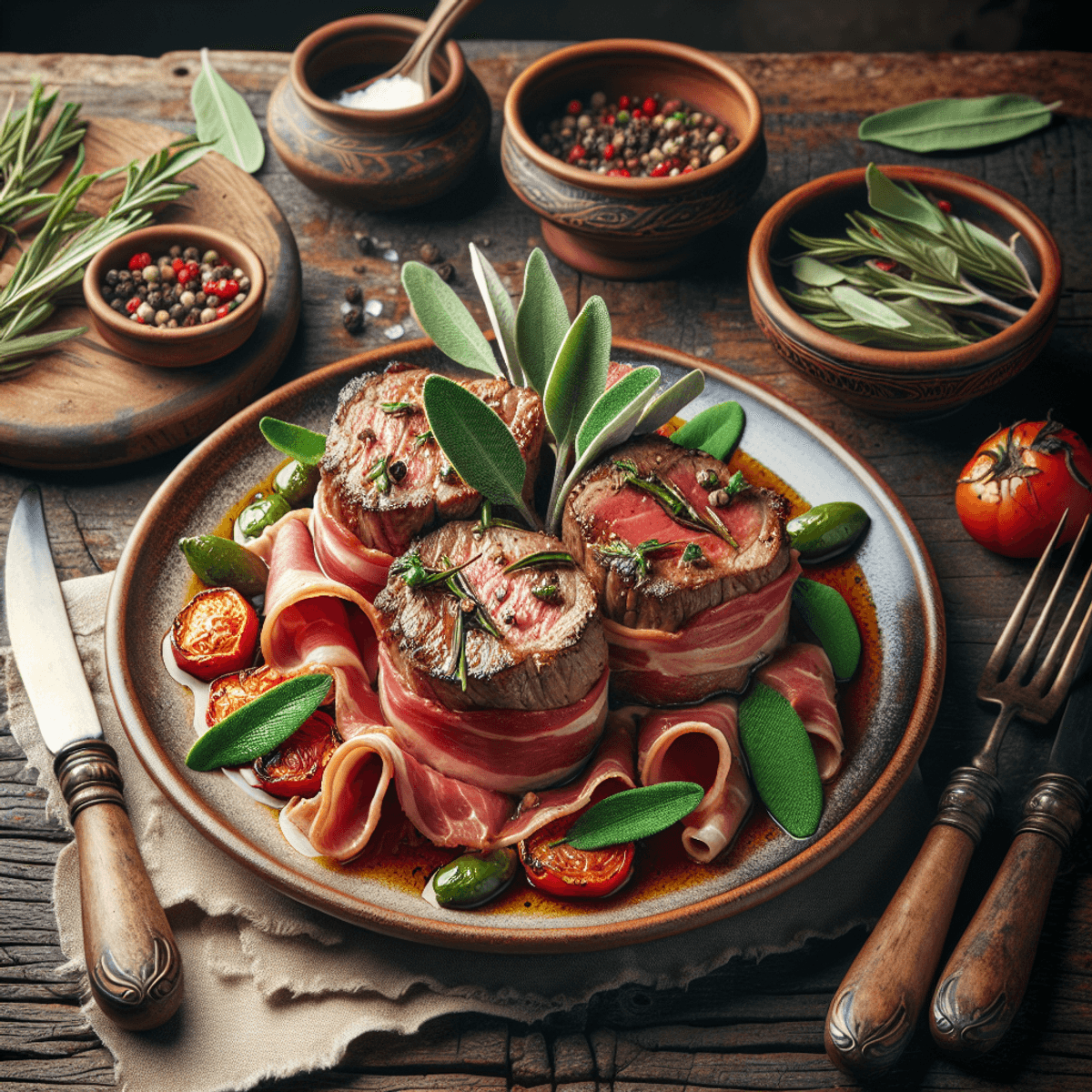
In contrast, rosemary is distinguished by its needle-like leaves and distinct pine-like aroma, making it a favored herb for enhancing roasted meats and vegetables. This herb not only adds depth but also contributes an earthy flavor that compliments hearty meals, particularly lamb, chicken, and various root vegetables. Both fresh and dried rosemary possess strong flavors, though fresh rosemary is usually recommended for culinary applications that require a pronounced herbal impact. When cooking with rosemary, it is essential to use it judiciously; its potency can overwhelm more delicate flavors if not balanced correctly.
To achieve the best flavor profiles in your dishes, consider complementary pairings. Oregano marries well with garlic, onions, and peppers, enriching sauces and marinades. Rosemary complements other robust ingredients, such as garlic and citrus, enhancing the flavors of roasted meats and adding an aromatic touch to potatoes. Incorporating these herbs into Italian cooking not only invites freshness but also highlights the tradition of using simple, high-quality ingredients that are foundational to this cuisine. Mastering the use of oregano and rosemary can dramatically elevate any Italian meal, providing a delightful symphony of flavors that resonate with authenticity.
Herb-Infused Oils and Sauces: Elevating Italian Dishes
Herb-infused oils and sauces are essential elements in Italian cuisine, providing depth and enhancing the fresh flavors that many dishes are known for. These infused oils are made by steeping various herbs in high-quality oils, allowing the aromatic properties to infuse and create a dynamic flavor profile. Common herbs used include thyme, sage, and bay leaves, each contributing unique characteristics that elevate an array of dishes.
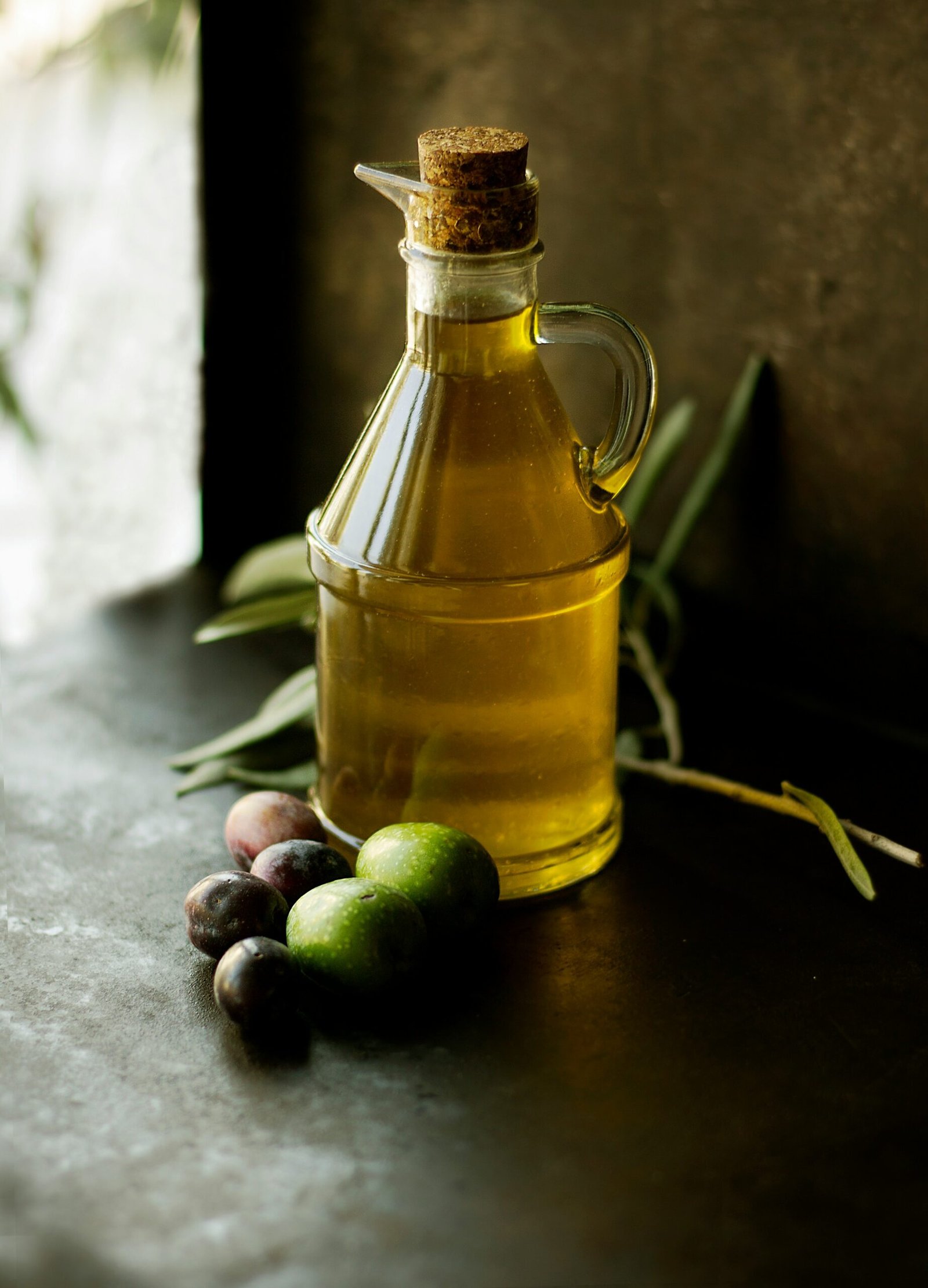
To create an herb-infused oil, start by selecting your preferred herbs. Gently bruise them to release their essential oils before adding them to a small pot of extra virgin olive oil. Heat the mixture over low flame for approximately 15 minutes, ensuring it does not reach a boiling point. Once infused, allow the oil to cool before straining out the herbs. This oil can then be drizzled over grilled vegetables, drizzled on pizza prior to serving, or used as a flavorful base for salad dressings.
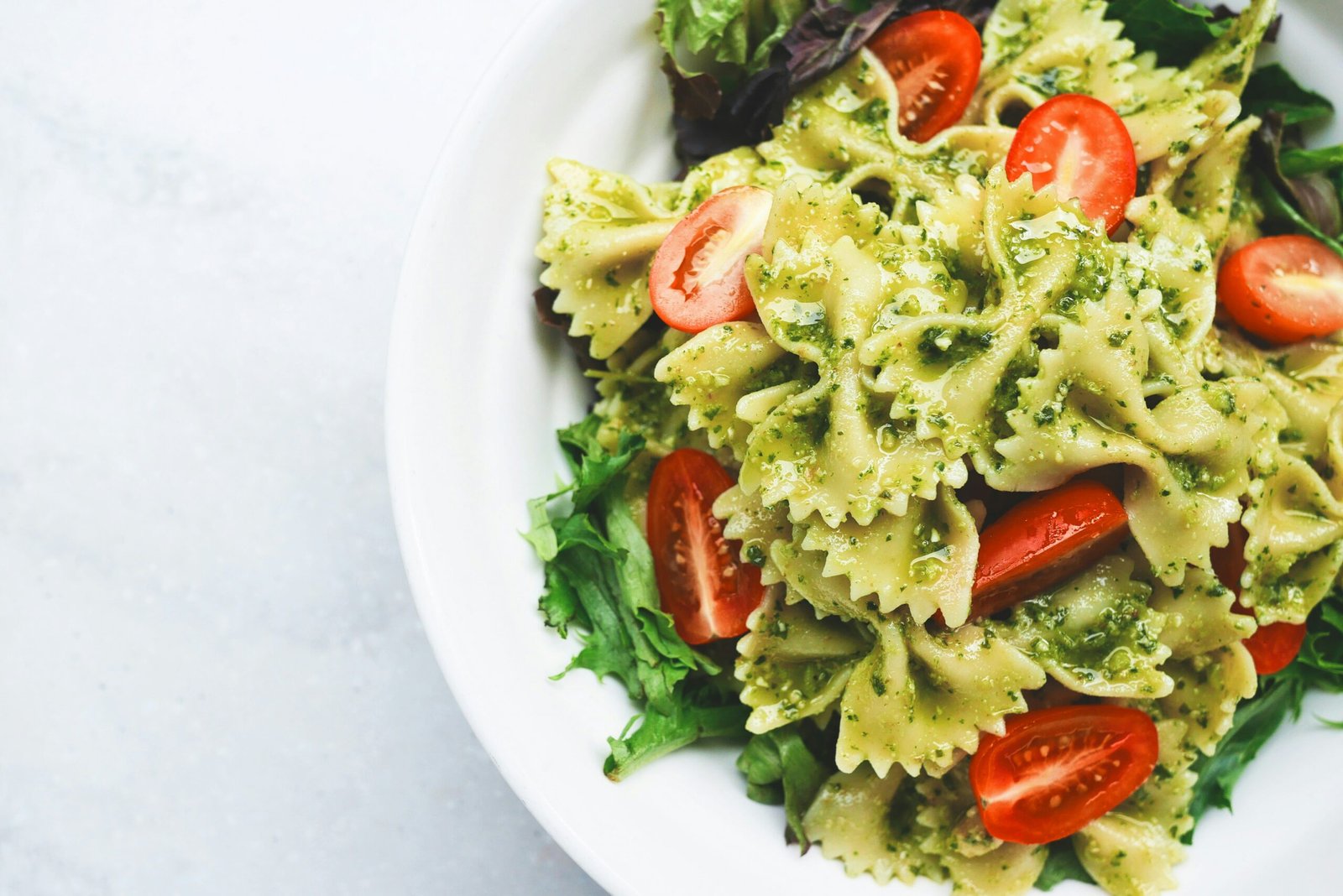
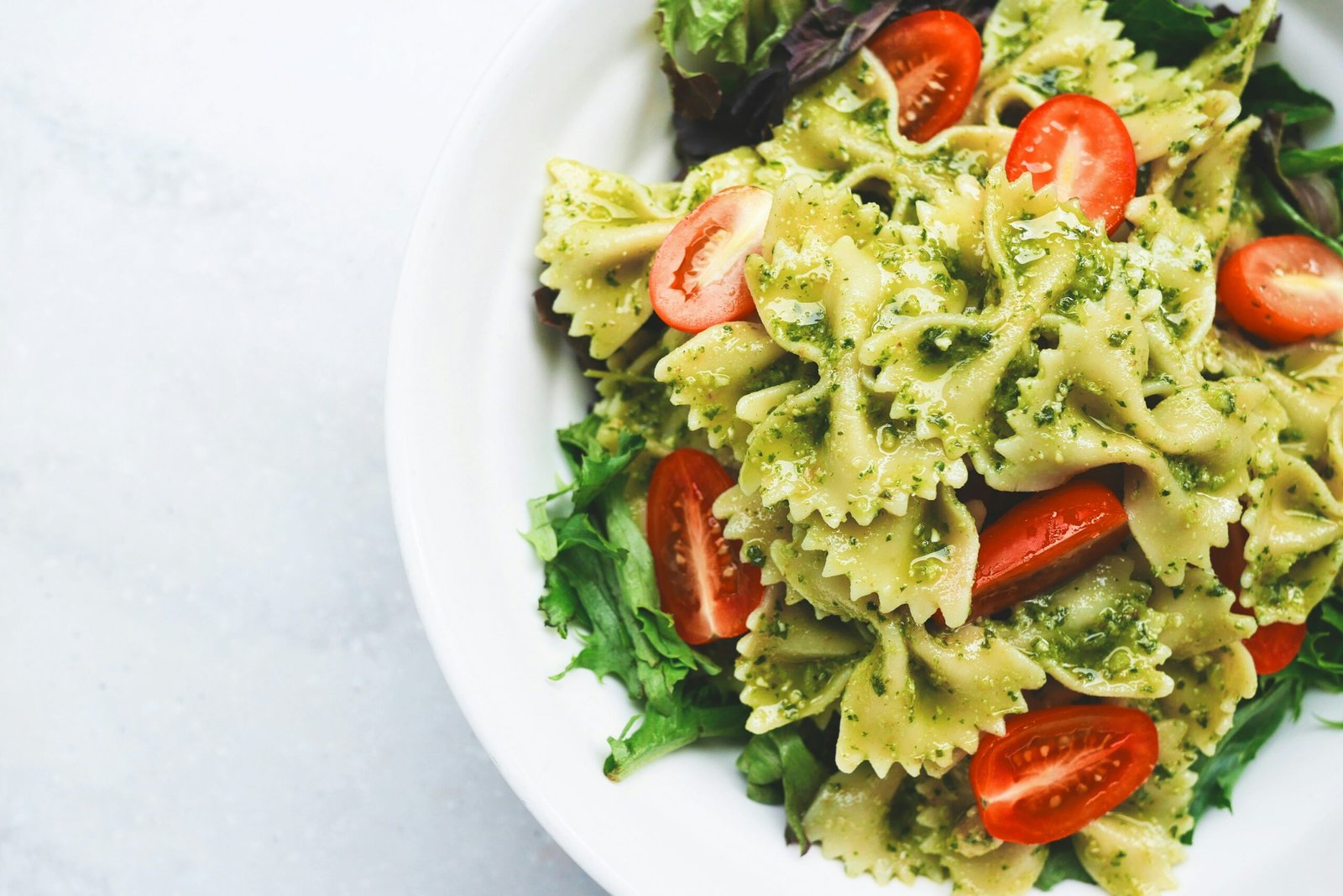
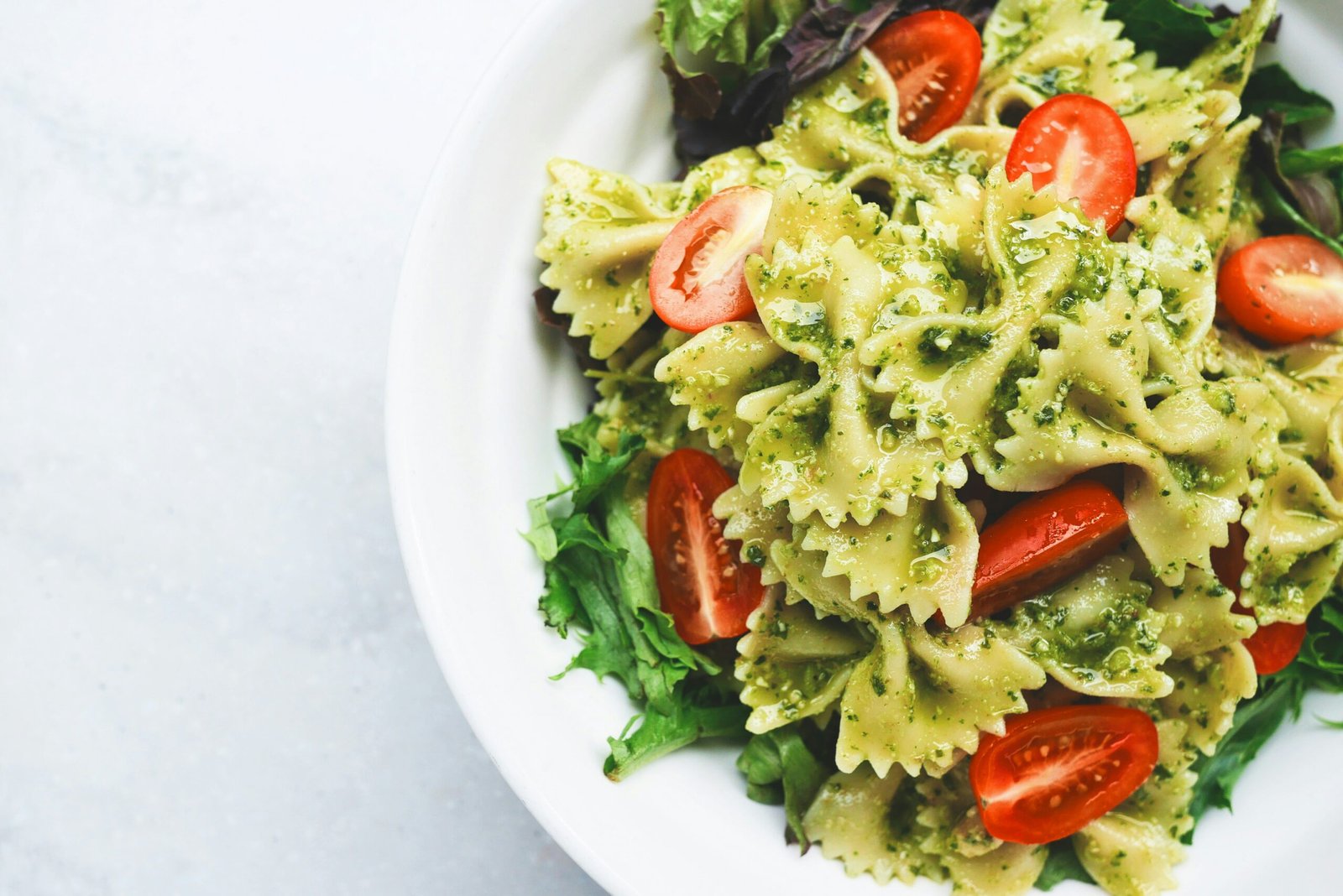
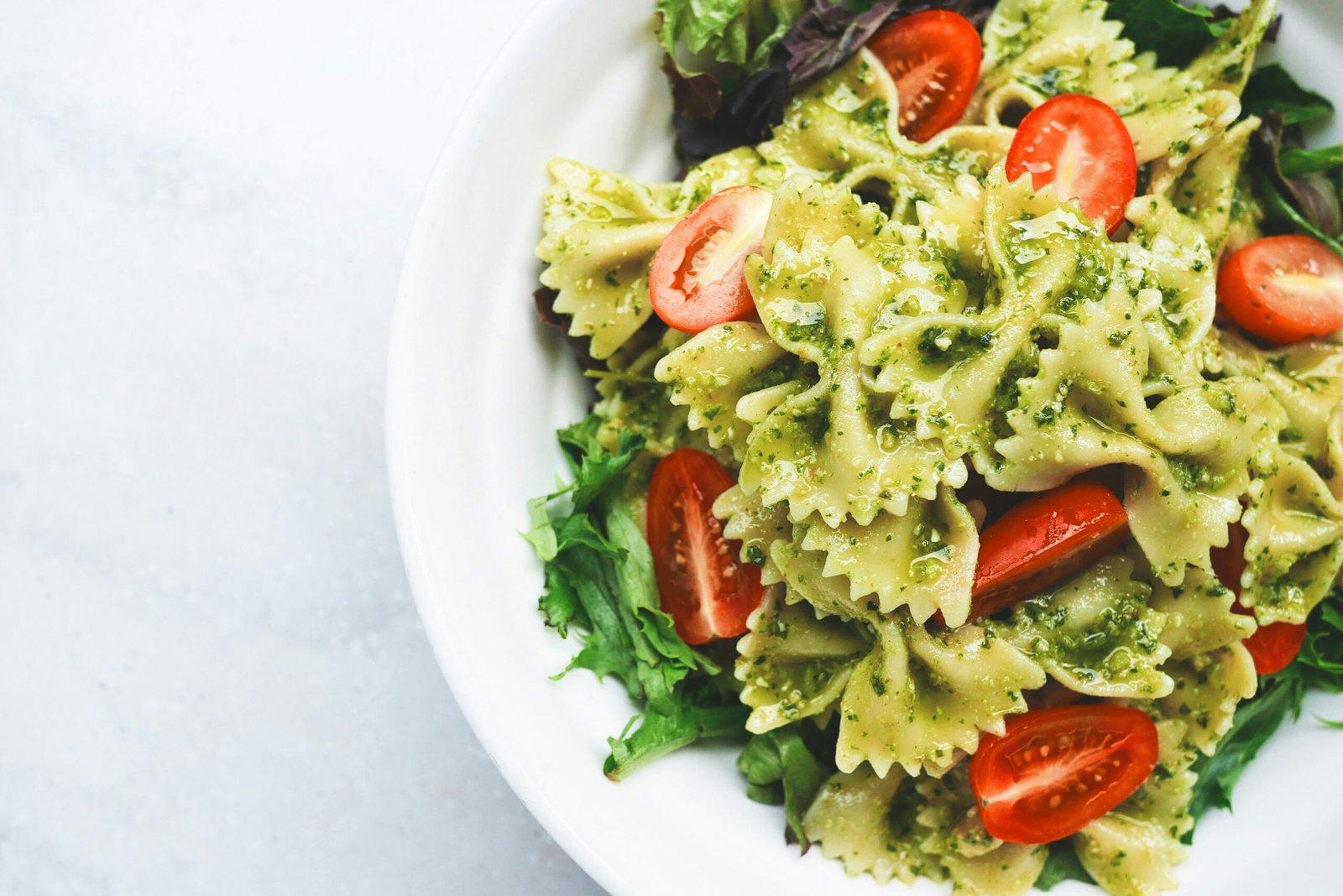
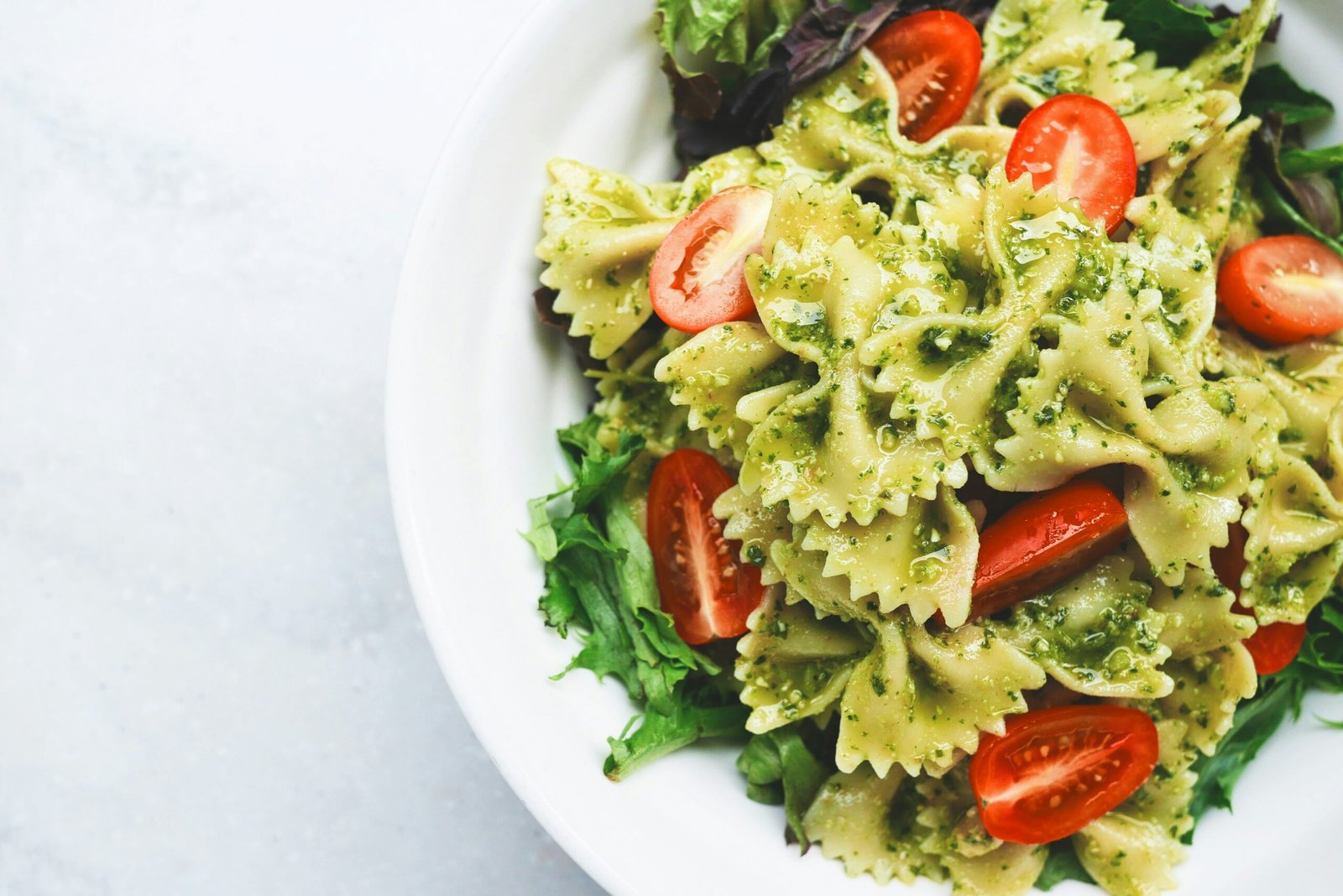
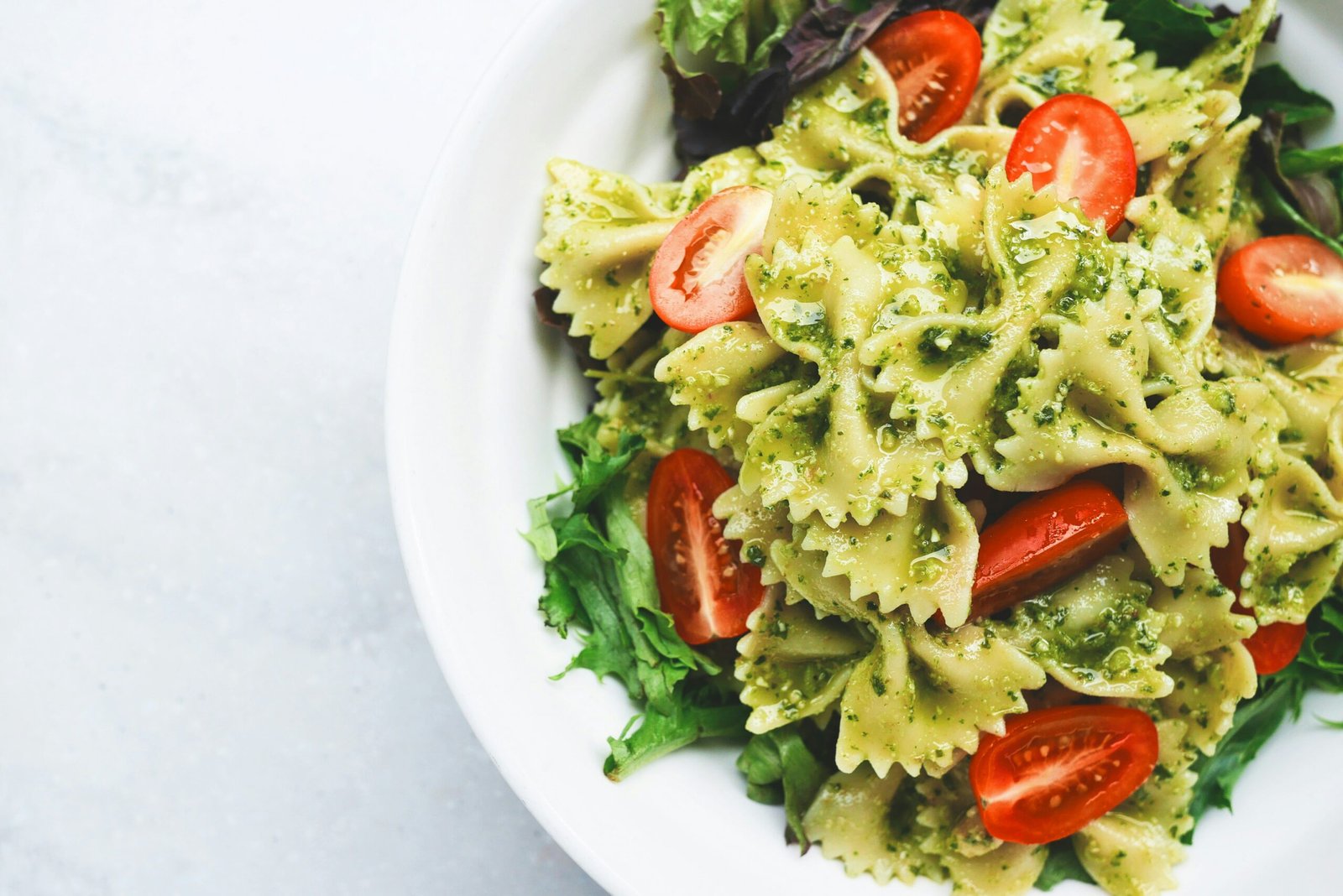
Classic Italian sauces, such as pesto and chimichurri, are excellent examples of how herbs can enhance the flavor of a dish. Pesto, traditionally made from basil, garlic, pine nuts, and parmesan, showcases the vibrant taste of fresh herbs. A simple recipe involves blending two cups of packed basil leaves with two cloves of garlic, 1/2 cup of pine nuts, and 1/2 cup of grated parmesan cheese. Gradually add 1 cup of olive oil to the mixture until smooth. Pesto can be tossed with pasta, spread on bread, or used as a topping for grilled meats.
Chimichurri, on the other hand, incorporates parsley and oregano, offering a bright, zesty undertone that pairs wonderfully with grilled meats. Combine one cup of chopped fresh parsley, 1/2 cup of chopped fresh oregano, three cloves of minced garlic, 1/4 cup of red wine vinegar, and 1/2 cup of olive oil. Season with salt and pepper to taste. This versatile sauce can also serve as a marinade or dipping sauce. Incorporating these herb-infused oils and sauces into your cooking routine can significantly elevate the flavors and authenticity of Italian meals. In conclusion, experimenting with herbs can bring traditional Italian culinary experiences to life in your kitchen, allowing for endless possibilities to explore and enjoy.