The Importance of Fresh Produce in Italian Cuisine
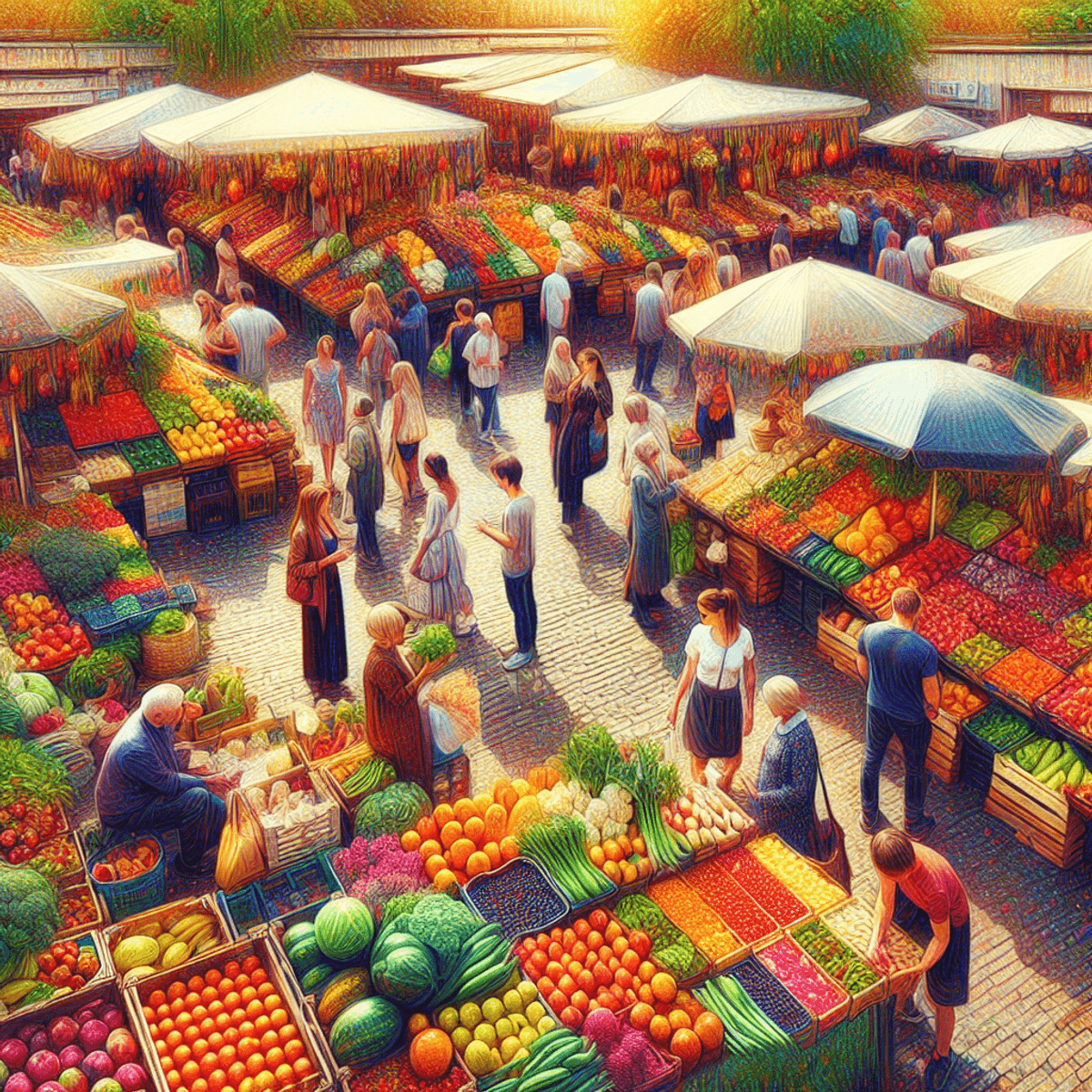
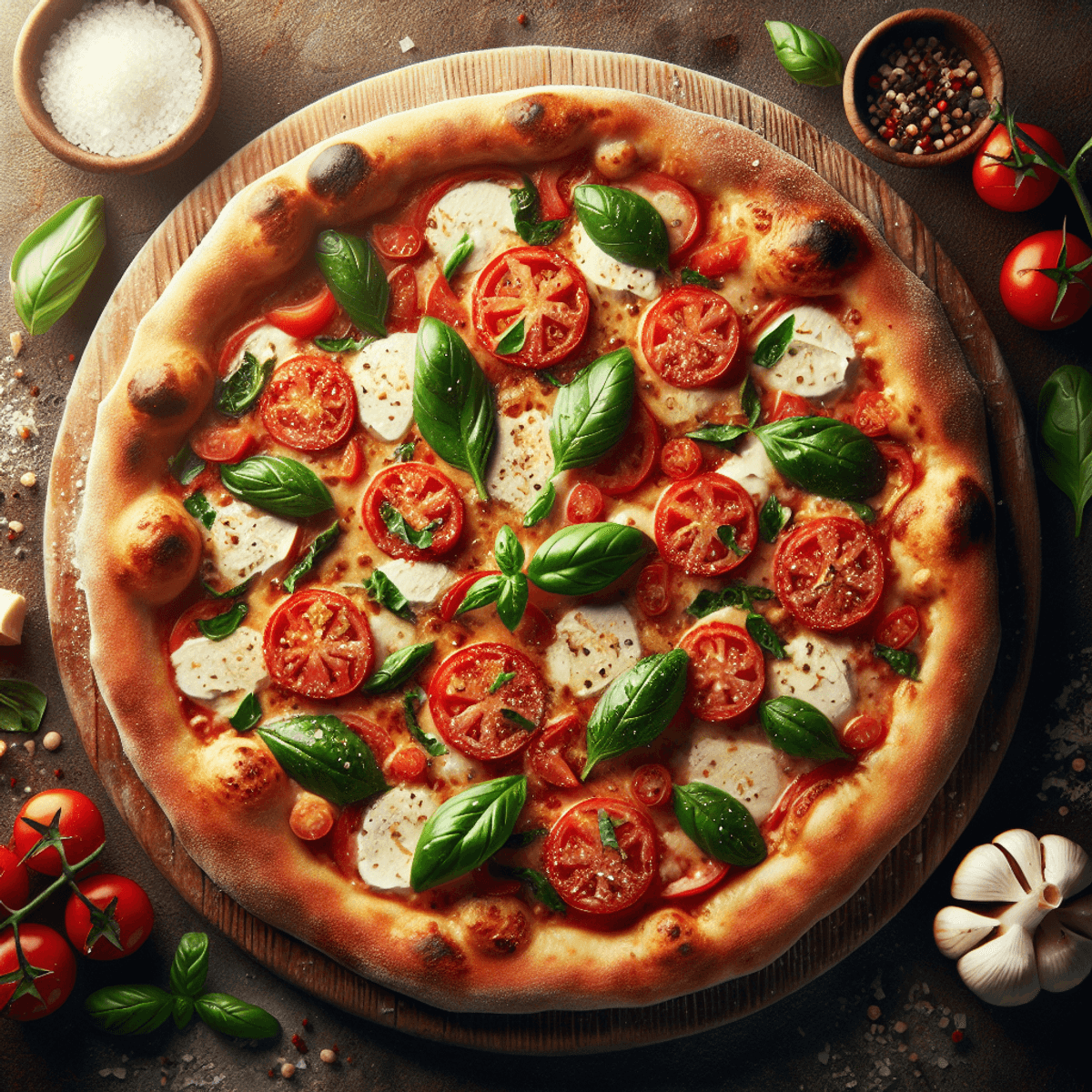
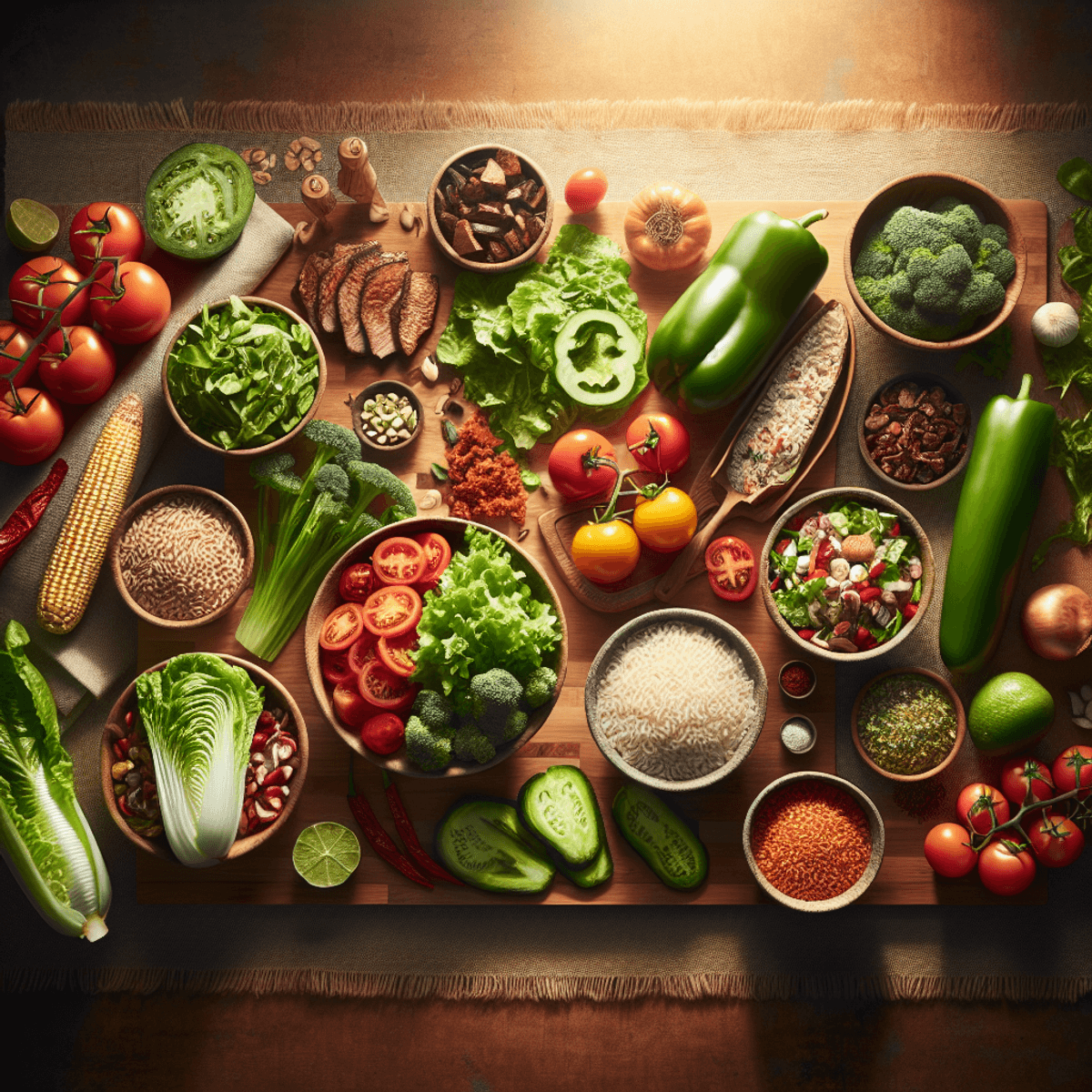
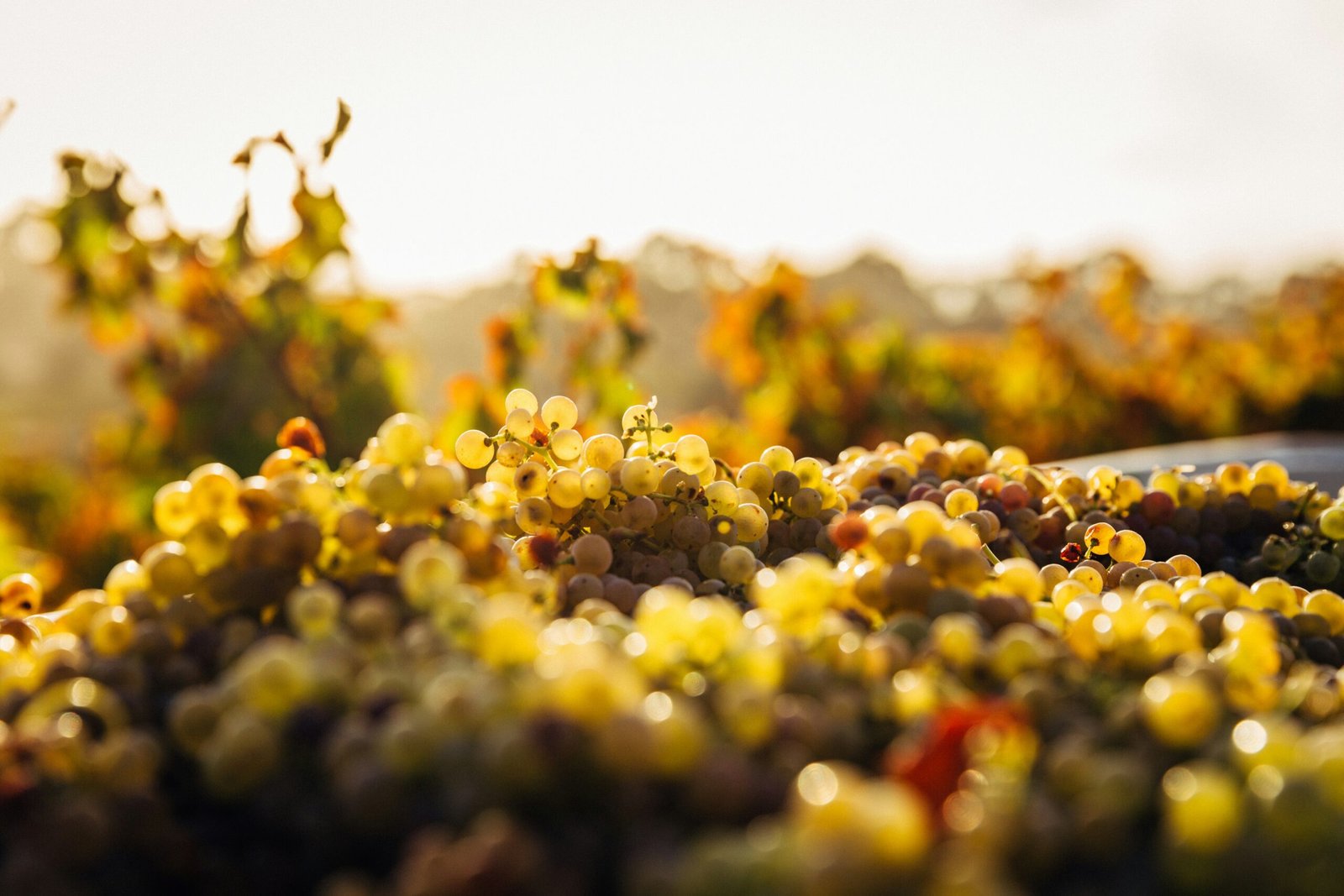
Fresh produce holds a fundamental role in Italian cuisine, rooted deeply in the philosophy of ‘farm to table.’ This approach emphasizes the sourcing of ingredients directly from local farms and seasonal markets, ensuring both quality and authenticity in recipes. Central to Italian cooking is the belief that the freshest ingredients yield the most flavorful dishes. As such, chefs and home cooks alike prioritize seasonal fruits and vegetables, celebrating the diversity of produce available at different times of the year.
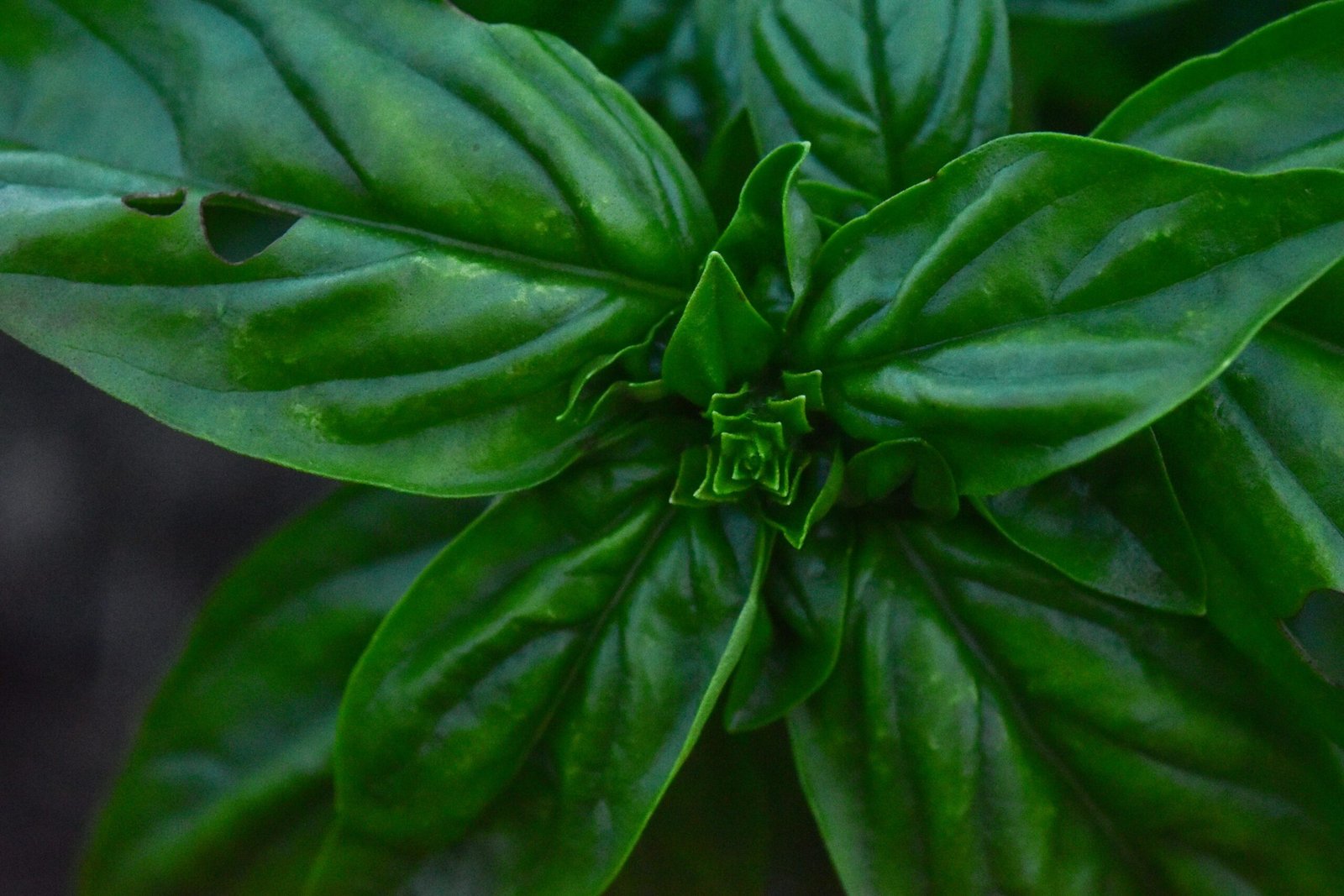
Seasonality plays a crucial role in determining the ingredients used in traditional Italian recipes. For instance, springtime brings an abundance of asparagus and peas, while summer focuses on tomatoes, basil, and peppers. The autumn harvest offers a variety of squashes and root vegetables, while winter brings hearty greens such as kale and chicory. Each season introduces unique flavors and textures that are essential to creating authentic Italian dishes. These seasonal changes not only enhance the variety within the cuisine but also promote a more sustainable food system that respects the earth’s natural cycles.
The emphasis on quality and authenticity extends beyond mere sourcing. Italian culinary practices often highlight the health benefits of fresh produce. Ingredients that are freshly harvested carry higher nutritional value and contribute to a balanced diet. This aligns with the Italian commitment to healthful living, which is increasingly relevant in today’s society.
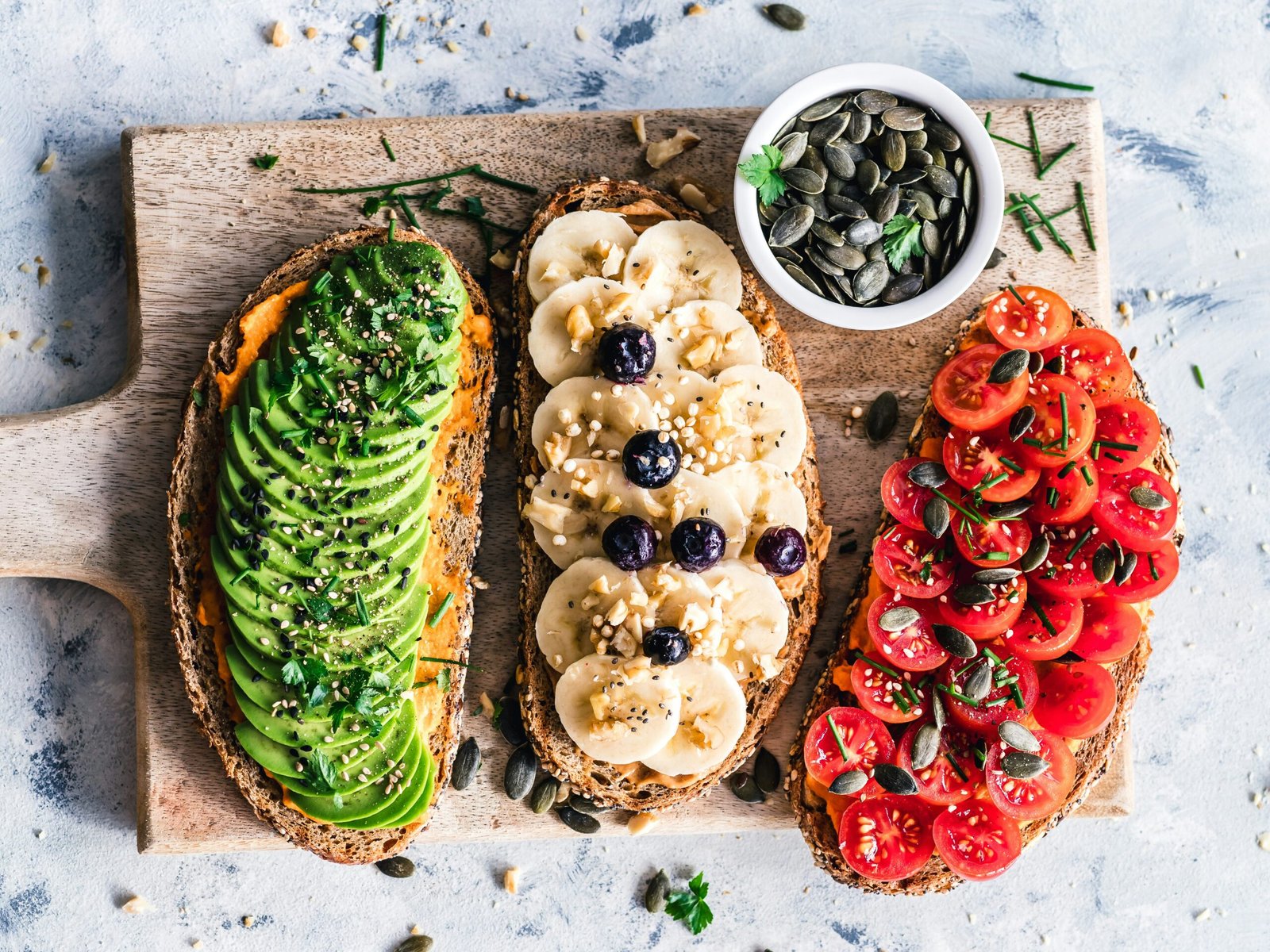
Moreover, the use of fresh ingredients has a significant impact on the flavor profile of Italian dishes. Fresh herbs, ripe vegetables, and seasonal fruits provide vibrant and distinct tastes that are often compromised when using preserved or processed ingredients. This commitment to high-quality produce is what sets Italian cuisine apart, making it not only a celebration of flavor but also a testament to the importance of fresh, local ingredients in achieving culinary excellence.
Spotlight on Singapore’s Local Produce
Singapore’s unique climate fosters a diverse range of fruits, vegetables, and herbs that serve as fresh produce for local culinary creations. The equatorial climate, characterized by high humidity and consistent temperatures, allows for a variety of crops to flourish throughout the year. Among the most notable local ingredients is pandan, a fragrant leaf that is widely used in both sweet and savory dishes. Its distinct aroma enhances rice, desserts, and even beverages, making it a staple in Singaporean cooking.
Lemongrass is another essential herb that exemplifies Singapore’s fresh produce. Its sharp, citrusy flavor profile is integral to many traditional dishes, lending a zesty note to soups and curries. The growing season for lemongrass in Singapore is nearly year-round, making it readily available for chefs looking to incorporate fresh, herbaceous notes into their recipes.
Chili peppers, available in various varieties, contribute to the vibrant and dynamic flavor of Singaporean cuisine. The heat levels can range from mild to extremely spicy, allowing for versatility in culinary applications. Sure to tantalize the taste buds, these chilies are often used in sauces, marinades, and of course, in popular dishes like chili crab.
In addition to exploring the flavors of local ingredients, it is essential to acknowledge the sustainable farming practices emerging in Singapore. Urban agriculture, vertical farming, and hydroponics have gained traction, allowing farmers to produce fresh produce with minimal environmental impact. These methods not only ensure a steady supply of ingredients but also promote local consumption and reduce reliance on imported goods. As Singapore continues to develop its culinary scene, integrating local produce into Italian cuisine offers a unique fusion that showcases the best of both worlds while supporting sustainable practices.
Fusion of Italian Cooking Techniques with Singaporean Ingredients
Incorporating Singapore’s fresh produce into traditional Italian cooking creates a delightful fusion that enhances both cuisines. The unique textures and vibrant flavors of Singaporean ingredients add a new dimension to classic Italian recipes. One prominent example is the Asian-inspired risotto, which traditionally uses arborio rice, but can be seamlessly enriched with local ingredients such as pandan leaf, seafood, or even local mushrooms like shiitake. The aromatic qualities of these elements can elevate the dish, offering a distinctive twist while still honoring the creamy, hearty nature of traditional risotto.
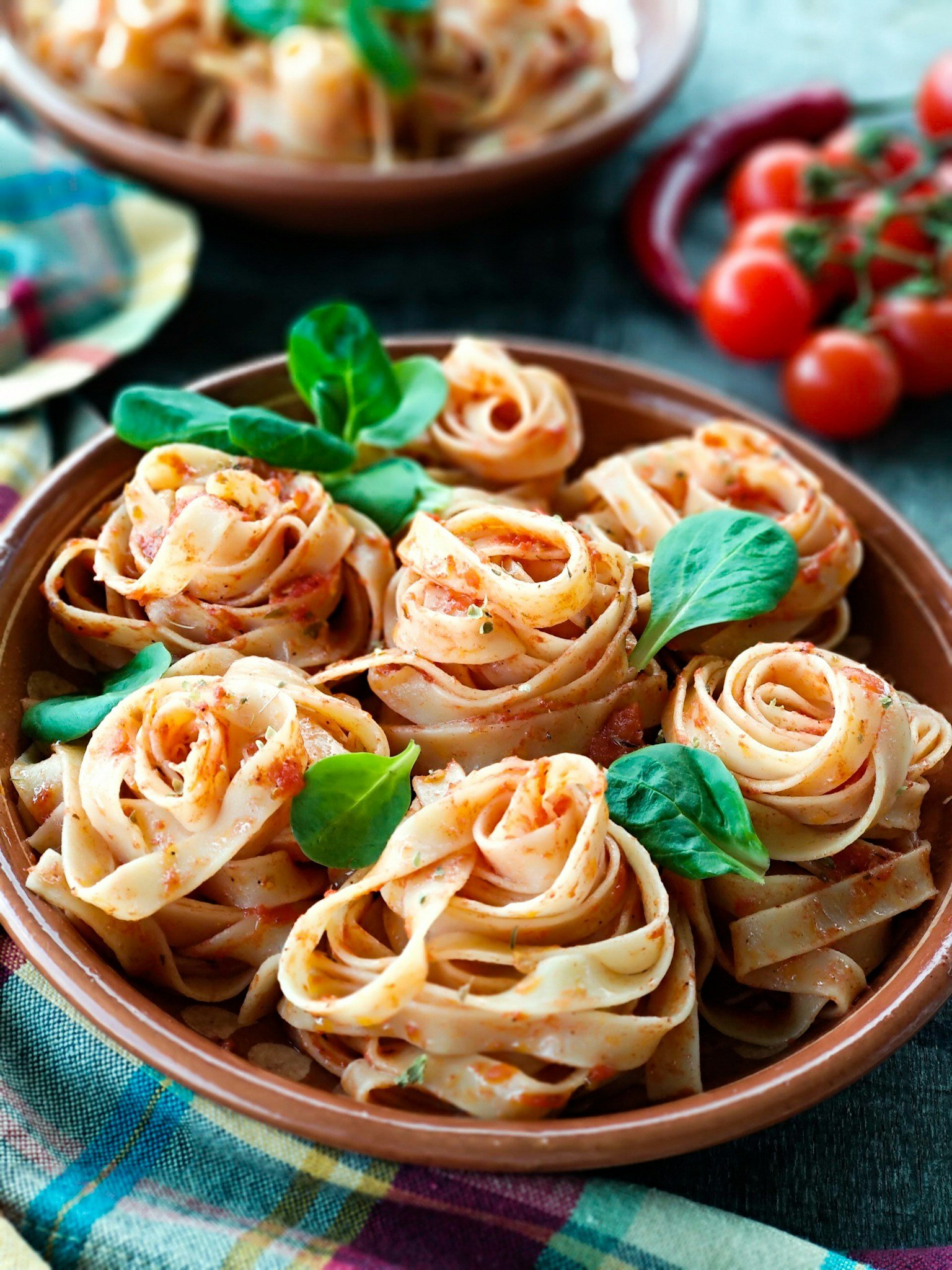
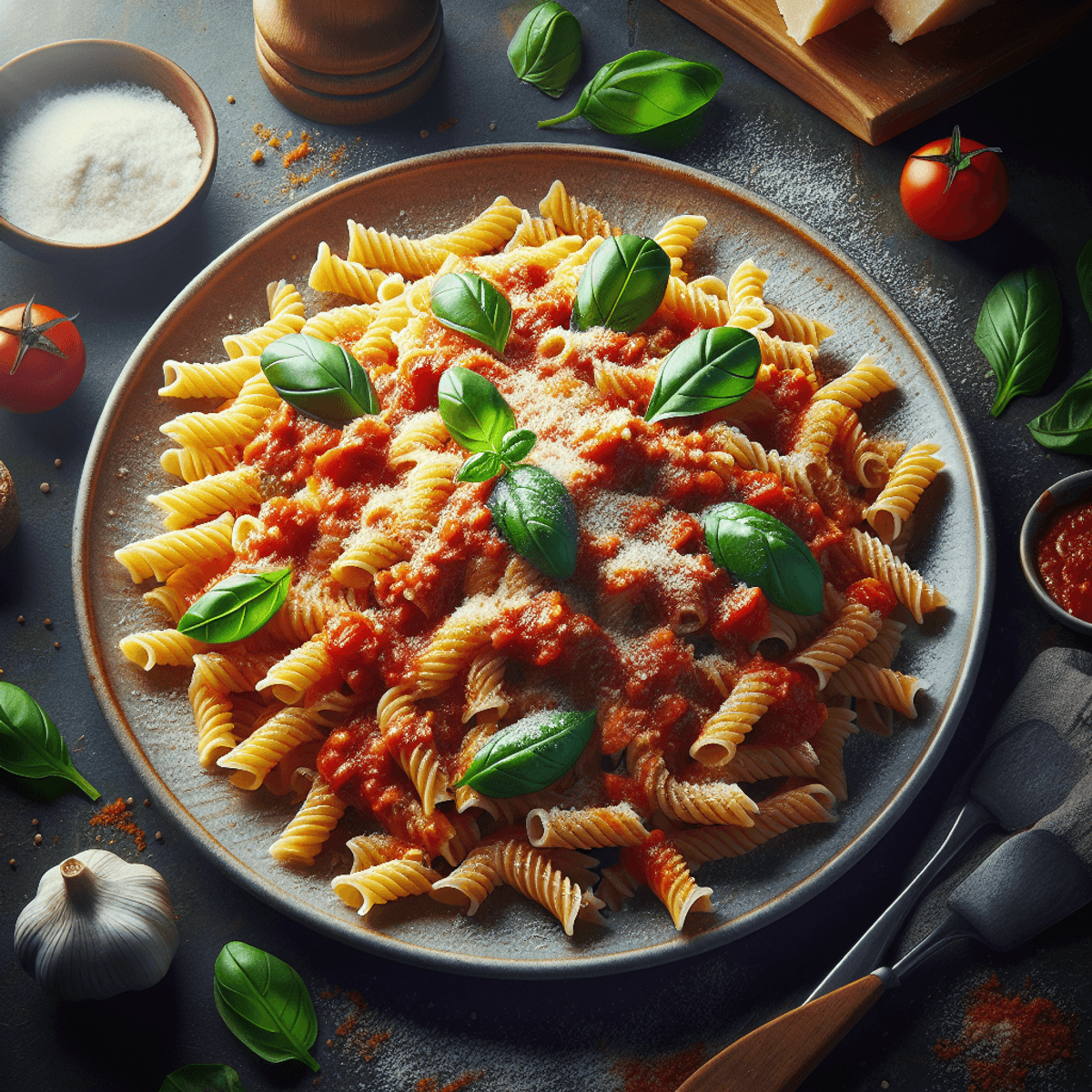
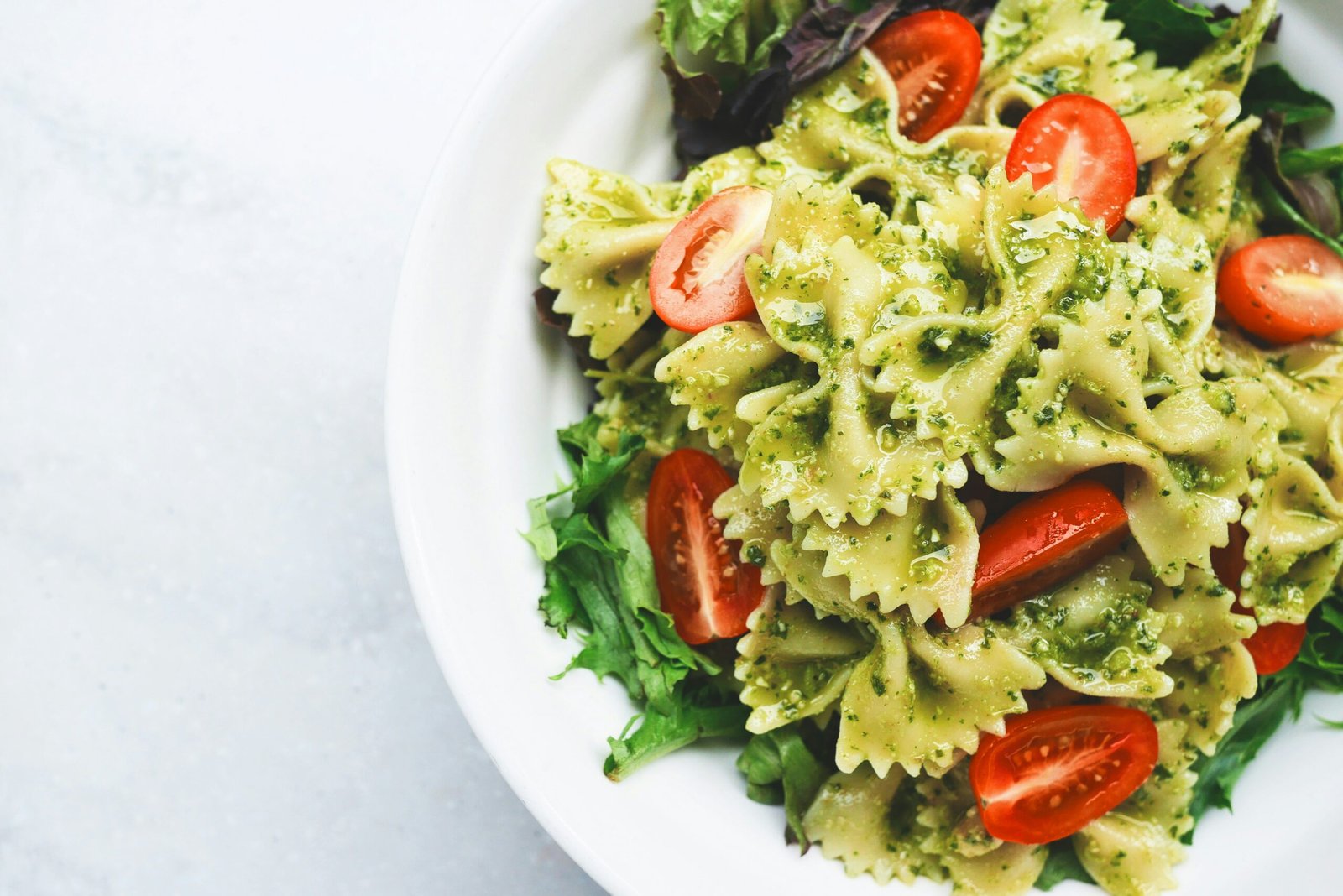
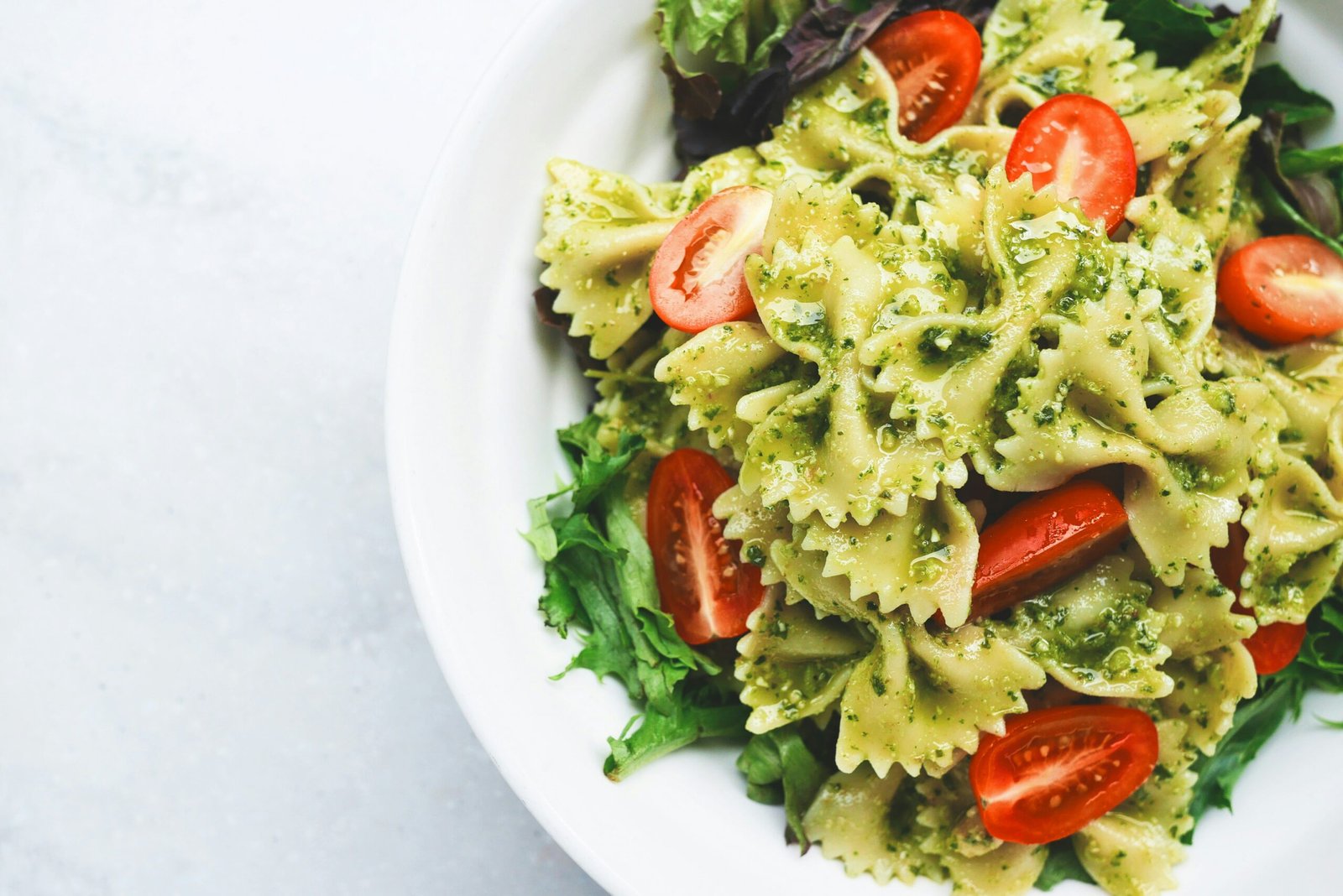
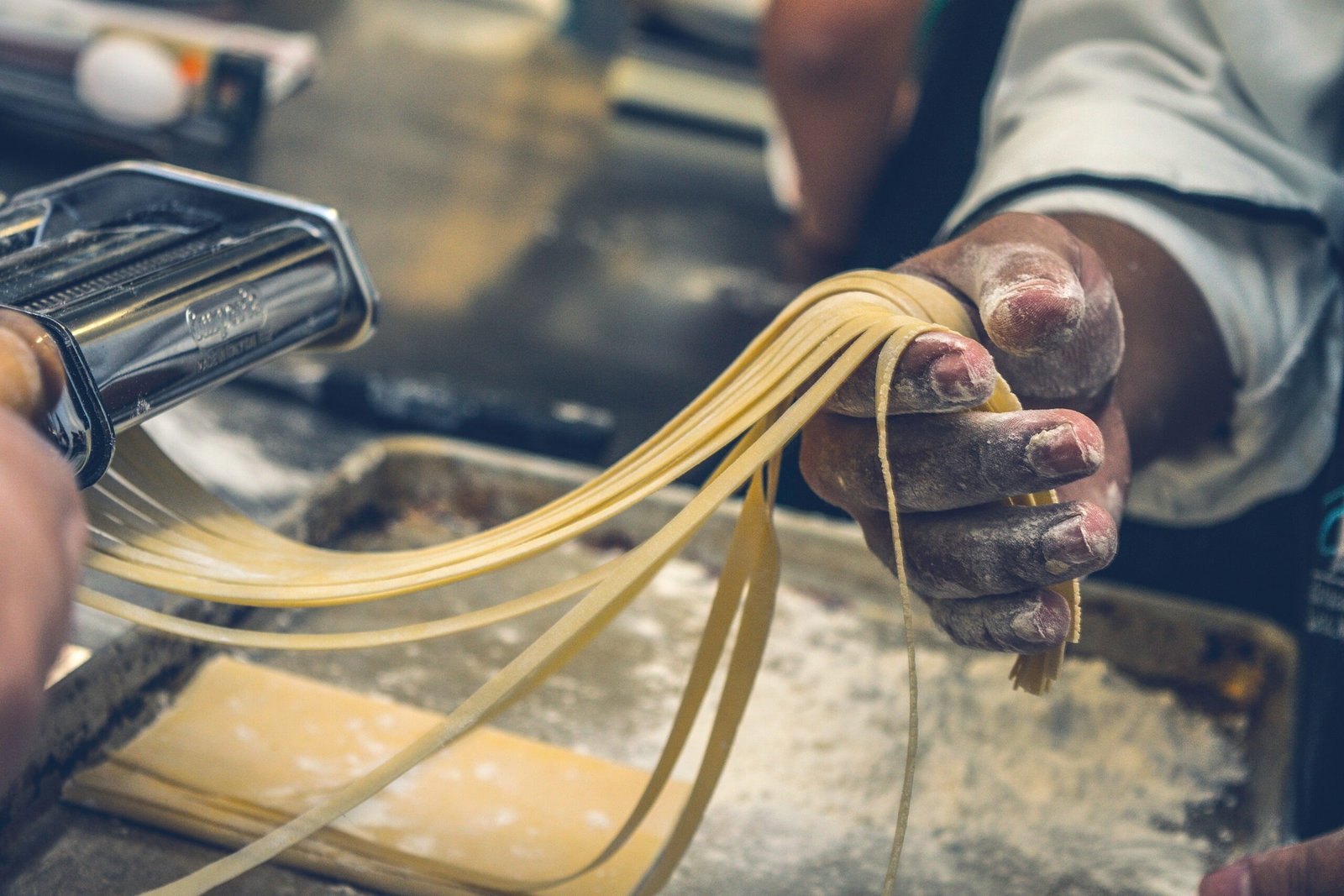
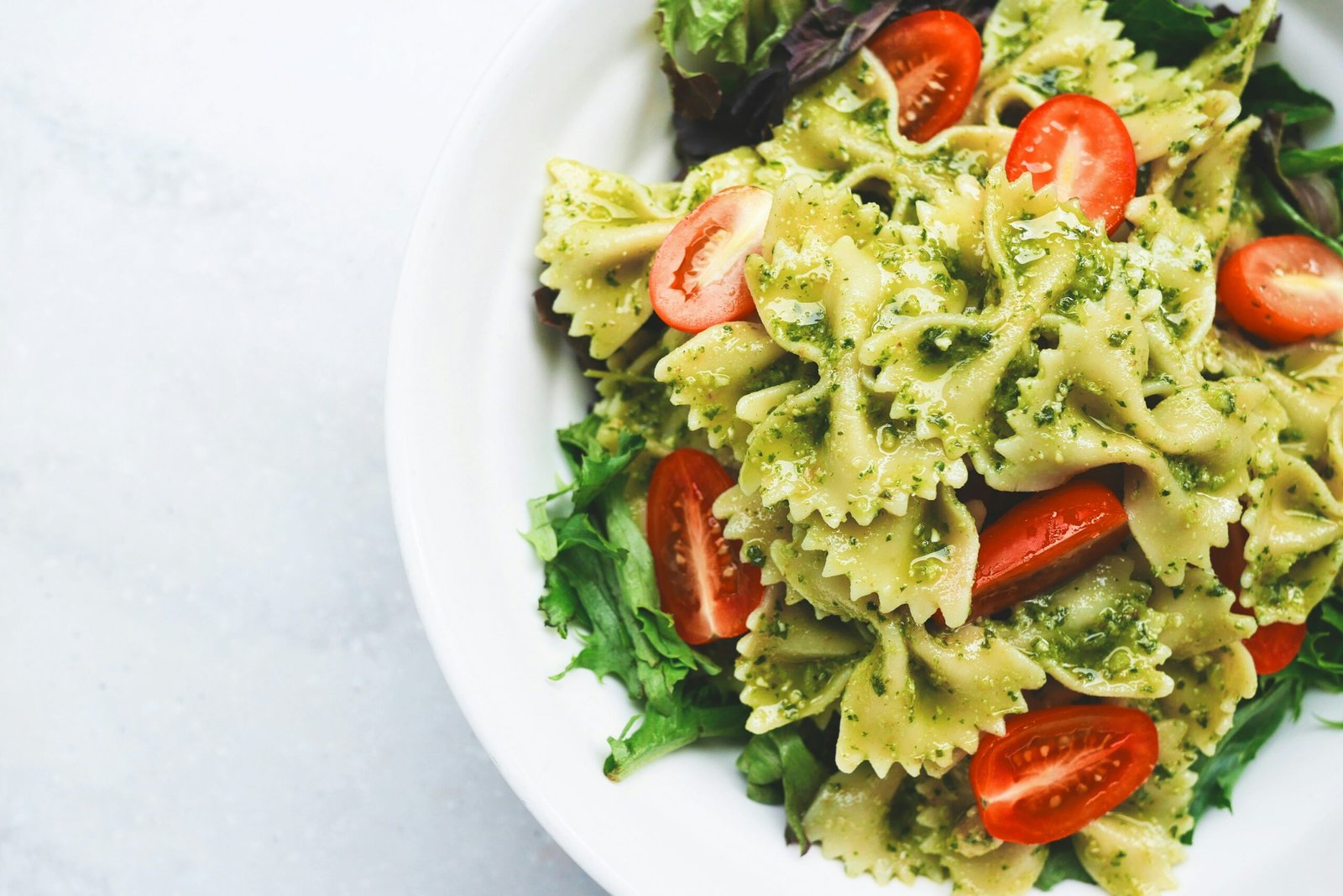
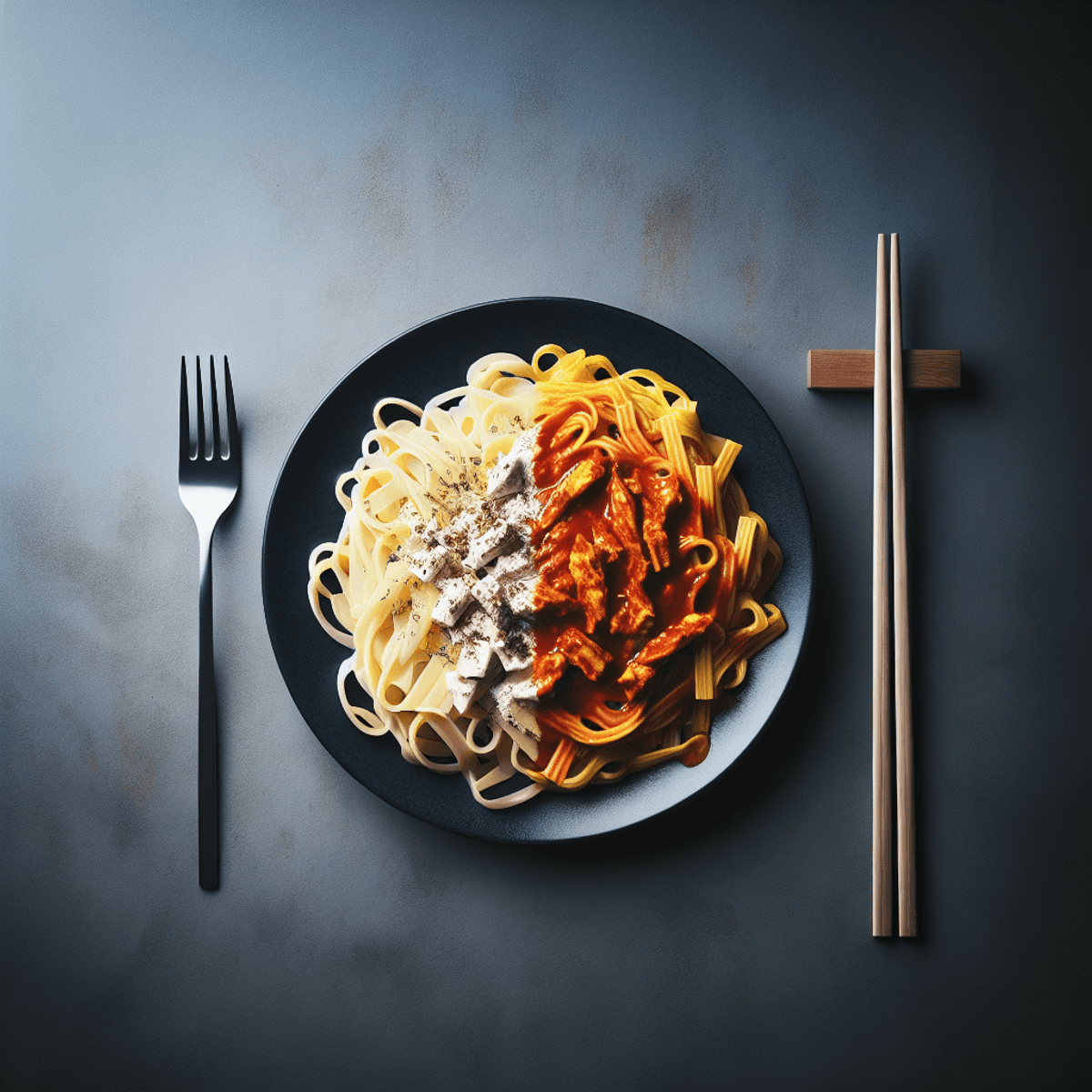
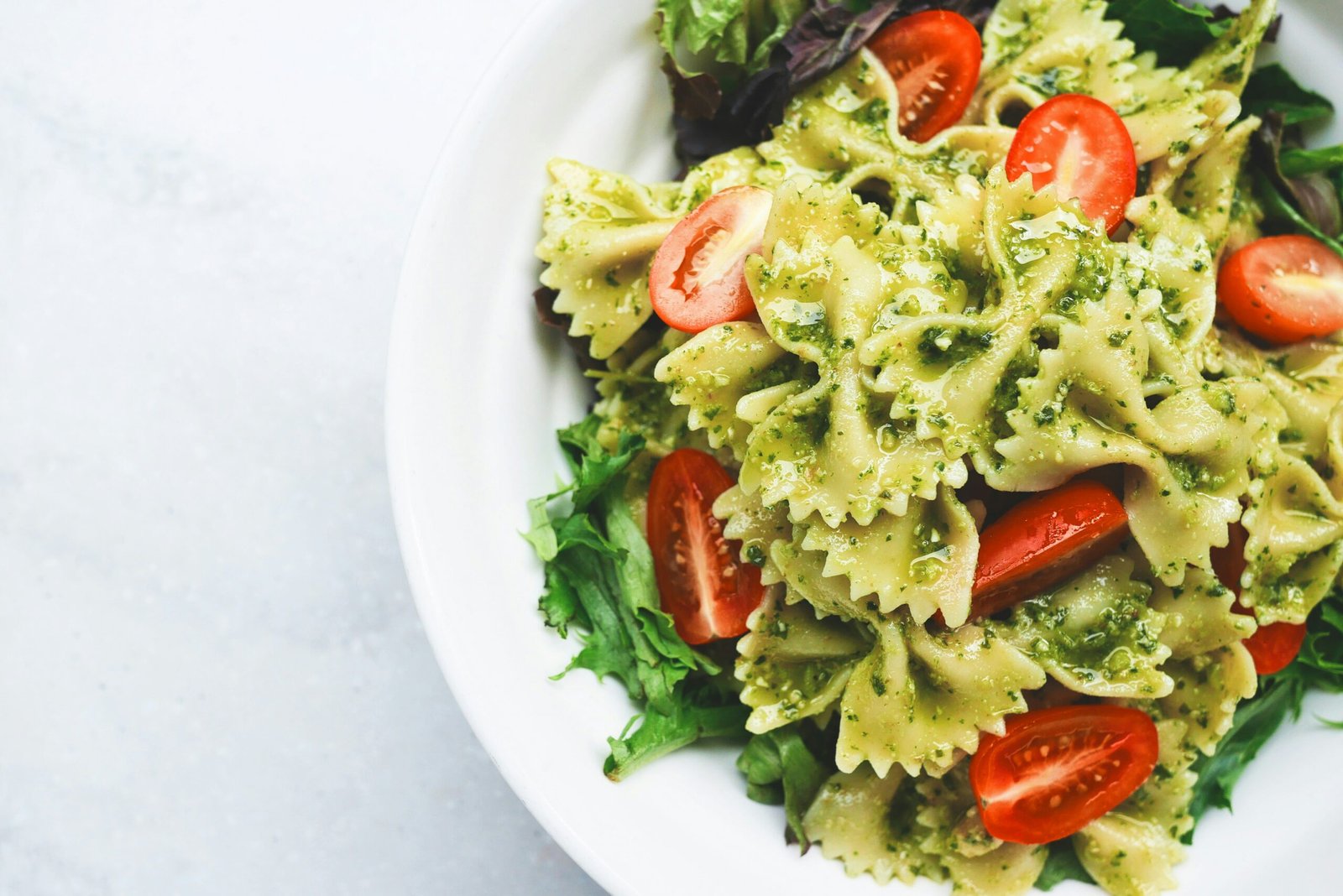
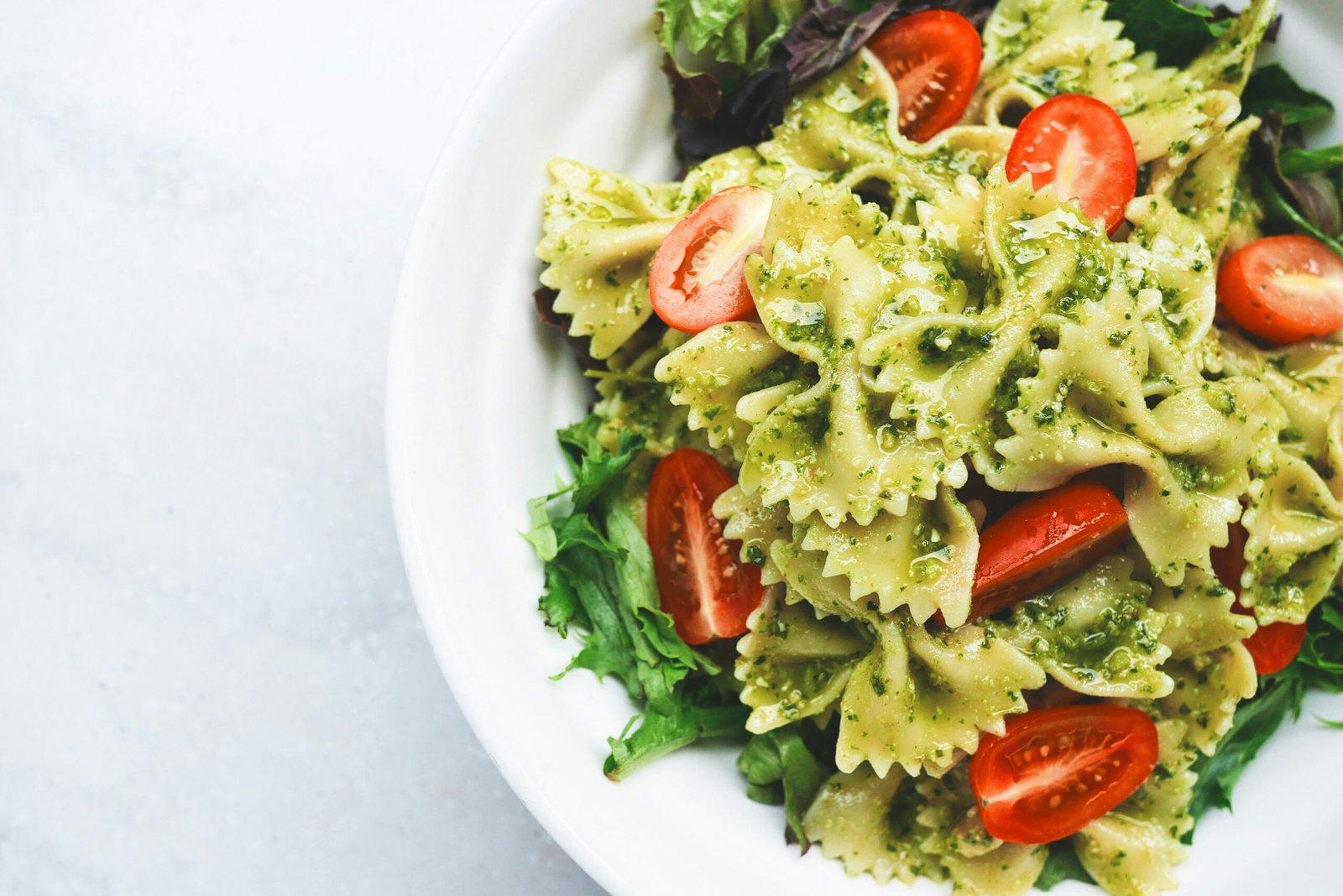
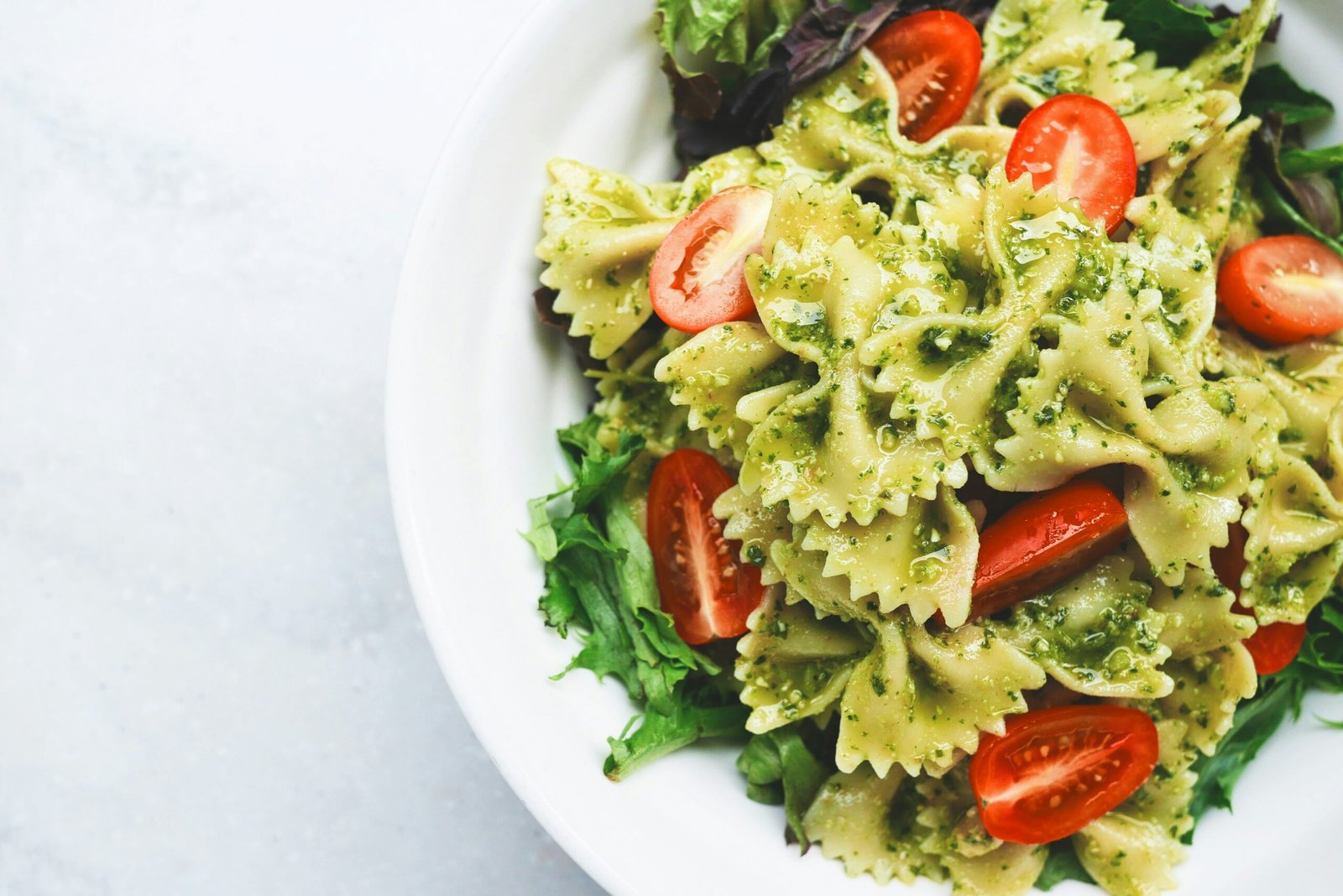
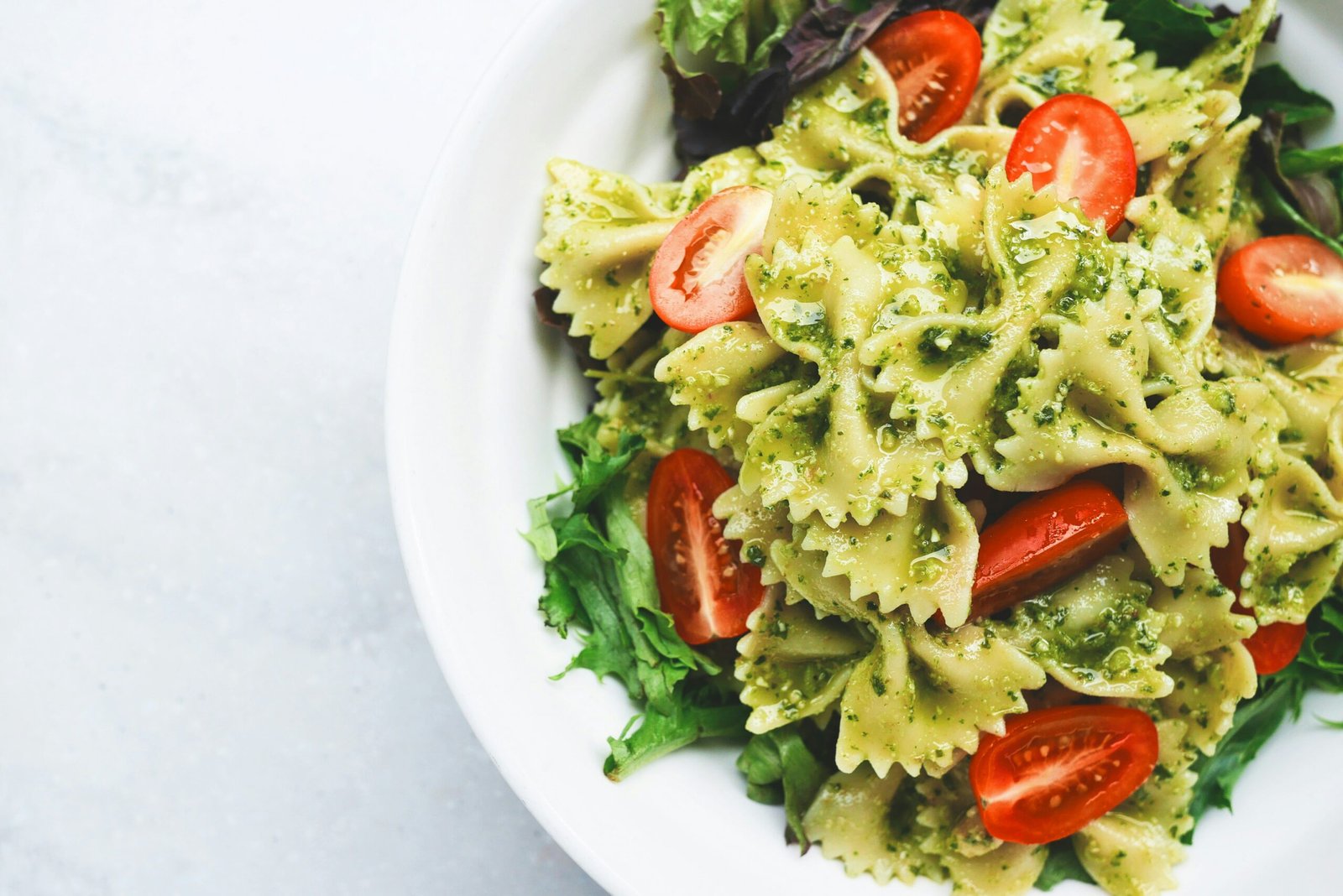
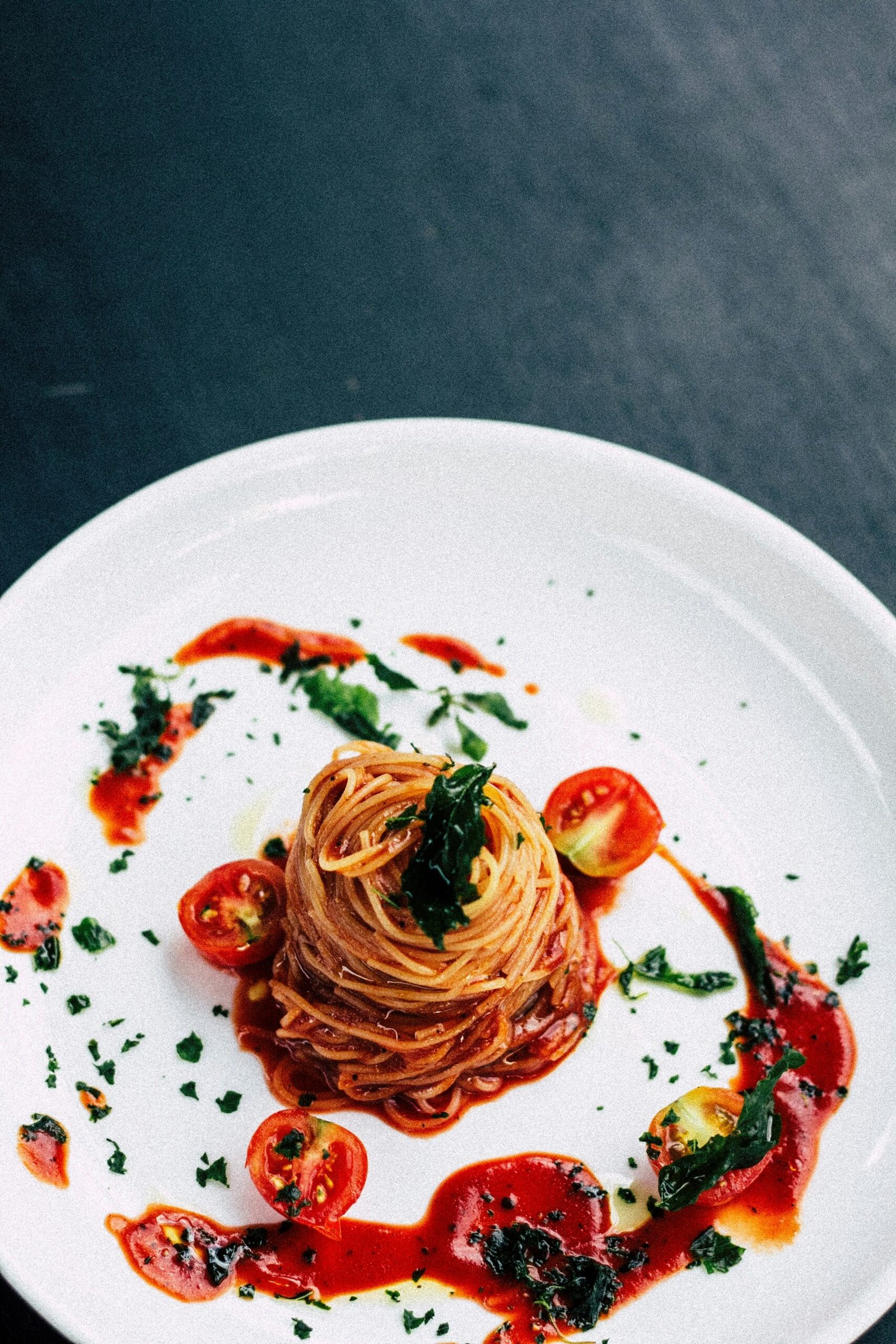
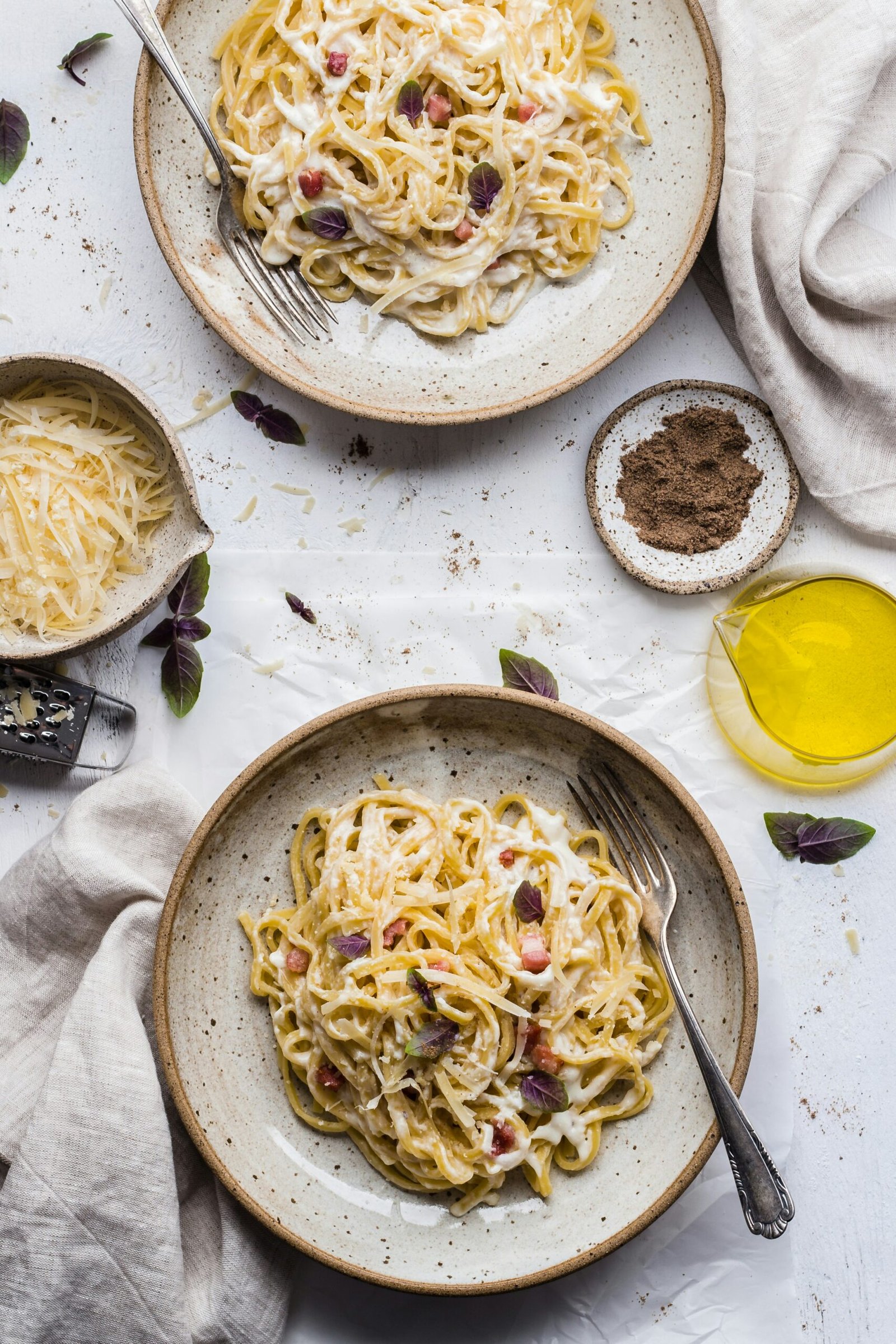
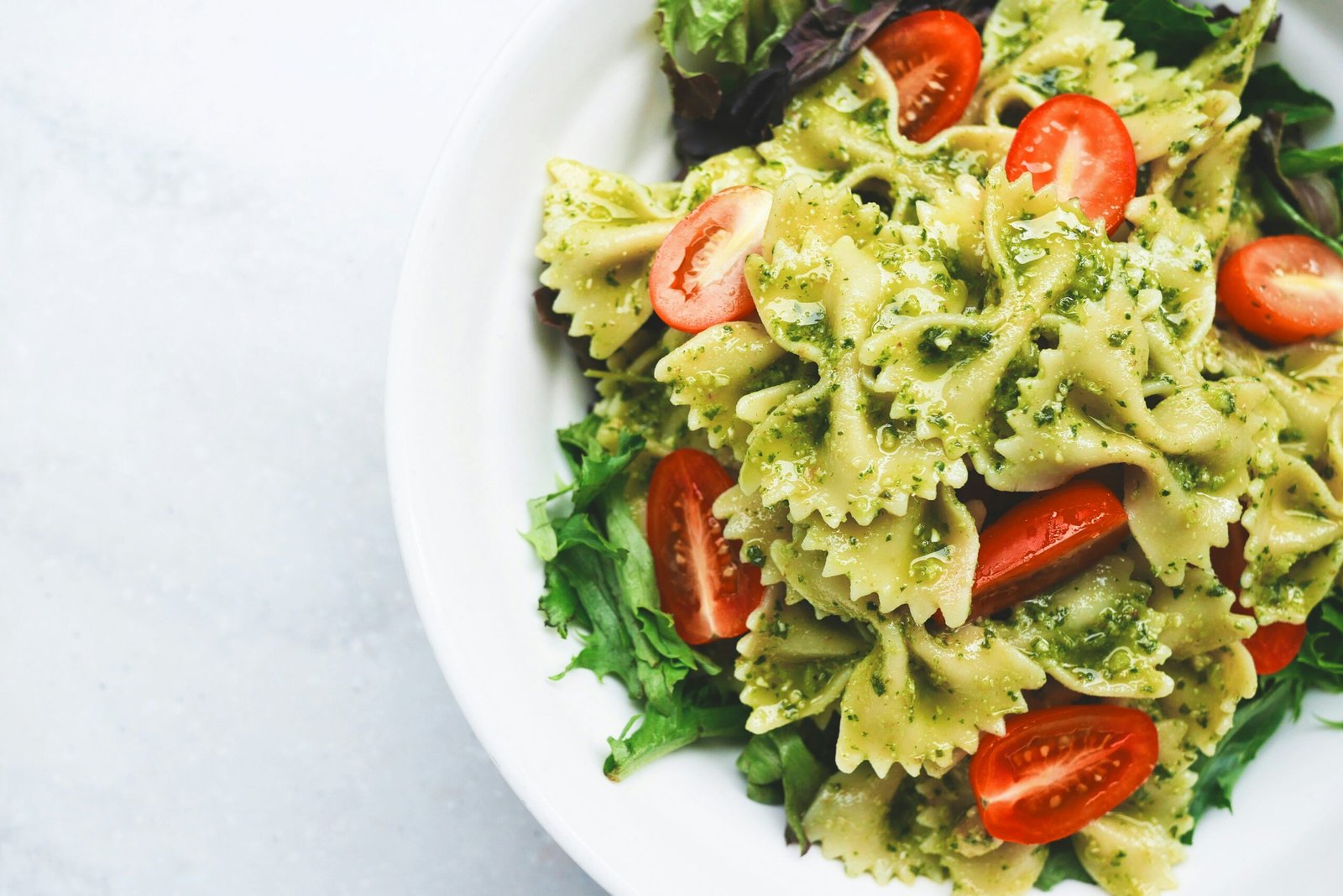
Pasta dishes also serve as an excellent canvas for Singaporean produce. Instead of using standard tomato-based sauces, a fresh chili crab sauce can transform spaghetti into a local favorite. The sweetness of fresh crab paired with aromatic garlic and fresh herbs creates a unique blend that appeals to both Italian and Singaporean palates. Additionally, substituting local vegetables like bok choy or kai lan in place of typical Italian greens brings added crunch and nutrition while maintaining the dish’s visual appeal.
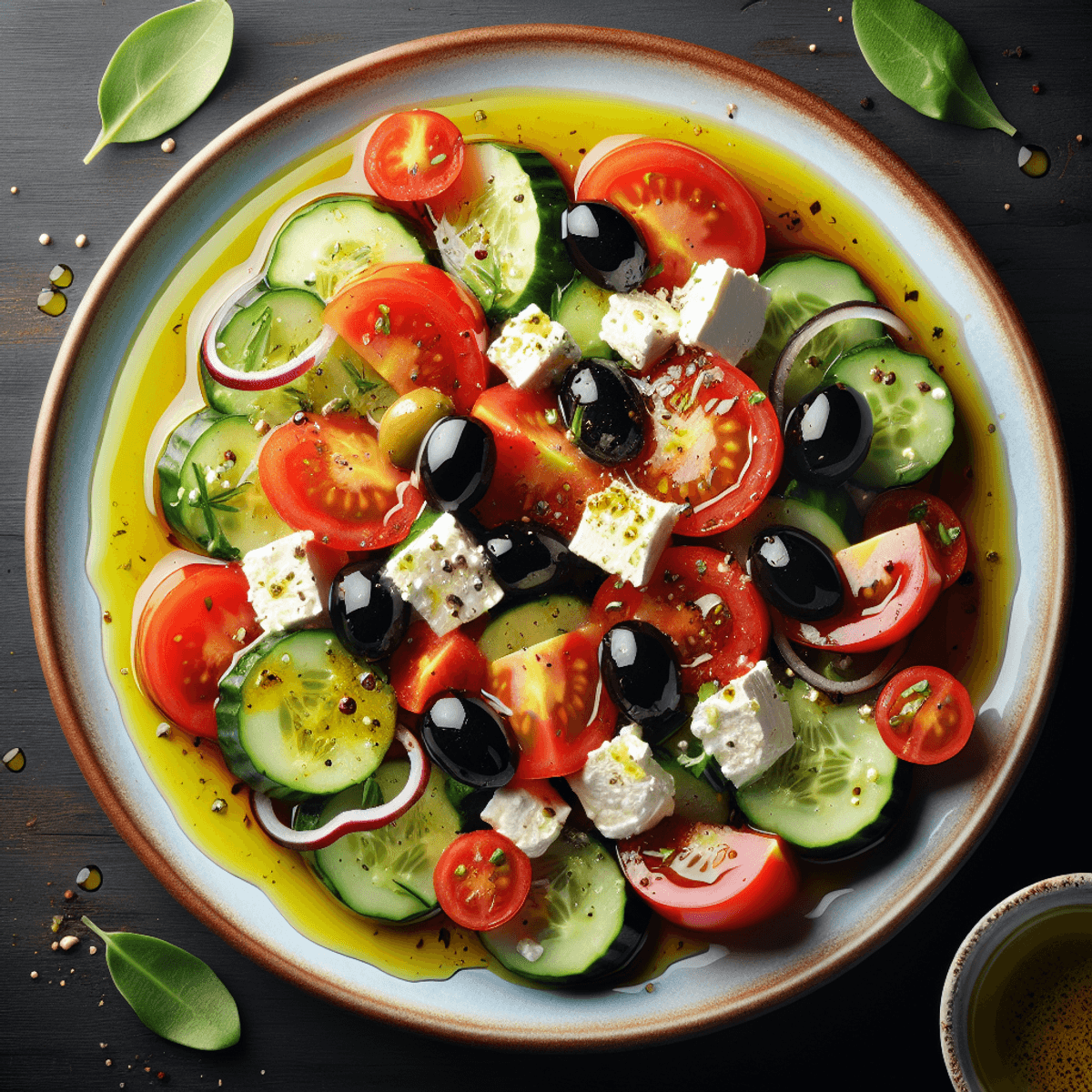
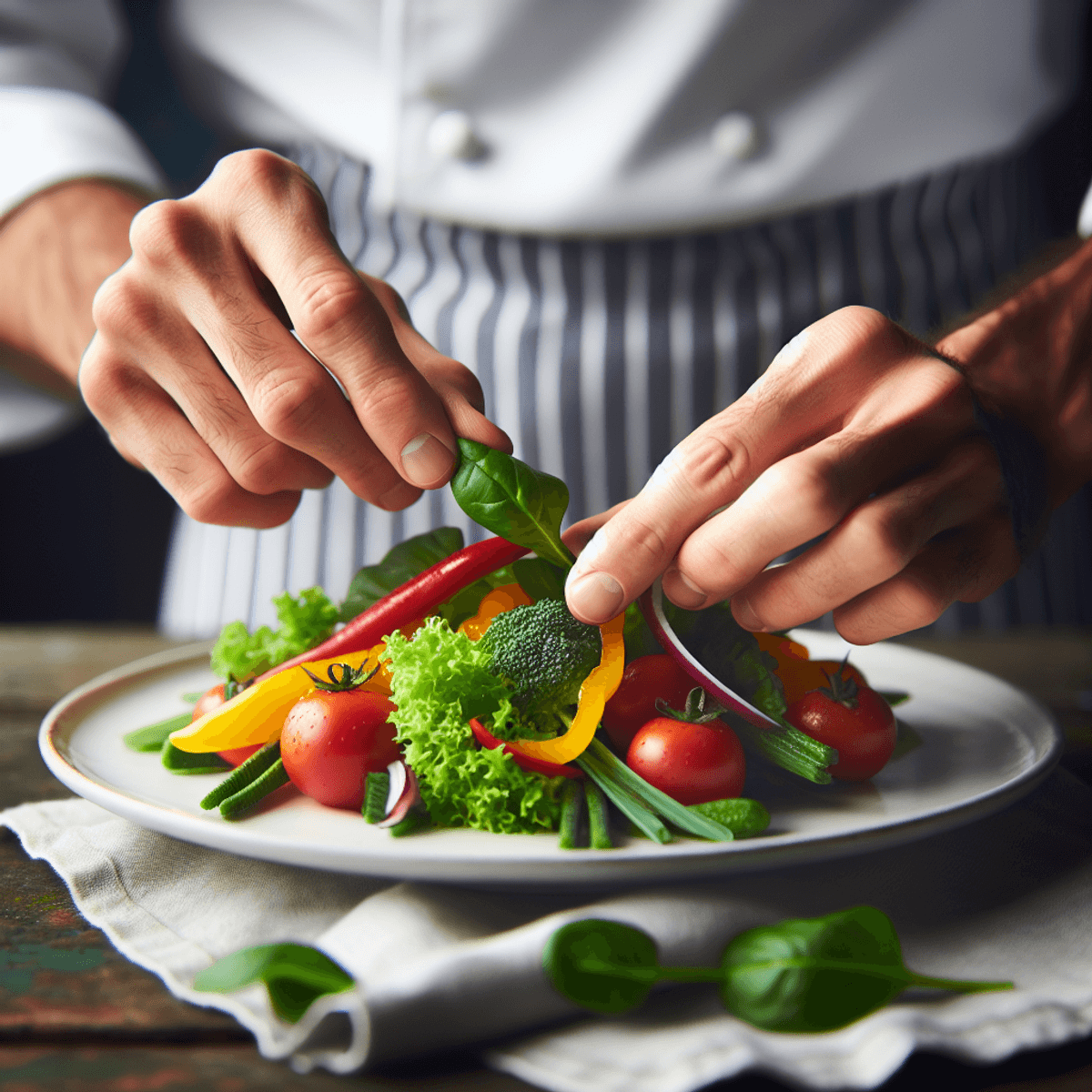
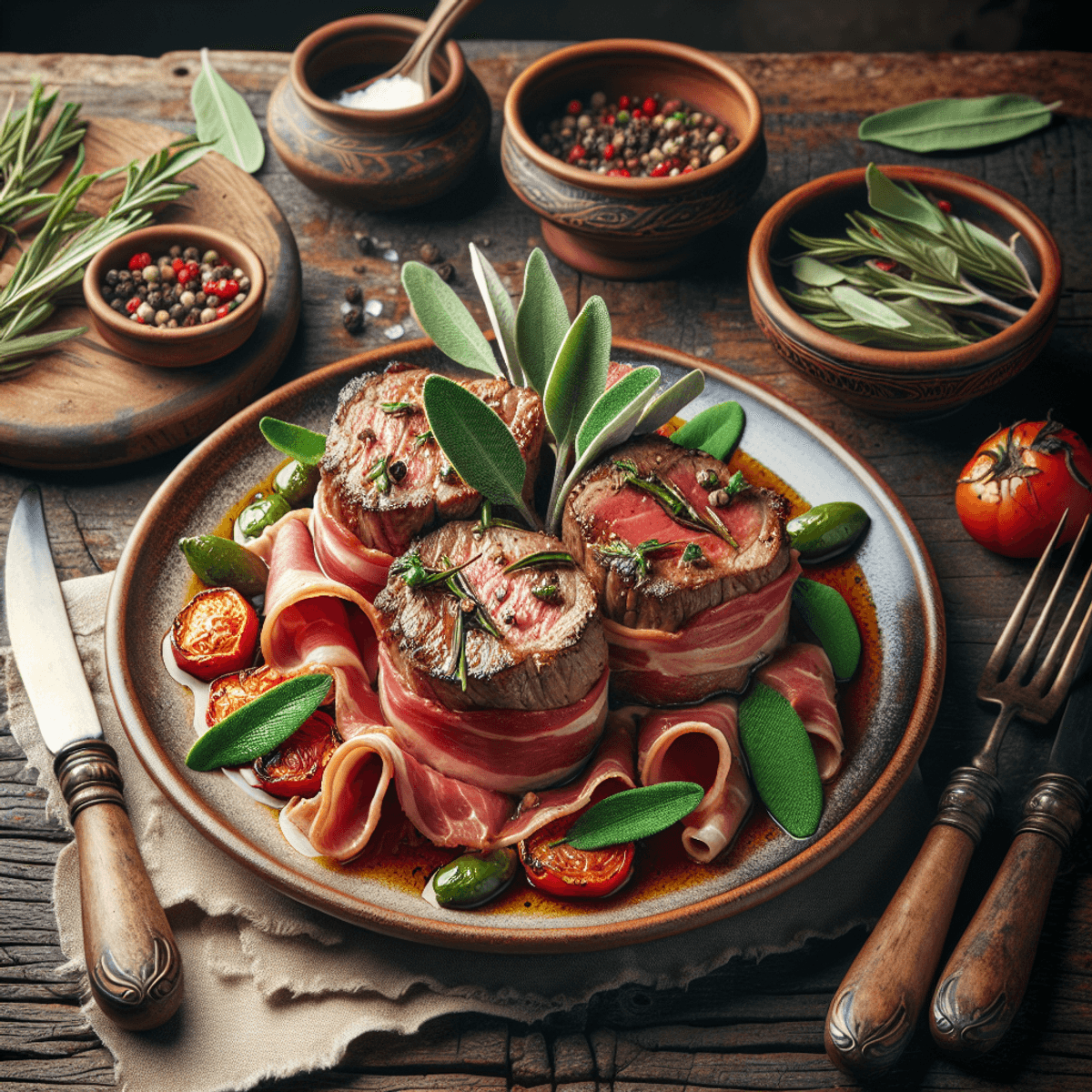
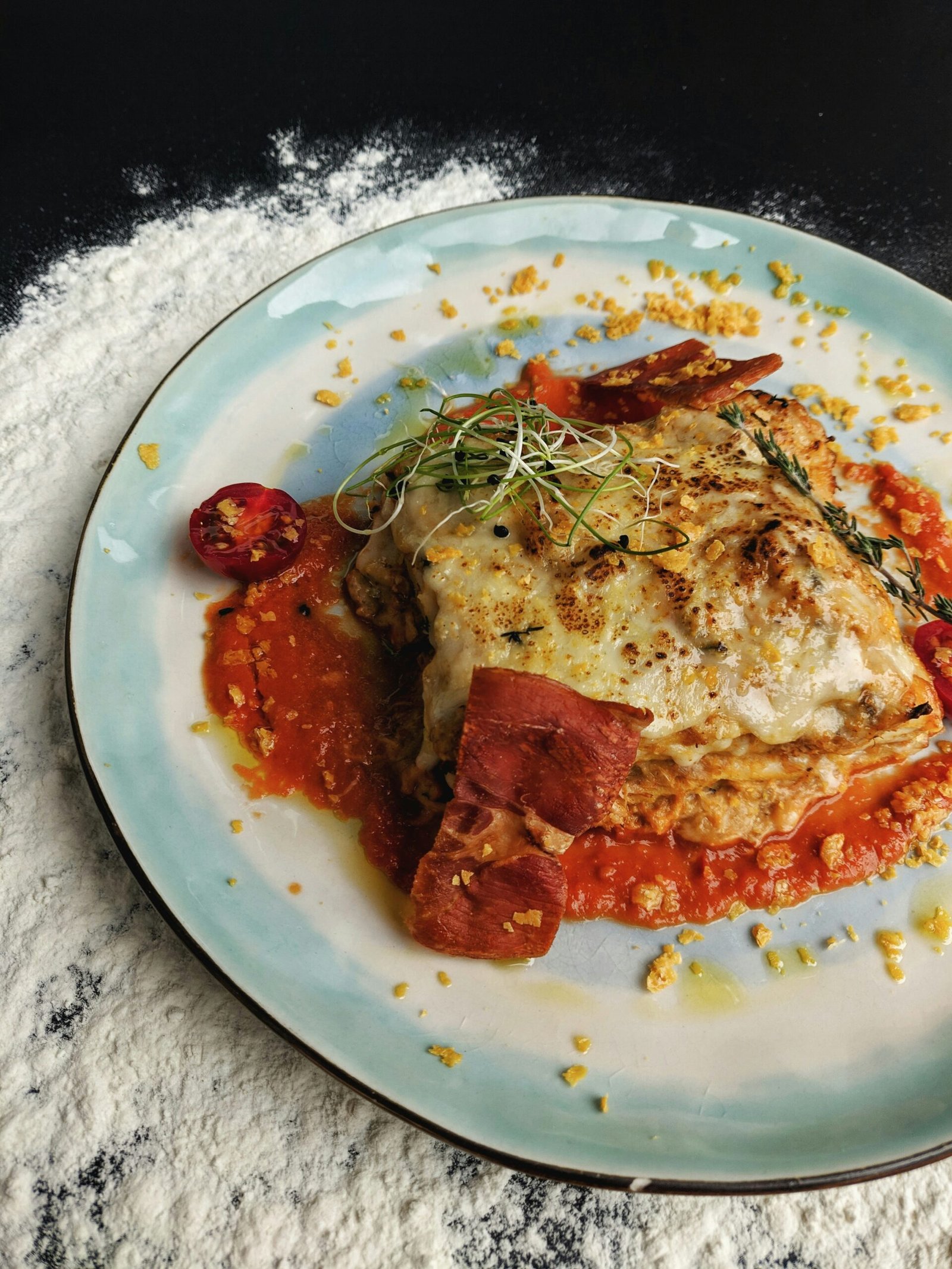
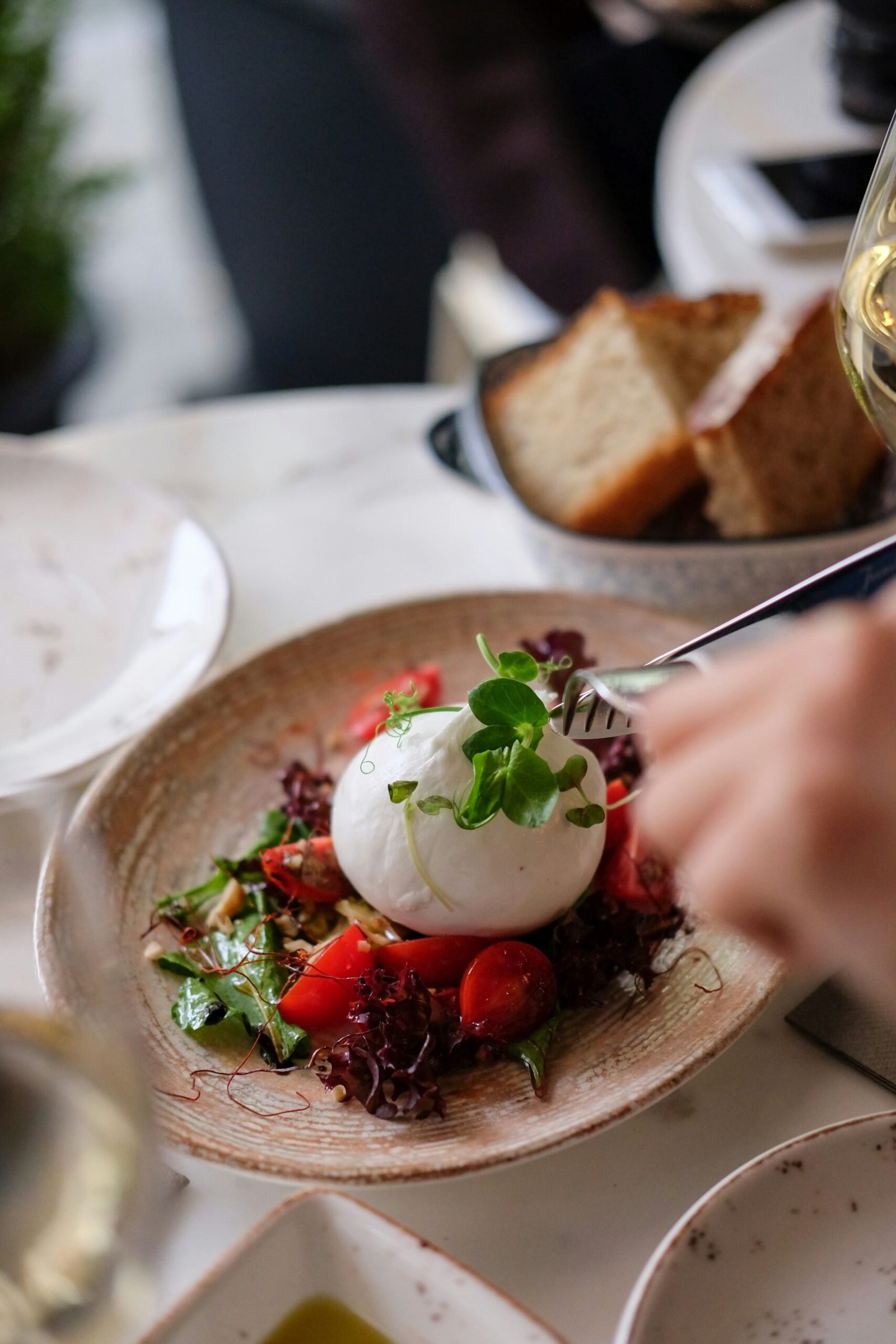
Salads, which are often a staple in Italian cuisine, can also benefit from Singapore’s tropical bounty. Using fresh fruits such as mango or dragon fruit alongside ingredients like burrata or parma ham results in a refreshing and visually stunning dish. The vibrant colors and contrasting flavors present a new take on traditional Italian antipasti. Furthermore, incorporating a lime and chili dressing infuses a tangy kick that complements the selection of both local and Italian ingredients.
The versatility of both Italian cooking techniques and Singapore’s fresh produce fosters an innovative culinary landscape, appealing to food enthusiasts eager to explore the intersection of these two rich cuisines. The result is a delightful array of dishes that not only captivate the senses but also honor the traditions from which they originate.
Seasonal Menus and Culinary Innovation
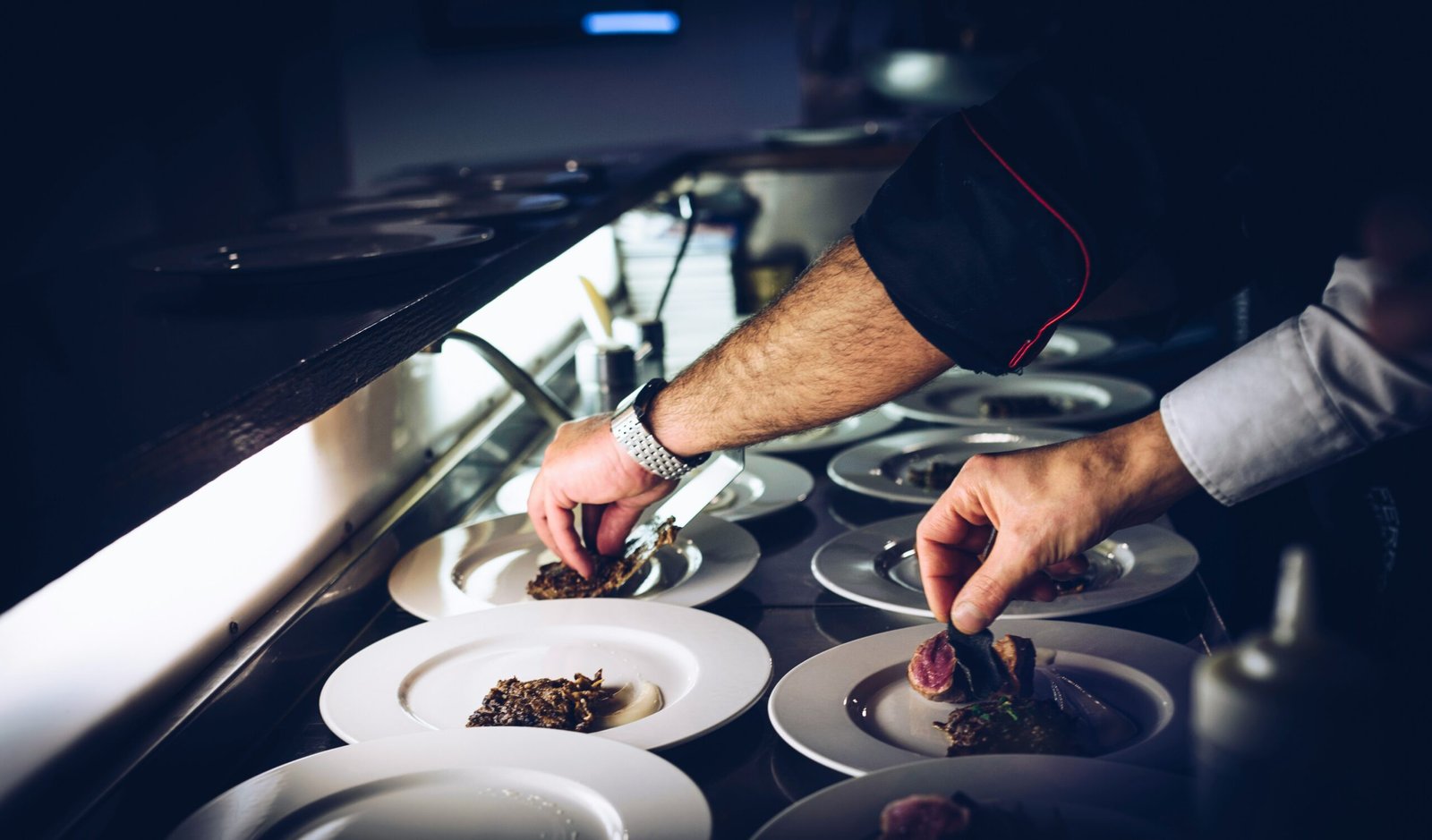
In recent years, the culinary scene in Singapore has seen a remarkable evolution, particularly in the integration of local produce within Italian cuisine. Chefs are increasingly designing seasonal menus that not only highlight the bountiful offerings of Singapore’s agricultural landscape but also pay homage to traditional Italian cooking techniques. This innovative approach allows diners to experience a fresh take on beloved Italian dishes, showcasing the potential of seasonal ingredients.
For instance, the use of Singapore’s vibrant vegetables, such as local greens and exotic herbs, has invigorated classic Italian recipes. One notable example is the adaptation of a traditional risotto, which incorporates freshly harvested mushrooms and edible flowers native to the region. This dish not only celebrates the essence of Italian gastronomy but also embodies the flavors of Singapore’s seasonal offerings, creating a harmonious fusion that excites the palate.
Moreover, chefs are embracing the local climate’s influence on produce availability by crafting menus that vary throughout the year. During the rainy season, root vegetables and hearty greens take center stage, while the dry months favor lighter fare with fruits and seafood. Such a dynamic menu design reflects chefs’ commitment to sustainability and supports local farmers by sourcing ingredients that are both fresh and in-season.
The impact of these seasonal specials on diners is profound. Not only do they provide an enhanced culinary experience with fresh and delicious flavors, but they also foster a greater appreciation for the local agricultural community. As diners engage with dishes that celebrate the richness of local produce, they develop a deeper connection to both Italian cuisine and the vibrant food culture of Singapore. In summation, the interplay between seasonal menus and culinary innovation continues to reshape dining experiences, making it an exciting journey for food enthusiasts in Singapore.