Introduction to Italian Cuisine
Italian cuisine, renowned worldwide for its rich flavors and diverse dishes, has deep historical roots that reflect the cultural evolution of Italy itself. As a melting pot of various influences, the culinary landscape of Italy is shaped by its geographic diversity, which boasts vastly different regions each with distinct ingredients and cooking traditions. From the mountainous north to the sun-kissed south, every region offers unique flavors and textures that contribute to the complexity of Italian cooking.
Fundamental to Italian cuisine is the emphasis on fresh, high-quality ingredients. Italians take pride in sourcing local produce, meats, and seafood, which infuses their dishes with authentic flavors. Staples such as olive oil, tomatoes, pasta, and cheese are often at the heart of traditional recipes, reflecting a profound respect for nature and seasonal availability. This commitment to quality is not merely for sustenance but embodies a lifestyle centered around appreciation and enjoyment of food.
Family and community play a significant role in the culinary practices of Italy. Meals frequently transcend mere dining experiences, transforming into gatherings that foster connections among family members and friends. Recipes are often passed down through generations, preserving an array of culinary traditions that vary from region to region. Whether it’s a Tuscan ribollita or a Sicilian caponata, each dish tells the story of its origins, highlighting local customs and historical influences.
As one delves into the world of Italian cuisine, it becomes apparent that food is not just fuel, but a medium for cultural expression. The balance of flavor, history, and tradition within Italian cooking offers a rich tapestry of tastes, celebrating the heritage of a nation through its most cherished culinary practices. This extensive exploration into the nuances of Italian cuisine invites both novices and enthusiasts to appreciate the profound significance of every meal.
Key Ingredients in Traditional Italian Dishes
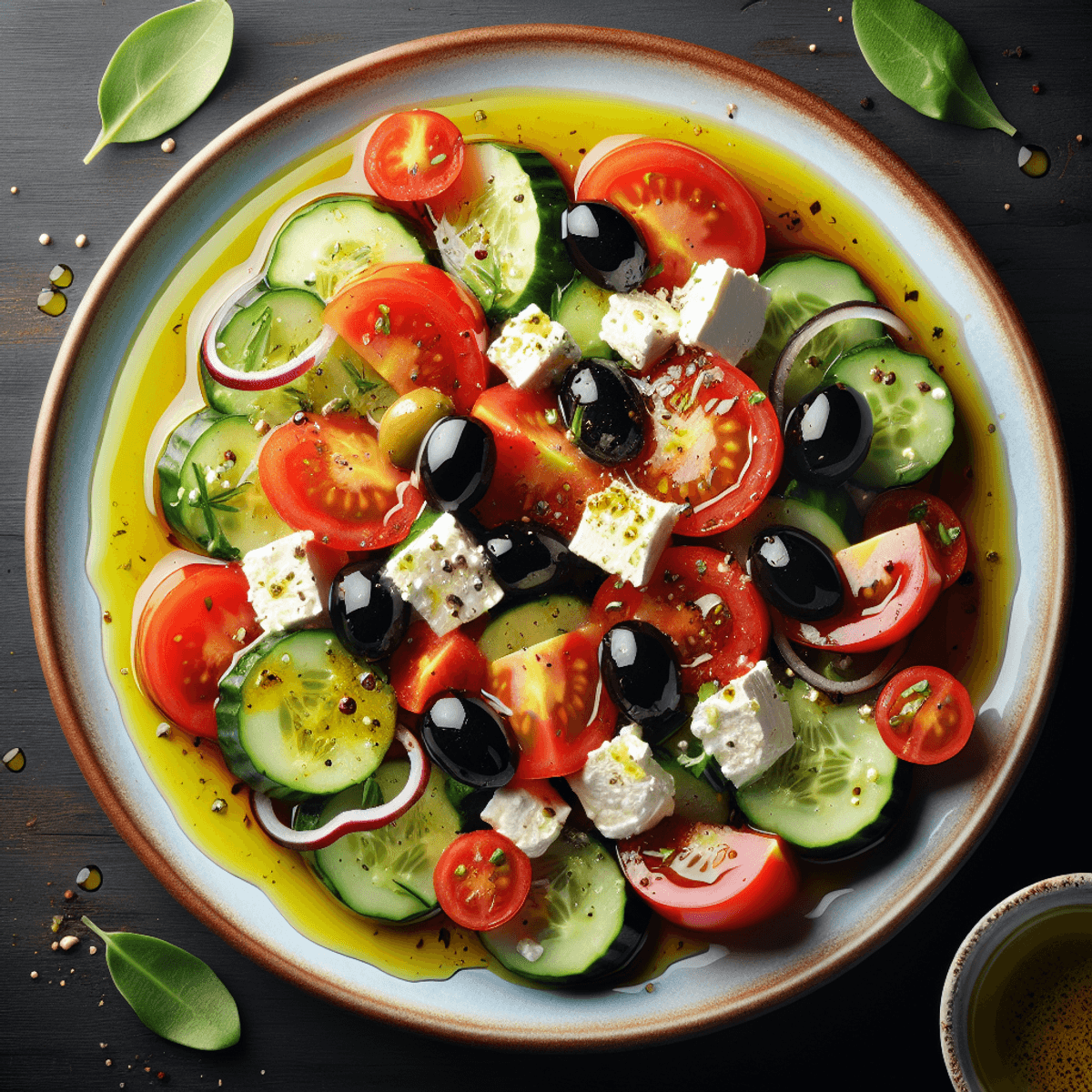
Traditional Italian cuisine is renowned for its vibrant flavors, which stem from its carefully selected ingredients. Central to many Italian dishes is olive oil, a staple that serves both culinary and health purposes. This golden liquid, produced from pressing olives, is integral for cooking, dressing salads, and enhancing the flavors of vegetables and meats. Various regions in Italy produce distinct olive oils, each imparting unique flavor profiles that can range from fruity to peppery, contributing to the diversity found in Italian cooking.
Another cornerstone of Italian cuisine is the tomato. Found across various recipes from sauces to salads, tomatoes are appreciated not just for their flavor but also for their versatility. Different varieties, such as San Marzano and cherry tomatoes, each bring their own distinct taste, allowing chefs to create signature dishes that reflect regional ingredients. Fresh tomatoes in summer can be transformed into a simple caprese salad, while canned San Marzano tomatoes form the basis for rich, slow-cooked sauces in the colder months.
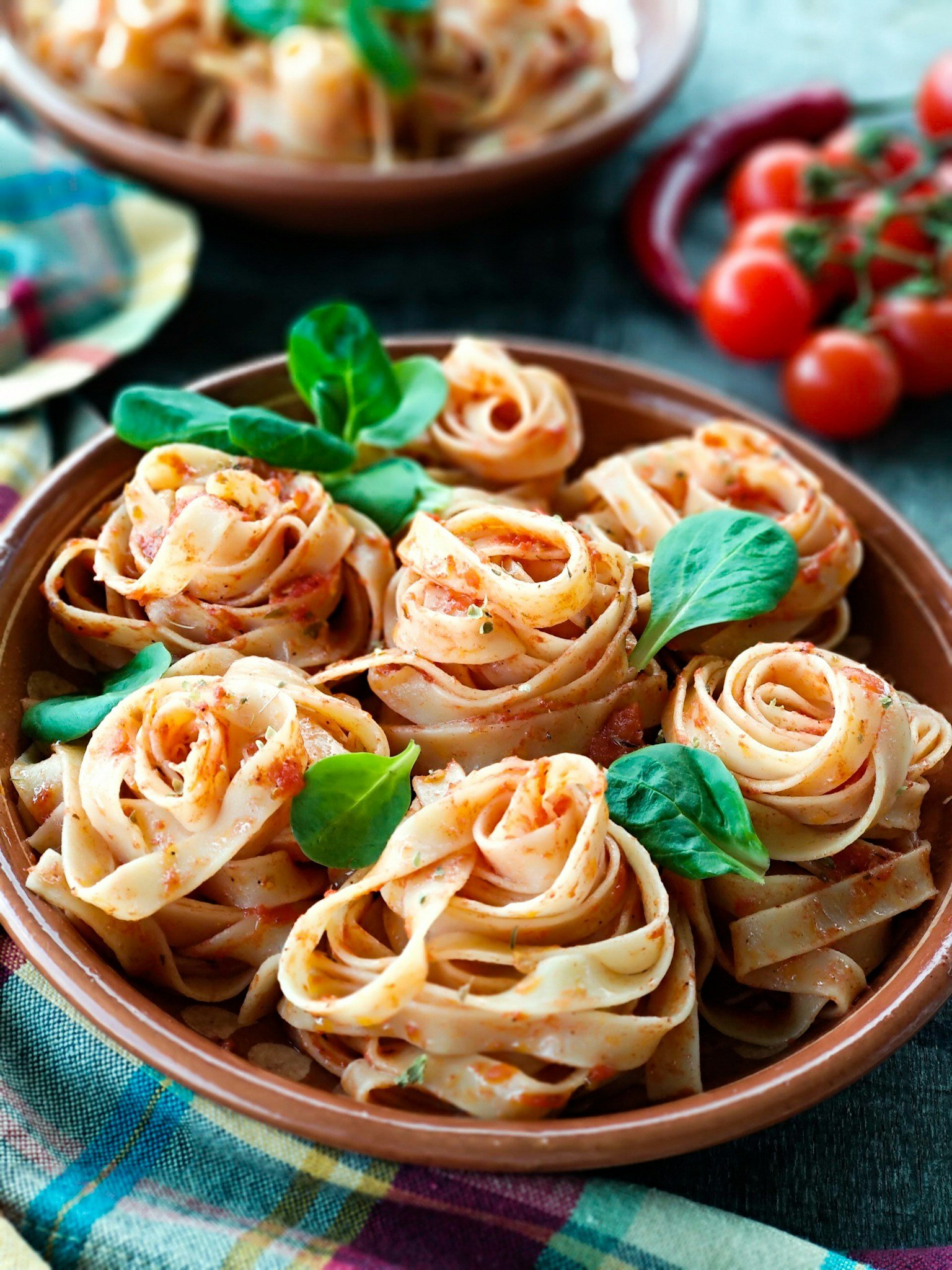
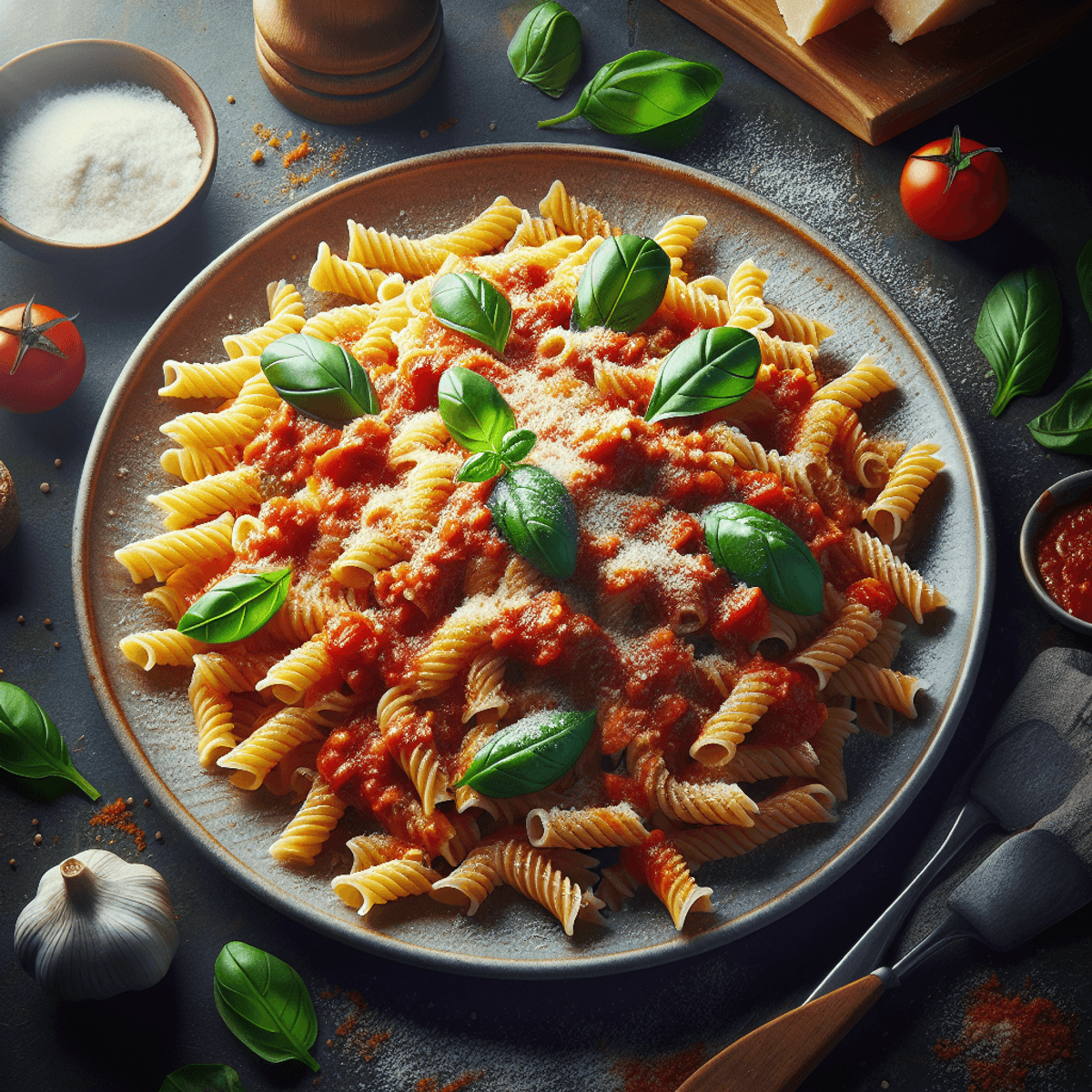
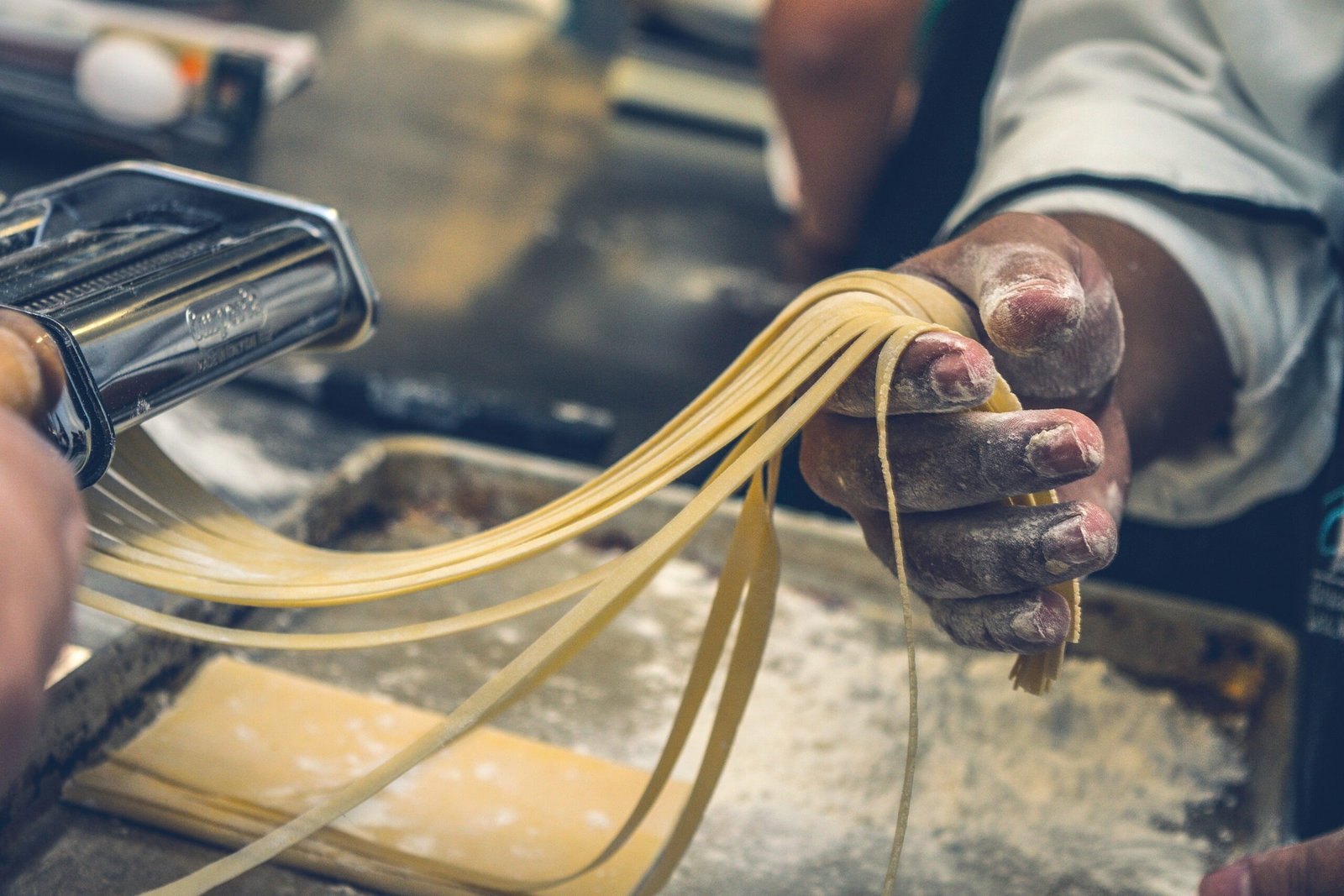
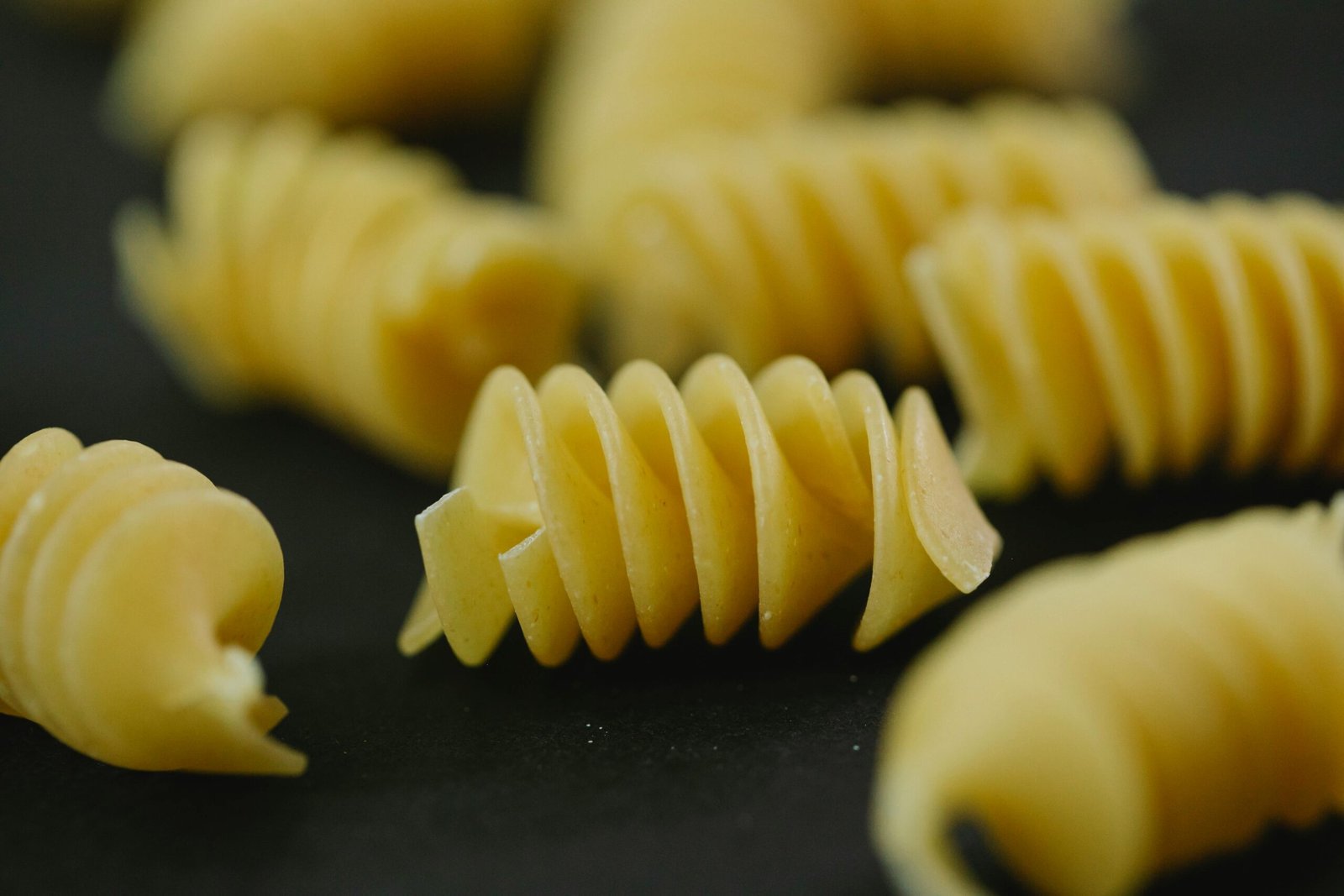
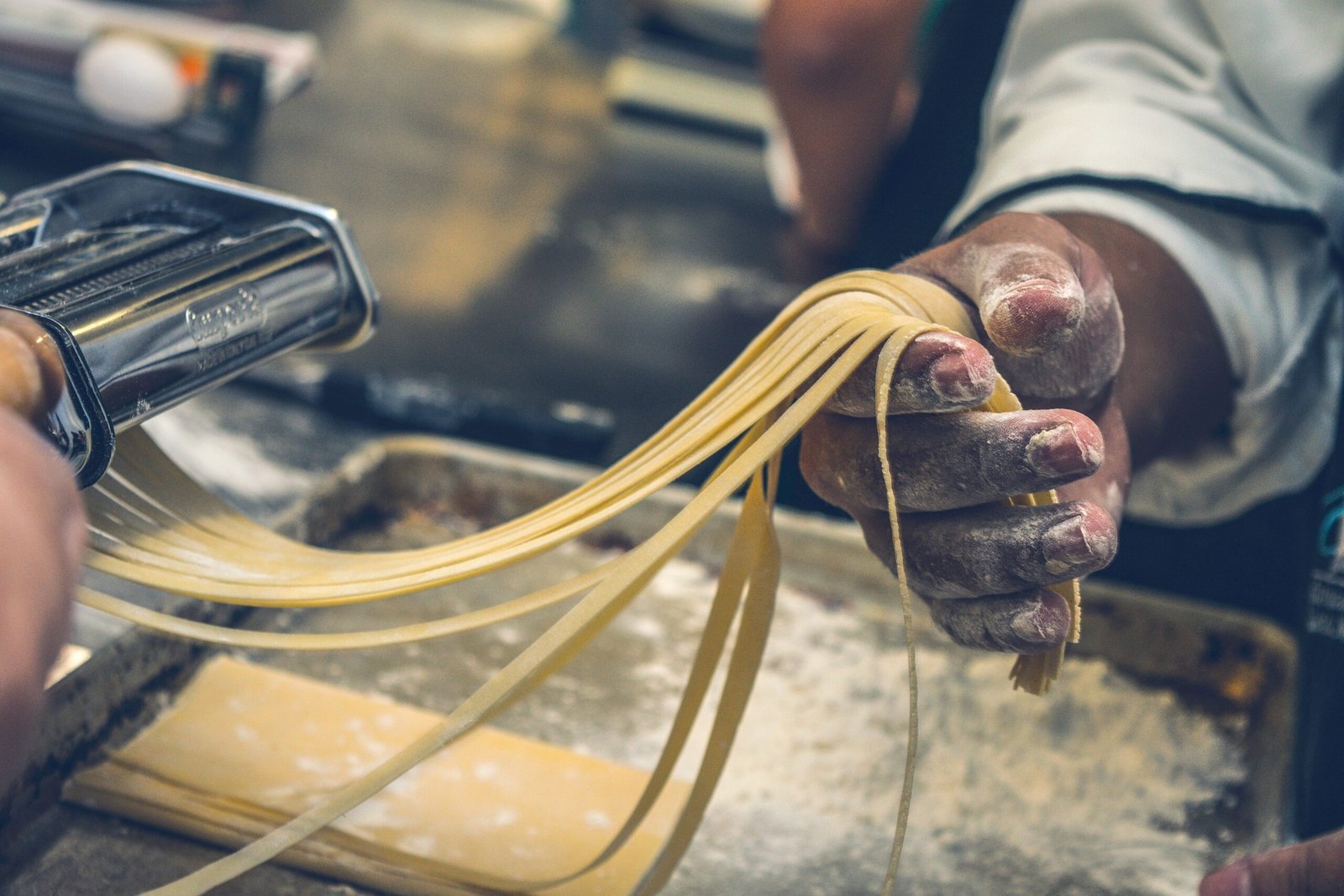
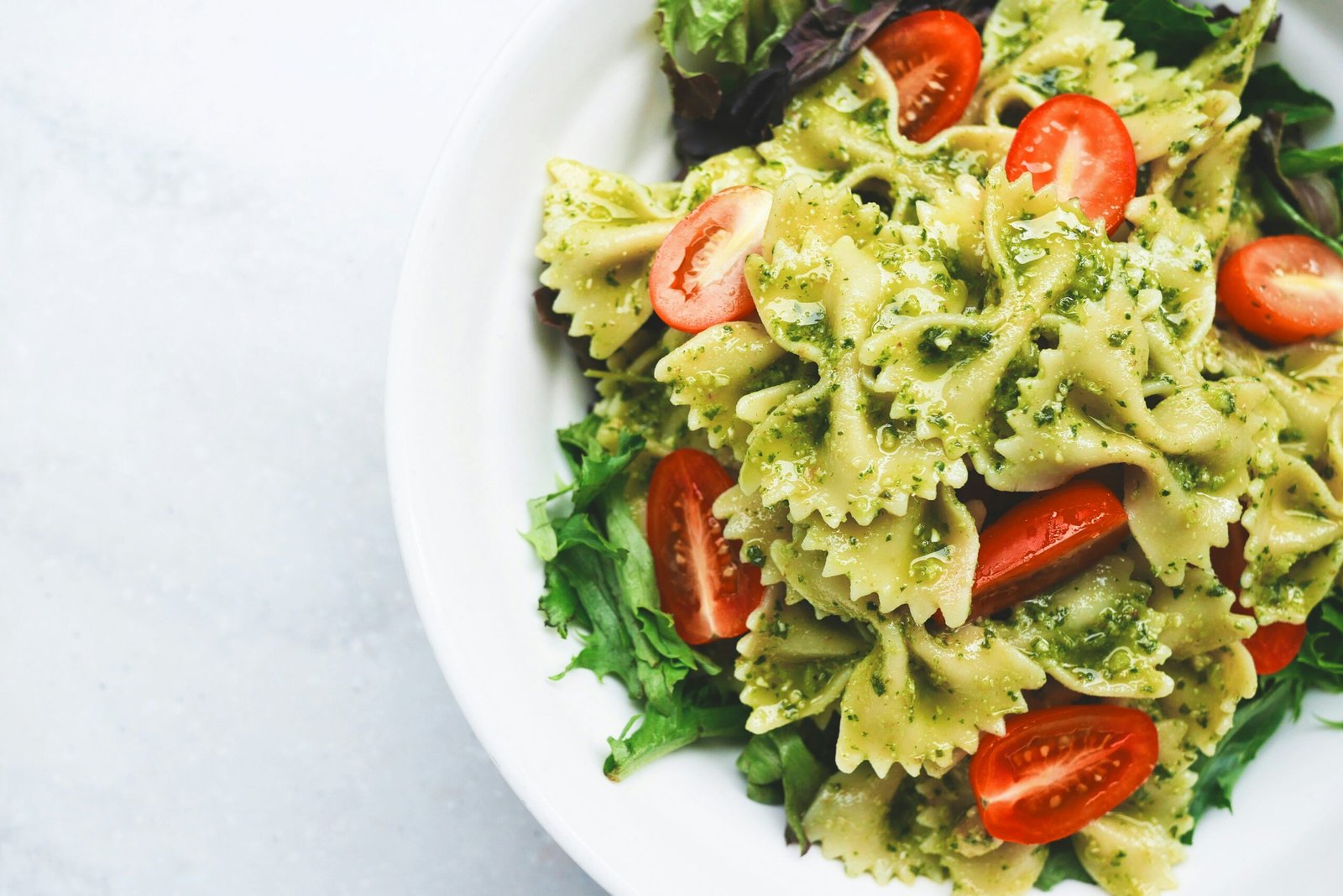
Pasta is perhaps the most iconic component of Italian dining, with numerous shapes and sizes designed for specific sauces. Fresh pasta, prevalent in the northern regions, contrasts with the dried varieties commonly made in the south. Each shape serves a practical purpose and helps to absorb flavors from sauces, effectively enhancing the dish’s overall experience. Culinary experts emphasize the need for high-quality flour in the making of pasta, which affects texture and taste.
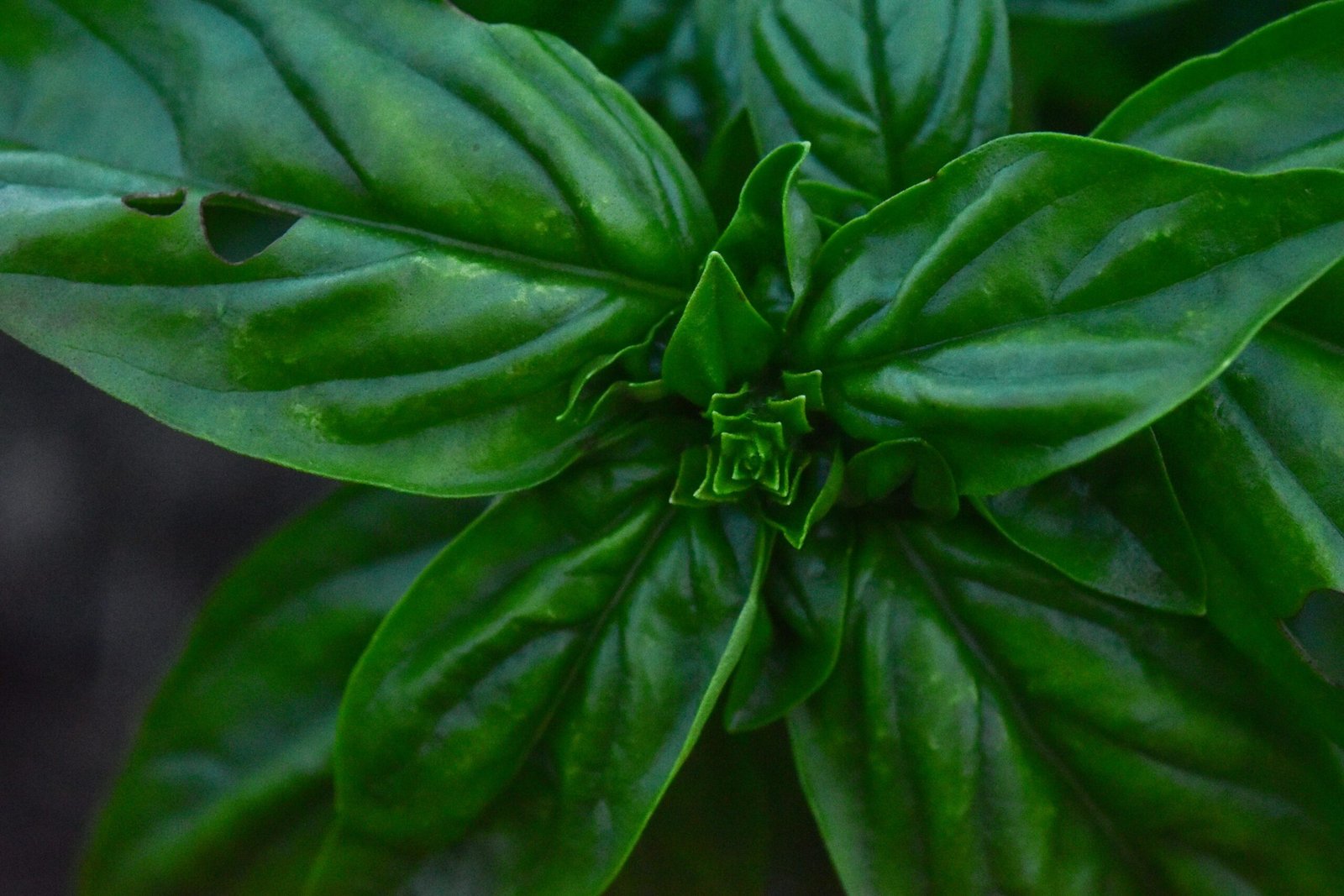
Italian cheeses, including Parmigiano-Reggiano, mozzarella, and ricotta, play crucial roles in a variety of dishes, from gratins to salads. These cheeses are often produced locally, celebrated for their authentic production processes. Additionally, fresh herbs such as basil, parsley, and oregano are frequently utilized to elevate flavors and bring freshness to the plate. The emphasis on seasonal and locally-sourced ingredients is vital in traditional Italian cooking, ensuring that each dish remains true to its roots and reflects the region’s terroir.
Signature Dishes of Italy
Italian cuisine is renowned for its diverse flavors and rich culinary traditions. At the heart of this cuisine are its signature dishes, many of which have become synonymous with Italy itself. Three of the most iconic dishes are pasta, pizza, and risotto, each with a unique story and preparation method.
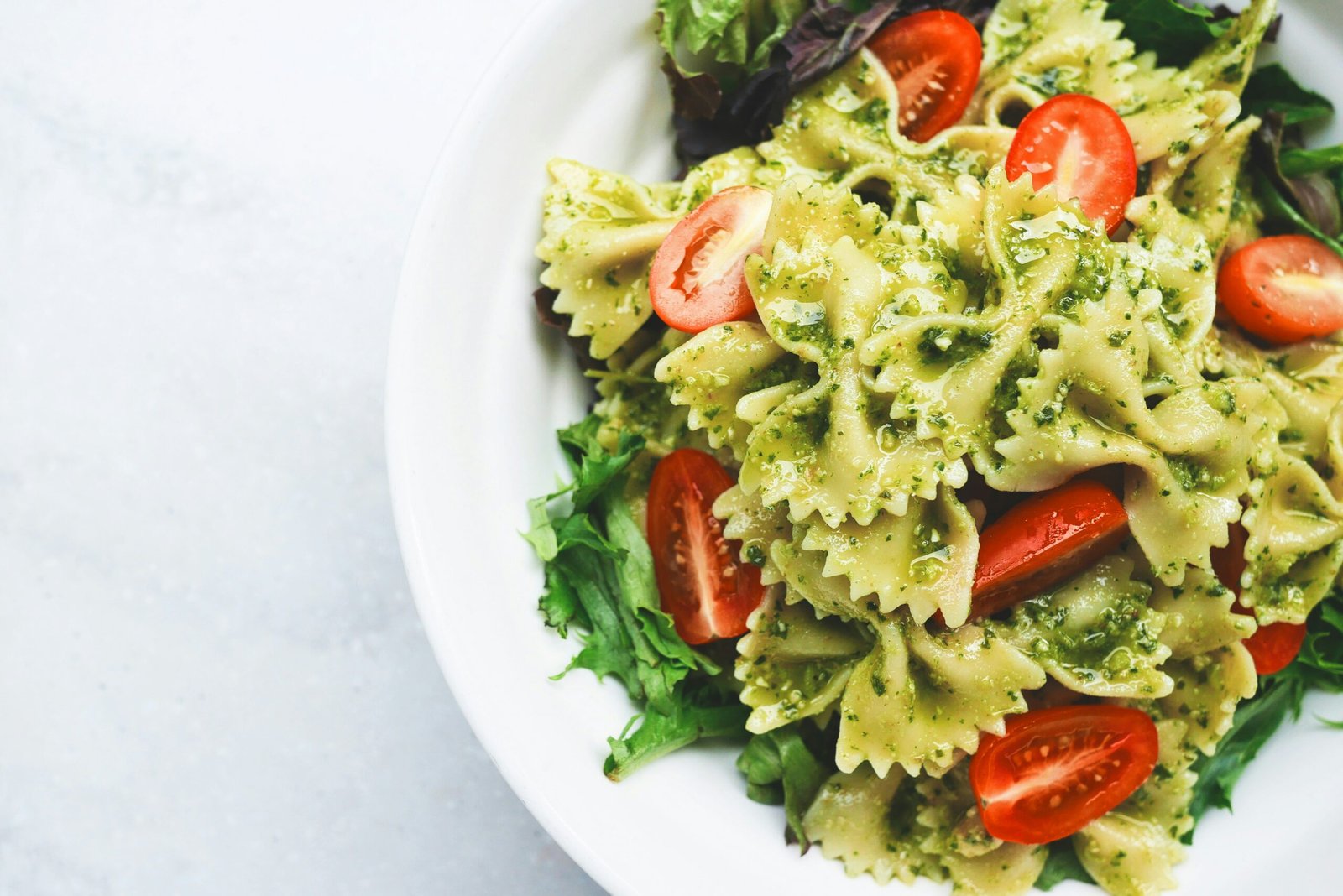
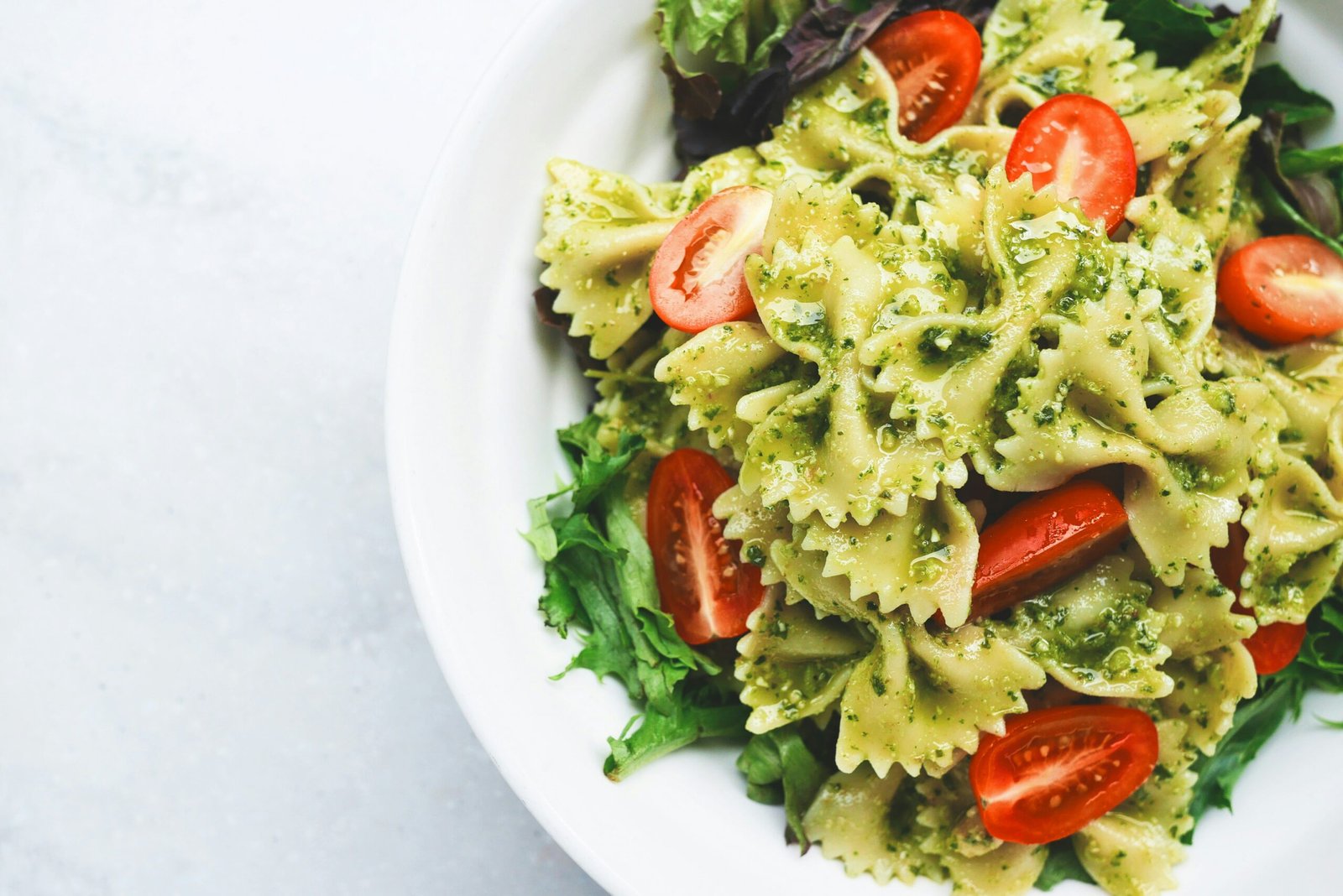
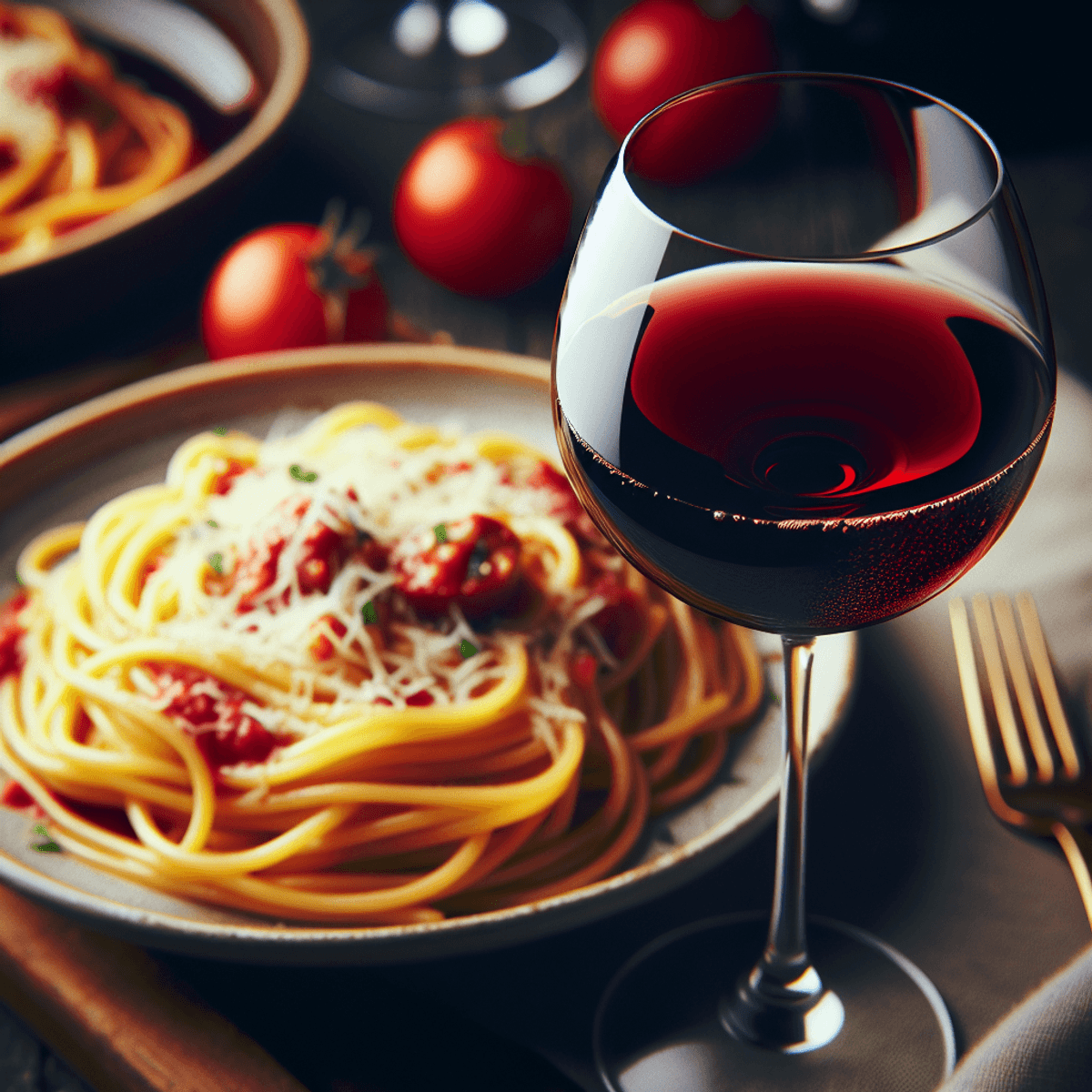
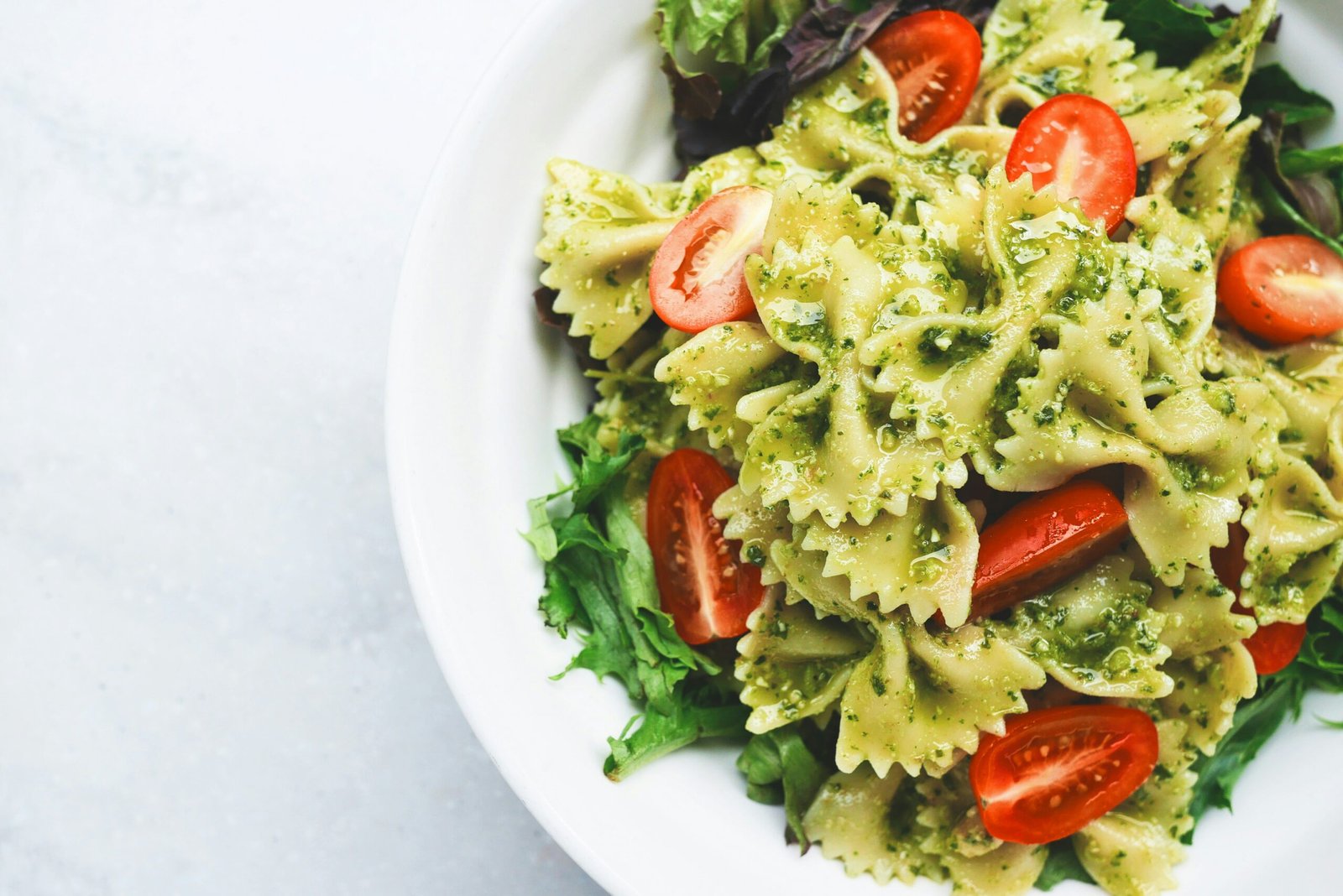
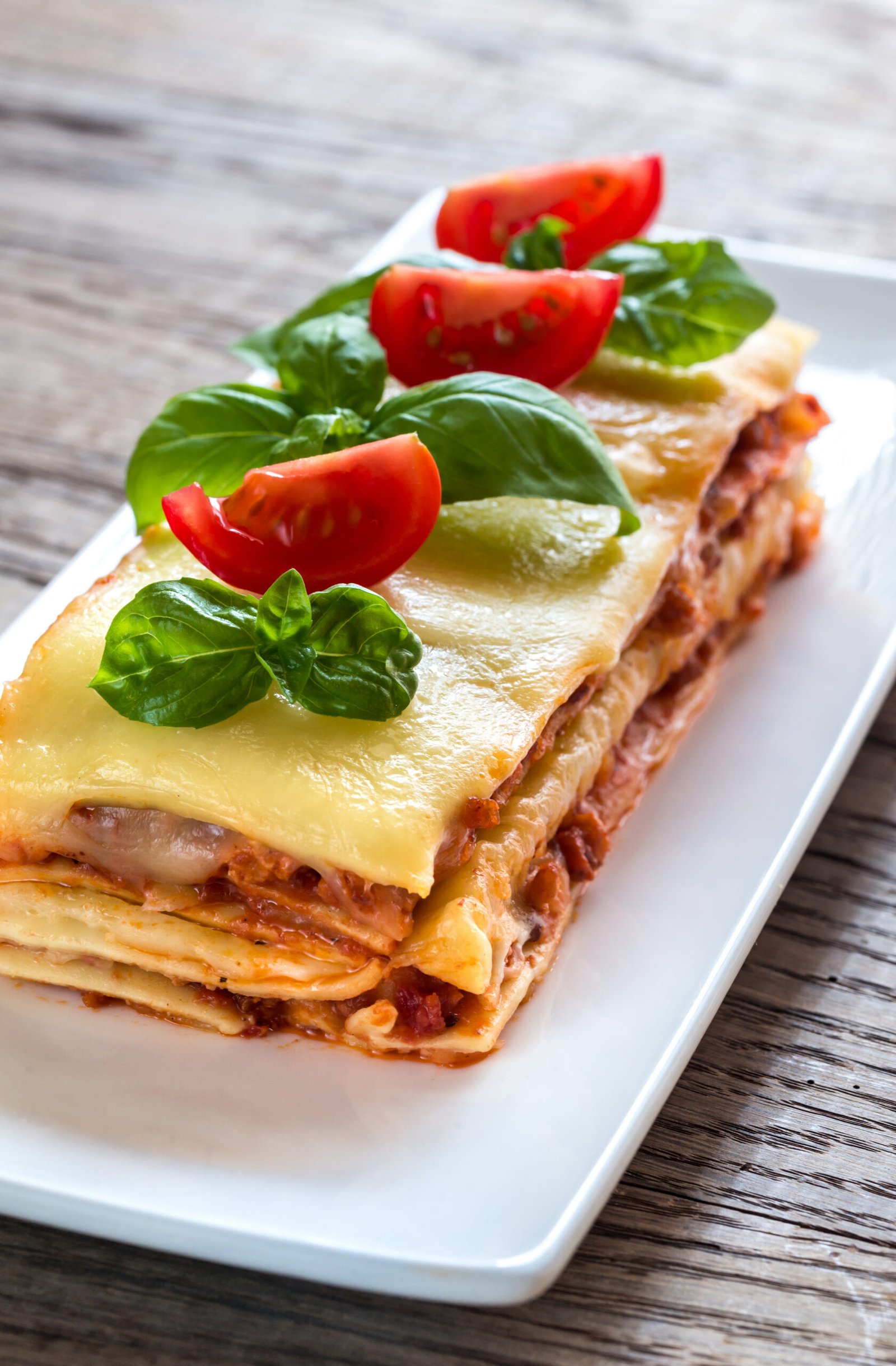
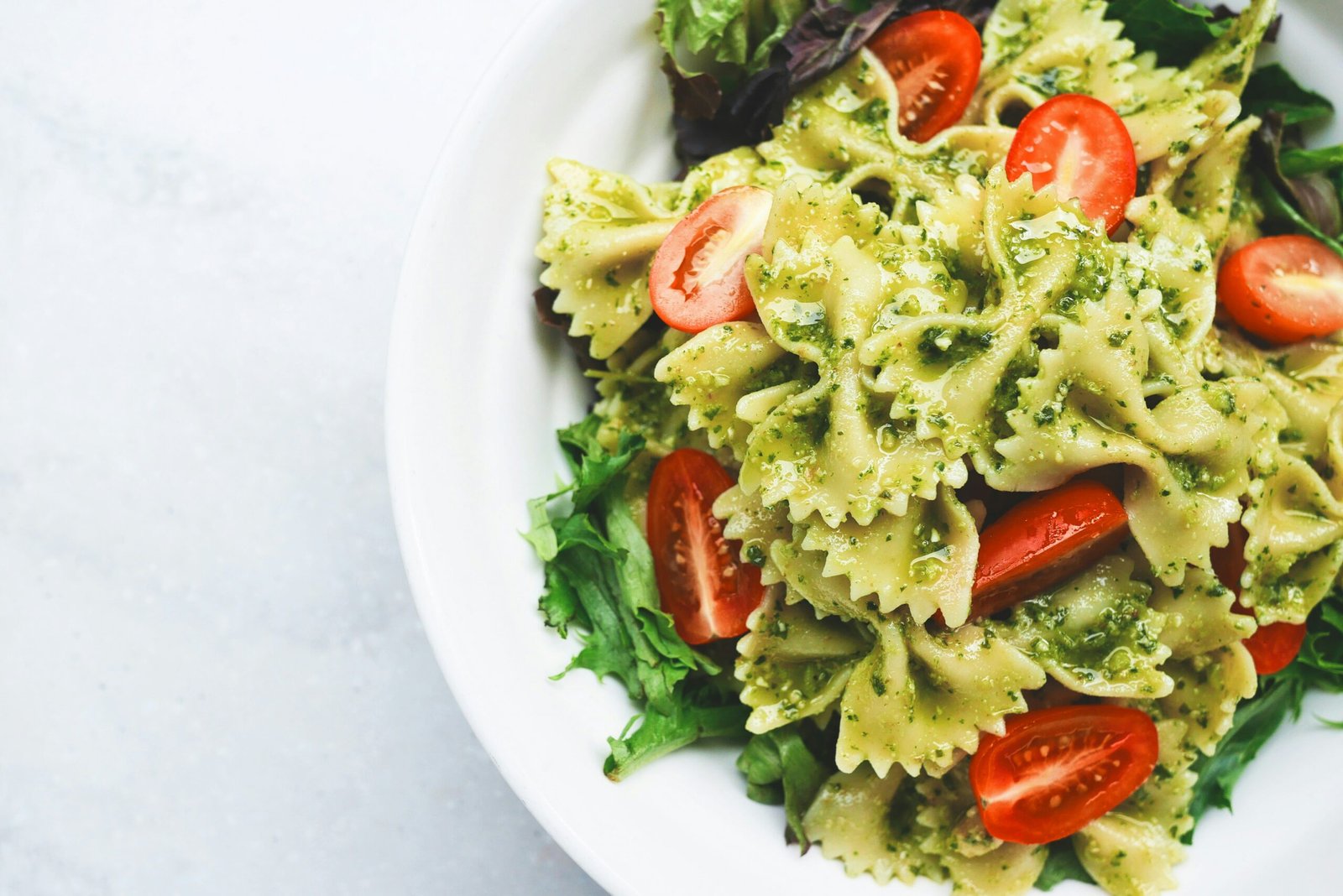
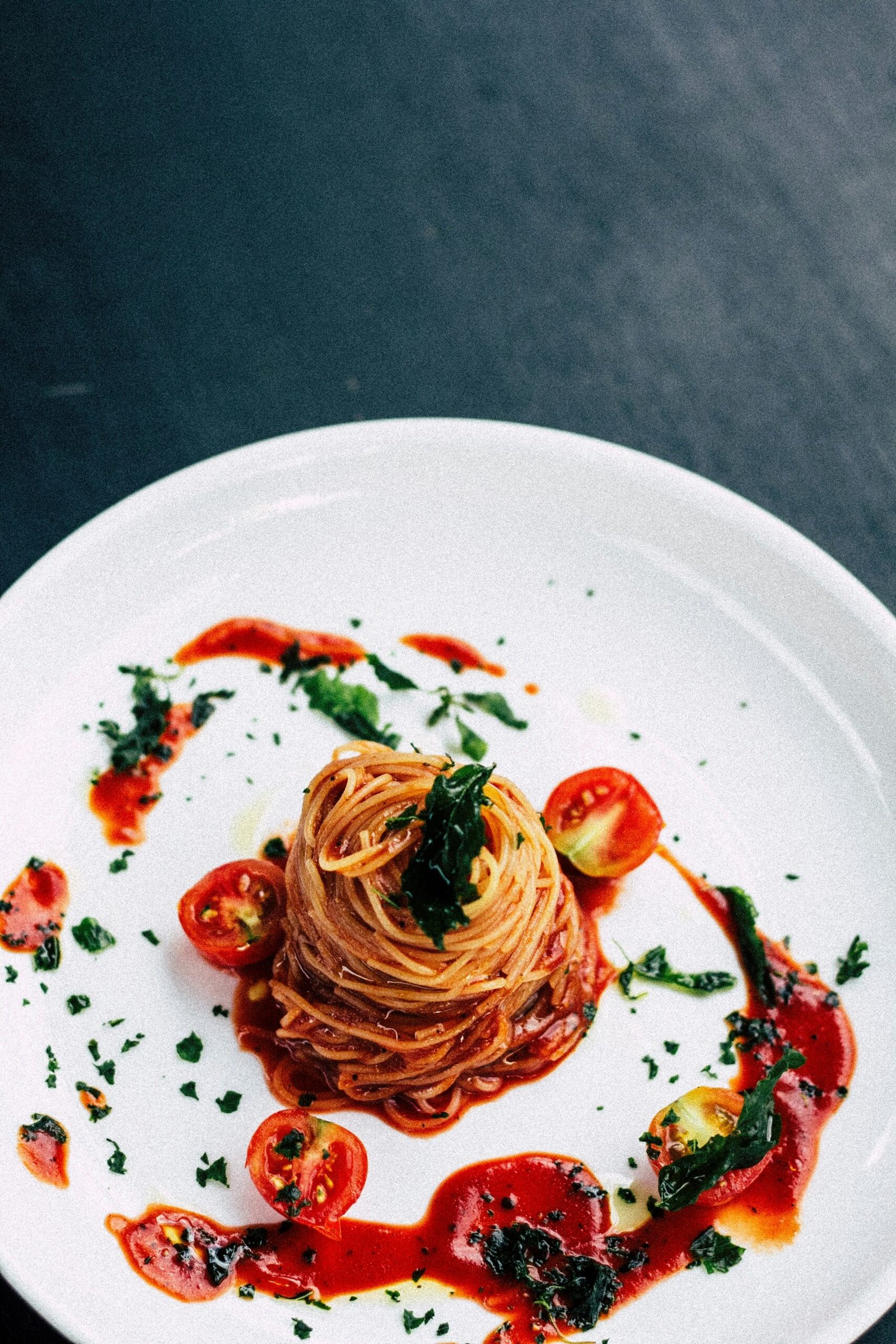
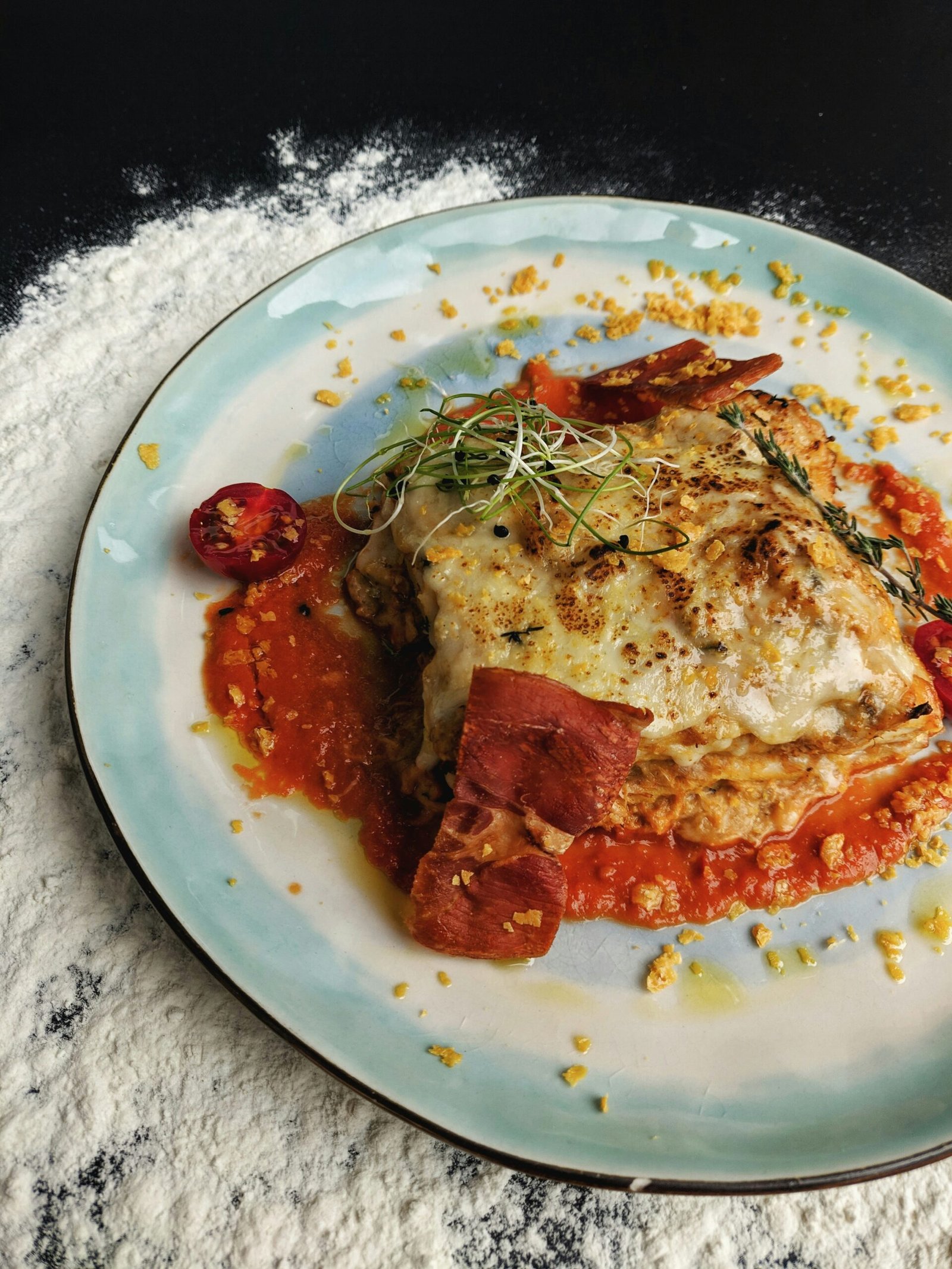
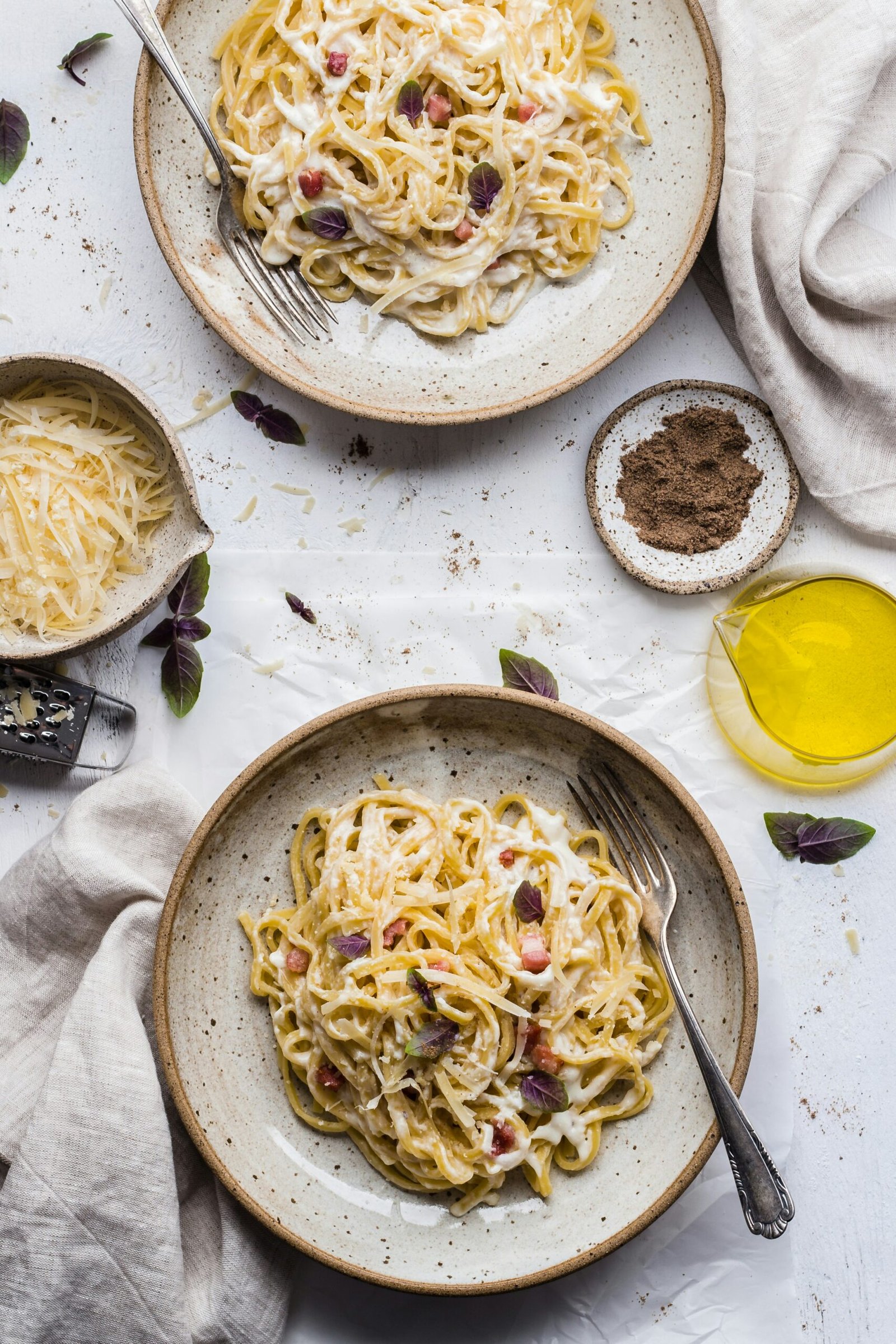
Pasta is perhaps the quintessential Italian dish, with its origins deeply rooted in the country’s history. Traditionally made from durum wheat and water, it can be shaped into countless forms, from spaghetti to lasagna. Each region boasts its own variations; for instance, Tagliatelle al Ragù from Emilia-Romagna showcases the local meat-based sauce, while Pesto alla Genovese from Liguria offers a pungent blend of basil, garlic, and pine nuts. This remarkable versatility allows pasta to adapt to local ingredients, creating a dish that is both comforting and diverse.
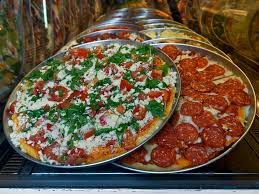
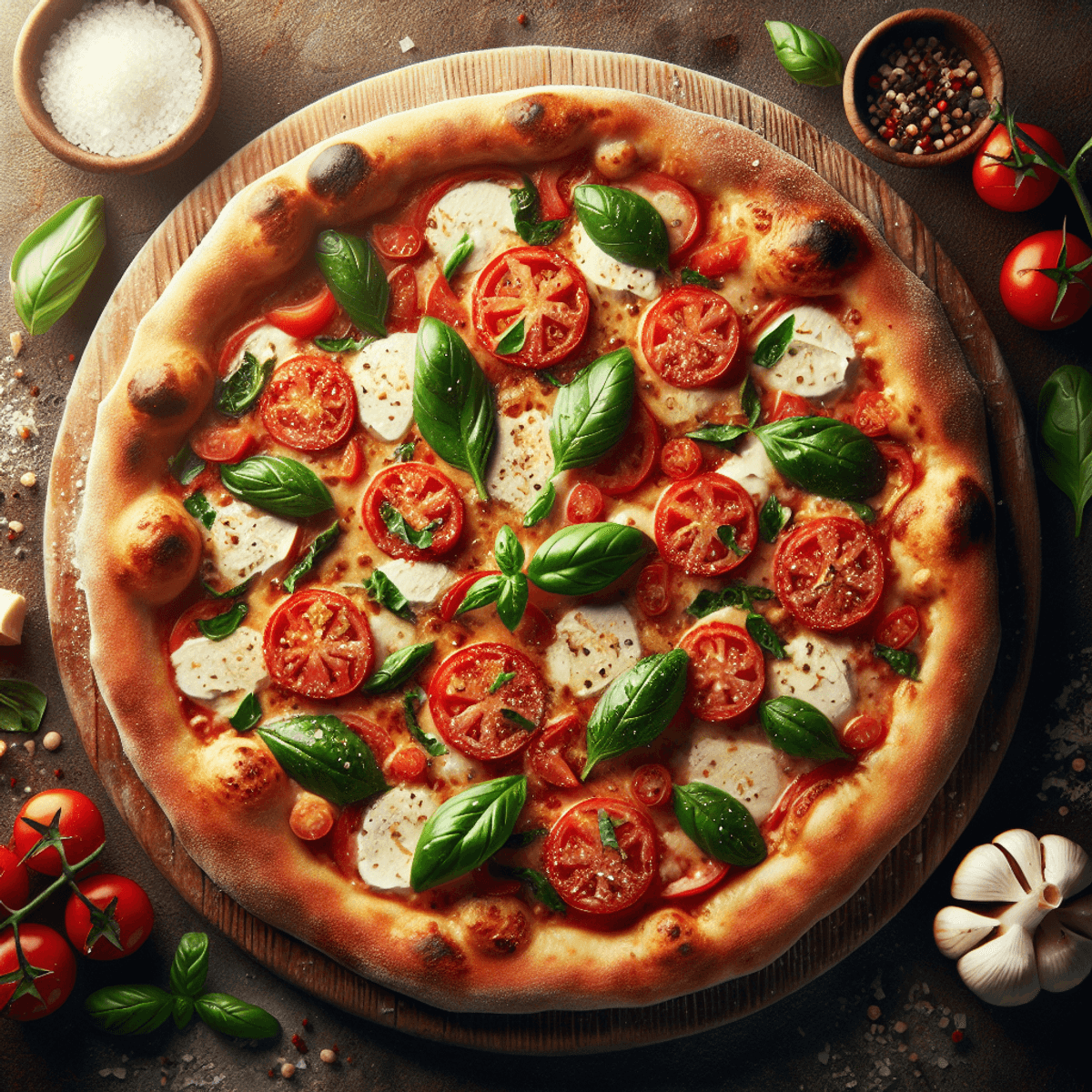
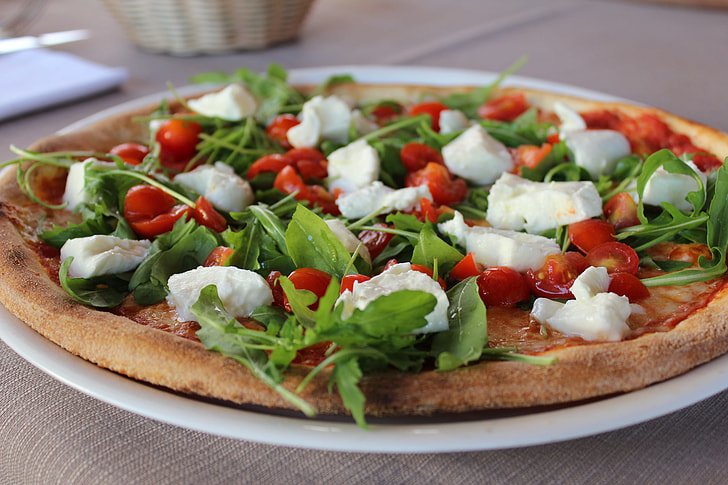
Equally noteworthy is pizza, a dish that has gained international acclaim while maintaining its roots in Naples. The classic Neapolitan pizza is characterized by a thin, chewy crust topped with San Marzano tomatoes, fresh mozzarella, and basil. Variations abound across Italy, with the Roman pizza being crisper and thinner. Regions often add unique twists, such as the white pizza in Lazio, which features a lack of sauce and focuses on toppings like ricotta and spinach. This adaptability further emphasizes how pizza can reflect regional tastes and ingredients.
Lastly, risotto, a creamy rice dish, illustrates the balance of simplicity and sophistication in Italian cooking. Originating from Northern Italy, risotto is typically made with Arborio rice, which absorbs liquids richly during the cooking process. Variants include Risotto alla Milanese with saffron or Risotto ai Funghi, showcasing seasonal mushrooms. Each region’s local ingredients influence the preparation, resulting in a dish that not only offers warmth and comfort but also highlights the culinary heritage of Italy.
The Art of Italian Cooking: Techniques and Traditions
Italian cuisine is renowned globally for its rich flavors and diverse dishes, but at its core lies a foundation built on traditional cooking techniques and cultural practices. Among the essential methods employed in Italian kitchens, slow cooking stands out. This technique enables the ingredients to meld together over time, resulting in robust flavors that can only be achieved through patience and care. Dishes such as ragù, a slow-simmered meat sauce, are perfect examples of how this method enhances the taste and texture, allowing the meat to become tender while absorbing the aromatic spices and herbs.
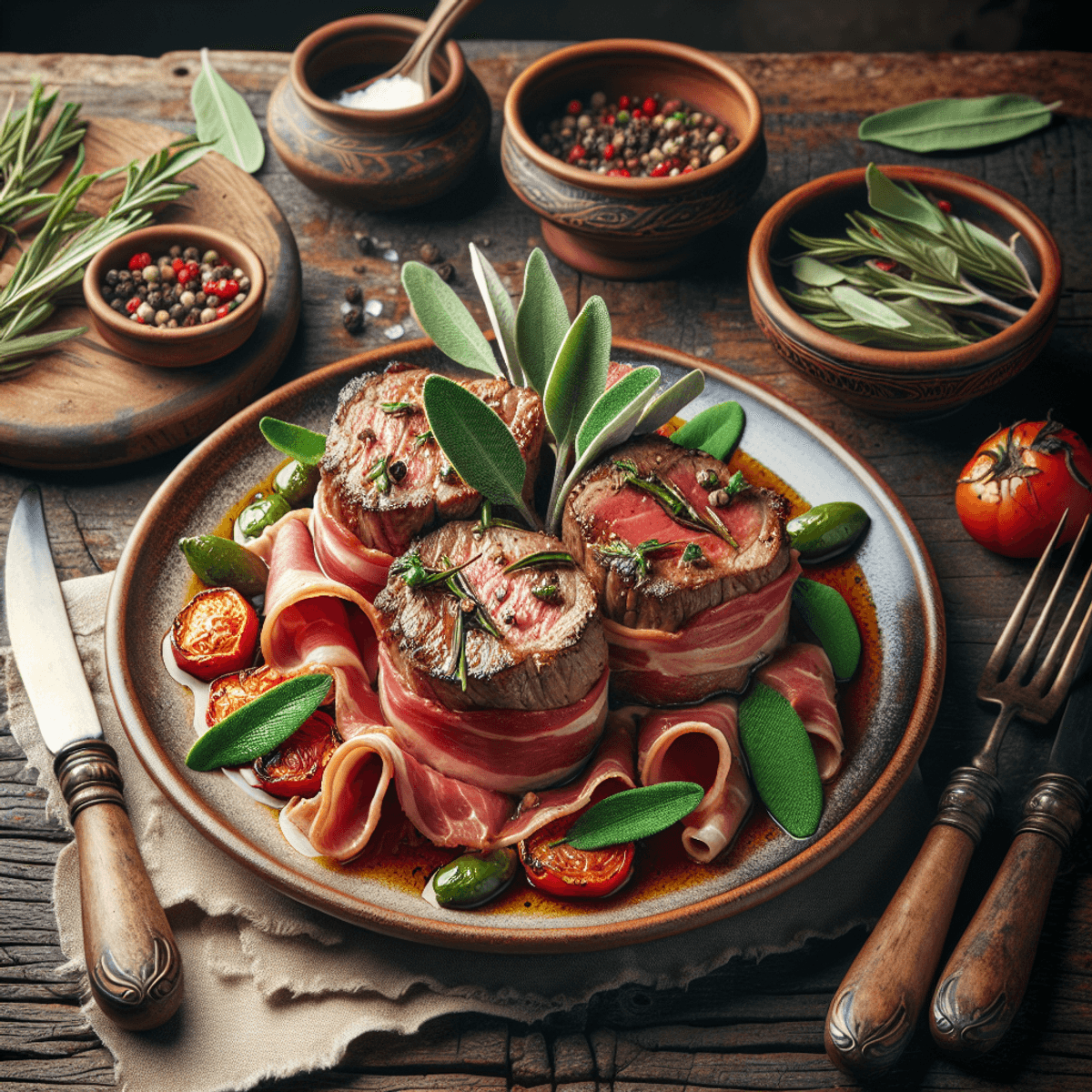
Another hallmark of Italian cooking is grilling, which is often showcased in outdoor gatherings, known as “grigliate.” Grilling not only imparts a distinct smoky flavor to vegetables, fish, and meats but also fosters a communal atmosphere. Family and friends often gather around the grill, sharing stories and laughter, reinforcing the social aspect of dining that is central to Italian culture. Incorporating fresh ingredients, such as seasonal vegetables and locally sourced meat, elevates these grilled dishes, making them both vibrant and flavorful.
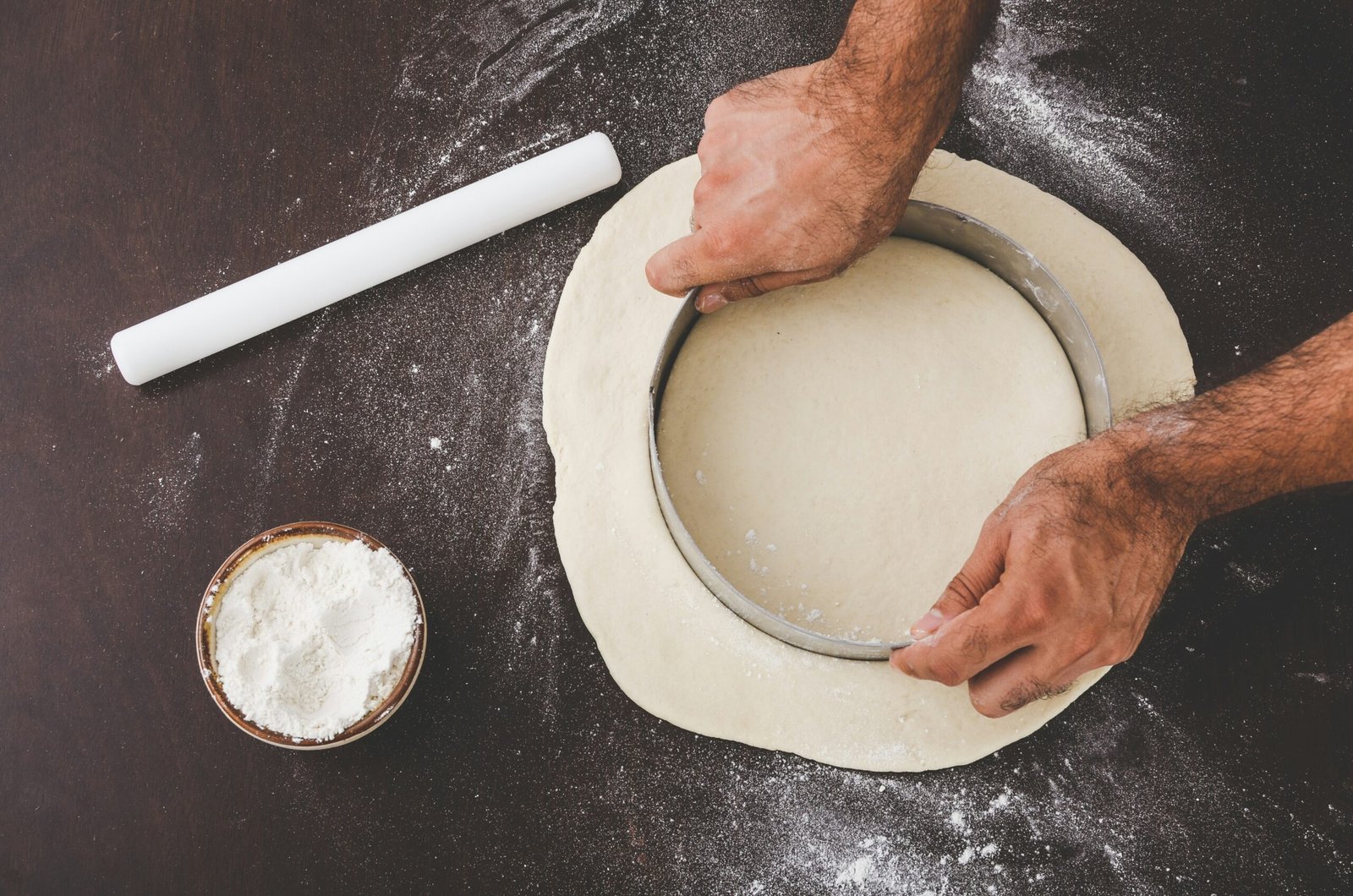
Baking also plays a crucial role in Italian culinary traditions. Breads, pizzas, and pastries are staples in Italian cuisine, with each region boasting its unique variations. The meticulous preparation involved in kneading dough and the art of achieving the perfect crust illustrate the craftsmanship that accompanies Italian baking. Festivals and family gatherings frequently feature these baked goods, showcasing the joy and love imbued in each dish. Food serves not merely as sustenance but as a medium for connection and celebration, encapsulating the essence of Italian life.
Ultimately, understanding and embracing these traditional techniques invites enthusiasts of Italian cuisine to recreate authentic experiences in their own kitchens. The passion for cooking, the dedication to quality ingredients, and the significance of shared meals underscore the artistry that defines Italian culinary traditions.