A Brief History of Italian Cuisine
Italian cuisine boasts a rich and diverse history, deeply intertwined with the cultural narratives and agricultural practices of the regions within Italy. The origins of Italian cuisine can be traced back to ancient Rome and Etruria, where the preparation and consumption of food centered around local ingredients, seasonal produce, and communal gatherings. As time progressed, key ingredients such as olive oil, wheat, and various herbs became staples, shaping the foundational elements of what is now recognized as Italian culinary tradition.
Throughout the Middle Ages, trade routes expanded, bringing new ingredients and cooking techniques to the Italian peninsula. The introduction of spices, exotic fruits, and products from the Americas, such as tomatoes and corn, contributed to the evolving landscape of Italian cooking. Different regions began to develop their own specialties based on locally sourced ingredients. For instance, Northern Italy is known for its creamy risottos and rich polenta, influenced by the cooler climate and agricultural practices. In contrast, Southern Italian cuisine highlights vibrant tomatoes, olives, and fresh seafood, reflecting the region’s bountiful coastline.
Fast forward to the Renaissance period, this era served as a pivotal moment for Italian cuisine, where artistic expression began to influence the way food was prepared and presented. Culinary manuscripts from this time reveal an emphasis on aesthetics and flavor combinations, elevating cooking to an art form. As Italian immigrants began to migrate to different parts of the world in the late 19th and early 20th centuries, they took their culinary traditions with them, establishing Italian restaurants and integrating regional specialties into other cultures’ food practices.
Thus, the evolution of Italian cuisine is not only a testament to the country’s regional diversity but also to its adaptability and the global influence it has garnered over centuries. As we explore the impact of Italian cuisine on the food scene in Singapore, understanding its origins and noteworthy transitions will provide a solid foundation for appreciating how its flavors and traditions seamlessly integrated into this vibrant melting pot.
Italian Immigrants and Their Influence in Singapore
The arrival of Italian immigrants in Singapore can be traced back to the 19th and early 20th centuries, coinciding with a broader wave of migration that saw diverse ethnic groups make their way to the island. These immigrants played a pivotal role in enriching Singapore’s culinary landscape, introducing a variety of authentic Italian dishes that were previously unfamiliar to the local populace. As they established themselves in various trades, many Italian immigrants found their way into the restaurant business, culminating in the opening of several Italian eateries that showcased their traditional cooking practices.
One of the significant contributions of these immigrants was the introduction of staple Italian ingredients such as olive oil, pasta, and various cheeses. Their culinary techniques, characterized by the use of fresh, quality ingredients, laid the foundation for the future growth of Italian cuisine in Singapore. Over time, the combination of Italian cooking with local flavors led to the emergence of fusion dishes unique to the Singaporean palate. For instance, ingredients like chili, coriander, and soy sauce began to be incorporated into traditional Italian recipes, creating a distinct culinary identity that reflected the country’s multicultural society.
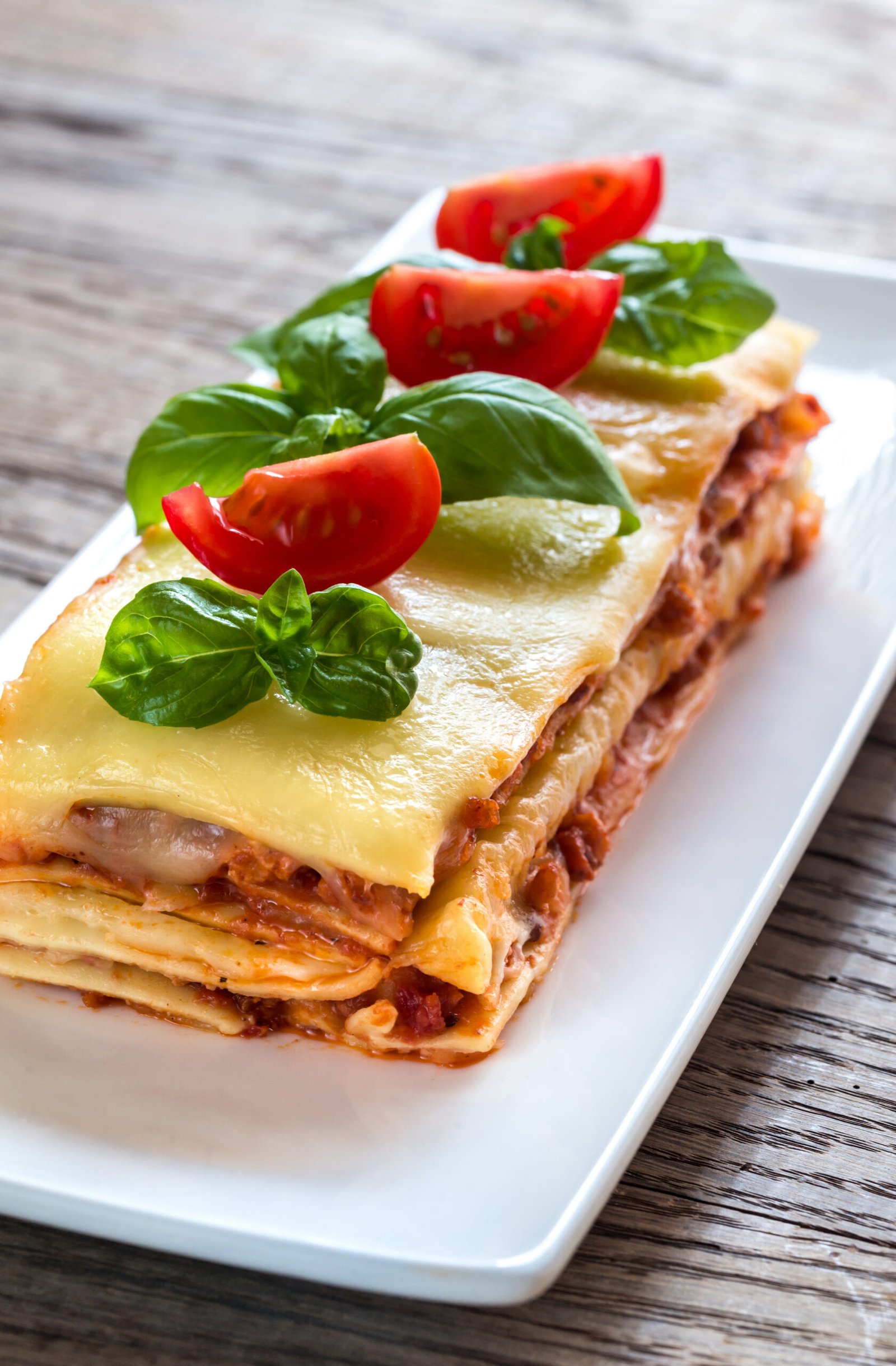
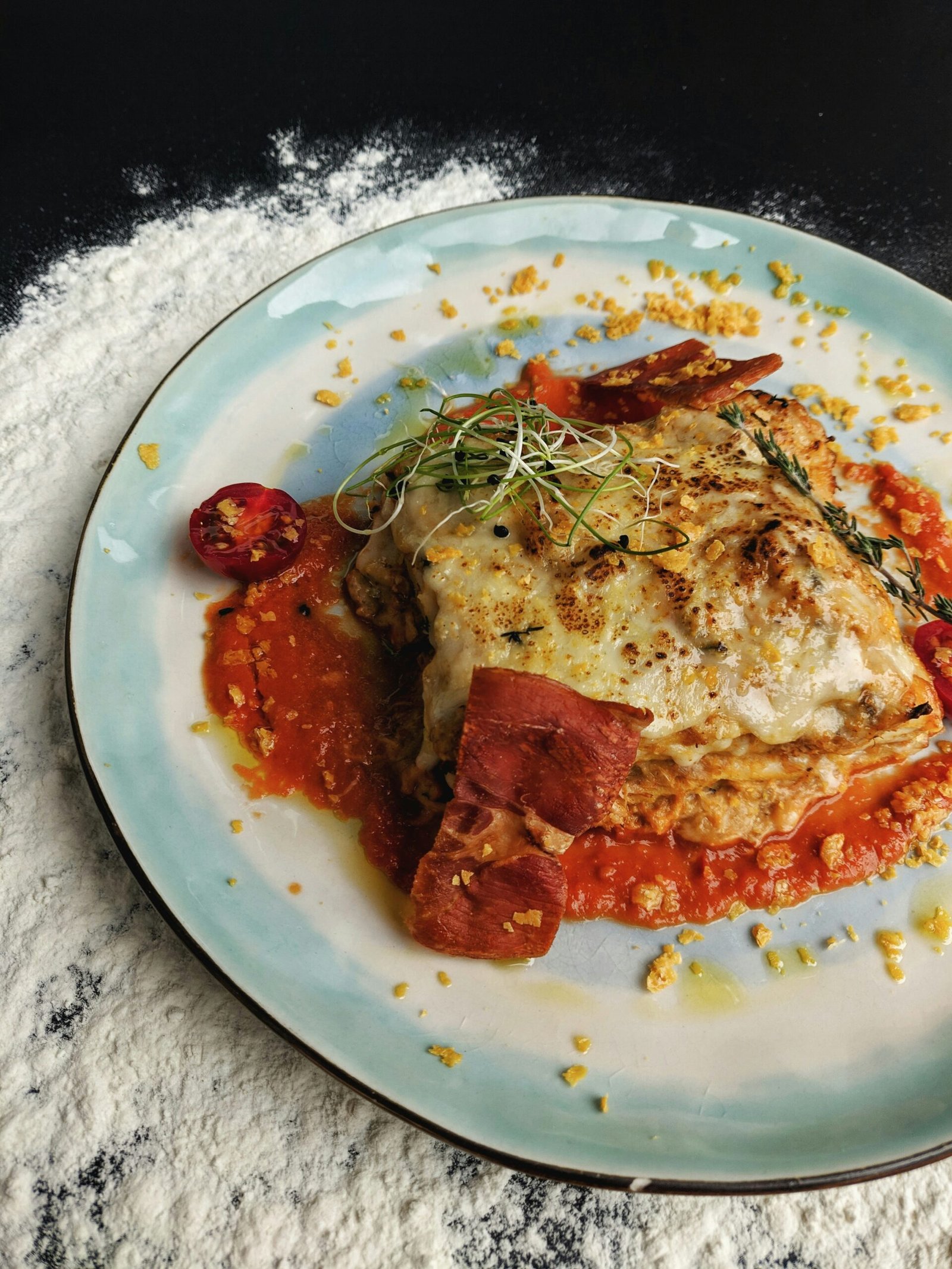
This melding of flavors is best observed in the evolution of popular dishes such as lasagna and pizza, where local variations have gained prominence. Restaurants began to offer versions that catered to Singaporean tastes, often experimenting with local seafood and spices. Furthermore, the ambiance and dining customs brought by these immigrants have also influenced the way Italian cuisine has been embraced and adapted within the Singaporean food scene. Consequently, the legacy of Italian immigrants continues to thrive in Singapore, with their influence evident in both informal food stalls and upscale dining establishments across the city.
Fusion and Adaptation: Italian Cuisine Meets Local Flavors
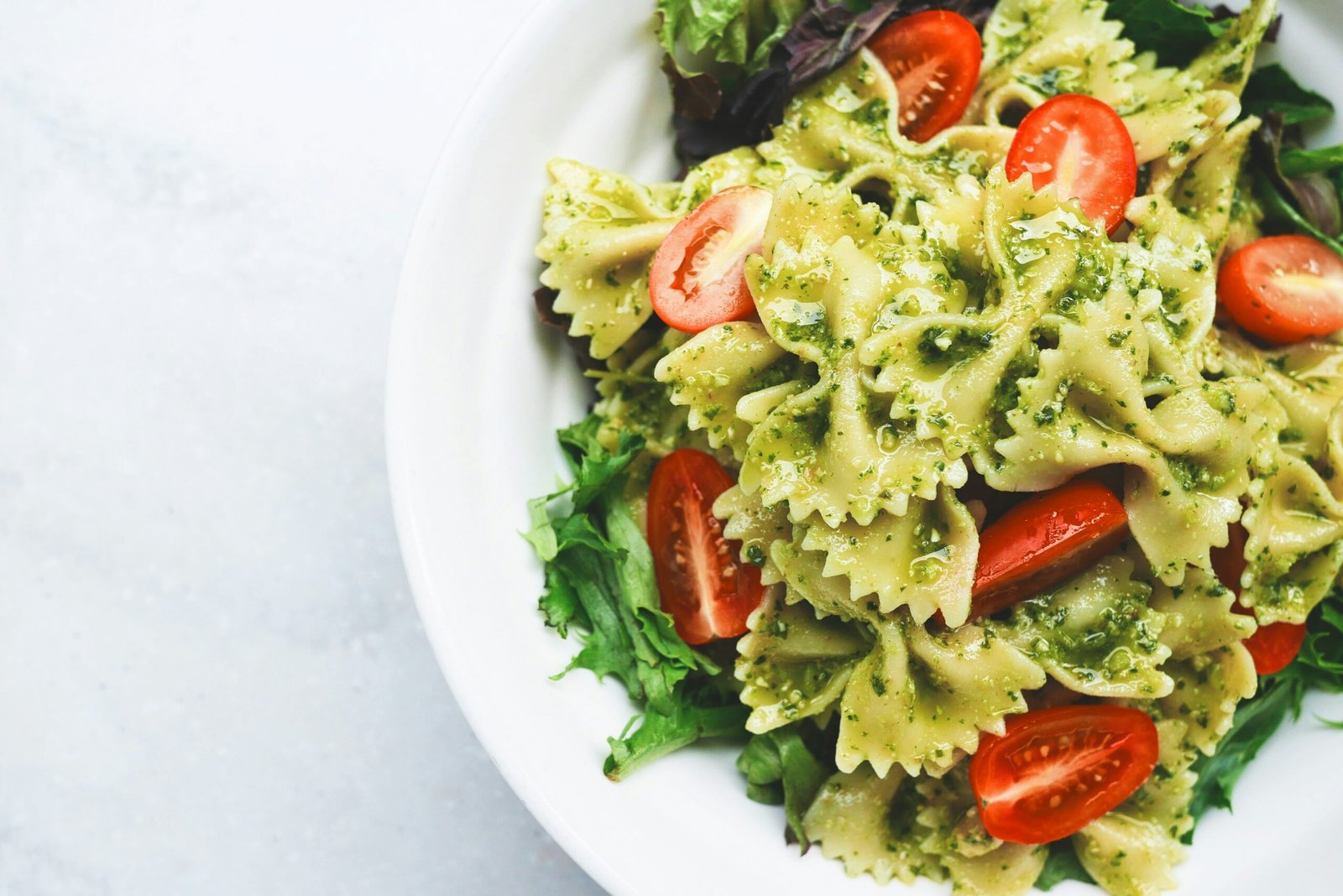
Over the years, Singapore has increasingly embraced the concept of culinary fusion, leading to imaginative interpretations of traditional Italian cuisine that harmoniously blend with local flavors. The vibrant food culture in Singapore has paved the way for the emergence of hybrid dishes that showcase the adaptability of Italian cooking in this multicultural society. From pastas to pizzas, these innovative creations reflect a successful integration of Italian techniques and Singaporean ingredients.
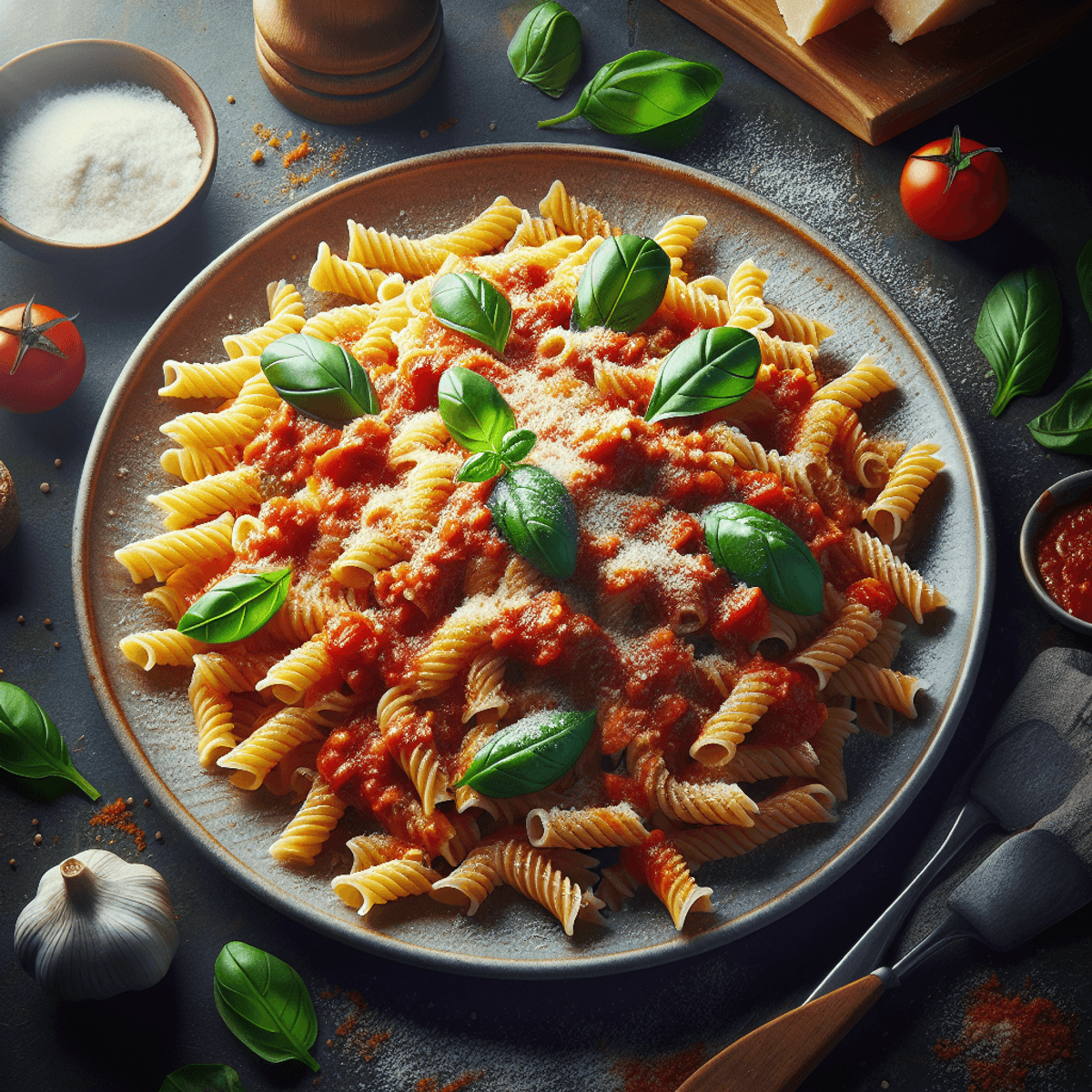
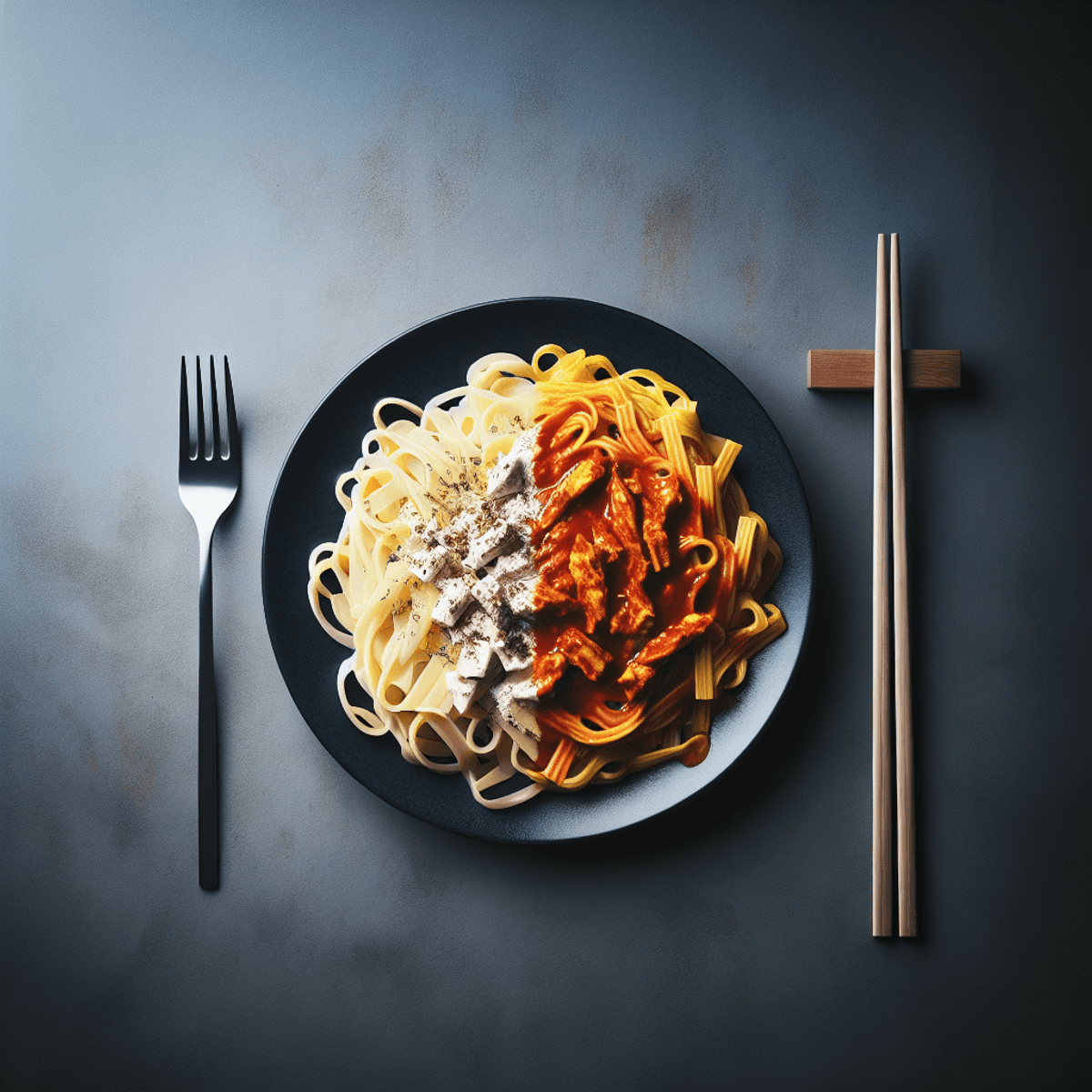
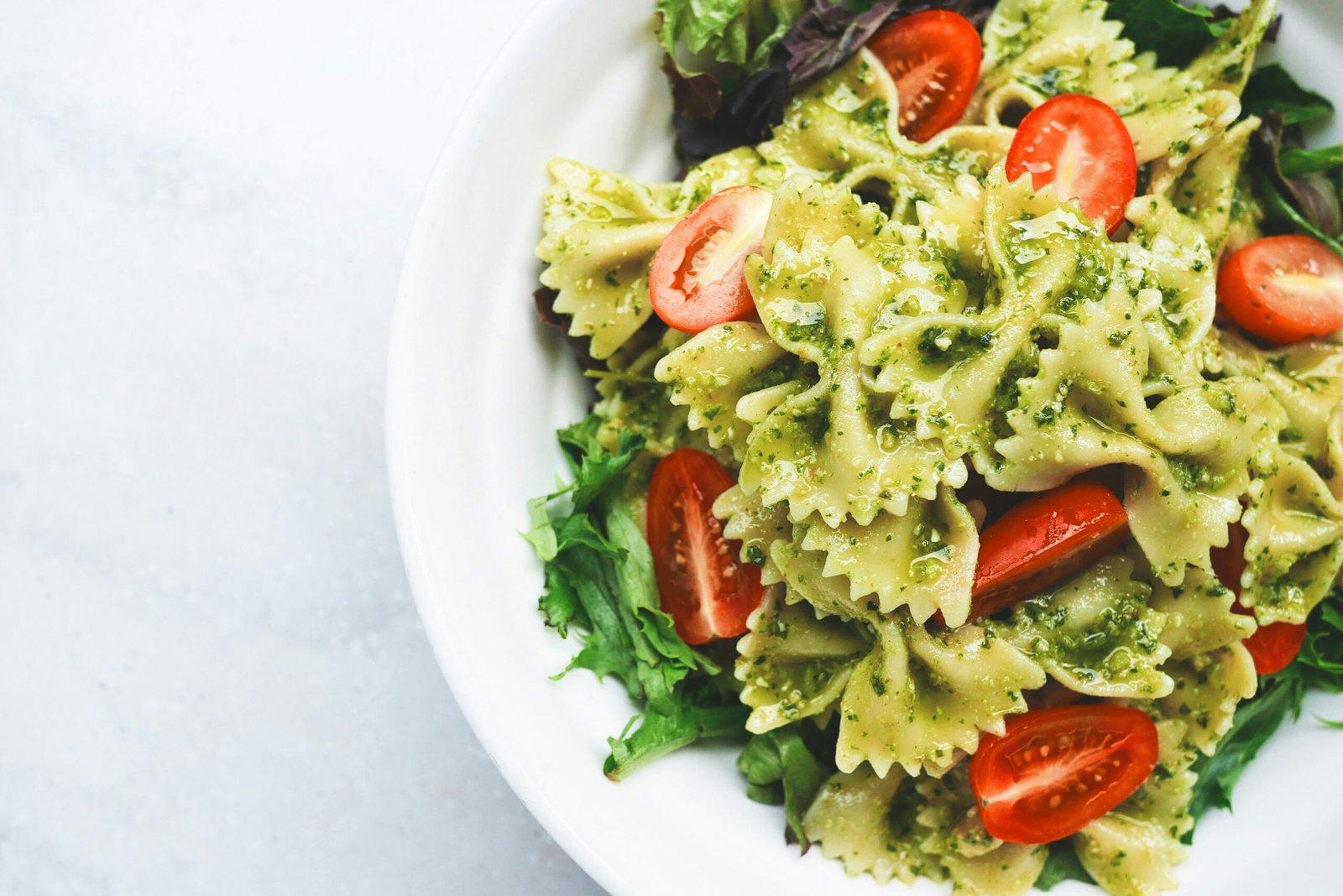
One notable example of fusion cuisine is the use of local spices and condiments in traditional Italian dishes. Chefs have effectively utilized ingredients such as sambal and laksa paste to create a unique spicy arrabbiata sauce that pairs exquisitely with fresh seafood pasta. This trend of incorporating local elements allows for a mouthwatering experience that captivates both local and international diners. Additionally, the popular local dish, chicken rice, has seen reinterpretations using Italian herbs and marinades, creating an excellent dish that merges both worlds.
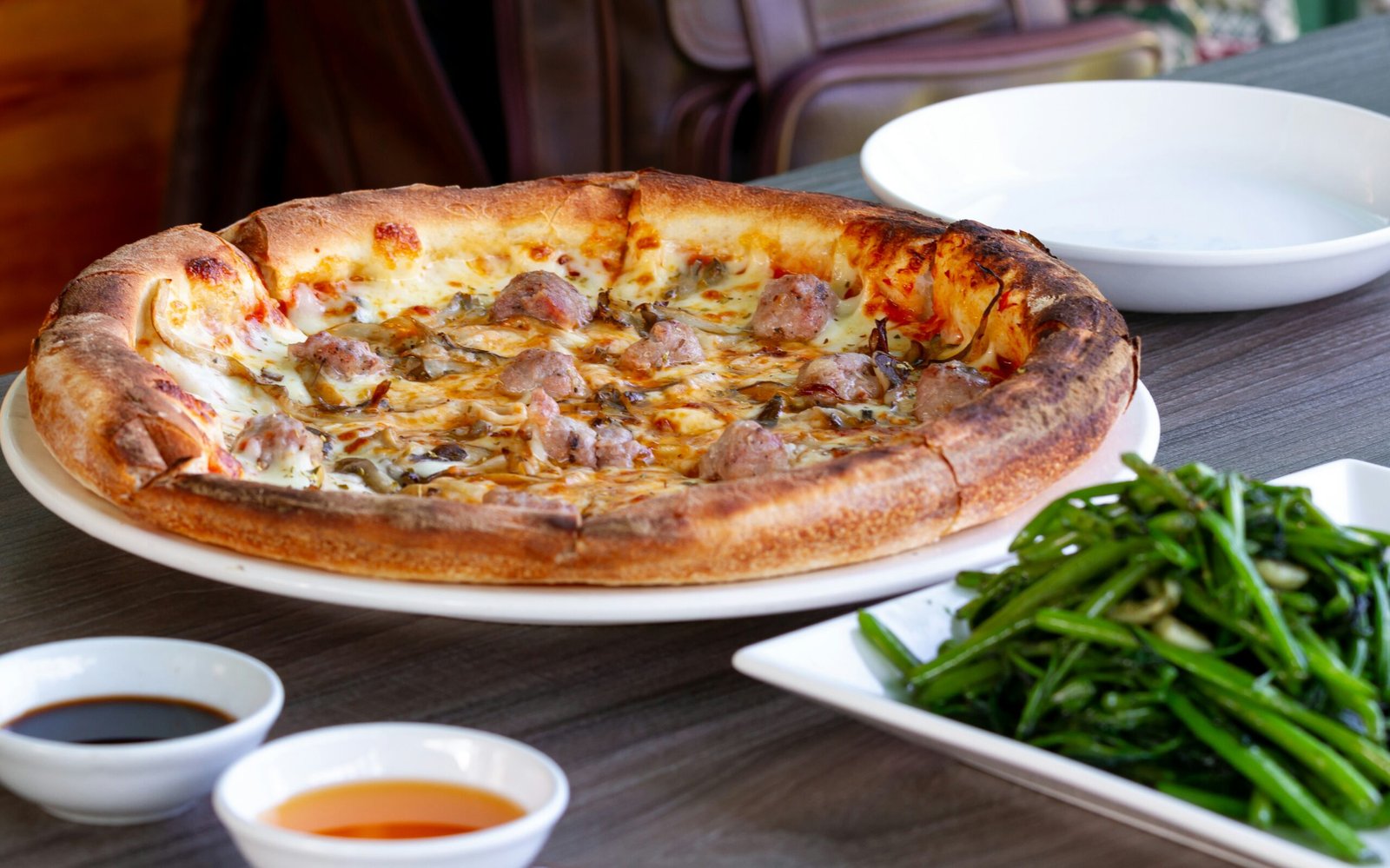
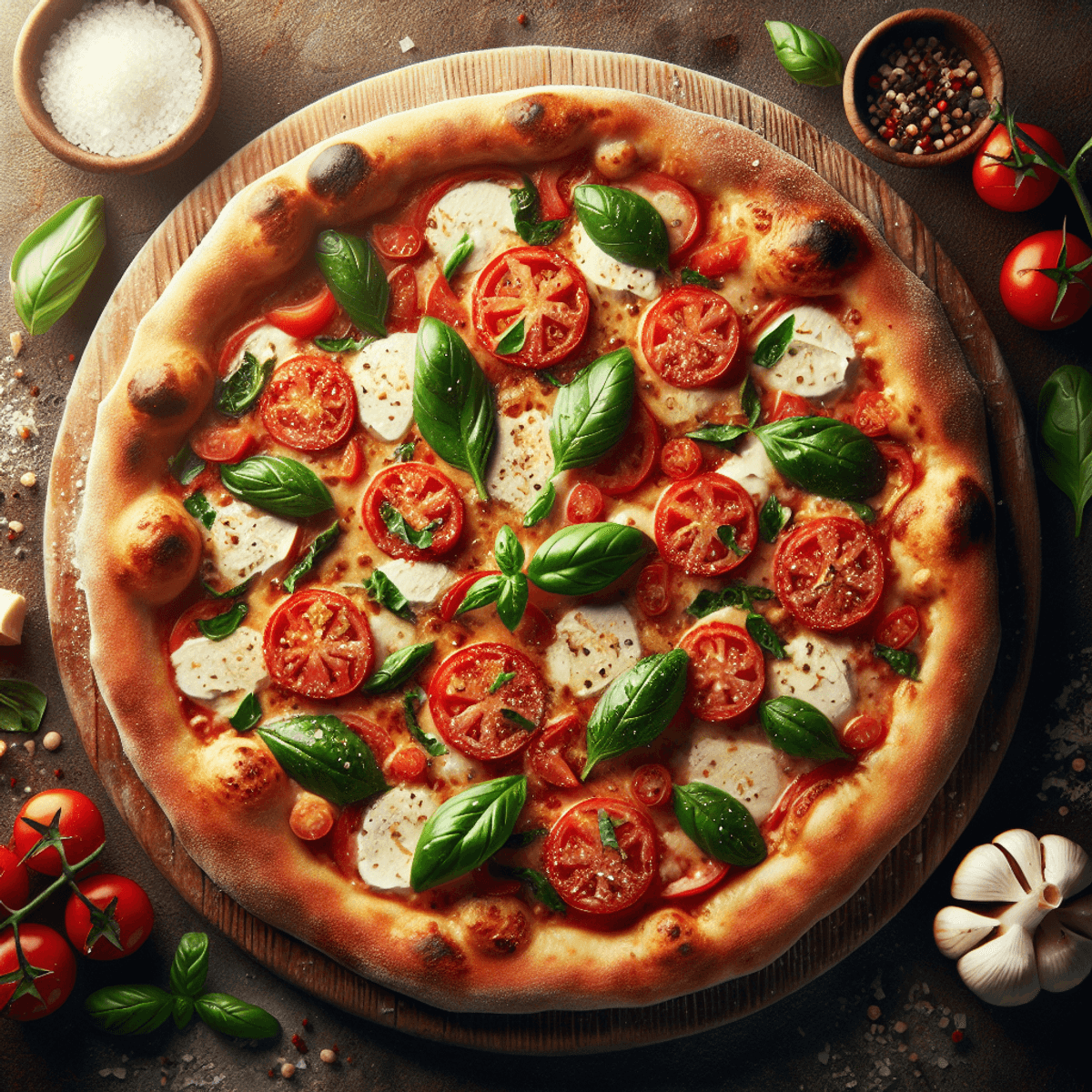
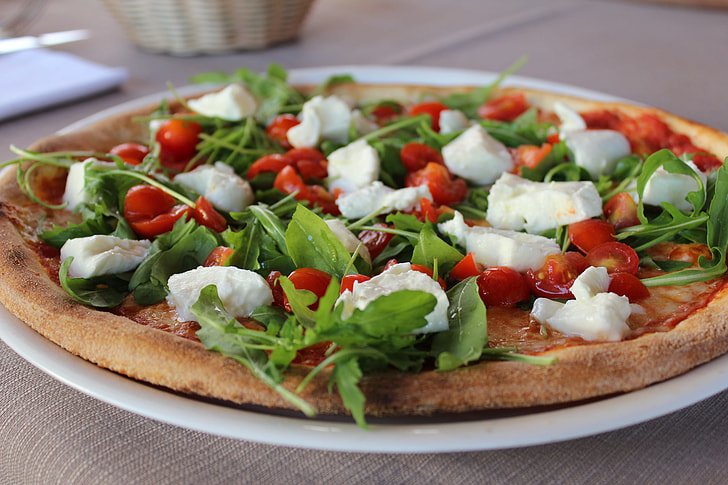
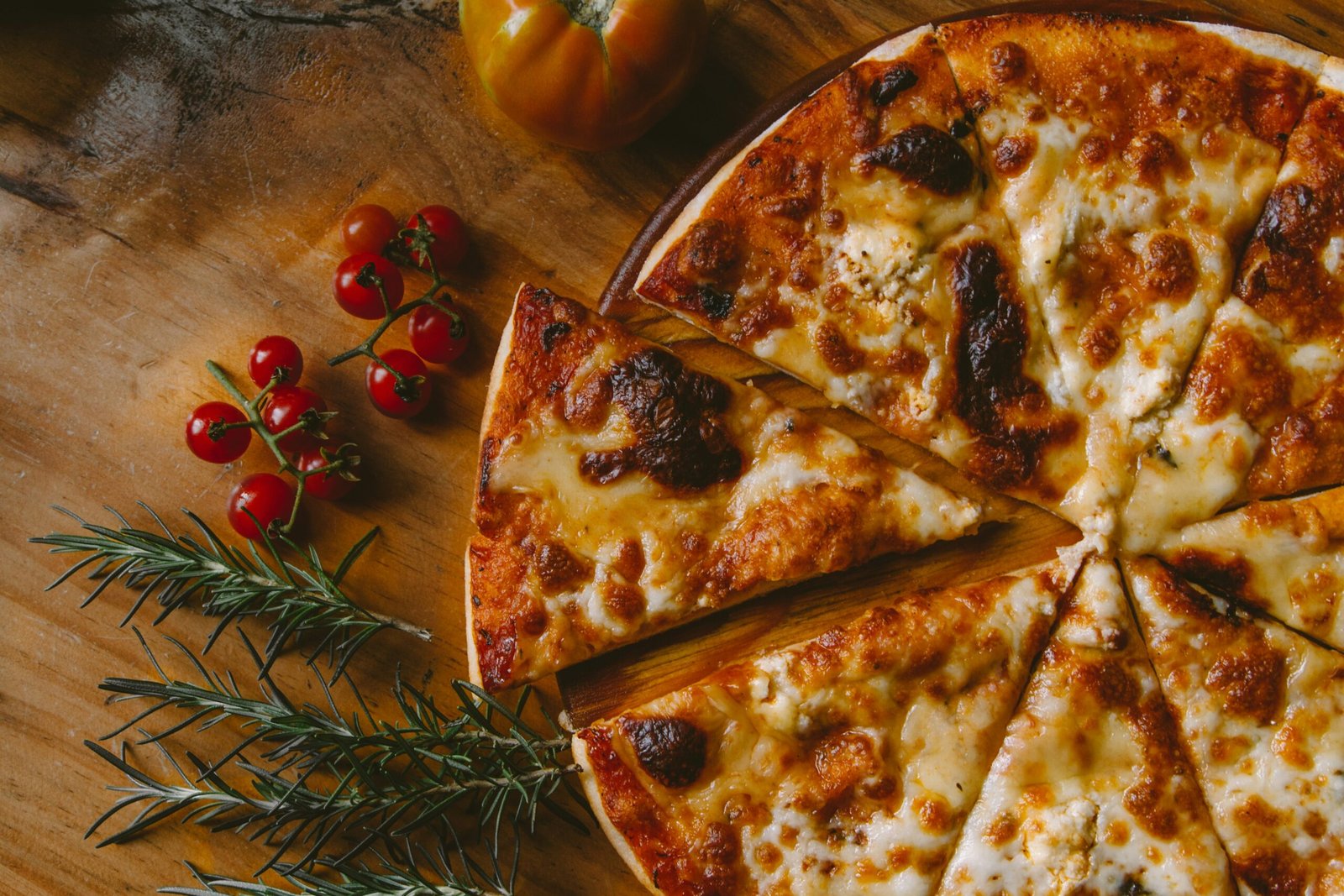
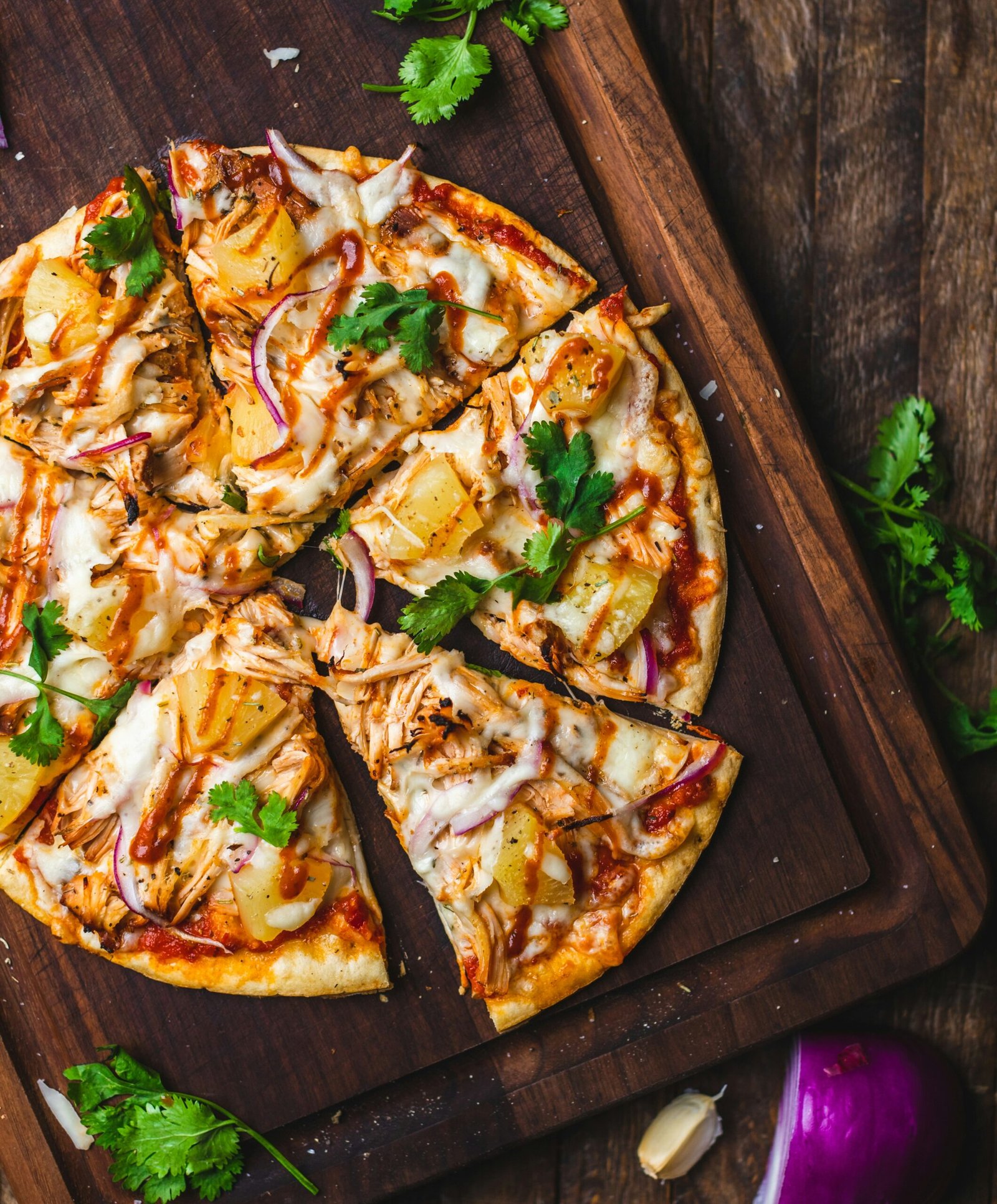
Several restaurants in Singapore stand out for their commitment to this blend of culinary traditions. For instance, eateries such as “Pasta Brava” and “Cicheti” are recognized for their creative pasta dishes that infuse local flavors. At “Pasta Brava,” the chef crafts a delightful chili crab pasta that combines the iconic Singapore seafood dish with authentic Italian fare. Similarly, “Cicheti” offers a novel take on the classic pizza, featuring toppings like rendang beef and rocket, convincingly uniting the essence of both cuisines.
Notable chefs are also instrumental in this evolving food narrative. Their passion for culinary exploration encourages continuous innovation, allowing the merging of flavors to reach new heights. These culinary professionals adeptly navigate the fine line between respecting traditional Italian recipes and embracing Singapore’s diverse palates, showcasing the spirit of experimentation in the local dining environment. Ultimately, this blend of Italian cuisine with local flavors exemplifies the creativity that defines Singapore’s dynamic food scene.
The Current Italian Food Landscape in Singapore
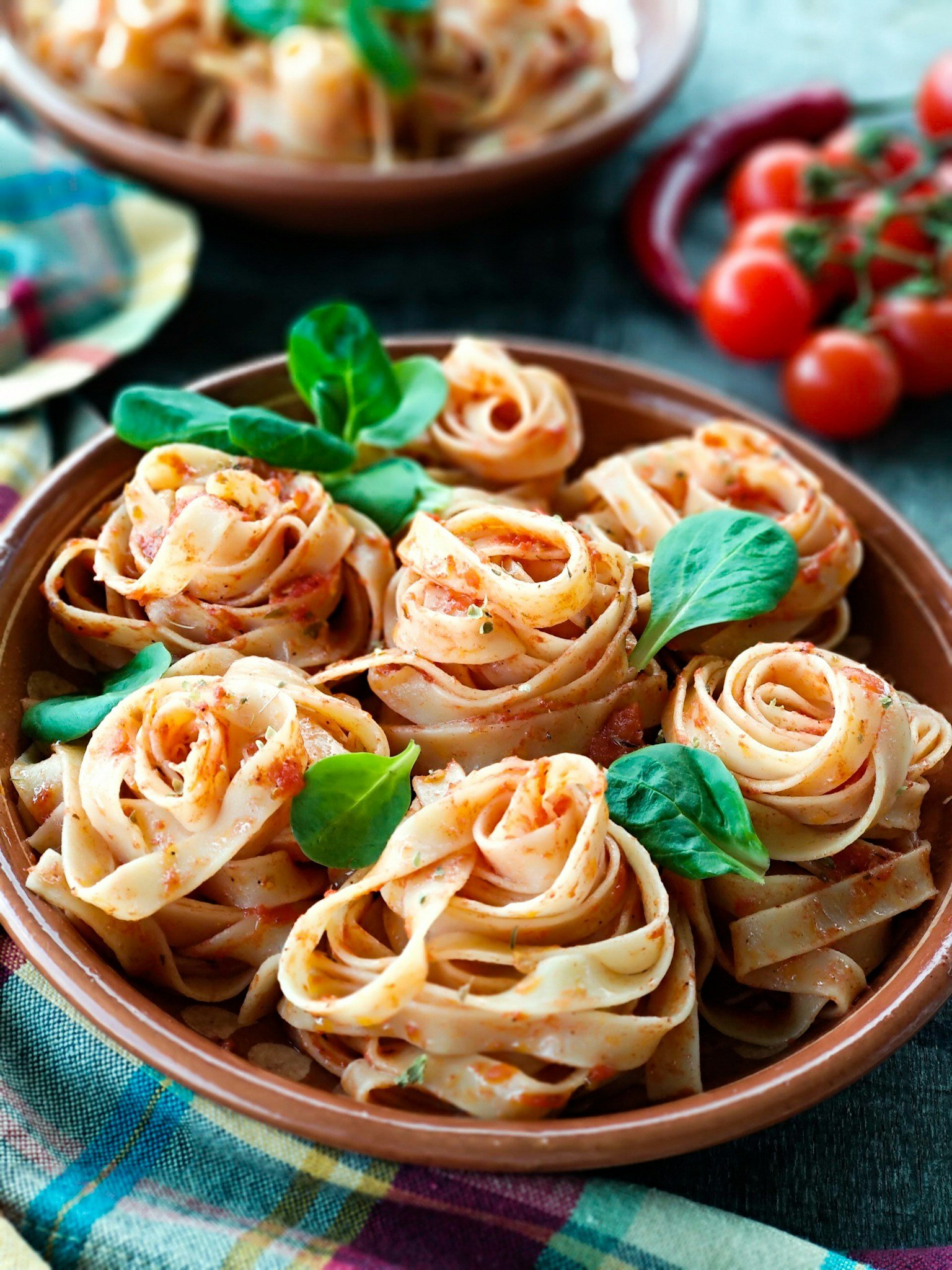
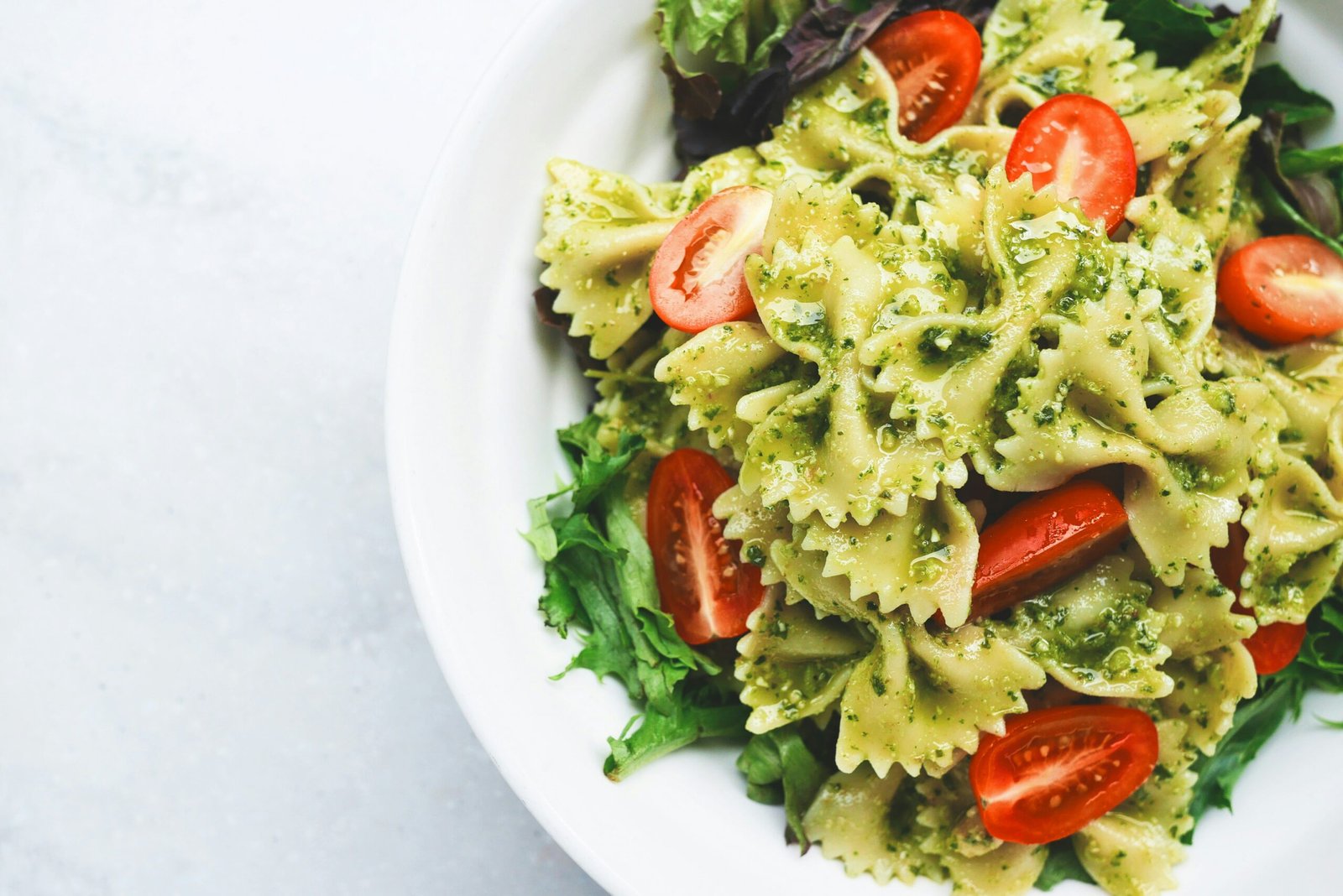
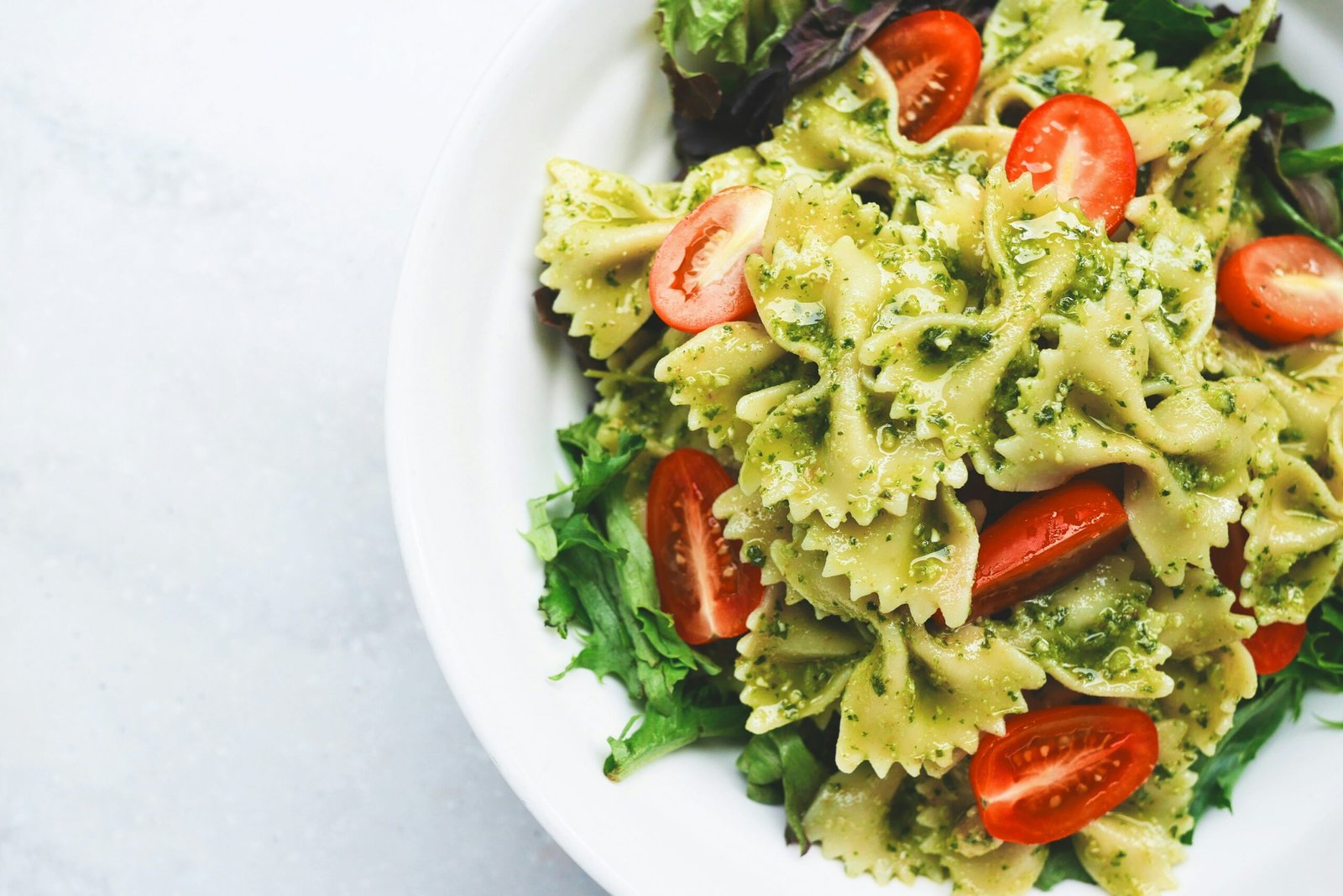
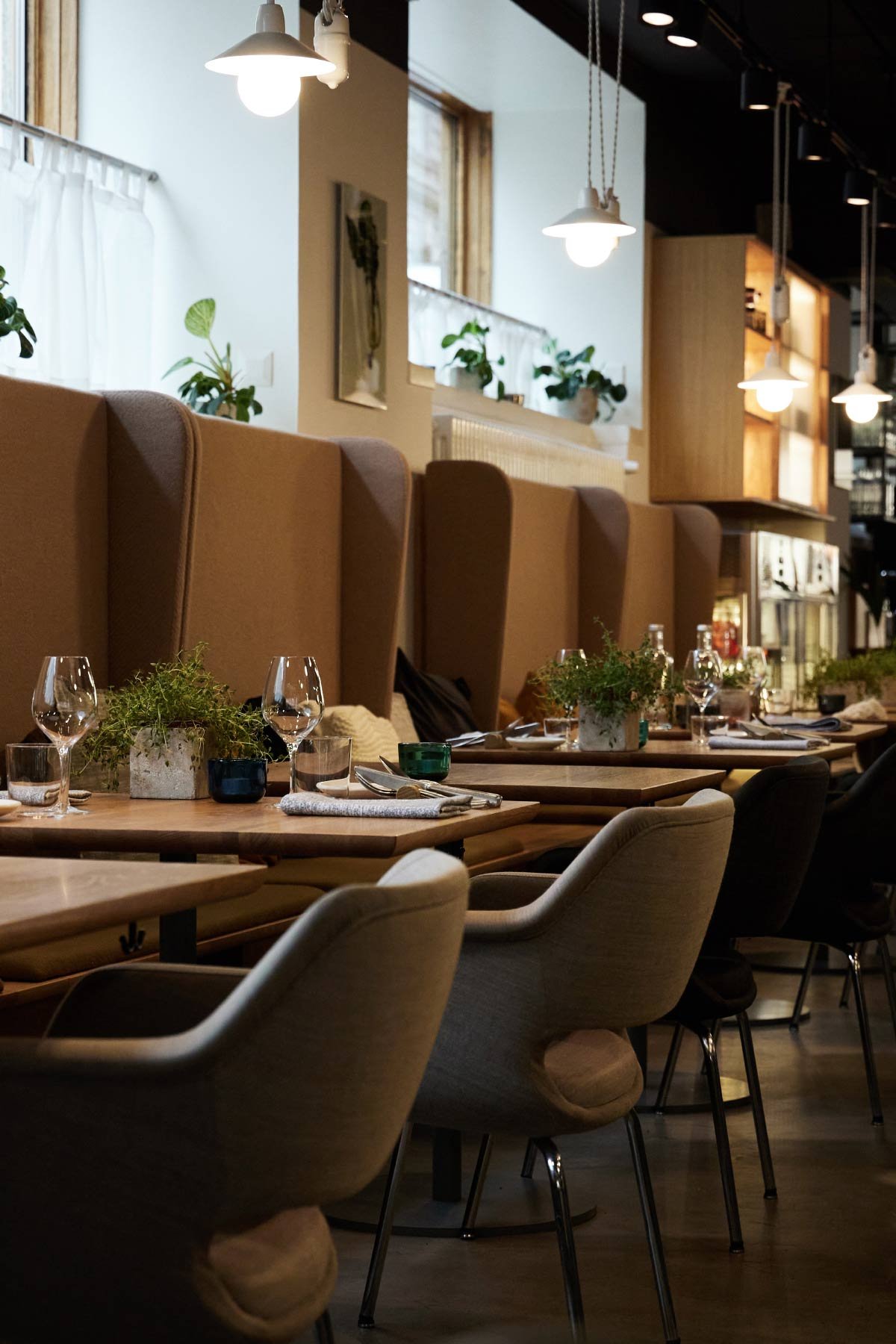
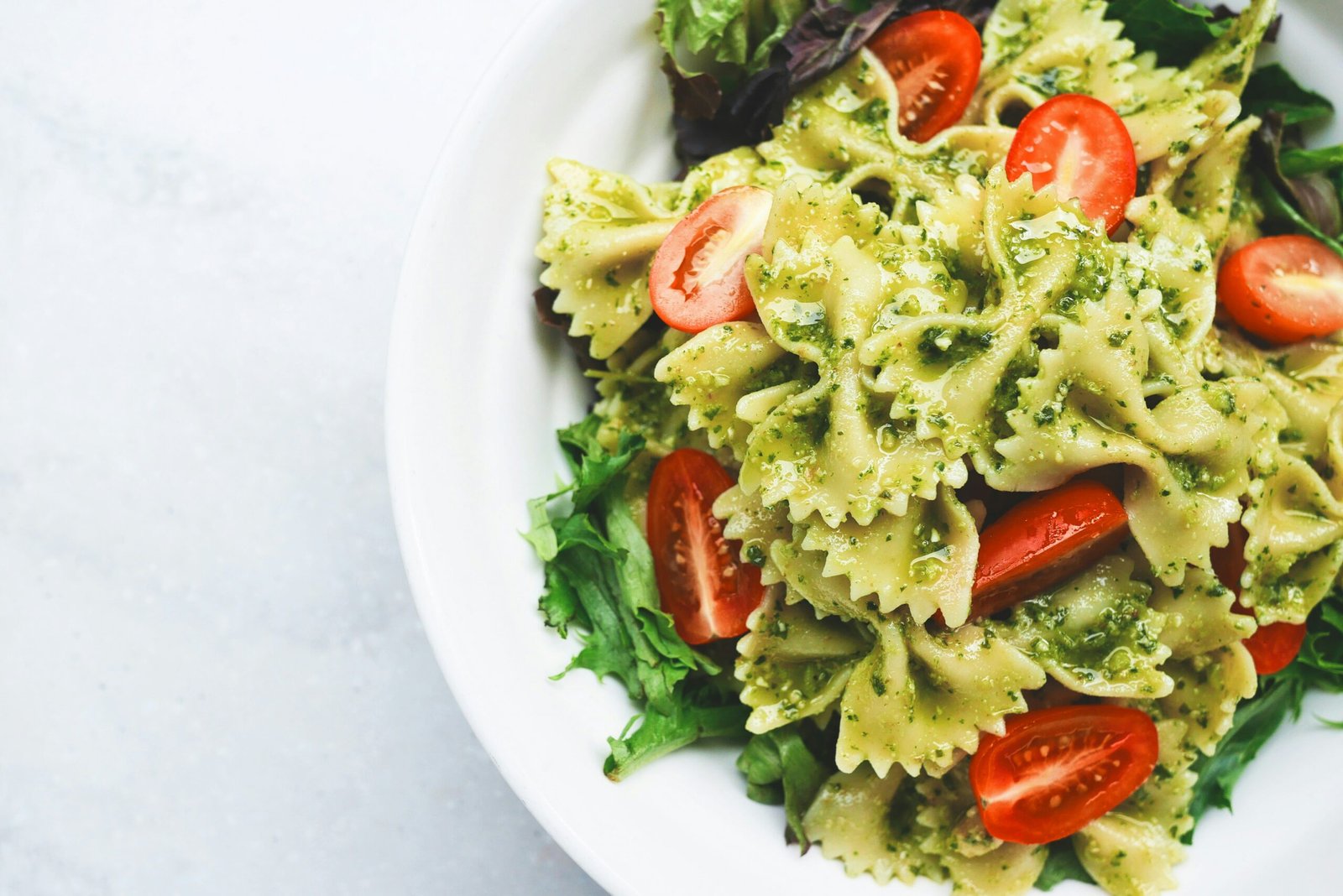
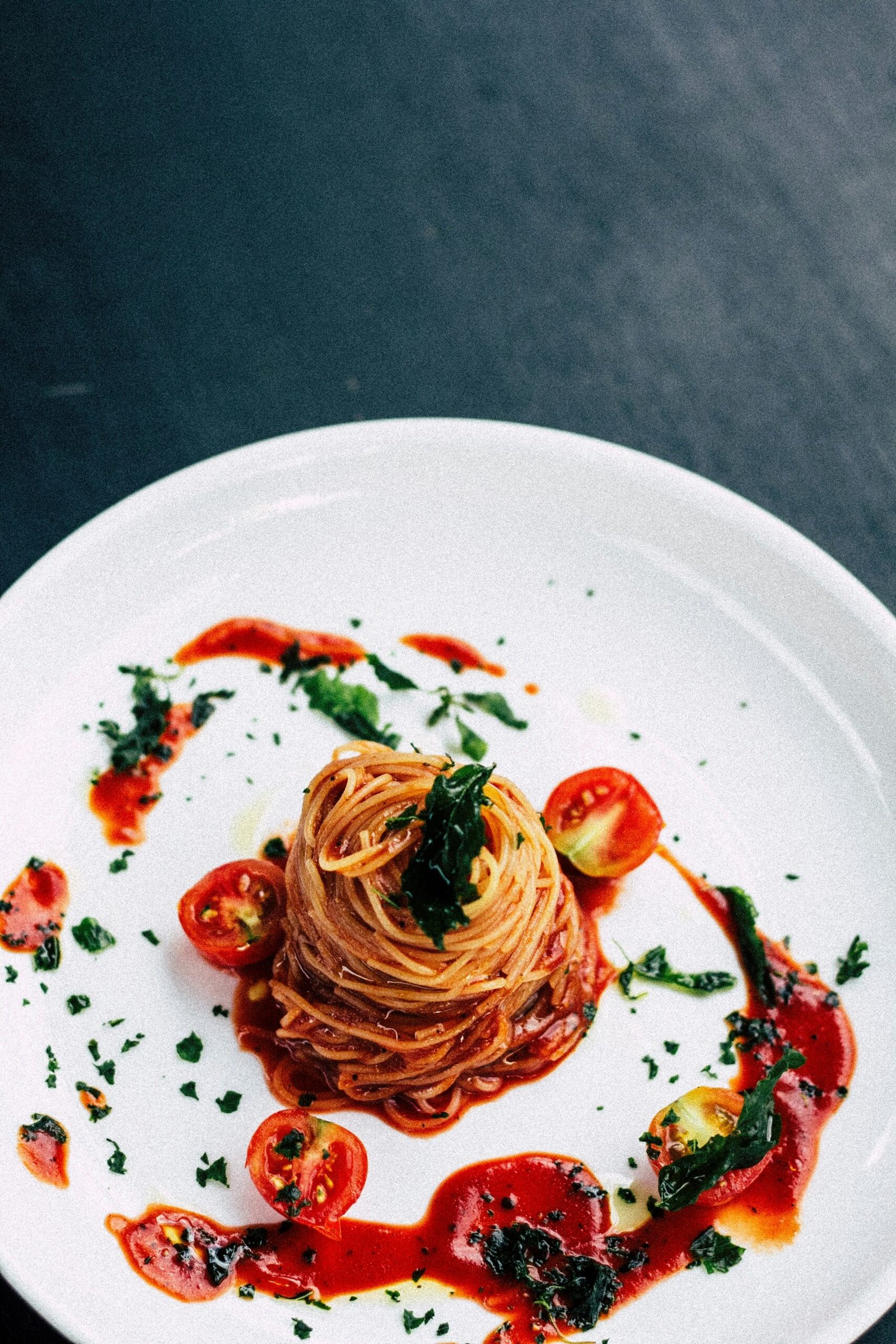
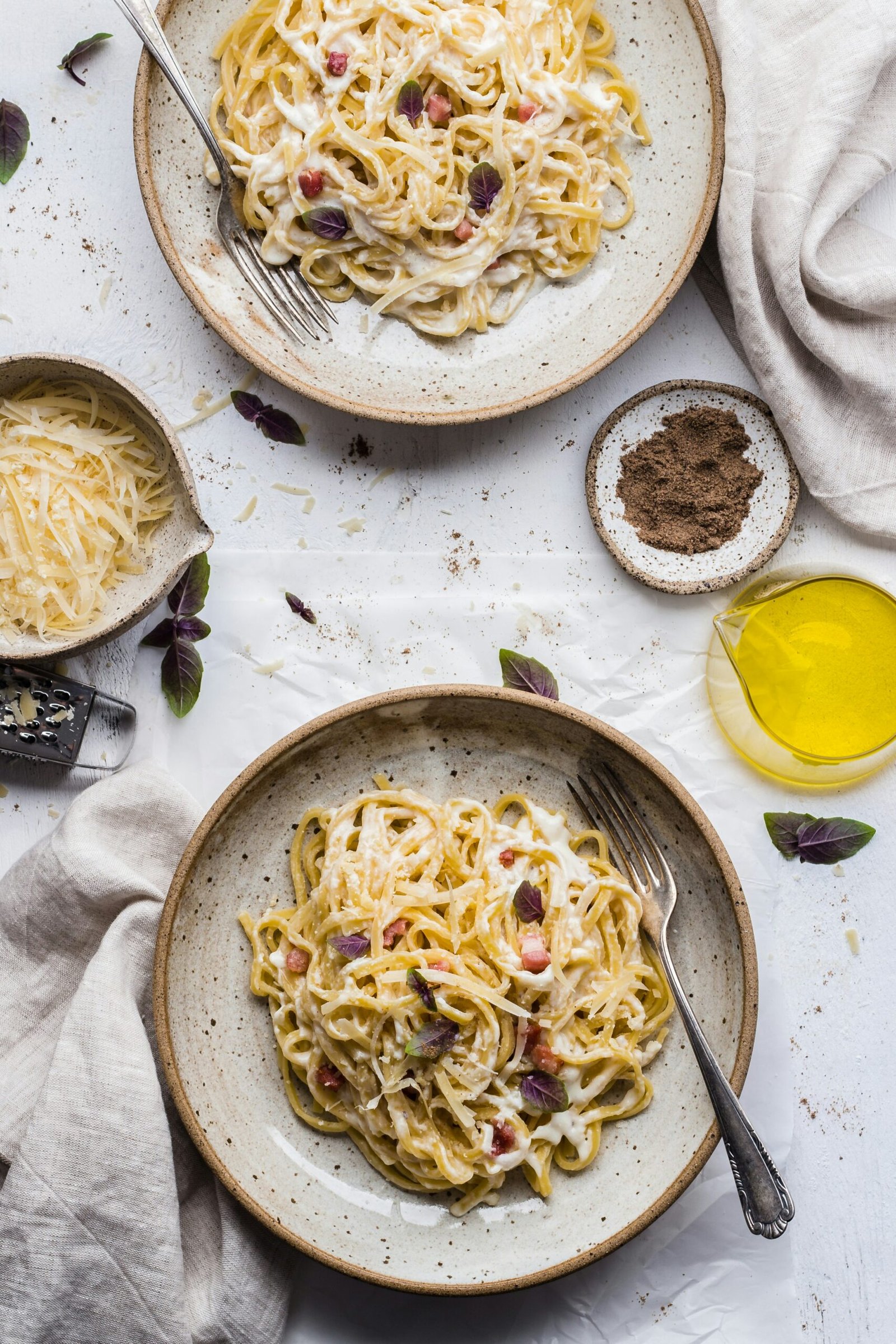
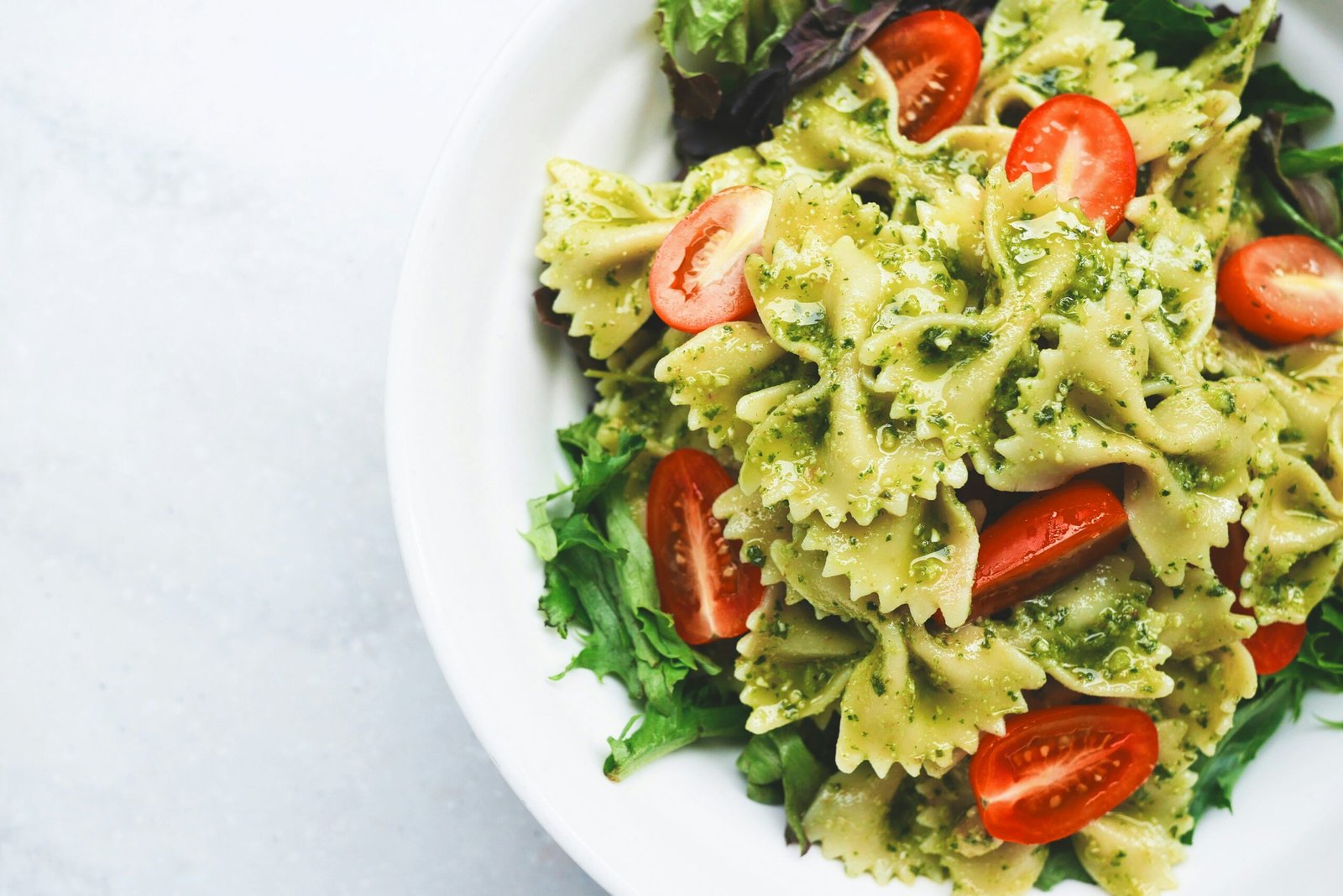
Italian cuisine has become an integral part of Singapore’s diverse culinary scene, reflecting the city-state’s multicultural identity. Today, the landscape is populated with a multitude of Italian restaurants ranging from casual eateries to upscale dining establishments. These venues showcase not only traditional Italian dishes but also innovative interpretations that cater to local tastes. Classics such as pasta, pizza, and risotto remain popular among residents and visitors alike, contributing to the steady demand for Italian food.
As of 2023, the popularity of Italian cuisine in Singapore is evident in the surging number of Italian restaurants, many of which have garnered acclaim and loyal patronage. Locals are increasingly seeking authentic Italian flavors, often showcased through fresh, locally sourced ingredients. This movement is accompanied by a rising interest in culinary authenticity, as many chefs and restaurateurs strive to pay homage to Italy’s rich gastronomic heritage while incorporating elements that resonate with Singapore’s dining culture.
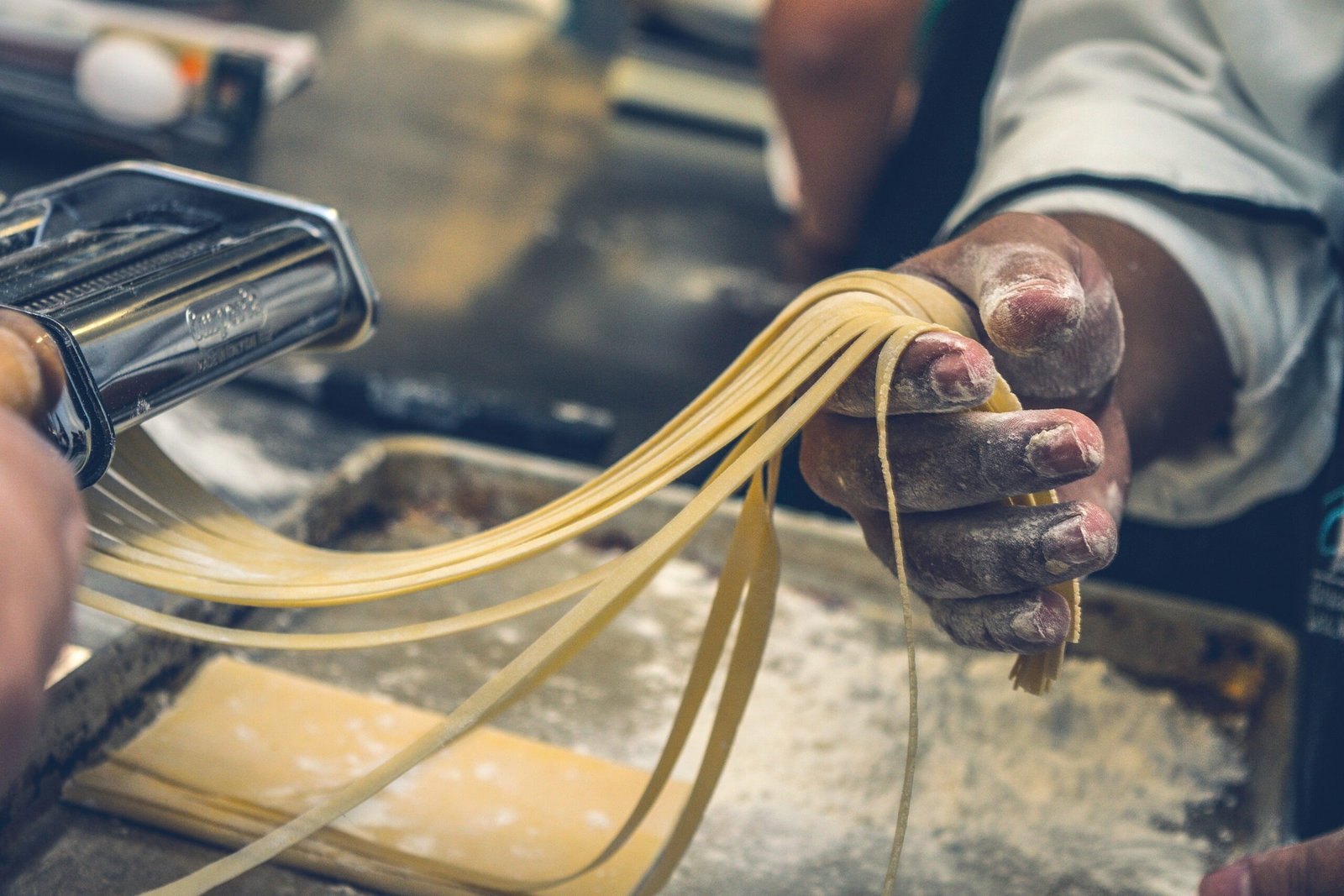
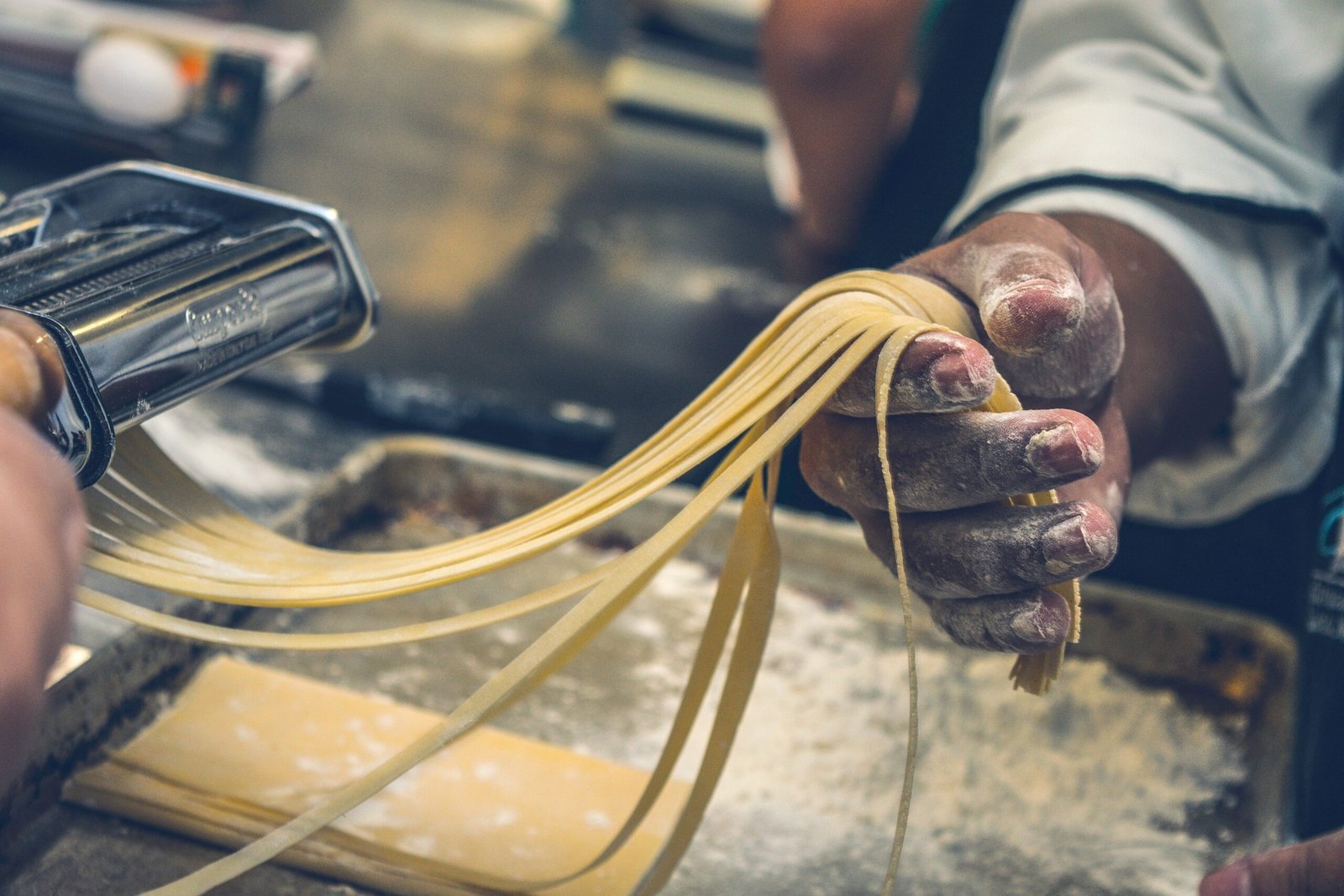
Moreover, food trends in Singapore demonstrate a blossoming interest in the Italian culinary approach. For instance, the focus on homemade pasta and artisanal pizza has gained traction, supported by various cooking classes and workshops that empower home cooks to embrace traditional Italian techniques. Additionally, ingredients such as truffles, Parmigiano-Reggiano, and olive oil are increasingly found in local kitchens, allowing residents to replicate beloved Italian recipes. Seasonal menus, which highlight Italy’s regional specialties, are also becoming common, providing diners with a taste of Italy’s culinary diversity within the Singaporean context.
Overall, Italian cuisine continues to thrive in Singapore, adapting and evolving amid the city’s dynamic food scene. The blend of traditional recipes with contemporary flavors ensures that Italian food remains enticing for both established fans and new enthusiasts, solidifying its place in Singapore’s gastronomic identity.