A Brief History of Italian Cuisine in Singapore
The introduction of Italian cuisine in Singapore can be traced back to the early 20th century when Italian immigrants began settling in the region. These migrants, primarily hailing from the coastal areas of Italy, brought with them their rich culinary traditions, including pasta, risotto, and various seafood dishes. The influx of Italians contributed to the multicultural fabric of Singapore, setting the stage for the eventual establishment of Italian dining options in the country.
The first Italian restaurants emerged in the 1960s, catering not only to the local population but also to the expatriate community. Establishments like “Da Paolo” and “Ristorante Italiano” played a pivotal role in introducing authentic Italian dishes to Singaporean diners. These early restaurants focused on providing a genuine experience by using traditional Italian recipes and ingredients, albeit with some adaptations to suit local palates. As the dining scene evolved, Italian restaurants began to diversify, showcasing a blend of regional specialties that highlighted the diverse gastronomic landscape of Italy.
The Rise of Authentic Italian Dining
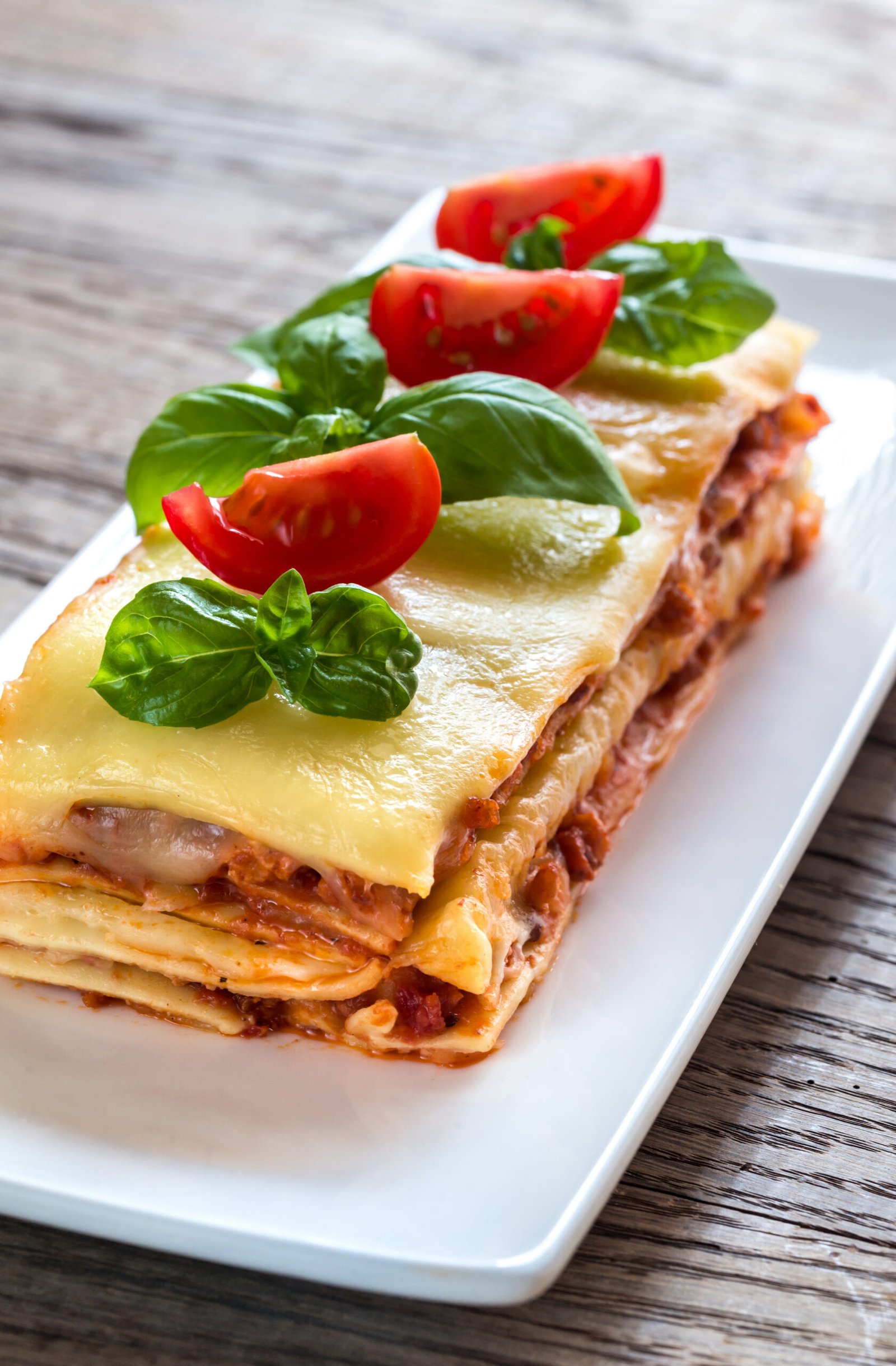
Since the 1980s, authentic Italian dining in Singapore has experienced significant growth, reflecting a broader global trend towards specialty cuisines. During this period, a wave of Italian chefs arrived in the country, bringing with them not just recipes, but a deep appreciation for the culinary traditions of their homeland. These chefs played a crucial role in introducing and maintaining the authenticity of Italian cuisine, as they emphasized using high-quality ingredients sourced directly from Italy, such as San Marzano tomatoes and Parmigiano-Reggiano cheese.
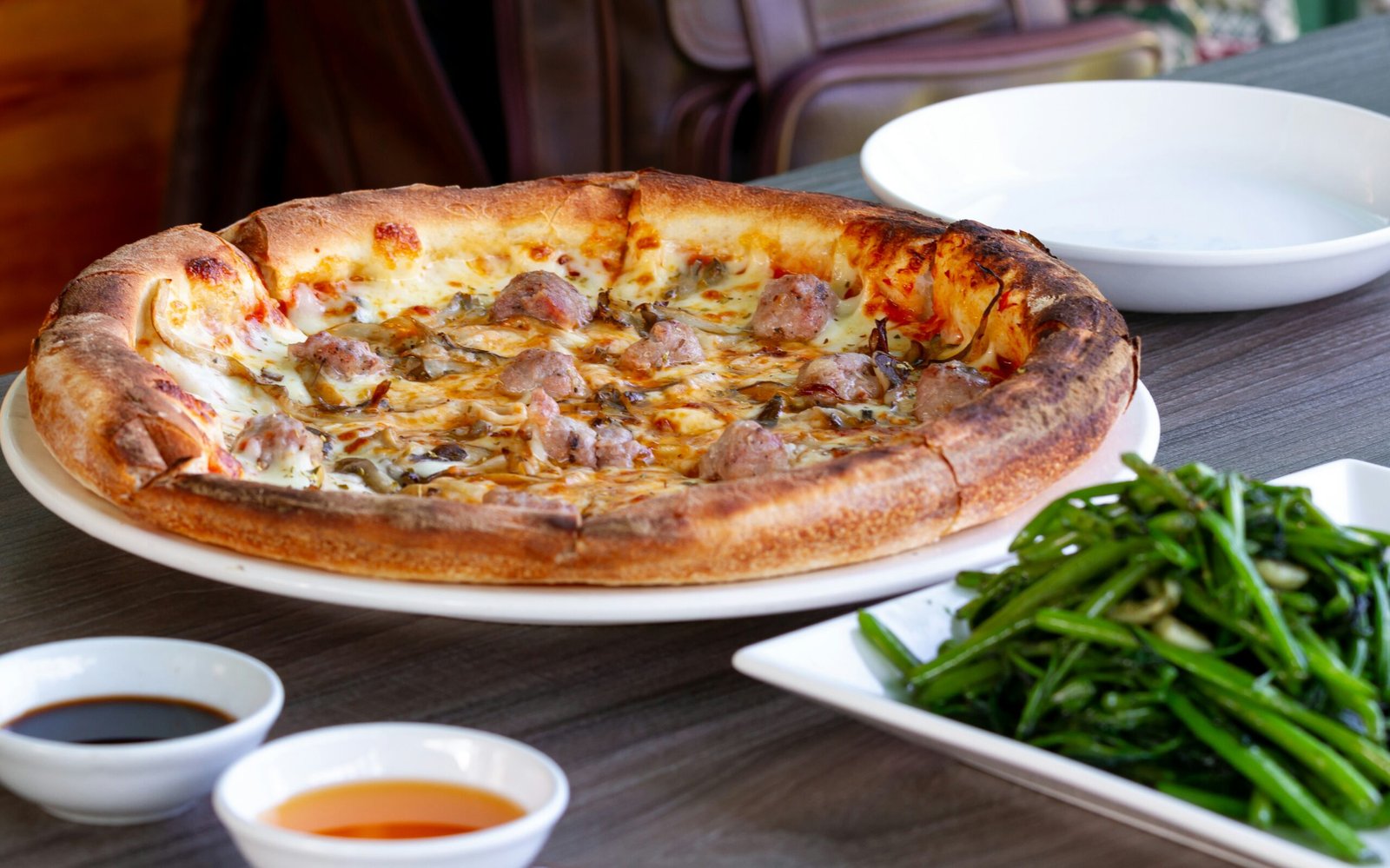
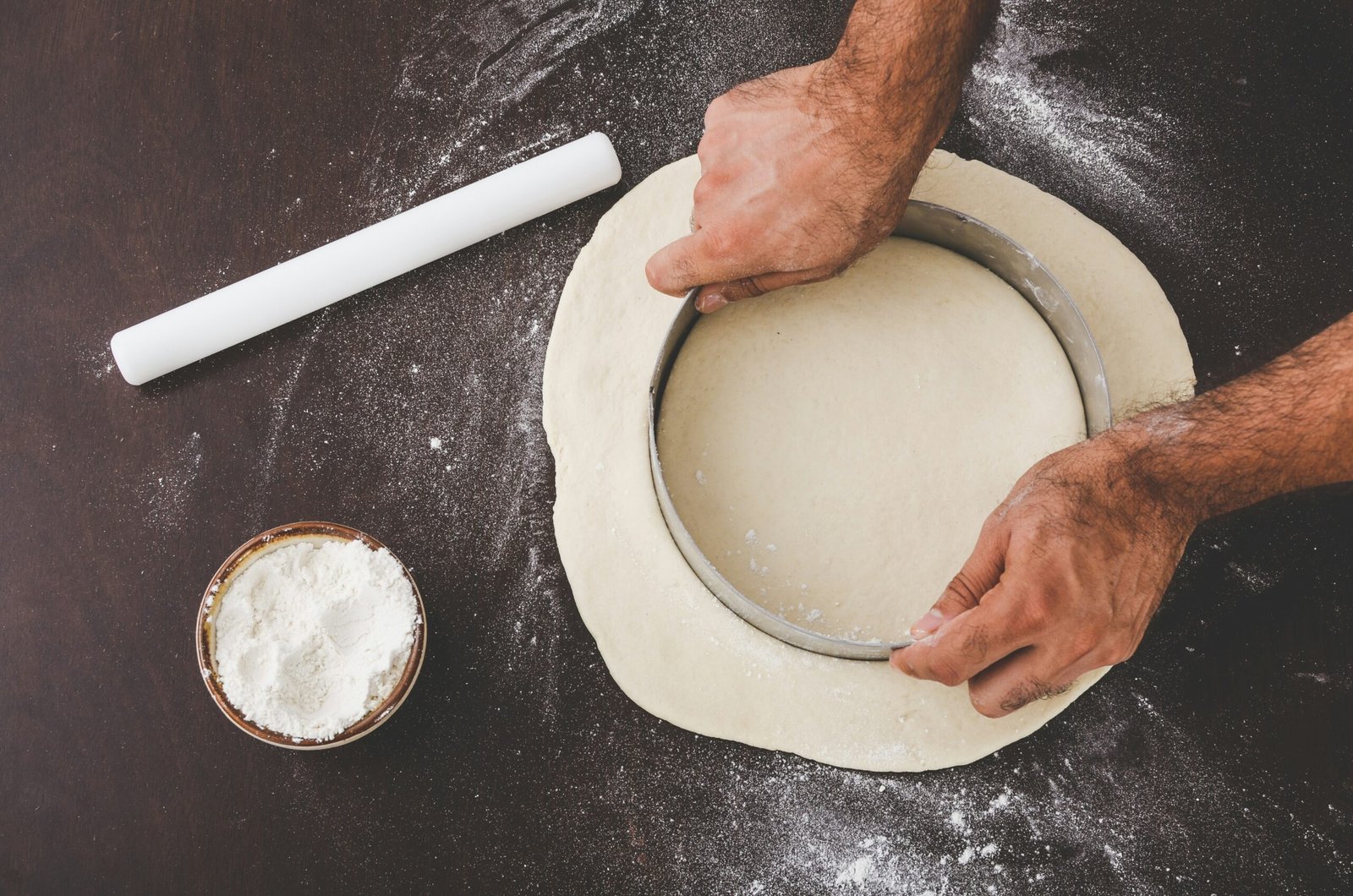
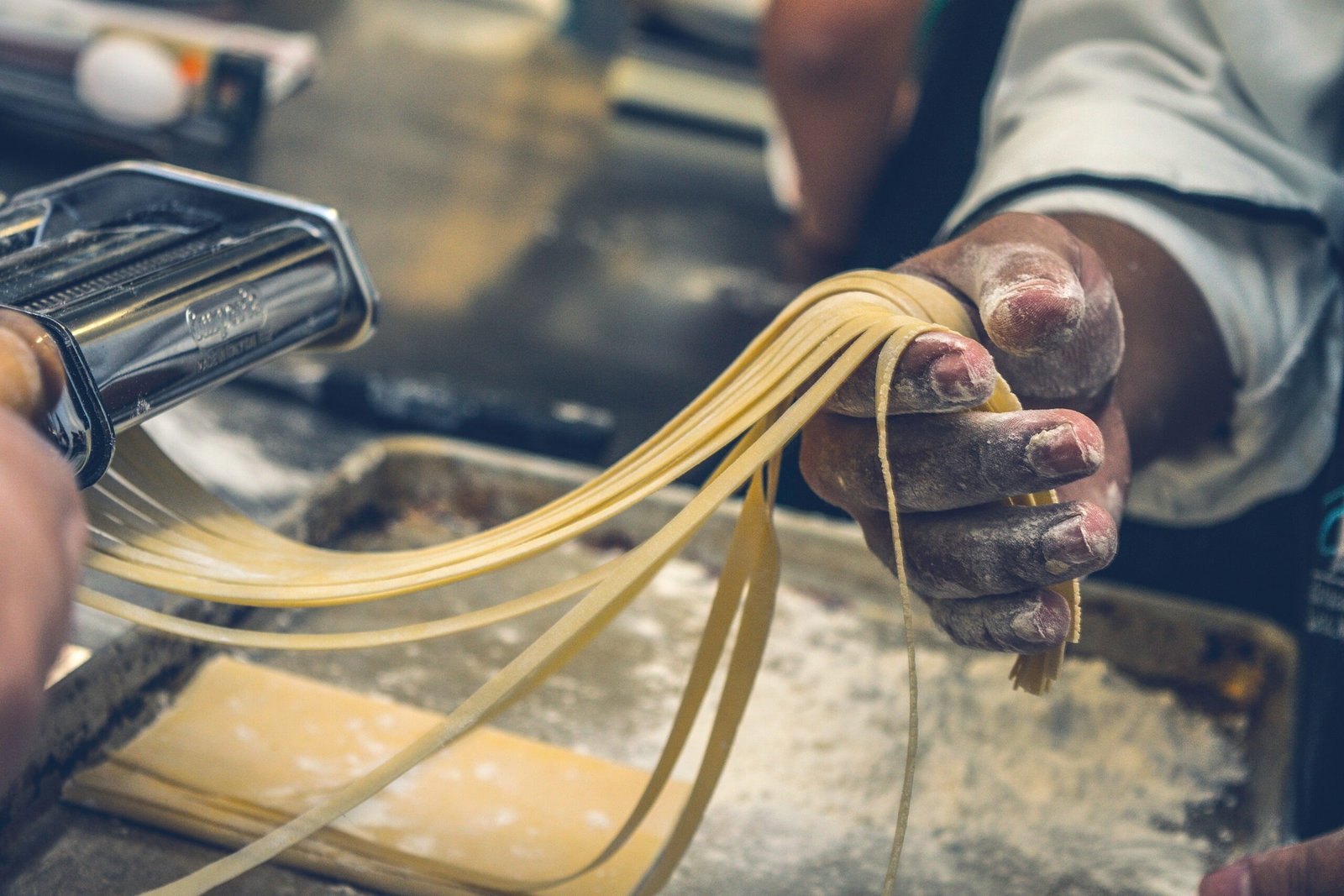
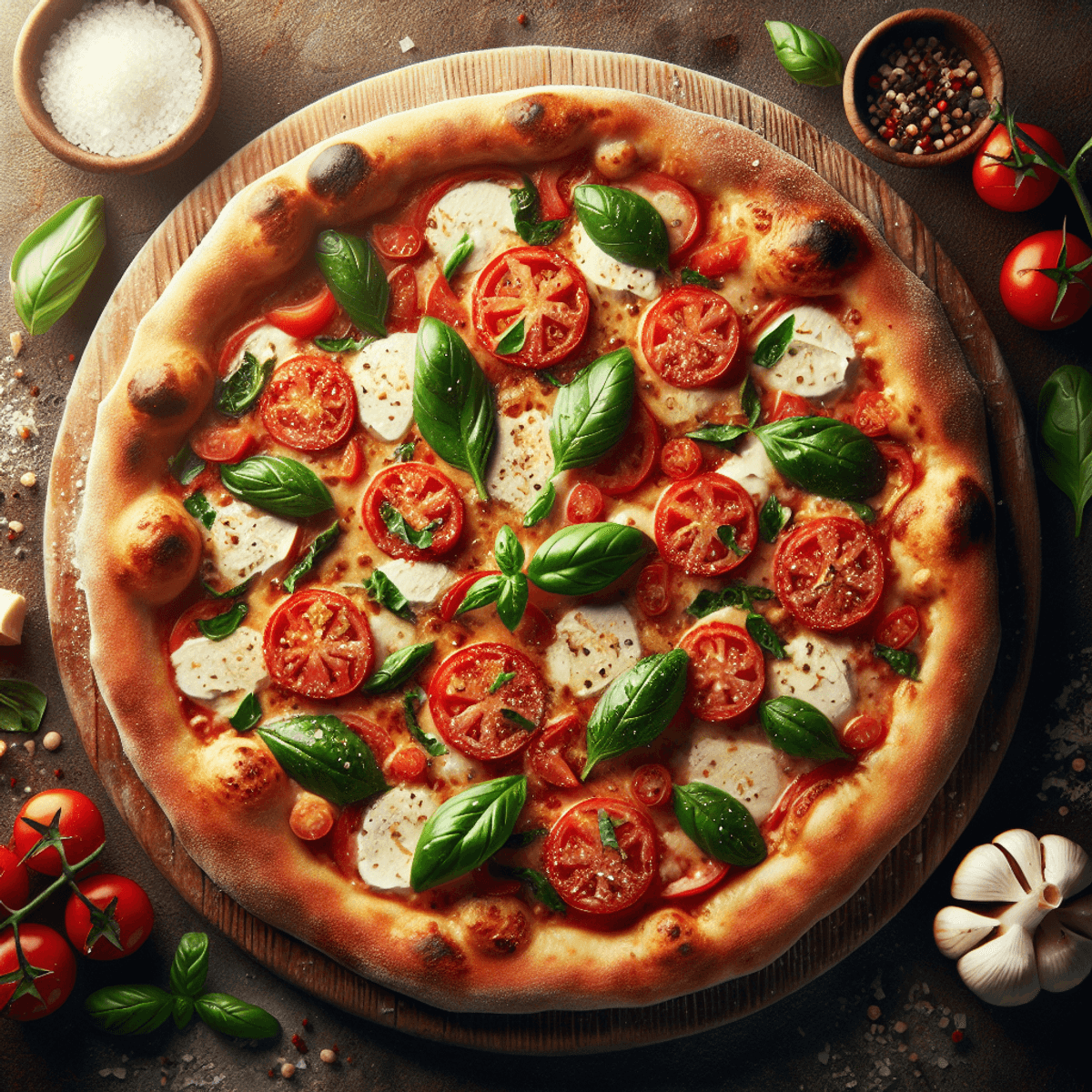
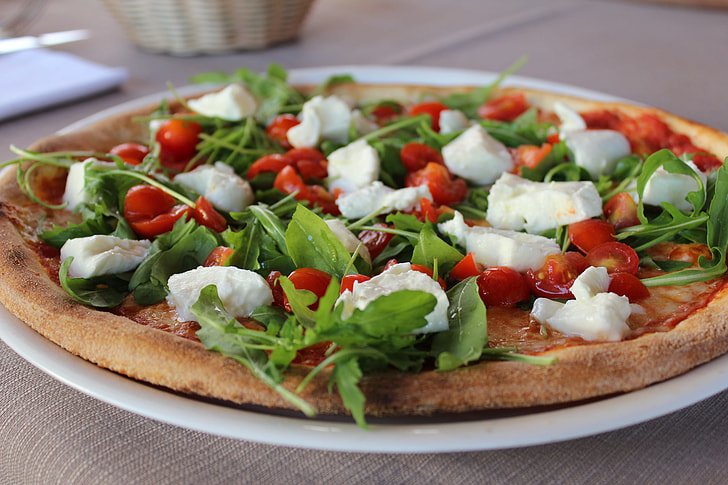
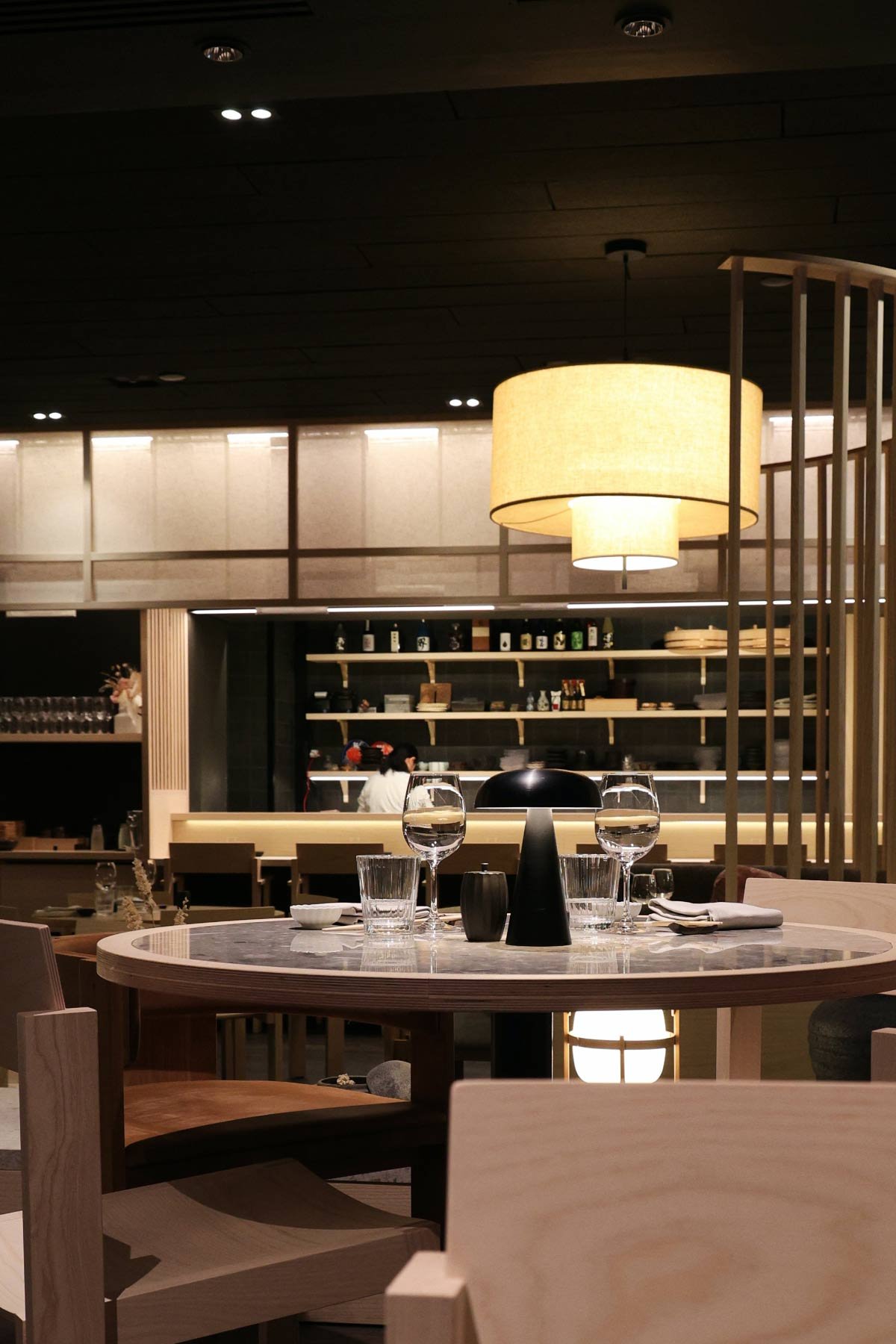
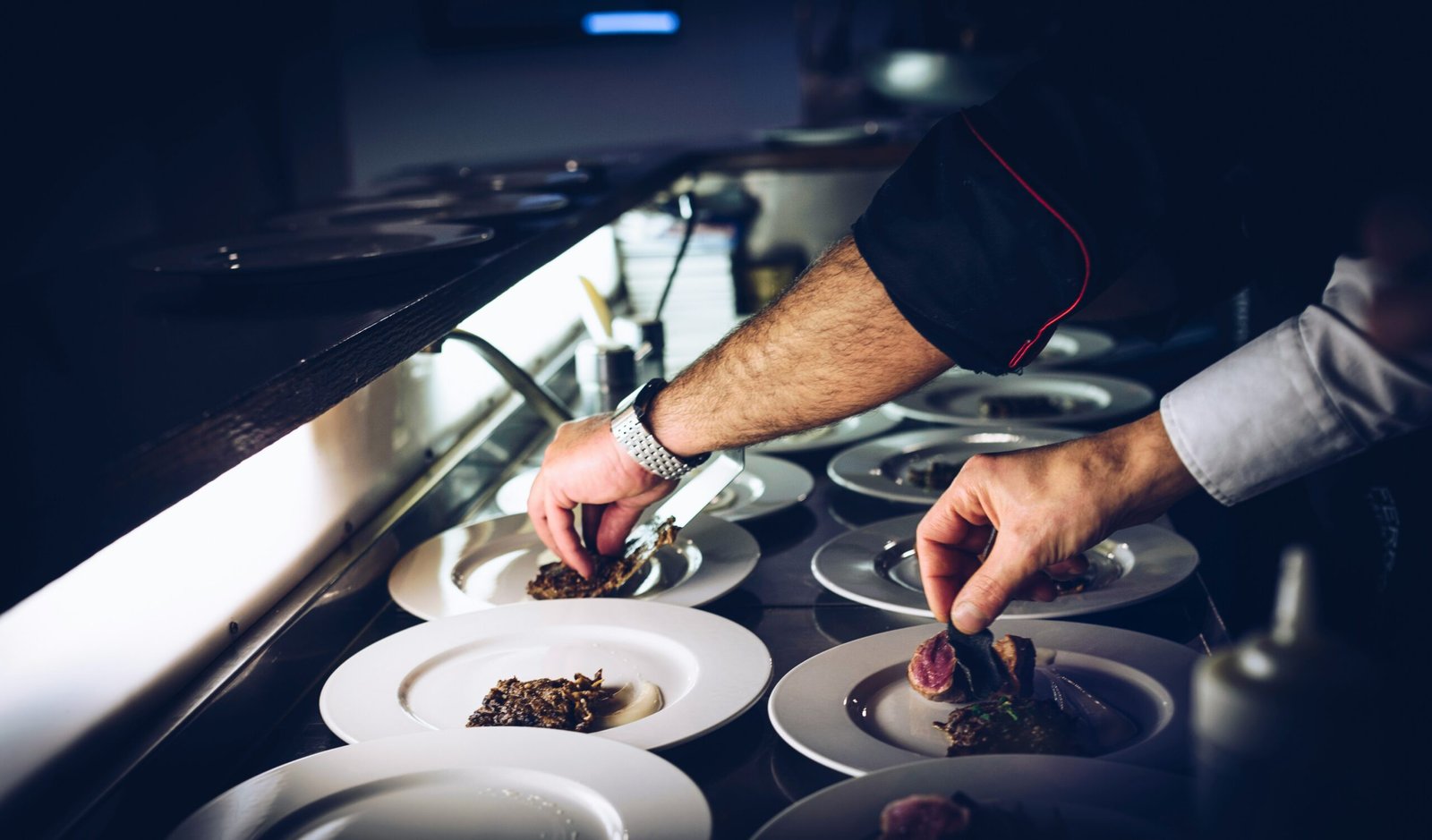
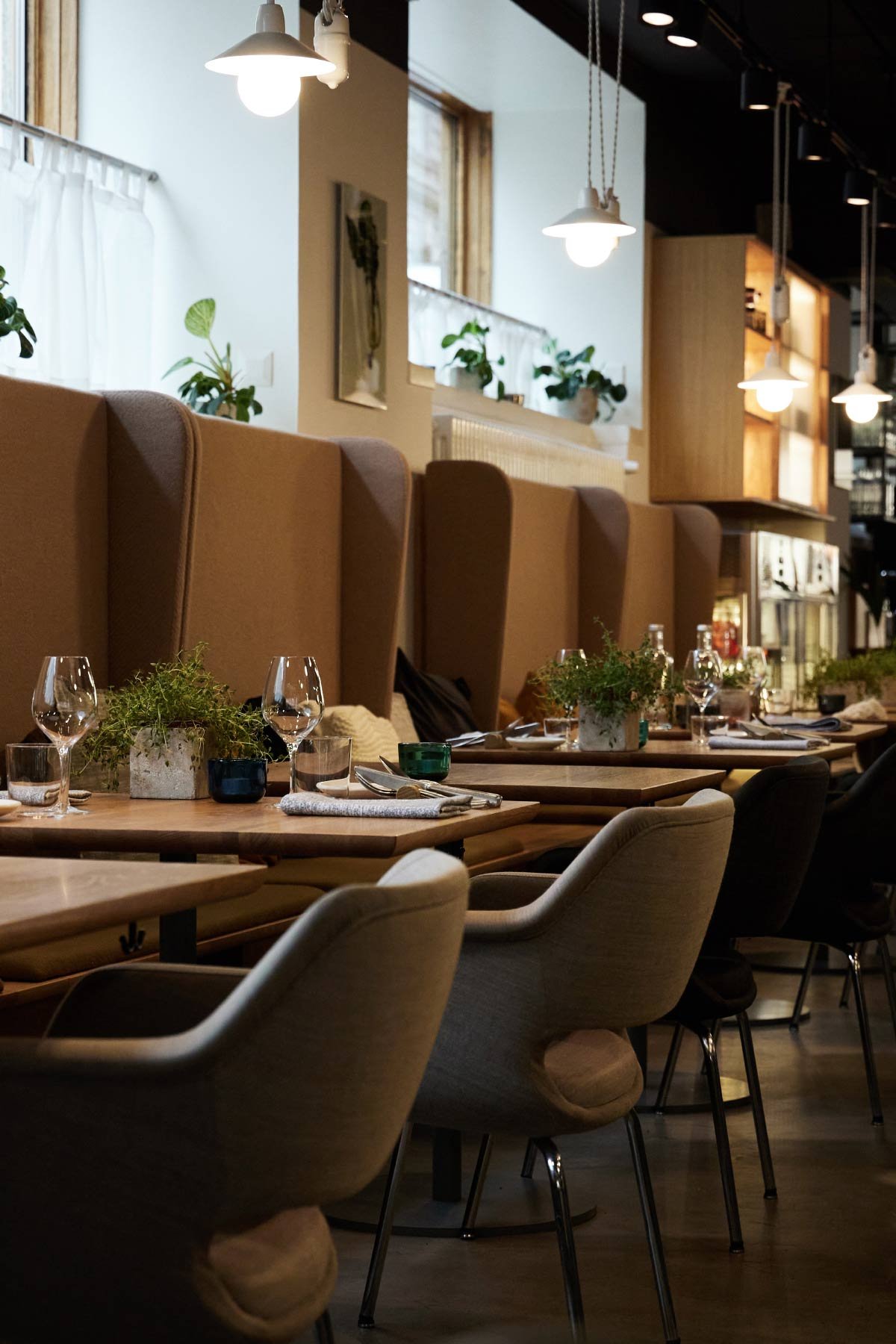
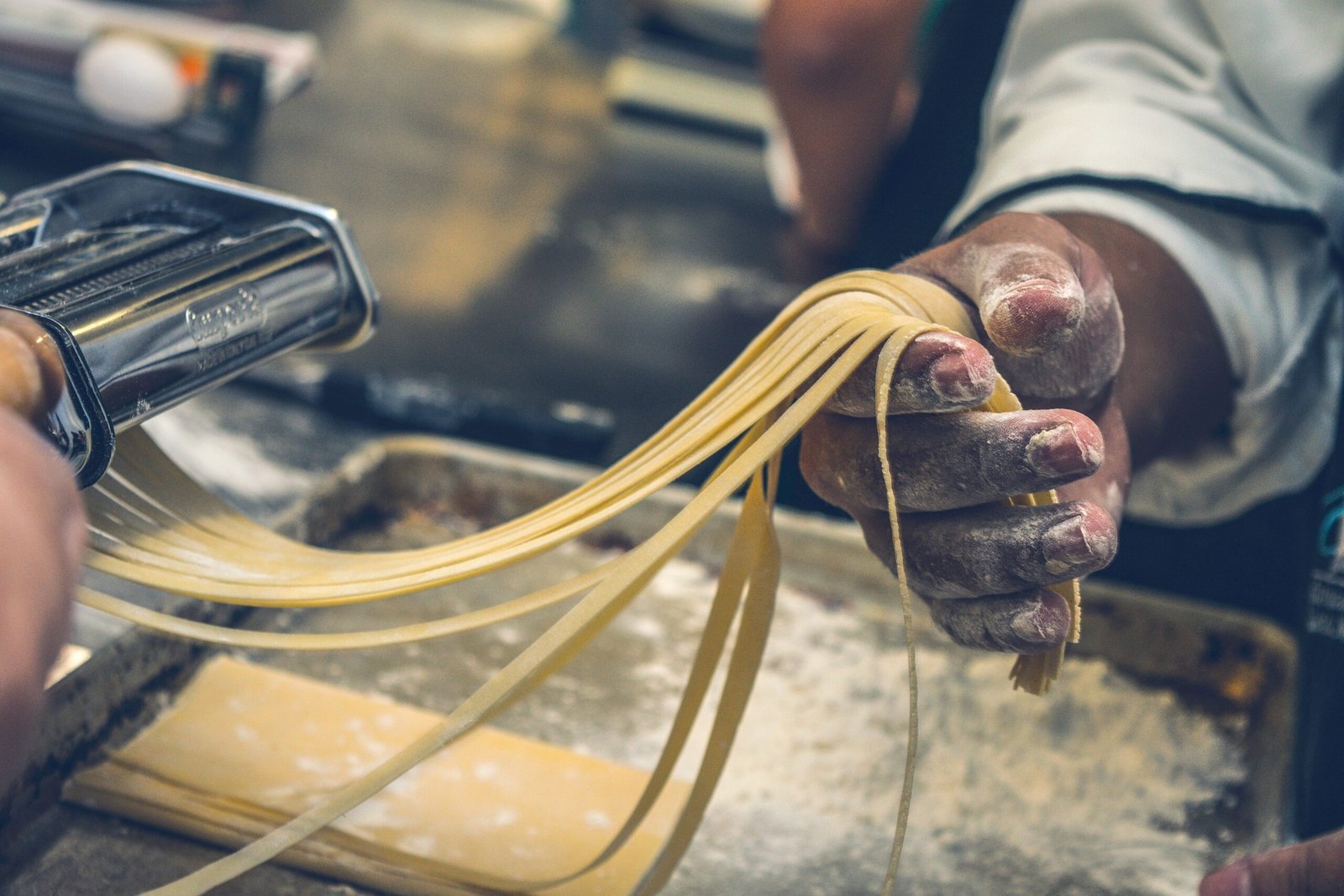
The establishment of fine-dining Italian restaurants marked a turning point in the culinary landscape of Singapore. These restaurants often feature elegant interiors and meticulously crafted menus that highlight regional specialties from various parts of Italy. As diners became more sophisticated and adventurous in their tastes, there was an increased demand for genuine Italian flavors, prompting many establishments to innovate with their offerings while remaining true to traditional techniques. Signature dishes, such as handmade pasta and wood-fired pizzas, have gained popularity, helped by their authenticity and flavor profile.
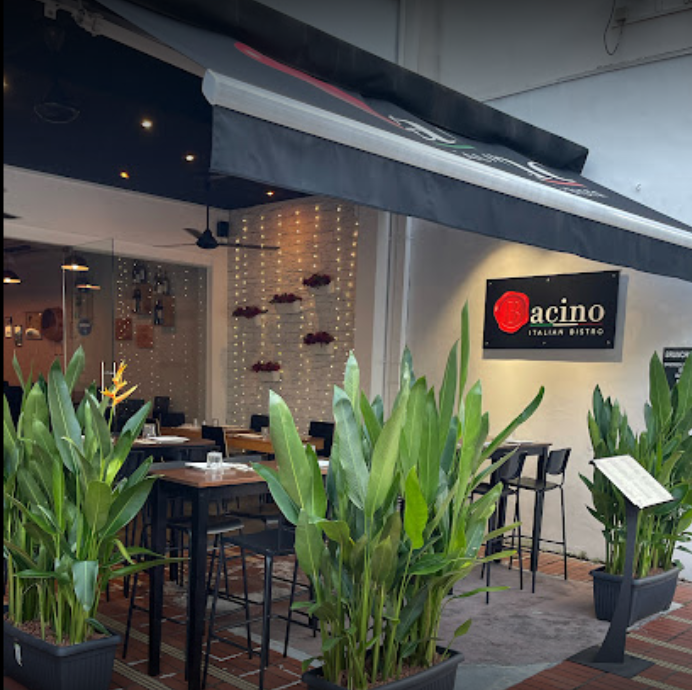
One notable example of this evolution is Bacino Italian Bistro, located in the East Coast area of Singapore. With a focus on utilizing fresh, imported ingredients, Bacino has successfully bridged the gap between traditional Italian cooking and modern dining expectations. The bistro has gained a loyal following by crafting authentic dishes that cater to both local palates and Italian expatriates, showcasing Singapore’s growing appreciation for genuine Italian dining experiences.
Today, authentic Italian restaurants continue to thrive in Singapore, driven by a culinary community committed to excellence, quality, and an unwavering respect for Italian traditions. As this culinary journey unfolds, the landscape of Italian dining remains vibrant and diverse, reflecting the rich history and flavors that Italy has to offer.
Modern Italian Culinary Trends in Singapore
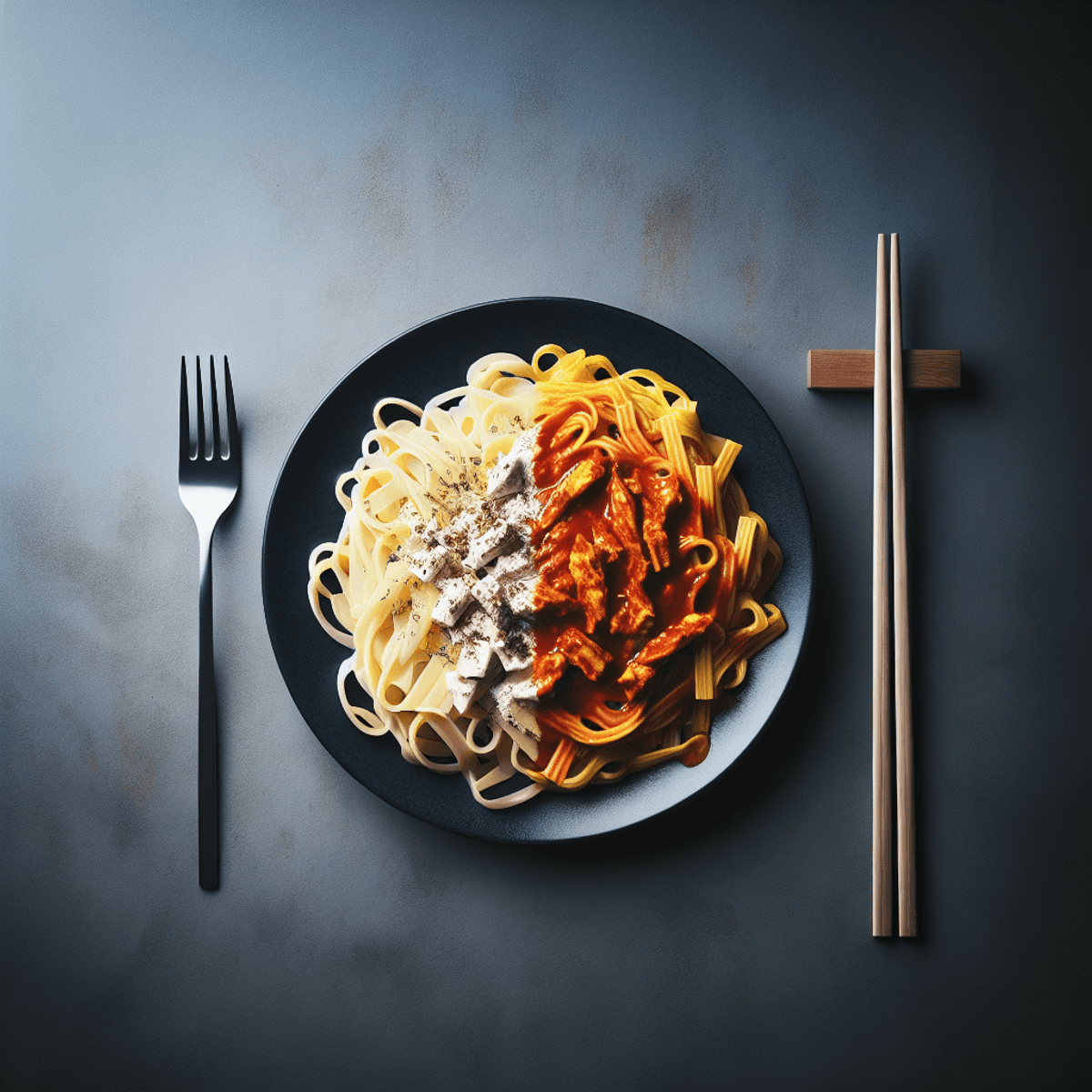
In recent years, the landscape of Italian restaurants in Singapore has undergone significant transformation, reflecting contemporary culinary trends that embrace both creativity and tradition. One notable development is the fusion of classic Italian recipes with local flavors, allowing diners to experience a harmonious blend of culinary influences. Chefs are increasingly experimenting with traditional dishes like risotto or pasta by incorporating Singaporean ingredients such as chilli crab sauce or laksa spices, thereby creating innovative menus that resonate with the local palate.
Moreover, the rise of casual dining spots has made Italian cuisine more accessible to a broader audience. Where fine dining once dominated the scene, casual trattorias and pizzerias now flourish, offering relaxed atmospheres that invite guests to enjoy authentic Italian flavors without the formality. This shift is not only indicative of lifestyle changes among Singaporeans but also showcases the evolution of dining options, making it easier for families and young professionals to enjoy quality Italian cuisine.
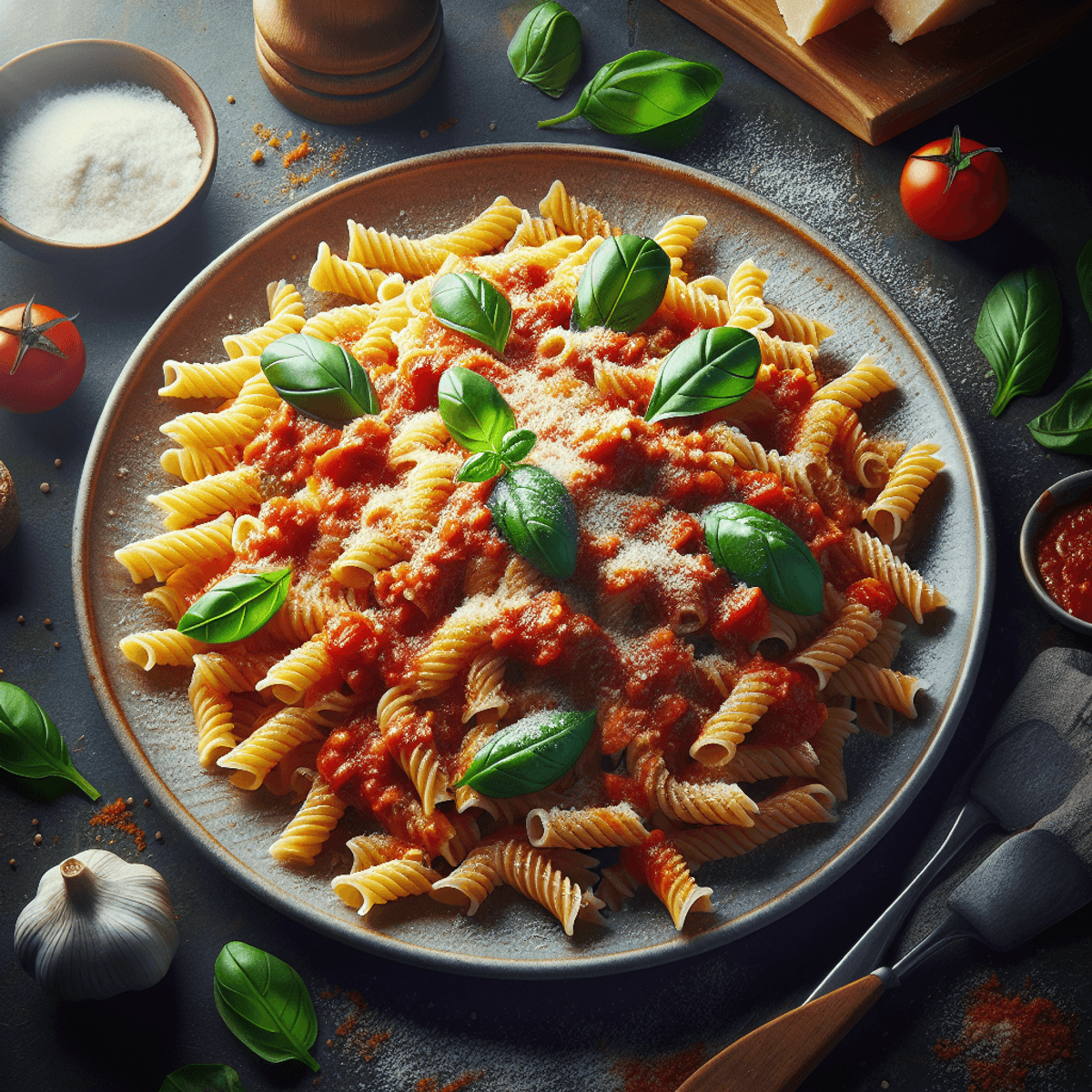
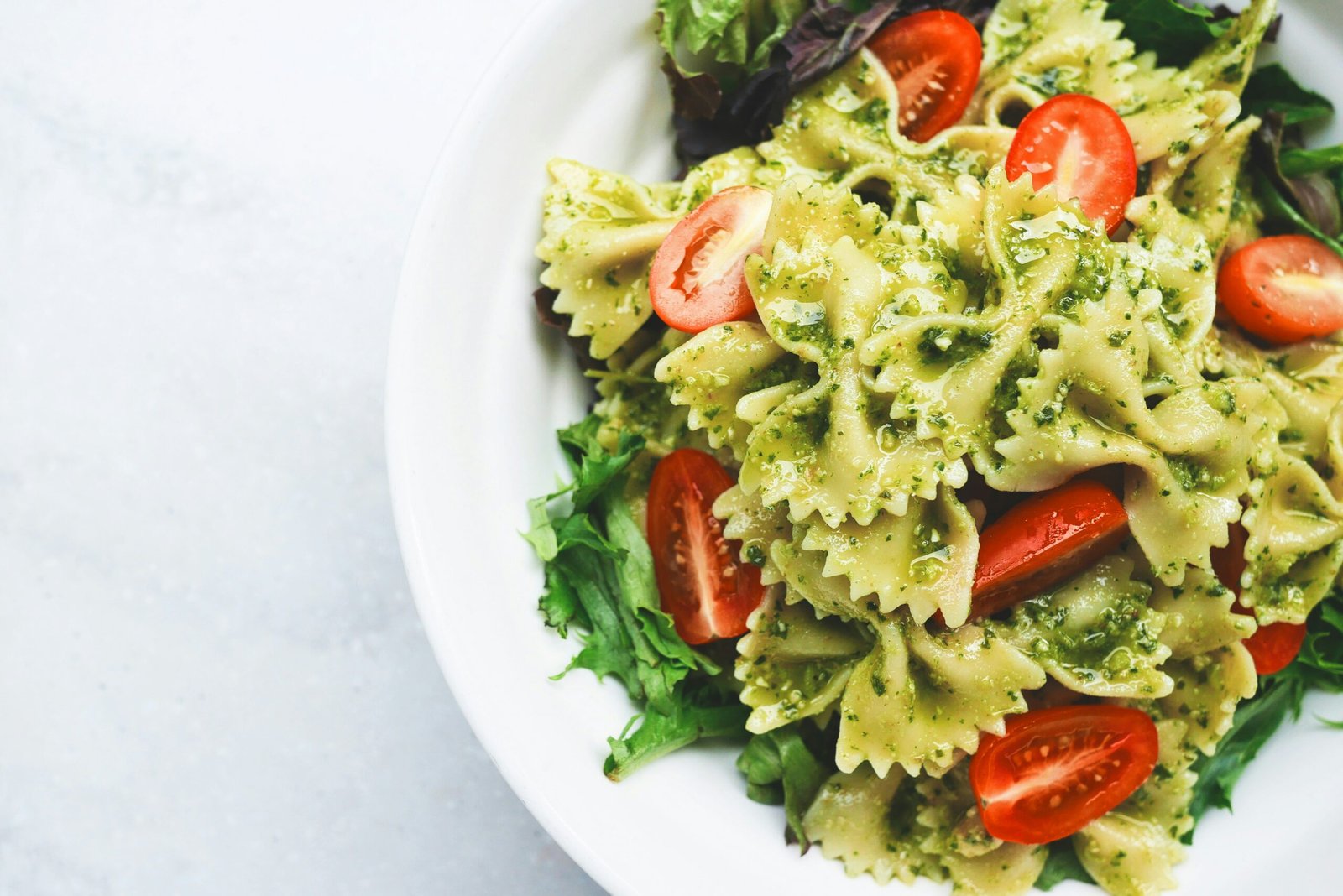
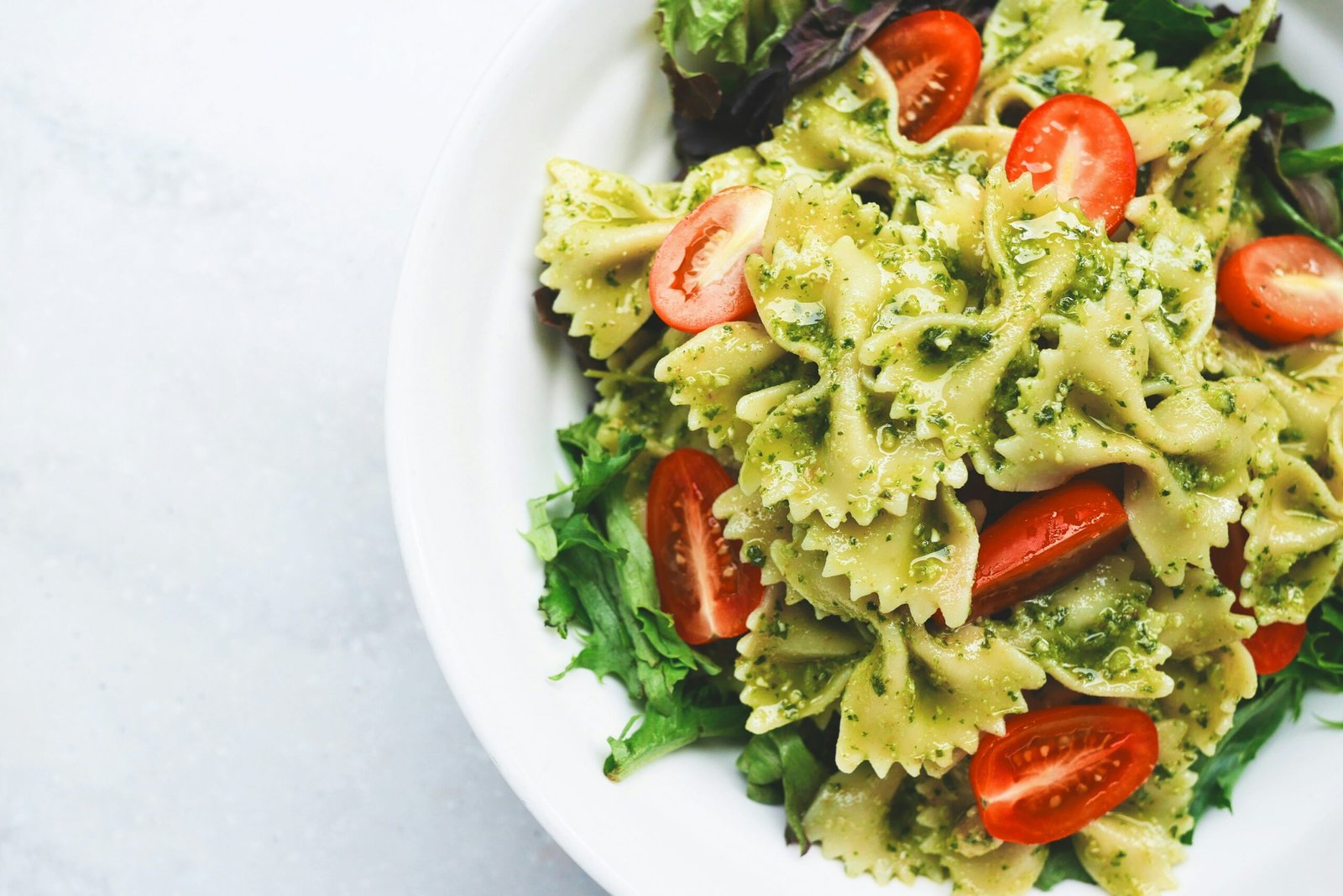
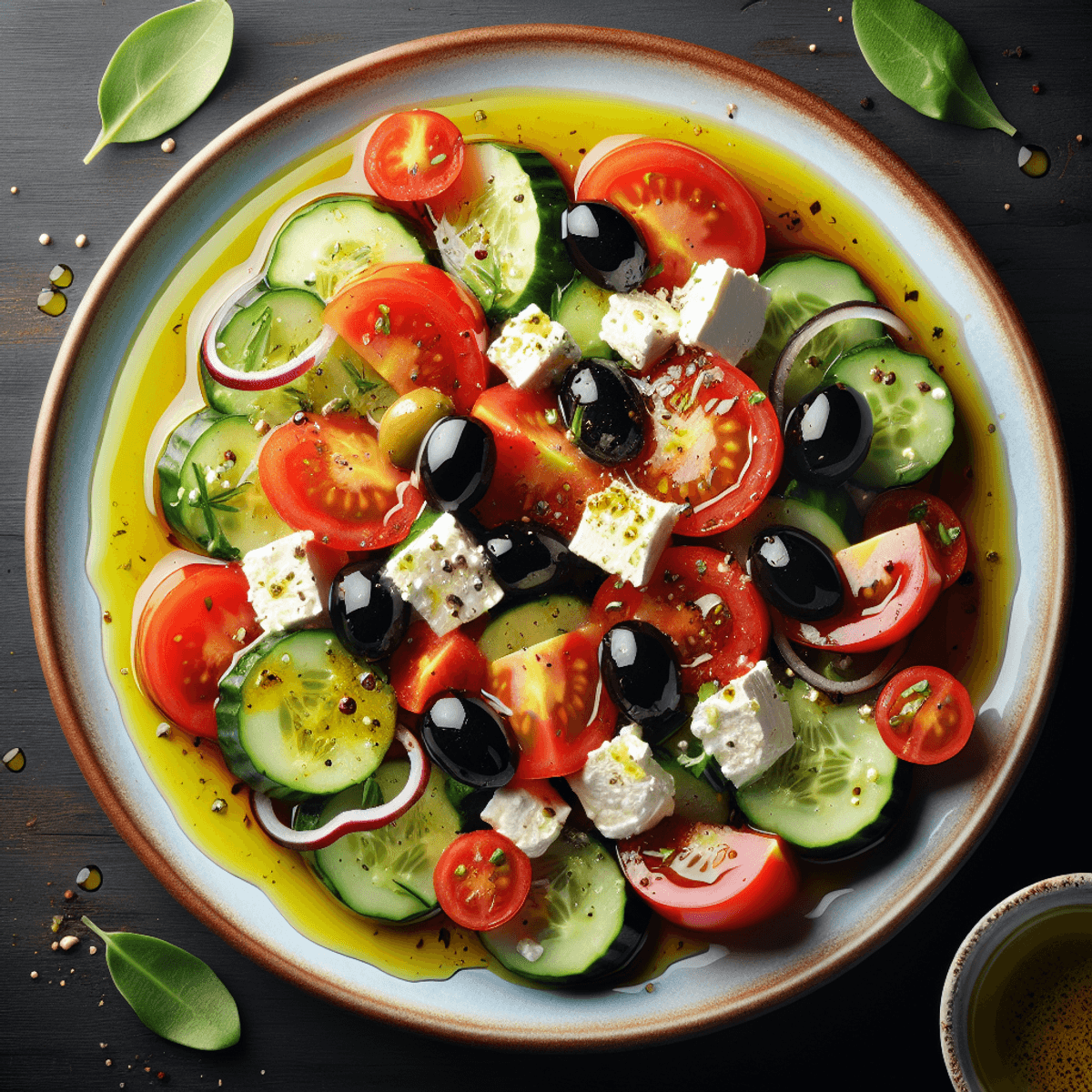
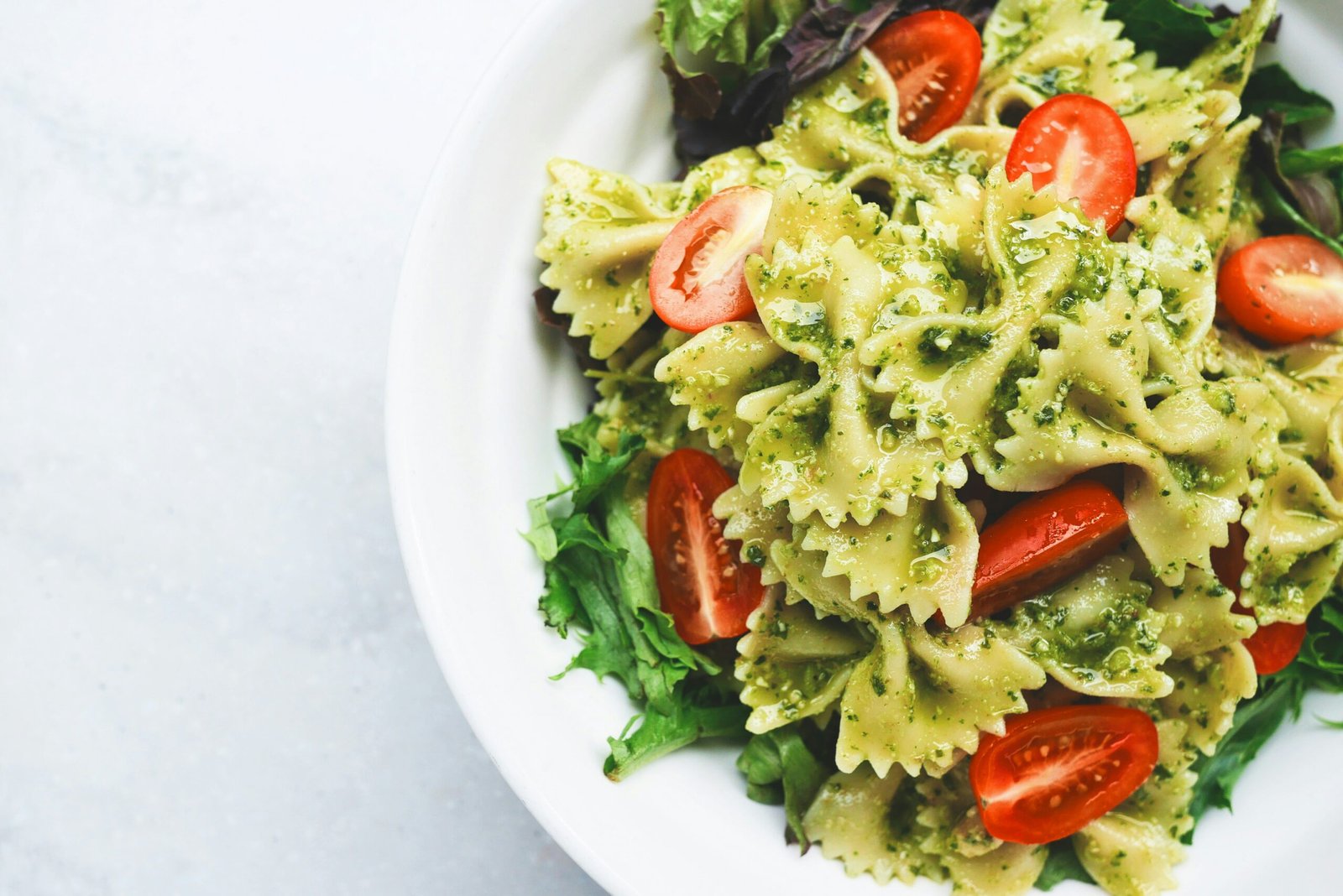
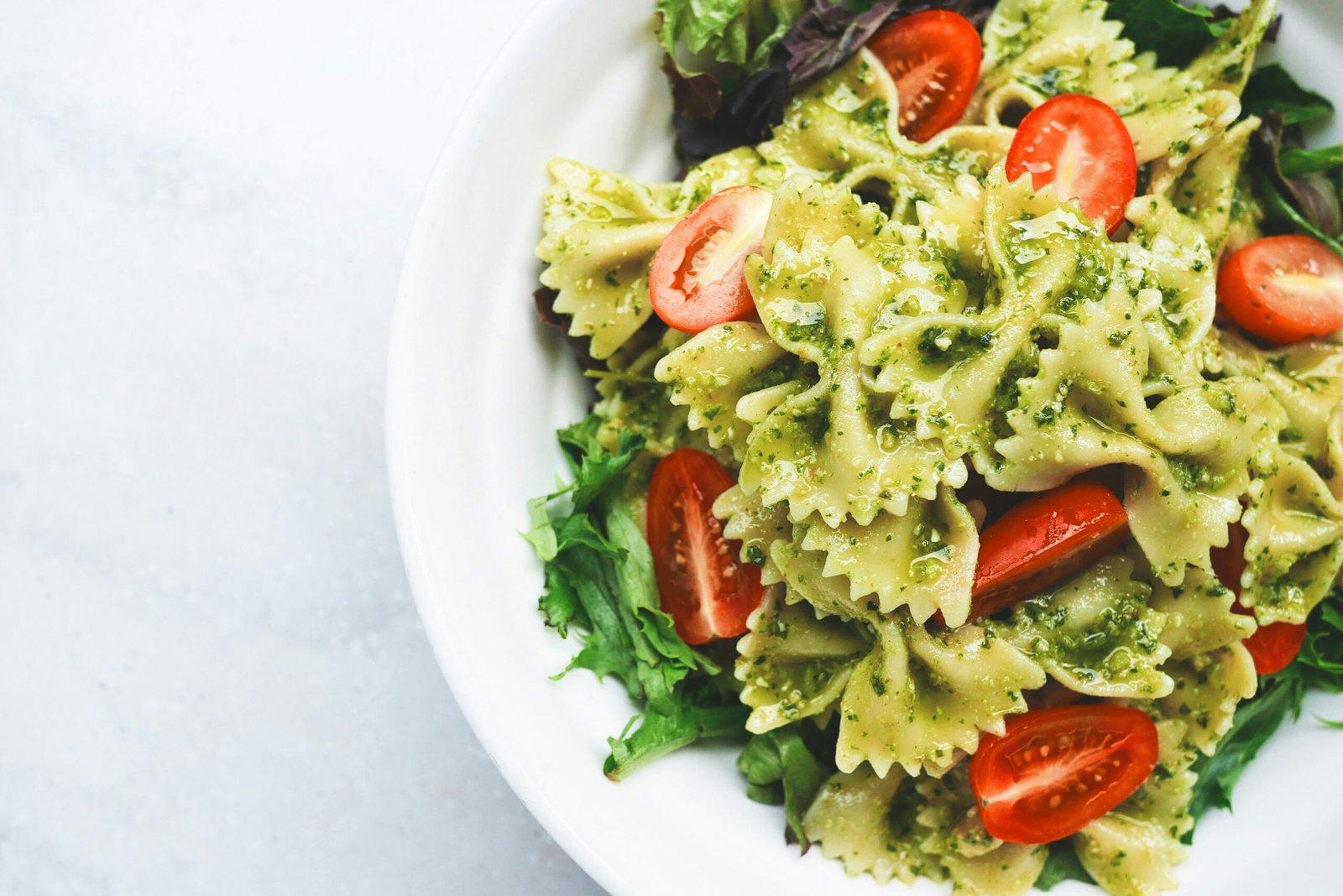
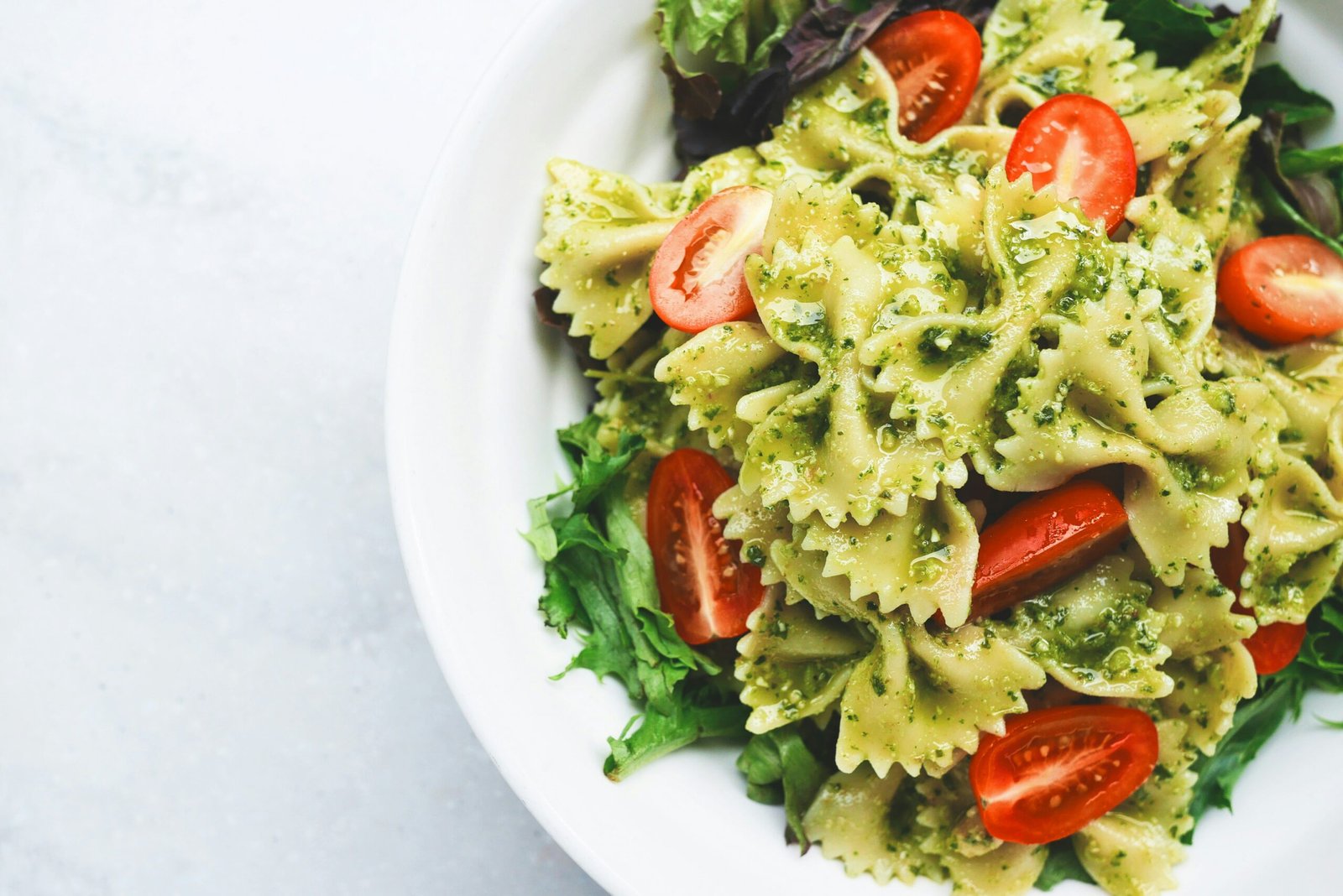
Another critical factor shaping modern Italian dining in Singapore is the growing emphasis on health-conscious eating. As more diners prioritize nutrition, restaurants have started to incorporate lighter fare and wholesome ingredients into their menus. Whole grain pasta, fresh vegetables, and organic produce are becoming staples, allowing establishments to cater to the increasing demand for healthier choices without sacrificing the essence of Italian cooking. Additionally, sustainable practices in sourcing ingredients reflect a commitment to environmental responsibility, further enhancing the dining experience for eco-conscious customers.
This evolving culinary landscape in Singapore illustrates a dynamic blending of tradition and innovation, enabling Italian cuisine to thrive while remaining true to its roots. As chefs continue to adapt to changing preferences, the future of Italian restaurants in Singapore appears both exciting and diverse.
The Future of Italian Restaurants in Singapore
As we look ahead, the landscape of Italian restaurants in Singapore is poised for remarkable transformation. With the ever-evolving culinary scene, innovation is expected to be at the forefront. Chefs in Singapore may experiment with traditional Italian recipes, merging them with local ingredients and flavors, resulting in a unique fusion of tastes. This innovation could lead to the emergence of novel dining concepts, such as pop-up Italian eateries or food trucks, providing a more casual and accessible way for patrons to experience Italian cuisine.
Culinary education will play a crucial role in the future of Italian restaurants. As more chefs pursue formal training in Italian cooking techniques, there should be an increased emphasis on authenticity paired with creativity. Numerous establishments may begin to offer cooking classes, workshops, and tasting menus that educate diners about the cultural significance of dishes and the intricacies of Italian culinary arts. This focus on education may not only elevate the quality of food but also cultivate a deeper appreciation for the Italian culinary heritage among locals and expatriates alike.
Furthermore, technology can be anticipated to shape the dining experience. The adoption of digital menus, contactless payment systems, and online reservations will continue to enhance customer convenience and safety. Additionally, the rise of food delivery services will likely influence the operational models of Italian restaurants, making authentic Italian cuisine more accessible to a wider audience. Enhanced engagement through social media will foster a sense of community among food enthusiasts and facilitate cultural exchanges that enrich the culinary landscape.
Ultimately, the interplay of innovation, education, and technology will be vital in driving the evolution of Italian dining in Singapore. Connecting the community through shared culinary experiences will not only enhance the appreciation of Italian cuisine but also forge a path toward a more vibrant and diverse culinary future.