Planning Your Italian Food Festival
Hosting an Italian food festival in Singapore requires meticulous planning to ensure a memorable experience for attendees. The first step in the planning process is to establish a clear theme for the festival. This theme can revolve around specific regions of Italy, seasonal ingredients, or even the cultural significance of certain dishes. A well-defined theme will guide the selection of culinary offerings and enhance the overall atmosphere of the event.
Next, it is crucial to choose an appropriate date for the festival. Considerations such as local holidays, weather conditions, and potential conflicts with other events should play a significant role in your decision-making. After determining the date, identifying a suitable venue becomes the next priority. Look for locations that can comfortably accommodate the estimated number of attendees and provide an inviting ambiance that complements the Italian culinary experience.
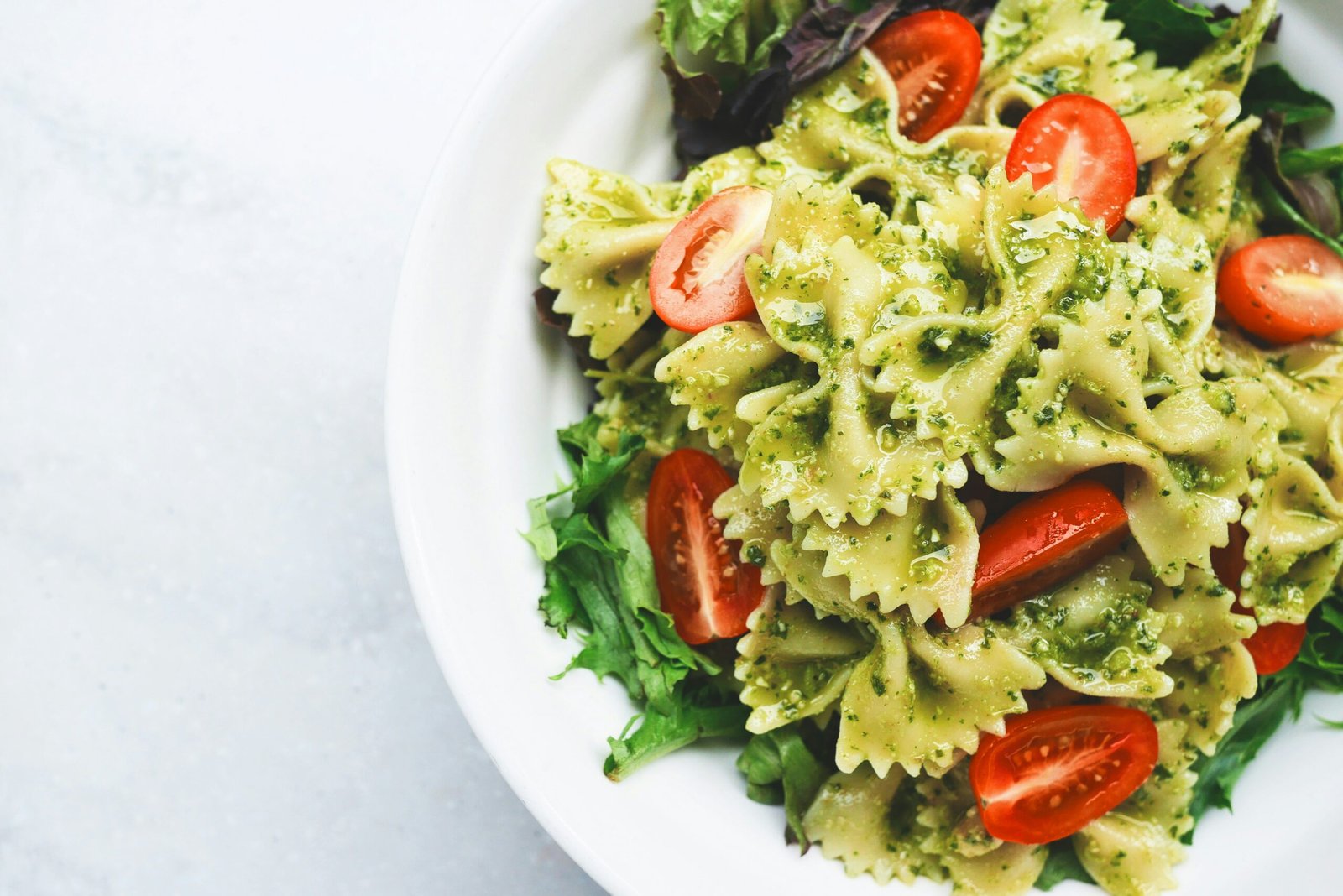
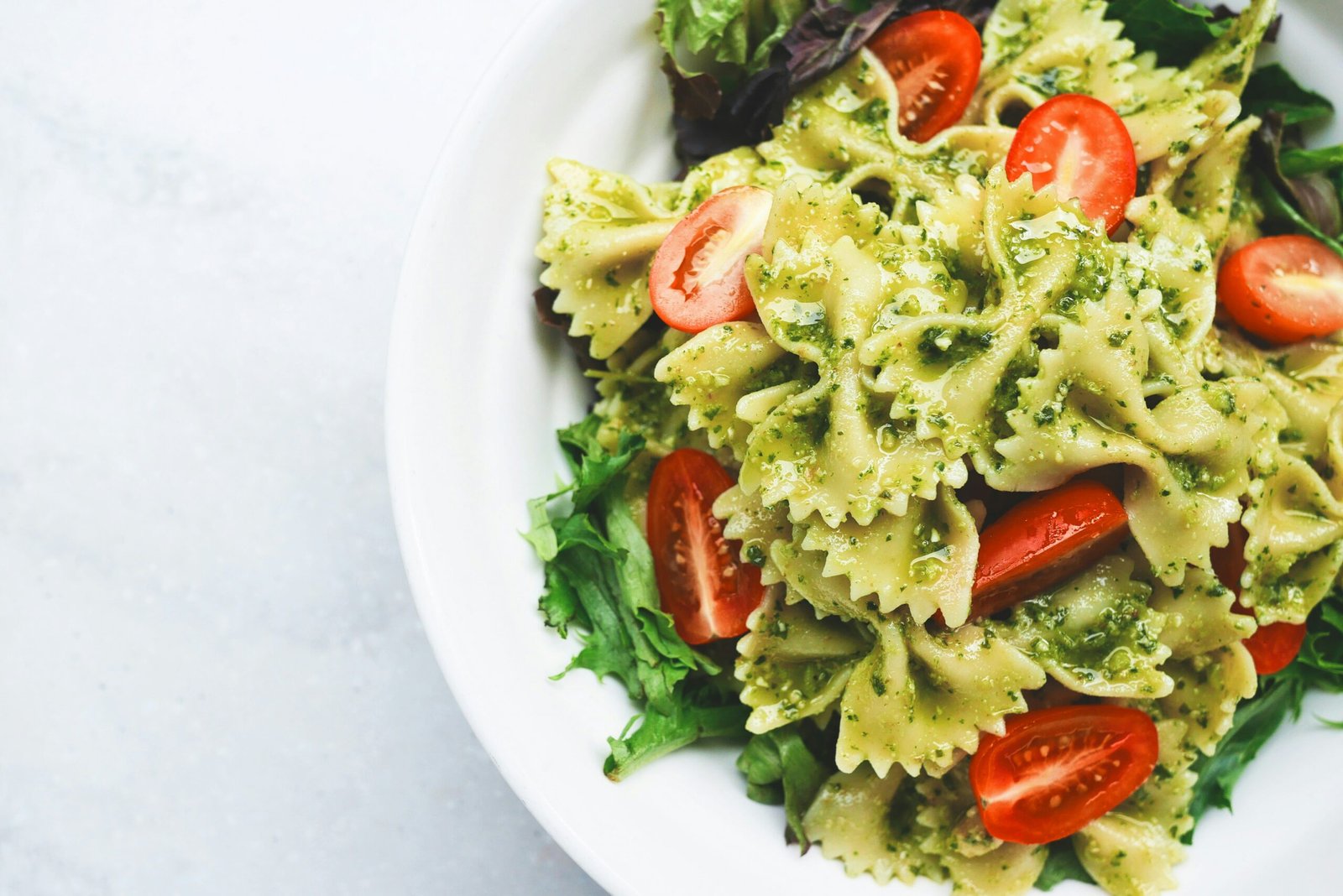
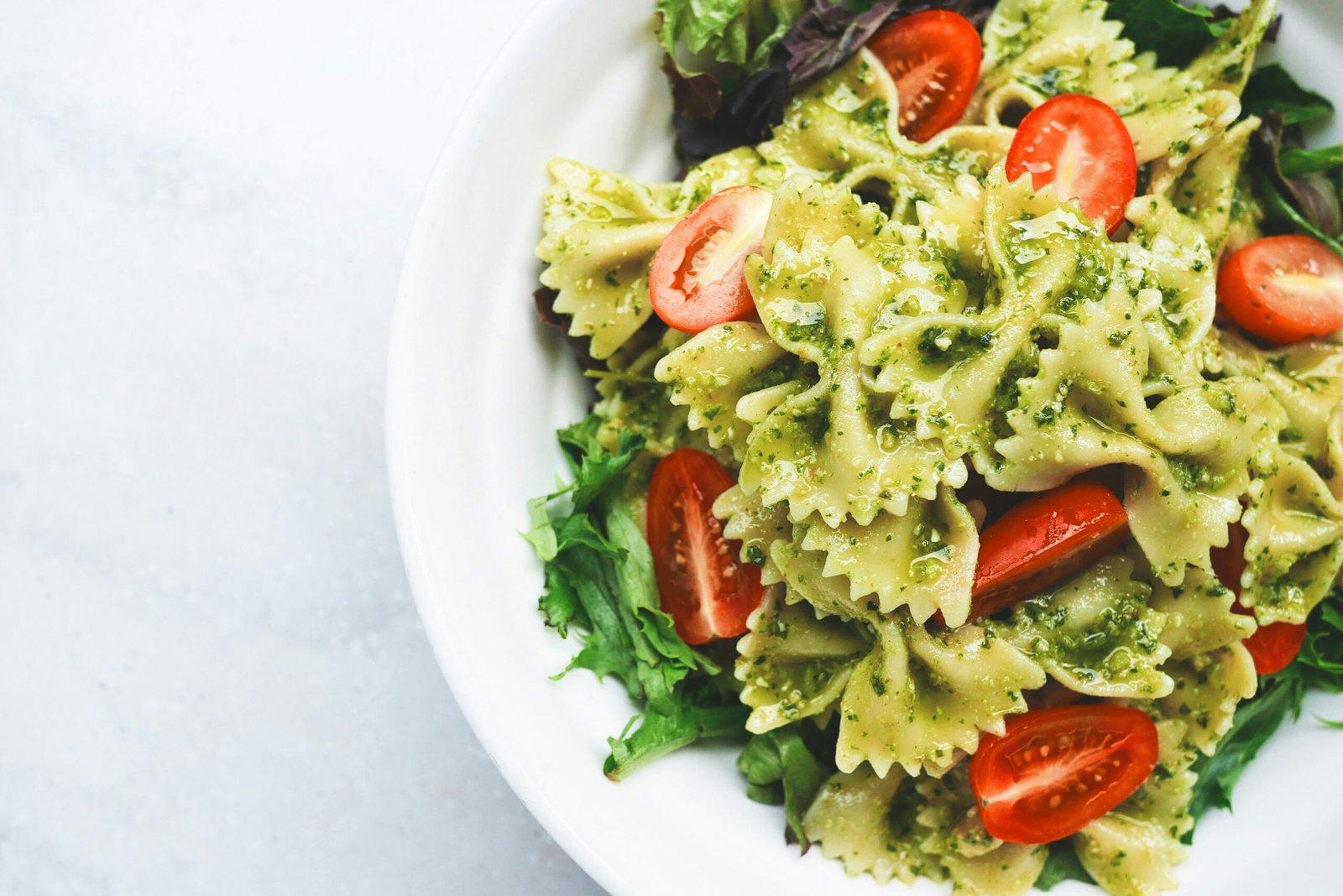
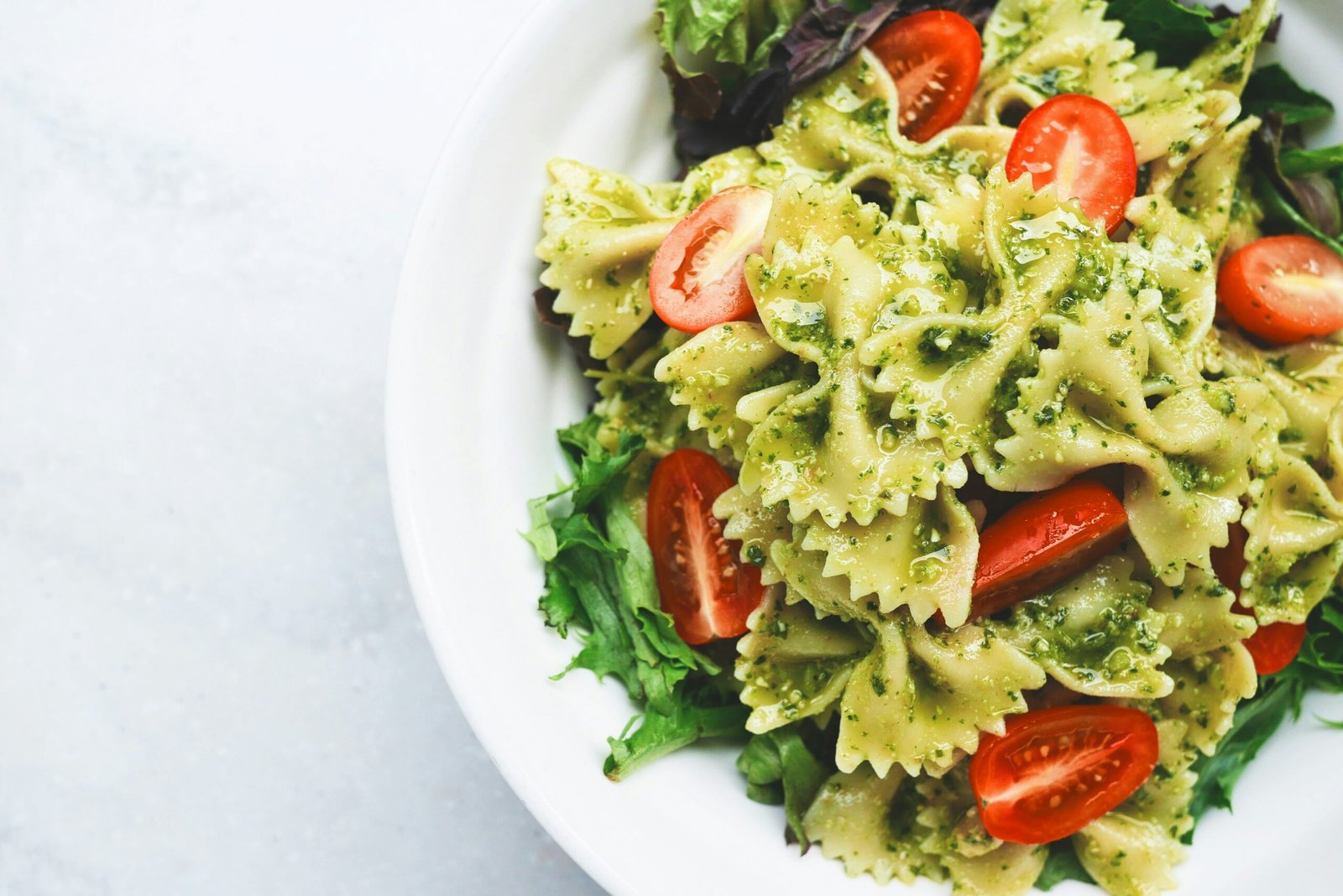
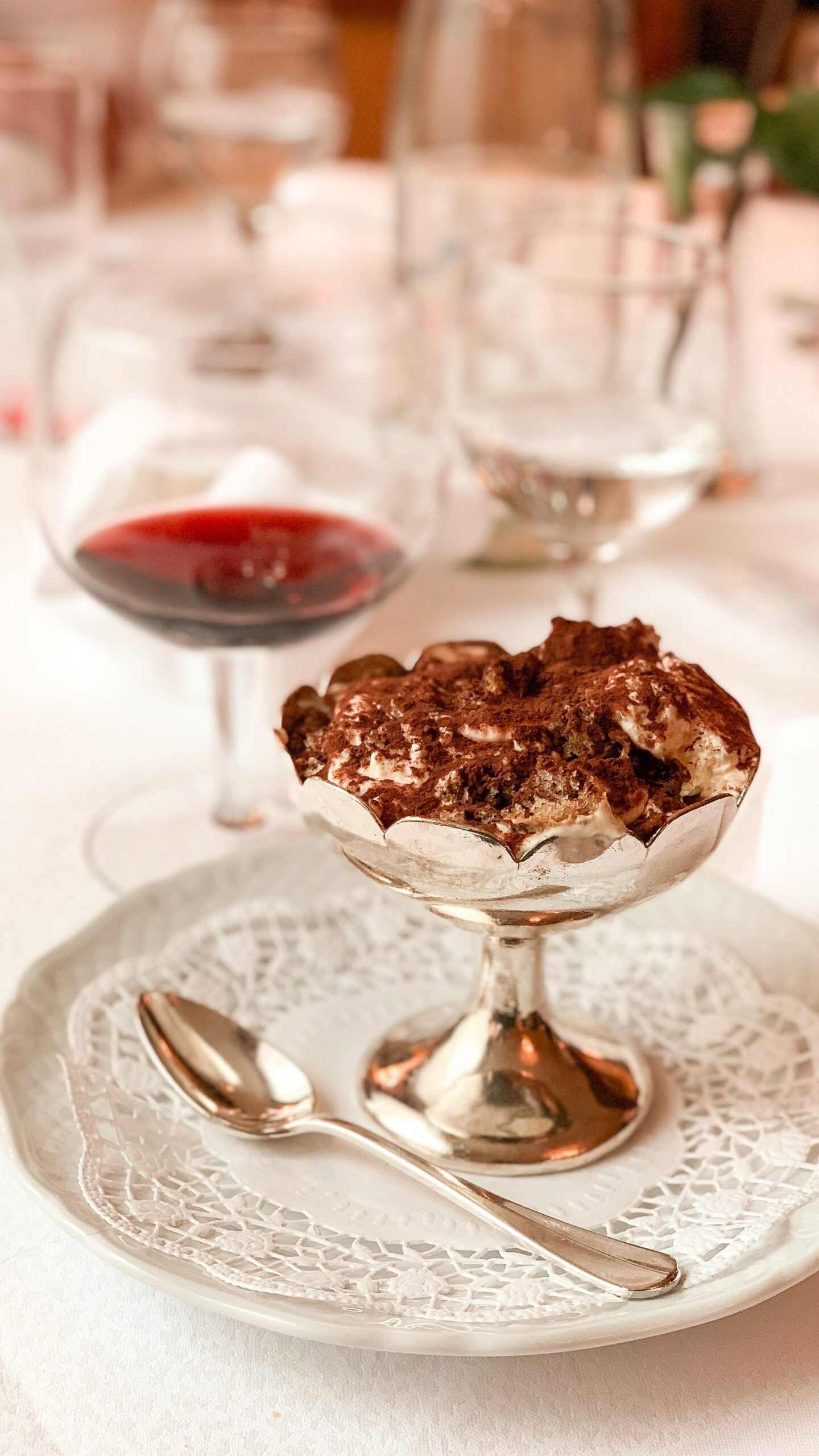
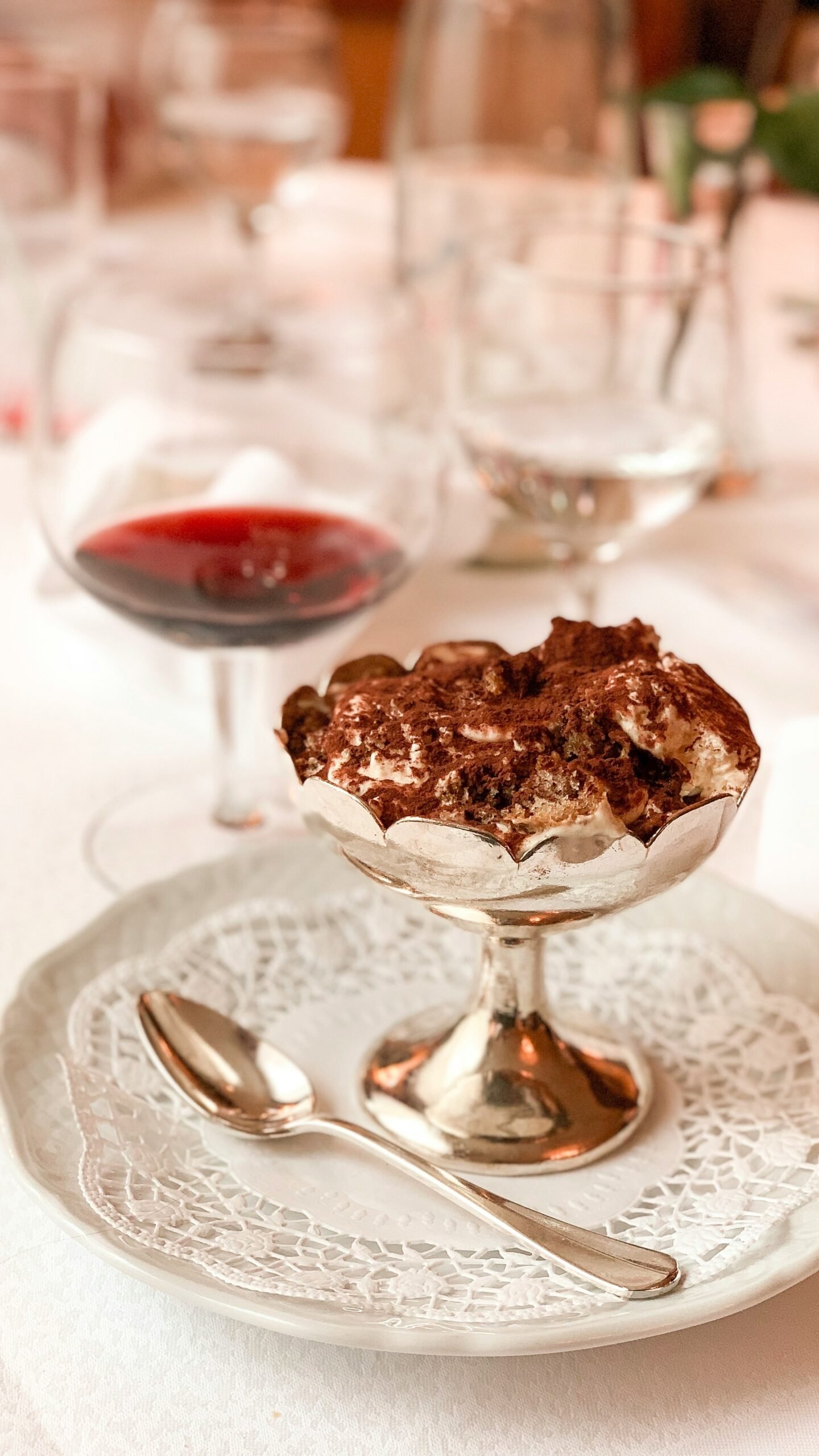
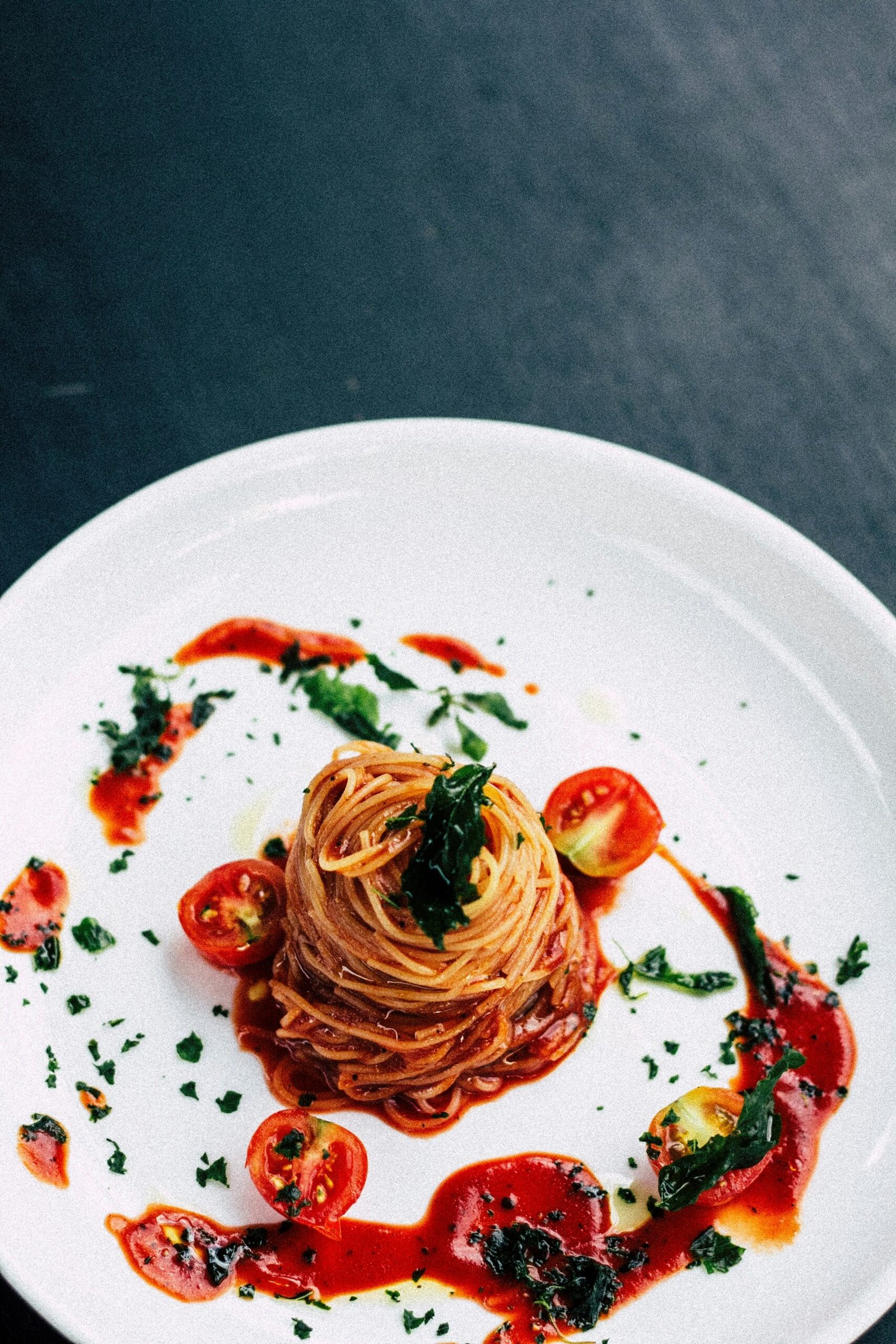
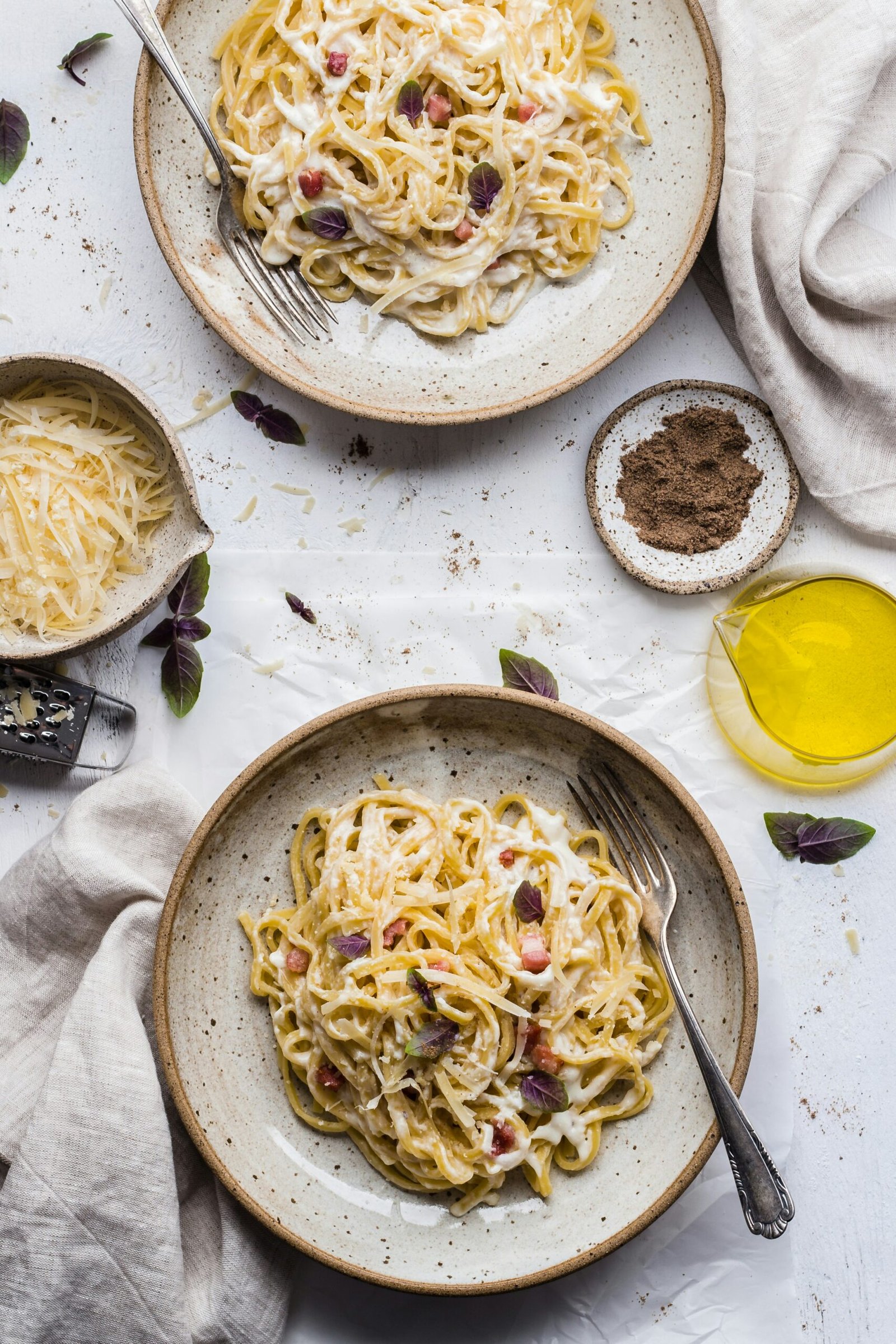
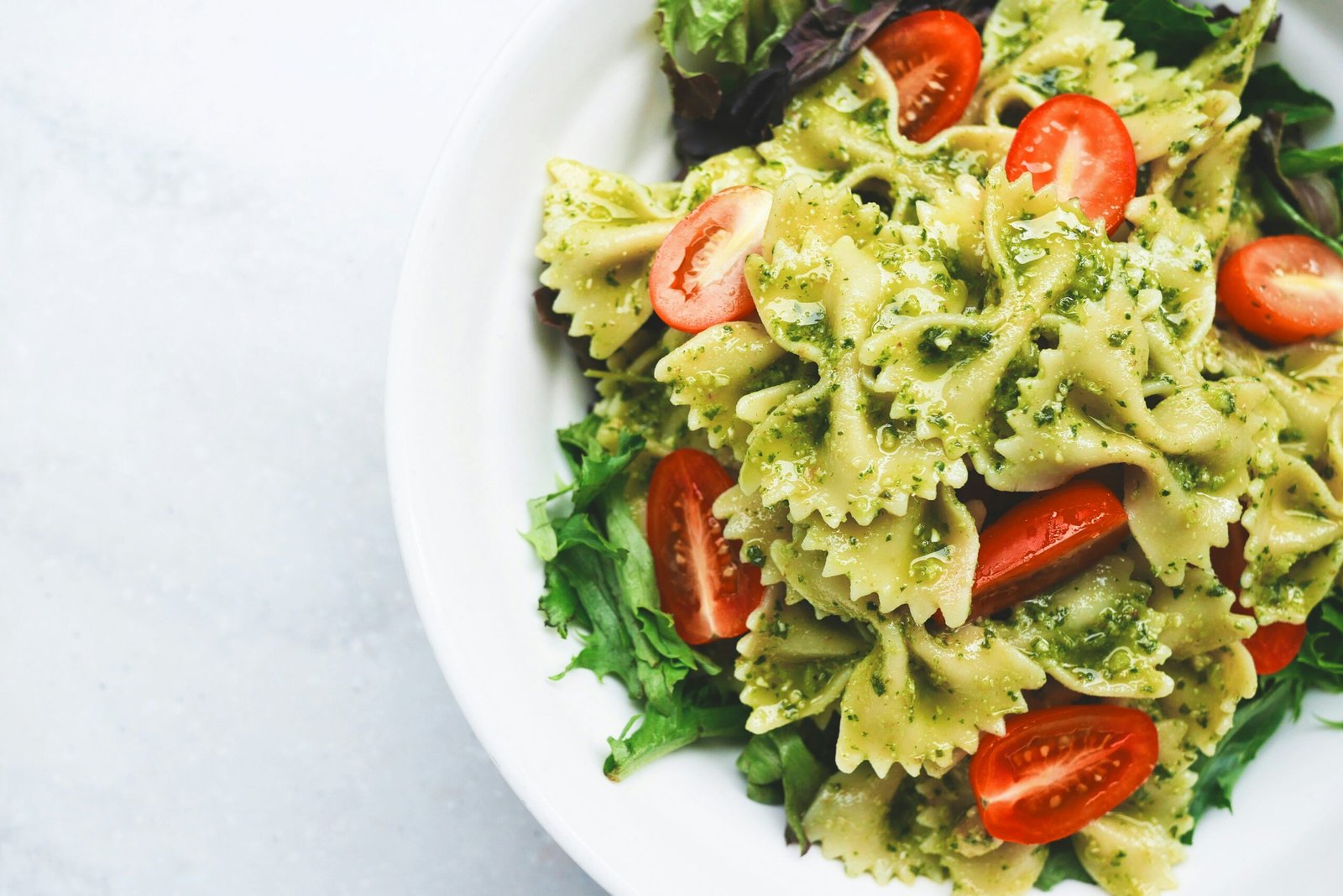
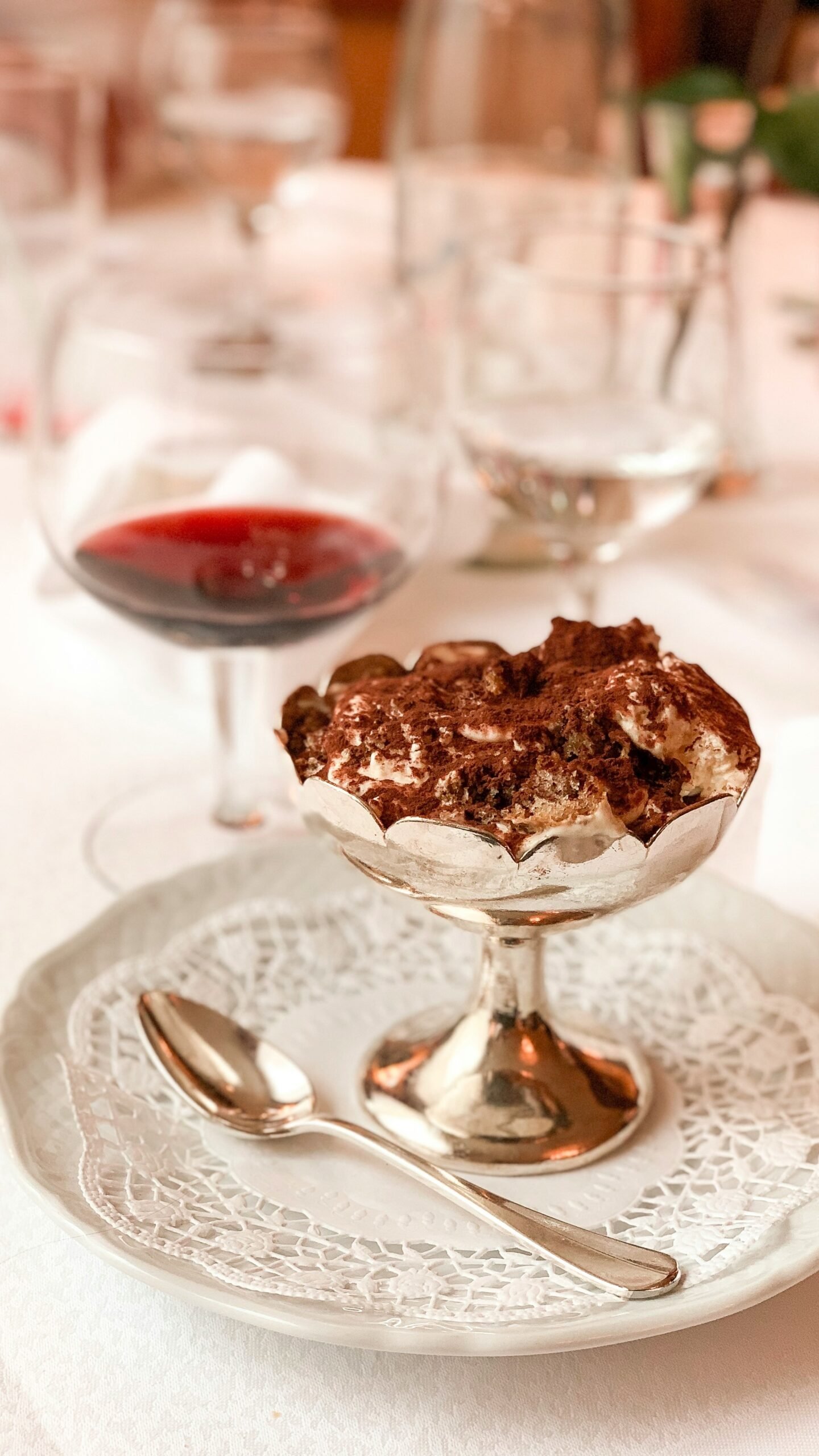
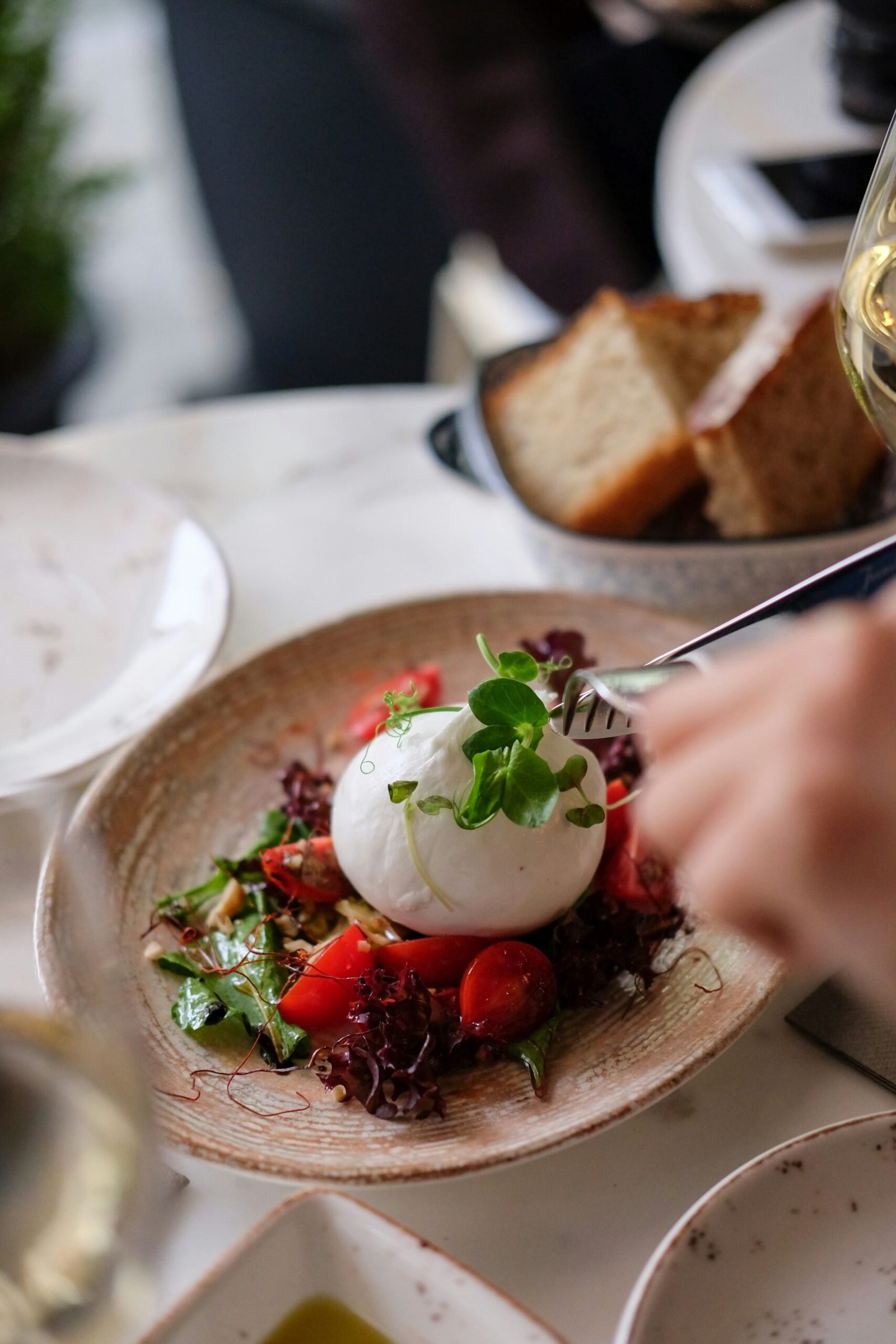
Budgeting is an essential aspect of festival planning. Develop a comprehensive budgeting plan that addresses all potential expenses, including venue rental, food supplies, staffing, and promotional activities. Anticipating the number of attendees will aid in refining your budget. To attract a diverse crowd, consider offering a mix of authentic Italian dishes, such as risottos, pasta, and regional desserts, ensuring that you accommodate various dietary preferences with vegetarian and gluten-free options.
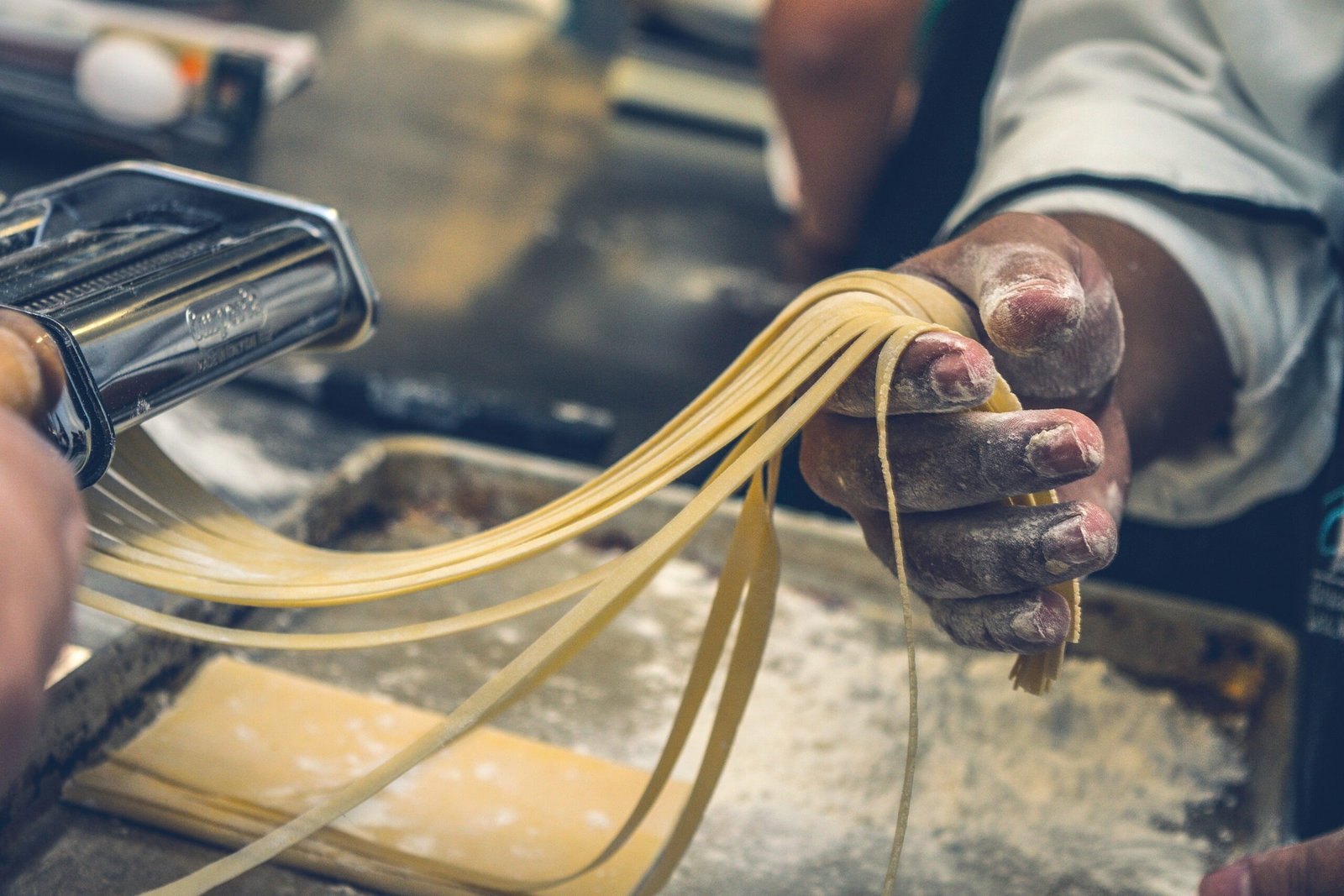
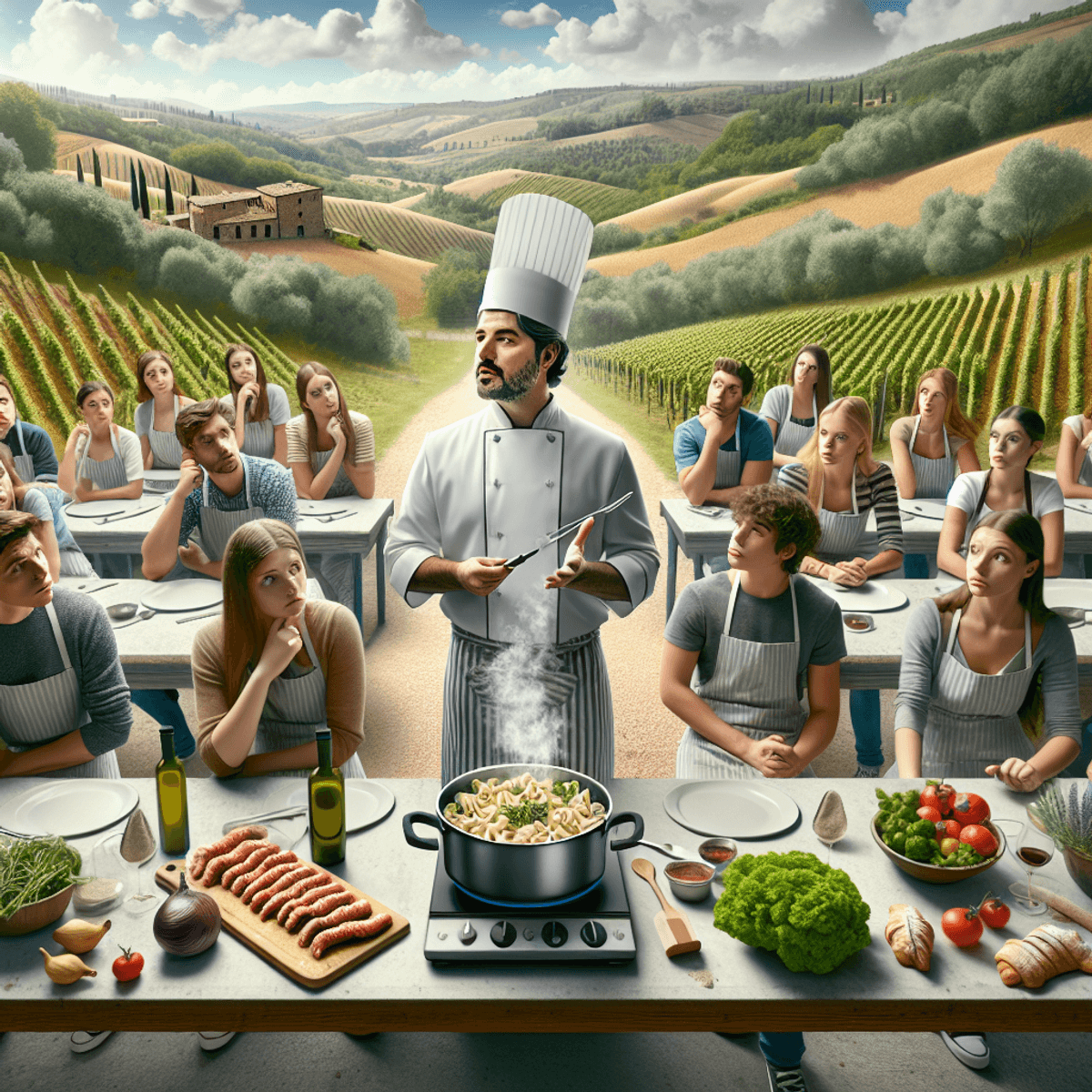
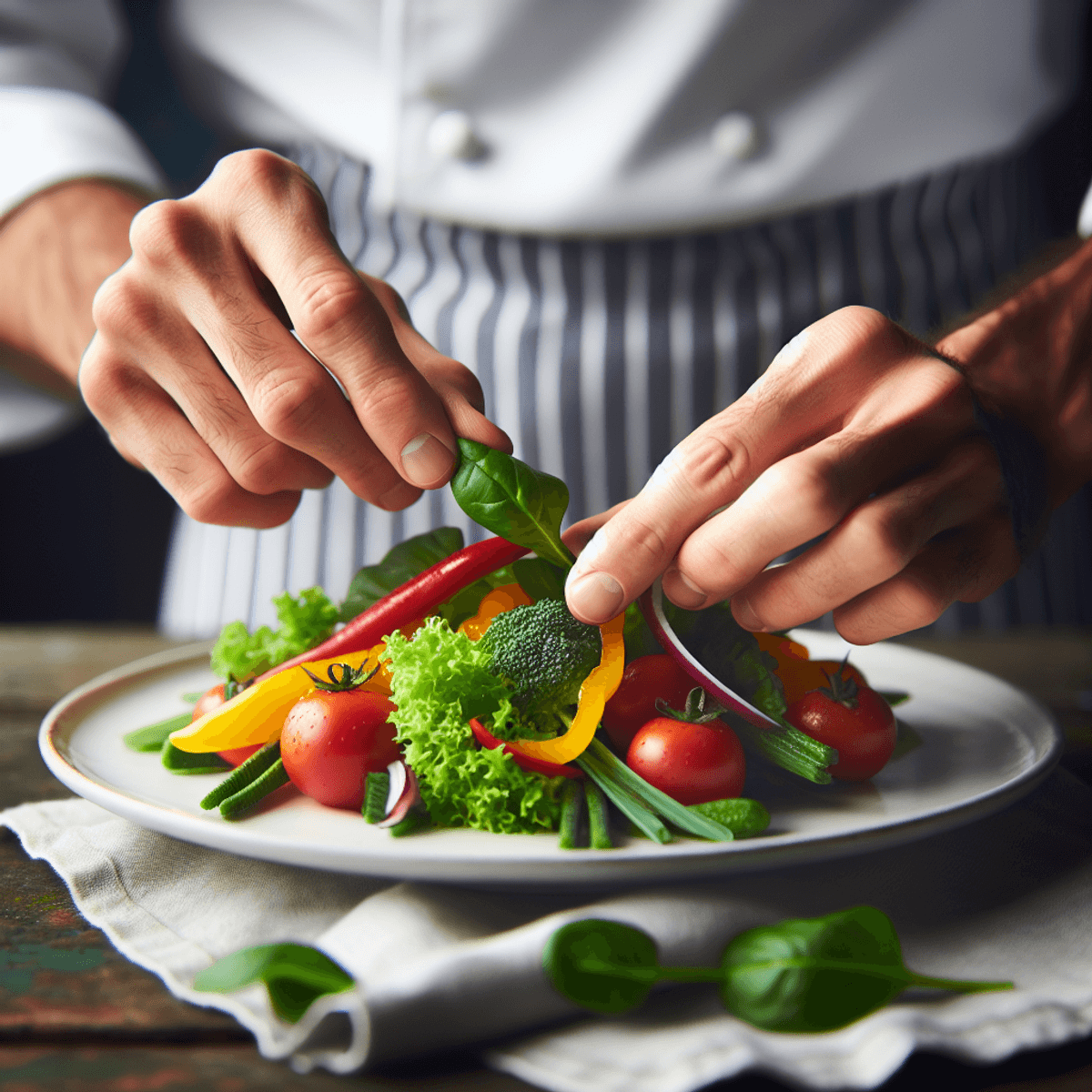
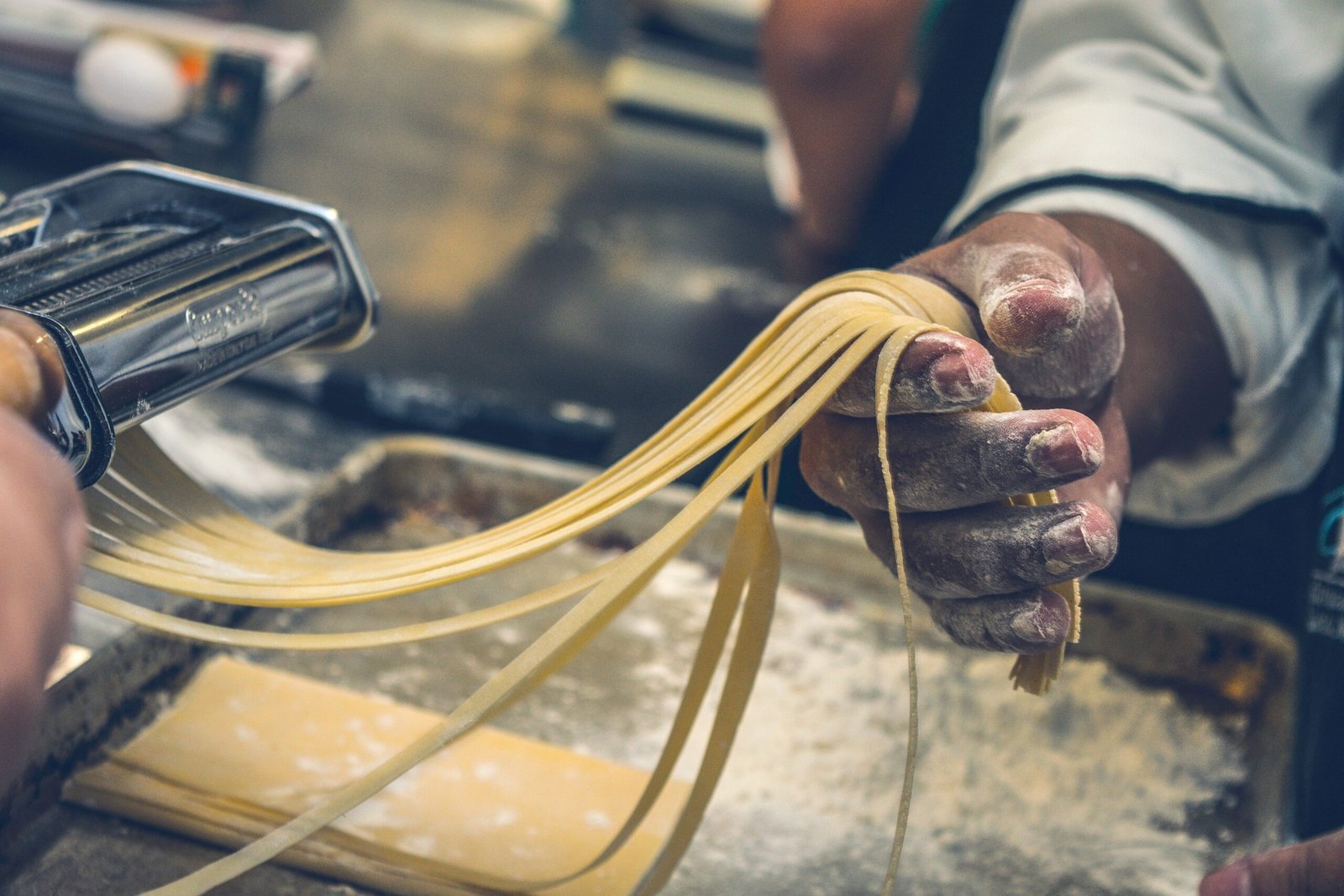
Incorporating additional activities can elevate the festival experience. Consider including cooking demonstrations, live music, or cultural performances that showcase Italy’s rich heritage. These elements not only enrich the festival atmosphere but also engage attendees in a more immersive experience. Coordinating with local suppliers and food vendors is vital for featuring authentic Italian cuisine. Building good relationships with these vendors can result in quality ingredients and products, thus enhancing the festival’s authenticity and overall appeal.
Menu Selection and Vendor Coordination
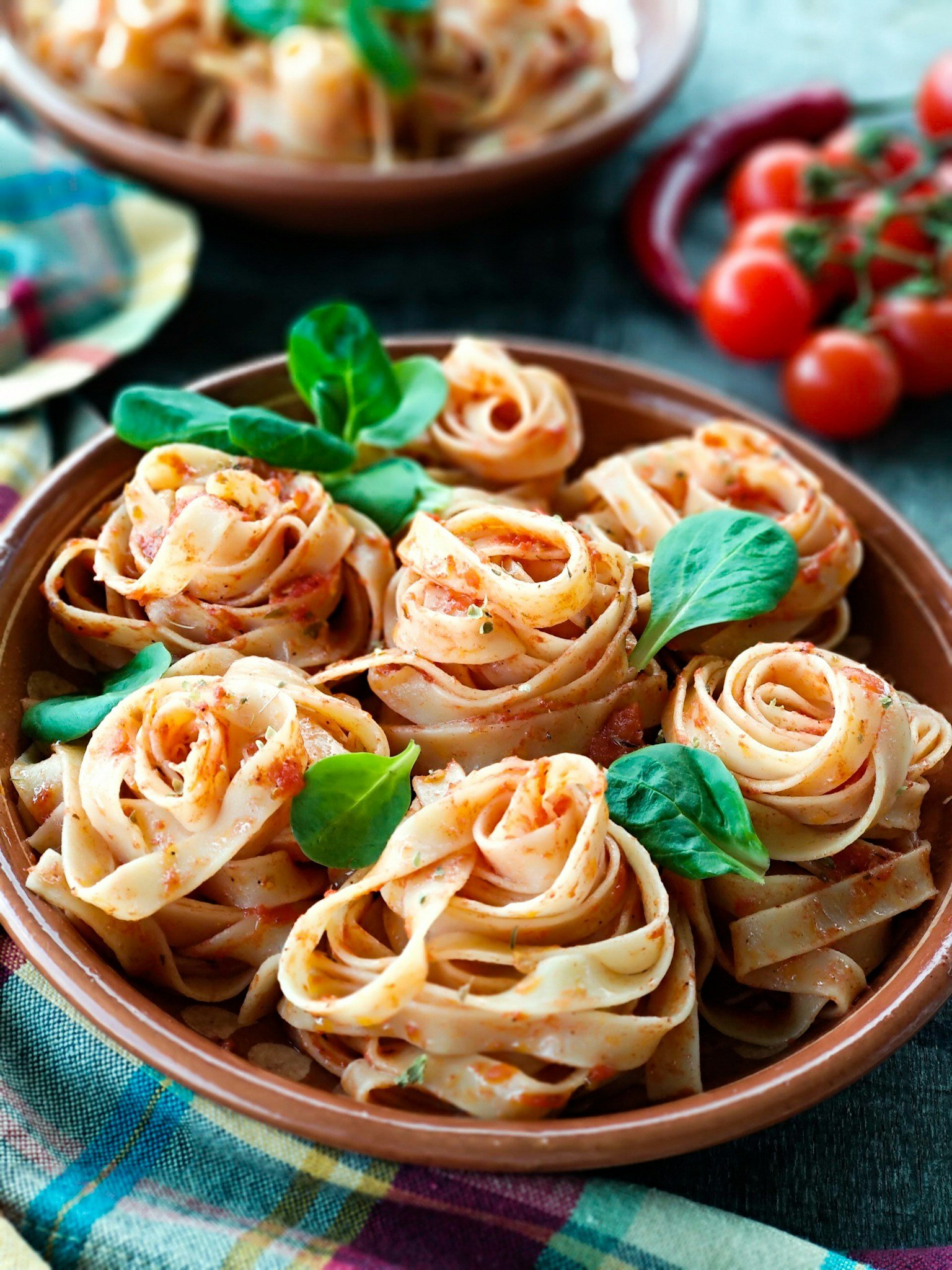
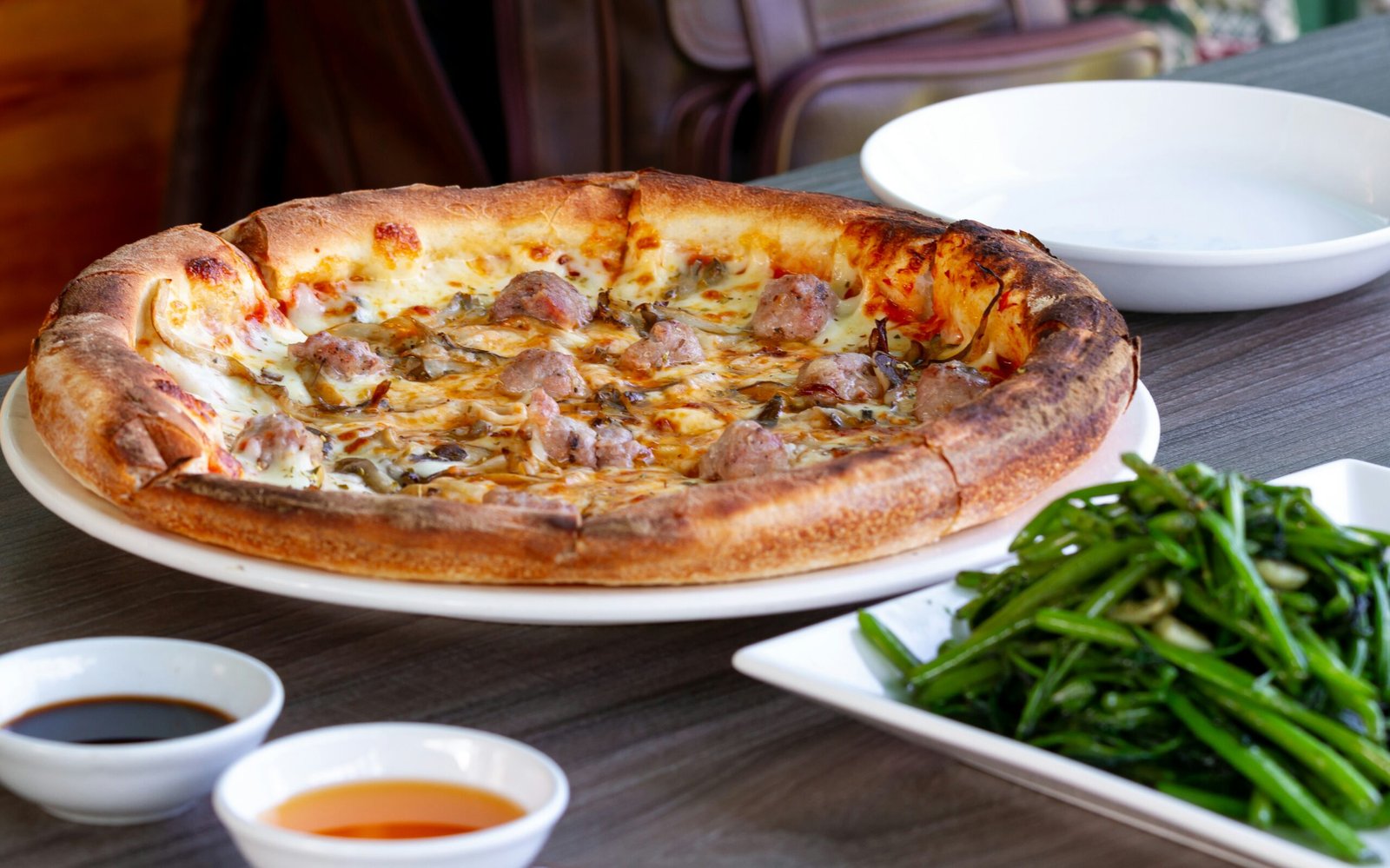
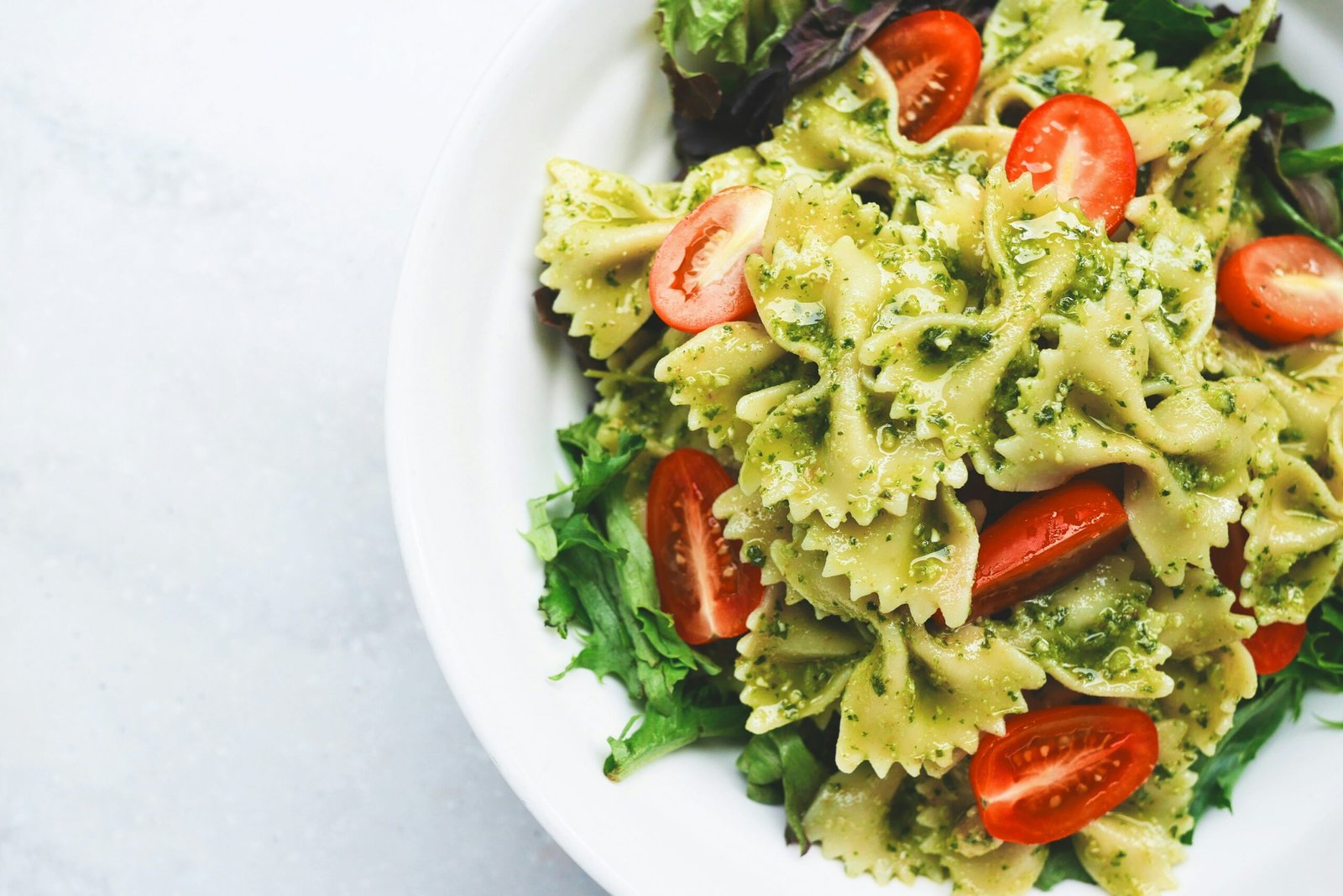
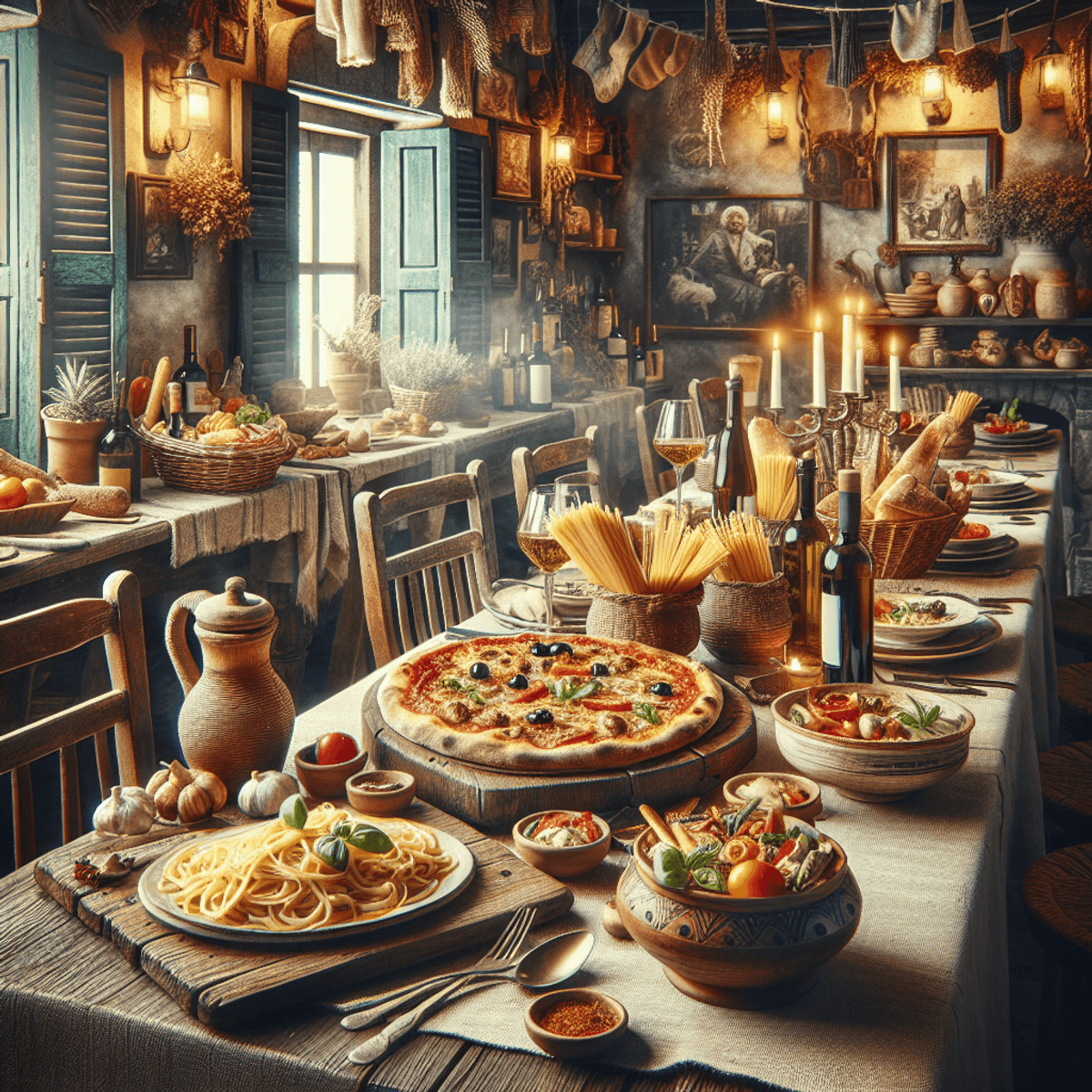
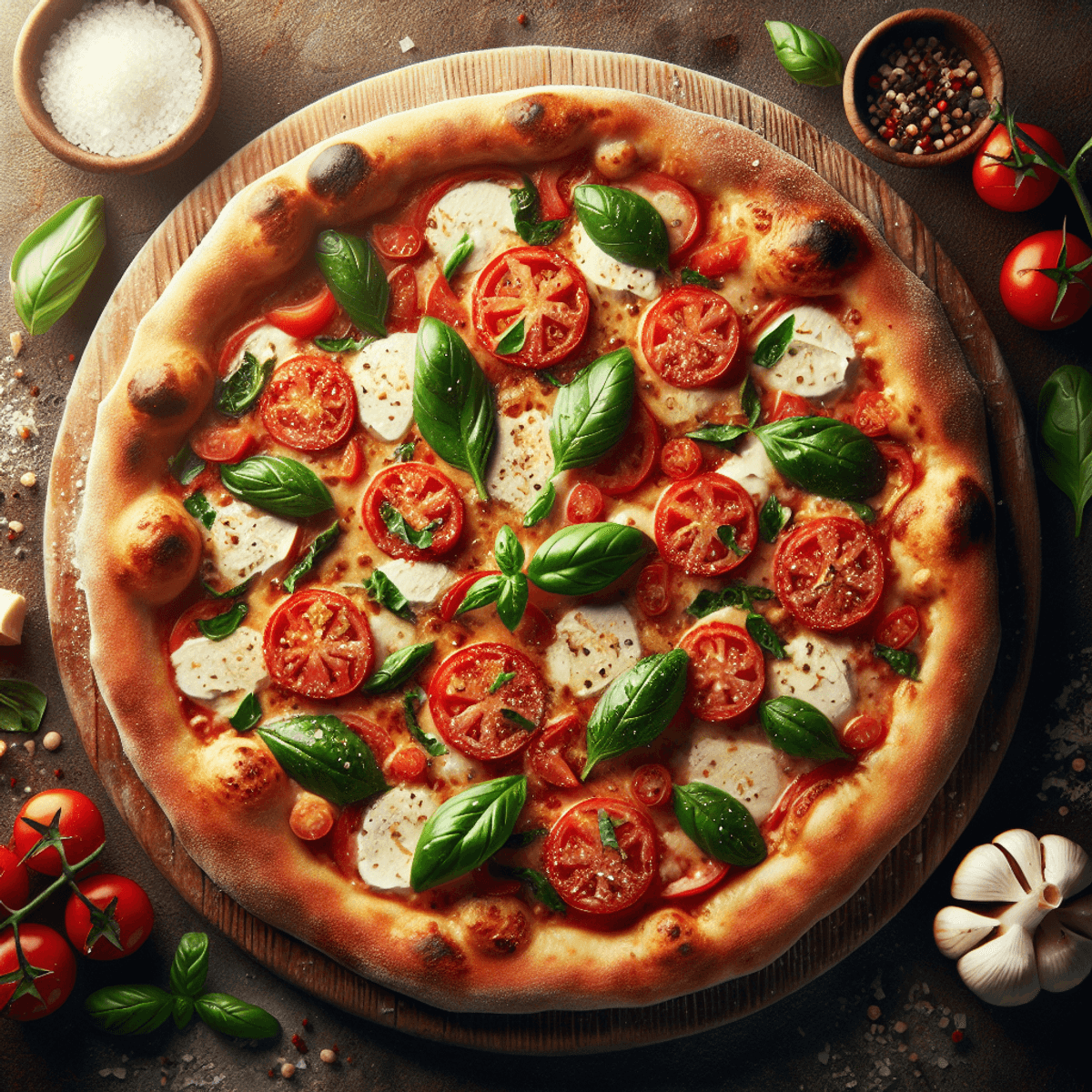
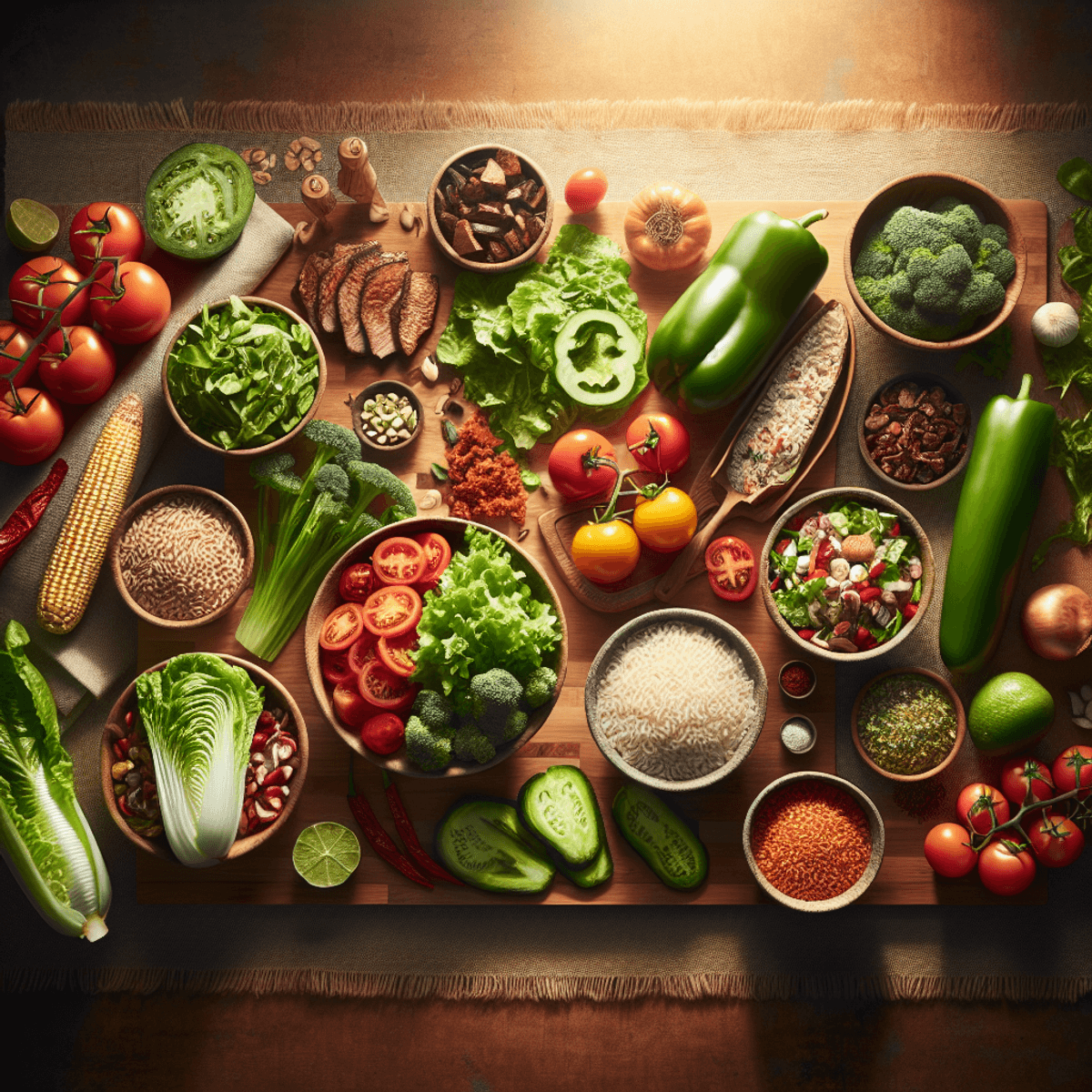
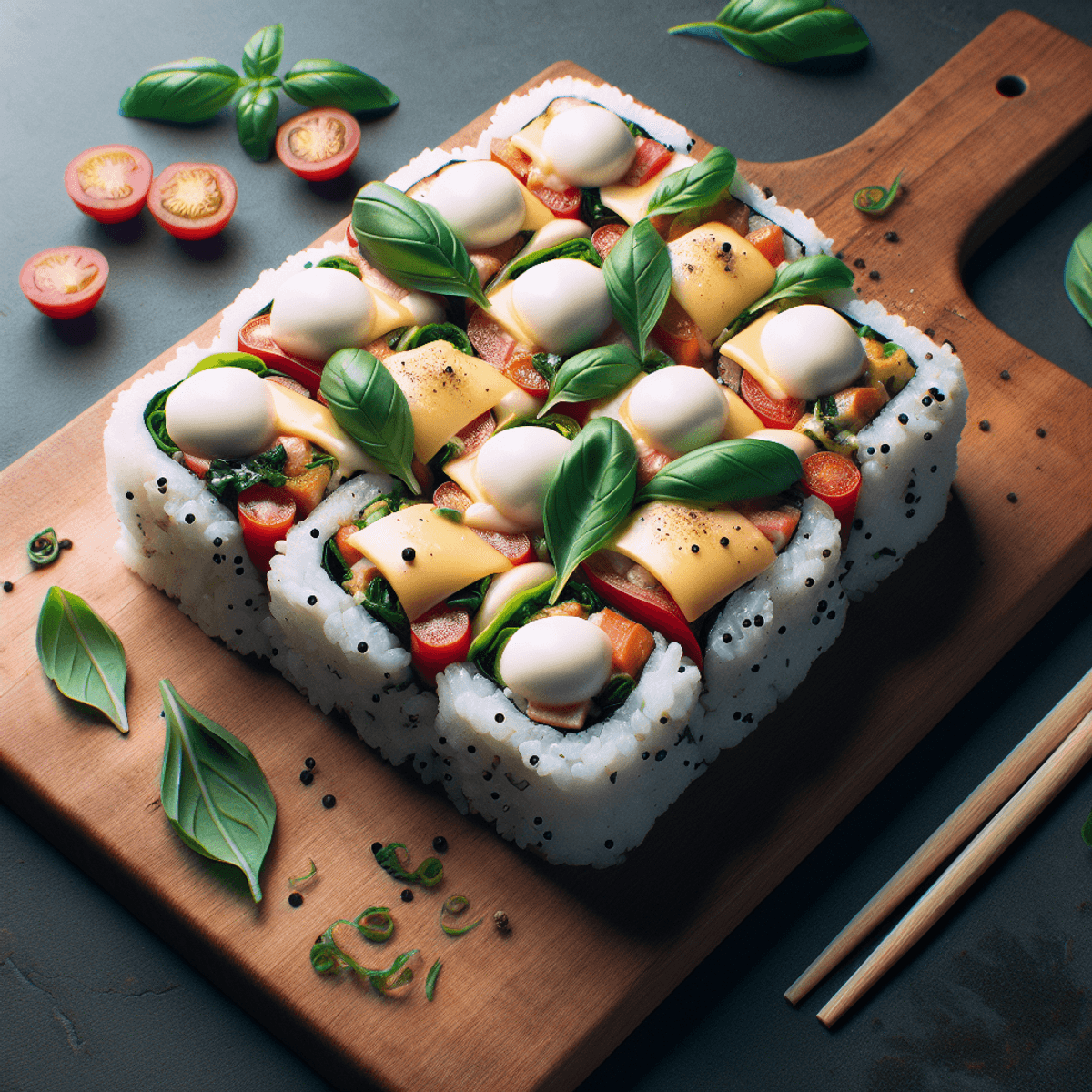
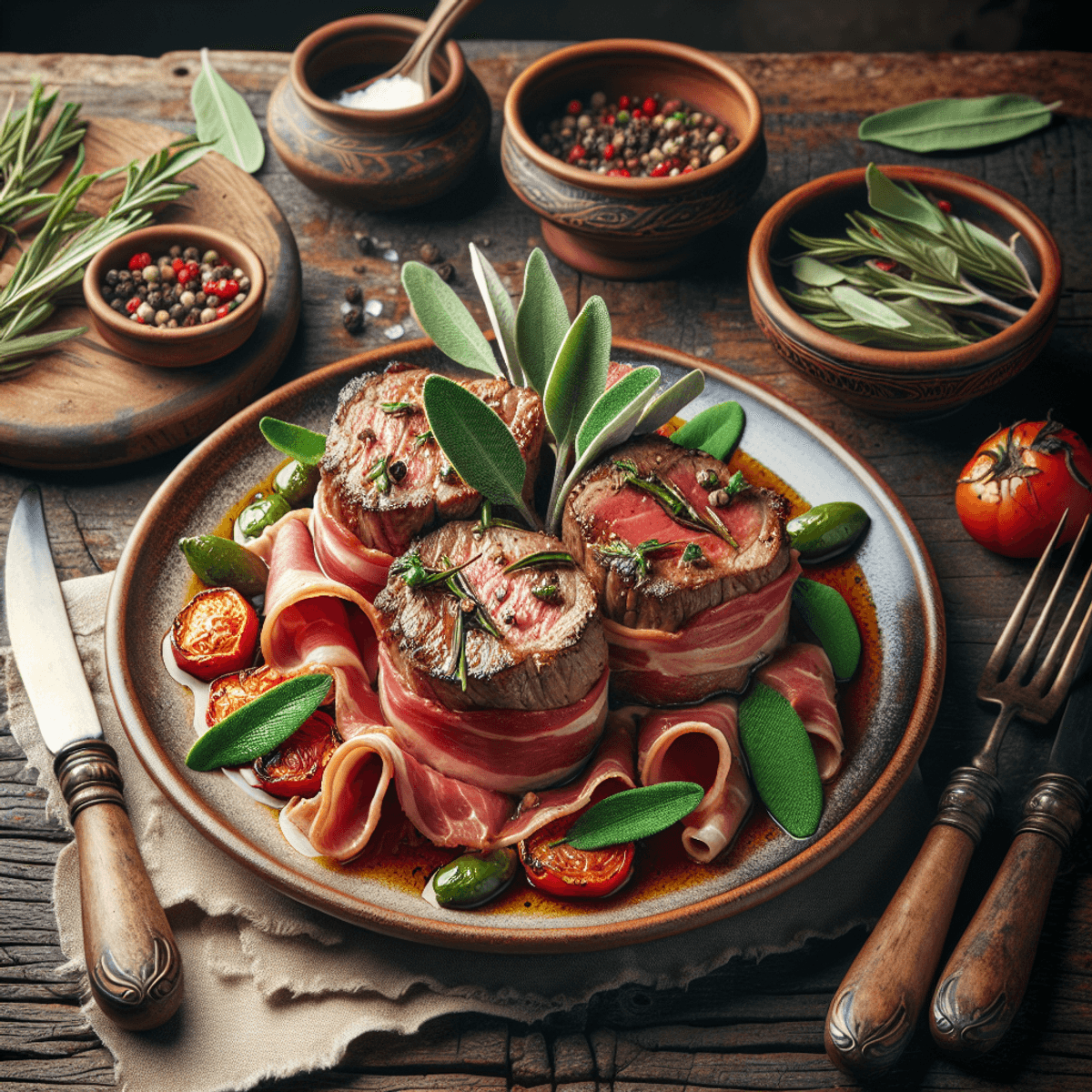
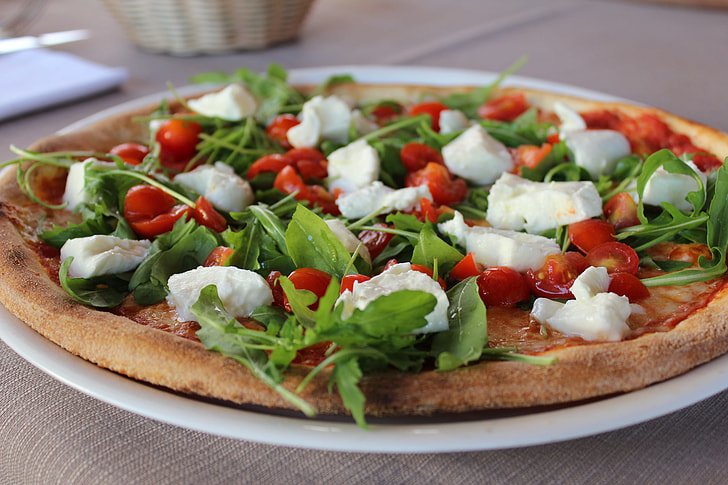
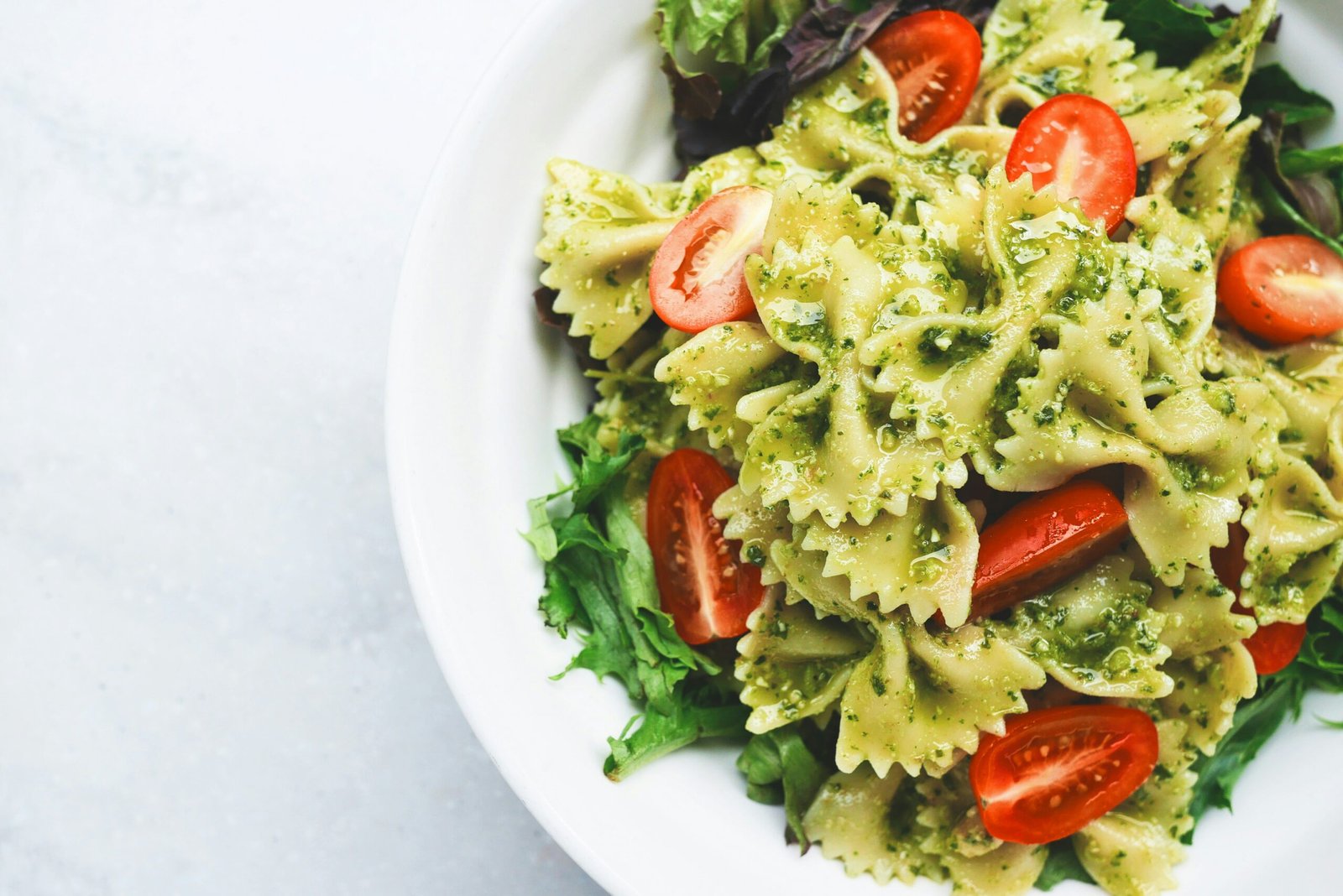
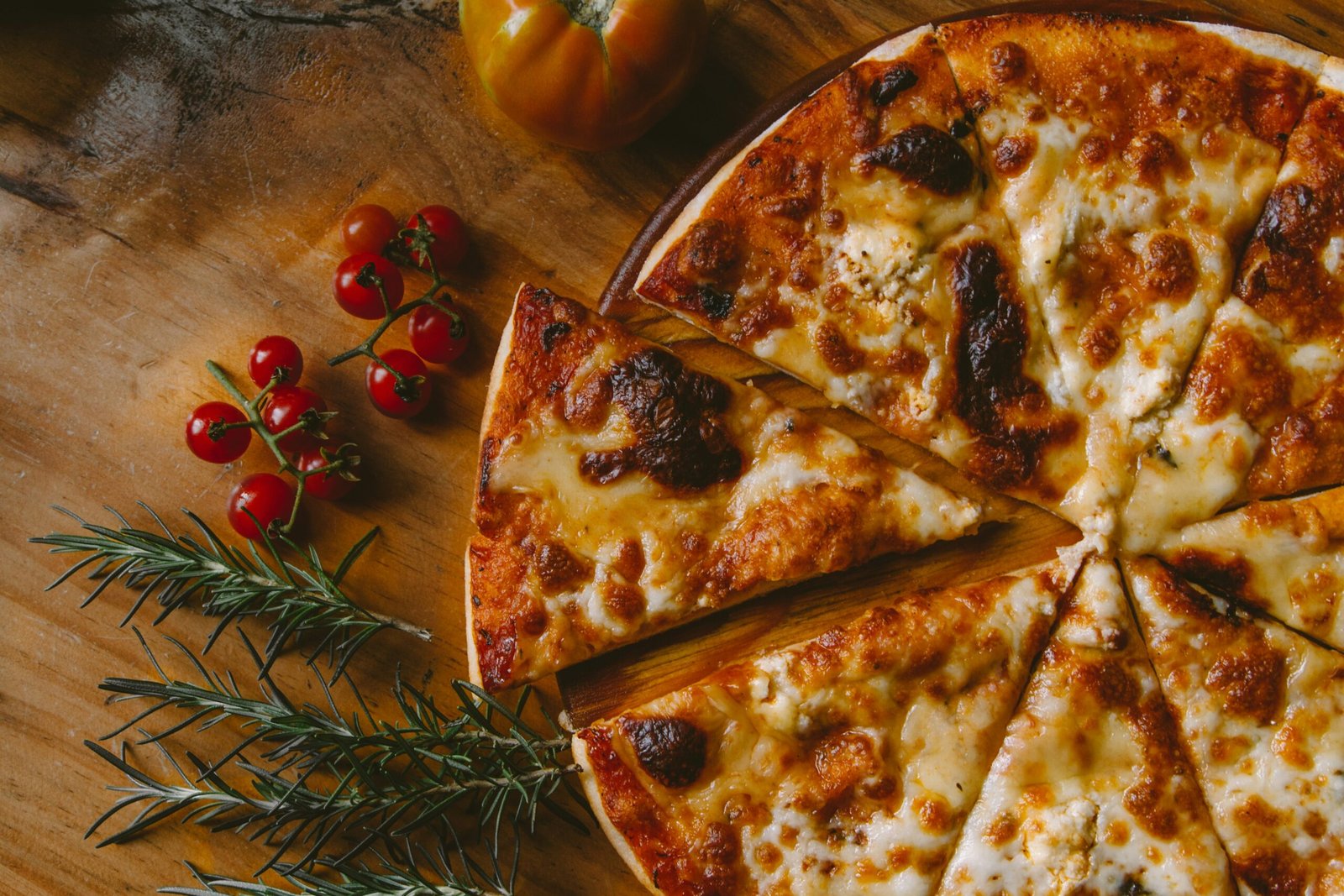
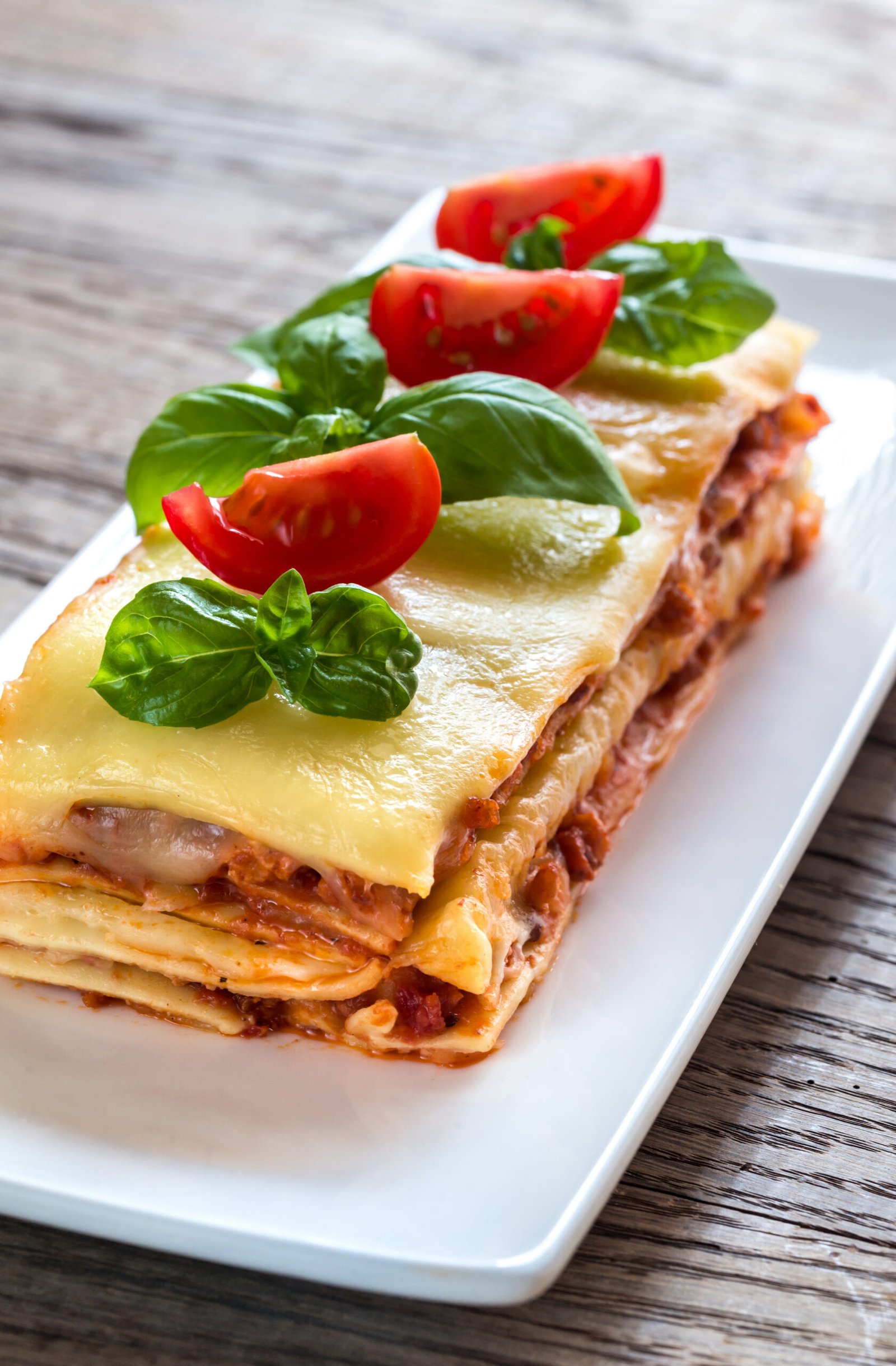
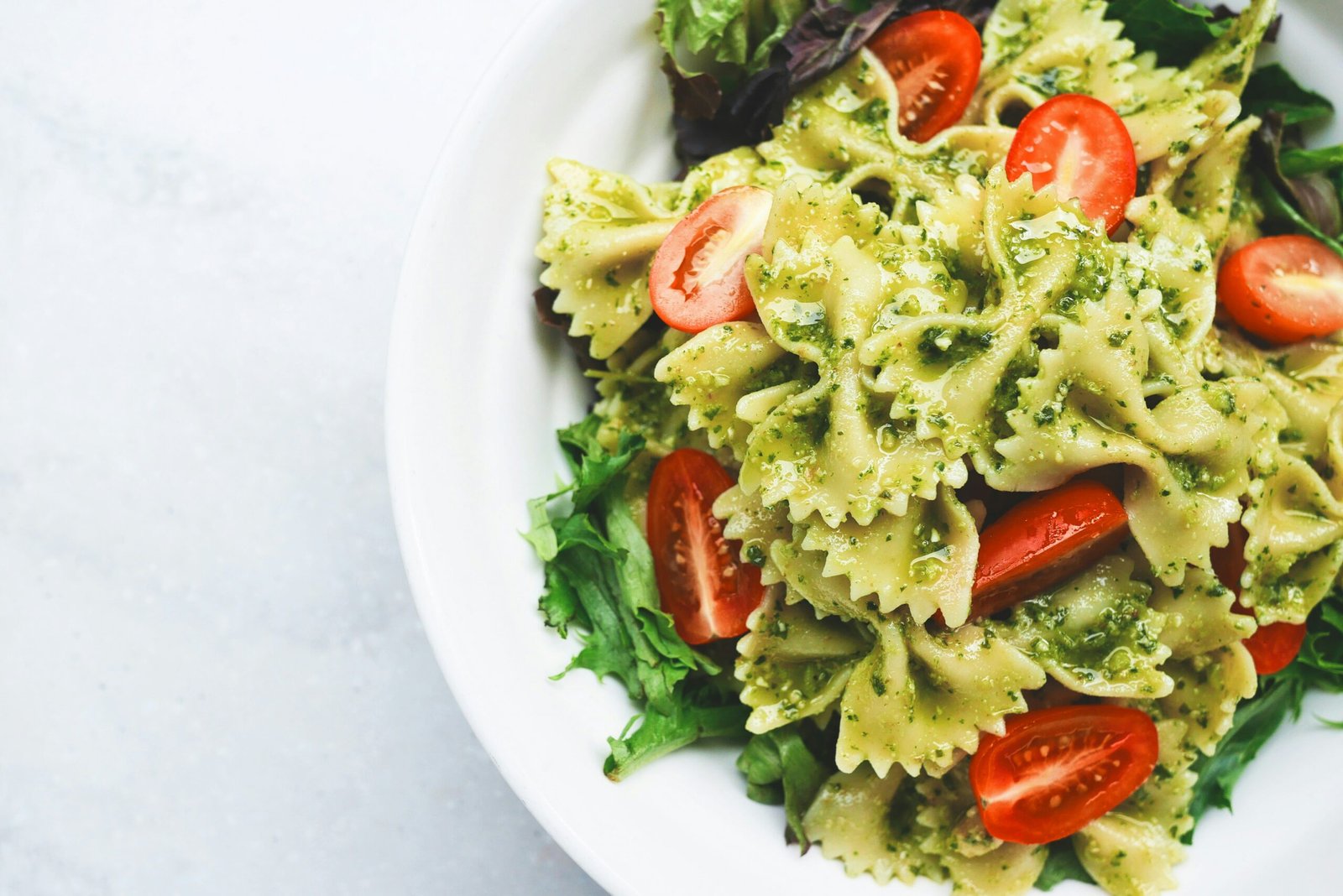
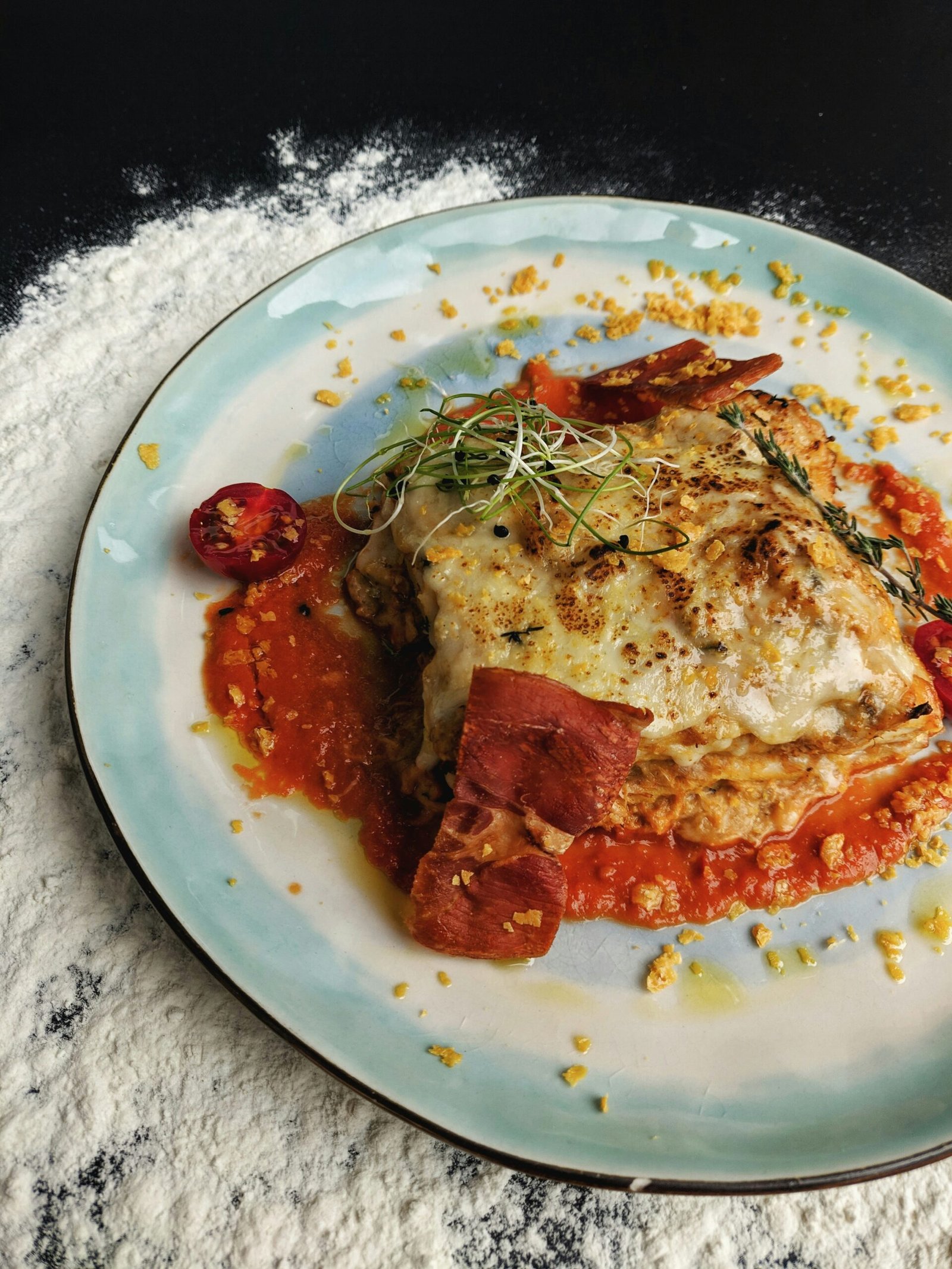
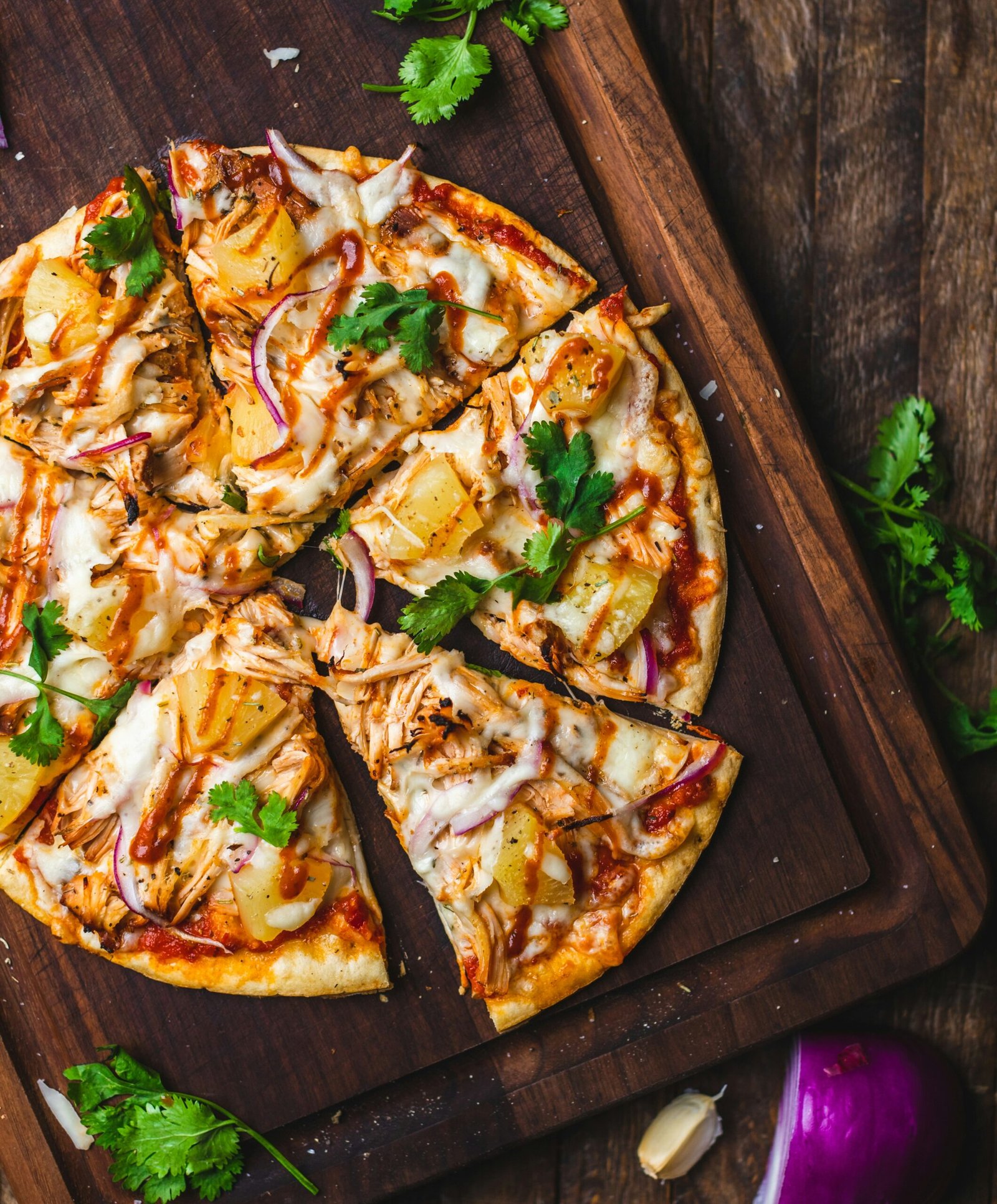
One of the most pivotal elements of hosting an Italian food festival in Singapore is the careful selection of the menu and effective coordination with food vendors. To ensure an authentic and delightful experience for attendees, it is essential to incorporate traditional Italian dishes that resonate with local tastes. Classic options such as pasta, pizza, risotto, and gelato can be included, paired with Singaporean culinary influences to better cater to the local audience.
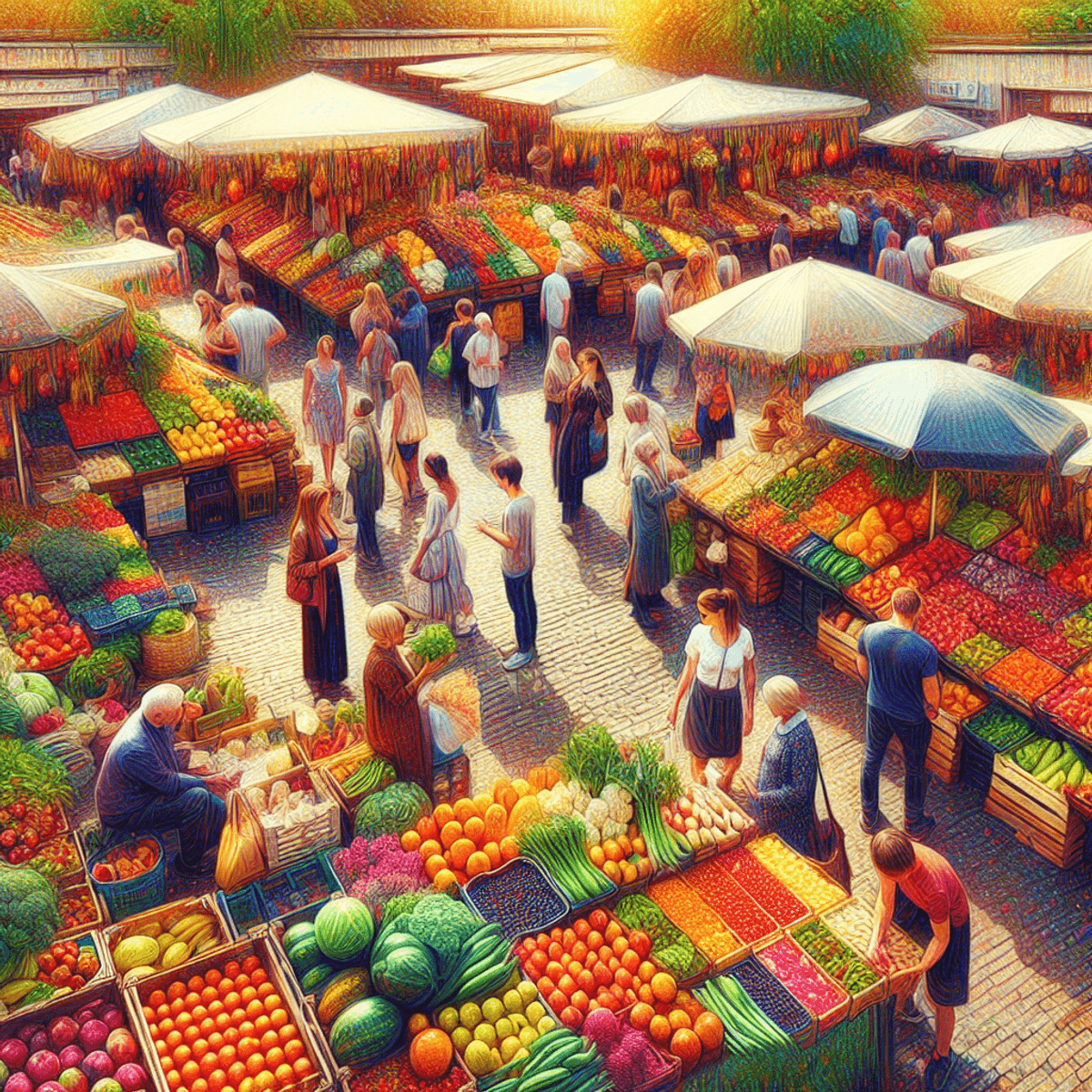
When selecting the menu, consider sourcing high-quality ingredients that emphasize the integrity of Italian cuisine. This may involve a dual approach: sourcing local ingredients that align with authentic flavors, while also importing specific items that are integral to classic dishes. For example, imported Italian cheeses, olive oils, and herbs can elevate the meal experience. Choosing vendors who specialize in these ingredients will greatly enhance the festival’s authenticity.
In addition to selecting the right menu, it is important to ensure that the offerings are well-rounded and cater to various dietary needs. Vegetarian, vegan, and gluten-free options should be thoughtfully integrated into the menu. This inclusion accommodates diverse dietary preferences, allowing a broader audience to enjoy the festival.
Coordination with food vendors is equally crucial. Establishing clear communication channels with vendors will facilitate smooth operations during the festival. It is advisable to compare quotes, negotiate terms, and ensure all food suppliers meet quality standards. Maintaining an open dialogue throughout the planning phases will help foster a strong collaboration between the festival team and the vendors, allowing for a successful event where everyone’s expectations are met.
With thoughtful menu planning and strategic vendor coordination, the Italian food festival can become a memorable celebration of flavors that resonates with the Singaporean audience.
Marketing and Promotional Strategies
Successfully hosting an Italian Food Festival in Singapore hinges largely on effective marketing and promotional strategies to draw attendees. Various promotional channels must be utilized, particularly the potent platforms of social media. Leveraging platforms such as Instagram, Facebook, and TikTok can create a visually engaging narrative, showcasing the diverse offerings of the festival. By sharing vibrant images of authentic Italian dishes, dynamic cooking demonstrations, and the enthusiasm surrounding the event, potential attendees can be captivated.
Collaborations with local influencers can further amplify outreach efforts. Engaging food bloggers and social media personalities who resonate with the target audience can significantly boost visibility. By inviting these influencers to preview the festival or participate in special tastings, their followers may be motivated to attend, effectively extending the festival’s reach through their established networks.
Partnerships with community organizations and local businesses can also be a powerful marketing tool. Collaborating with establishments that share a similar target demographic can provide mutual benefits while increasing awareness of the festival. For instance, local Italian restaurants, cultural organizations, and culinary schools can disseminate information about the event through their channels, enhancing community engagement.
Creating visually appealing content is essential, as it reflects the festival’s spirit and entices attendees. Engaging messages that emphasize the unique experiences and offerings, such as cooking classes or live music performances, are key to capturing interest. Additionally, employing strategies like early bird specials or contests can stimulate ticket sales and encourage early commitment from potential attendees.
Utilizing the unique aspects of Singapore’s multicultural society allows for broader outreach. Highlighting the fusion of Italian cuisine with local flavors can attract diverse crowds eager to experience the festival. By tailoring marketing messages to resonate with different cultural backgrounds, one can create an inclusive environment that invites everyone to indulge in Italian gastronomic delights.
Logistics and On-the-Day Management
Successfully hosting an Italian food festival in Singapore requires meticulous planning and effective execution on the day of the event. The logistics begin with the establishment of vendor stations, which play a pivotal role in facilitating a smooth experience for both vendors and attendees. Each station should be strategically placed to ensure optimal foot traffic flow, while also allowing for compliance with local health regulations. It is crucial to communicate the necessary requirements to all vendors well ahead of the event, ensuring that they are prepared and equipped to meet these standards.
On the day of the festival, coordinating staff roles is essential. Assign specific tasks such as registration, vendor support, crowd control, and customer service to volunteers or hired staff. Clear communication of responsibilities will enhance efficiency and allow for a seamless festival experience. Establishing a centralized control point can facilitate real-time problem resolution and ensure that everyone is aware of their tasks and the overall festival schedule.
An effective schedule of activities is another cornerstone of day-of management. This includes timing for cooking demonstrations, live performances, and contests. Advertise this timetable prominently throughout the festival grounds to keep attendees informed and engaged. Managing crowd control is equally important; employing barriers and designated pathways can help guide attendees and reduce congestion, making the festival enjoyable and safe.
In addition to logistical considerations, excellent customer service is vital. Training staff to handle inquiries and concerns promptly can significantly enhance the attendee experience. Gathering feedback during and after the event through surveys or informal discussions will be invaluable for understanding what worked well and identifying areas for improvement. Following the festival, maintaining engagement with attendees through newsletters or social media will help build anticipation for future events.