Introduction to Italian Cuisine
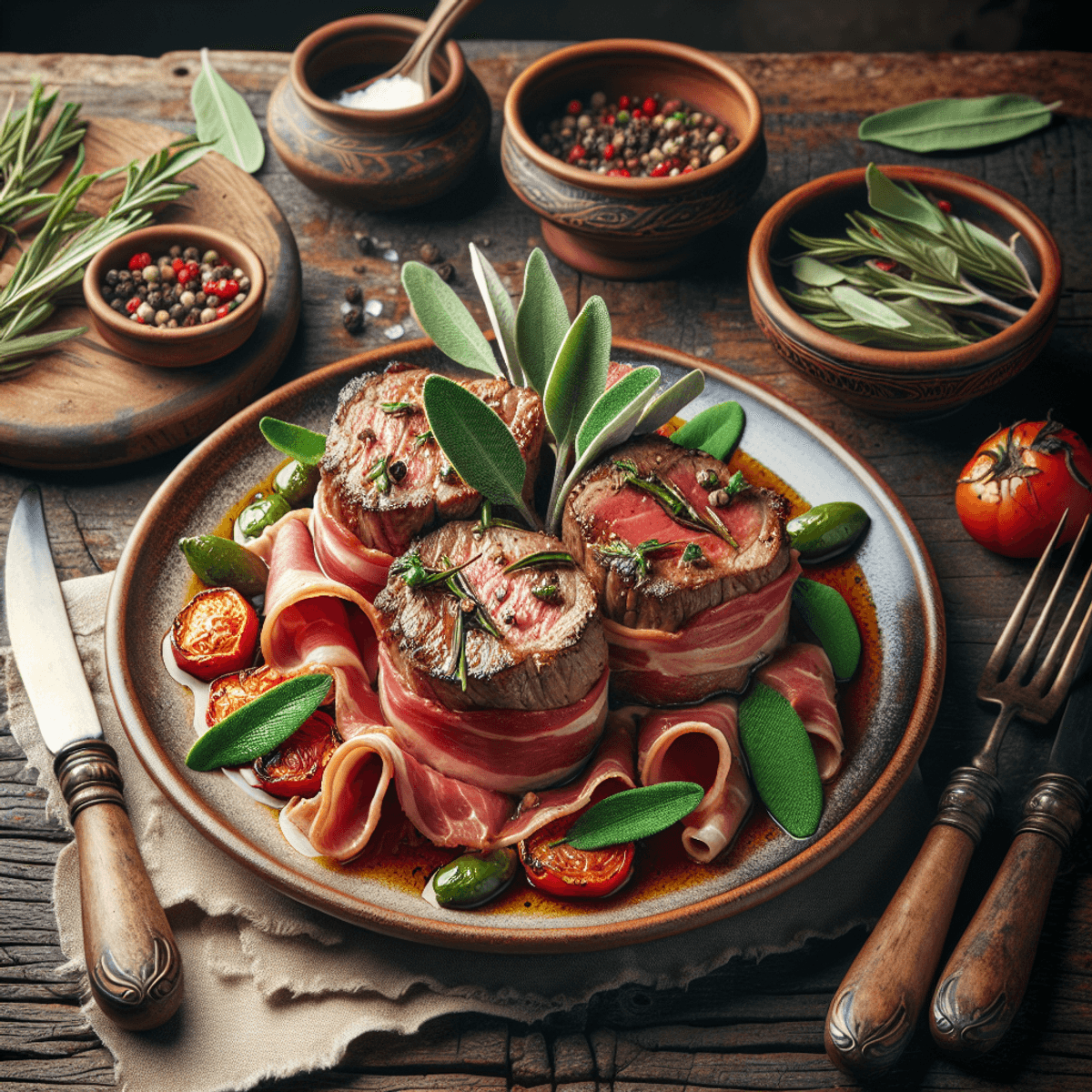
Italian cuisine is characterized by its rich history and diverse regional influences, making it one of the most revered culinary traditions in the world. Originating from the historic lands of Italy, the cuisine has evolved over centuries, influenced by the various civilizations that inhabited the peninsula. The legacy of the Roman Empire, the impact of the Renaissance, and even the agricultural practices of the Mediterranean have all contributed to the intricate tapestry that is Italian food today.
One of the most remarkable aspects of Italian cuisine is its regional diversity. Each region boasts unique ingredients, cooking styles, and traditional dishes that reflect the local culture and climate. For instance, Northern Italy is known for its rich, creamy risottos and polenta, while the South celebrates robust tomato-based sauces and an abundance of fresh seafood. This geographical distinction not only enriches the dining experience but also highlights the importance of local, seasonal produce.
Furthermore, the Italian philosophy of “cucina povera,” which emphasizes using simple, fresh ingredients, underscores the essence of Italian cooking. This approach advocates for creating flavorful dishes with minimal ingredients, showcasing the quality rather than the quantity. It is this emphasis on simplicity and freshness that resonates with many, allowing even novice cooks to replicate authentic Italian flavors in their own kitchens.
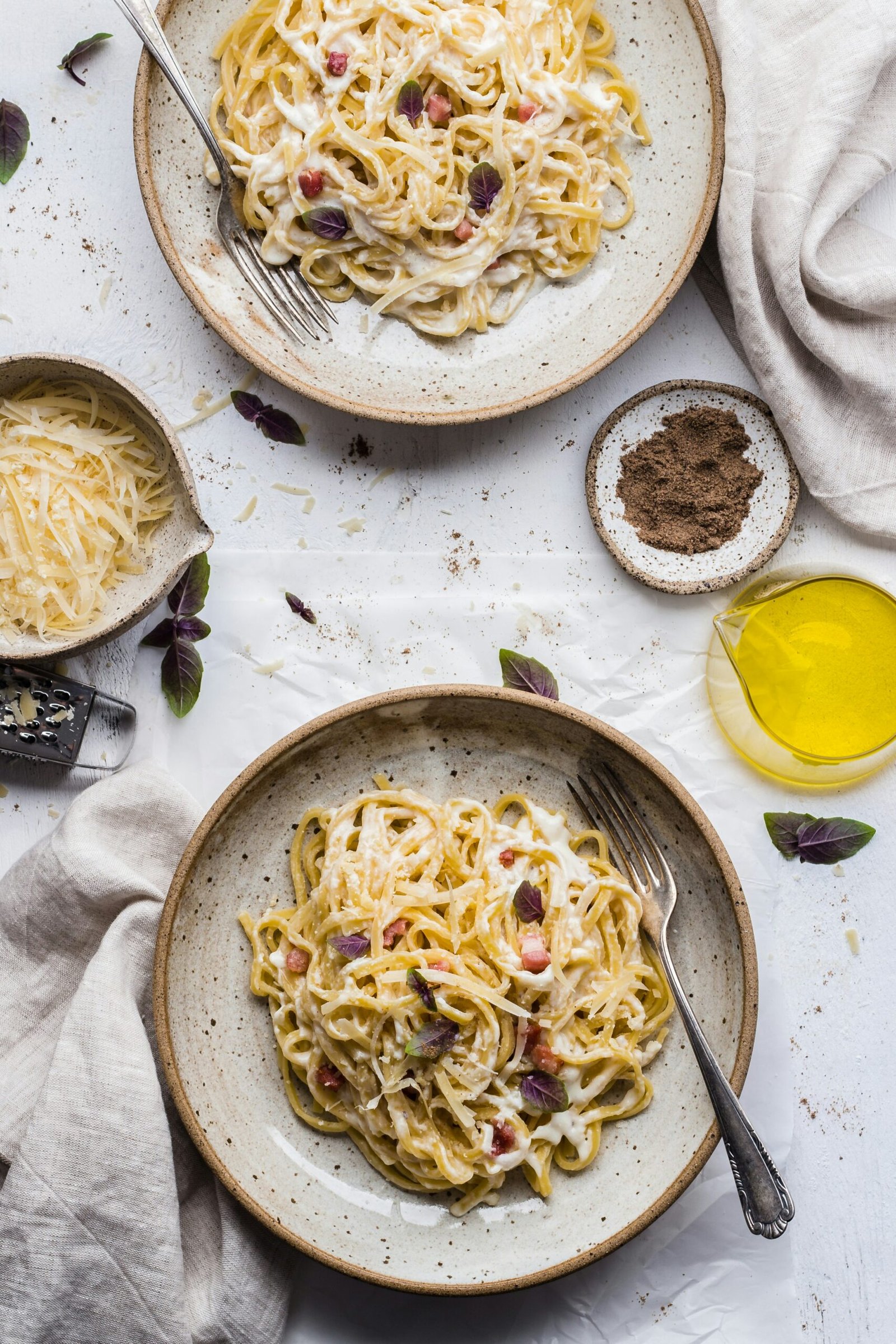
Italian cuisine has transcended borders and is beloved globally, celebrated for its vibrant flavors and the warmth it brings to the table. The popularity of Italian food is not merely in the dishes themselves but in the cultural experience they embody—communal meals, shared recipes, and the joy of cooking together. In this blog post, we will explore deliciously simple Italian recipes that capture the essence of this time-honored tradition, inviting home cooks to enjoy the delightful world of Italian gastronomy.
Essential Ingredients for Italian Cooking
Italian cuisine is renowned for its rich flavors and simplicity, often stemming from the quality and freshness of its ingredients. The use of essential ingredients such as fresh herbs, quality olive oil, various types of pasta, cheeses, and vegetables can significantly enhance the taste of simple Italian dishes. Understanding these fundamental components can be the key to creating authentic Italian meals at home.
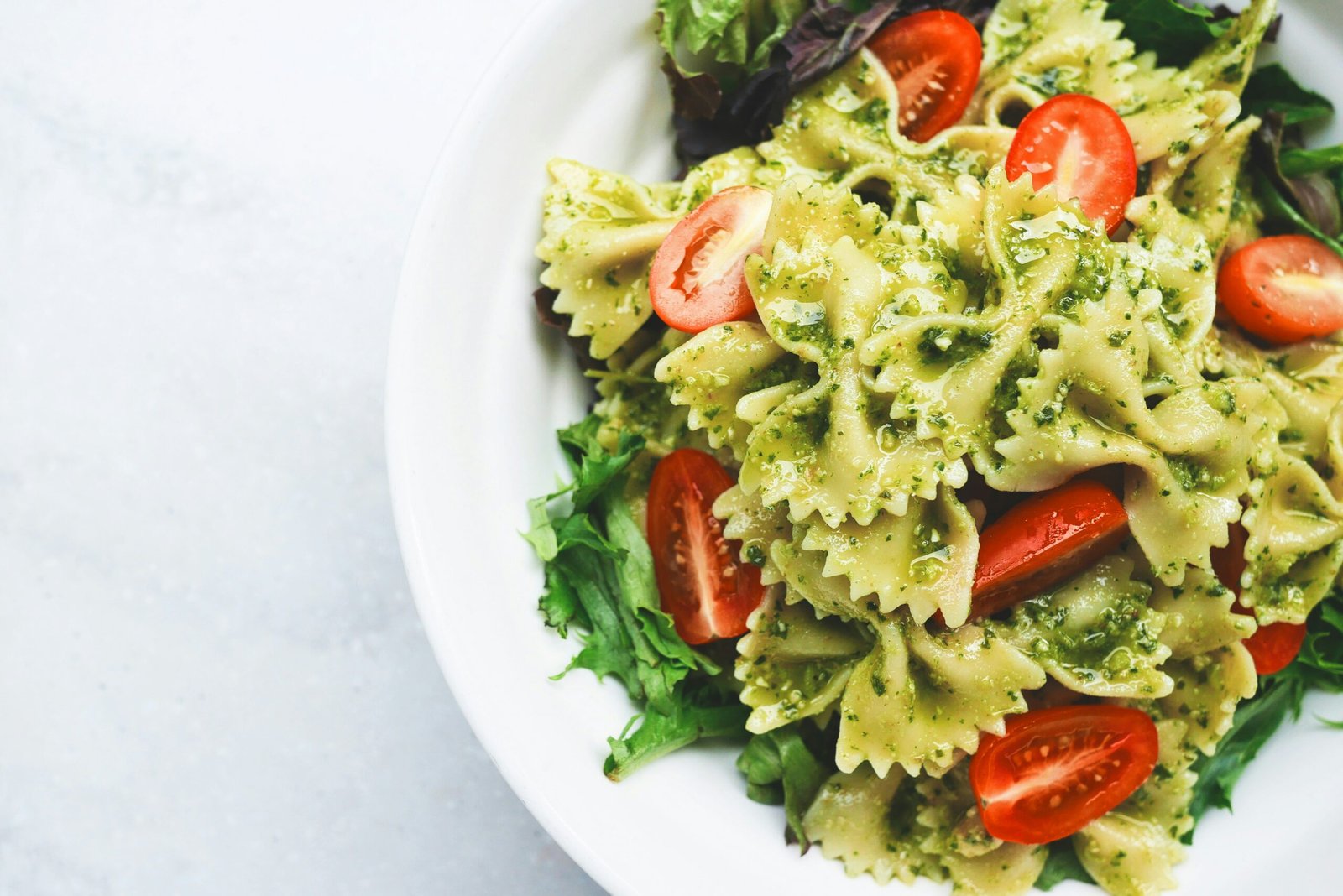
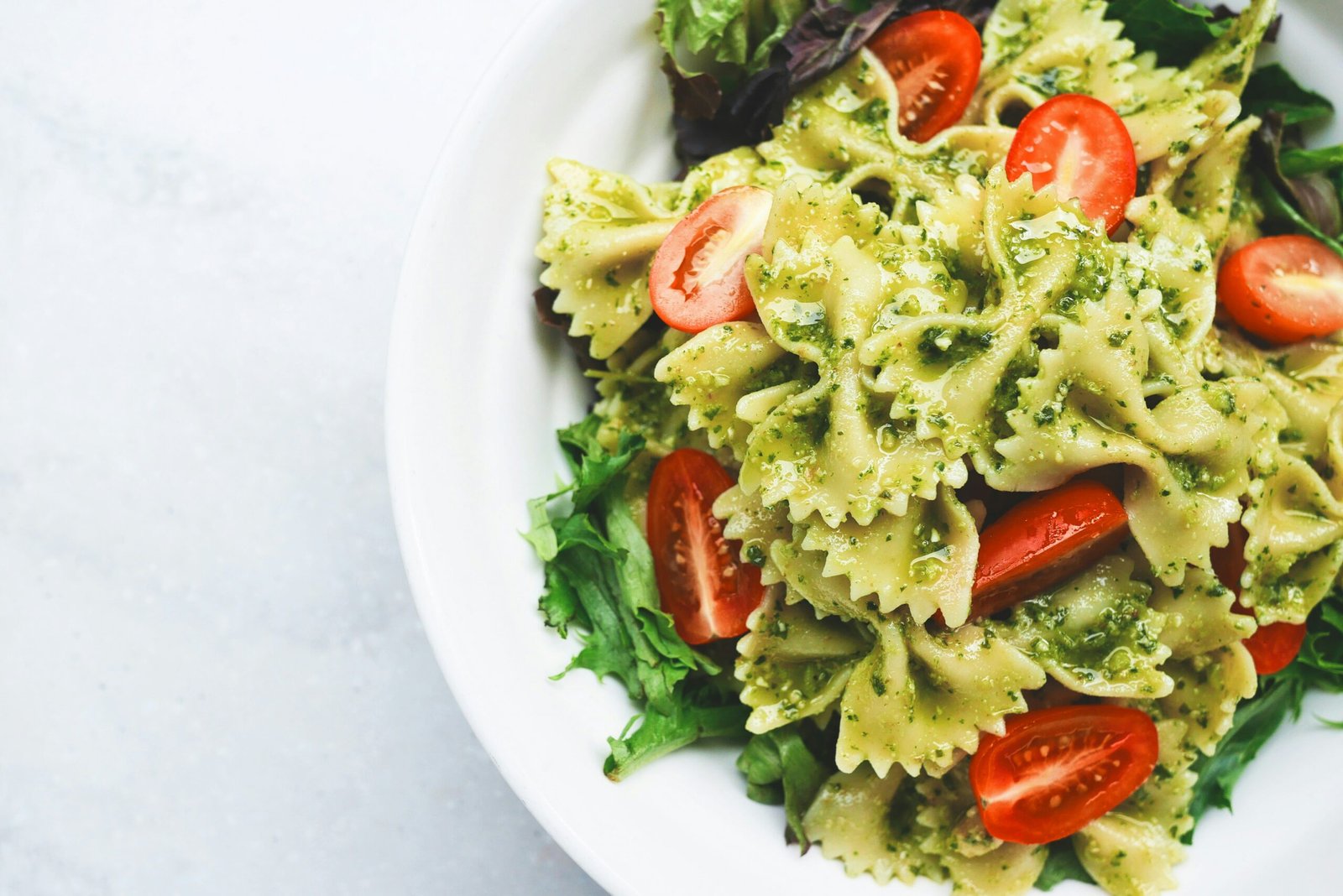
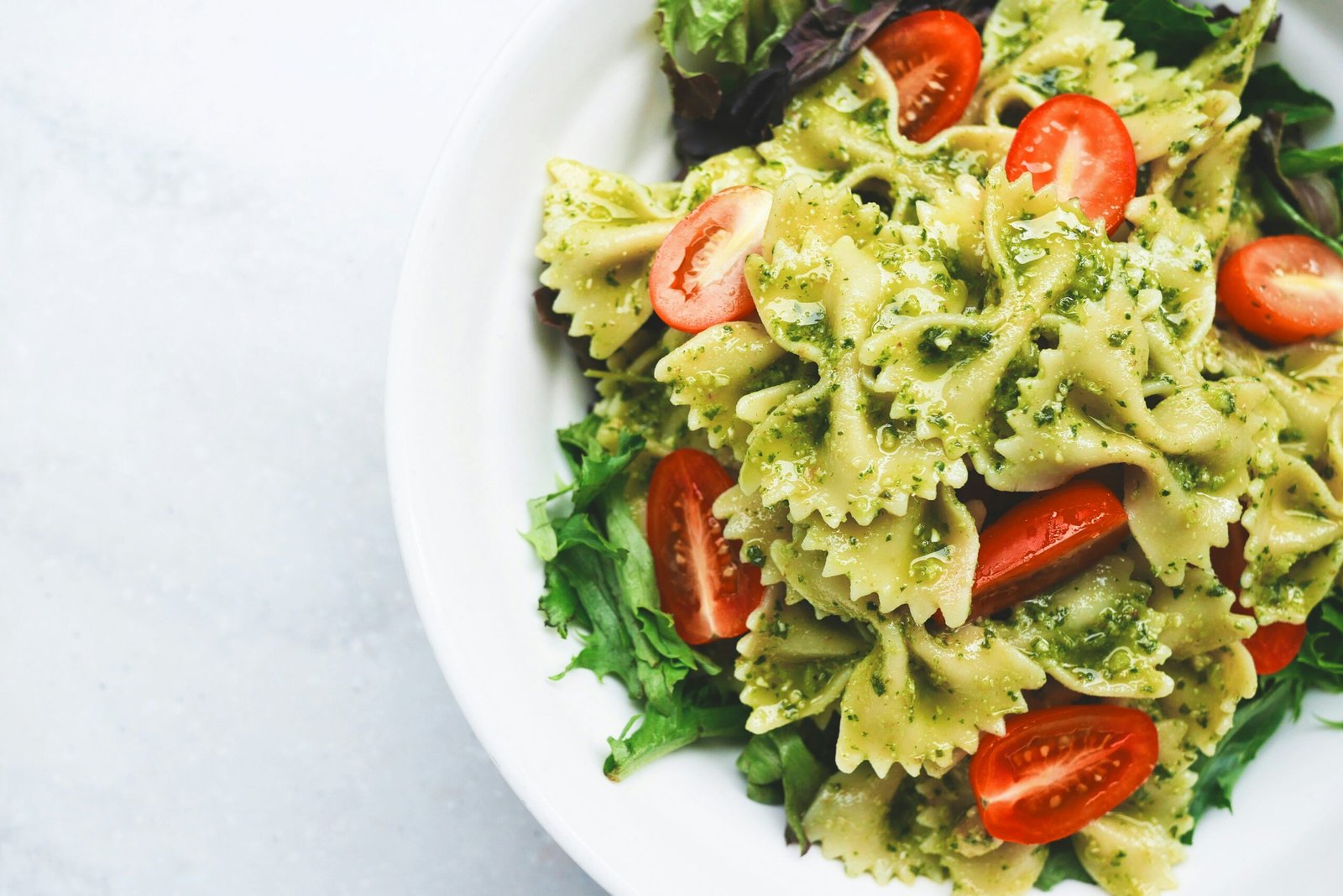
Fresh herbs play a vital role in Italian cooking, with basil, parsley, and oregano being among the most common. These herbs not only add flavor but also fragrance, which is essential in dishes like pesto and marinara sauce. Choosing organic herbs whenever possible can make a noticeable difference in the final taste, as they often contain a more robust essence. For those who cannot access fresh herbs, dried alternatives can be utilized, although they may not provide the same potency.
Quality olive oil is another cornerstone of Italian cuisine. It serves not only as a cooking medium but also as a dressing and finishing touch on various dishes. Look for extra virgin olive oil labeled with a harvest date, as fresher oils tend to carry a more intense flavor. Local farmers’ markets or specialty Italian stores are excellent places to find authentic, high-grade olive oil.
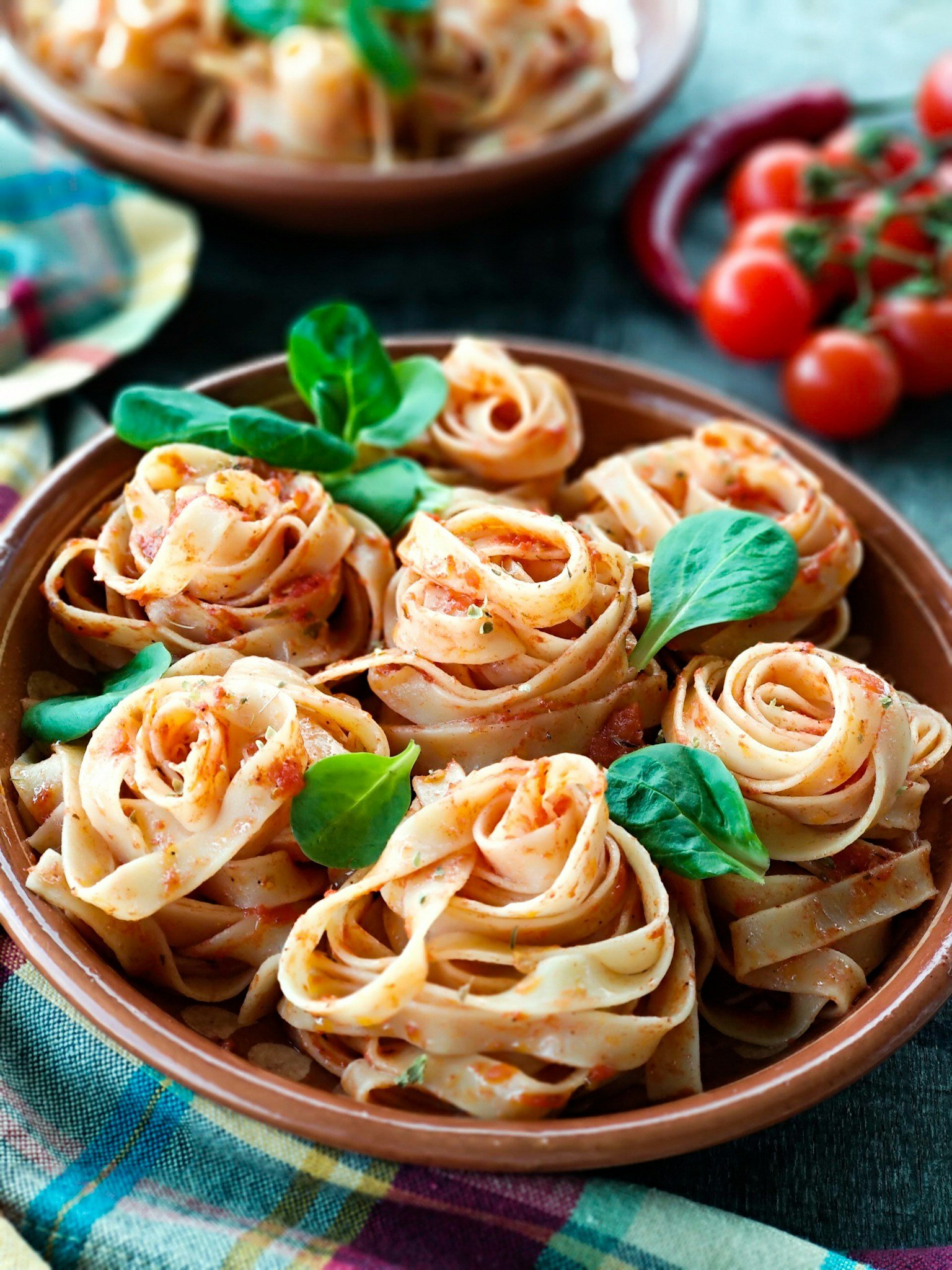
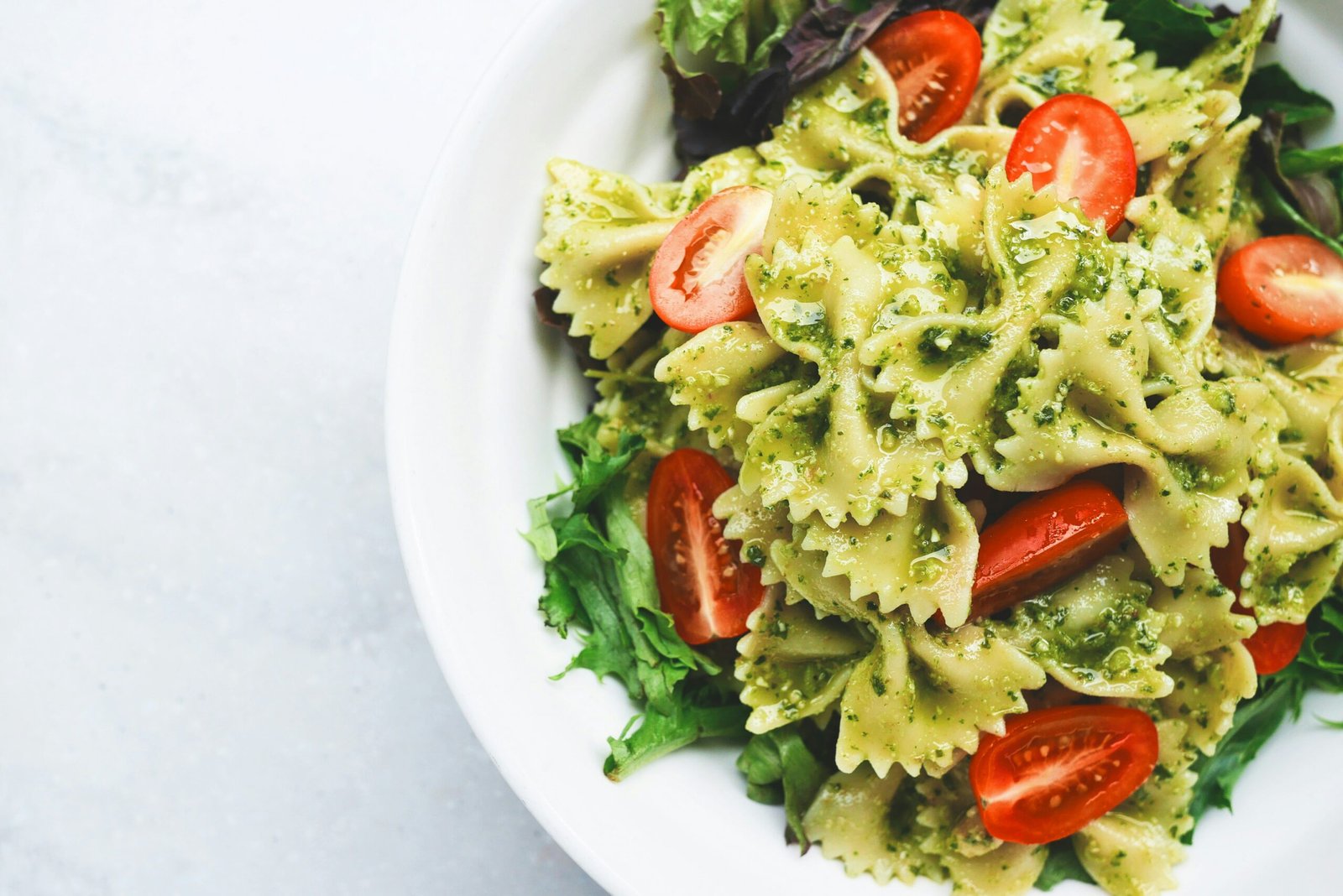
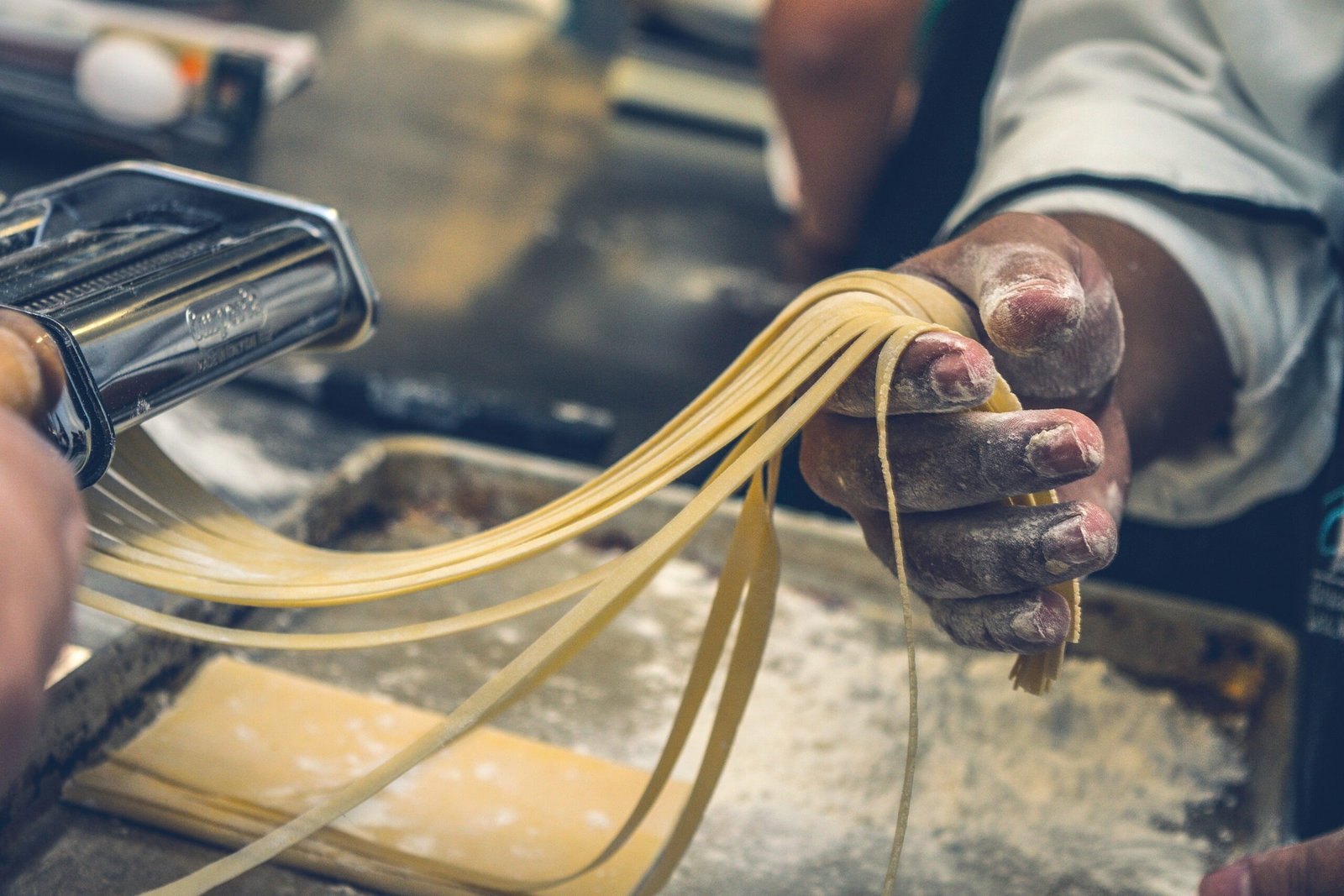
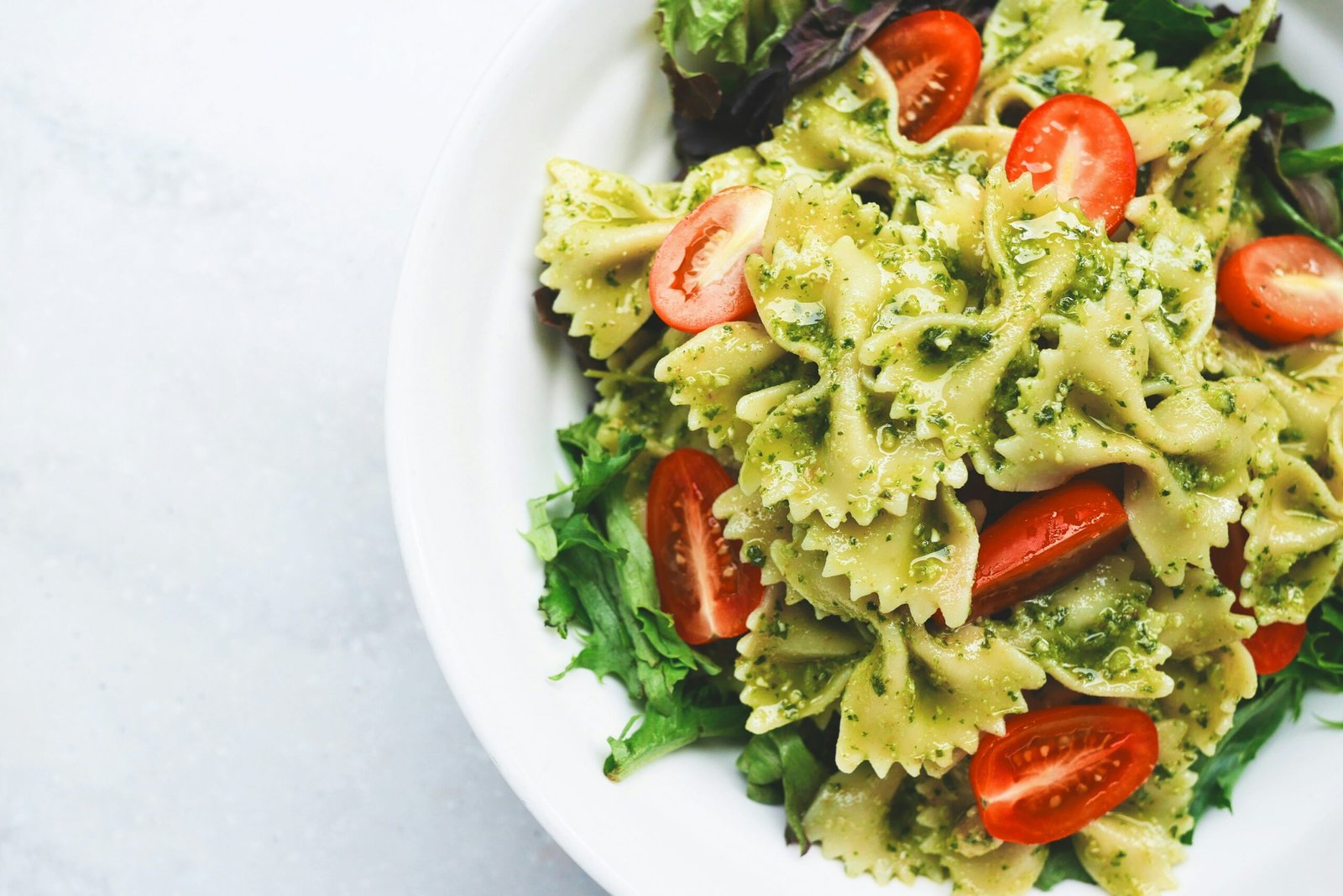
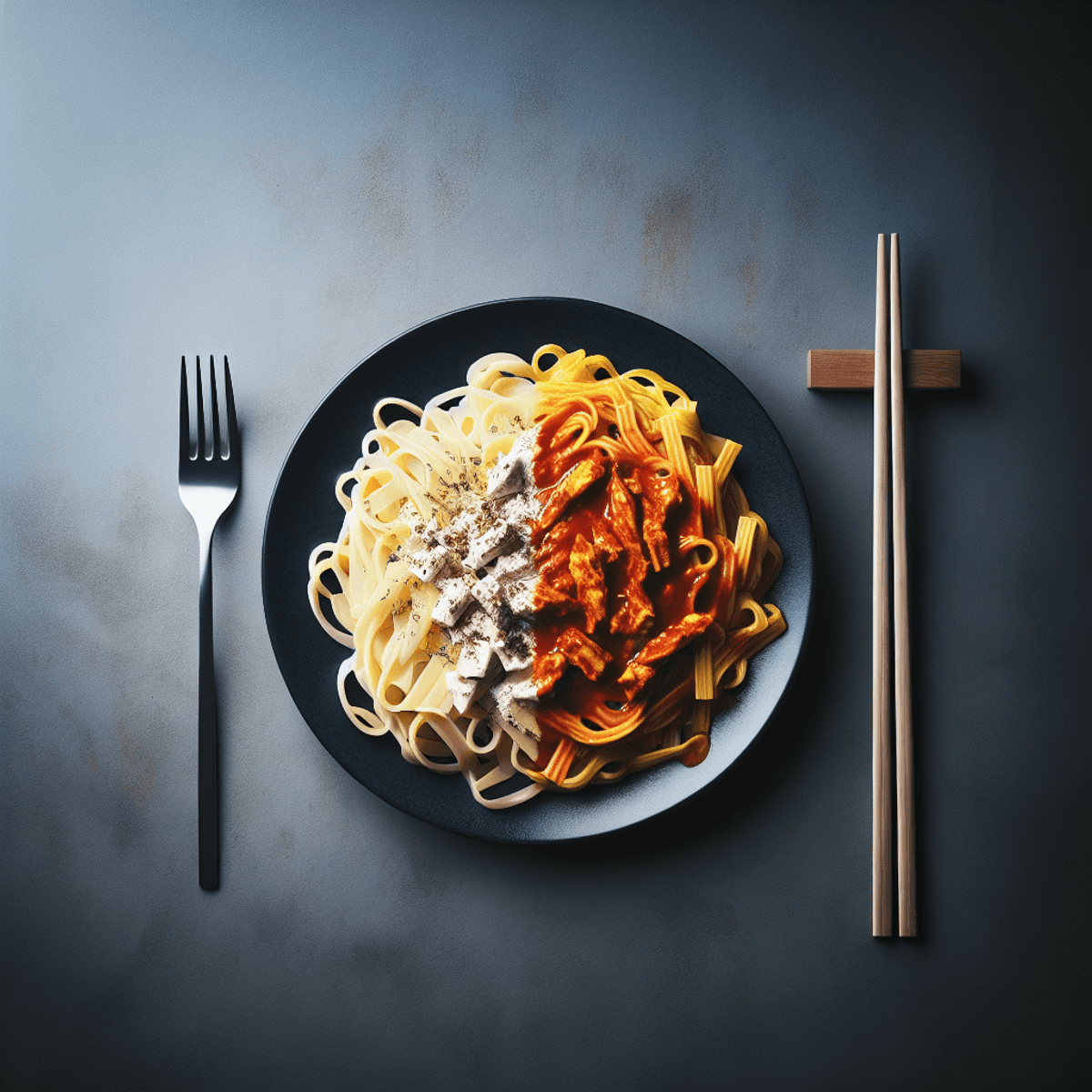
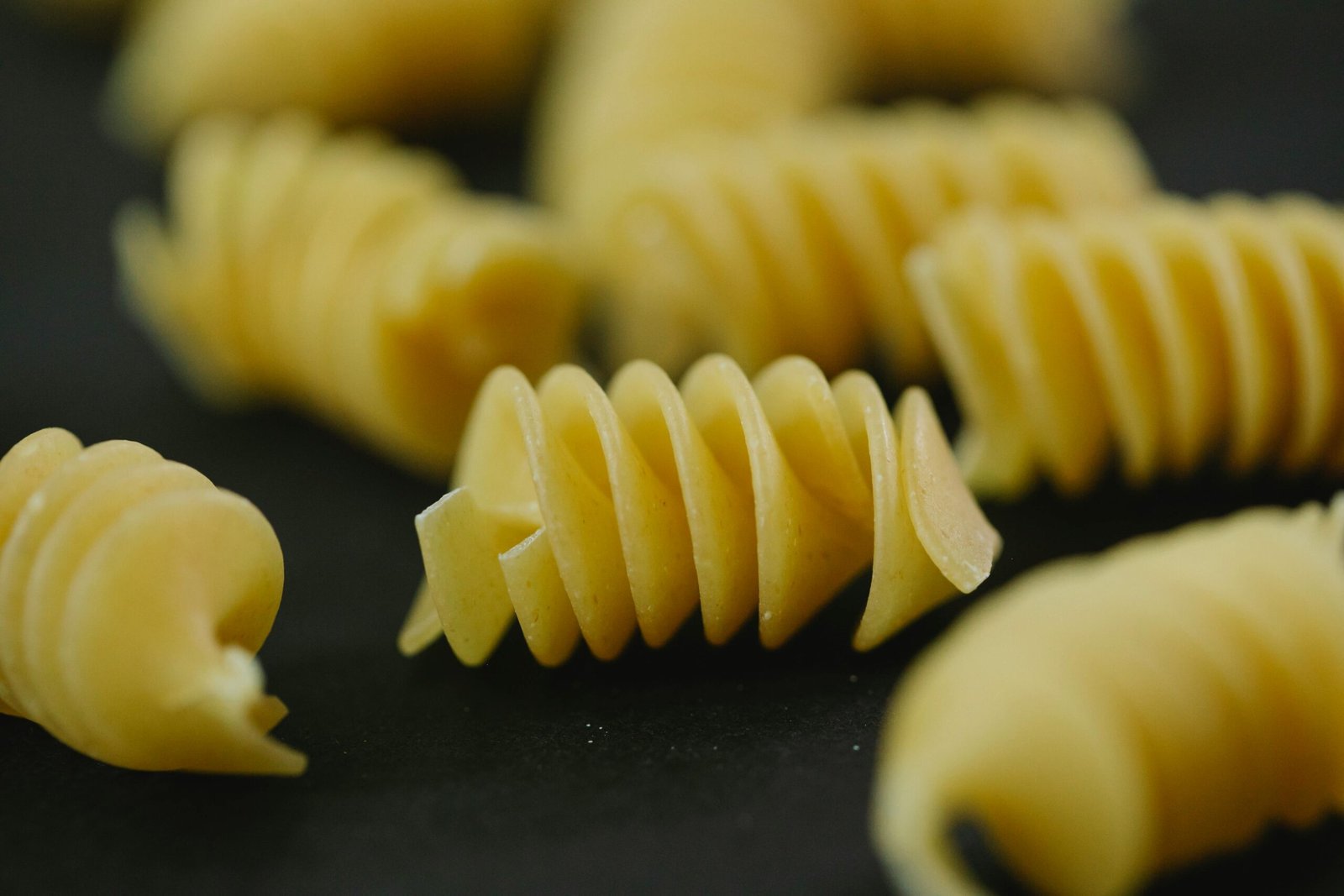
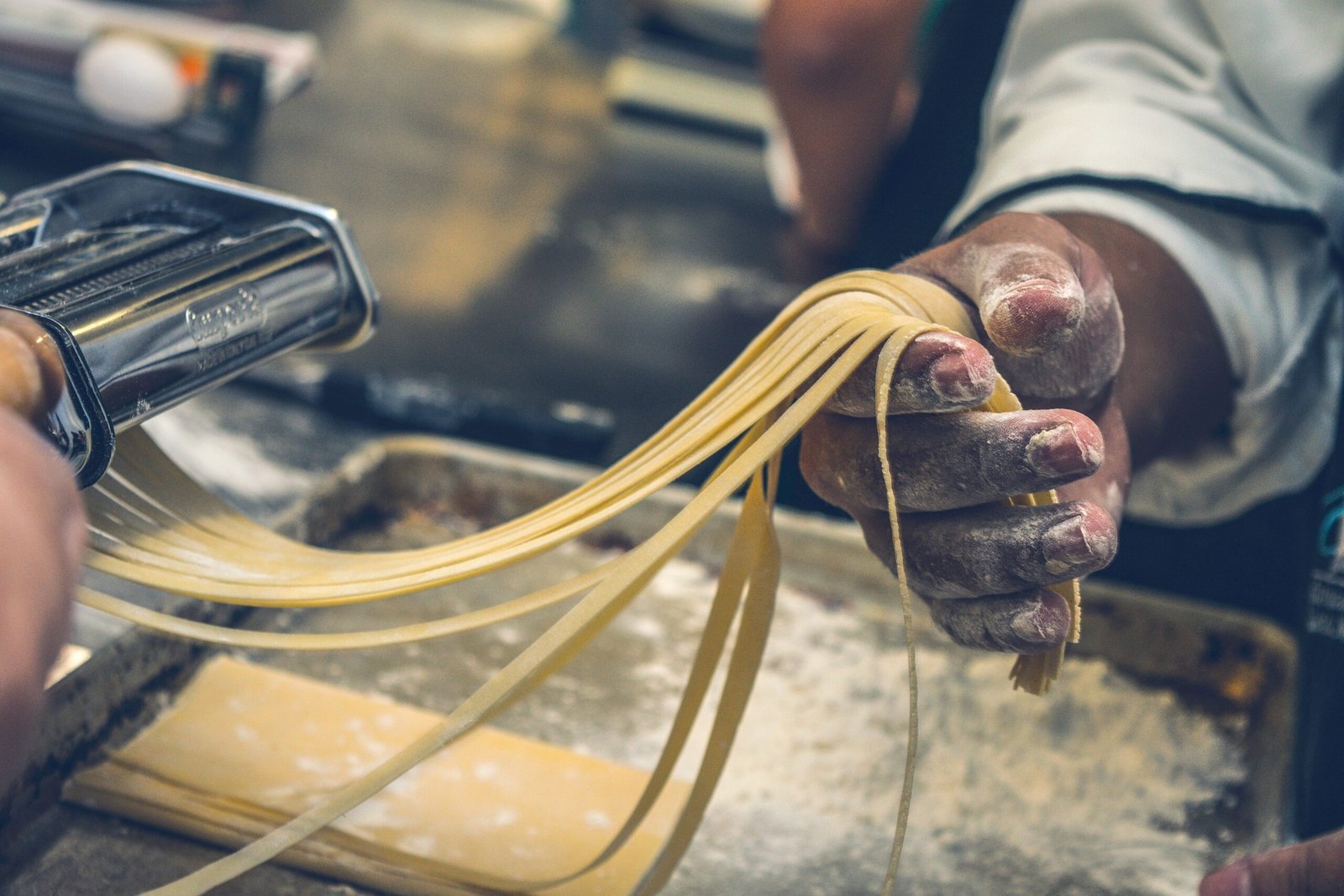
When it comes to pasta, the variety is extensive, ranging from dried spaghetti to fresh fettuccine. Each type has its unique purpose and texture, making it important to select the right pasta for your recipes. Moreover, incorporating cheeses such as Parmigiano-Reggiano or mozzarella can elevate a dish to new heights, offering creaminess and savory undertones.
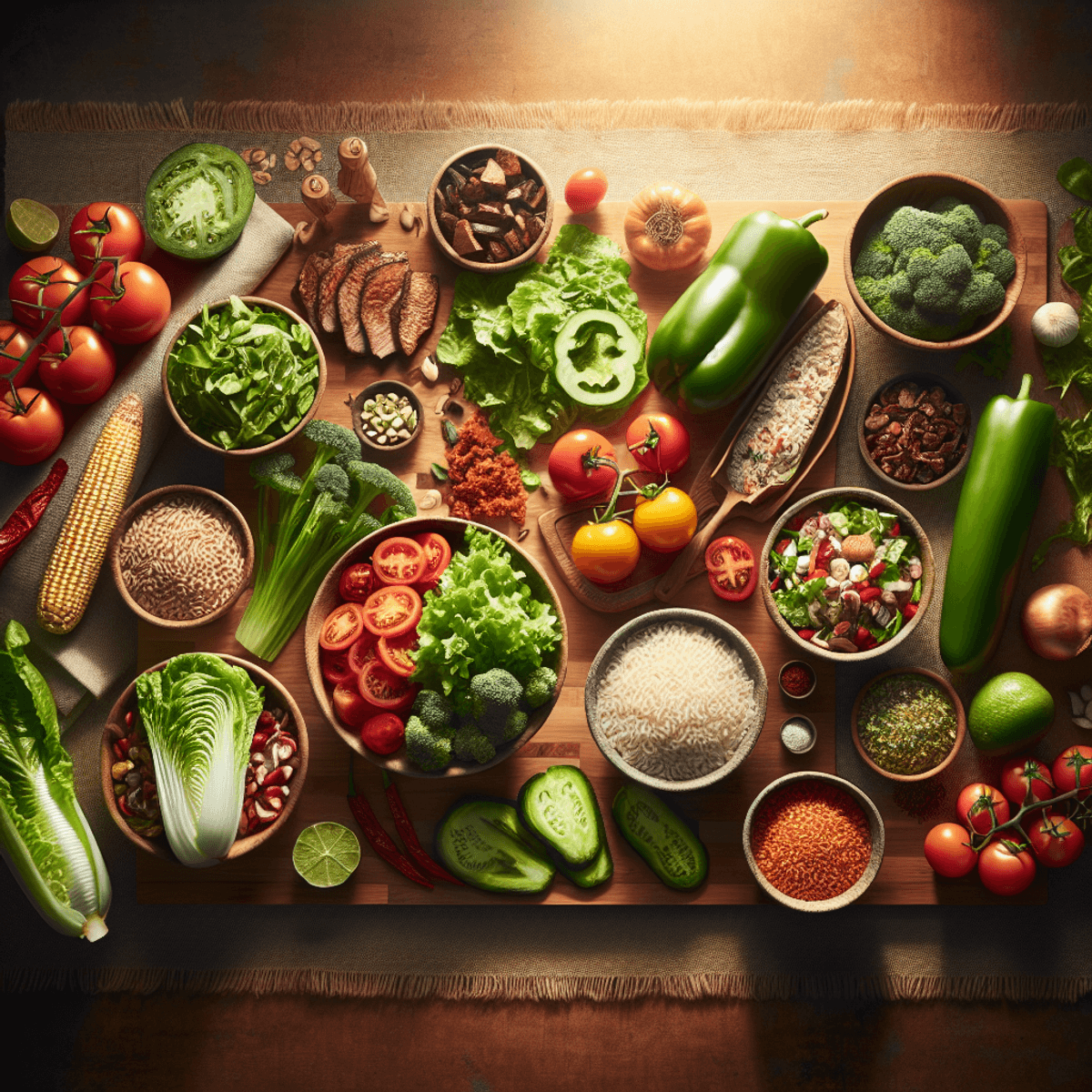
Lastly, the use of fresh, seasonal vegetables can brighten and balance flavors in Italian cooking. Items like tomatoes, bell peppers, and zucchini not only contribute nutrients but also enhance the overall essence of the dish. If fresh produce is not available, frozen or canned options can serve as reasonable substitutes, particularly when crafted into sauces and soups.
By focusing on these essential ingredients, home cooks can create delicious Italian recipes that embody the heart of this cherished culinary tradition.
Simple Italian Recipes You Can Easily Make at Home
Italian cuisine is renowned for its robust flavors and simple preparation methods, making it accessible for home cooks of all skill levels. Here, we present a selection of easy Italian recipes that can be prepared with minimal effort while still delighting the palate.
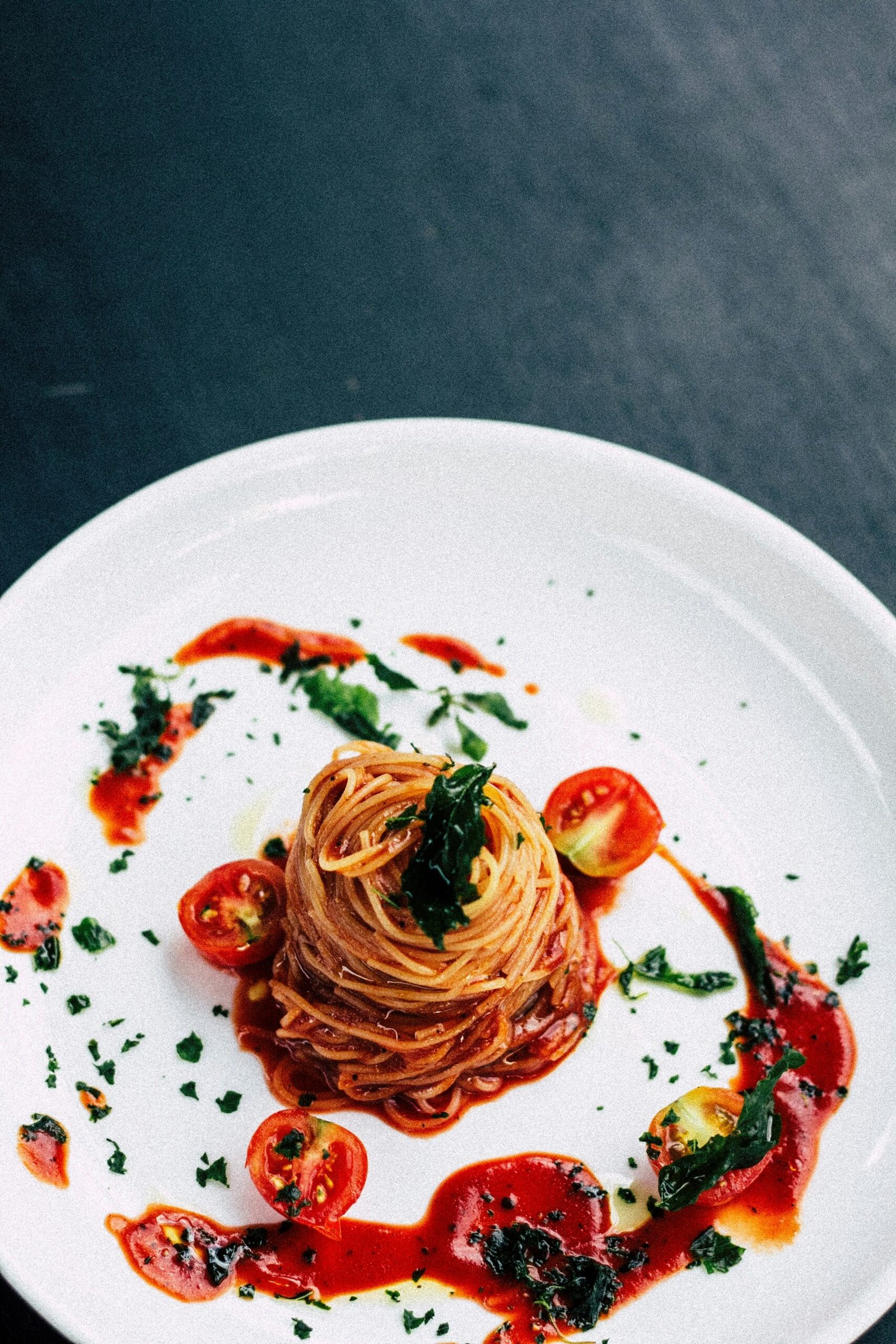
One of the most straightforward dishes to start with is Spaghetti Aglio e Olio. For this dish, you need just a few ingredients: spaghetti, garlic, olive oil, red pepper flakes, and parsley. Begin by boiling water and cooking the spaghetti until al dente. In a separate pan, heat olive oil and gently sauté minced garlic until golden, then add red pepper flakes for a kick. Combine the drained spaghetti with the garlic oil, toss in chopped parsley, and serve with a sprinkle of Parmesan cheese.
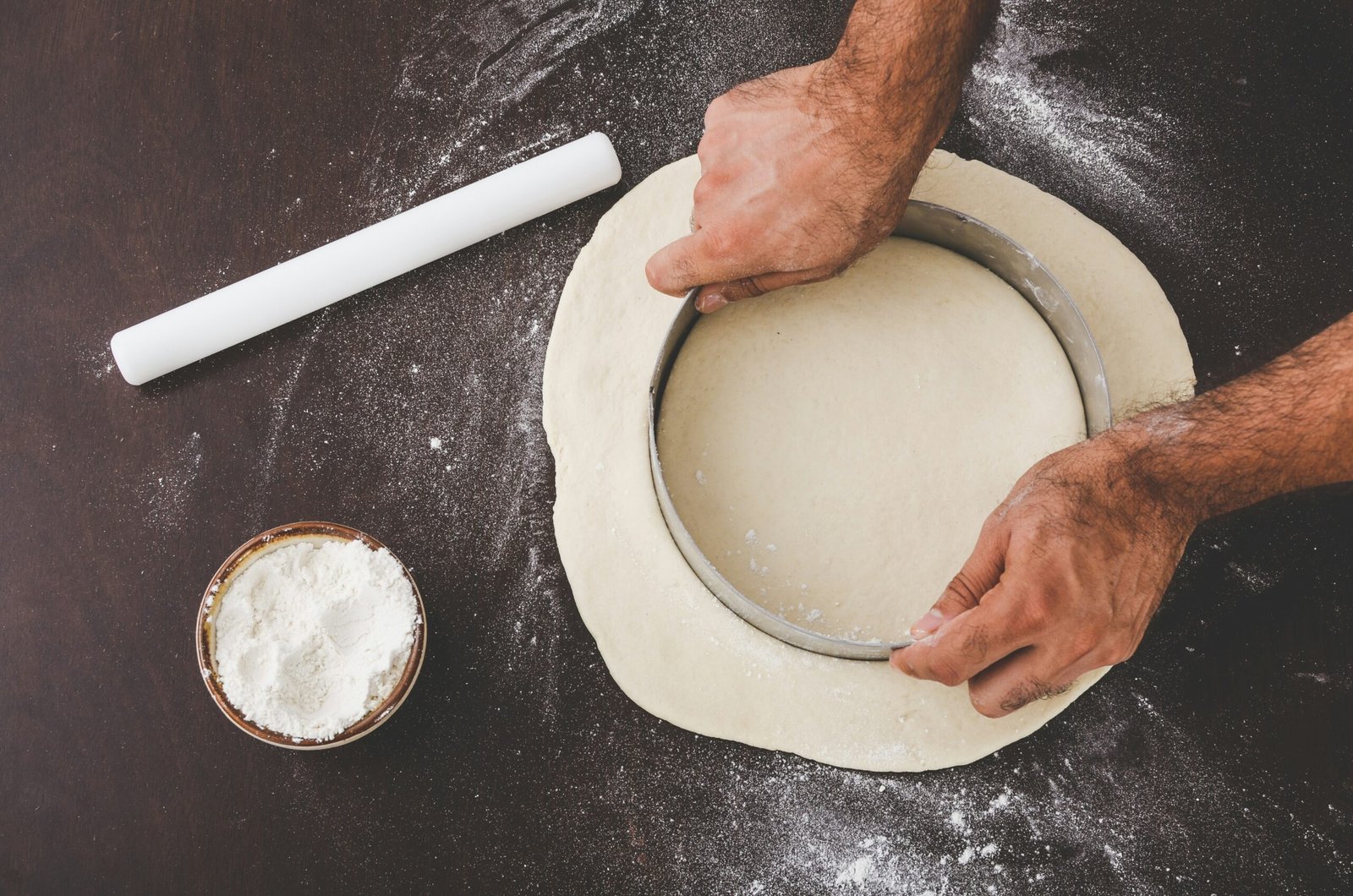
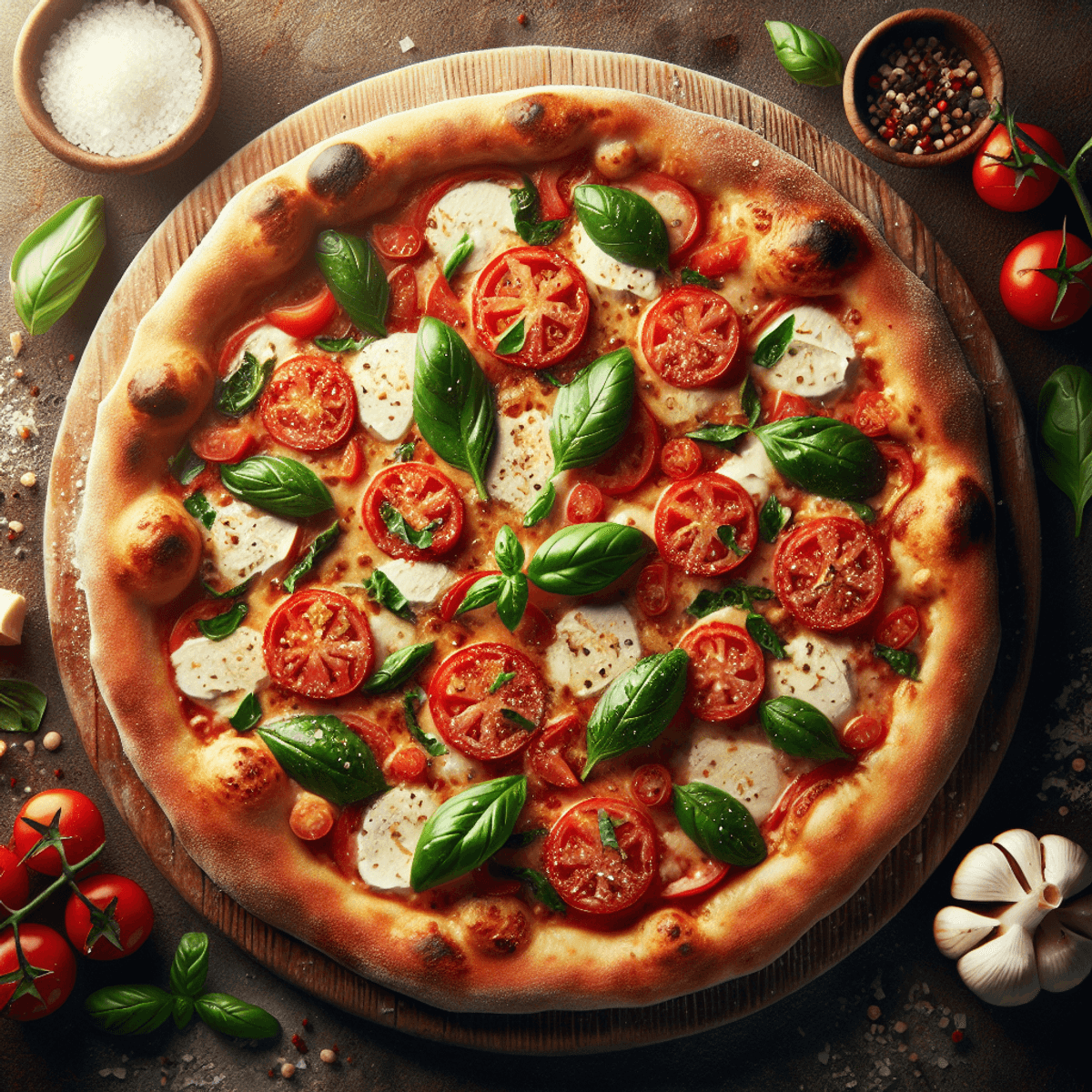
Another classic option is Margherita Pizza. Preheat your oven to its highest setting. Roll out a thin pizza dough and top it with fresh tomato sauce, slices of mozzarella cheese, and fresh basil leaves. Bake until the crust is golden and the cheese is bubbling. This dish captures the essence of Italy with its simplicity and freshness.
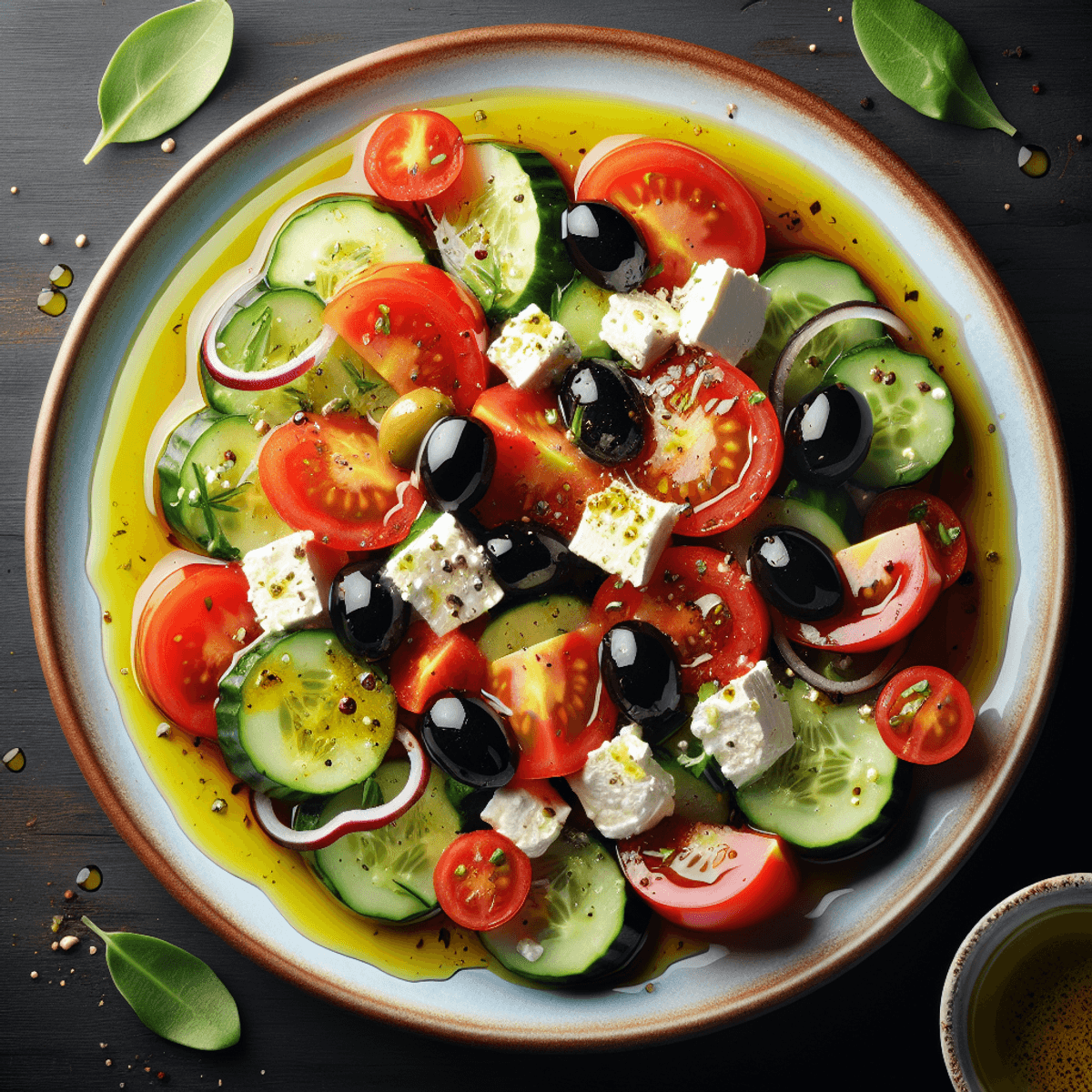
For a refreshing appetizer, consider making Caprese Salad. Slice fresh mozzarella and tomatoes, and layer them with basil leaves. Drizzle with high-quality olive oil and balsamic vinegar for a delightful balance of flavors. This salad is not only easy to prepare but also visually appealing.
Finally, no Italian meal would be complete without a sweet ending. Tiramisu is a decadent dessert that can be made with ladyfingers, espresso, mascarpone cheese, and cocoa powder. Layer the soaked ladyfingers with a rich mascarpone mixture, dust with cocoa powder, and refrigerate. The result is a luxurious dessert that feels indulgent yet requires minimal effort.
These simple Italian recipes demonstrate that delicious and authentic meals can be created at home without extensive culinary techniques, making them perfect for everyday cooking.
Tips for Mastering Italian Cooking at Home
Italian cuisine is deeply rooted in tradition, yet it offers endless possibilities for creativity and customization. To elevate your Italian cooking skills, begin with mastering the basics of pasta preparation. Always use a large pot for boiling pasta, as this allows it to cook more evenly and prevents it from sticking together. Ensure the water is sufficiently salted; this is crucial as it infuses the pasta with flavor. When cooking, follow the package instructions but aim for ‘al dente’ texture, which allows the pasta to maintain a firm bite, essential for authenticity.
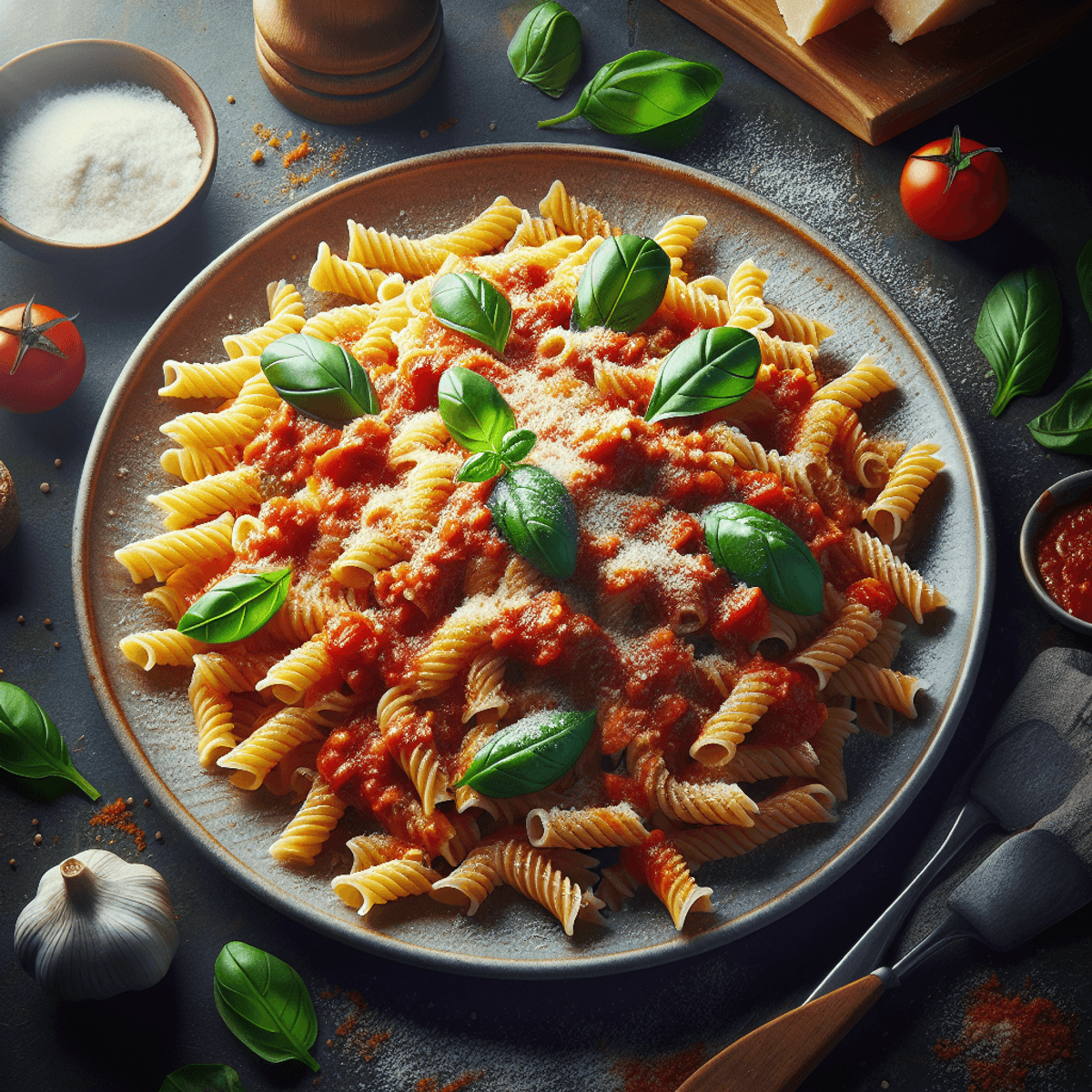
Next, focus on preparing a truly flavorful tomato sauce. Select ripe tomatoes or high-quality canned varieties, as they significantly impact the sauce’s overall taste. Sauté onions and garlic in olive oil before adding your tomatoes, and allow the mixture to simmer gently. This simple technique helps to develop a rich flavor profile. Additionally, don’t hesitate to experiment with fresh herbs like basil or oregano, and a touch of red pepper flakes for added depth, allowing each sauce to reflect your unique preferences.
Layering flavors is a fundamental aspect of Italian cooking. Incorporate aromatic ingredients like shallots, herbs, or even anchovies into your dishes early on to build complexity. This principle applies not only to sauces but also to risottos and casseroles. Tasting and adjusting seasonings throughout the cooking process is critical. Whole-leaf herbs should be added at the end of cooking to preserve their freshness, while dried spices can be introduced at the beginning. Lastly, embrace experimentation; attempt swapping out ingredients or modifying proportions in classic recipes. This flexibility will foster a deeper appreciation for Italian cuisine while encouraging your unique culinary style to flourish.