Understanding Italian Cuisine and Wine Pairing Basics
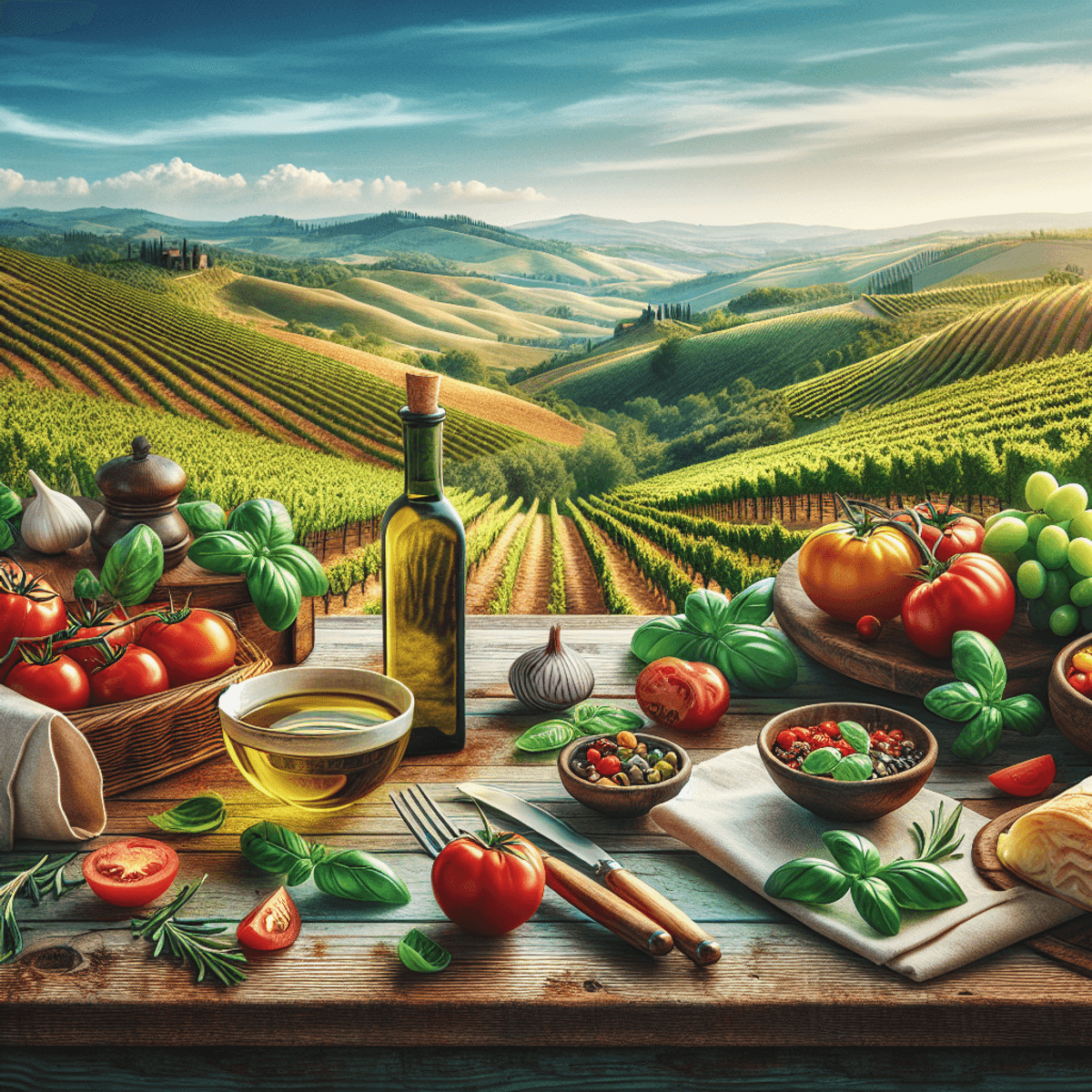
Italian cuisine is renowned for its rich diversity, encompassing a vast array of regional flavors, ingredients, and culinary traditions. The key components that define Italian dishes include high-quality olive oil, ripe tomatoes, fresh herbs, and various cheeses. Each region of Italy boasts unique specialties, such as the rich, creamy sauces of the north, like those found in dishes from Lombardy, to the robust and spicy flavors prevalent in the south, particularly in Calabria and Sicily. Understanding these regional differences is crucial to selecting appropriate wine pairings.
Wine pairing is an art that requires consideration of the dish’s flavor profile, ingredient composition, and preparation method. The fundamental principle of successfully pairing wine with Italian fare is to achieve balance and harmony. Acidity plays a pivotal role in this balance; for instance, high-acid wines can complement rich and fatty dishes, cutting their richness and enhancing their flavors. Conversely, full-bodied wines pair well with hearty dishes, providing a satisfying counterbalance to the meal’s intensity.
Another essential factor to consider in wine pairing is the wine’s body, which refers to the texture and weight of the wine in relation to the dish. Lighter wines, such as Pinot Grigio, work well with delicate pastas and seafood, while fuller-bodied options, such as Barolo, are suited for robust meat dishes like Osso Buco. The taste intensity must also align; stronger flavors in the dish can overpower lighter wines, necessitating the selection of bolder varietals to maintain balance.
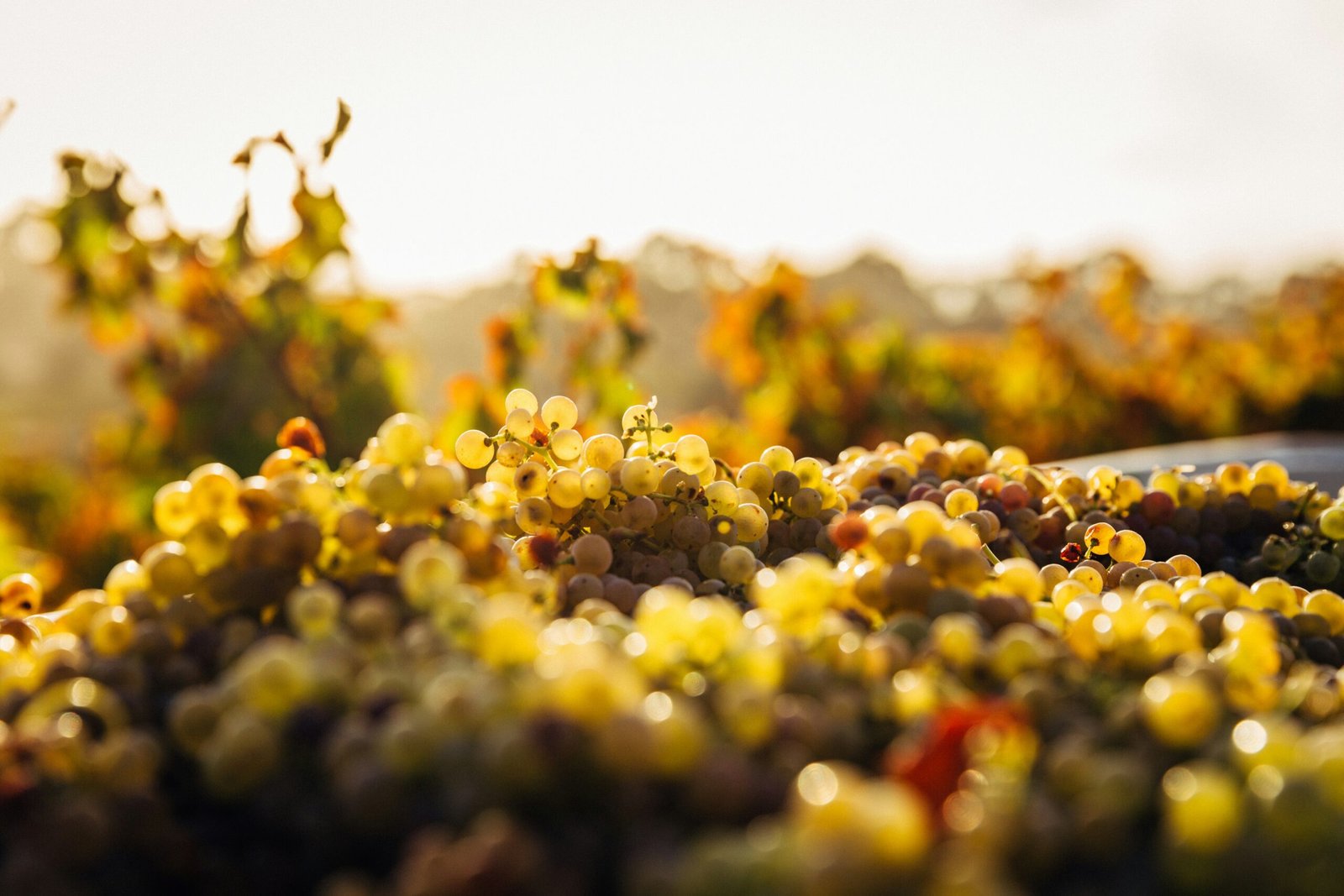
Italy is home to several traditional wine regions, each producing distinctive varietals that are closely associated with local cuisine. For instance, Tuscany is famous for its Sangiovese wines, often enjoyed with classic tomato-based dishes. Understanding these regional characteristics will serve as a valuable foundation for exploring specific wine pairings in the sections that follow.
Pairing Wines with Pasta Dishes
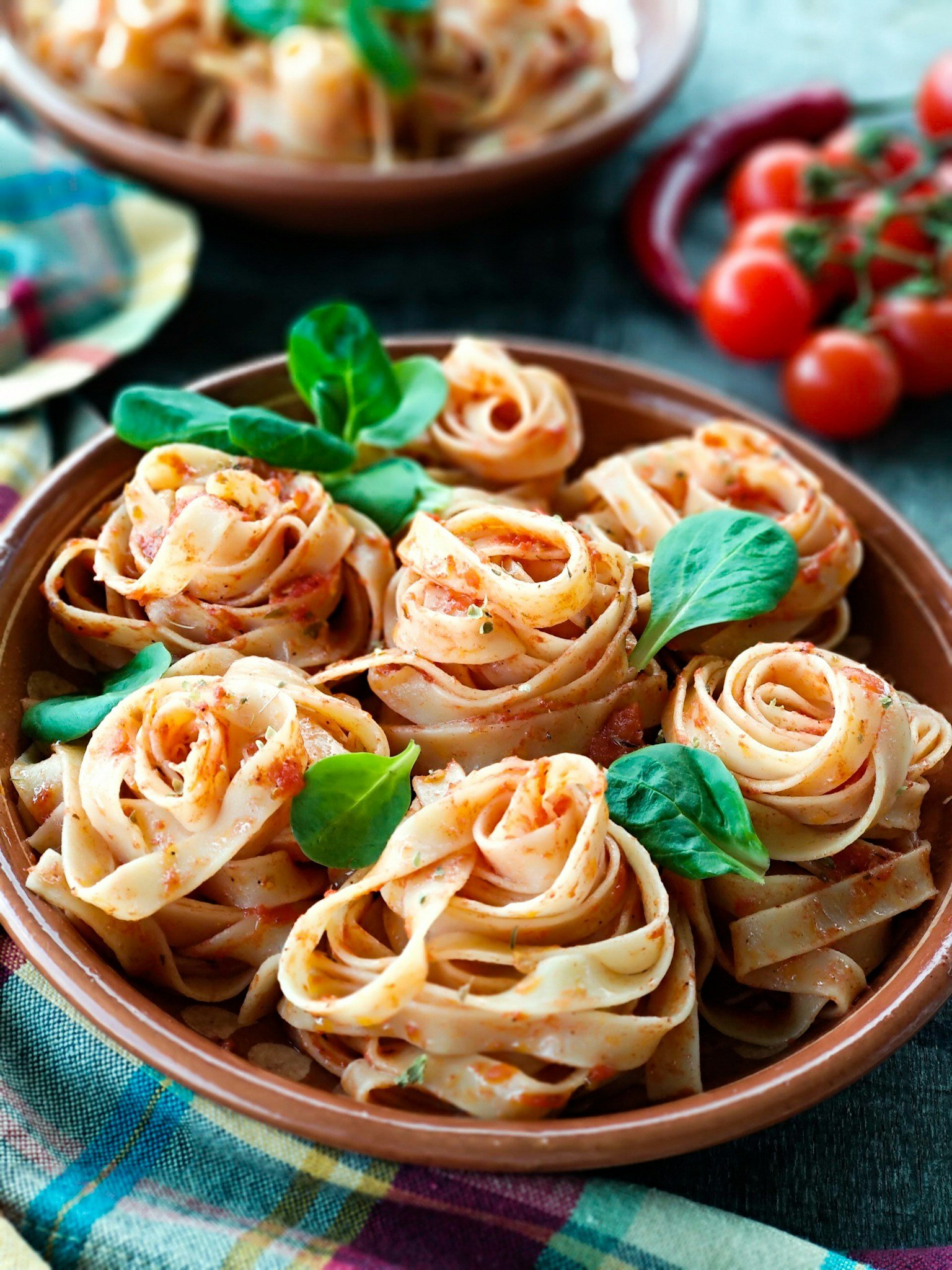
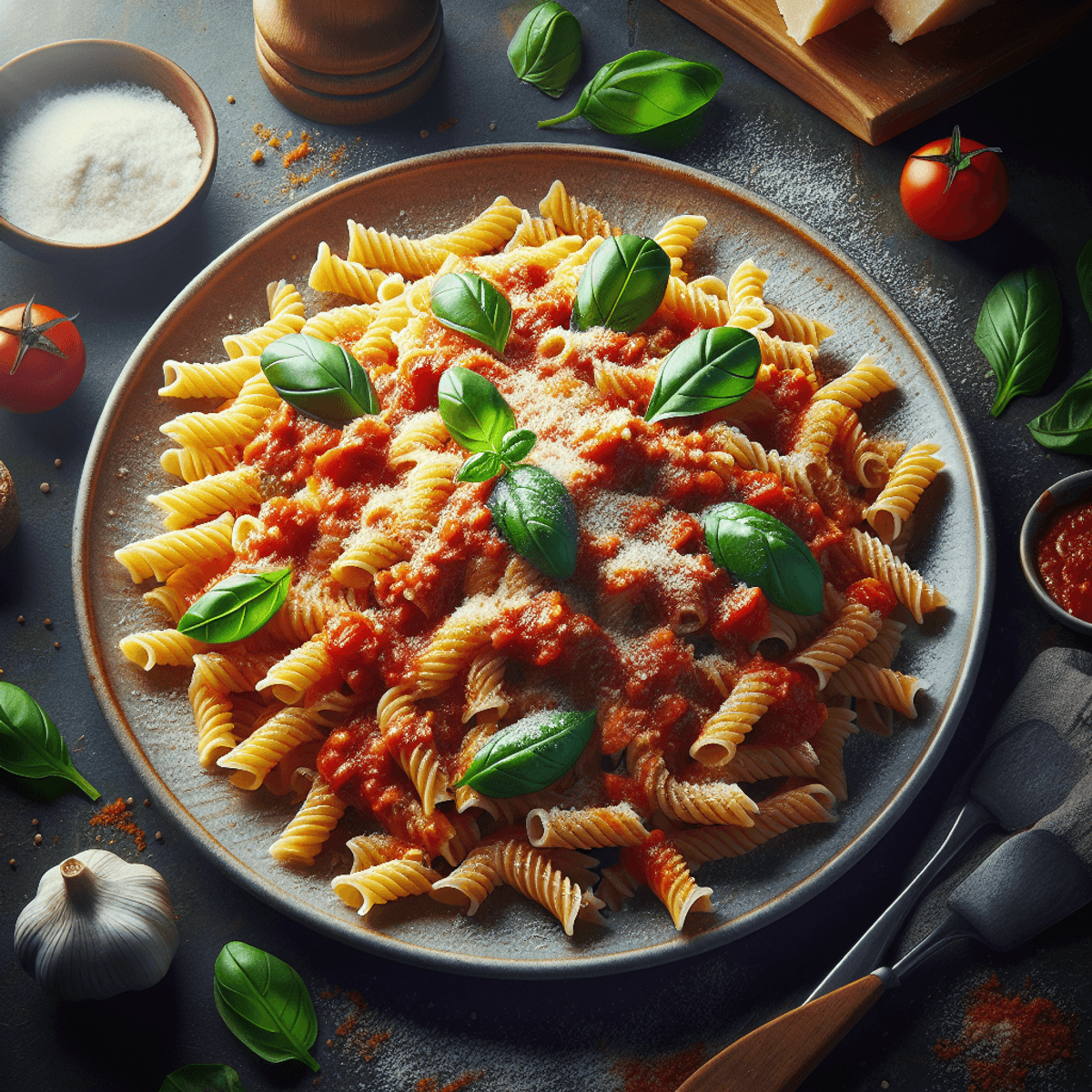
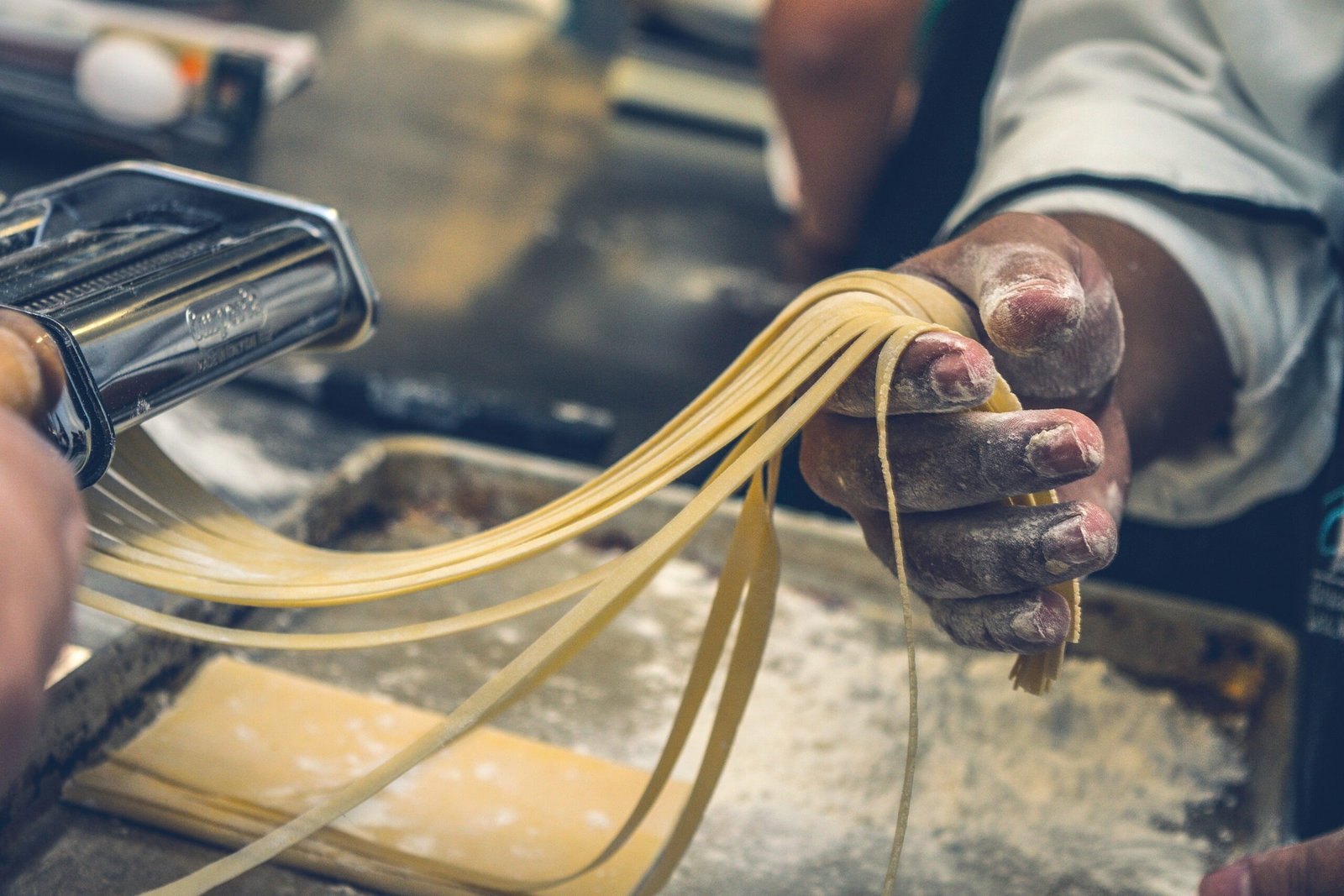
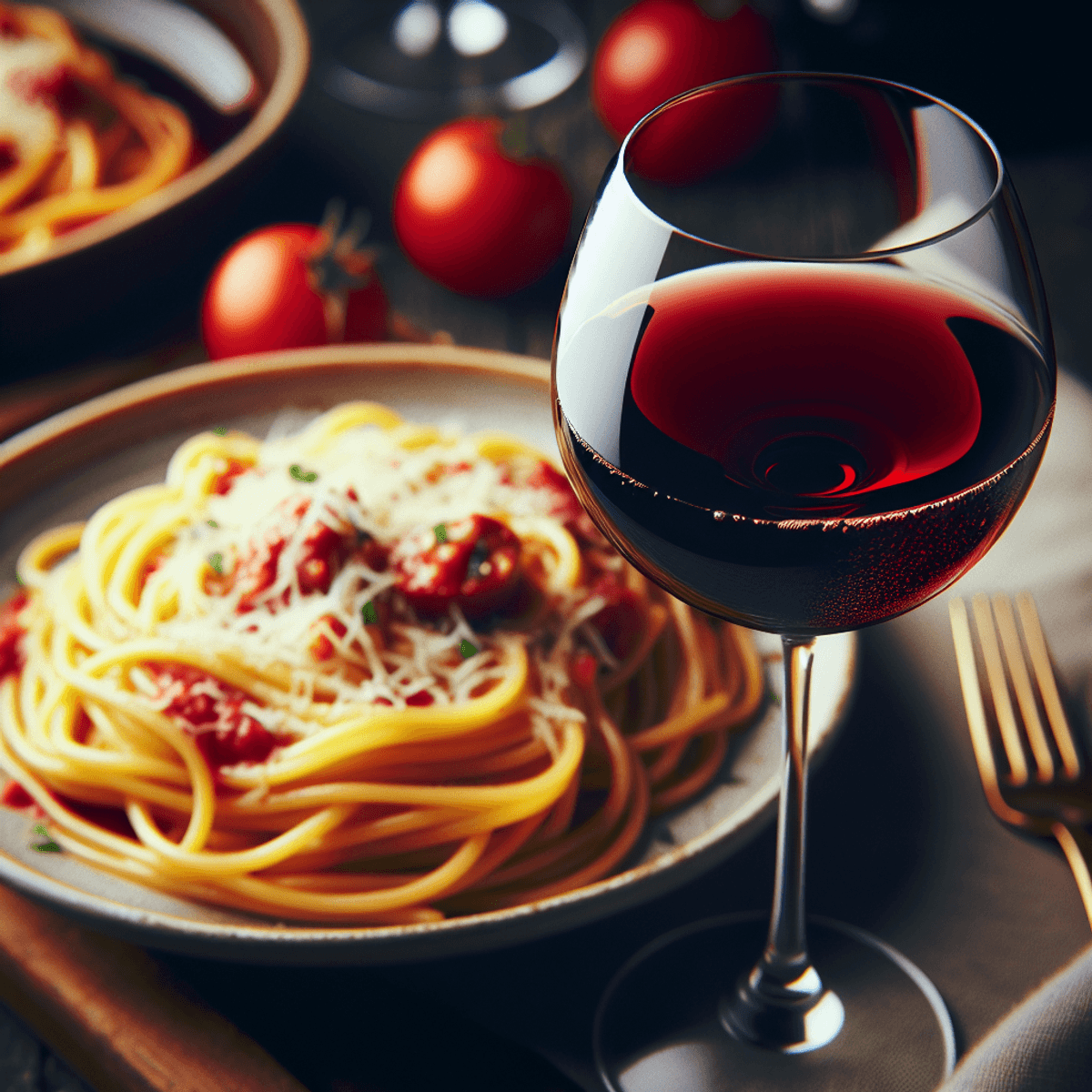
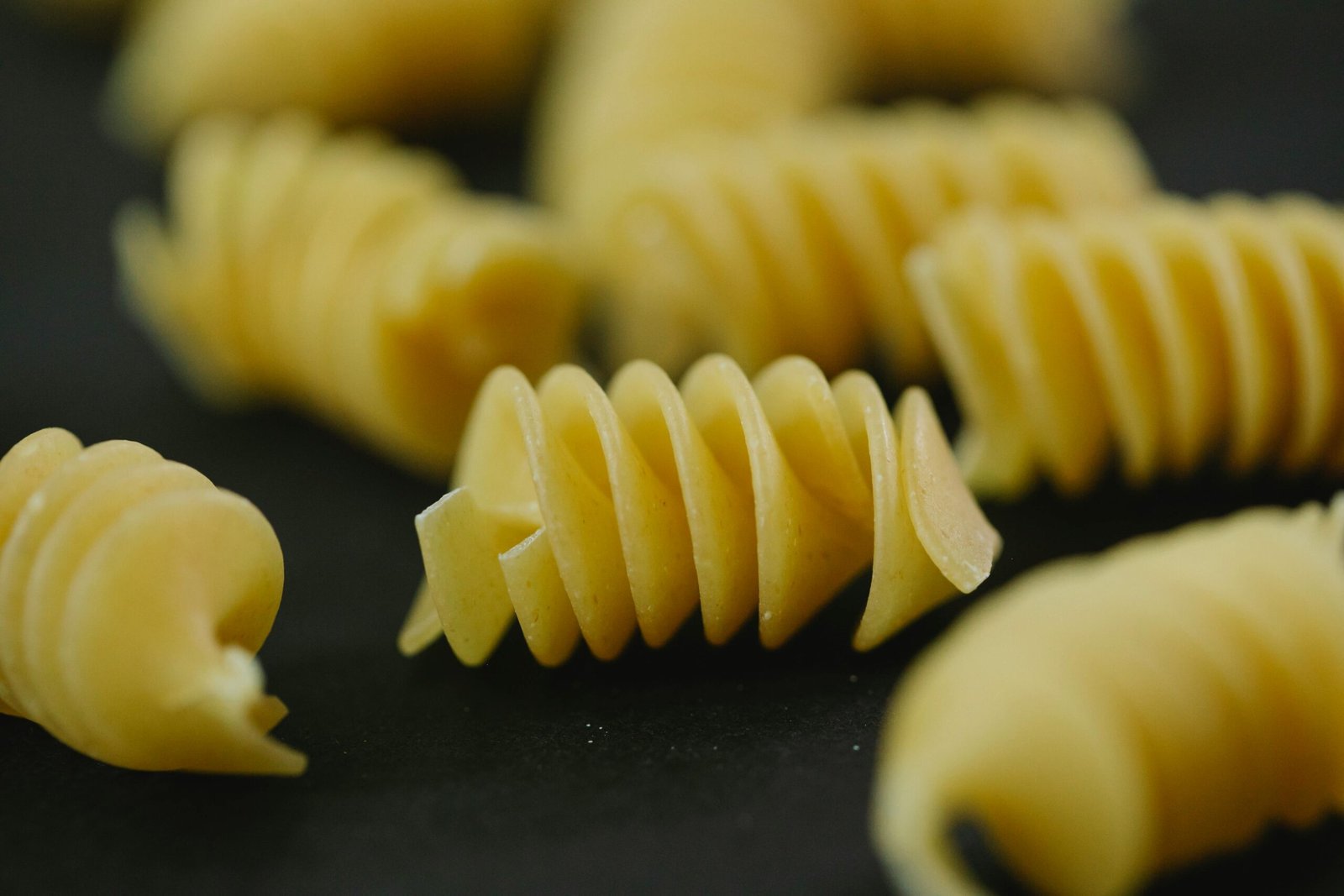
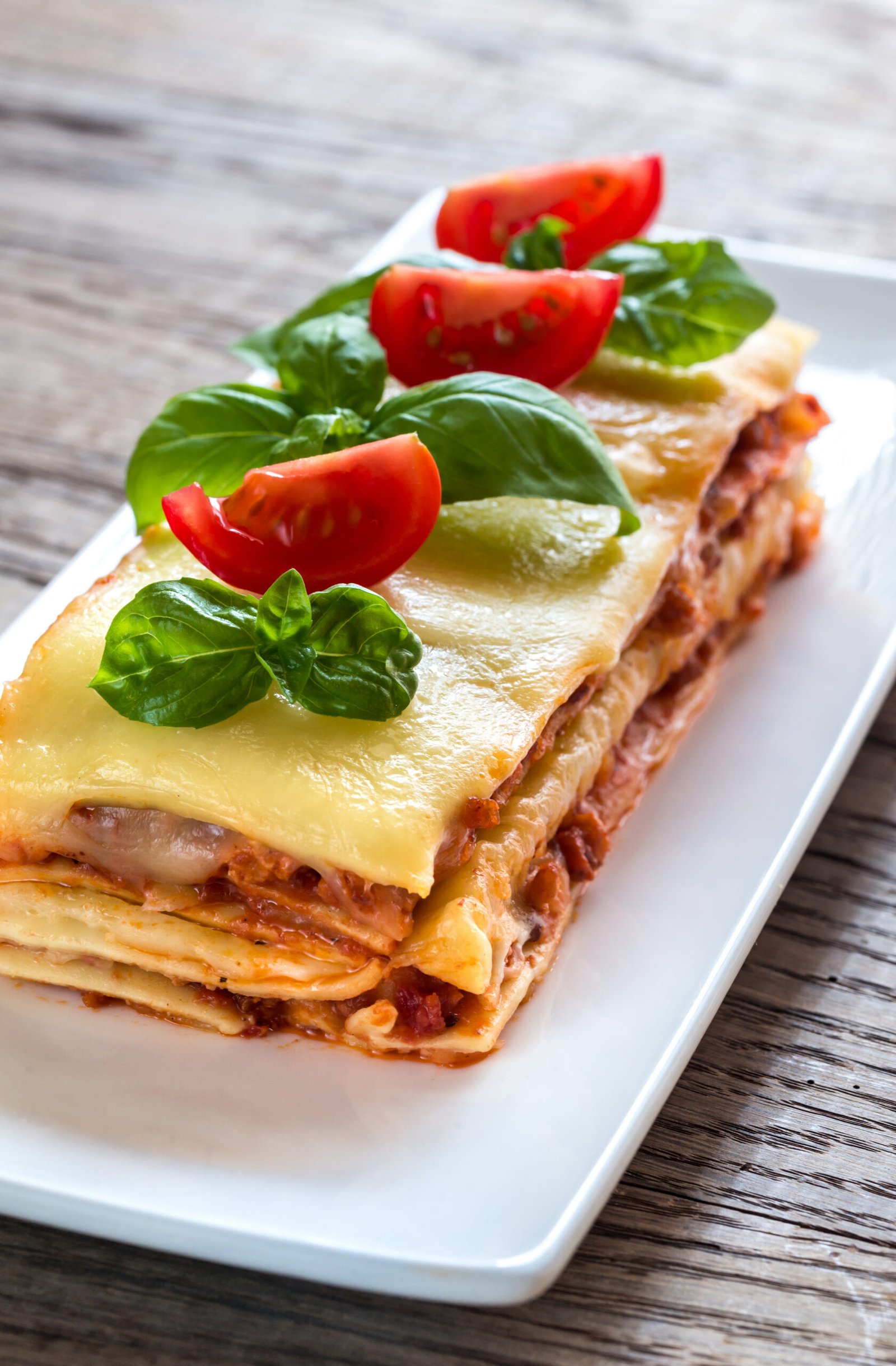
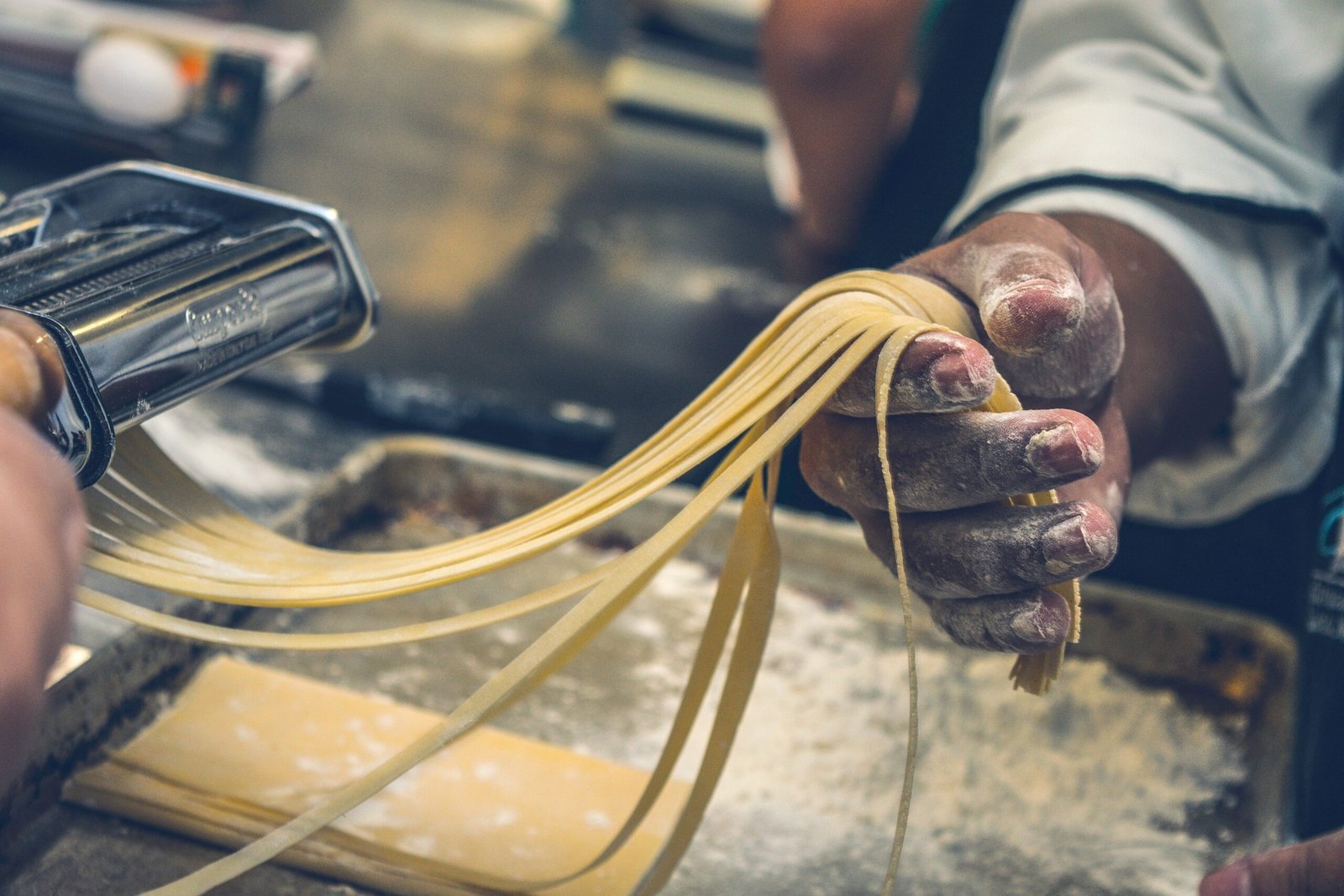
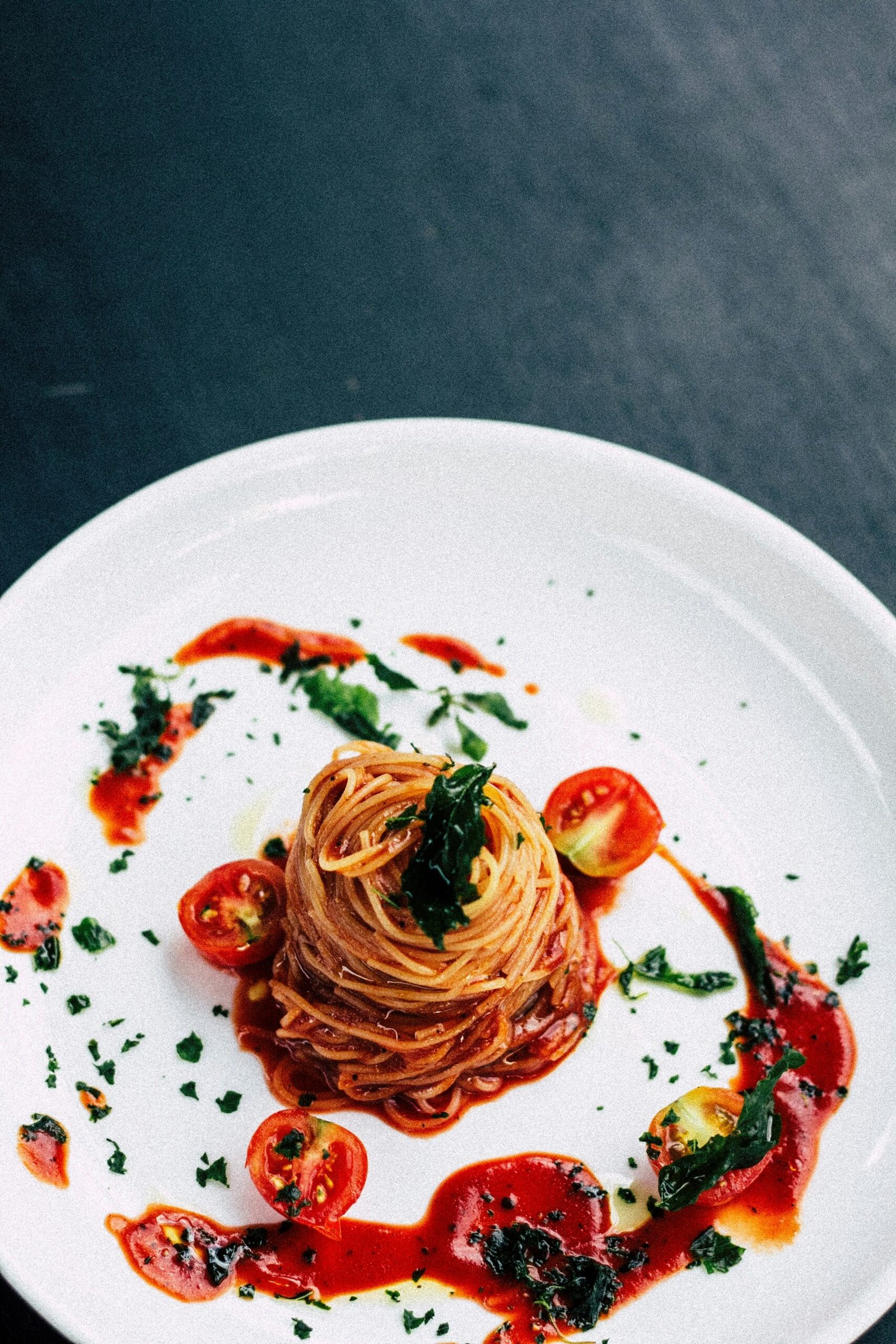
Pasta is a cornerstone of Italian cuisine, presenting an array of flavors, textures, and preparation methods that can be successfully enhanced through thoughtful wine pairings. The type and richness of the sauce play significant roles in selecting complementary wines. For instance, a classic marinara sauce, characterized by its tomato base and zesty acidity, pairs brilliantly with a Chianti. This medium-bodied red wine, with its high acidity, harmonizes the tanginess of the tomato while accentuating the dish’s herbal notes.
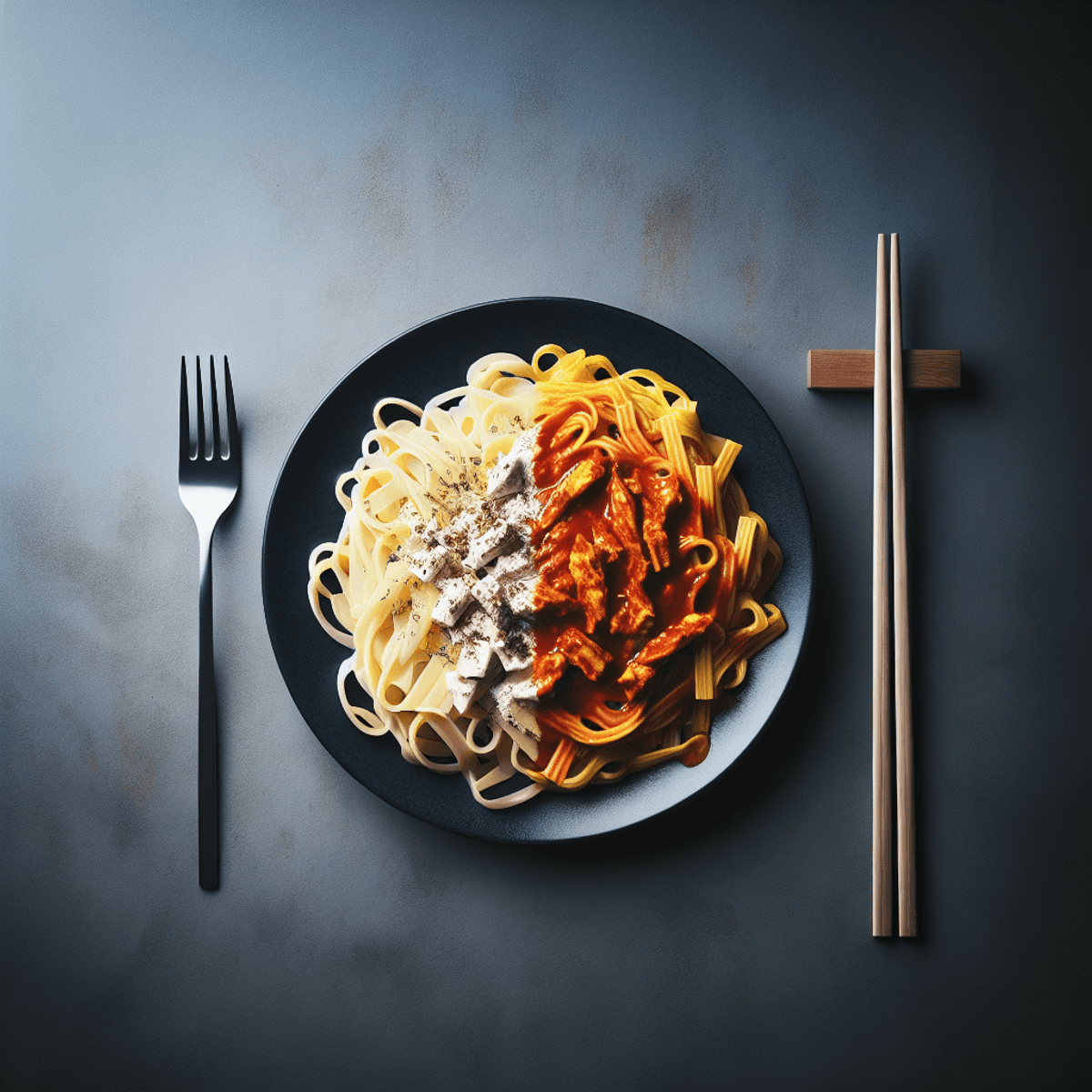
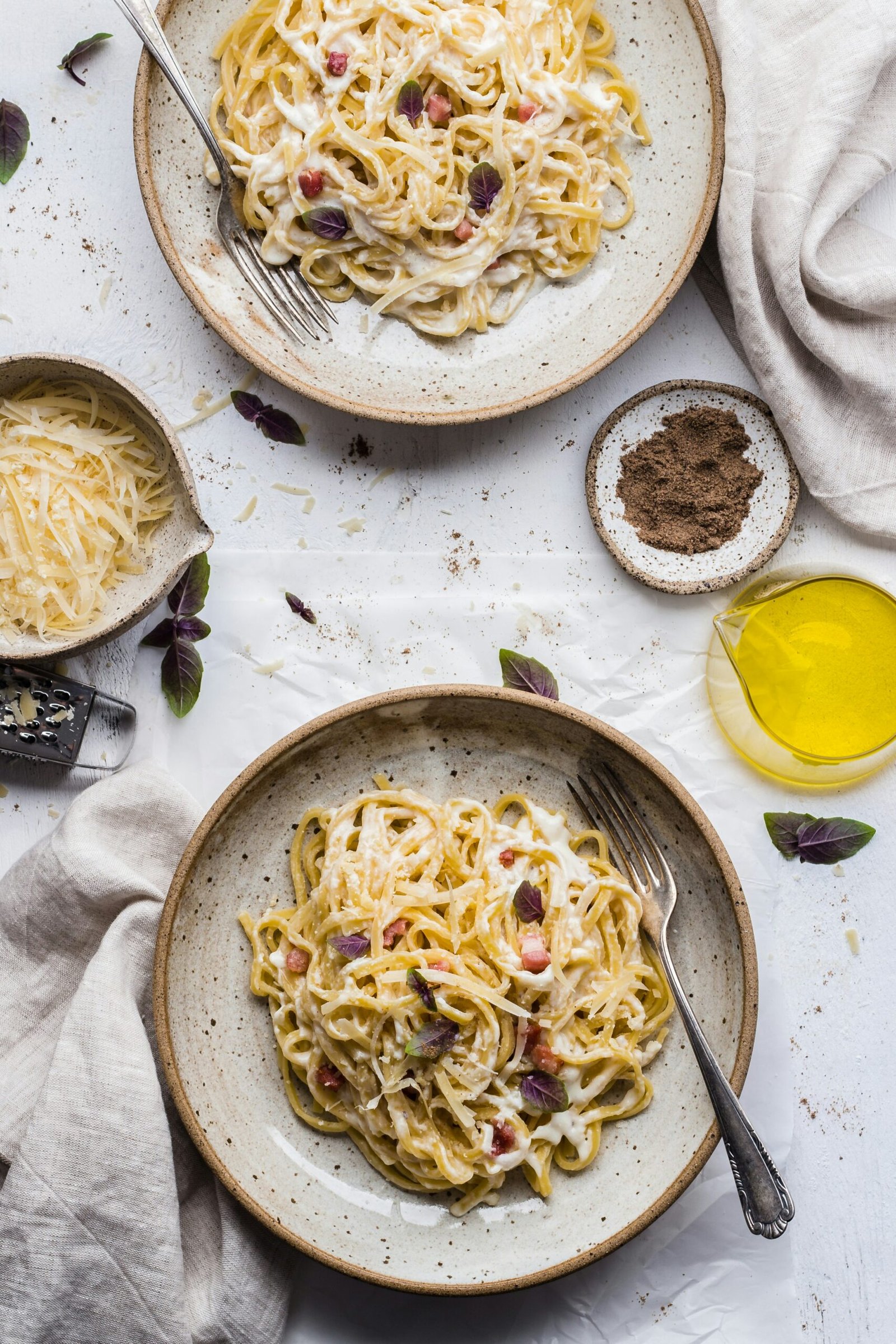
On the other hand, creamy sauces, such as alfredo, require a different approach. An alfredo sauce, rich in butter and cheese, calls for a wine that can match its weight and richness. A Chardonnay, particularly one that has undergone malolactic fermentation, provides a luscious, creamy texture that complements the velvety sauce beautifully. This white wine’s subtle oakiness accentuates the flavors of parmesan and garlic present in the dish, creating an indulgent dining experience.
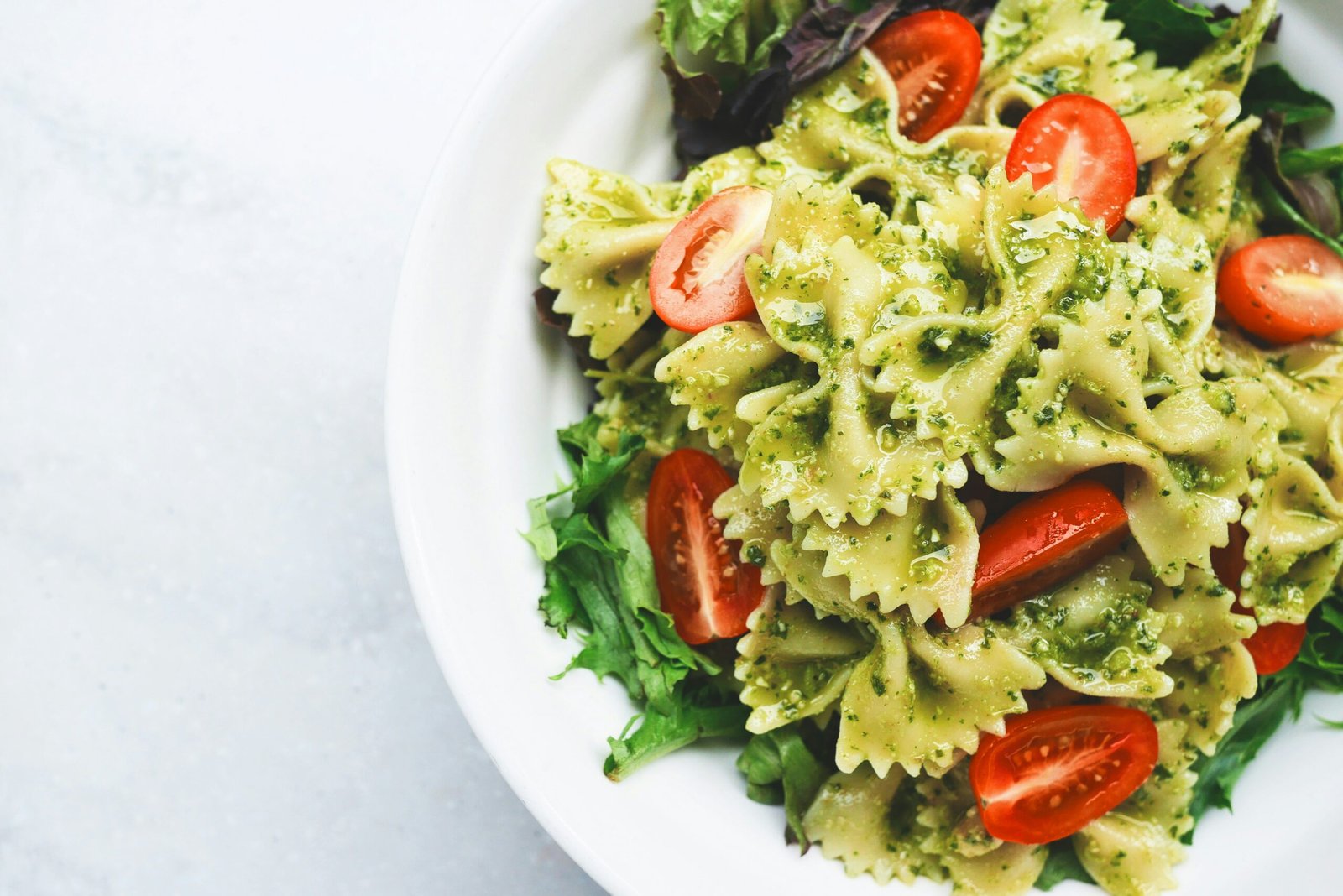
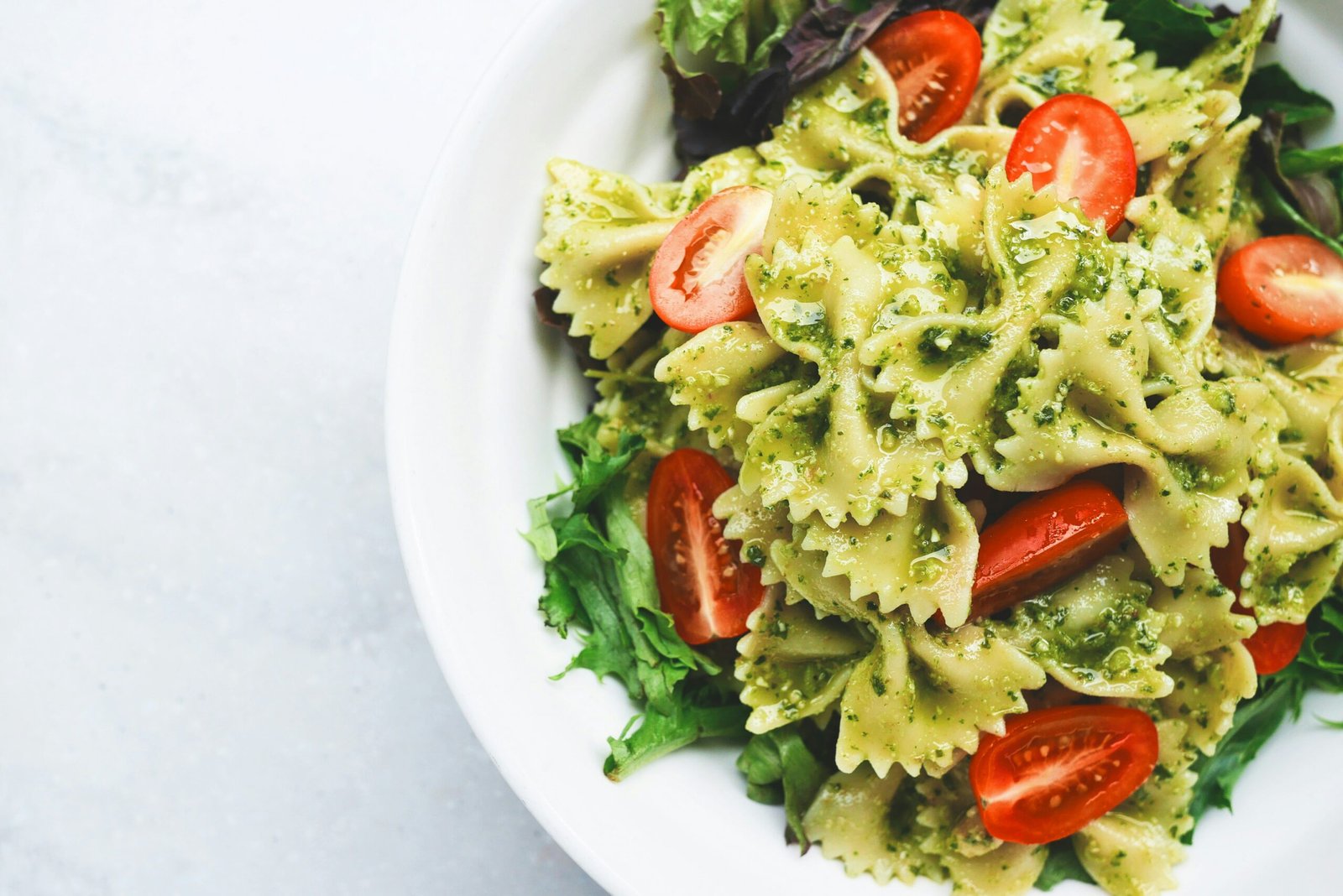
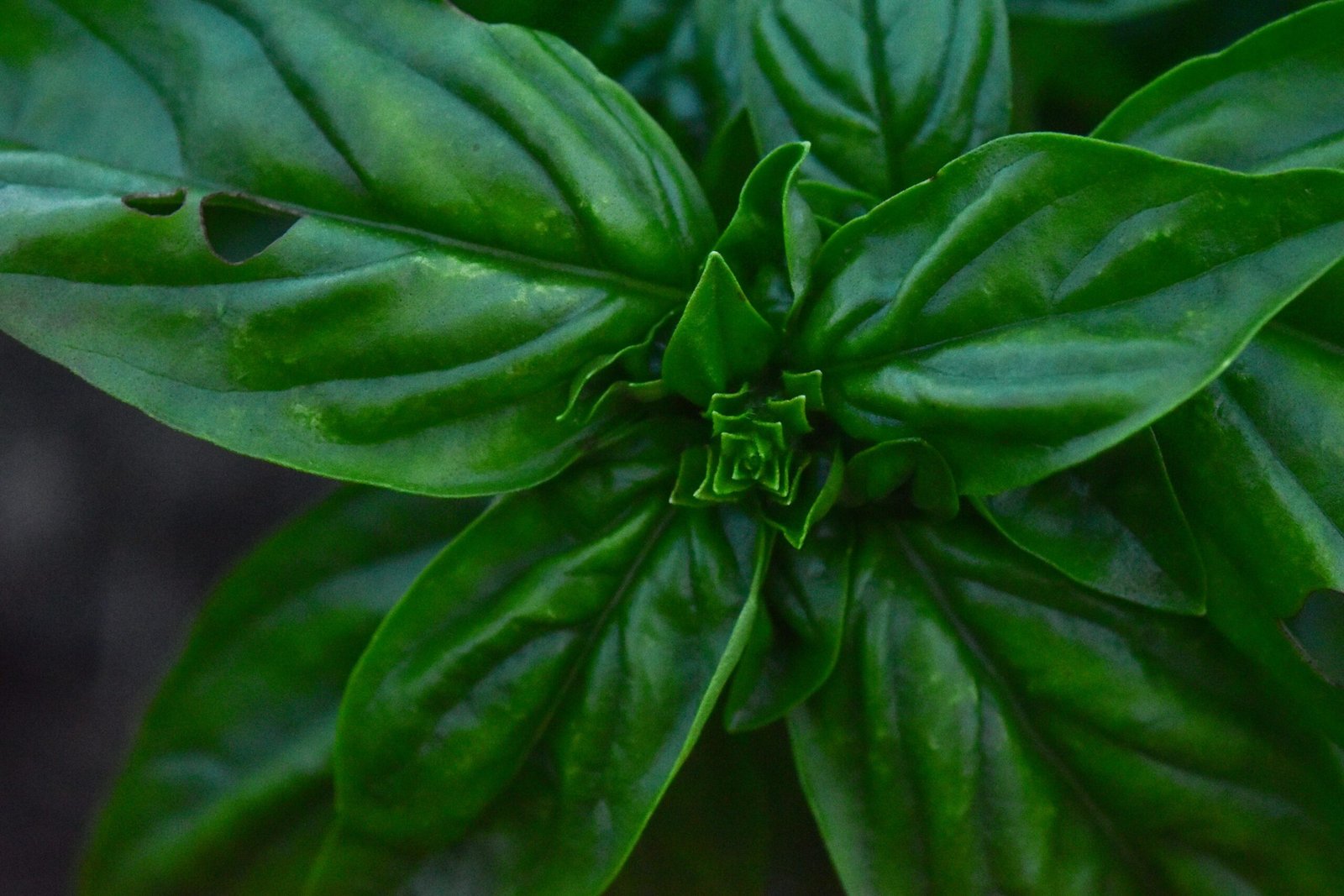
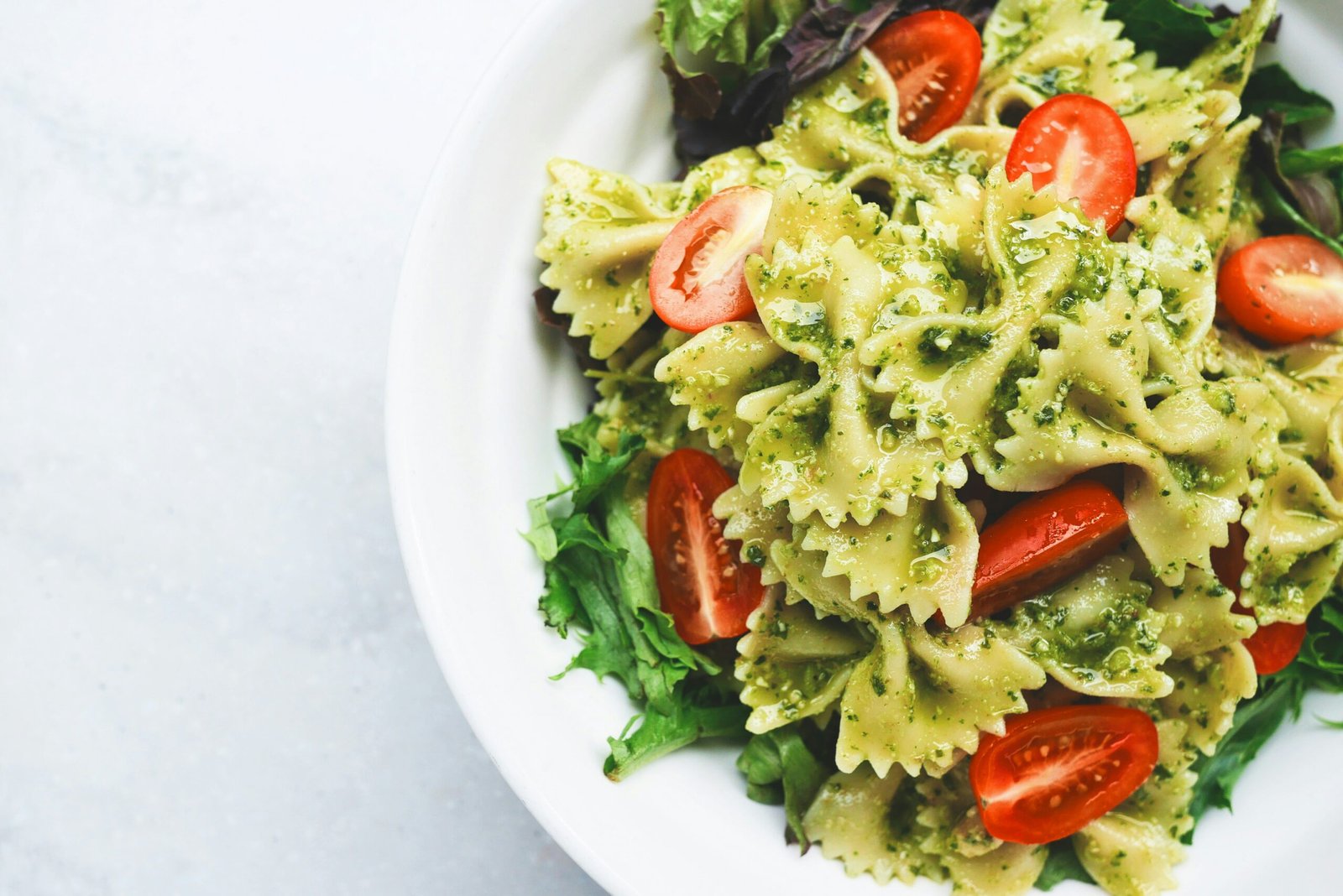
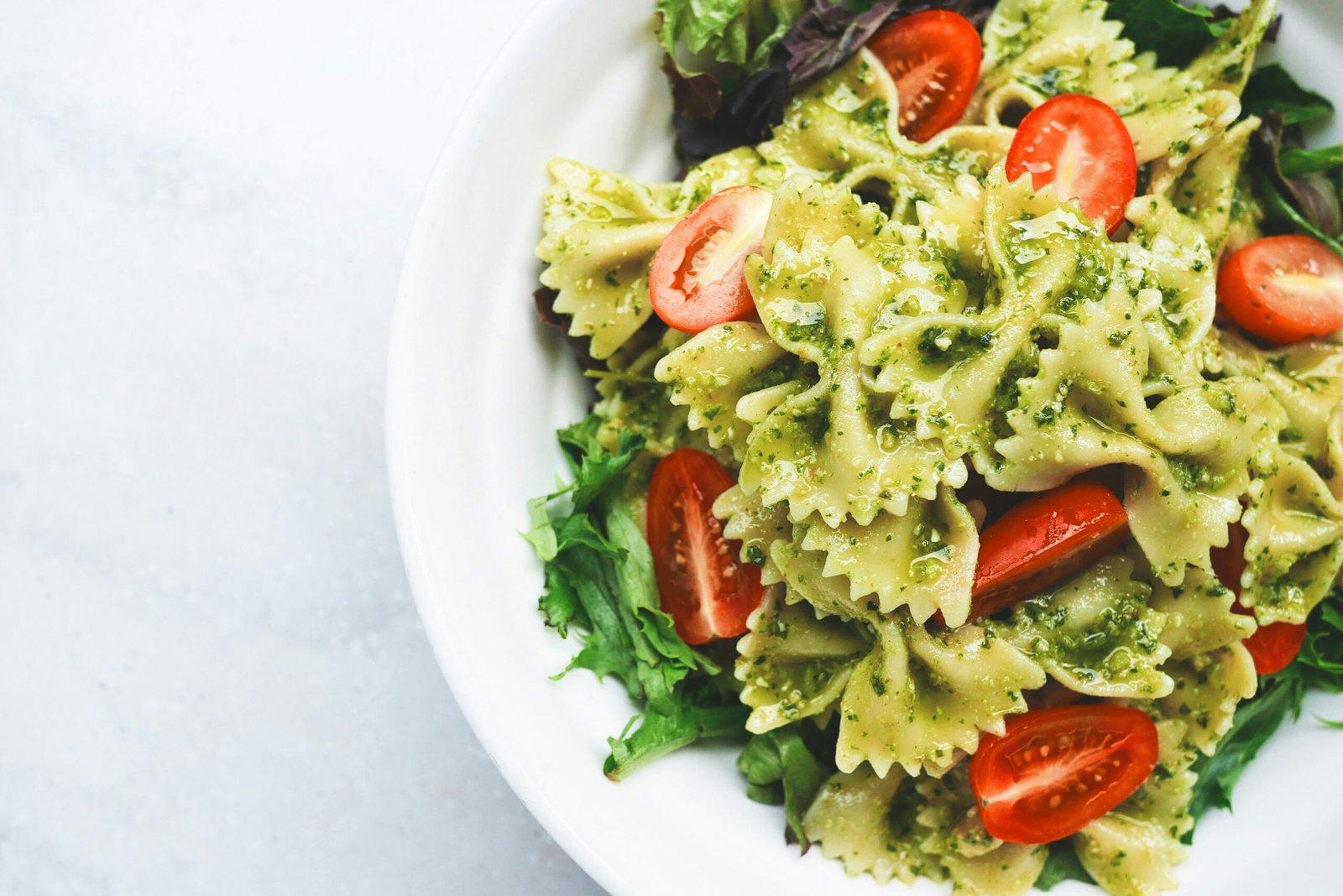
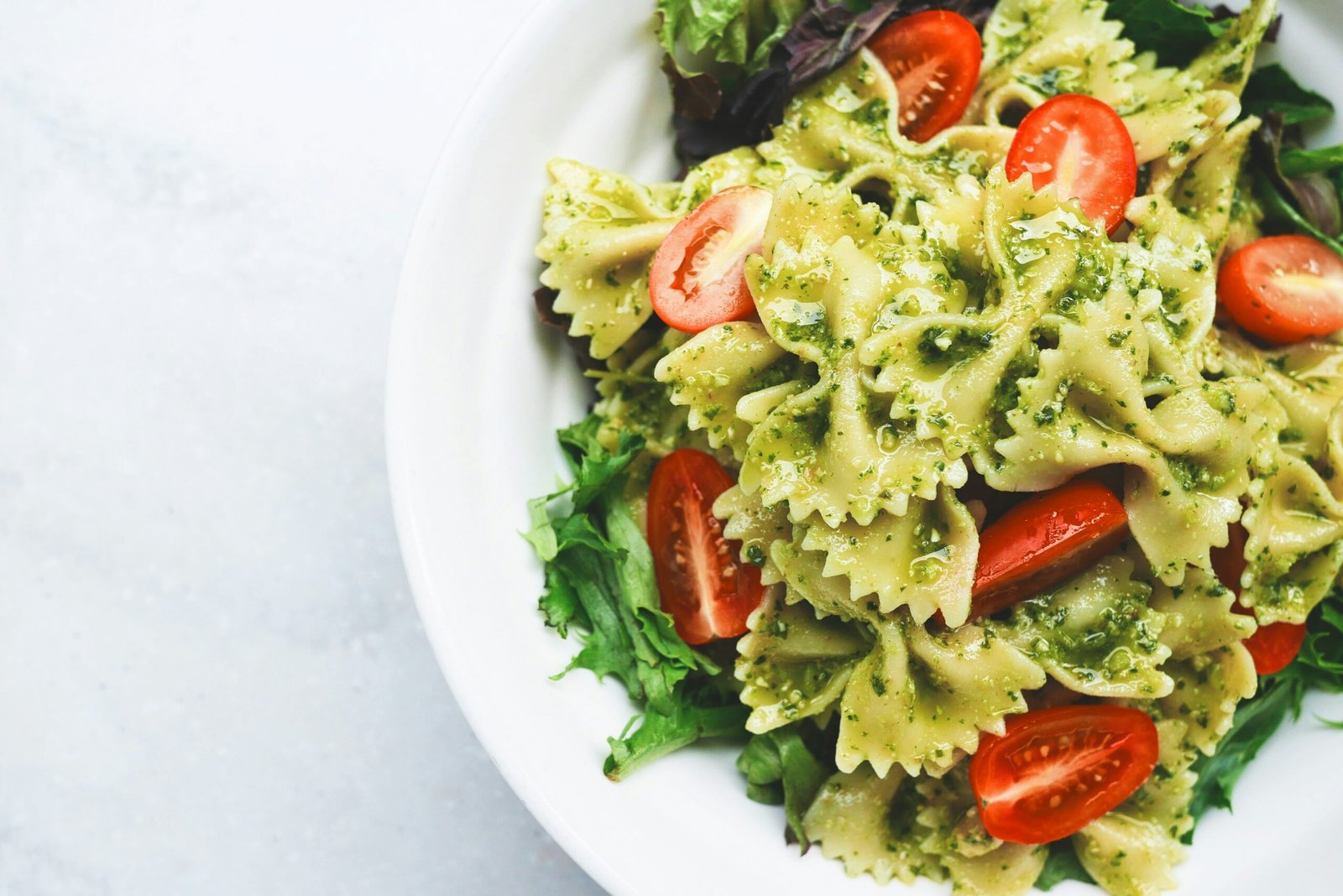
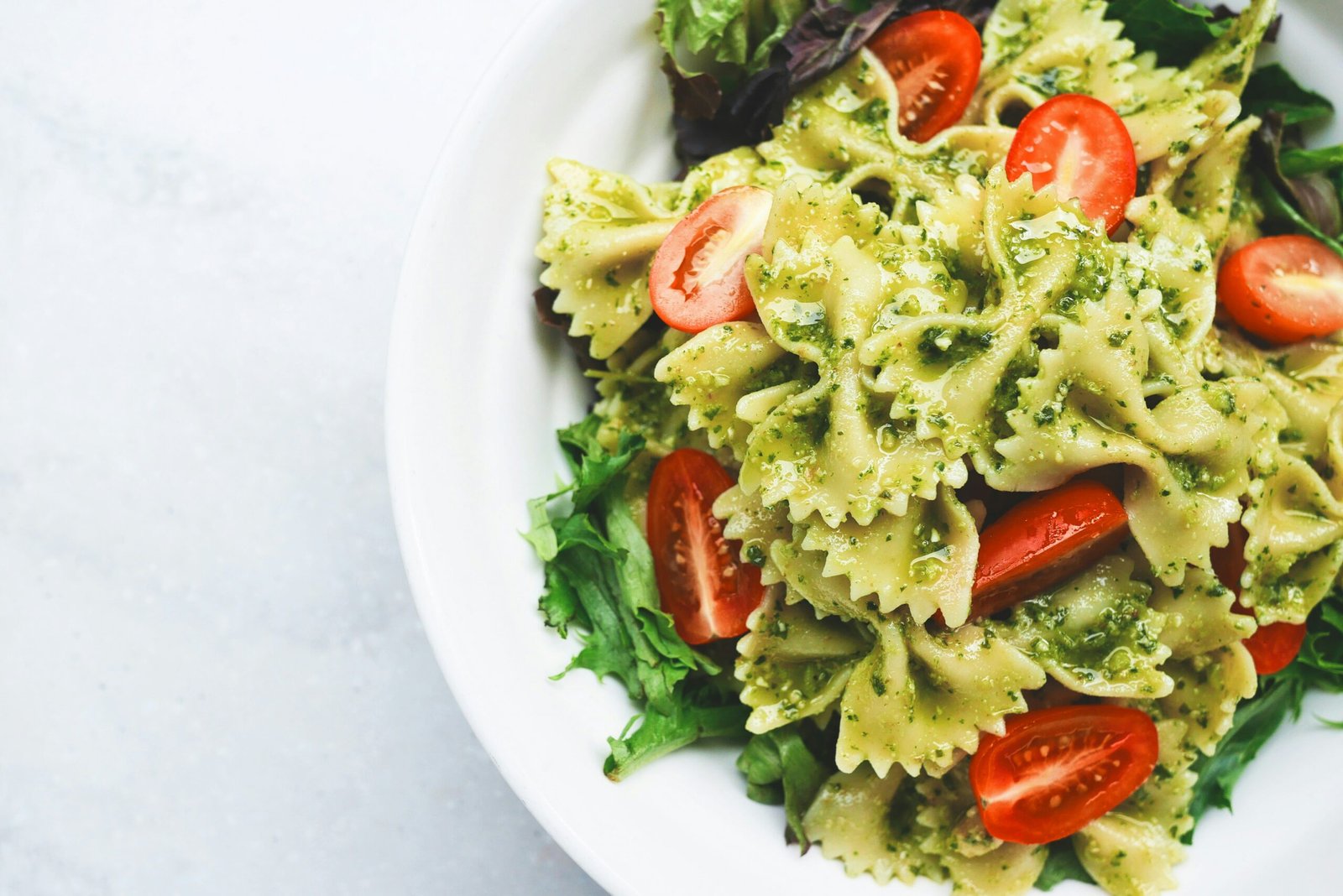
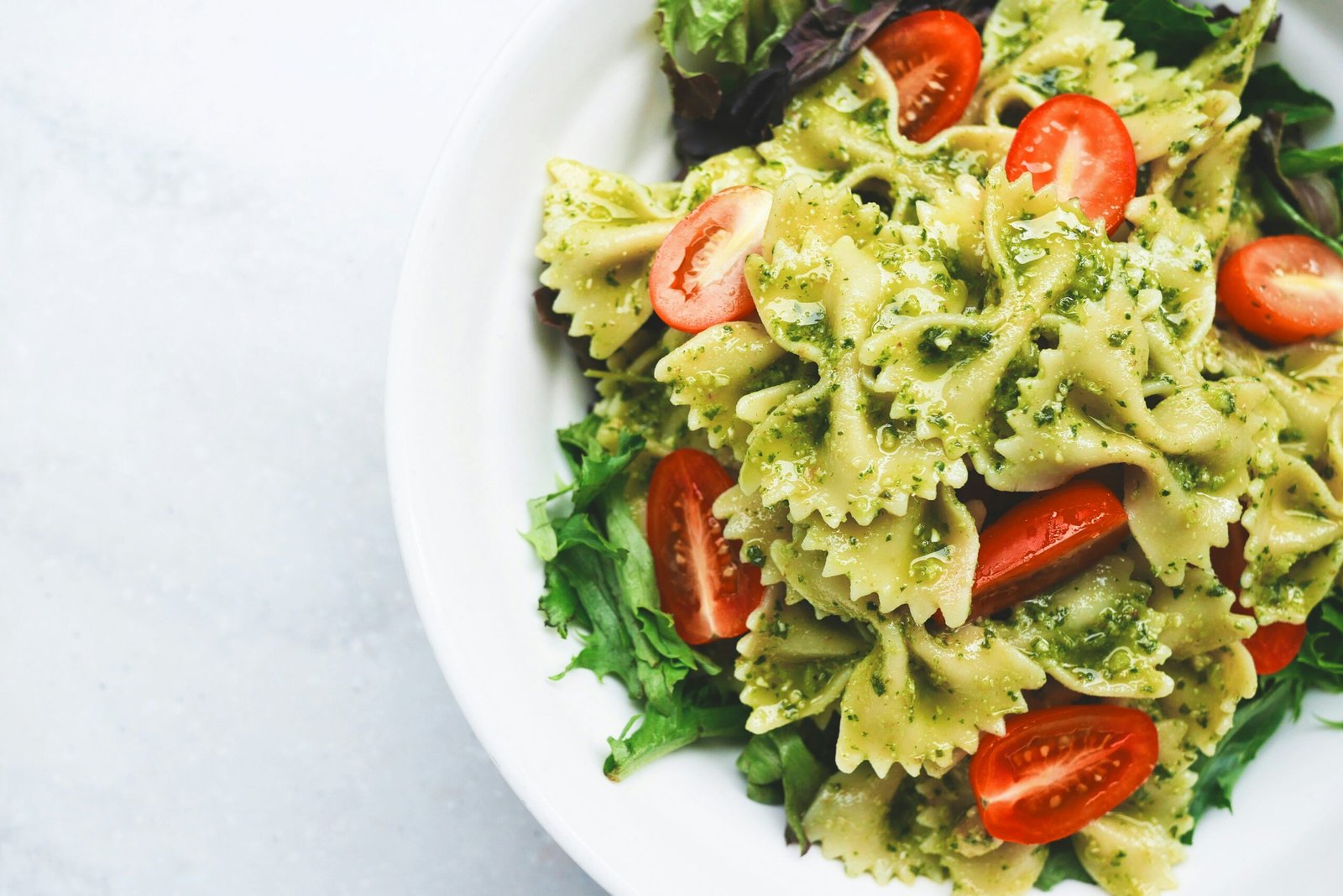
Pesto, another beloved pasta option, offers a unique profile with its bright and herbal characteristics. A perfect match for this dish would be a refreshing Sauvignon Blanc. This wine’s crisp acidity contrasts the oiliness of the pesto while enhancing its fresh basil and garlic notes. For those inclined to explore red options, a Barbera can also work well, as its moderate tannins and pronounced fruitiness marry pleasantly with the bold flavors of pesto.
While selecting wines, consider serving temperature as well. Whites are best served chilled, typically between 45-55°F, whereas reds should be served slightly below room temperature, around 55-65°F, to allow the flavors to shine through. With these considerations in mind, the delightful experience of pairing fine Italian wines with fresh pasta dishes promises to elevate any meal, celebrating the essence of Italian culinary tradition.
Wine Pairings for Meat and Seafood Dishes
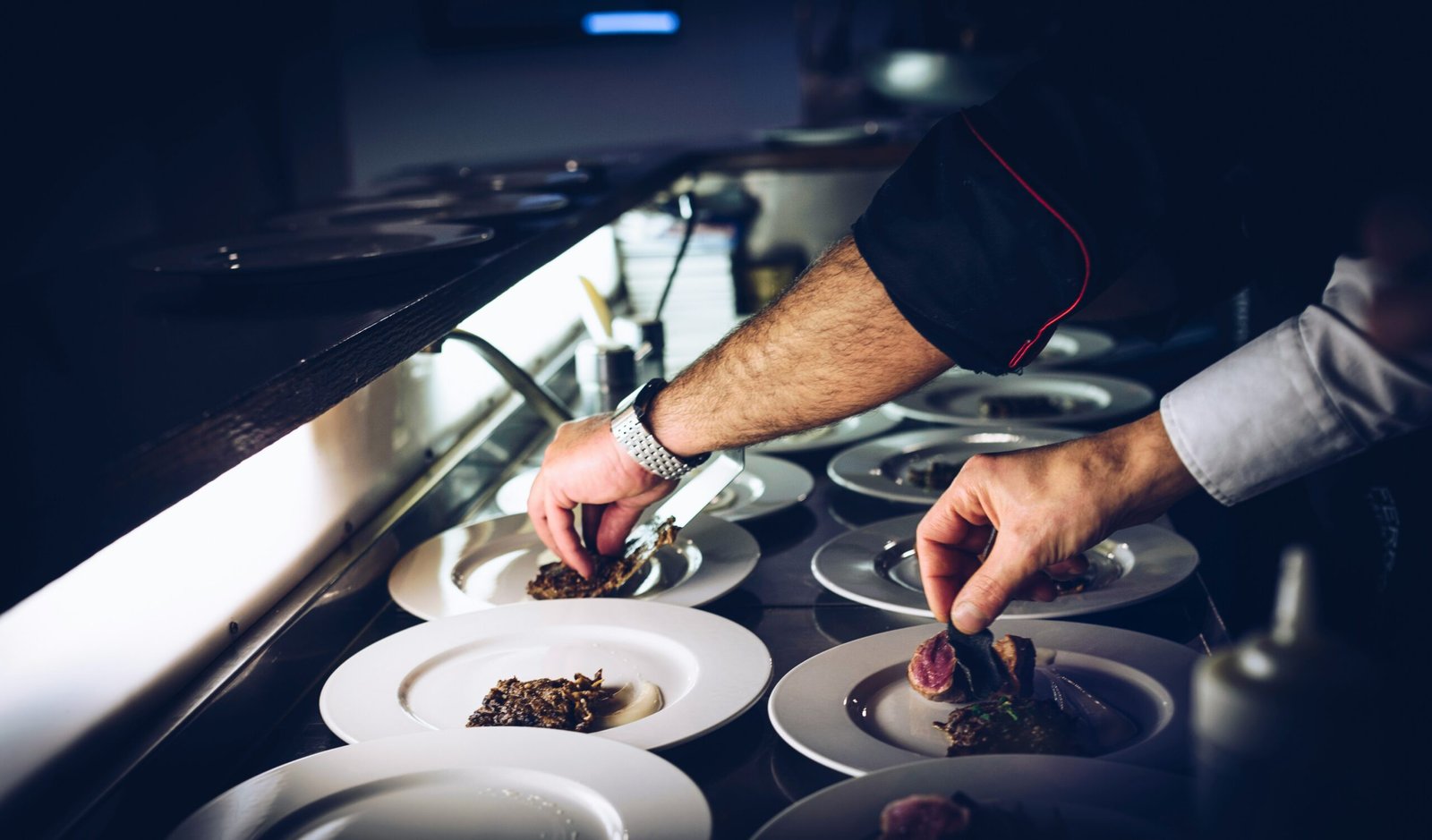
Italian cuisine is renowned for its rich and diverse meat and seafood dishes, which deserve careful consideration when it comes to wine pairings. Various factors influence the ideal wine selection, including the type of meat or seafood, the preparation style, and the sauce used in the dish. For classic meat dishes such as Osso Buco, a slow-cooked veal shank, a robust red wine like Brunello di Montalcino is an excellent match. This wine’s full body and complex flavor profile complement the richness of the meat and enhance its savory notes.
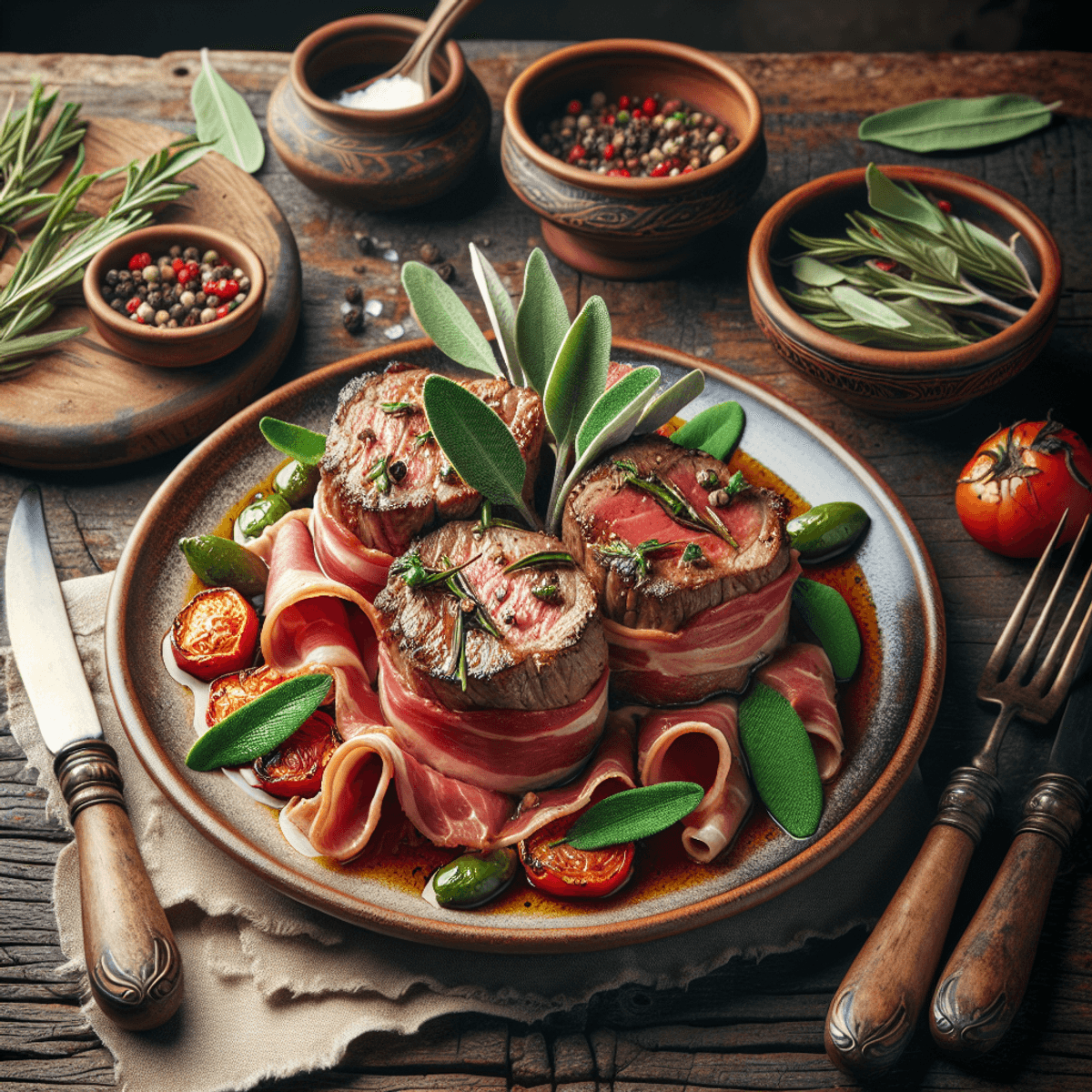
Similarly, for Saltimbocca, which features veal or chicken delicately wrapped in prosciutto and sage, a light to medium-bodied red, such as Chianti Classico, works beautifully. The acidity present in Chianti balances the saltiness of the prosciutto while harmonizing with the dish’s herbal elements. In contrast, when selecting wines for seafood dishes, considerations differ greatly. For instance, Branzino, often prepared simply with herbs, lemon, and olive oil, pairs well with crisp white wines such as Verdicchio or Soave. These wines feature bright acidity and fresh fruit flavors, enhancing the delicate, flaky texture of the fish.
When determining whether to serve red or white wine, it is essential to consider both the dish’s preparation method and the accompanying ingredients. Grilled seafood or meat dishes often call for white wines, as their lighter body can highlight the grill’s char while maintaining balance. Conversely, braised or roasted preparations usually merit red wines that can stand up to the intense flavors developed during cooking. Understanding these pairing strategies allows for a more enjoyable dining experience, elevating the flavors of the meal by selecting wines that complement rather than overpower the dish.
Sweet Wines and Desserts: Finishing the Meal Right
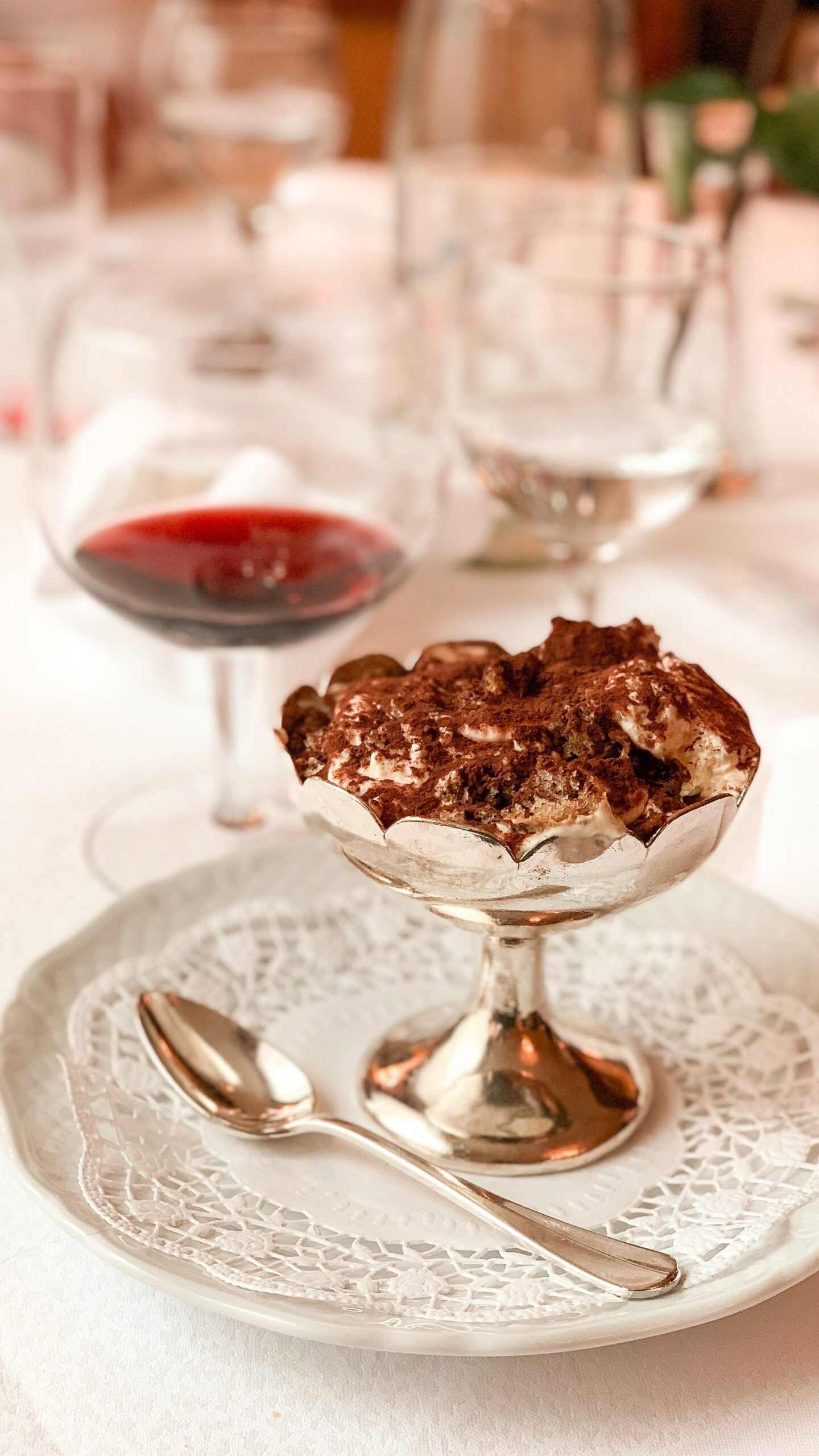
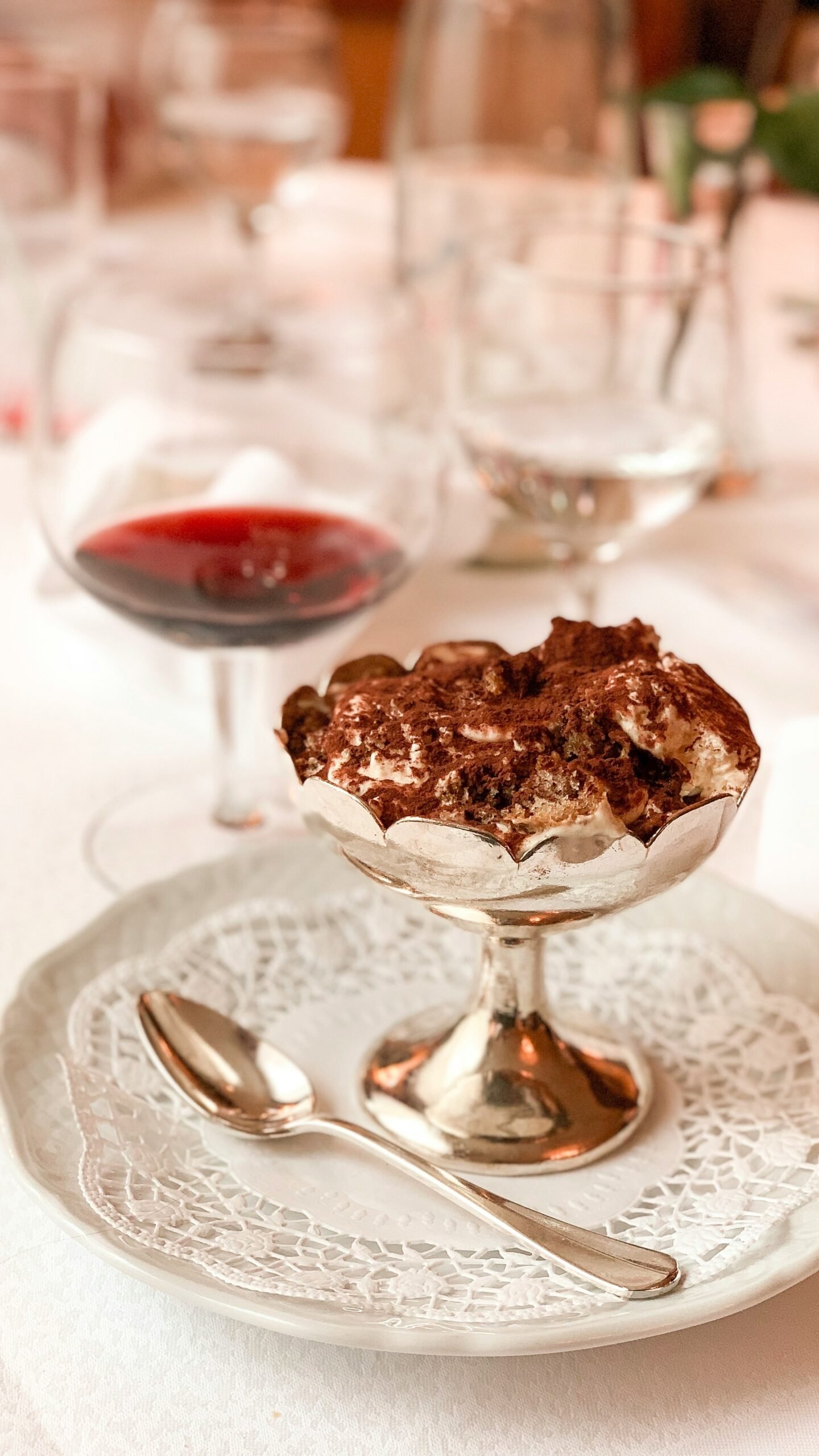
The sweet finale of an Italian meal is essential for a harmonious dining experience, particularly when it comes to dessert. Iconic Italian desserts such as Tiramisu, Panna Cotta, and Cannoli offer unique flavor profiles that can be beautifully complemented by the right dessert wine. Opting for a suitable wine pairing not only enhances these sweet dishes but also balances the overall taste of the meal.
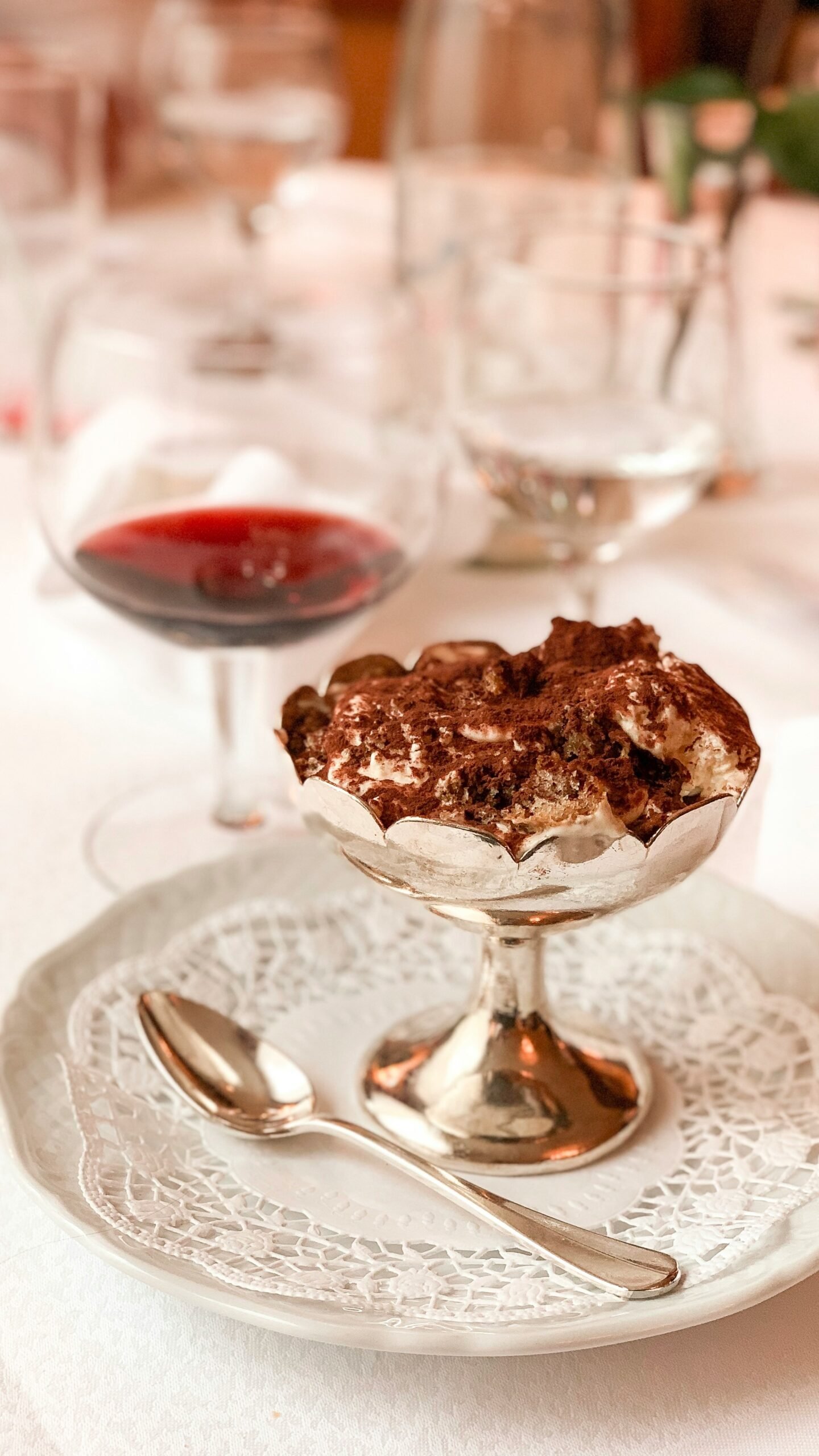
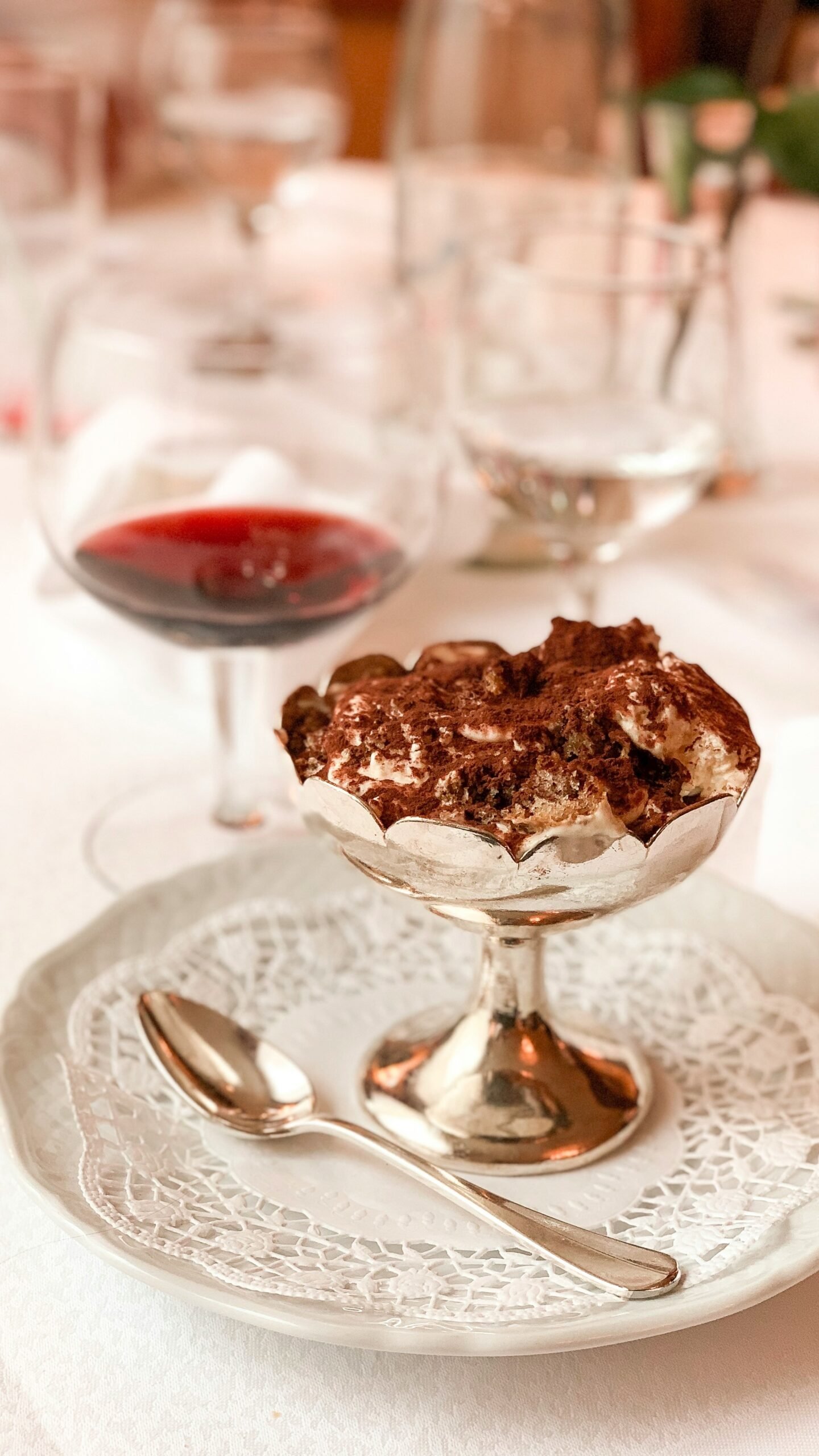
Vin Santo, a traditional dessert wine from Tuscany, is well-regarded for its rich and nutty characteristics. This wine presents a delightful combination of sweetness and acidity, making it an excellent partner for Tiramisu, with its coffee and mascarpone layers. The wine’s smooth texture contrasts the dessert’s creaminess while accentuating its flavors. When serving Vin Santo, consider pouring it into small glasses and pairing it with almond biscotti for an authentic Italian experience that concludes the meal with grace.
Another worthy contender is Moscato d’Asti, which is famed for its lightness and aromatic profile, featuring notes of peach, orange blossom, and honey. This effervescent wine pairs exceptionally well with Panna Cotta, whose silky texture perfectly complements the wine’s fruity sweetness. When serving Moscato d’Asti, ensure it is well-chilled to optimize its refreshing qualities. This pairing creates a delightful balance, as the wine’s carbonation lifts the rich creaminess of the dessert.
Cannoli, with its crisp shell and creamy filling, can be indulgently enjoyed with a variety of sweet wines. A fortified wine such as Passito complements the rich, sweet filling and the hint of cinnamon often found within. The aromatic richness of the wine enhances the experience in each bite. When selecting a wine for dessert, consider factors such as the sweetness level, texture, and flavor of the dish to ensure an exquisite pairing.
In conclusion, selecting the right dessert wine is crucial in completing the Italian culinary journey. By considering the unique characteristics of the dessert and the wine, one can create memorable moments that linger on the palate, bringing the meal to a delightful close.