The Rich History of Italian Desserts
Italian desserts have a storied past, deeply rooted in the cultural tapestry of the various regions of Italy. Each locale boasts unique contributions that reflect its history and available ingredients. From the northern regions, such as Lombardy, comes the iconic panna cotta, a creamy dessert characterized by its simplicity yet elevated flavor. The use of dairy products, prevalent in these areas due to the abundance of cattle farming, provides a glimpse into how local resources shaped dessert traditions.
As we move to the south, Sicilian contributions like cannoli demonstrate the impact of Arab influences on Italian cuisine. Introduced during the Arab rule, these pastries incorporate ingredients like ricotta cheese and citrus, showcasing the merging of cultures. This intermingling of traditions is a common theme in Italian desserts, where every bite tells a story of conquests and trade routes that brought diverse ingredients into the mix.
The celebration of seasonal ingredients also plays a pivotal role in the evolution of Italian sweets. Events such as the harvest season are marked by the creation of specific desserts, reflecting what is readily available. For instance, during the warmer months, fresh fruit-based desserts gain prominence, while winter brings heartier, indulgent options. These practices not only highlight regional specialties but also foster community and family engagement around food, particularly during festivities.
Moreover, Italian desserts are integral to the country’s celebrations and traditions. Whether it is the signature panettone served at Christmas or the traditional crostata for family gatherings, these sweets go beyond mere culinary experience; they foster connections, memories, and a sense of belonging. The rich history of Italian desserts is an ever-evolving narrative, continuously influenced by the tapestry of culture, people, and tradition that defines Italy.
Iconic Italian Desserts: Spotlight on Tiramisu
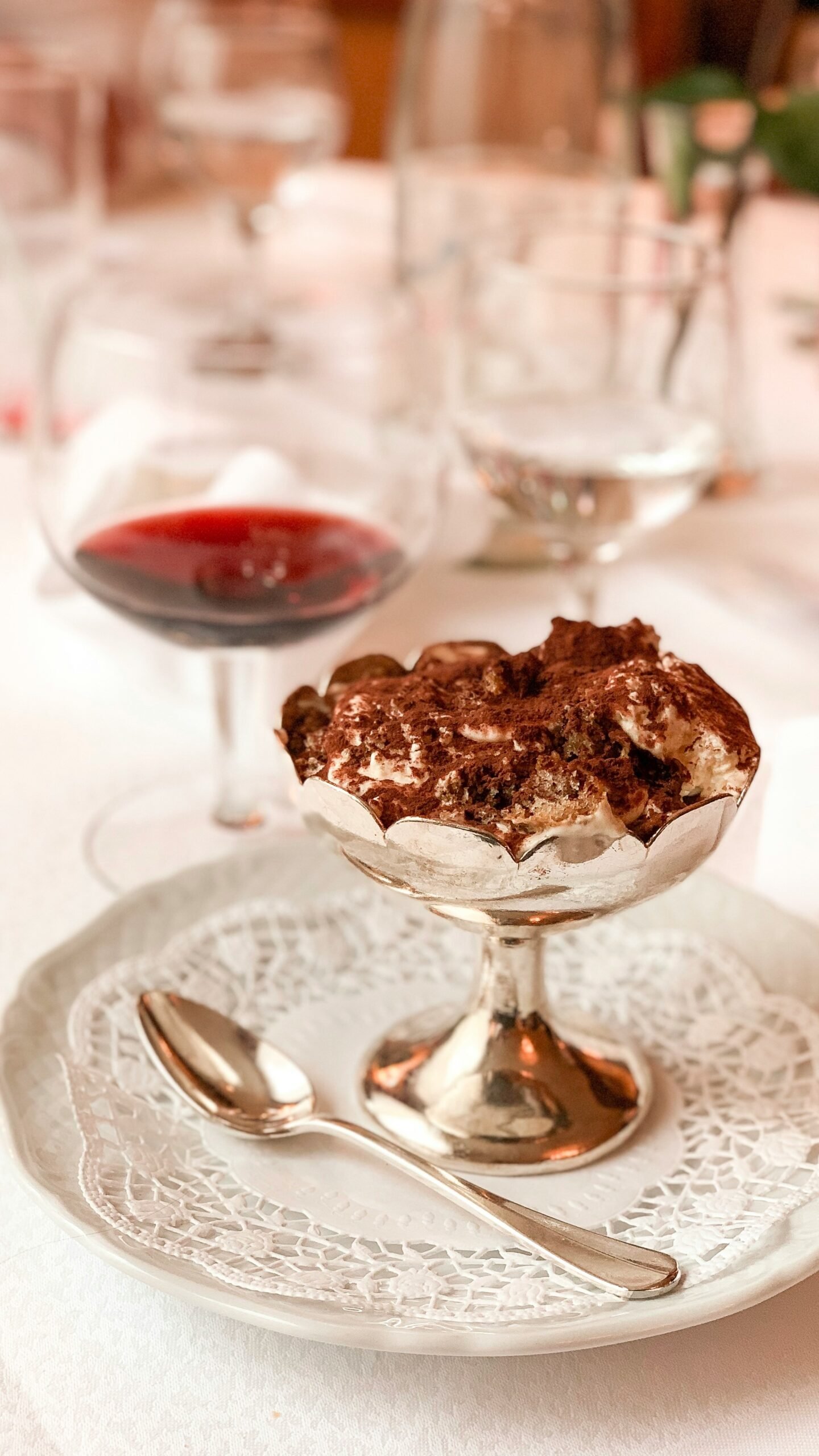
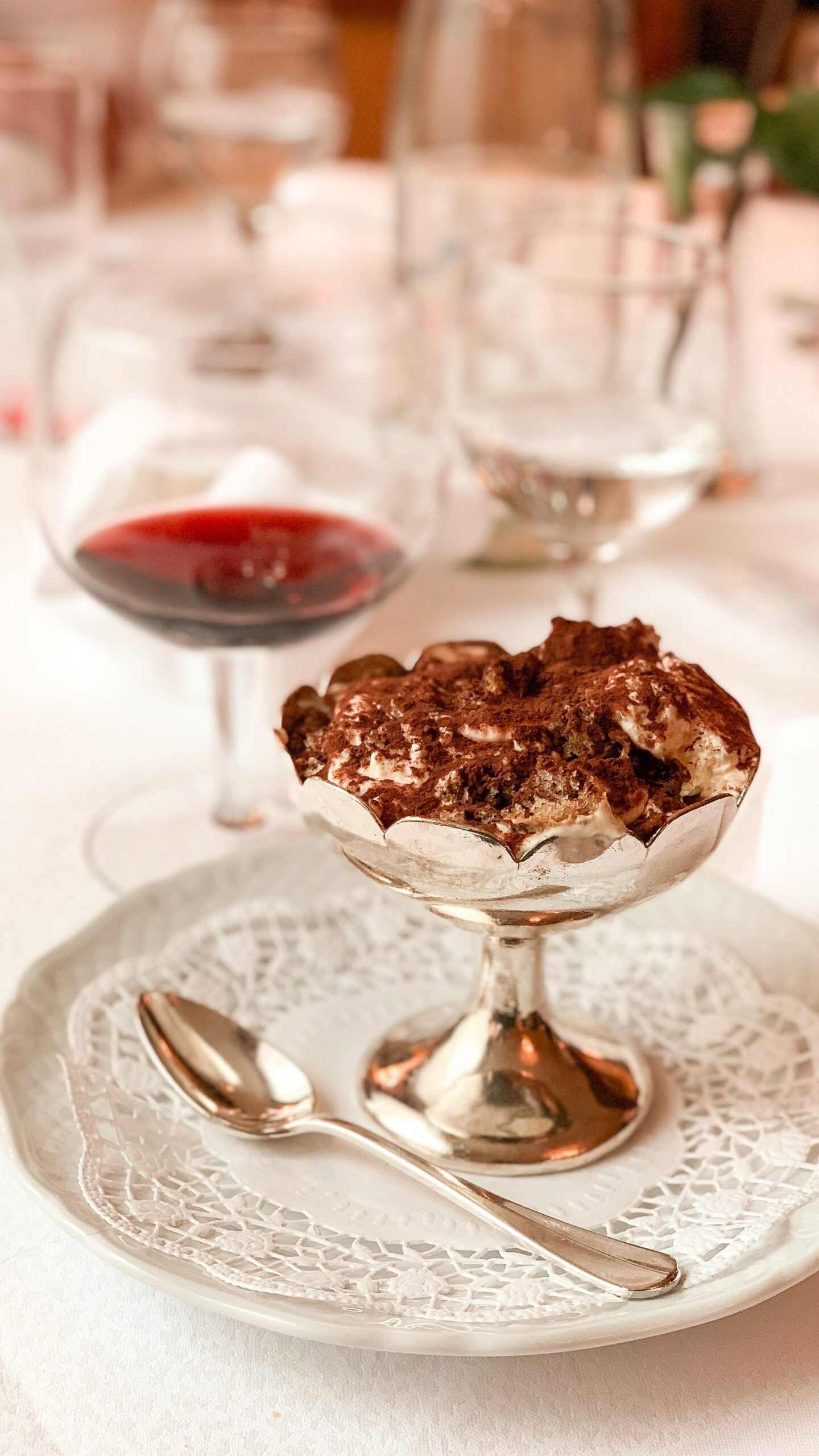
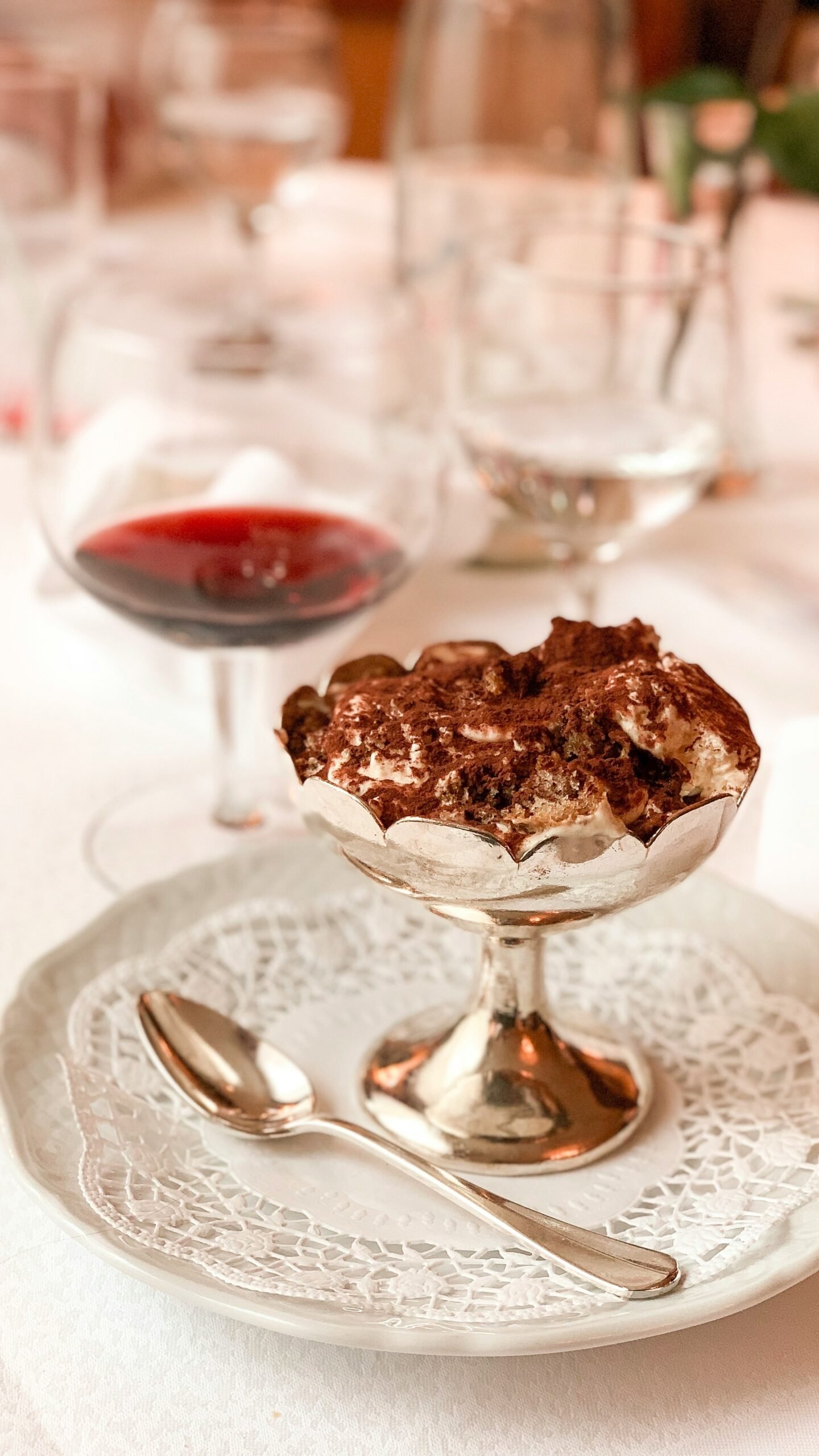
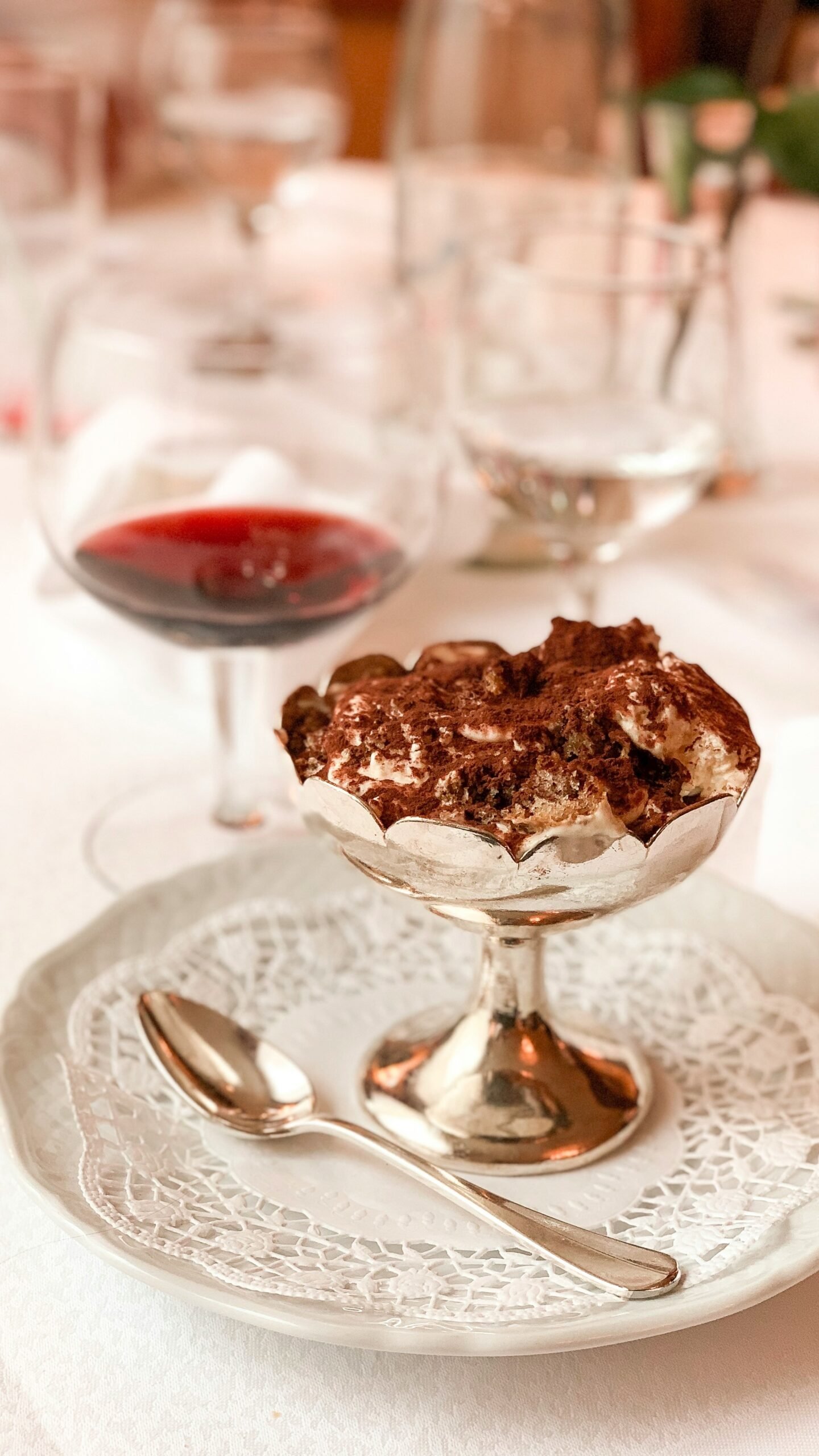
Tiramisu, a quintessential Italian dessert, has enthralled dessert lovers around the globe with its unique flavors and velvety texture. This iconic dish can be traced back to the Veneto region, where traditional recipes were developed, often highlighting the exquisite interplay of coffee, mascarpone cheese, and ladyfingers. Central to its irresistible charm is the rich expresso coffee that infuses the dessert with a delightful bitterness, expertly complemented by the creaminess of the mascarpone. The ladyfingers, or ‘savoiardi’, play a vital role as they absorb the coffee, creating the perfect base for this layered indulgence.
One of the most captivating stories surrounding tiramisu is its reputed origins in the quaint town of Treviso, where it was believed to have been first crafted in the 1960s. It is said that tiramisu was designed to be a pick-me-up or ‘tirami su’ in Italian, thanks to the energizing combination of espresso and cocoa. Over the years, many variations of this beloved dessert have emerged, with each Italian region introducing its unique twist. For example, in certain areas, you may find the addition of fruit, such as strawberries, or even the use of different liquors to infuse the layers.
Lorem ipsum dolor sit amet, consectetur adipiscing elit. Experience has shown that tiramisu offers not only a treat for the taste buds but also an experience steeped in Italian culture. Many visitors to Italy find it hard to resist indulging in this dessert at a local trattoria, where the enchanting flavors conjure memories that linger long after the last bite. Tiramisu has indeed transcended its humble roots to forge a prominent place in the international culinary landscape, making it a symbol of Italian gastronomy cherished by dessert aficionados worldwide.
Panna Cotta: A Creamy Delight
Panna cotta, translating to “cooked cream,” is a renowned Italian dessert that has captured the hearts of dessert lovers around the globe. This delicacy is characterized by its silky smooth texture and rich, creamy flavor, making it a staple in Italian cuisine. The primary ingredients include heavy cream, sugar, and gelatin, which together create a luscious, wobbly treat. The simplicity of these components is part of what makes panna cotta so appealing and versatile.
The preparation of panna cotta is relatively straightforward. It begins by heating the cream and sugar until the sugar dissolves completely. Gelatin is then added to the warm mixture, allowing it to dissolve and integrate smoothly. Once combined, the mixture is poured into molds and then chilled until set. The end result is a dessert that can be unmolded and plated with ease, showcasing its elegant shape.
Panna cotta is not limited to a single flavor profile. Classic vanilla is perhaps the most popular variety, but chocolate, coffee, and fruit-infused versions are also prevalent. For instance, incorporating pureed berries or citrus zest can elevate the flavor, adding a refreshing contrast to the creaminess. Additionally, the dessert is often topped with a variety of garnishes such as fresh fruit, caramel sauce, chocolate shavings, or a drizzle of berry coulis, enhancing both its look and taste.
In Italy, panna cotta is frequently served as a dessert at family dinners and festive occasions, owing to its traditional roots and celebratory nature. However, modern culinary practices have seen this classic dessert being adapted in numerous ways, including dairy-free alternatives and innovative flavor fusions. This versatility speaks to the enduring popularity of panna cotta, making it not just a delightful treat, but also a canvas for culinary creativity.
Bringing Italian Desserts into Your Kitchen
If you aspire to recreate the magnificent allure of Italian desserts such as tiramisu and panna cotta in your own kitchen, it is essential to equip yourself with the right tools and ingredients. Key utensils for these delightful confections include mixing bowls, a whisk or electric mixer, a spatula, a baking dish, and molds for panna cotta. A quality set of measuring cups and spoons ensures accuracy in your recipes, which is critical for achieving the desired texture and flavor.
When it comes to sourcing ingredients, quality matters significantly in Italian desserts. For tiramisu, choose fresh mascarpone cheese, high-quality espresso, and ladyfinger biscuits made with real ingredients. Similarly, a superior vanilla bean or pure vanilla extract can significantly enhance the flavor of panna cotta. Whenever possible, opt for organic products, as they tend to yield better results in terms of taste and health benefits.
For beginners, following a step-by-step guide can greatly ease the process. Start with simple recipes to build your confidence. For tiramisu, a basic method involves whisking egg yolks and sugar until creamy, folding in mascarpone, and layering the mixture with soaked ladyfingers. To create panna cotta, gently heat cream with sugar and mix it with gelatin, allowing it to set before serving. For both desserts, patience is key; allow enough time for flavors to meld together and achieve that authentic taste.
Once your delightful creations are ready, consider serving them with complementary beverages. Coffee pairs beautifully with tiramisu, while a light dessert wine or fresh berries enhance the panna cotta experience. For storage, tightly seal your homemade delicacies in the refrigerator to maintain their freshness, allowing you to savor a little taste of Italy whenever you desire.