The Art of Italian Mixology
Italian mixology has a rich history deeply intertwined with the country’s vibrant culture and culinary practices. Traditionally, Italian cocktails highlight the use of local ingredients that define their unique flavor profiles. Key components such as vermouth, amaro, and various bitters have become essential to understanding Italian mixology. Vermouth, a fortified wine flavored with botanicals, serves as a foundational element in many classic cocktails, harmonizing sweetness and bitterness to create a balanced beverage. Similarly, amaro — a herbal liqueur with a bittersweet flavor — adds depth and complexity, characterizing drinks that are both refreshing and invigorating.
In the realm of Italian cocktail culture, the concepts of aperitifs and digestifs hold significant importance. An aperitif is enjoyed before a meal to stimulate the appetite, while a digestif is served post-meal to aid digestion. These beverages embody the Italian philosophy of savoring experiences, bringing friends and family together in a social setting. Iconic examples include the Negroni, served as an aperitif, and limoncello, often enjoyed as a digestif. Understanding these roles contributes to a greater appreciation of the art of mixology in Italy.
Italian cocktail-making is defined by meticulous techniques that enhance the drinking experience. Methods such as muddling fresh ingredients release essential oils and flavors, while stirring ensures a silky texture without over-dilution. Moreover, crafting the perfect garnish elevates the presentation and aroma of the drink, with elements like citrus peels or fragrant herbs adding an aromatic touch. Each technique not only showcases craftsmanship but also pays homage to the time-honored traditions of Italian culture. The fusion of premium ingredients and skillful methods ultimately defines the essence of Italian mixology, making it a beloved art form worldwide.
Signature Italian Cocktails: Recipes and Ingredients
Italian cocktails are renowned for their vibrant flavors, unique ingredients, and elegant presentation. Below, we present a selection of signature Italian cocktails, each with its recipe, key ingredients, and preparation methods, which enthusiasts can recreate at home.
Negroni
The Negroni is a classic Italian cocktail celebrated for its balance of bitterness and sweetness. It is composed of equal parts Gin, Campari, and Sweet Vermouth. To prepare, fill a mixing glass with ice, then add 1 ounce of Gin, 1 ounce of Campari, and 1 ounce of Sweet Vermouth. Stir gently and strain into a rocks glass filled with ice. Garnish with an orange twist for an aromatic finish.
Aperol Spritz
The Aperol Spritz is a refreshing drink perfect for summer afternoons. This cocktail blends 3 parts Prosecco, 2 parts Aperol, and a splash of soda water. In a wine glass filled with ice, combine the Prosecco and Aperol, top with soda water, and gently stir. Garnish with a slice of orange to enhance the drink’s citrus notes.
Bellini
Originating from Venice, the Bellini is a delightful mix of Prosecco and peach purée. Begin by blending fresh peaches until smooth. In a chilled glass, combine 2 ounces of the peach purée with 4 ounces of Prosecco. Stir lightly and serve immediately. This cocktail is best made with ripe peaches to capture their natural sweetness.
Negroni Sbagliato
This variation of the Negroni substitutes prosecco for gin, creating a lighter drink. To craft this, mix 1 ounce each of Campari and Sweet Vermouth in a glass filled with ice, then top with 1 ounce of Prosecco. Stir gently and garnish with an orange slice.
These signature Italian cocktails exemplify the creativity and tradition of Italian mixology. By utilizing quality ingredients and appropriate measurements, anyone can enjoy these beverages and bring a taste of Italy into their homes.
Pairing Italian Cocktails with Food
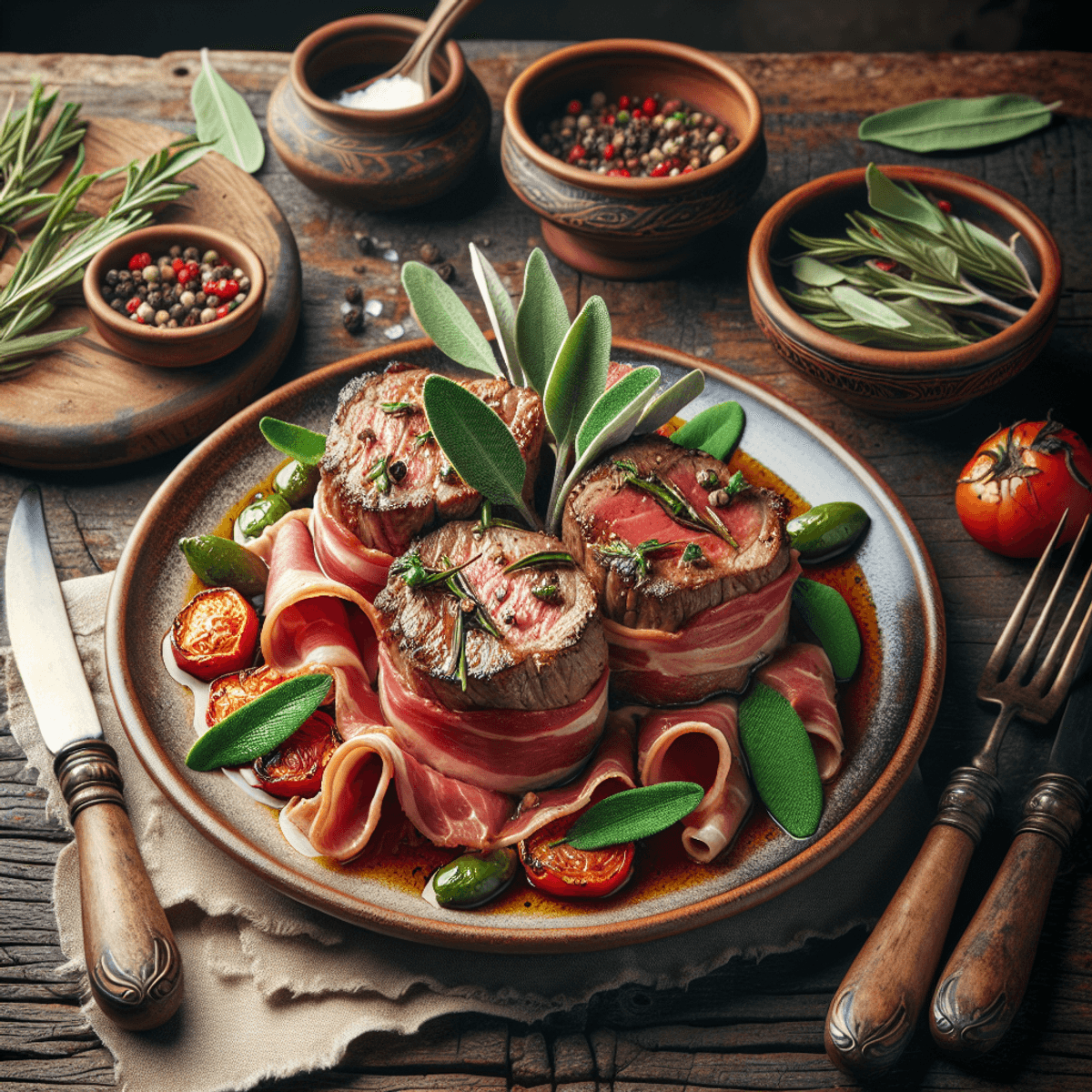
The art of pairing Italian cocktails with food is essential in enhancing both the drinking and dining experience. Italian cuisine, celebrated for its richness and variety, presents an opportunity to create harmony between flavors when complemented with the right cocktails. When considering a classic Negroni, for example, its robust and bitter profile pairs excellently with cured meats such as prosciutto or salami. The cocktail’s bitterness balances the saltiness of the meats, creating a sophisticated flavor interplay that enhances the overall enjoyment of the meal.
Similarly, the refreshing Spritz, often characterized by its light and effervescent quality, is an ideal companion for seafood tapas. The bright citrus notes of the Spritz complement the delicate flavors of dishes like shrimp cocktails or calamari, allowing the freshness of the seafood to shine while being elevated by the drink. This principle of balance and contrast is crucial when selecting cocktails and food pairings; it ensures that neither element overshadows the other, but rather enhances the overall culinary experience.
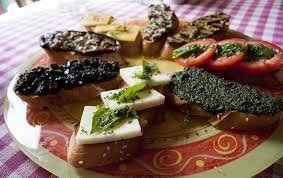
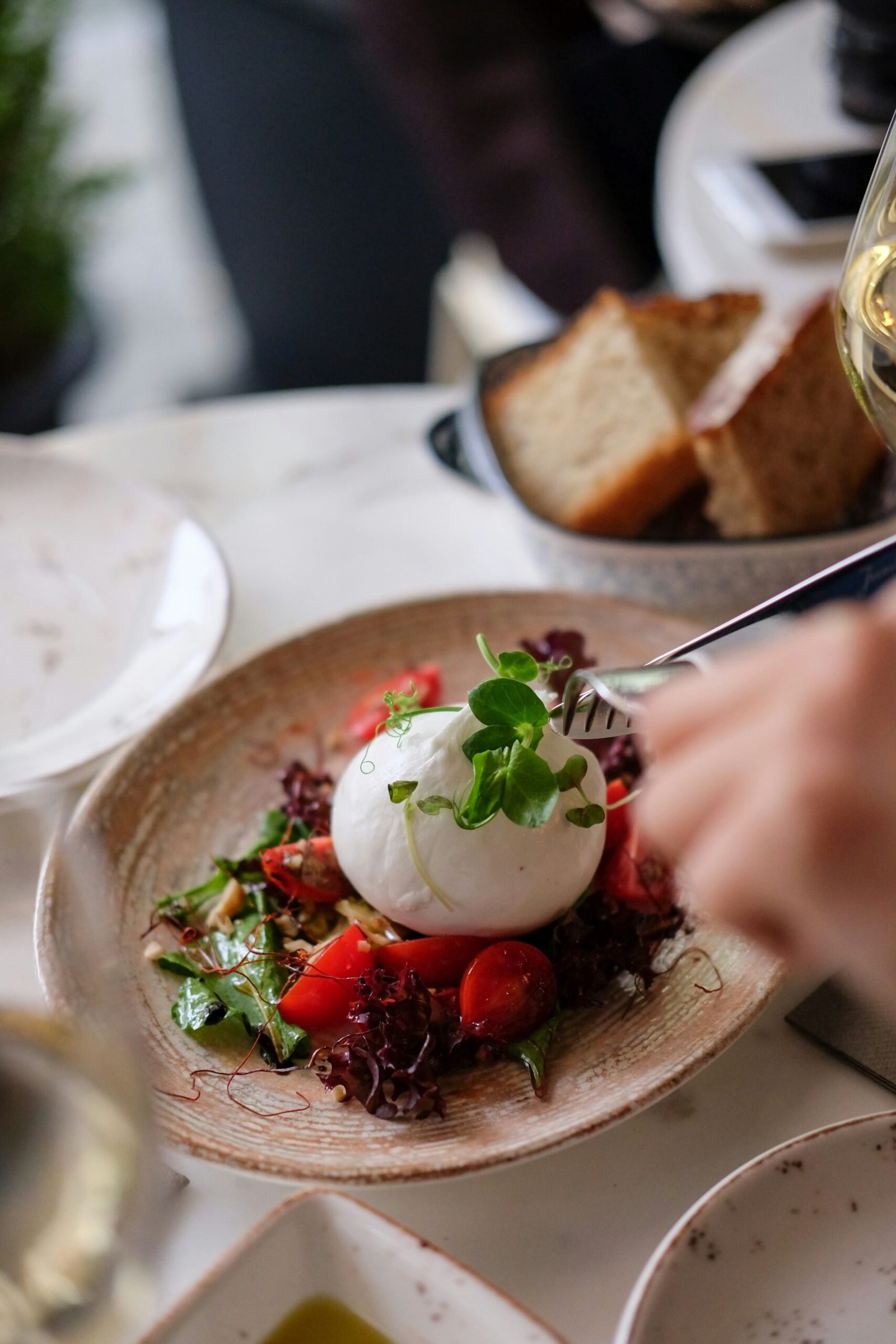
For casual gatherings, consider pairing a fruity cocktail like Bellini with antipasti platters filled with olives, cheeses, and bruschetta. The sweetness of the Bellini works well with the savory elements on the platter, providing a pleasant contrast that encourages a laid-back atmosphere. In more formal dining settings, carefully crafted cocktails, such as a classic Martini, can be served with rich dishes like risotto or osso buco. The clean, crisp nature of the Martini cuts through the richness of these meals, allowing diners to savor each element thoroughly.
By understanding the dynamics of cocktail and food pairings, one can create a memorable dining experience that encapsulates Italian culinary traditions, making each meal not just a mere consumption of food and drink but a celebration of flavors and culture.
The Future of Italian Cocktails: Trends and Innovations
As the realm of Italian cocktails continues to evolve, several emerging trends and innovations are reshaping the way these drinks are crafted and enjoyed. A notable trend is the rise of craft cocktails within Italy, where bartenders are embracing artisanal techniques and quality ingredients to enhance the cocktail experience. This movement is marked by a commitment to craftsmanship, resulting in unique and well-balanced drinks that pay homage to traditional Italian flavors while appealing to contemporary palates.
Furthermore, the integration of local and organic ingredients has gained traction among mixologists seeking to elevate their creations. Not only does this practice enhance the freshness and quality of the cocktails, but it also supports regional producers and sustainability efforts. By sourcing ingredients such as locally grown herbs, fruits, and even artisanal spirits, bartenders are able to craft cocktails that reflect the rich agricultural heritage of Italy, creating drinks that are both delicious and environmentally conscious.
The influence of global cocktail culture has also made its mark on the Italian cocktail scene. Bartenders are drawing inspiration from international mixology trends, resulting in innovative reinterpretations of classic Italian cocktails. This melding of cultures invites creativity and exploration, enriching the traditional cocktail lexicon. Cocktails like the Negroni and Spritz are now frequently accompanied by novel twists, featuring unexpected flavors, techniques, or presentation styles that challenge the status quo and invite conversation.
These trends not only showcase the dynamic nature of Italian cocktails but also inspire drinks enthusiasts to experiment with their own recipes. Whether it is through adopting craft methods, sourcing local ingredients, or exploring global influences, the future of Italian cocktails encourages a sense of creativity and exploration. As we move forward, it is exciting to envision how these innovations will continue to transform the landscape of Italian mixology.