Understanding the Essence of Italian Cuisine
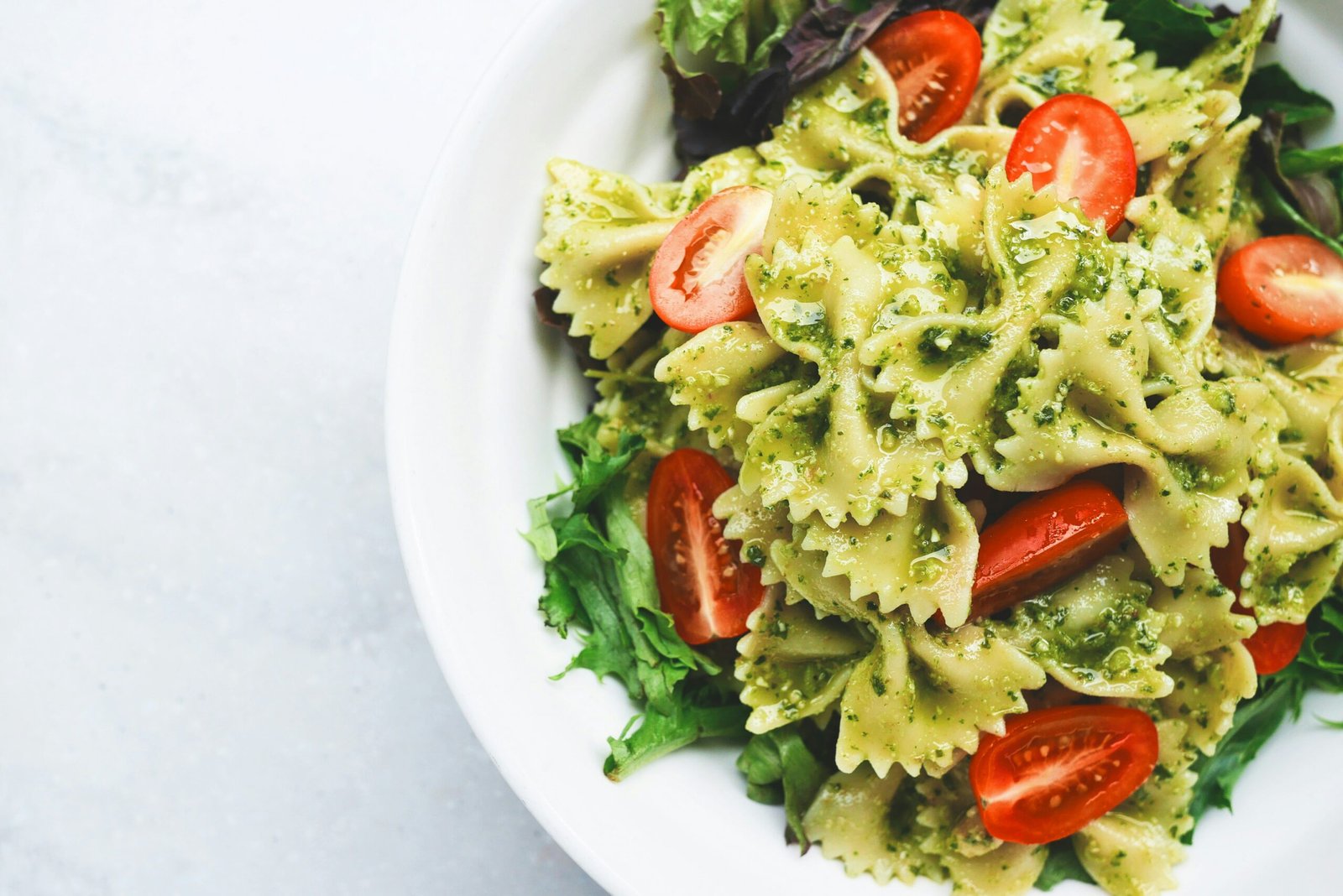
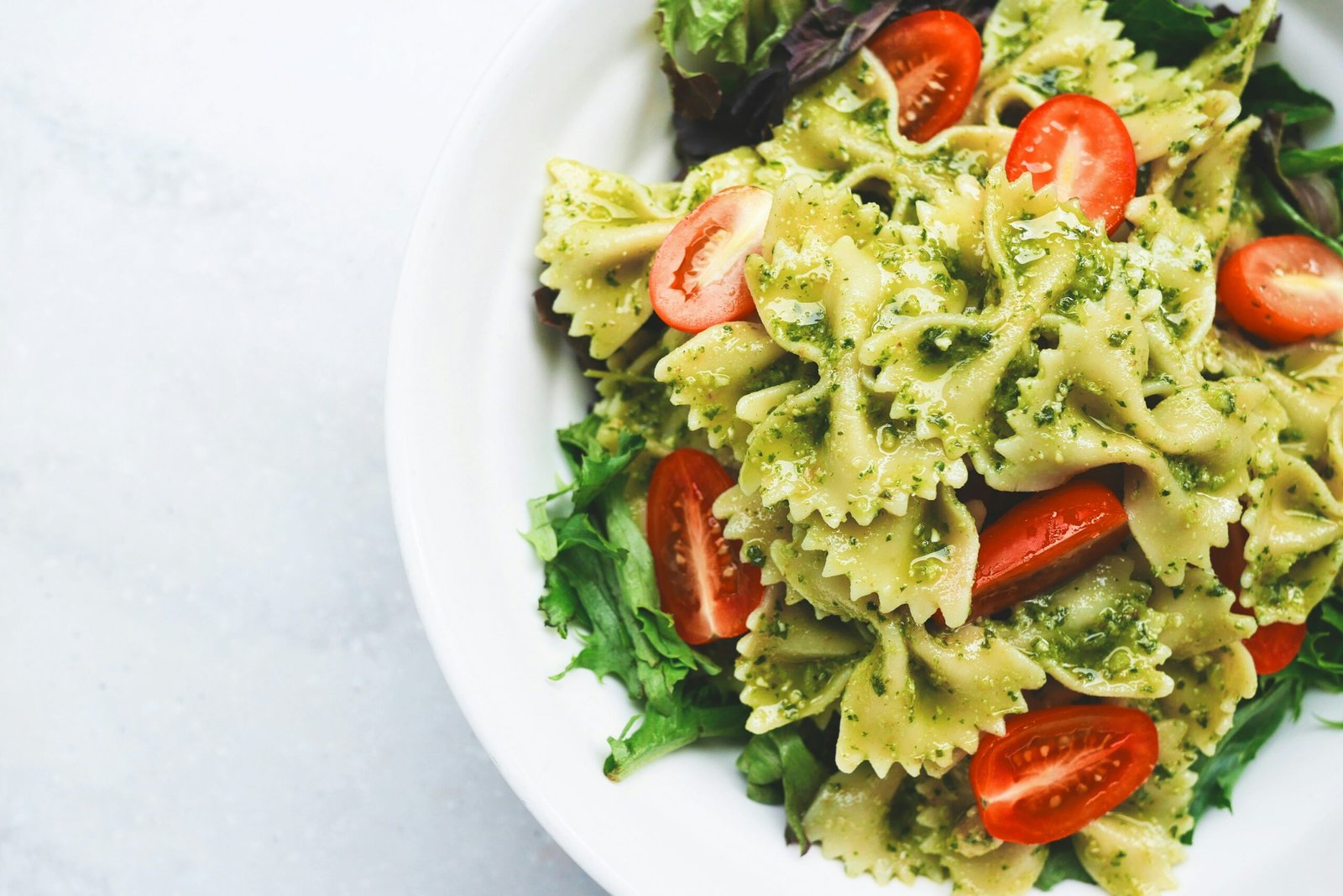
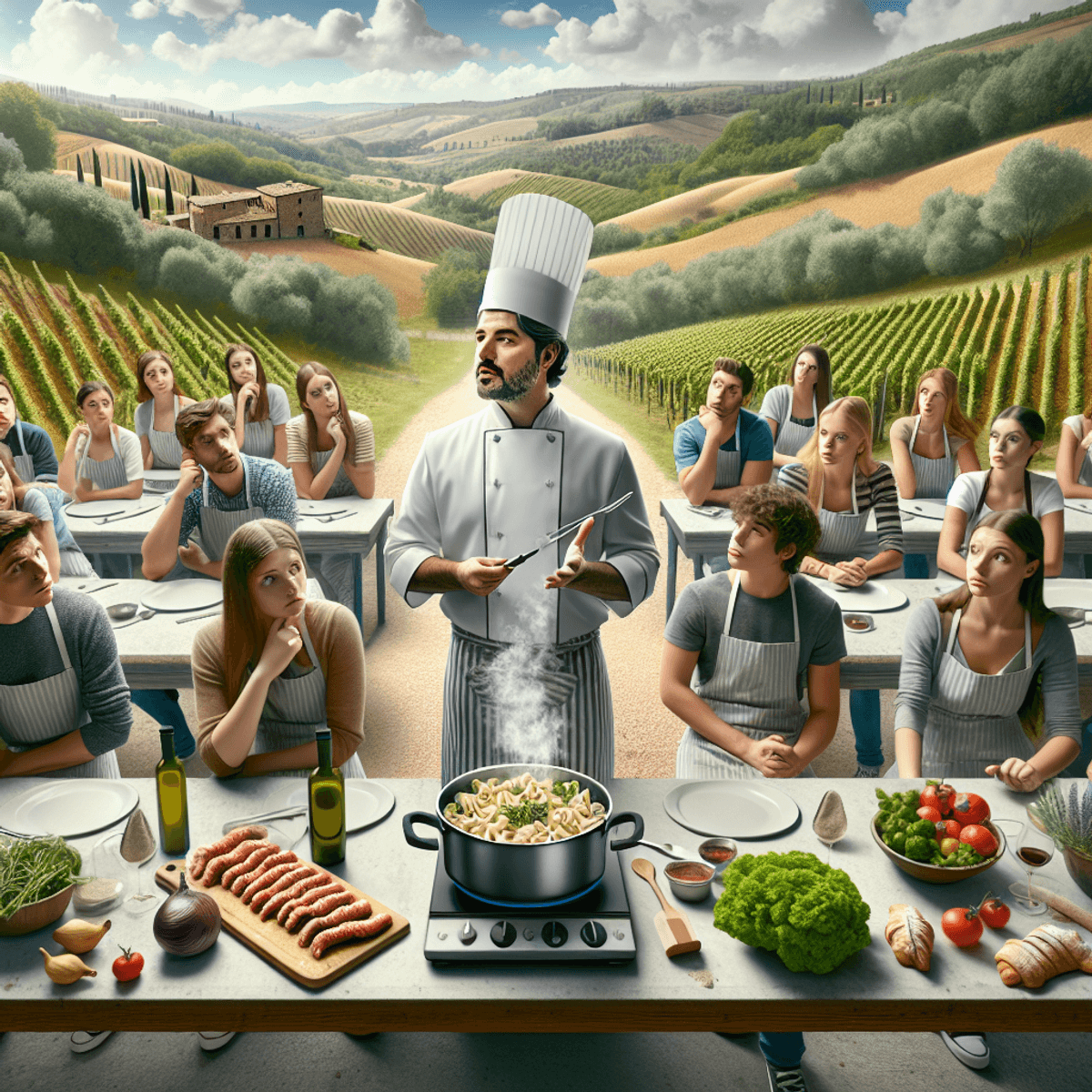
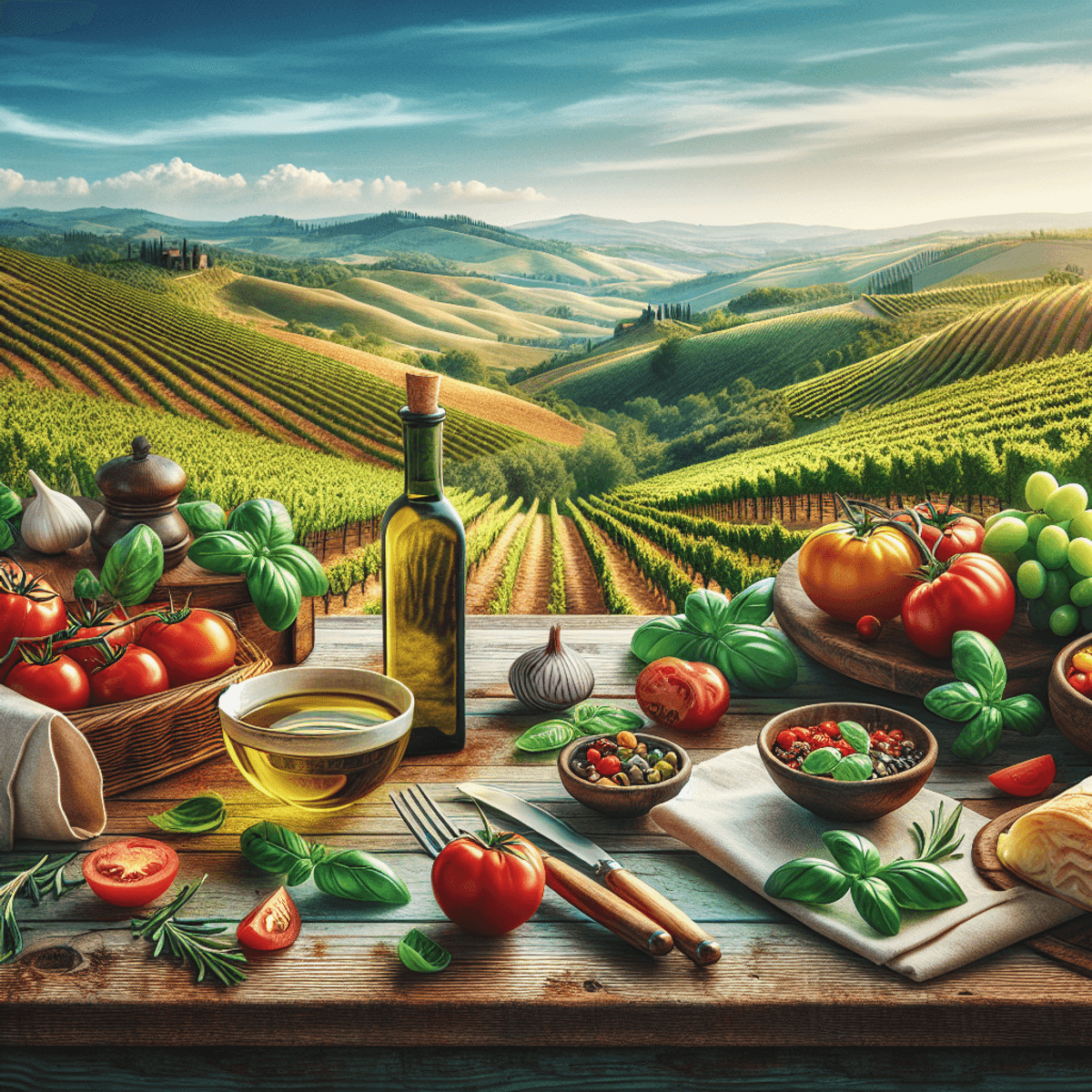
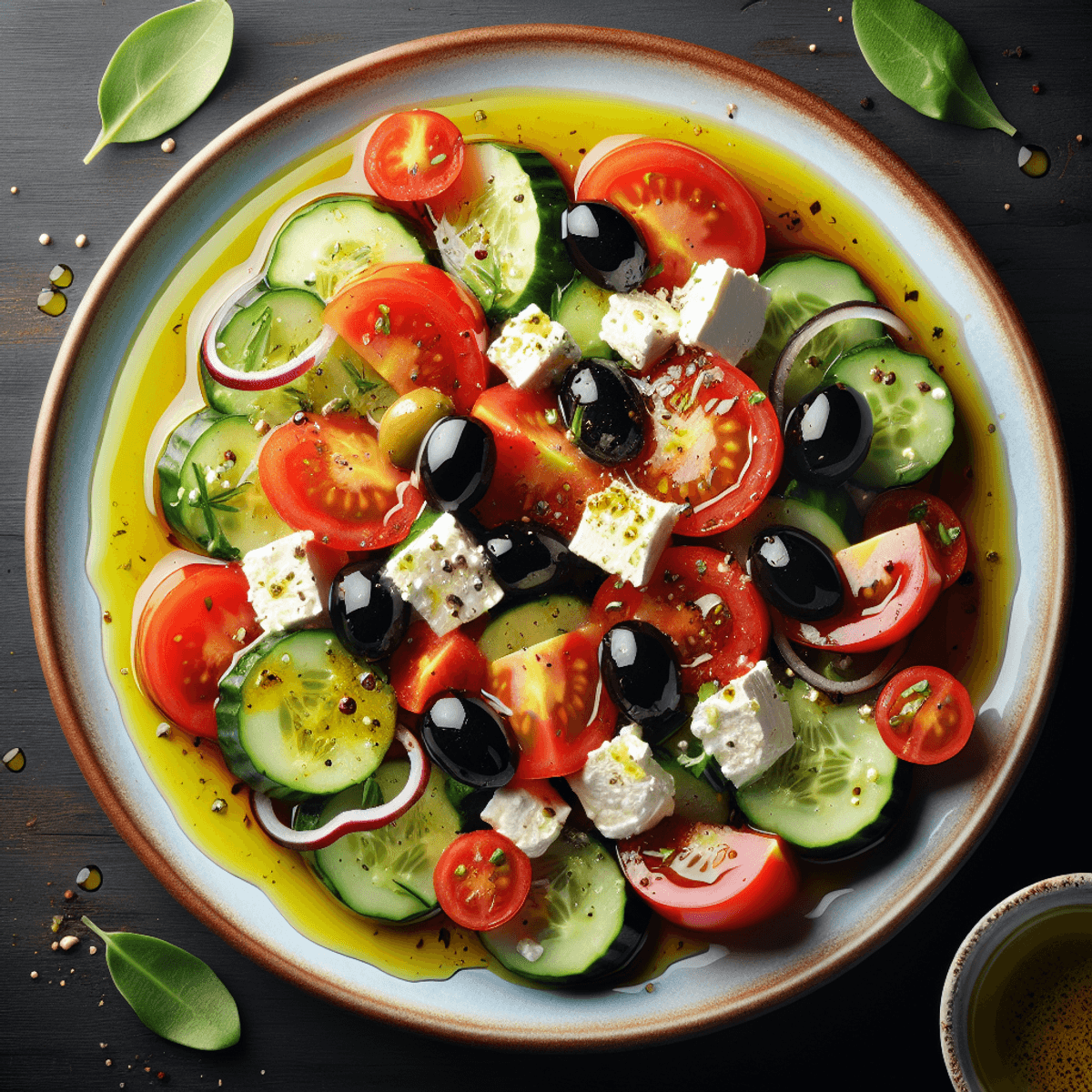
Italian cuisine is revered worldwide not only for its flavorful dishes but also for the principles that underpin its creation. Central to the essence of Italian food is the commitment to using fresh, high-quality ingredients. Chefs embrace wholesome products that reflect the rich agricultural heritage of Italy. When one speaks of Italian cooking, the phrase “farm to table” resonates deeply as the authenticity of the ingredients significantly enhances the flavor and experience of each dish.
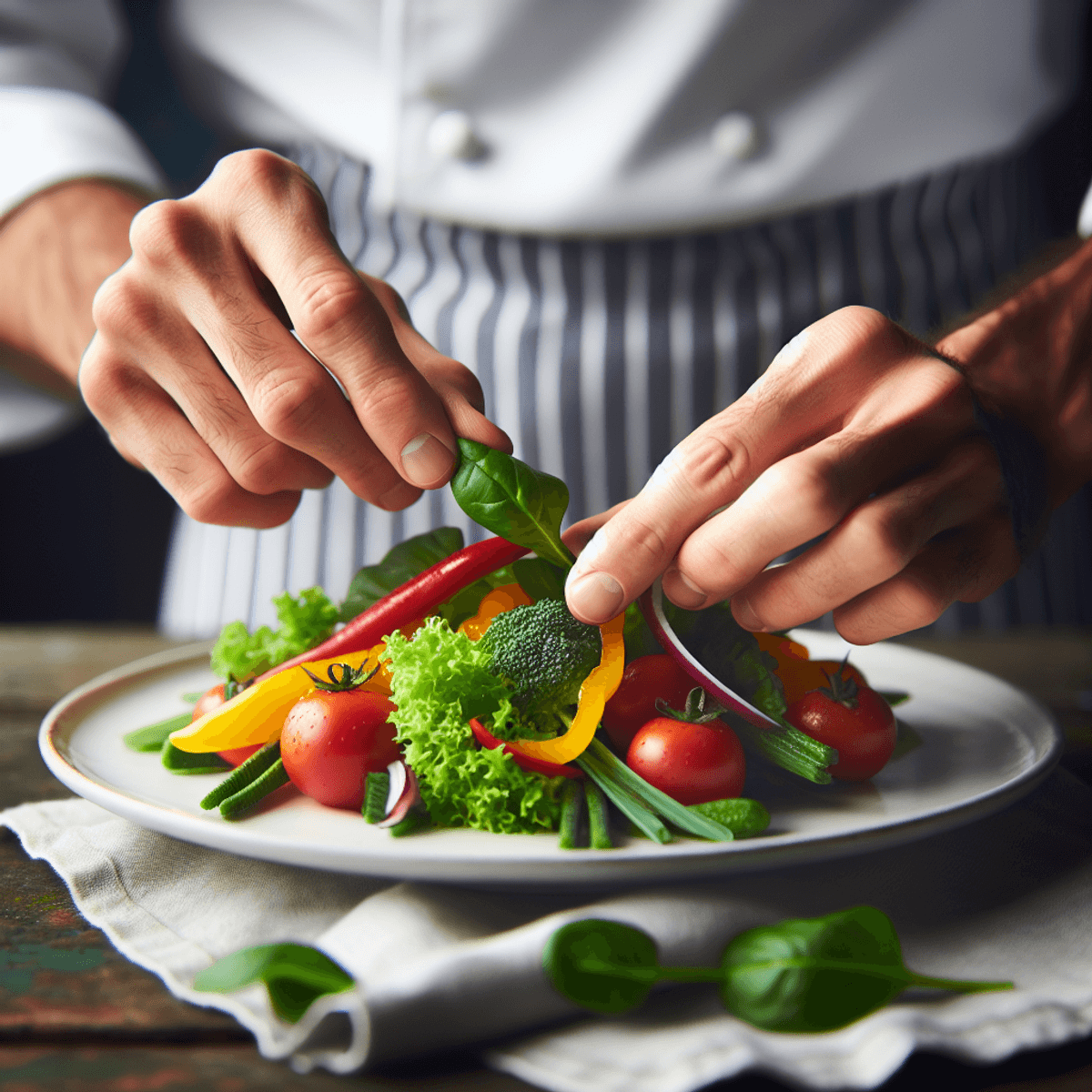
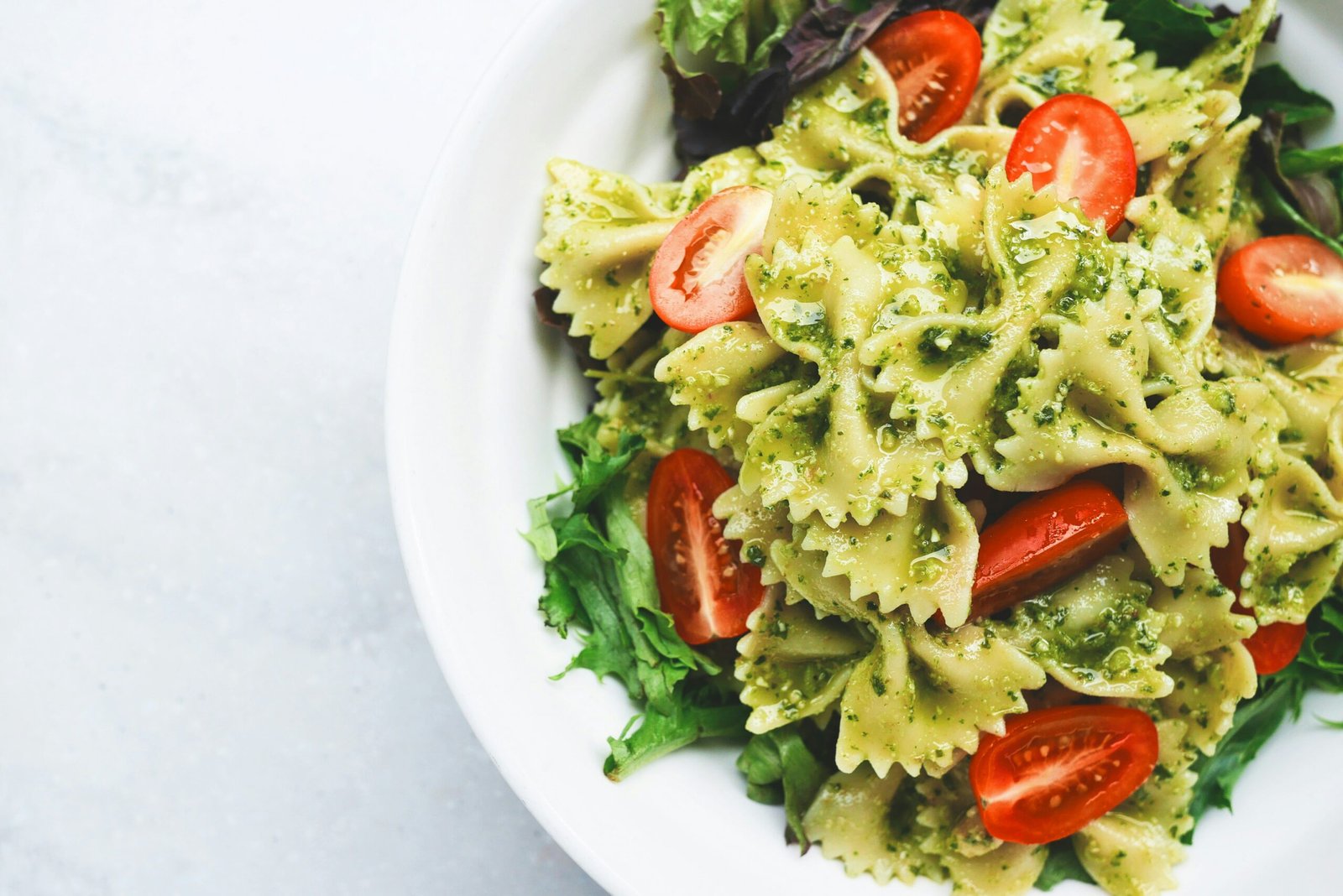
Another fundamental aspect of Italian cuisine is simplicity. The Italian culinary approach often emphasizes minimalistic preparation techniques, allowing the inherent flavors of the fresh ingredients to shine. Dishes are crafted with a few key components rather than elaborate combinations, showcasing the belief that quality trumps quantity. This philosophy not only respects the ingredients but also allows for a more straightforward cooking style that is accessible to both chefs and home cooks alike.
Additionally, the regional diversity of Italy plays a pivotal role in shaping its cuisine. Each region boasts distinct culinary traditions influenced by local history, climate, and available produce. For instance, the sun-kissed tomatoes of the south differ significantly from the rich cheeses found in the north. This regionalism cultivates a wide array of flavors and dishes, making Italian cuisine a tapestry of gastronomic experiences that continuously evolves yet remains rooted in tradition.
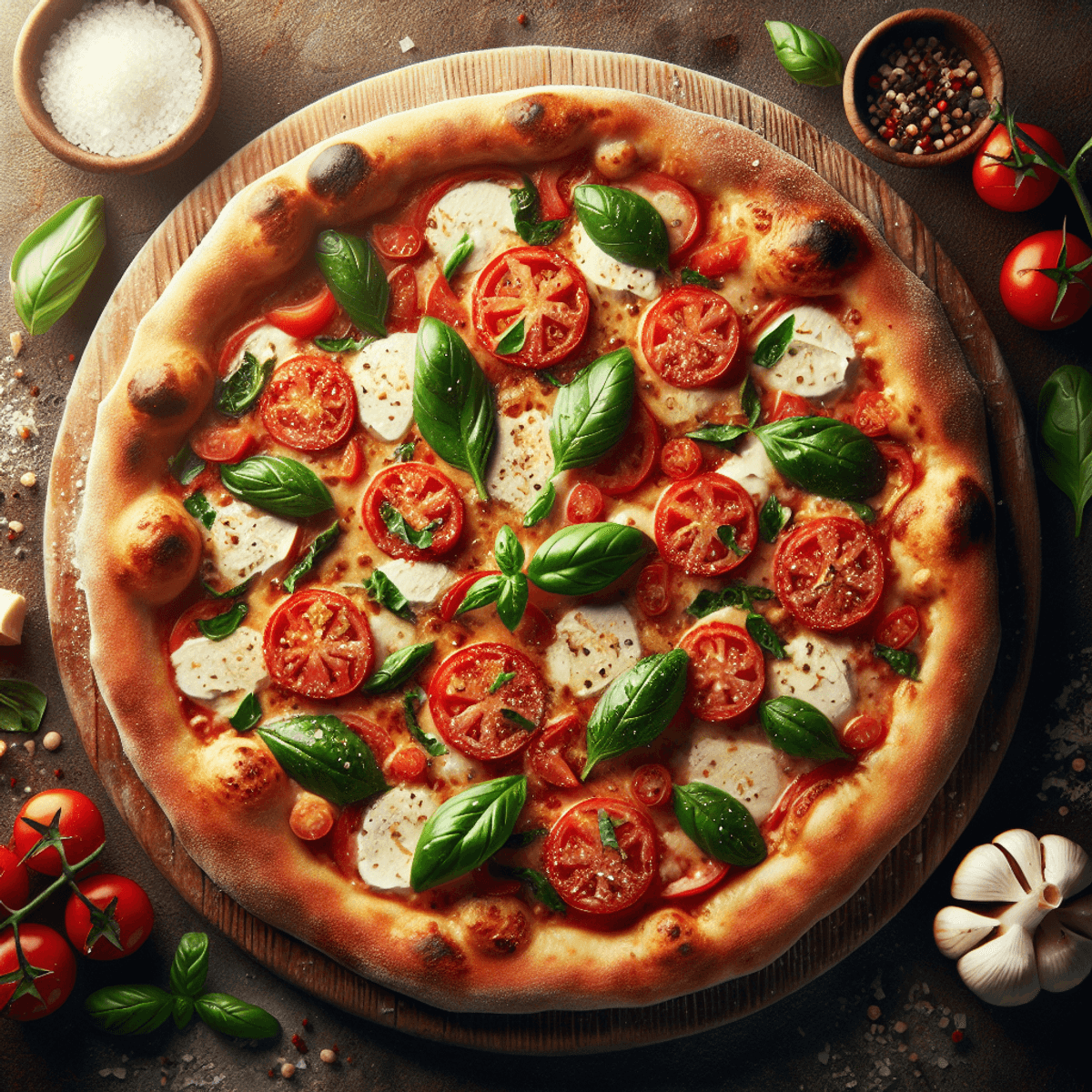
Furthermore, the sourcing of authentic Italian products is crucial in maintaining the integrity of traditional recipes. Ingredients such as Parmigiano-Reggiano cheese, San Marzano tomatoes, and various pasta types are essential elements that define Italian food. Using authentic products not only honors the culinary heritage but also enhances the overall gastronomic experience.
In summary, understanding the essence of Italian cuisine requires an appreciation for its focus on high-quality ingredients, simplicity in cooking techniques, and the rich regional traditions that influence its dishes. This foundation offers valuable insights into how top chefs in Singapore interpret and celebrate Italian culinary artistry.
Signature Dishes and Their Stories
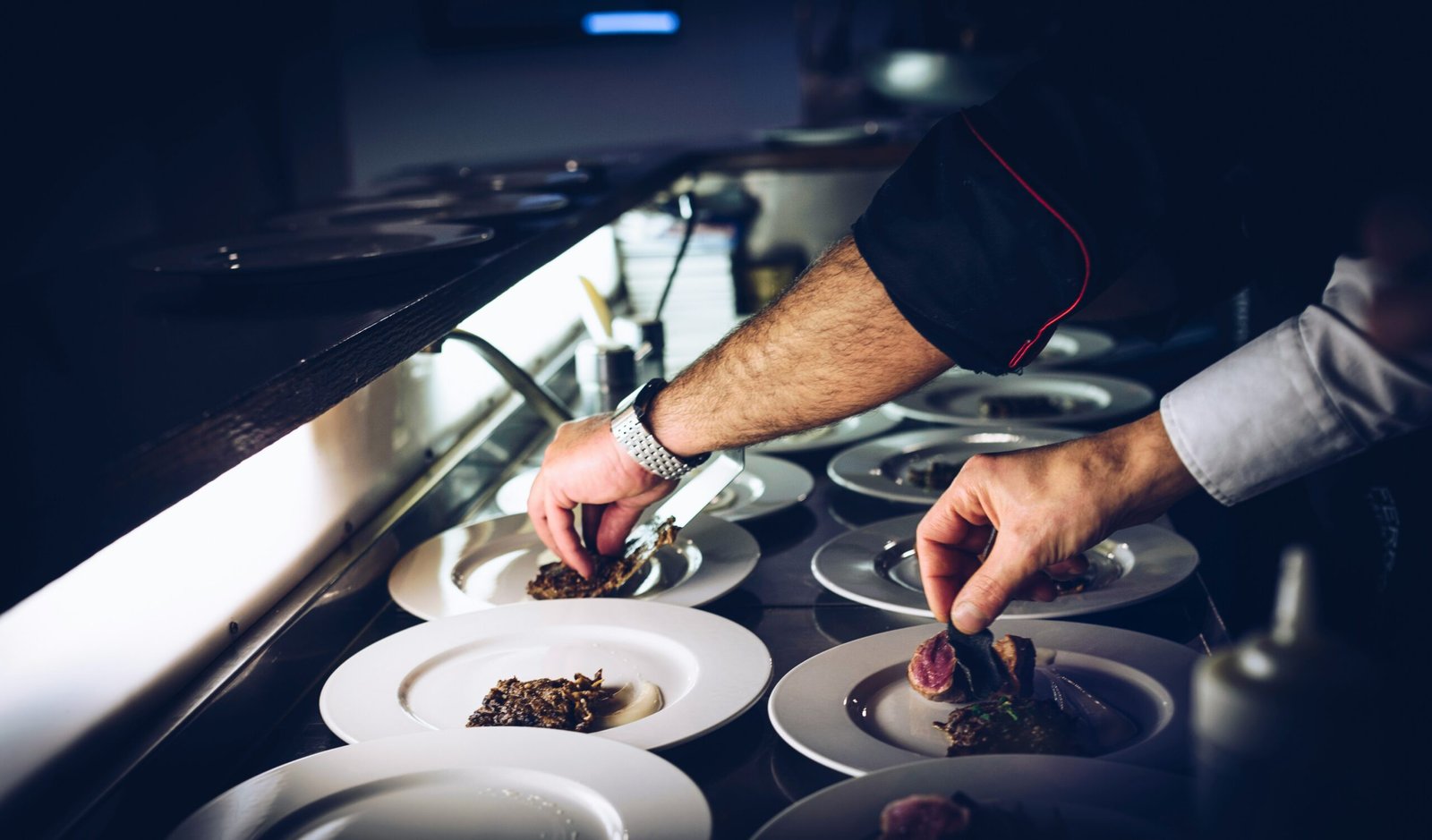
Italian cuisine is celebrated for its diversity and rich heritage, where each dish tells a story rooted in tradition, geography, and the creativity of its chefs. Within the vibrant culinary scene of Singapore, many chefs are inspired by their personal experiences and gastronomic journeys, which shape their interpretations of classic Italian dishes. One such hallmark dish is Risotto, known for its creamy texture and versatility. Chef Maria from a renowned Italian restaurant emphasizes that her rendition of mushroom risotto is not only a comfort food but also a reminder of her childhood in Milan, where risotto was a staple Sunday family meal. She adds local herbs to her recipes, creating a unique blend that pays homage to both her roots and her present setting.
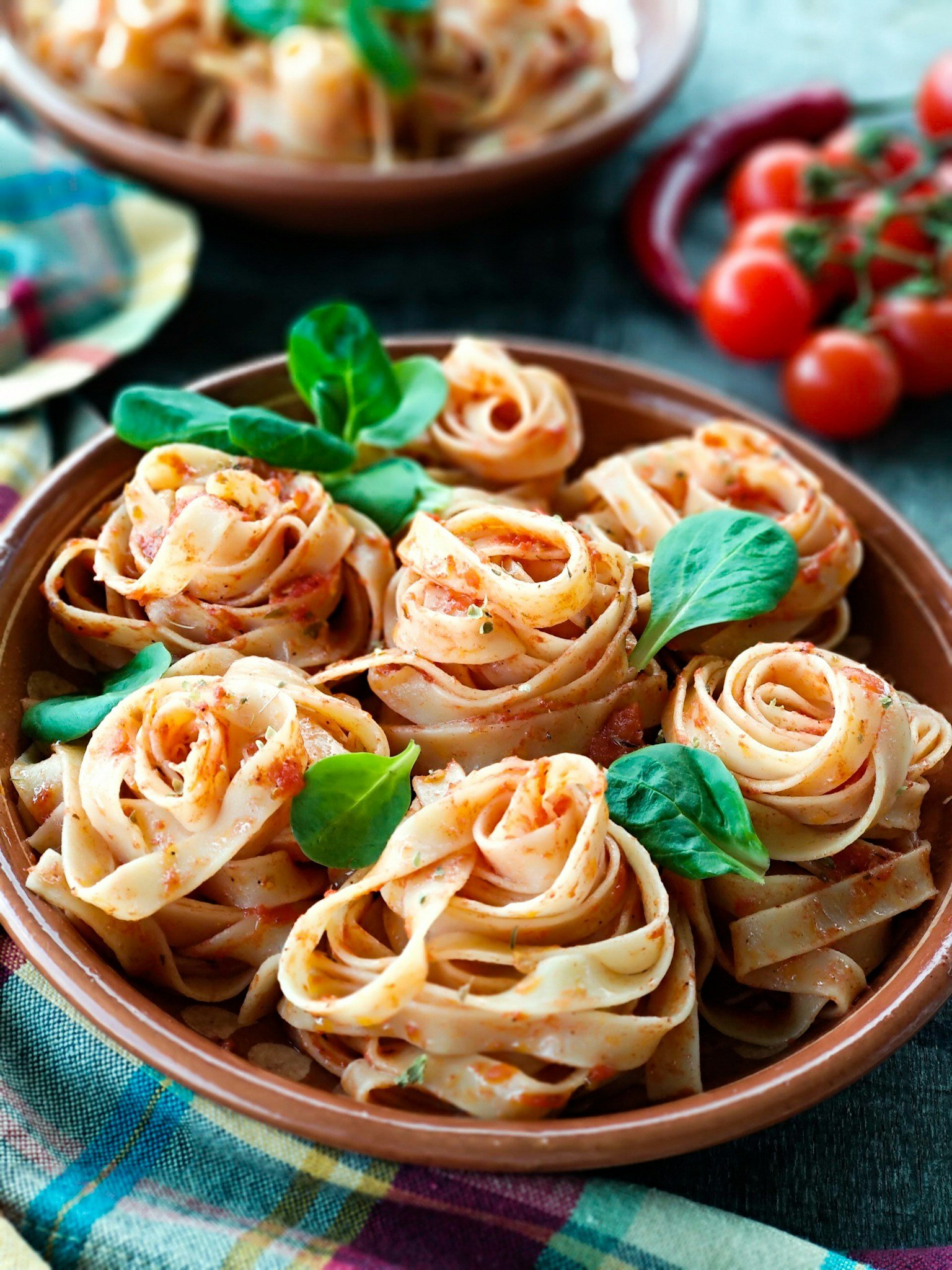
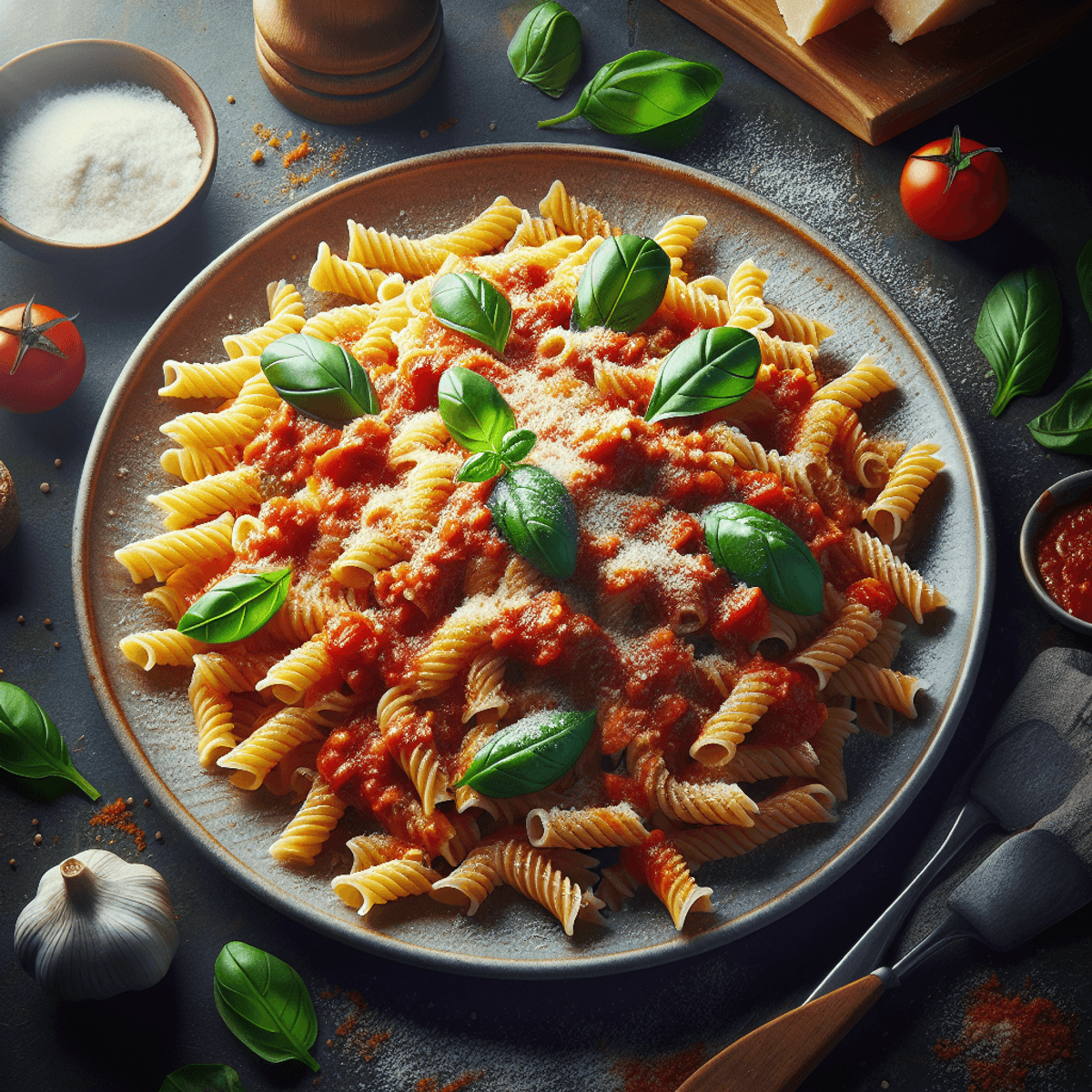
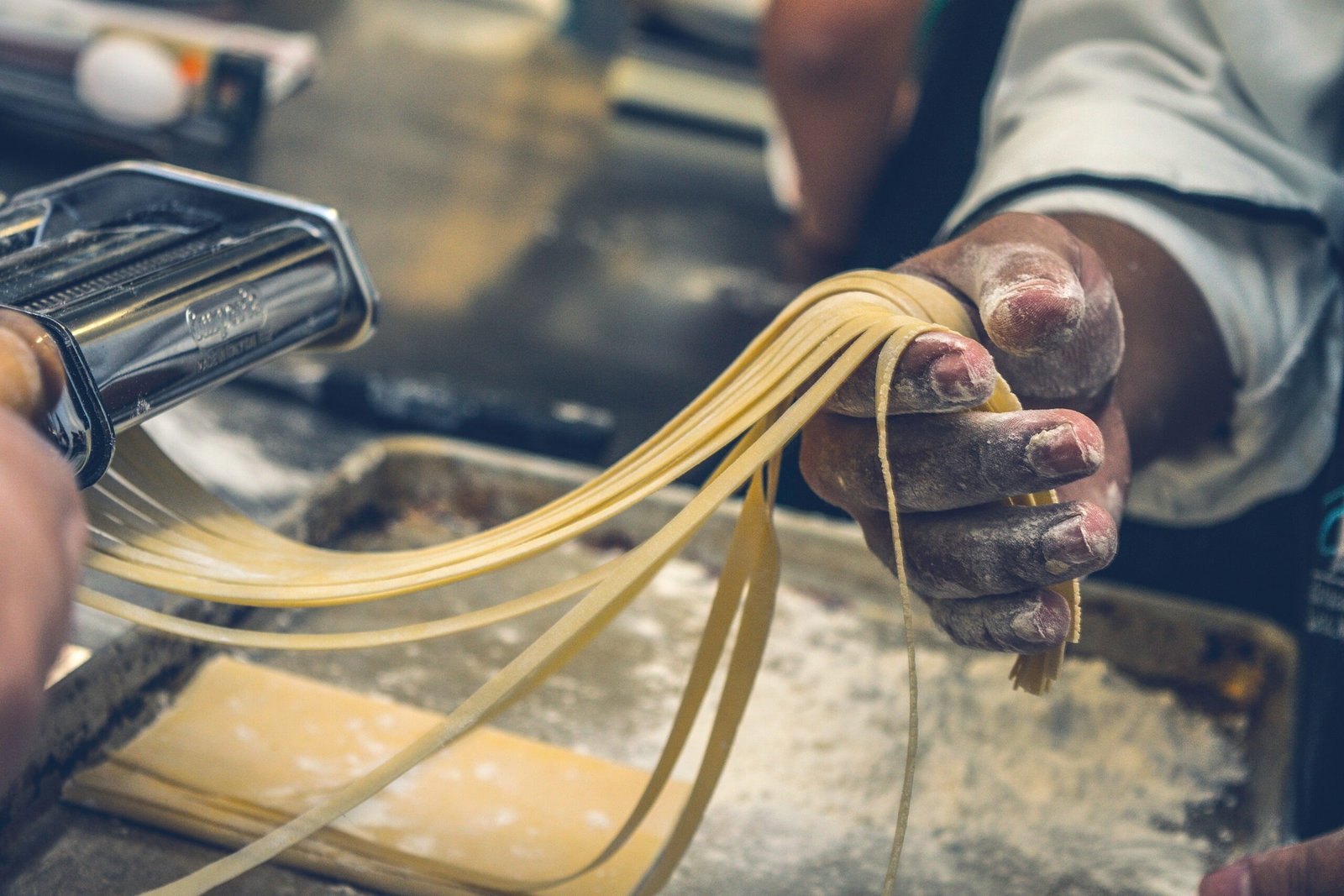
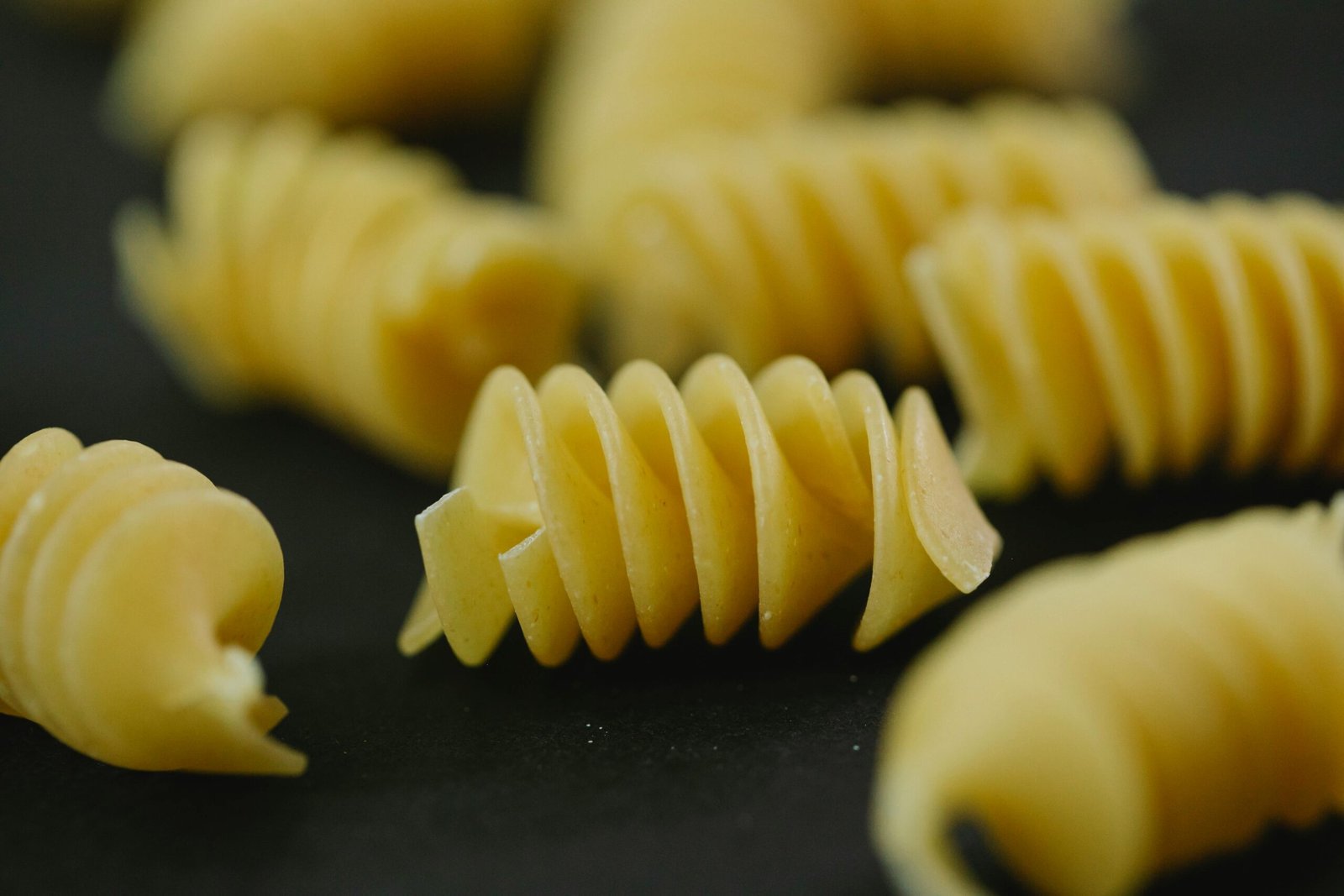
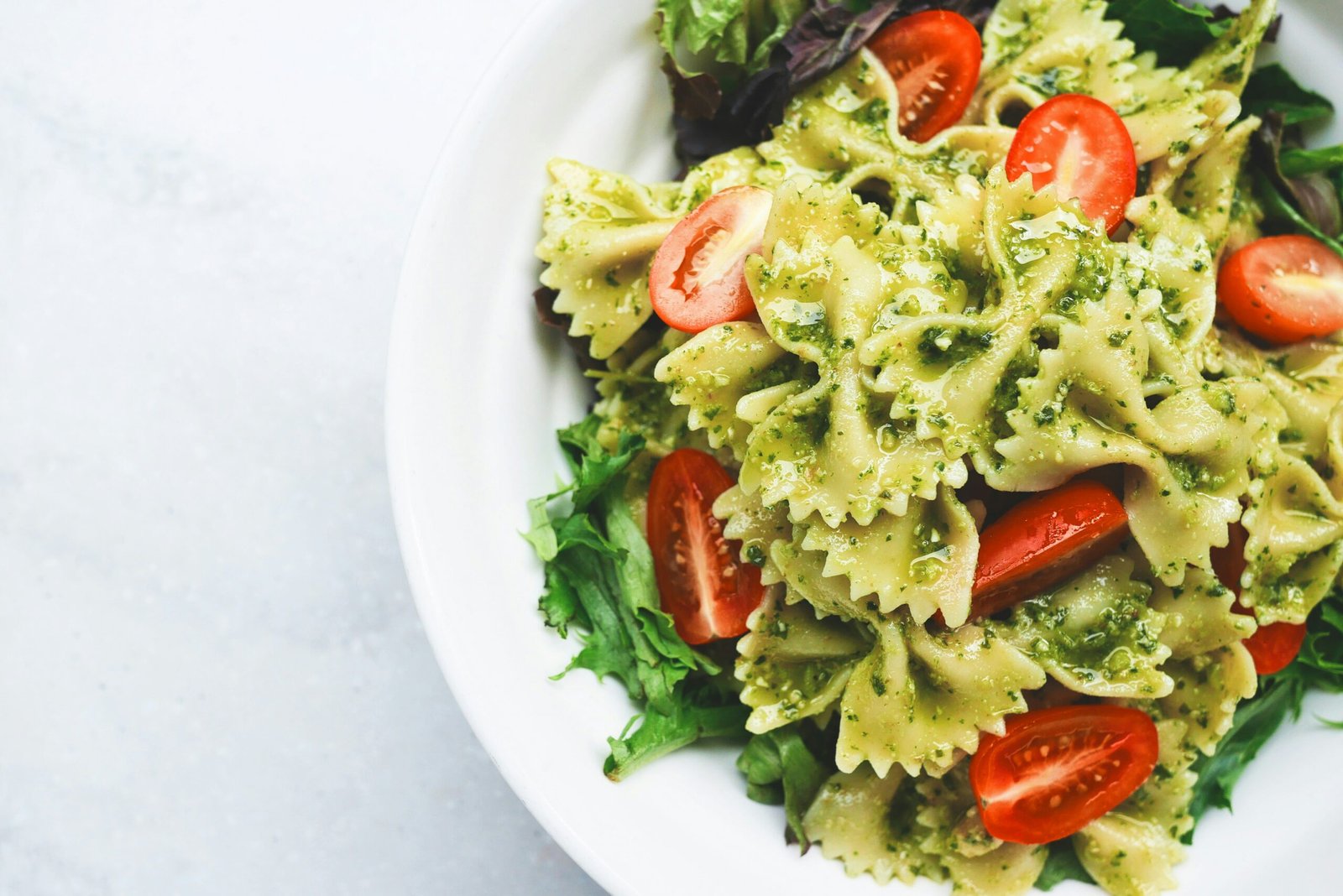
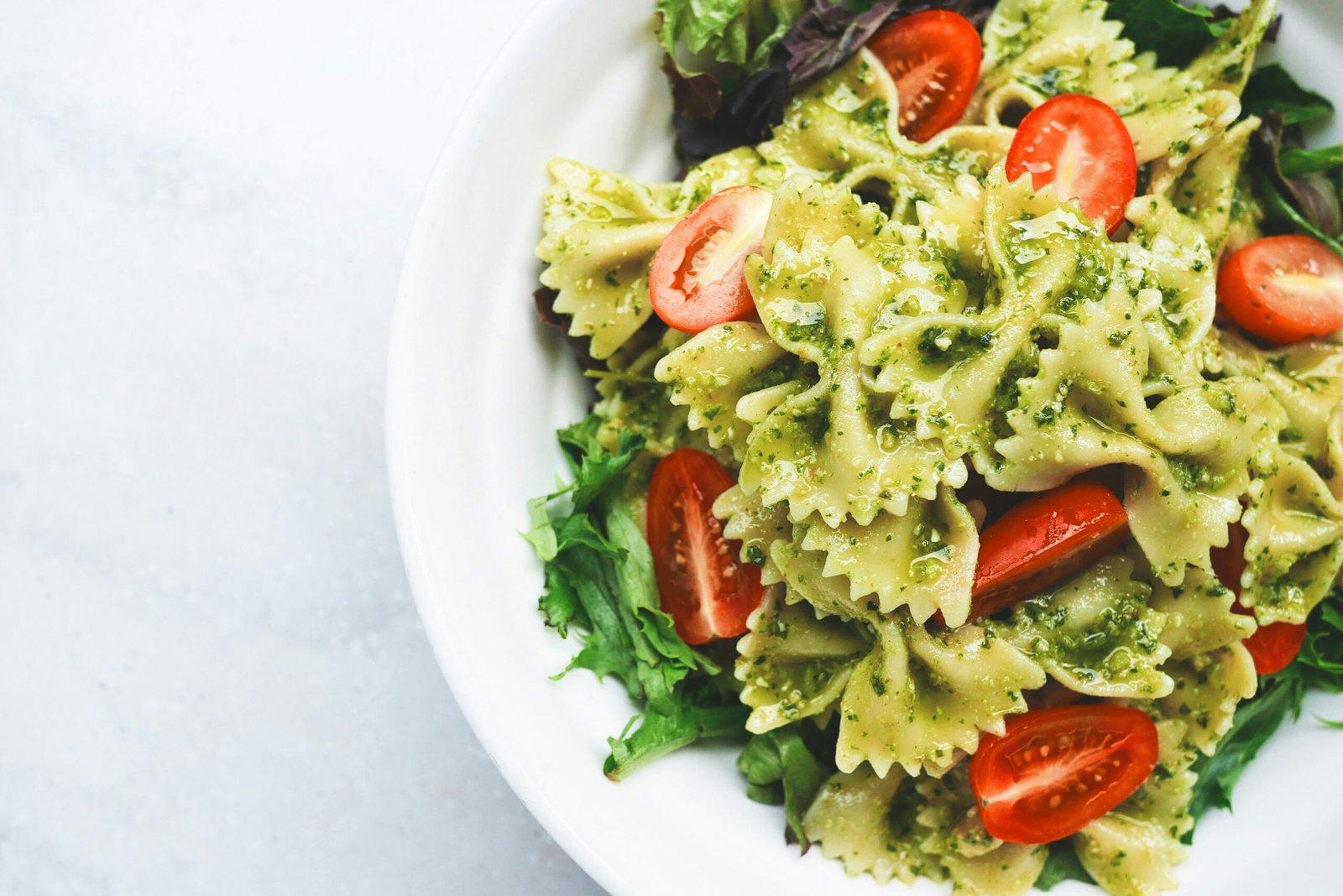
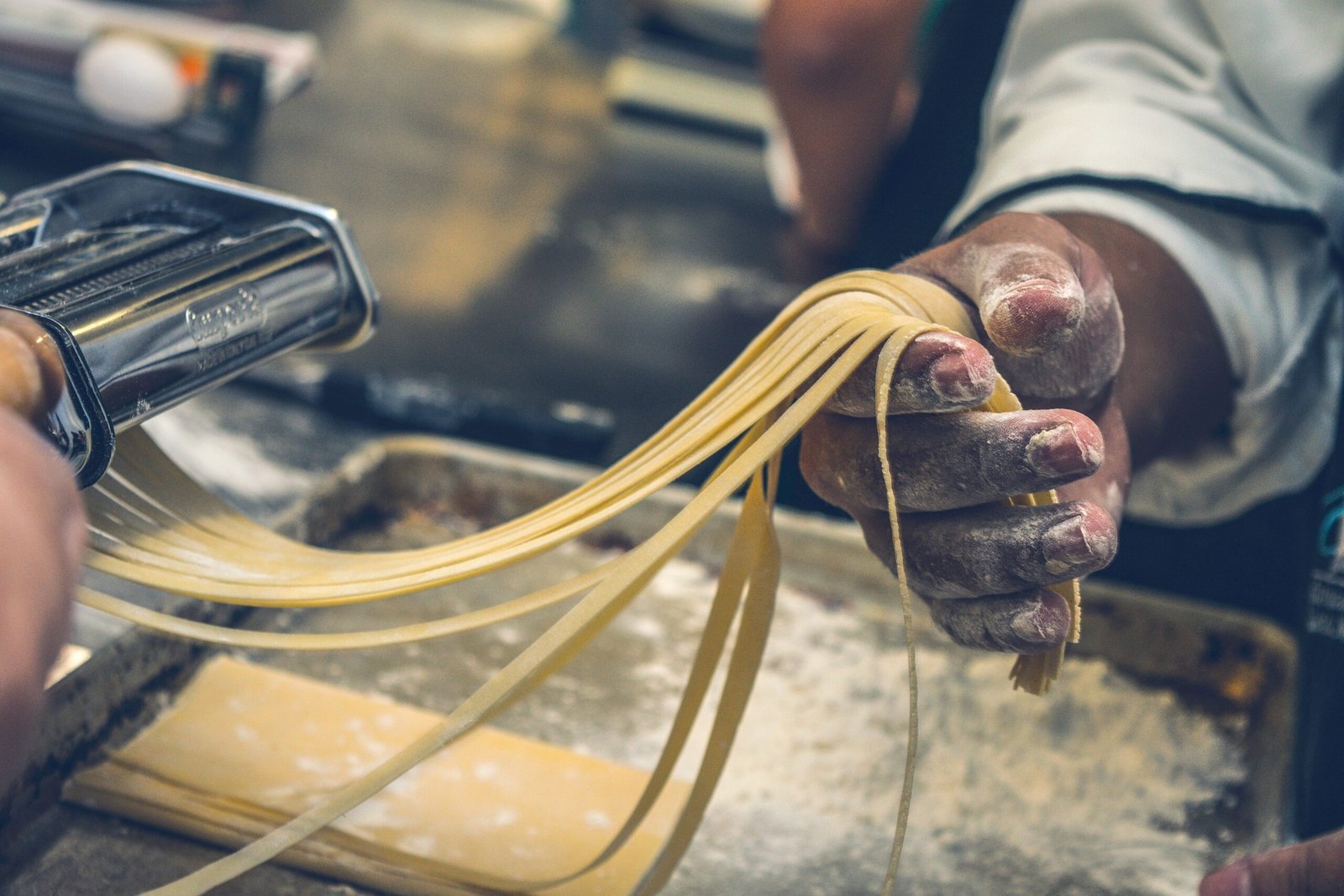
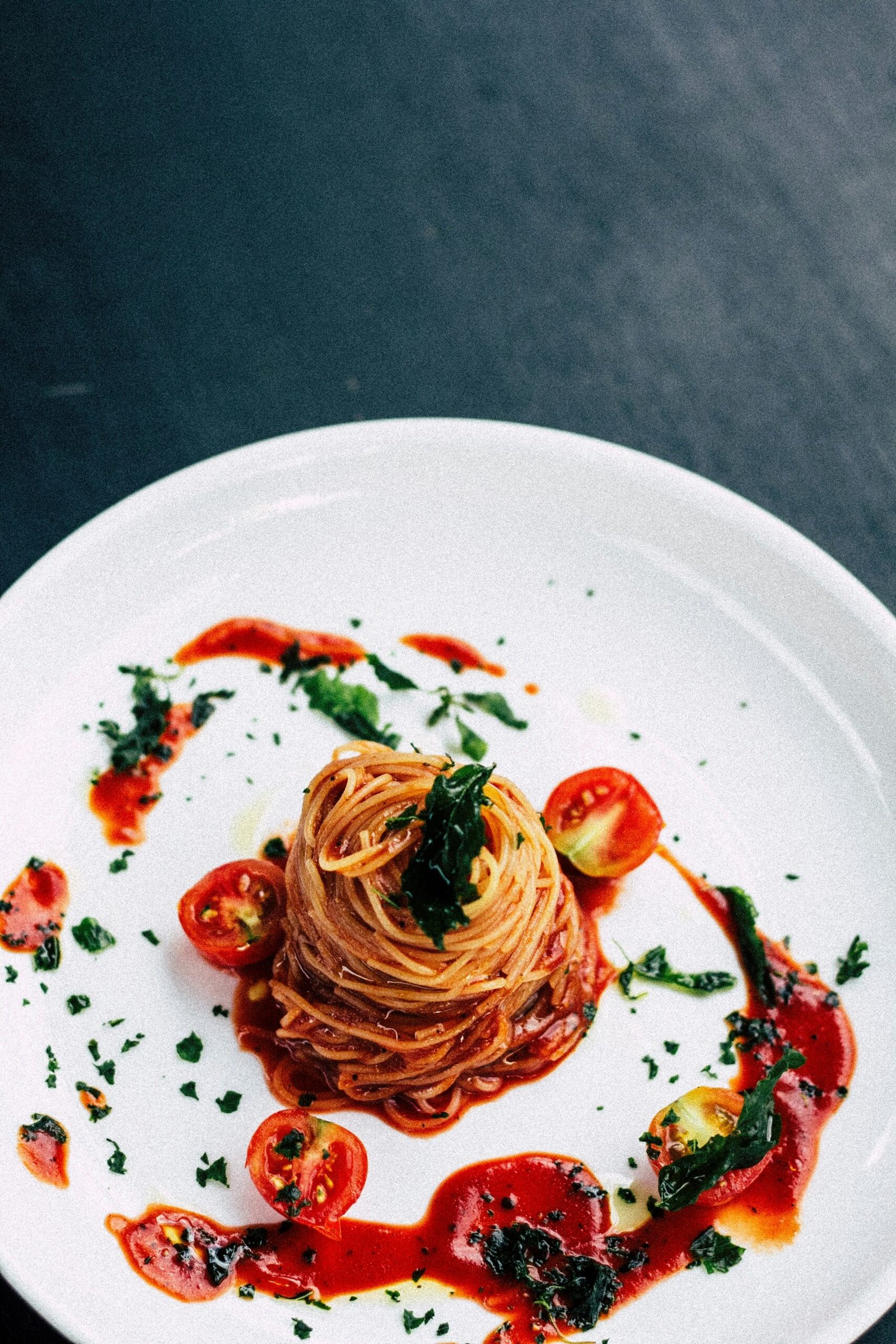
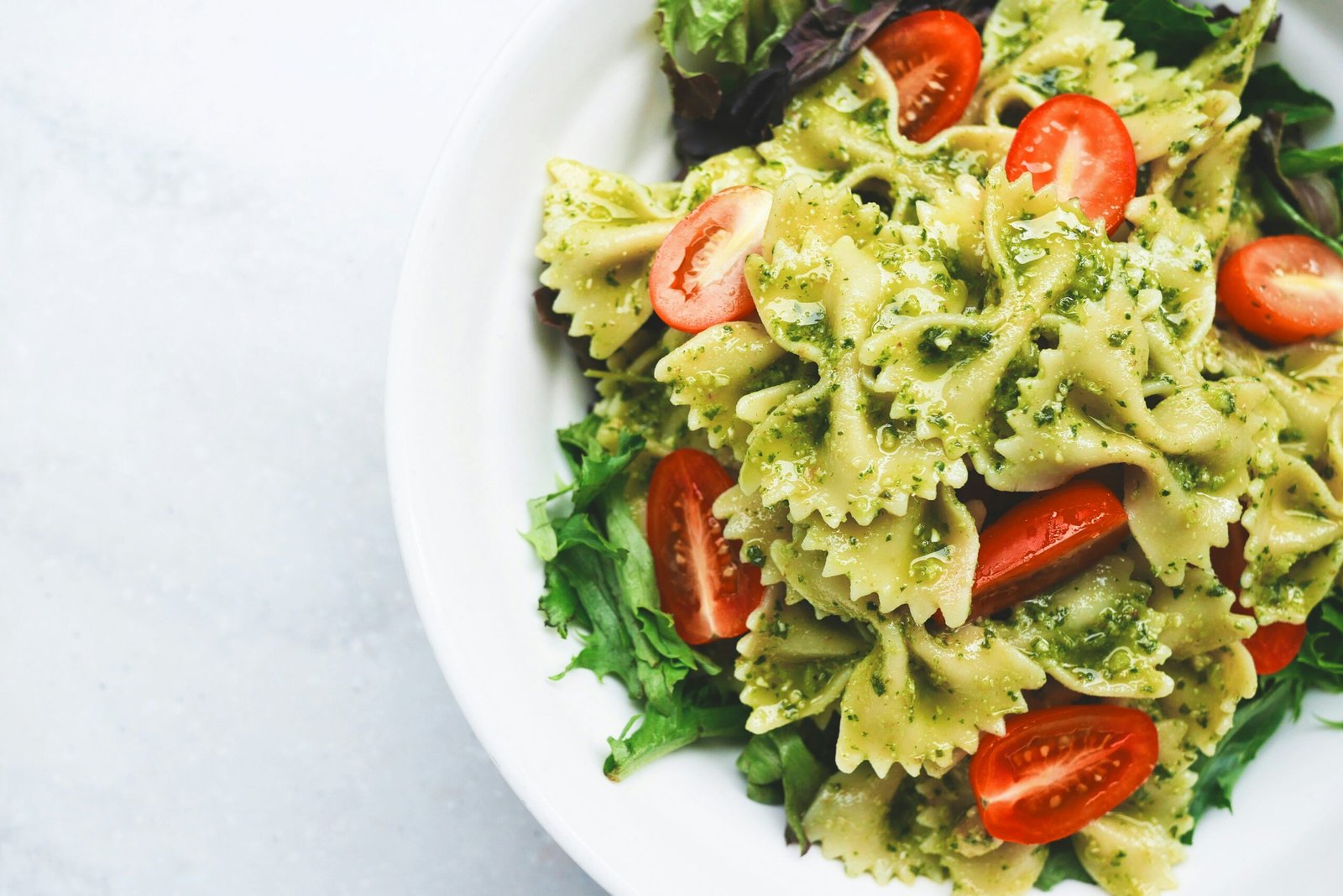
Pasta, another quintessential element of Italian dining, also encapsulates individual stories. Chef Roberto, famous for his handmade pasta, recalls his upbringing in Naples, where he learned the art of pasta-making from his grandmother. His signature dish, Spaghetti alle Vongole, is a tribute to coastal cuisine, allowing him to connect with both his heritage and the fresh seafood available in Singapore. By utilizing locally sourced clams and a modern twist on traditional recipes, he bridges the gap between Italy and Southeast Asia.
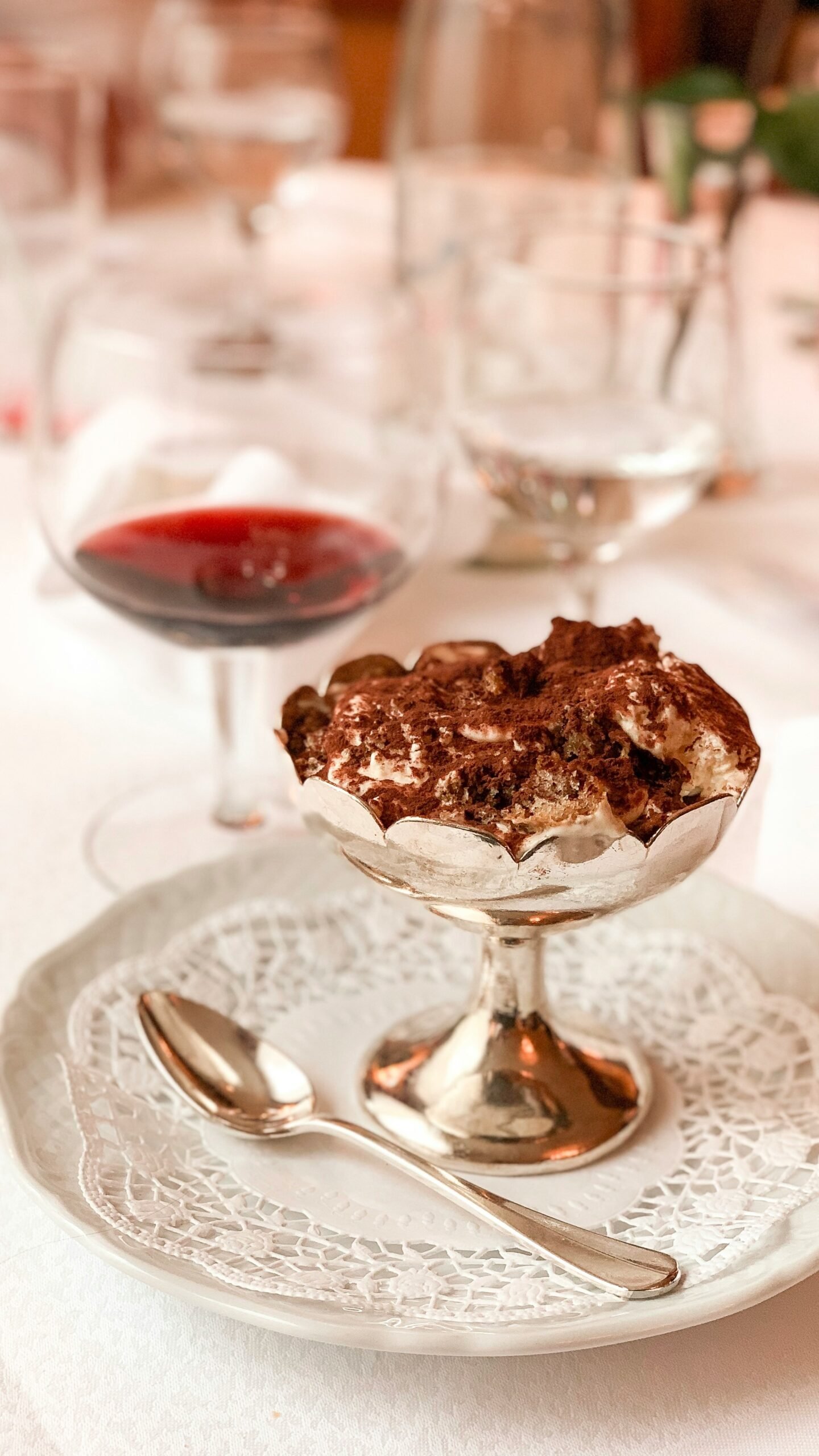
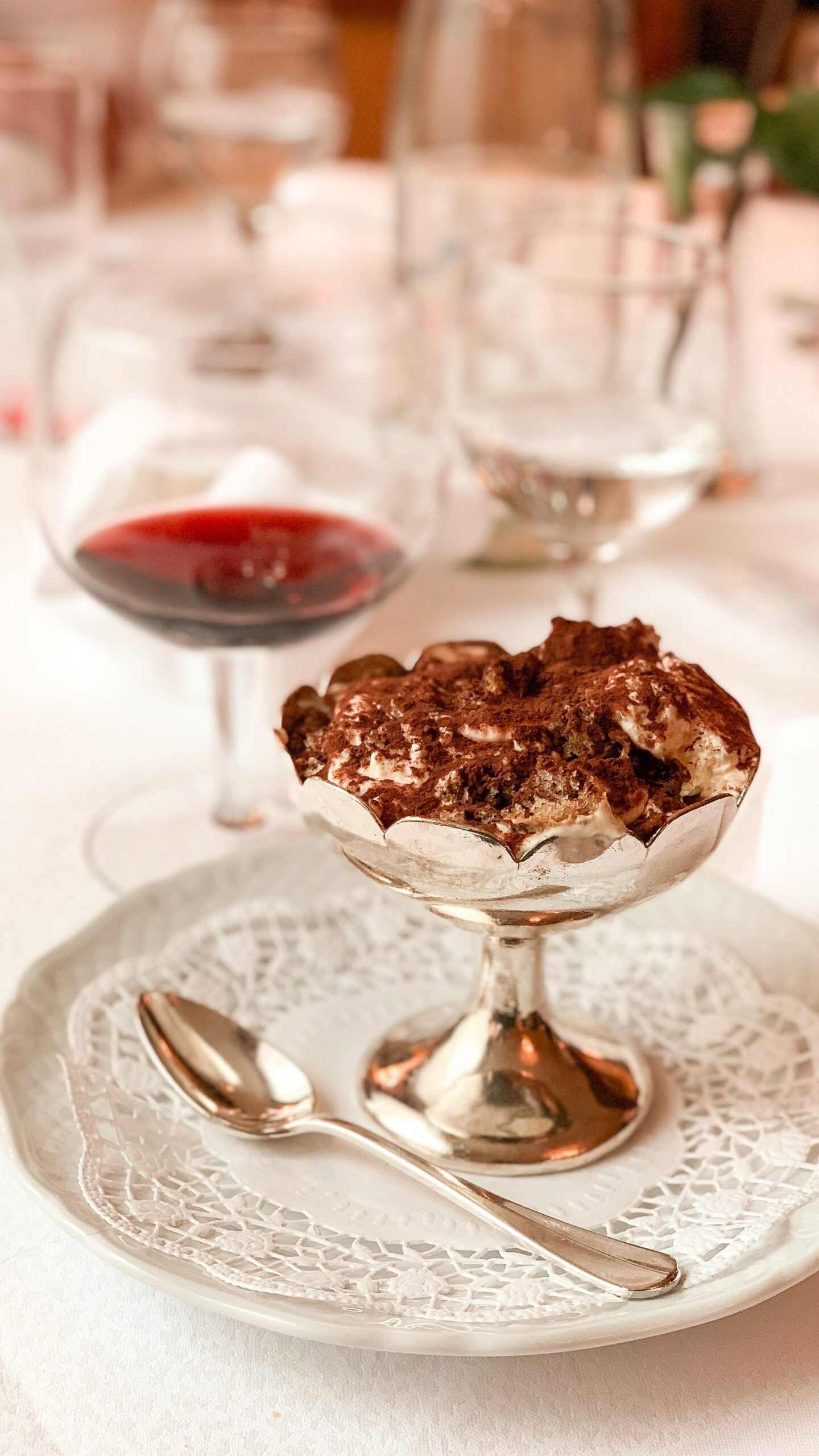
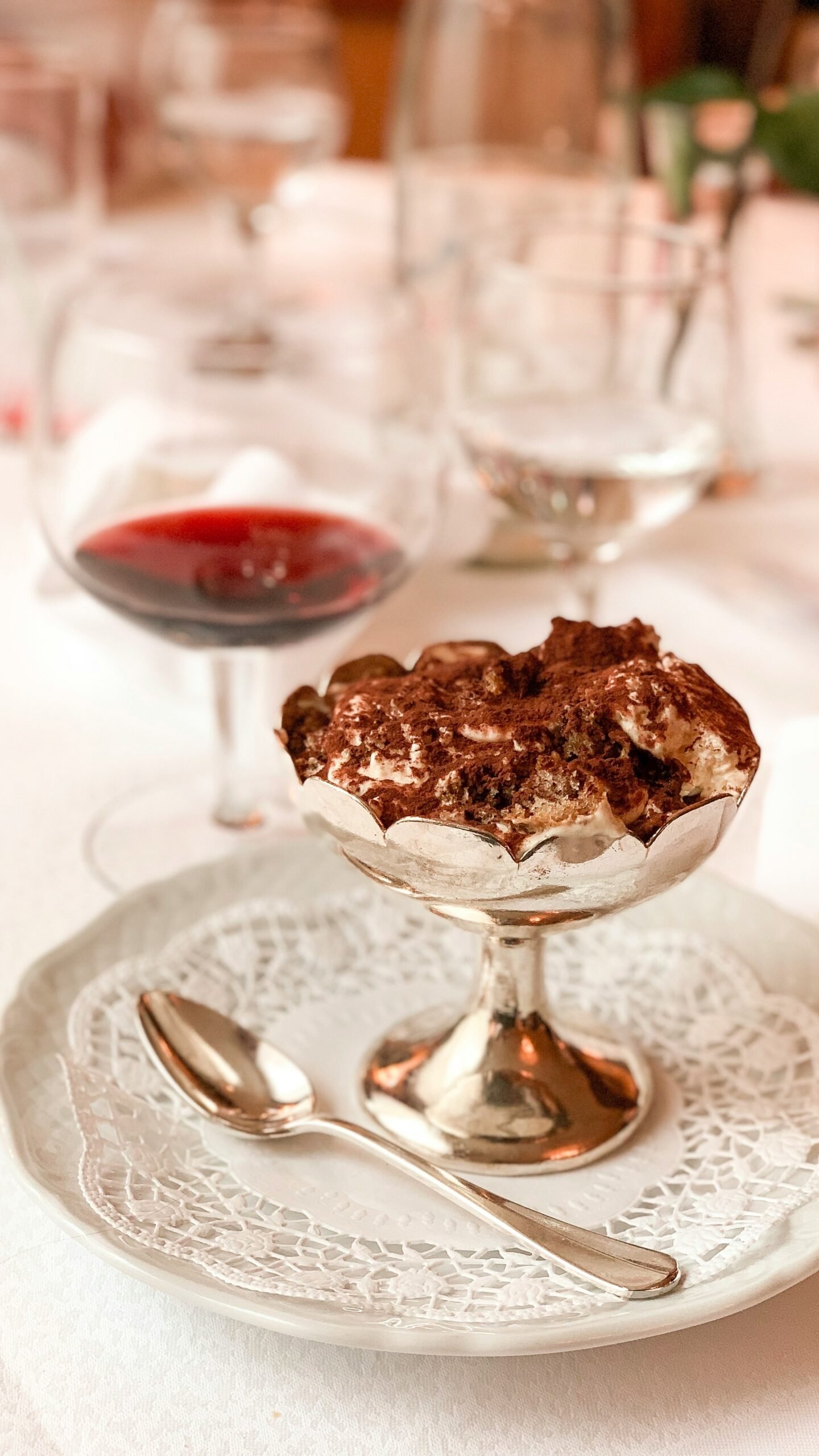
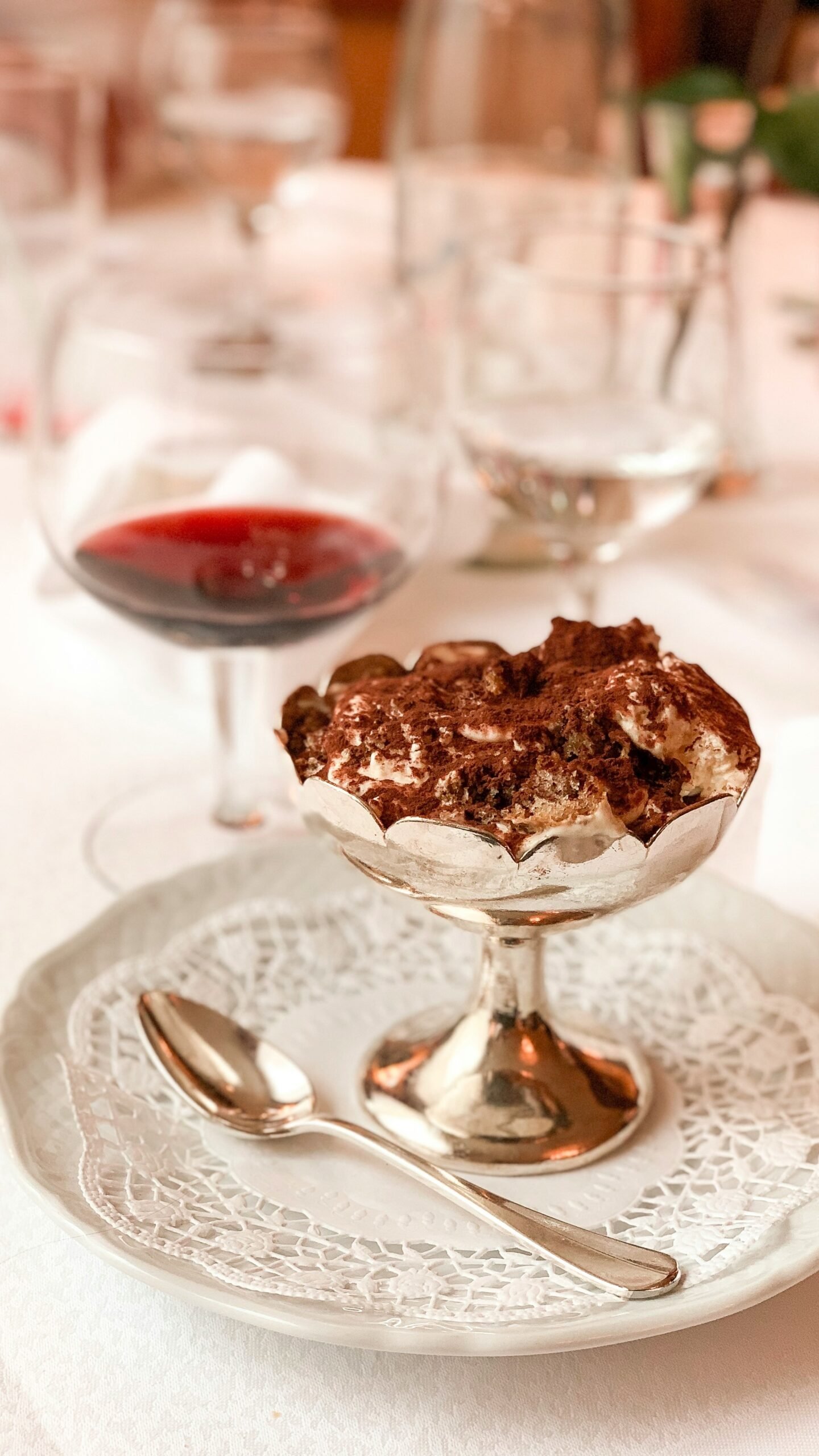
Furthermore, the classic Tiramisu has found its way into many Singaporean menus, often transformed by inventive chefs. Chef Elena shares how this beloved dessert resonates with her as it represents the joy of celebration. Her approach incorporates Singaporean flavors, such as robust coffee varieties from local roasters, reinforcing the interconnectedness of cultures through food. Each dish, whether it’s a savory entrée or a delightful dessert, reflects not only the chef’s culinary skills but also the vibrant narratives that enrich the Italian dining experience in Singapore.
Pairing Wine and Crafting the Perfect Menu
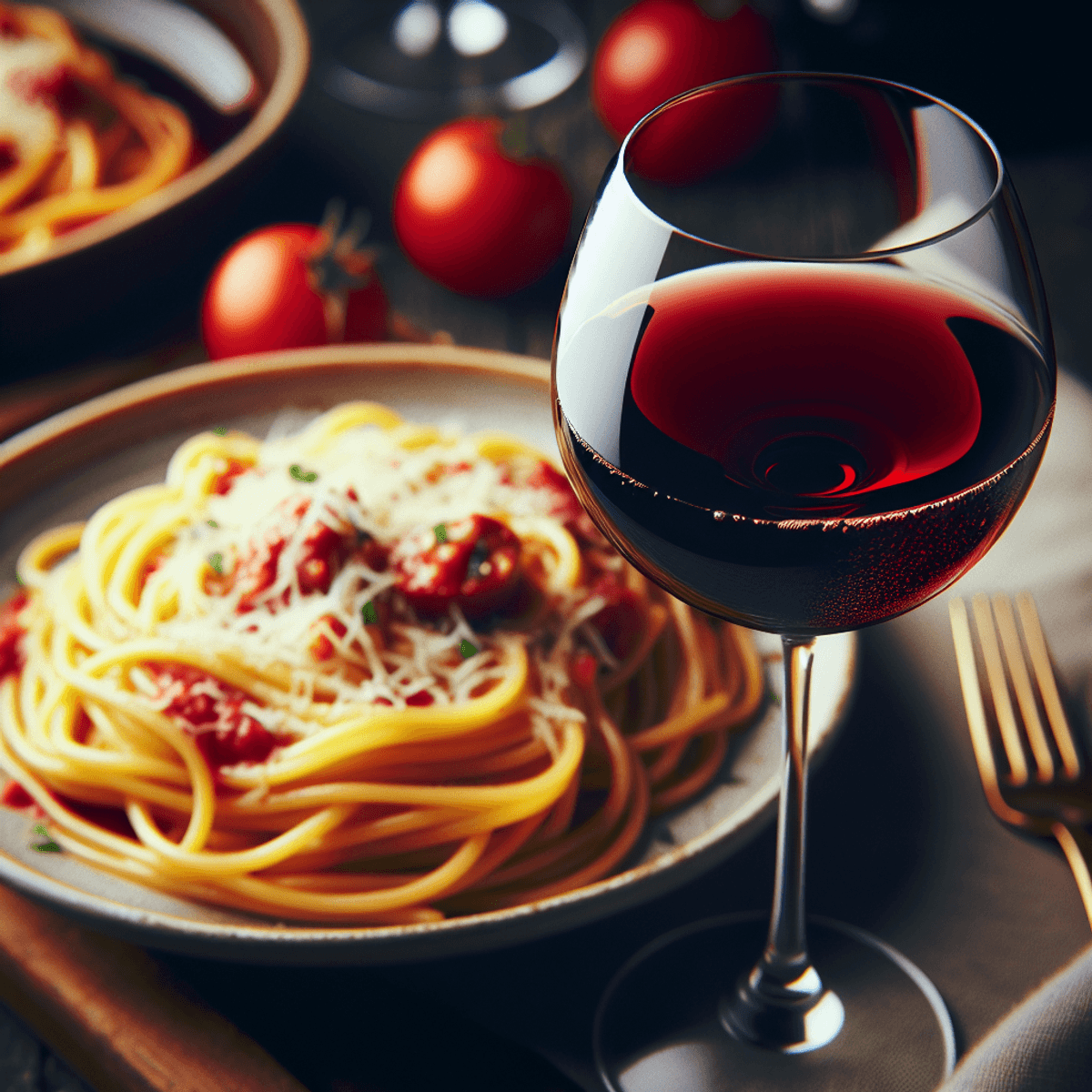
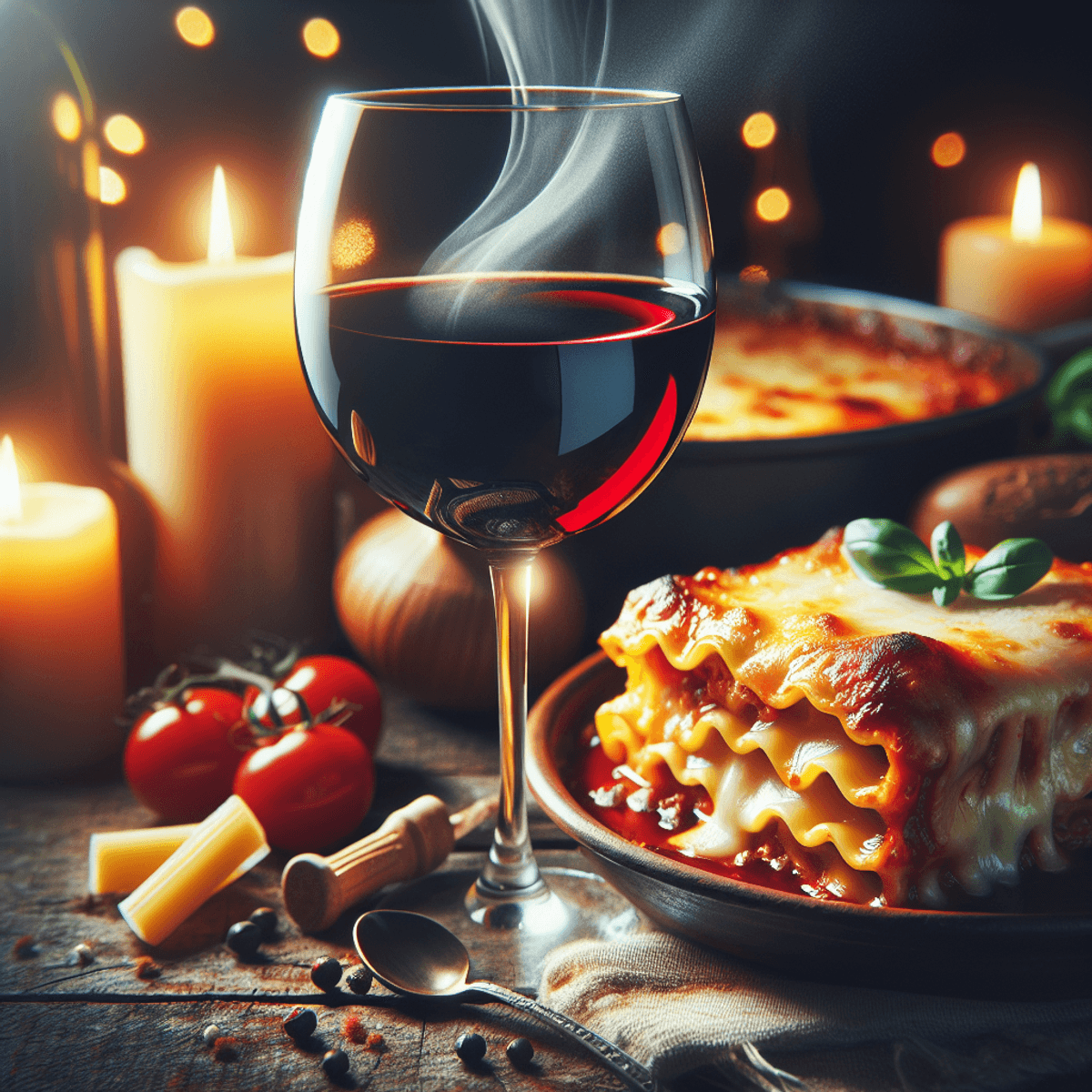
Creating an exquisite Italian dining experience hinges not only on the quality of the dishes but also on the thoughtful pairing of wines. The key to an exceptional Italian dinner lies in understanding how to select wines that enhance the flavors and aromas of each course. Italian wines are distinct and diverse, with each region offering unique varietals that reflect its terroir. For instance, a light and crisp Pinot Grigio is an excellent choice to accompany seafood appetizers, while a fuller-bodied Chianti pairs beautifully with robust tomato-based pastas.
When crafting the perfect menu, one should consider the progression of flavors from appetizers to desserts. Start with antipasti, where a refreshing Prosecco can elevate the flavors of cheeses and cured meats. As the meal transitions to the main course, the chosen wine should resonate with the predominant ingredients. For example, a rich Sangiovese complements the earthy notes of mushroom risotto, while a Barolo can stand up to the bold flavors of braised lamb.
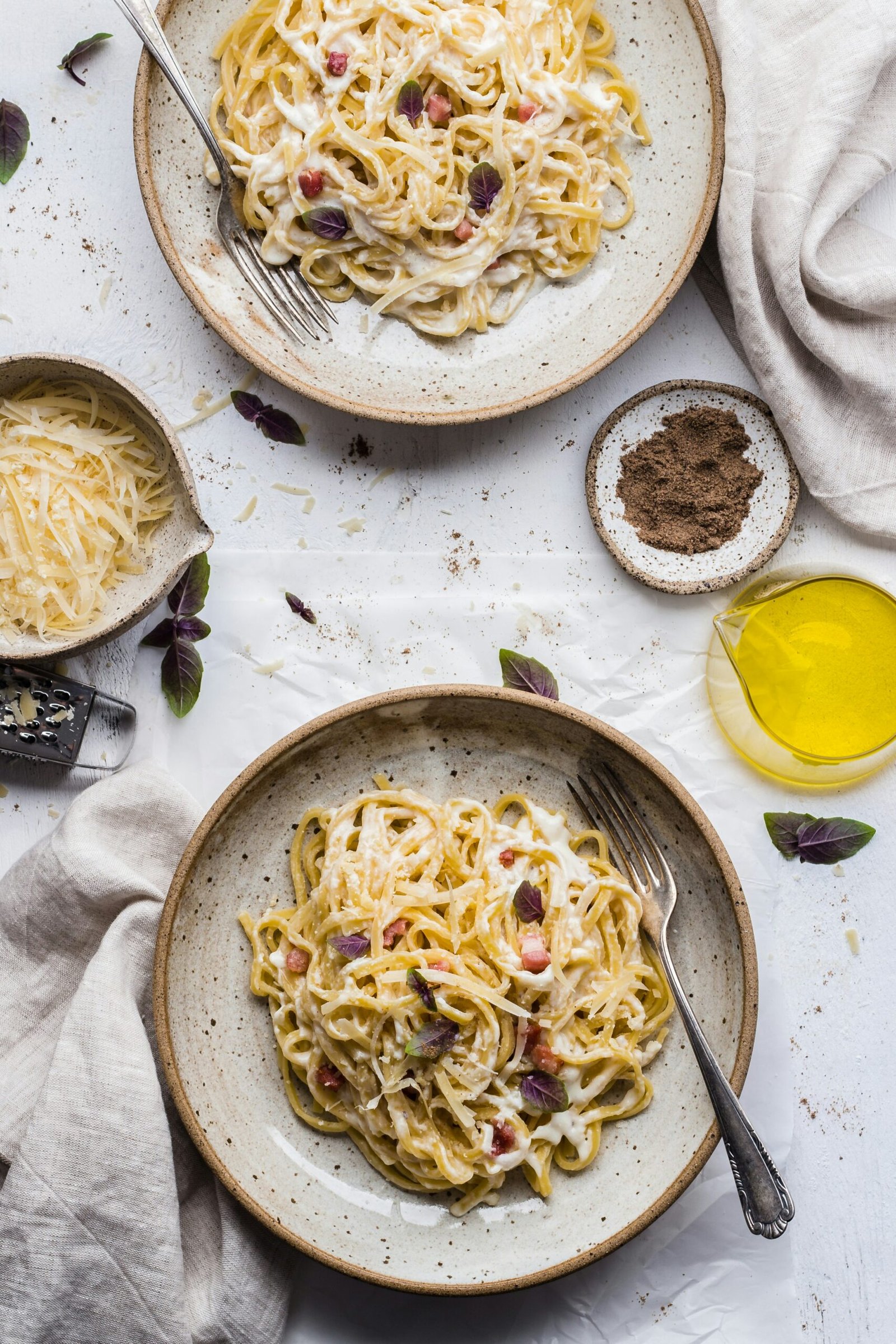
Furthermore, balancing flavors is crucial. A dish that is richly flavored often demands a wine that matches its intensity, whereas lighter fare can be accompanied by a more subtle wine. For instance, grilled vegetables can be paired with a dry Verdicchio, allowing the dish’s natural flavors to shine without overwhelming them. Additionally, texture plays a role in pairing; creamy dishes, such as fettuccine Alfredo, may benefit from a wine with good acidity to cut through the richness.
As one crafts the final course, dessert, consider sweet and sparkling wines like Vin Santo, which can beautifully balance the sweetness of traditional Italian pastries such as tiramisu or panna cotta. By carefully selecting each wine, one creates a harmonious dining experience that captures the essence of Italian culinary art, enabling guests to savor each moment of the meal.
Creating an Inviting Dining Atmosphere
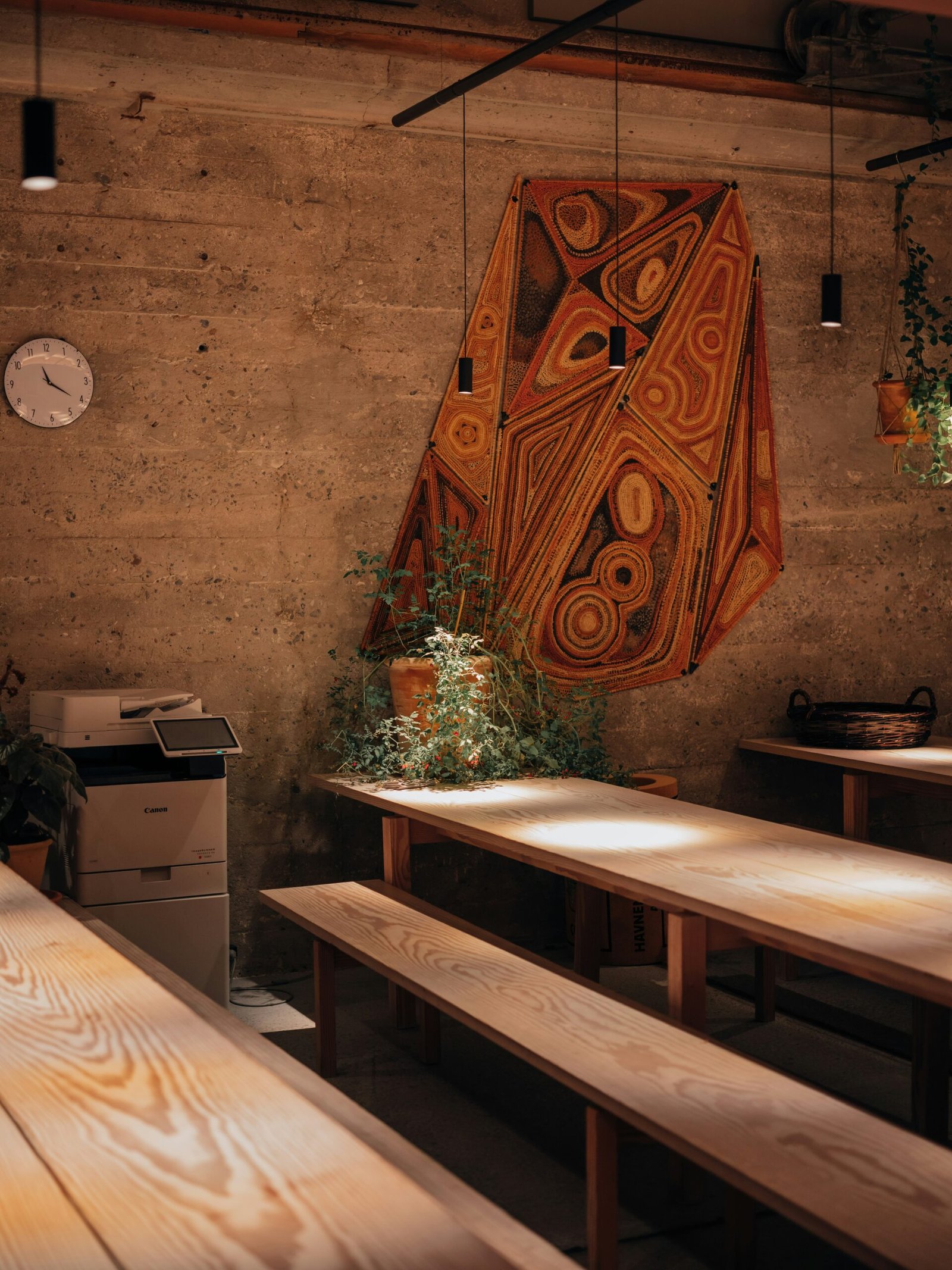
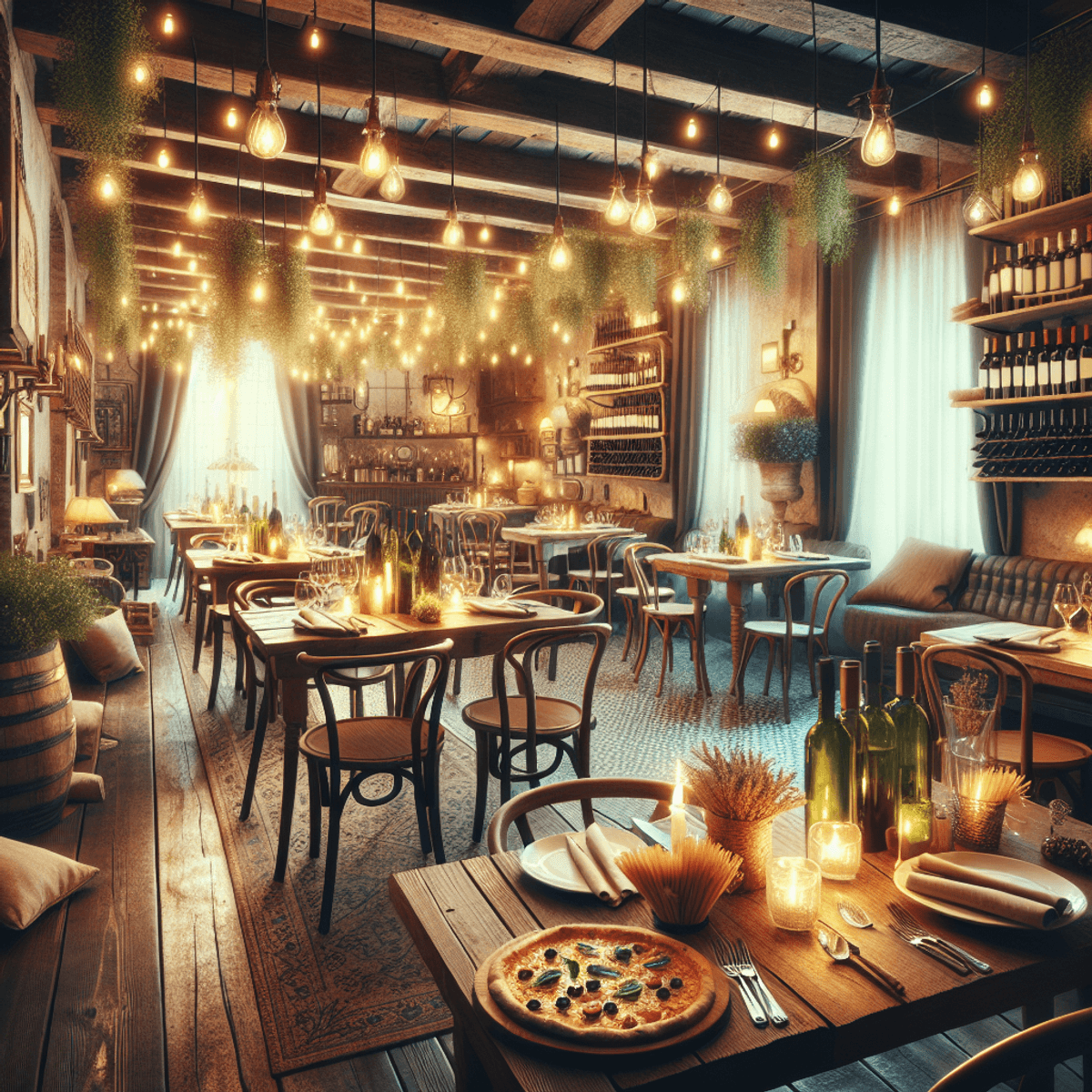
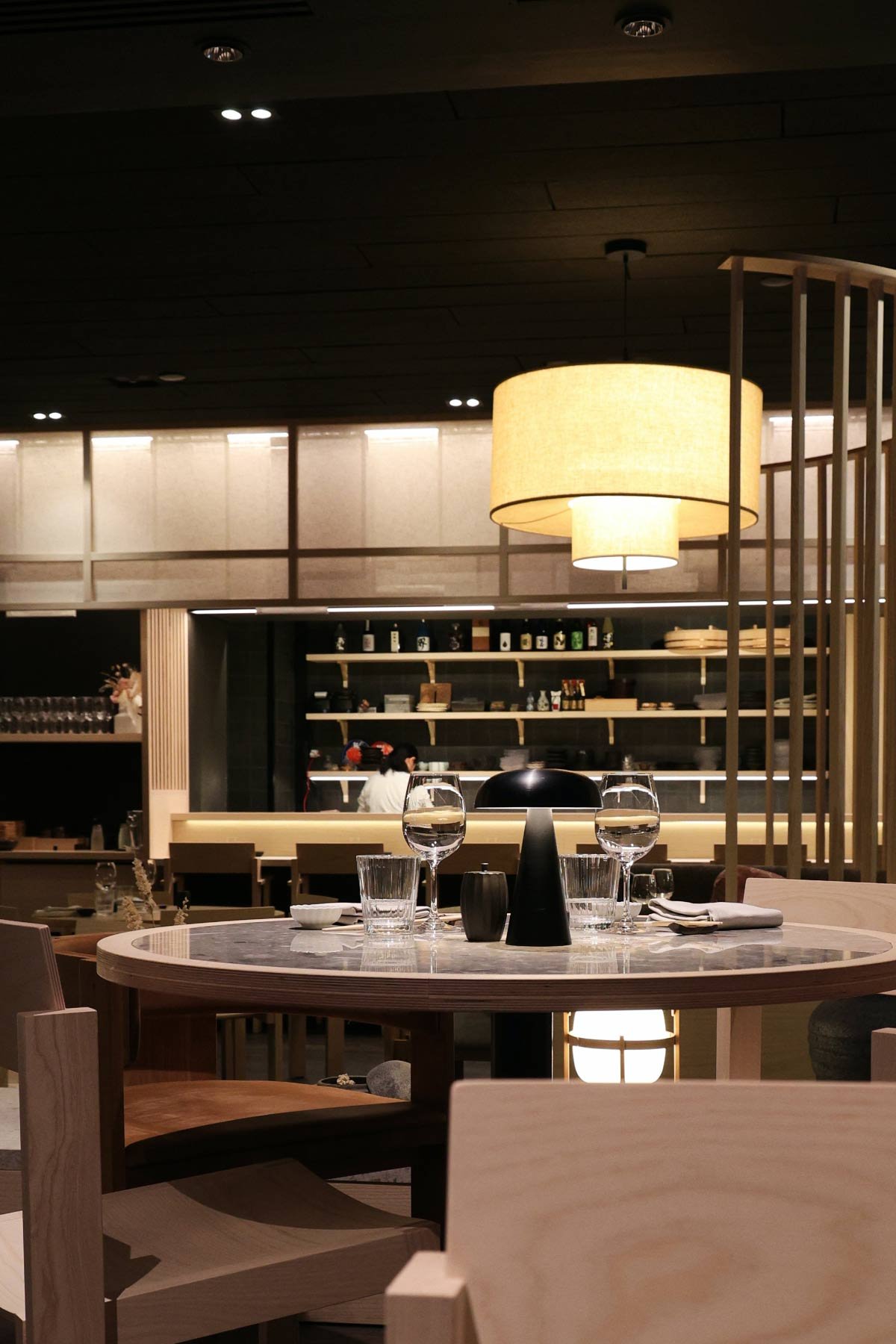
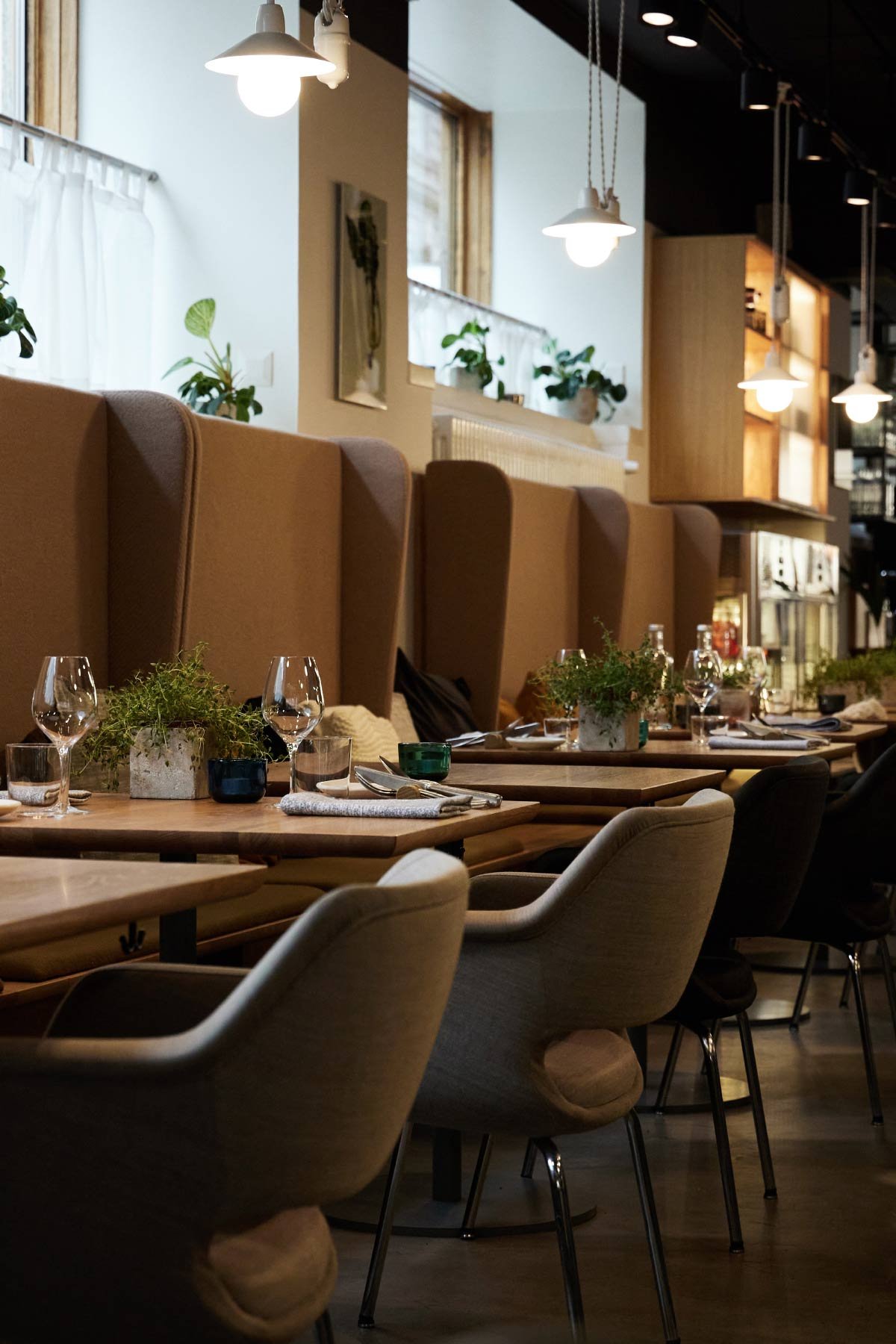
Setting the right ambience is crucial for an authentic Italian dinner experience. Renowned chefs in Singapore emphasize that the atmosphere significantly impacts how meals are savored and enjoyed. When inviting guests to share an Italian meal, various elements should be considered to create a warm and inviting dining space.
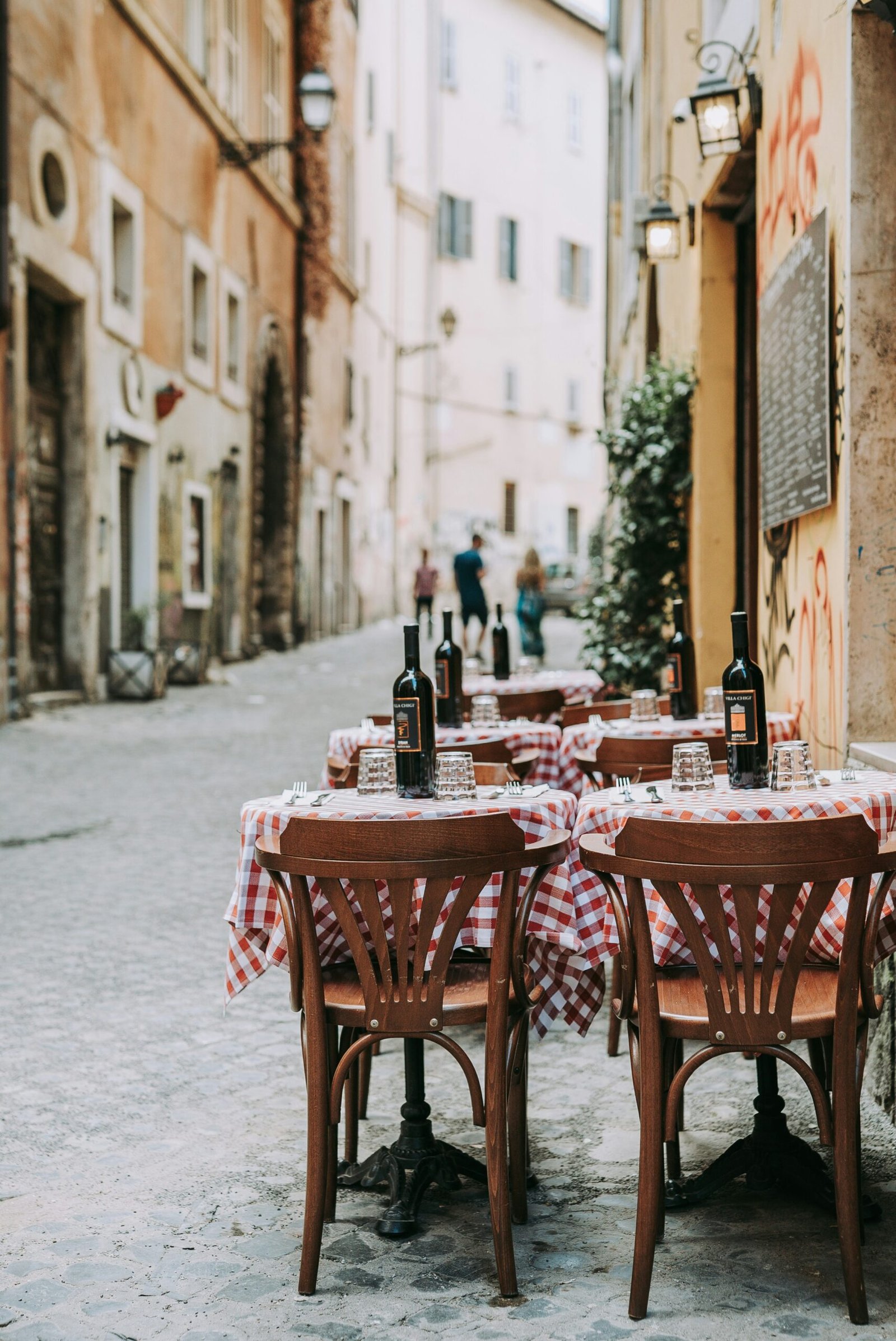
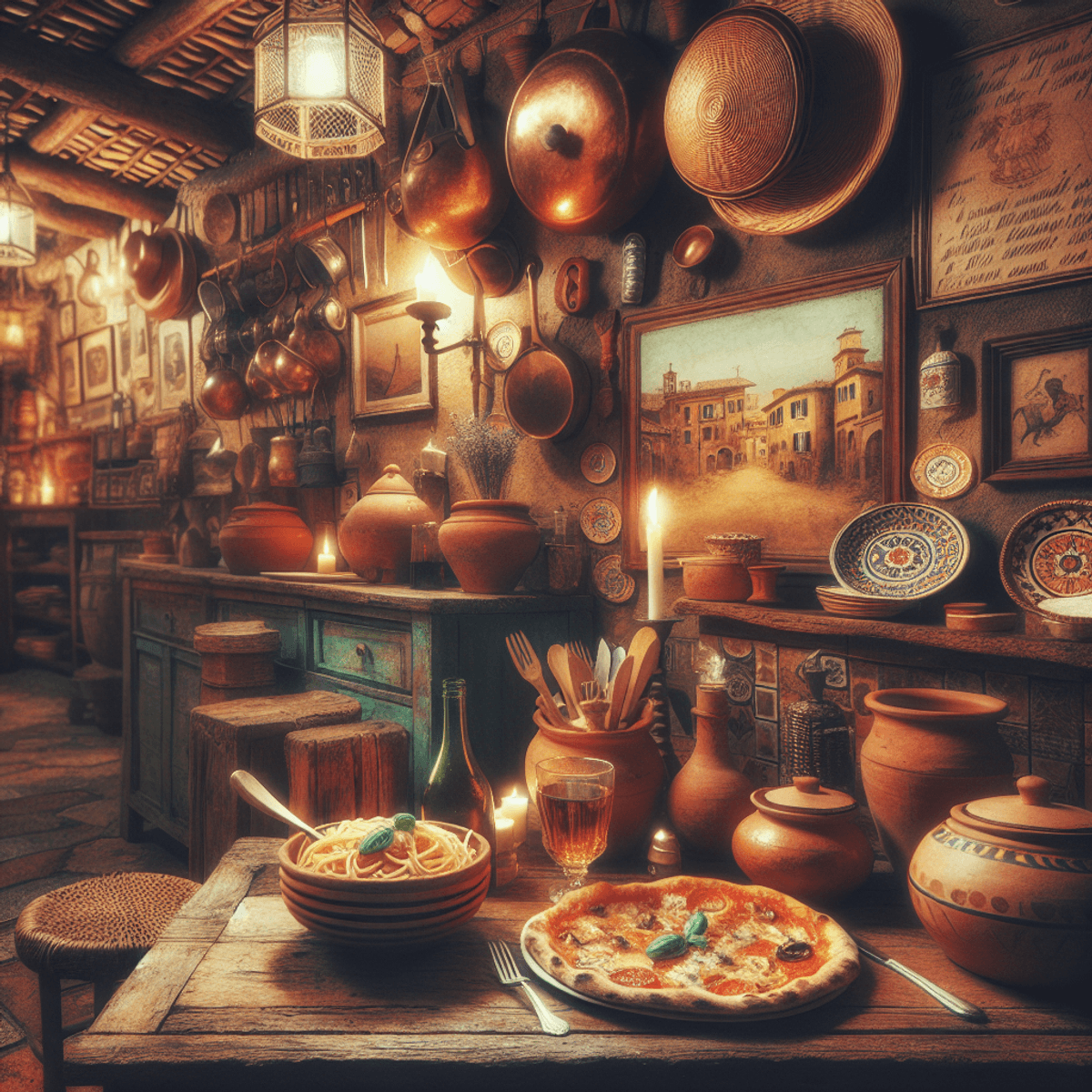
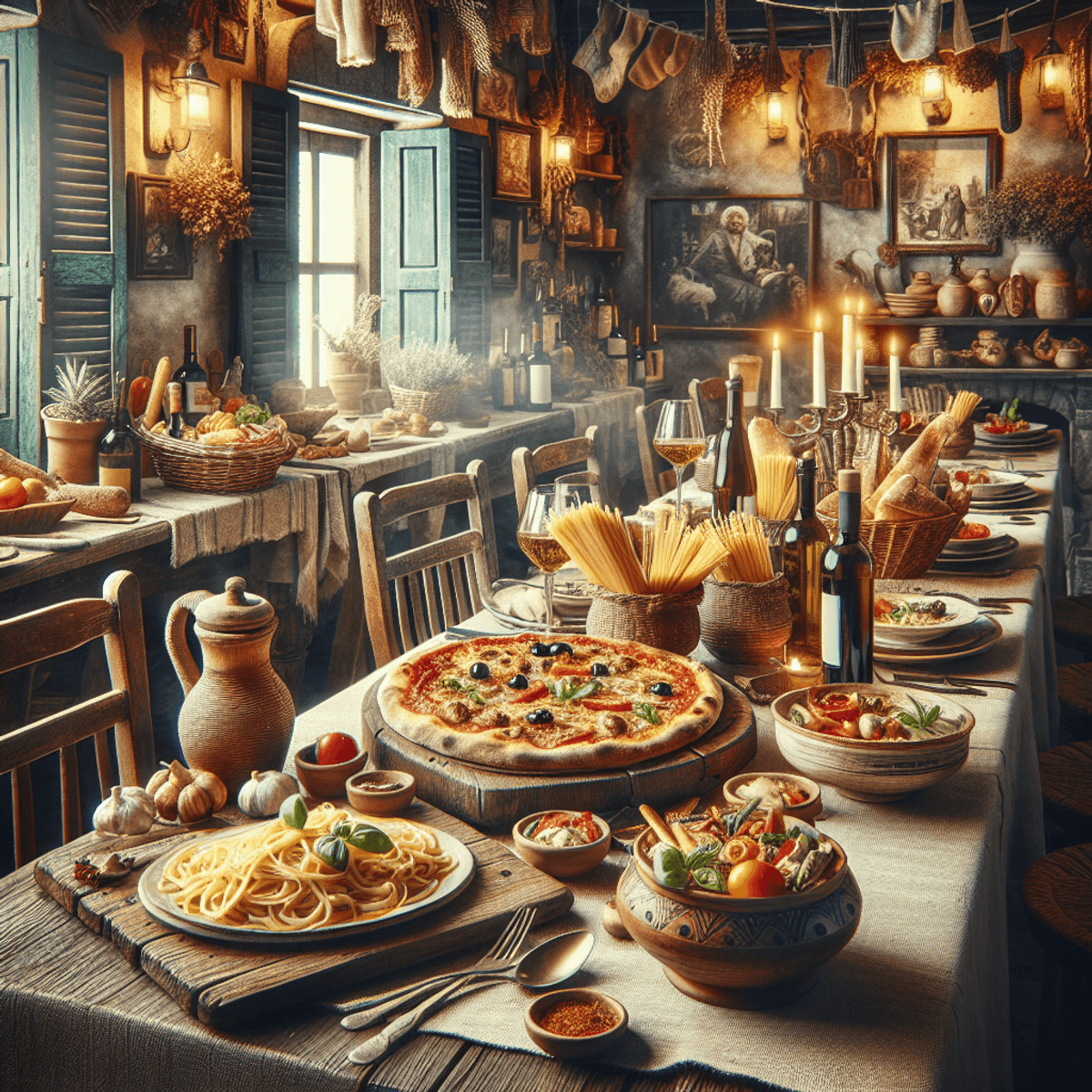
Firstly, the table setting plays a vital role. Utilizing quality tableware that reflects Italian culture, such as ceramic dishes and rustic wine glasses, can enhance the dining experience. Incorporating fresh flowers or herbs, like basil or rosemary, as centerpieces not only adds visual appeal but also infuses the air with delightful aromas, reminiscent of an Italian trattoria. Table linens in earthy tones or classic checkered patterns can evoke a sense of rustic charm, reinforcing the overall theme.
Lighting is another essential aspect to consider. Soft, warm lights create a welcoming atmosphere and can be achieved through the use of candles or dimmable fixtures. Chefs suggest layering ambient lighting with accent lights to highlight the dining table. Natural light is also beneficial; if possible, dining outdoors during sunset can provide a romantic and lush backdrop, enhancing the Italian dining experience.
Music should not be overlooked either. An Italian dinner is best complemented with traditional music, such as the melodies of Andrea Bocelli or classic Italian cinema soundtracks. This auditory element can further immerse guests in the cultural experience while enhancing the mood.
Lastly, presentation styles matter greatly in fostering a sense of togetherness. Family-style serving, where dishes are placed in the center of the table for guests to help themselves, promotes camaraderie and a feeling of sharing. This method encourages conversation and connection, echoing the Italian tradition of communal dining. By thoughtfully incorporating these elements, one can transform their dining space into an inviting Italian-inspired setting, ensuring a memorable experience for all. In conclusion, the ambience of an Italian dinner is a harmonious blend of aesthetics, sound, and interaction that resonates deeply with the essence of Italian hospitality.