Introduction to US Tariffs and Their Global Influence
Tariffs are taxes imposed by governments on imported goods, aimed at regulating international trade and generating revenue. They serve multiple purposes, such as protecting domestic industries, encouraging local consumption, and addressing trade imbalances. When a country, such as the United States, unilaterally imposes tariffs on specific products, it not only influences its own economy but also triggers a chain reaction in global supply chains. This phenomenon is particularly evident in the trade dynamics affecting Italian products, which are renowned for their quality and culinary significance.
The unilateral nature of US tariffs can lead to increased costs for importers in other countries. For instance, when tariffs are levied on Italian goods, the prices for these products inevitably rise, affecting countries like Singapore that rely on imports for local consumption. The economic principle of supply and demand suggests that as the costs of these imported goods increase, so too will the prices faced by consumers in Singapore. This can result in a notable shift in purchasing behaviors and dining habits, as consumers may opt for local alternatives or less expensive options to mitigate increased dining expenses.
Furthermore, the complexities of international trade mean that the ramifications of US tariffs extend beyond immediate cost changes. For instance, they can also alter relationships within global supply chains, as suppliers and manufacturers reassess their strategies to navigate the altered market landscape. The interconnected nature of trade implies that when a significant economy like the US acts, smaller countries and their markets must adapt to the ripple effects. Therefore, analyzing the relationship between US tariffs and the importation of Italian products to Singapore illuminates the broader implications of trade policies on consumer choices and pricing in local markets.
Overview of Italian Imports to Singapore
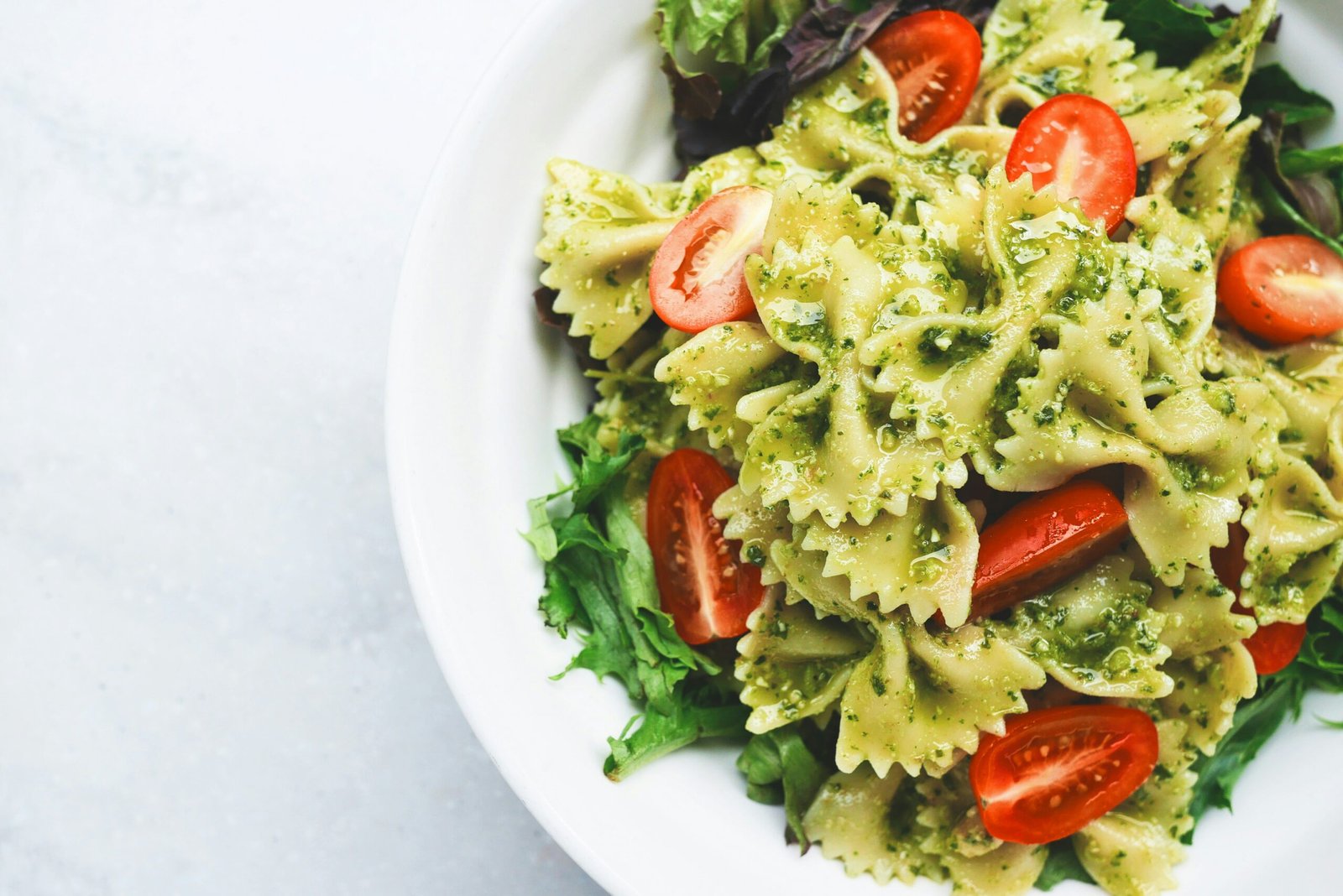
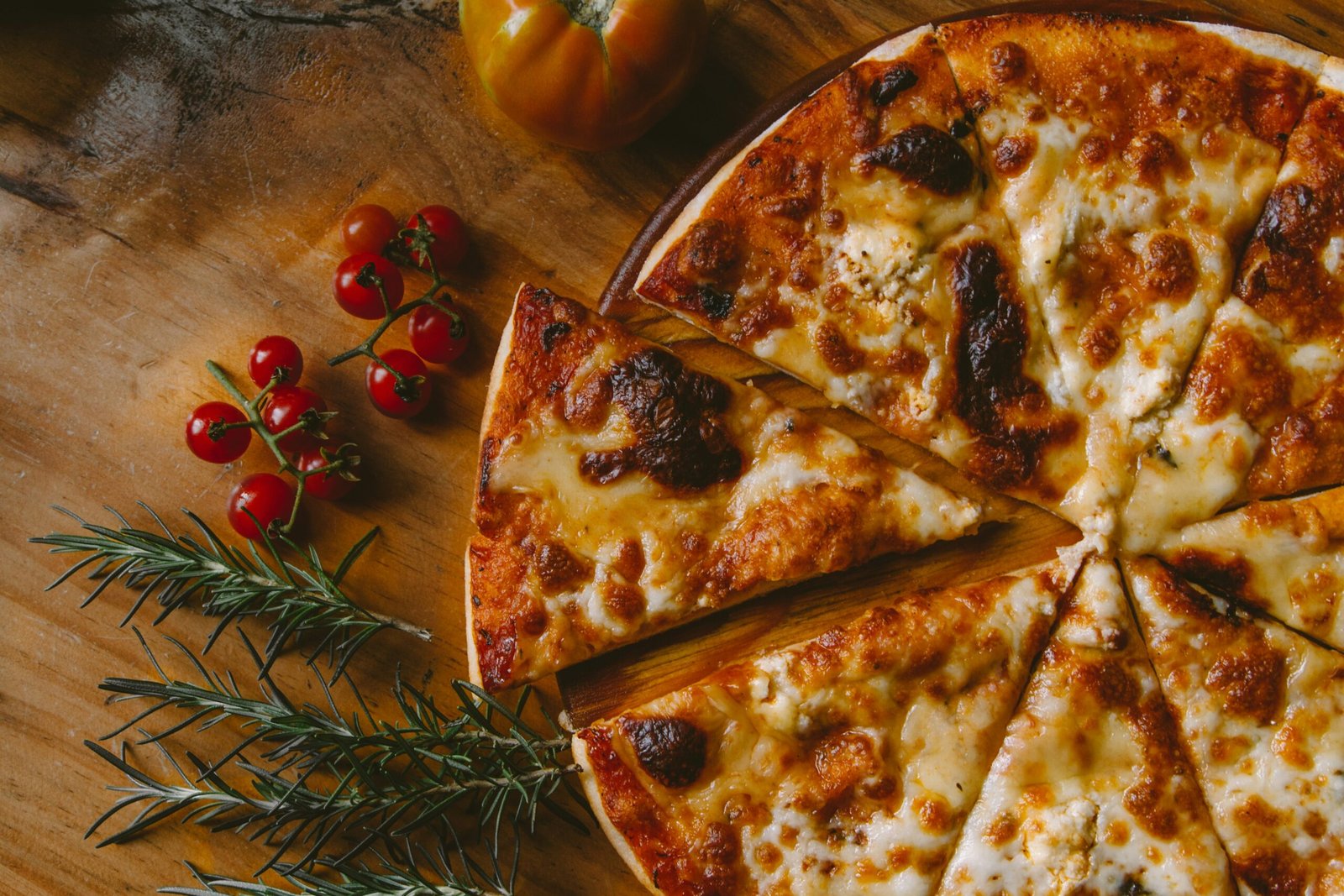
Singapore has established itself as a significant market for Italian products, which are well-regarded for their quality and craftsmanship. Among the various imports, gourmet foods play a crucial role, with items such as olive oil, cheese, pasta, and cured meats enjoying considerable demand. These Italian delicacies are not only sought after for their authentic flavors but are also an integral part of Singapore’s vibrant culinary scene, reflecting the city-state’s multicultural dining preferences.
Another prominent category is Italian wines. Renowned regions like Tuscany, Piedmont, and Veneto contribute to a diverse selection of wines that appeal to both casual consumers and connoisseurs. The popularity of Italian wine in Singapore is evident in the numerous Italian restaurants and bars that offer extensive wine lists, underscoring the importance of these beverages in enhancing dining experiences and social gatherings. As a result, the import of Italian wines is a substantial segment of the Italian products market in Singapore, contributing significantly to the country’s gastronomy.
In addition to gourmet foods and wines, Italian fashion items hold a vital place in Singapore’s retail landscape. High-end brands, known for their exquisite design and craftsmanship, attract a broad consumer base ranging from luxury shoppers to fashion enthusiasts. The presence of flagship stores and boutiques, primarily located in upscale shopping districts, reflects the growing demand for luxury Italian goods. Moreover, Italian-made leather products, including handbags and shoes, are often perceived as a status symbol, further amplifying their desirability in the local market.
Lastly, luxury goods drawn from Italy, such as watches and accessories, are increasingly popular among affluent consumers in Singapore. Italian craftsmanship in these products embodies elegance and sophistication, appealing to those seeking exclusivity and tradition. In summary, the diverse array of Italian imports not only enriches Singapore’s consumption landscape but also sets the stage for understanding the complexities introduced by international tariffs and their implications for the local dining and retail environment.
Understanding the Tariff Mechanism
To comprehend the implications of US tariffs on Italian products imported to Singapore, it is essential to understand the structure and types of tariffs. Tariffs are financial charges imposed by governments on imported goods, primarily aimed at protecting domestic industries, raising revenue, or influencing trade balances. There are several types of tariffs, with the most common being ad valorem tariffs and specific tariffs.
Ad valorem tariffs are calculated as a percentage of the total value of the imported goods. For instance, if Singapore imposes a 10% ad valorem tariff on Italian wines, the additional cost will be based on the price of each shipment. This method tends to fluctuate alongside market values, making it a variable factor in determining the final retail price for consumers. On the other hand, specific tariffs are fixed charges applied per unit of the product, regardless of its value. For example, if a specific tariff of $5 is set per bottle of Italian olive oil, this amount will be added to the import cost irrespective of the oil’s retail value.
In addition to these basic classifications, tariffs can be subject to frequent changes based on various economic factors, including trade negotiations and international relations. Importers of Italian products to Singapore must remain vigilant about these shifts, as they can significantly affect the cost structure of their operations. Increased tariffs from the US can lead to higher prices for Italian products in Singapore, ultimately impacting consumers’ choices when dining out. As tariffs fluctuate, both importers and consumers may find themselves adjusting to new pricing dynamics, thereby influencing market demand and consumption patterns.
Understanding the intricacies of tariffs, including their types and potential changes, is crucial for businesses and consumers alike. Such knowledge will enable stakeholders to make informed decisions regarding the procurement of Italian products and their subsequent impact on the cost of dining out in Singapore.
Direct Effects of US Tariffs on Italian Products
Recent US tariffs imposed on a variety of goods have had far-reaching consequences, particularly concerning the importation of Italian products. The escalation of these tariffs often results in increased pricing due to the added duties incurred during the importation process. For importers sourcing Italian goods from the US market to markets like Singapore, these rising costs are a pressing concern, as they must decide whether to absorb these tariffs or pass them onto consumers.
As a direct result of these tariffs, prices of Italian products such as wines, cheeses, and olive oil have experienced notable increases in Singaporean retail outlets. This price adjustment reflects not only the cost of the products themselves but also the augmented shipping and administrative fees that come with navigating the complexities of tariff regulations. Consumers in Singapore, known for their diverse culinary preferences, may find that indulging in authentic Italian cuisine comes with a heftier price tag. These price adjustments risk deterring consumers who may seek more affordable local alternatives, thus impacting the overall market demand for Italian products.
Moreover, the ripple effects of US tariffs extend beyond the immediate concerns of importers, affecting restaurants and dining establishments in Singapore that rely heavily on these imported goods. Higher costs for ingredients can lead establishments to review their pricing strategies, resulting in increased menu prices for diners. Consequently, the overall dining experience may shift, with patrons experiencing higher costs for traditional Italian dishes. The implications of these tariffs are significant, ultimately contributing to a higher cost of dining out in Singapore, which can reshape consumer behavior and dining trends as they adjust to the new pricing landscape.
Impact on Restaurants Serving Italian Cuisine in Singapore
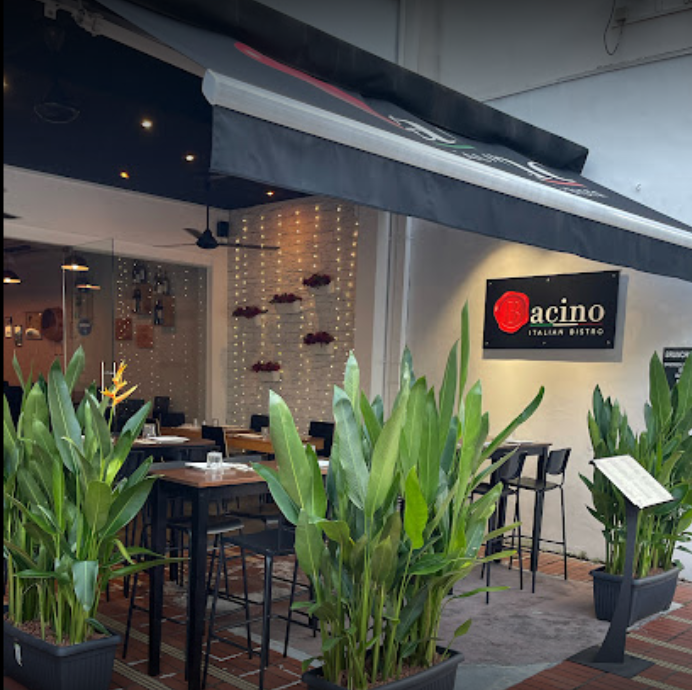
The imposition of US tariffs on Italian imports has had a notable effect on Singapore’s restaurant industry, particularly those that specialize in Italian cuisine. Many restaurants rely heavily on authentic Italian ingredients such as imported cheeses, cured meats, olive oils, and specialty sauces, which are now subject to increased costs due to the tariffs. This has resulted in a substantial rise in operational expenses for restaurant operators, compelling them to reassess their pricing strategies in order to maintain profitability.
As the prices for these essential ingredients have surged, many local establishments have had to make difficult decisions. Some operators have opted to pass on the increased costs to consumers by adjusting menu prices, leading to higher dining costs for patrons seeking authentic Italian meals. The rise in menu prices may deter some customers, particularly those who prioritize affordability, which could potentially result in a decrease in foot traffic for these establishments.
To mitigate the impact of tariffs, some restaurants have begun exploring alternative sourcing strategies. This includes seeking out local suppliers who can provide similar ingredients without the additional cost burden associated with imports. While this approach might offer a temporary solution, it may also lead to a shift in menu offerings, as achieving the same level of authenticity can be challenging when relying on locally sourced products. As a result, diners may find that their favorite traditional Italian dishes are altered or even removed from the menu altogether.
In essence, the tariffs imposed on Italian imports are reshaping the landscape for restaurants specializing in Italian cuisine in Singapore. While they strive to balance the need for authentic flavors with the realities of rising costs, the ultimate effect on diners is an evolving culinary experience that could redefine what it means to enjoy Italian food in the city-state.
Consumer Behavior Changes Due to Rising Costs
As the costs associated with dining out and purchasing imported Italian goods rise due to US tariffs, consumer behavior is likely to experience notable shifts. The increase in prices for imported products can lead consumers to reassess their spending habits, prompting them to prioritize local products over foreign imports. This trend is particularly relevant in Singapore, where a growing number of consumers are becoming more conscious of the source of their food. Opting for locally produced ingredients not only supports local businesses but often results in better pricing, as transportation and import fees for foreign goods escalate.
Additionally, the rising costs of dining out can influence individuals to substitute alternative cuisines rather than stick to traditional Italian dining experiences. Restaurants offering diverse menus featuring local or regional fare may gain popularity as consumers search for value without compromising on quality. This shift presents an opportunity for establishments to innovate and adapt their offerings to meet the changing preferences of cost-sensitive diners. Furthermore, promotional strategies that highlight the uniqueness and value of local dishes can also attract customers looking for affordable but satisfying alternatives.
Moreover, some consumers may choose to limit their dining out experiences entirely, opting to cook at home more frequently. The rising cost of imported Italian products can foster a home-cooking culture, encouraging individuals to explore culinary skills and experiment with new recipes using local ingredients. This behavior is not only cost-effective but can also enhance consumer engagement with food. As sentiments around pricing intensity heighten, many consumers might seek advantageous deals, discounts, or loyalty rewards to alleviate the financial burden when dining out.
Ultimately, understanding these behavioral shifts is crucial for businesses and policymakers alike as they navigate the evolving landscape of consumer preferences in response to increased costs.
Government Policy and Its Implications
The landscape of international trade is continually evolving, especially in light of recent tariffs imposed by the United States. These tariffs are creating challenges for various countries that import goods, including Singapore, particularly when it comes to Italian products which are widely sought after in the marketplace. In response to these changes, the Singaporean government has taken significant steps to adapt its trade policies.
Singapore’s trade strategy has traditionally emphasized free trade and minimal barriers to entry, fostering an environment conducive to robust economic growth. However, the new tariffs from the US necessitate a reevaluation of how Singapore approaches its importation of goods. The government is likely to promote discussions aimed at negotiating favorable terms with the US, as these tariffs could lead to increased costs for businesses that source Italian products. Such negotiations can be vital to smoothing trade relations and potentially alleviating the financial burdens placed on local importers.
Moreover, Singapore has been active in seeking out bilateral agreements with various trading partners, which can serve to offset the impacts of US tariffs. By reinforcing existing trade agreements and forming new partnerships, Singapore aims to maintain its position as a global trading hub. These initiatives not only seek to mitigate the tariffs imposed by the US but also enhance the overall import landscape. Consequently, the government may focus on minimizing import duties and fostering trade relationships that could lead to the flow of Italian goods without heavy financial repercussions.
In addressing the implications of US tariffs, it is crucial for Singapore’s policymakers to remain agile and responsive to the shifting trade dynamics. As they navigate these challenges, the country’s ability to maintain open trade channels and foster stability will be instrumental in ensuring that dining experiences and access to Italian products remain competitive and affordable for consumers in Singapore.
Future Outlook: Trends in Italian Imports and Dining Costs
The future of Italian imports into Singapore, particularly in the context of U.S. tariff policies, is poised for several notable shifts. The ongoing and potential imposition of tariffs on Italian goods has prompted significant discussions among industry stakeholders. As U.S. tariffs influence pricing structures and availability, Singapore’s import landscape may evolve in response. Customers and restaurateurs alike are increasingly focused on sourcing local alternatives or other import options that may not be as heavily affected by tariffs.
Given current trends, it is anticipated that the restaurant industry will adopt a more diversified sourcing strategy to mitigate the increased costs associated with imported Italian goods. This may include a surge in demand for locally produced ingredients or adaptations to Italian dishes that incorporate regional flavors and products, thereby maintaining authenticity while managing expenses. Additionally, rising transportation costs due to tariffs can lead to upward pressure on menu prices, potentially altering consumer dining habits.
Consumer preferences are also shifting as a result of these economic pressures. Diners in Singapore may become more inclined to support eateries that showcase both authentic Italian dining and innovative culinary experiences featuring locally sourced ingredients. Furthermore, with increasing awareness of the economic implications of tariffs, there is likely to be a growing interest in the stories behind imported products, driving demand for transparency in supply chains.
In conclusion, the interplay between U.S. tariff policies and the importation of Italian products to Singapore will significantly impact the cost of dining out. As the situation develops, stakeholders within the culinary sector must remain agile and responsive, adapting business strategies to navigate potential challenges while still catering to evolving consumer preferences. The ability to blend tradition with innovation will be key in enhancing dining experiences amidst these changes.
Conclusion: Navigating Tariffs and Market Changes
In the contemporary landscape of global trade, the implications of US tariffs on importing Italian products to Singapore are profound. These tariffs can significantly alter the pricing structure of Italian goods, thereby affecting consumer spending habits and dining experiences. The increased costs associated with tariffs often lead to higher retail prices for imported products, which, in turn, can elevate the overall cost of dining out, particularly in restaurants that rely heavily on authentic Italian ingredients.
The intricate relationship between trade policies and consumer expenditures cannot be overlooked. As US tariffs impose additional costs on Italian imports, culinary establishments in Singapore may be compelled to either absorb these costs or pass them onto consumers. This could potentially lead to a shift in dining preferences as consumers weigh the value of authentic Italian cuisine against rising expenses. Moreover, the changing landscape emphasizes the necessity for both consumers and businesses to remain informed regarding tariff-related developments. Understanding these dynamics is crucial for making educated decisions in both purchasing choices and operational practices.
Furthermore, as the global marketplace continues to evolve, the impact of tariffs may fluctuate, influenced by negotiations and changes in policy. Restaurants might explore local alternatives or adjust their menus to maintain affordability, further exemplifying the adaptability of the culinary sector. Staying attuned to these market changes not only aids consumers in making informed decisions but also supports local businesses in navigating the challenges posed by fluctuating import costs.
In conclusion, the interplay of US tariffs, the importation of Italian products, and their impact on dining costs in Singapore underscores a complex but essential aspect of international trade. Continuous awareness of trade relations and consumer trends will be vital for all stakeholders involved in the culinary landscape.